Collection
Science
2026.09.10
The Ten Spacecraft that Redrew the Map of the Moon
Missions that Changed Lunar Science, from Impact Exploration to Gravity Mapping and Atmospheric Observation
The Moon may seem close, but it required different spacecraft to send images just before impact, to land smoothly, and to measure the gravity and thin exosphere across the entire lunar surface.
Ranger, Surveyor, and Luna Orbiter paved the way for Apollo, while subsequent missions after Clementine mapped the unseen aspects of the Moon, such as polar ice, internal structure, and the dust environment. "The Ten Spacecraft that Redrew the Map of the Moon" compiles real spacecraft in a list based on the accumulation of technologies that enhanced lunar observation and landing possibilities. The spacecraft are arranged to show changes in mission methods based on launch years, and only information verified in official records from operating agencies was used. The comparison criteria are detailed separately in each item description.
Ranger, Surveyor, and Luna Orbiter paved the way for Apollo, while subsequent missions after Clementine mapped the unseen aspects of the Moon, such as polar ice, internal structure, and the dust environment. "The Ten Spacecraft that Redrew the Map of the Moon" compiles real spacecraft in a list based on the accumulation of technologies that enhanced lunar observation and landing possibilities. The spacecraft are arranged to show changes in mission methods based on launch years, and only information verified in official records from operating agencies was used. The comparison criteria are detailed separately in each item description.
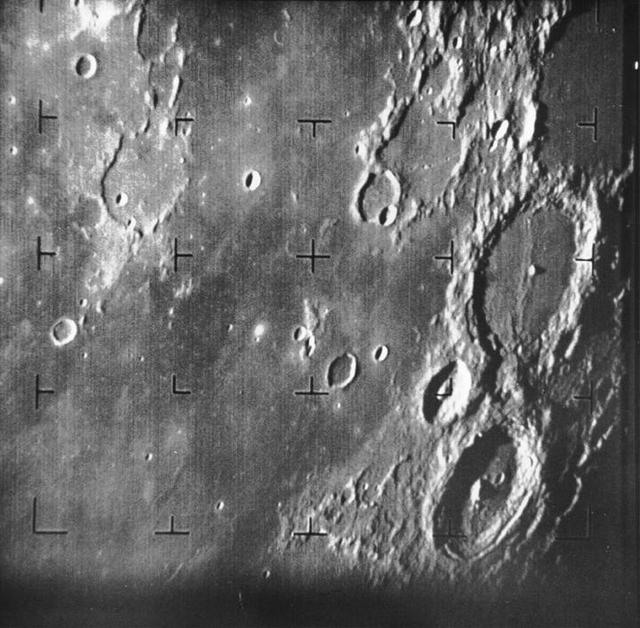
Ranger 7
When examining 'Ranger 7', the first thing to check in this list is its design rather than the records. This spacecraft was the first successful American Ranger to send high-resolution photos just before colliding with the Moon's surface. NASA launched it on July 28, 1964, targeting the Moon as a pre-impact imaging probe. Together, these four pieces of information help distinguish the historical position and actual mission scope of 'Ranger 7' that the name alone does not reveal.
The most interesting aspect of 'Ranger 7' is its design that used the collision not as a mission end but as a close-up imaging method. If 'Ranger 7' is still operational, it's worth exploring how the latest results differ from the initial goals. The mission status of 'Ranger 7' is 'mission complete', and for the terminated craft, we should read the remaining data and subsequent technologies, while for the operational craft, we should focus on tasks expanded from the original plan. This perspective shows that 'Ranger 7' was not just a record holder but a tool that solved specific problems.
In the flow of the list, it is worth looking at 'Surveyor 1' next. By comparing 'Ranger 7's' pre-impact imaging probe with 'Surveyor 1's' unmanned lander, we can confirm that the accumulation of lunar landing and observation technologies was built through multiple mission trials rather than a single invention. The official page for 'Ranger 7' provides more detailed launch information, mission progress, and onboard equipment, so for ongoing missions where dates and statuses change, it's safer to check the latest notices together.
The most interesting aspect of 'Ranger 7' is its design that used the collision not as a mission end but as a close-up imaging method. If 'Ranger 7' is still operational, it's worth exploring how the latest results differ from the initial goals. The mission status of 'Ranger 7' is 'mission complete', and for the terminated craft, we should read the remaining data and subsequent technologies, while for the operational craft, we should focus on tasks expanded from the original plan. This perspective shows that 'Ranger 7' was not just a record holder but a tool that solved specific problems.
In the flow of the list, it is worth looking at 'Surveyor 1' next. By comparing 'Ranger 7's' pre-impact imaging probe with 'Surveyor 1's' unmanned lander, we can confirm that the accumulation of lunar landing and observation technologies was built through multiple mission trials rather than a single invention. The official page for 'Ranger 7' provides more detailed launch information, mission progress, and onboard equipment, so for ongoing missions where dates and statuses change, it's safer to check the latest notices together.
운영기관 NASA
발사일 1964-07-28
형식 충돌 전 촬영 탐사선
목표 달
임무 상태 임무 종료
이미지 자료 NASA Image Library · First Image of the Moon taken by a U.S. Spacecraft
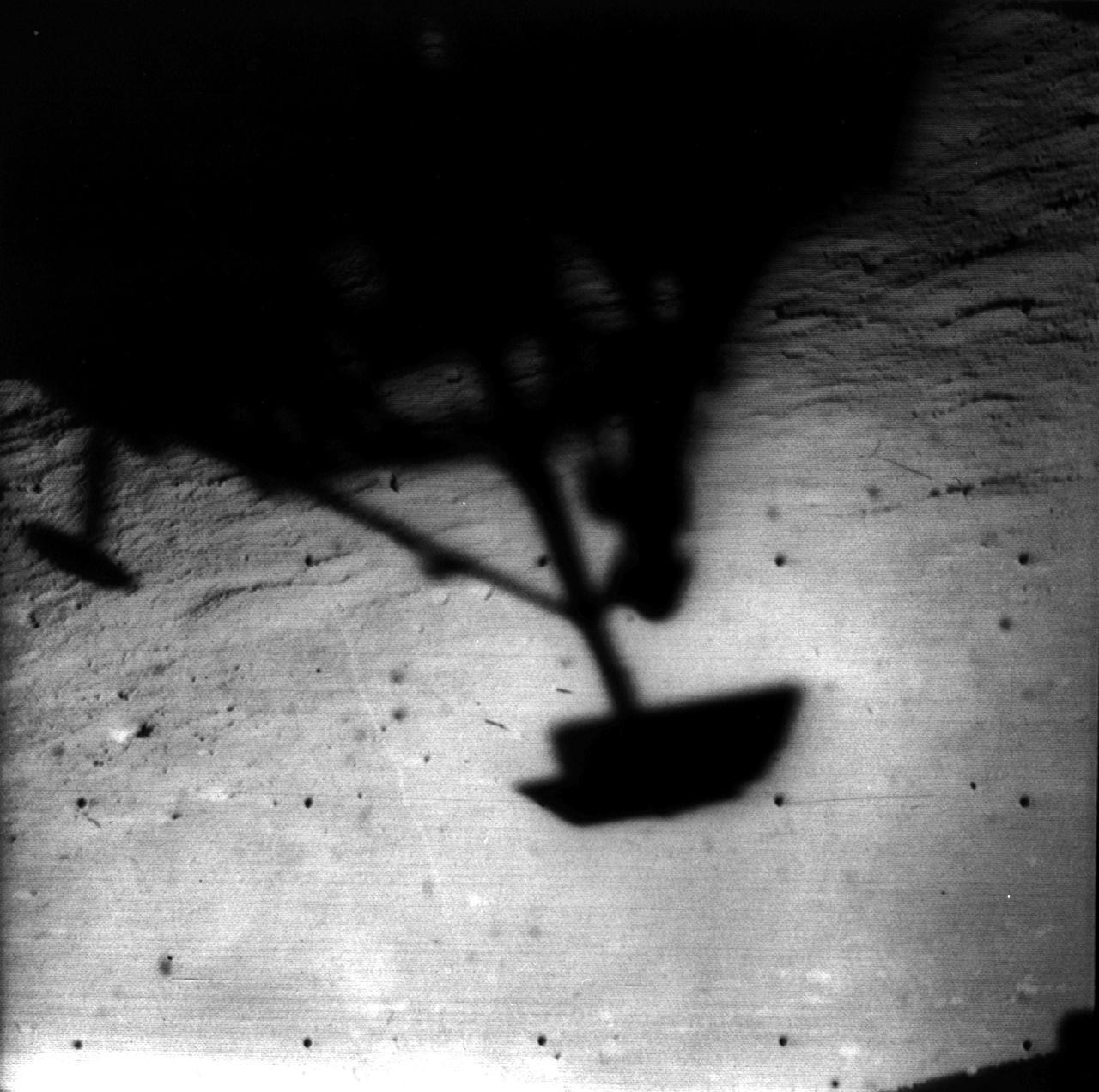
Surveyor 1
When examining 'Surveyor 1', the starting point for understanding this craft lies in the conditions required by the mission. This spacecraft became the first to successfully land gently on the Moon, providing critical surface information necessary for Apollo landings. NASA launched it on May 30, 1966, targeting the Moon as an unmanned lander. Together, these four pieces of information help distinguish the historical position and actual mission scope of 'Surveyor 1' that the name alone does not reveal.
The most interesting aspect of 'Surveyor 1' is the process by which it confirmed a soft landing through rocket deceleration and leg structure. While reading mission data for 'Surveyor 1', it's beneficial to follow the procedures that reduced risks in addition to the successful landing scenes. The mission status of 'Surveyor 1' is 'mission complete', and for the terminated craft, we should read the remaining data and subsequent technologies, while for the operational craft, we should focus on tasks expanded from the original plan. This perspective shows that 'Surveyor 1' was not just a record holder but a tool that solved specific problems.
Next in the flow of the list, it makes sense to look at 'Luna Orbiter 1'. By comparing 'Surveyor 1's' unmanned lander with 'Luna Orbiter 1's' lunar orbiter, we can confirm that the accumulation of lunar landing and observation technologies was achieved through multiple mission trial and error rather than a single invention. The official page for 'Surveyor 1' provides more detailed launch information, mission progress, and onboard equipment, so for ongoing missions where dates and statuses change, it's safer to check the latest notices together.
The most interesting aspect of 'Surveyor 1' is the process by which it confirmed a soft landing through rocket deceleration and leg structure. While reading mission data for 'Surveyor 1', it's beneficial to follow the procedures that reduced risks in addition to the successful landing scenes. The mission status of 'Surveyor 1' is 'mission complete', and for the terminated craft, we should read the remaining data and subsequent technologies, while for the operational craft, we should focus on tasks expanded from the original plan. This perspective shows that 'Surveyor 1' was not just a record holder but a tool that solved specific problems.
Next in the flow of the list, it makes sense to look at 'Luna Orbiter 1'. By comparing 'Surveyor 1's' unmanned lander with 'Luna Orbiter 1's' lunar orbiter, we can confirm that the accumulation of lunar landing and observation technologies was achieved through multiple mission trial and error rather than a single invention. The official page for 'Surveyor 1' provides more detailed launch information, mission progress, and onboard equipment, so for ongoing missions where dates and statuses change, it's safer to check the latest notices together.
운영기관 NASA
발사일 1966-05-30
형식 무인 착륙선
목표 달
임무 상태 임무 종료
이미지 자료 NASA Image Library · Surveyor 1 Shadow
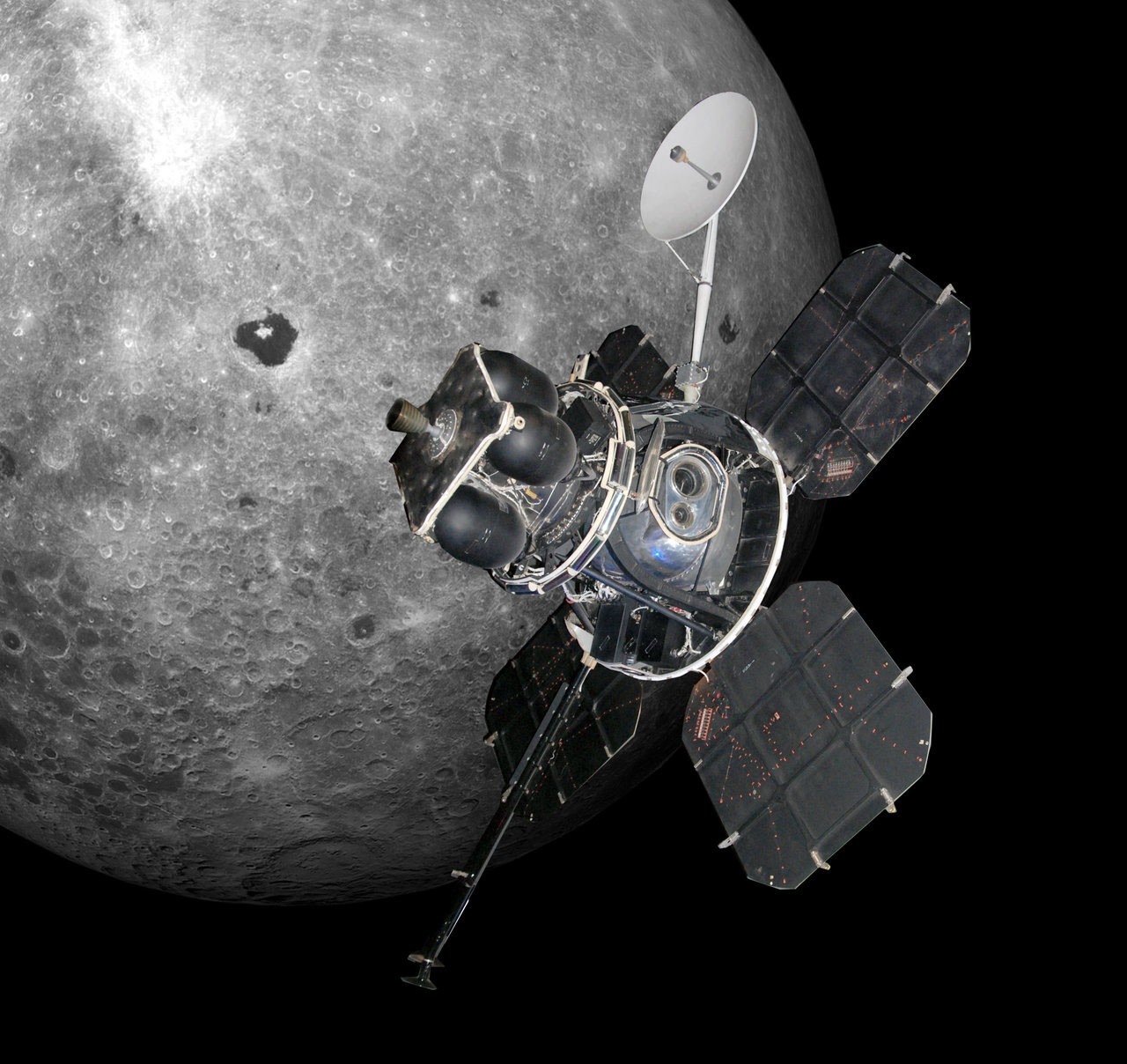
Luna Orbiter 1
When examining 'Luna Orbiter 1', the aspects that are often missed when judging its achievements lie in the choices made for the spacecraft. This spacecraft is the lunar orbiter that took pictures of potential Apollo landing sites and retained the first faraway photo of Earth. NASA launched it on August 10, 1966, targeting the Moon as a lunar orbiter. Together, these four pieces of information help distinguish the historical position and actual mission scope of 'Luna Orbiter 1' that the name alone does not reveal.
The most interesting aspect of 'Luna Orbiter 1' is its imaging system that developed and transmitted film in space. By looking at 'Luna Orbiter 1', you can understand the design by observing the order of equipment usage after reaching the objective. The mission status of 'Luna Orbiter 1' is 'mission complete', and for the terminated craft, we should read the remaining data and subsequent technologies, while for the operational craft, we should focus on tasks expanded from the original plan. This perspective shows that 'Luna Orbiter 1' was not just a record holder but a tool that solved specific problems.
Next in the flow of the list, it makes sense to look at 'Apollo 11 Lunar Module'. By comparing 'Luna Orbiter 1's' lunar orbiter with 'Apollo 11 Lunar Module's' manned landing module, we can confirm that the accumulation of lunar landing and observation technologies was achieved through multiple mission trial and error rather than a single invention. The official page for 'Luna Orbiter 1' provides more detailed launch information, mission progress, and onboard equipment, so for ongoing missions where dates and statuses change, it's safer to check the latest notices together.
The most interesting aspect of 'Luna Orbiter 1' is its imaging system that developed and transmitted film in space. By looking at 'Luna Orbiter 1', you can understand the design by observing the order of equipment usage after reaching the objective. The mission status of 'Luna Orbiter 1' is 'mission complete', and for the terminated craft, we should read the remaining data and subsequent technologies, while for the operational craft, we should focus on tasks expanded from the original plan. This perspective shows that 'Luna Orbiter 1' was not just a record holder but a tool that solved specific problems.
Next in the flow of the list, it makes sense to look at 'Apollo 11 Lunar Module'. By comparing 'Luna Orbiter 1's' lunar orbiter with 'Apollo 11 Lunar Module's' manned landing module, we can confirm that the accumulation of lunar landing and observation technologies was achieved through multiple mission trial and error rather than a single invention. The official page for 'Luna Orbiter 1' provides more detailed launch information, mission progress, and onboard equipment, so for ongoing missions where dates and statuses change, it's safer to check the latest notices together.
운영기관 NASA
발사일 1966-08-10
형식 달 궤도선
목표 달
임무 상태 임무 종료
이미지 자료 NASA Science · Lunar Orbiter 1 mission image
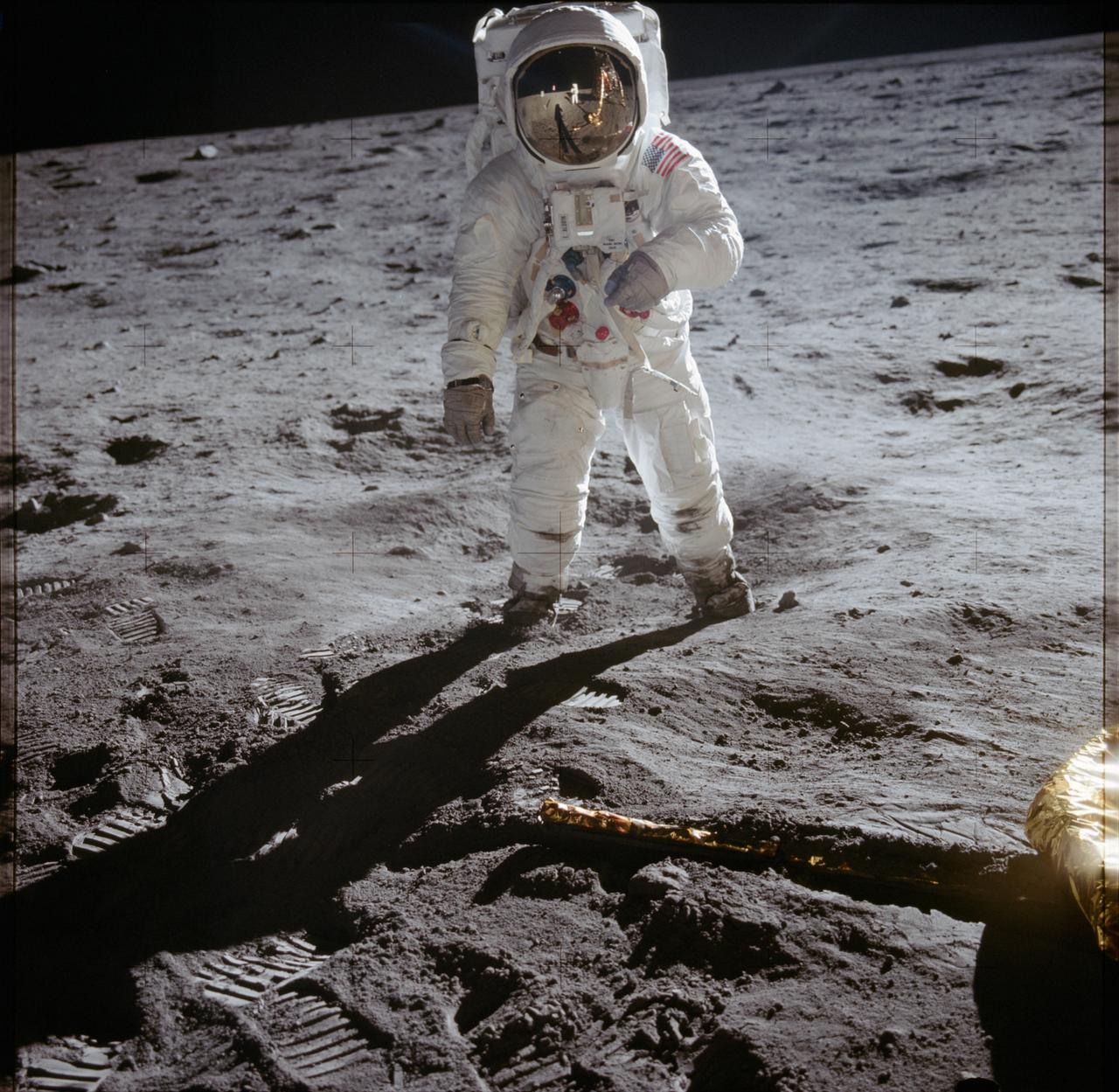
Apollo 11 Lunar Module
When examining 'Apollo 11 Lunar Module', the change becomes evident when comparing generations based on the launch date. This spacecraft performed the first human landing and takeoff from the lunar surface. NASA launched it on July 16, 1969, targeting the Moon as a manned landing module. Together, these four pieces of information help distinguish the historical position and actual mission scope of 'Apollo 11 Lunar Module' that the name alone does not reveal.
The most interesting aspect of 'Apollo 11 Lunar Module' is the method of reducing the return mass by separating the descent stage and ascent stage. If looking at the 'Apollo 11 Lunar Module' as a completed mission, it is valuable to check the final operational methods and the data left behind. The mission status of 'Apollo 11 Lunar Module' is 'mission complete', and for the terminated craft, we should read the remaining data and subsequent technologies, while for the operational craft, we should focus on tasks expanded from the original plan. This perspective shows that 'Apollo 11 Lunar Module' was not just a record holder but a tool that solved specific problems.
Next in the flow of the list, it makes sense to look at 'Clementine'. Comparing 'Apollo 11 Lunar Module's' manned landing module with 'Clementine's' lunar orbiter technology demonstrator, we can confirm that the accumulation of lunar landing and observation technologies was achieved through multiple mission trial and error rather than a single invention. The official page for 'Apollo 11 Lunar Module' provides more detailed launch information, mission progress, and onboard equipment, so for ongoing missions where dates and statuses change, it's safer to check the latest notices together.
The most interesting aspect of 'Apollo 11 Lunar Module' is the method of reducing the return mass by separating the descent stage and ascent stage. If looking at the 'Apollo 11 Lunar Module' as a completed mission, it is valuable to check the final operational methods and the data left behind. The mission status of 'Apollo 11 Lunar Module' is 'mission complete', and for the terminated craft, we should read the remaining data and subsequent technologies, while for the operational craft, we should focus on tasks expanded from the original plan. This perspective shows that 'Apollo 11 Lunar Module' was not just a record holder but a tool that solved specific problems.
Next in the flow of the list, it makes sense to look at 'Clementine'. Comparing 'Apollo 11 Lunar Module's' manned landing module with 'Clementine's' lunar orbiter technology demonstrator, we can confirm that the accumulation of lunar landing and observation technologies was achieved through multiple mission trial and error rather than a single invention. The official page for 'Apollo 11 Lunar Module' provides more detailed launch information, mission progress, and onboard equipment, so for ongoing missions where dates and statuses change, it's safer to check the latest notices together.
운영기관 NASA
발사일 1969-07-16
형식 유인 착륙선
목표 달
임무 상태 임무 종료
이미지 자료 NASA Image Library · Astronaut Edwin Aldrin walks near the Lunar Module
Clementine
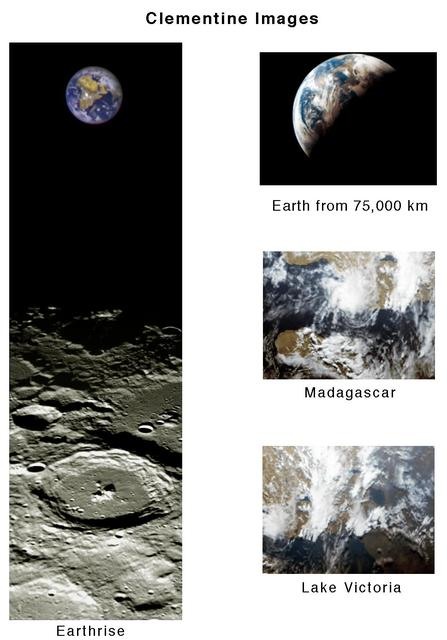
When examining 'Clementine', the name may be familiar, but its actual role becomes evident only when looking at its objectives and orbit. This spacecraft was tasked with mapping the entire Moon across multiple wavelengths and investigating the possibility of polar ice. Launched by the U.S. Department of Defense and NASA on January 25, 1994, it targeted the Moon as a lunar orbiter technology demonstrator. Together, these four pieces of information help distinguish the historical position and actual mission scope of 'Clementine' that the name alone does not reveal.
The most interesting aspect of 'Clementine' is the case where military technology demonstration expanded into lunar science mapping. When observing 'Clementine', it is helpful to look at how power and mass were allocated to which equipment rather than just the size of the spacecraft. The mission status of 'Clementine' is 'mission complete', and for the terminated craft, we should read the remaining data and subsequent technologies, while for the operational craft, we should focus on tasks expanded from the original plan. This perspective shows that 'Clementine' was not just a record holder but a tool that solved specific problems.
Next in the flow of the list, it makes sense to look at 'Luna Prospector'. By comparing 'Clementine's' lunar orbiter technology demonstrator with 'Luna Prospector's' lunar polar orbiter, we can confirm that the accumulation of lunar landing and observation technologies was achieved through multiple mission trial and error rather than a single invention. The official page for 'Clementine' provides more detailed launch information, mission progress, and onboard equipment, so for ongoing missions where dates and statuses change, it's safer to check the latest notices together.
The most interesting aspect of 'Clementine' is the case where military technology demonstration expanded into lunar science mapping. When observing 'Clementine', it is helpful to look at how power and mass were allocated to which equipment rather than just the size of the spacecraft. The mission status of 'Clementine' is 'mission complete', and for the terminated craft, we should read the remaining data and subsequent technologies, while for the operational craft, we should focus on tasks expanded from the original plan. This perspective shows that 'Clementine' was not just a record holder but a tool that solved specific problems.
Next in the flow of the list, it makes sense to look at 'Luna Prospector'. By comparing 'Clementine's' lunar orbiter technology demonstrator with 'Luna Prospector's' lunar polar orbiter, we can confirm that the accumulation of lunar landing and observation technologies was achieved through multiple mission trial and error rather than a single invention. The official page for 'Clementine' provides more detailed launch information, mission progress, and onboard equipment, so for ongoing missions where dates and statuses change, it's safer to check the latest notices together.
운영기관 미 국방부·NASA
발사일 1994-01-25
형식 달 궤도 기술실증선
목표 달
임무 상태 임무 종료
이미지 자료 NASA Image Library · Clementine Images of Earth and Moon
Lunar Prospector
Luna Prospector
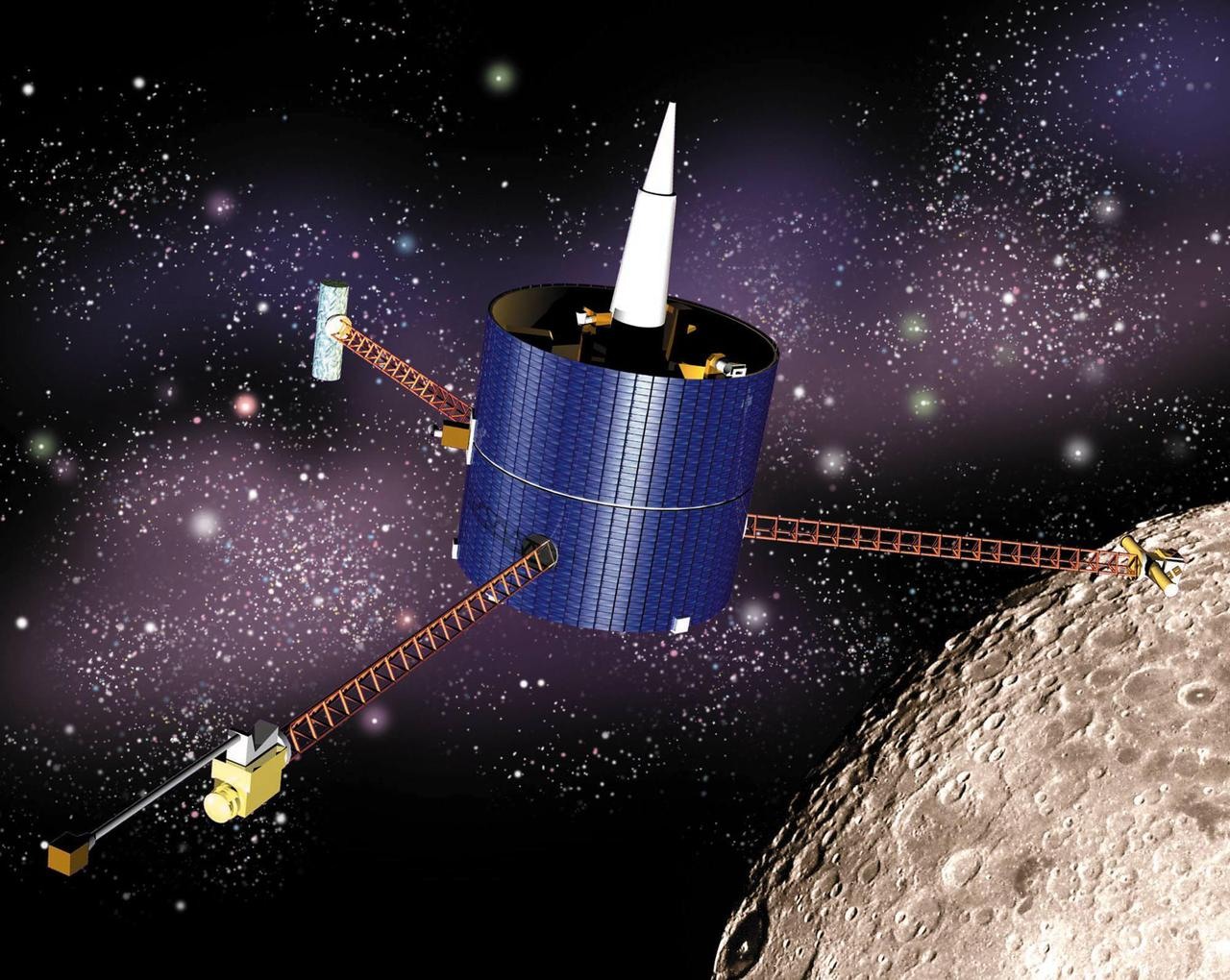
When examining 'Luna Prospector', the decisive moments of the mission started with hardware tailored to its objectives. This spacecraft is a small probe that mapped the Moon's elements, gravity, and magnetic field while measuring hydrogen signals in the poles. NASA launched it on January 7, 1998, targeting the Moon as a lunar polar orbiter. Together, these four pieces of information help distinguish the historical position and actual mission scope of 'Luna Prospector' that the name alone does not reveal.
The most interesting aspect of 'Luna Prospector' is the way it repeatedly collected data across the entire surface from a low polar orbit. When observing 'Luna Prospector', correlating the structures in the images with the list of onboard equipment helps read the mission goals more accurately. The mission status of 'Luna Prospector' is 'mission complete', and for the terminated craft, we should read the remaining data and subsequent technologies, while for the operational craft, we should focus on tasks expanded from the original plan. This perspective shows that 'Luna Prospector' was not just a record holder but a tool that solved specific problems.
Next in the flow of the list, it makes sense to look at 'Lunar Reconnaissance Orbiter (LRO)'. By comparing 'Luna Prospector's' lunar polar orbiter with 'Lunar Reconnaissance Orbiter's' lunar orbiter, we can confirm that the accumulation of lunar landing and observation technologies was achieved through multiple mission trial and error rather than a single invention. The official page for 'Luna Prospector' provides more detailed launch information, mission progress, and onboard equipment, so for ongoing missions where dates and statuses change, it's safer to check the latest notices together.
The most interesting aspect of 'Luna Prospector' is the way it repeatedly collected data across the entire surface from a low polar orbit. When observing 'Luna Prospector', correlating the structures in the images with the list of onboard equipment helps read the mission goals more accurately. The mission status of 'Luna Prospector' is 'mission complete', and for the terminated craft, we should read the remaining data and subsequent technologies, while for the operational craft, we should focus on tasks expanded from the original plan. This perspective shows that 'Luna Prospector' was not just a record holder but a tool that solved specific problems.
Next in the flow of the list, it makes sense to look at 'Lunar Reconnaissance Orbiter (LRO)'. By comparing 'Luna Prospector's' lunar polar orbiter with 'Lunar Reconnaissance Orbiter's' lunar orbiter, we can confirm that the accumulation of lunar landing and observation technologies was achieved through multiple mission trial and error rather than a single invention. The official page for 'Luna Prospector' provides more detailed launch information, mission progress, and onboard equipment, so for ongoing missions where dates and statuses change, it's safer to check the latest notices together.
운영기관 NASA
발사일 1998-01-07
형식 달 극궤도선
목표 달
임무 상태 임무 종료
이미지 자료 NASA Image Library · Lunar Prospector Artist Concept
Lunar Reconnaissance Orbiter (LRO)
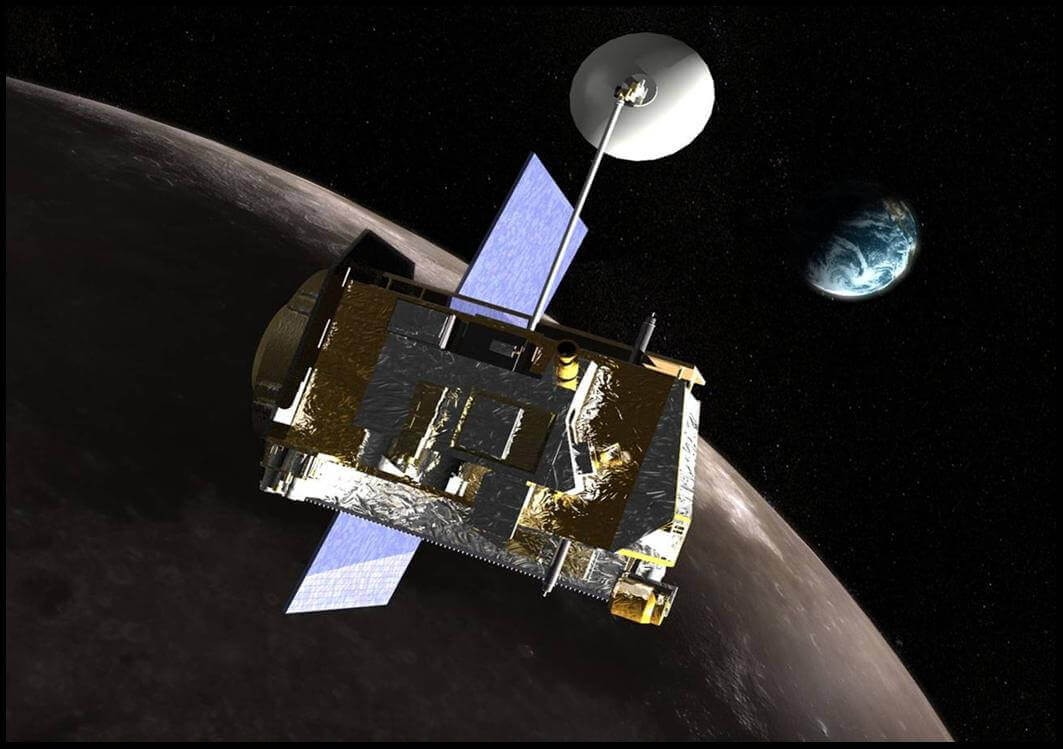
When examining 'Lunar Reconnaissance Orbiter (LRO)', this spacecraft embodies the questions that needed to be answered at the time. This spacecraft is an orbiter that investigates lunar landing candidates with high-resolution mapping and temperature, composition, and radiation data. NASA launched it on June 18, 2009, targeting the Moon as a lunar orbiter. Together, these four pieces of information help distinguish the historical position and actual mission scope of 'Lunar Reconnaissance Orbiter (LRO)' that the name alone does not reveal.
The most interesting aspect of 'Lunar Reconnaissance Orbiter (LRO)' is its ability to repeatedly capture the same surface over an extended period to detect changes. When looking at 'Lunar Reconnaissance Orbiter (LRO)', it's essential to compare how the information obtained changes when the observation location alters. The mission status of 'Lunar Reconnaissance Orbiter (LRO)' is 'active mission', and for the terminated craft, we should read the remaining data and subsequent technologies, while for the operational craft, we should focus on tasks expanded from the original plan. This perspective shows that 'Lunar Reconnaissance Orbiter (LRO)' was not just a record holder but a tool that solved specific problems.
Next in the flow of the list, it makes sense to look at 'LCROSS'. By comparing 'Lunar Reconnaissance Orbiter (LRO)'s' lunar orbiter with 'LCROSS's' impact observation probe, we can confirm that the accumulation of lunar landing and observation technologies was achieved through multiple mission trial and error rather than a single invention. The official page for 'Lunar Reconnaissance Orbiter (LRO)' provides more detailed launch information, mission progress, and onboard equipment, so for ongoing missions where dates and statuses change, it's safer to check the latest notices together.
The most interesting aspect of 'Lunar Reconnaissance Orbiter (LRO)' is its ability to repeatedly capture the same surface over an extended period to detect changes. When looking at 'Lunar Reconnaissance Orbiter (LRO)', it's essential to compare how the information obtained changes when the observation location alters. The mission status of 'Lunar Reconnaissance Orbiter (LRO)' is 'active mission', and for the terminated craft, we should read the remaining data and subsequent technologies, while for the operational craft, we should focus on tasks expanded from the original plan. This perspective shows that 'Lunar Reconnaissance Orbiter (LRO)' was not just a record holder but a tool that solved specific problems.
Next in the flow of the list, it makes sense to look at 'LCROSS'. By comparing 'Lunar Reconnaissance Orbiter (LRO)'s' lunar orbiter with 'LCROSS's' impact observation probe, we can confirm that the accumulation of lunar landing and observation technologies was achieved through multiple mission trial and error rather than a single invention. The official page for 'Lunar Reconnaissance Orbiter (LRO)' provides more detailed launch information, mission progress, and onboard equipment, so for ongoing missions where dates and statuses change, it's safer to check the latest notices together.
운영기관 NASA
발사일 2009-06-18
형식 달 궤도선
목표 달
임무 상태 활성 임무
이미지 자료 NASA Science · Lunar Reconnaissance Orbiter rendering
LCROSS
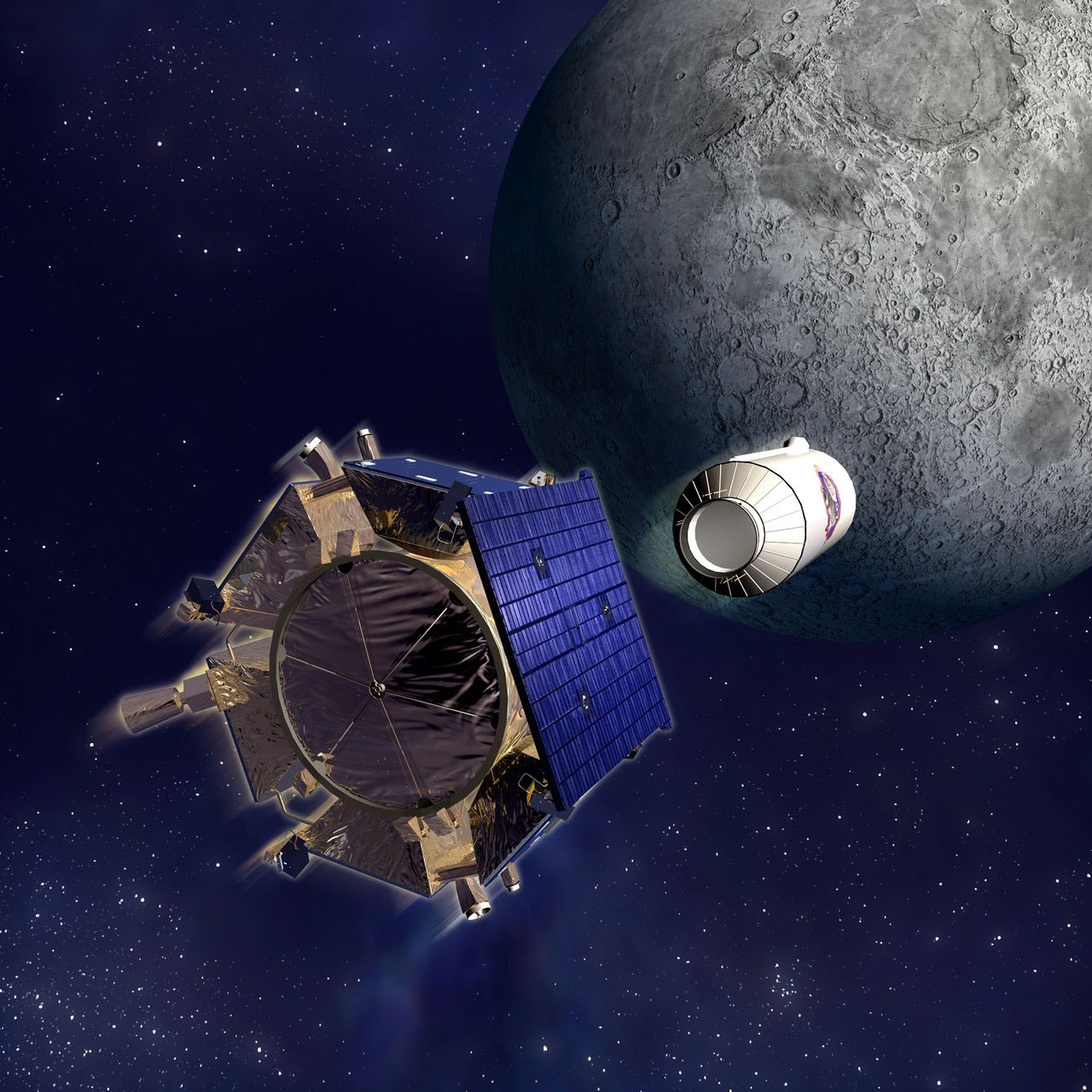
When examining 'LCROSS', behind the observation results lies a design that allocated limited power and communication effectively. This spacecraft was tasked with impacting a rocket upper stage into a lunar crater and measuring evidence of water from the ejecta. NASA launched it on June 18, 2009, targeting the Moon's south pole as an impact observation probe. Together, these four pieces of information help distinguish the historical position and actual mission scope of 'LCROSS' that the name alone does not reveal.
The most interesting aspect of 'LCROSS' is the experiment that combined intentional impact with subsequent observational lines. While viewing 'LCROSS', it's helpful to look for the device maintaining the orientation towards the target in the official photos and the arrangement of the communication section. The mission status of 'LCROSS' is 'mission complete', and for the terminated craft, we should read the remaining data and subsequent technologies, while for the operational craft, we should focus on tasks expanded from the original plan. This perspective shows that 'LCROSS' was not just a record holder but a tool that solved specific problems.
Next in the flow of the list, it makes sense to look at 'GRAIL Twin Spacecraft'. By comparing 'LCROSS's' impact observation probe with 'GRAIL Twin Spacecraft's' twin lunar orbiters, we can confirm that the accumulation of lunar landing and observation technologies was achieved through multiple mission trial and error rather than a single invention. The official page for 'LCROSS' provides more detailed launch information, mission progress, and onboard equipment, so for ongoing missions where dates and statuses change, it's safer to check the latest notices together.
The most interesting aspect of 'LCROSS' is the experiment that combined intentional impact with subsequent observational lines. While viewing 'LCROSS', it's helpful to look for the device maintaining the orientation towards the target in the official photos and the arrangement of the communication section. The mission status of 'LCROSS' is 'mission complete', and for the terminated craft, we should read the remaining data and subsequent technologies, while for the operational craft, we should focus on tasks expanded from the original plan. This perspective shows that 'LCROSS' was not just a record holder but a tool that solved specific problems.
Next in the flow of the list, it makes sense to look at 'GRAIL Twin Spacecraft'. By comparing 'LCROSS's' impact observation probe with 'GRAIL Twin Spacecraft's' twin lunar orbiters, we can confirm that the accumulation of lunar landing and observation technologies was achieved through multiple mission trial and error rather than a single invention. The official page for 'LCROSS' provides more detailed launch information, mission progress, and onboard equipment, so for ongoing missions where dates and statuses change, it's safer to check the latest notices together.
운영기관 NASA
발사일 2009-06-18
형식 충돌 관측 탐사선
목표 달 남극
임무 상태 임무 종료
이미지 자료 NASA Science · LCROSS spacecraft
GRAIL Twin Spacecraft
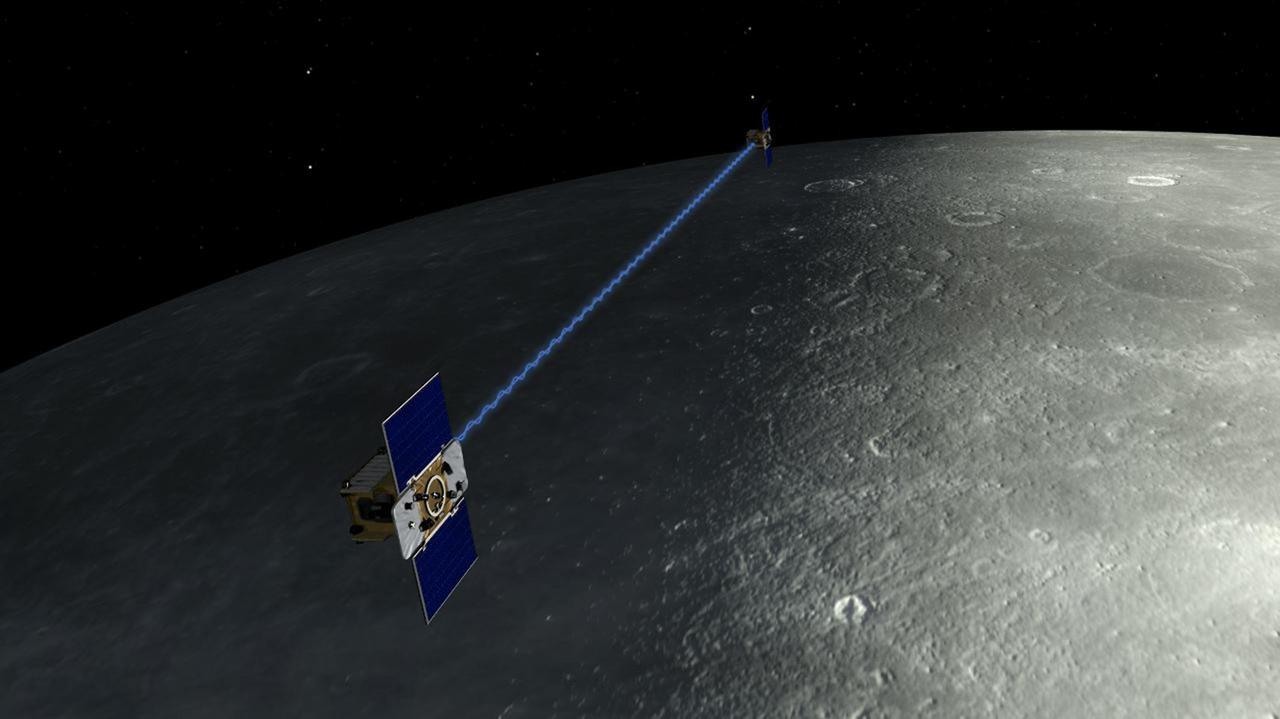
When examining 'GRAIL Twin Spacecraft', the distinguishing features compared to similar missions can be found in the mission trajectory. This spacecraft's mission was to create a precise gravity map showing the Moon's interior by utilizing changes in distance between the two spacecraft. NASA launched it on September 10, 2011, targeting the Moon as twin lunar orbiters. Together, these four pieces of information help distinguish the historical position and actual mission scope of 'GRAIL Twin Spacecraft' that the name alone does not reveal.
The most interesting aspect of 'GRAIL Twin Spacecraft' is the principle of reading invisible mass differences from the relative distances between the two spacecraft. When you place 'GRAIL Twin Spacecraft' alongside contemporaneous vehicles, you can see the priorities of propulsion, power, and observation equipment. The mission status of 'GRAIL Twin Spacecraft' is 'mission complete', and for the terminated craft, we should read the remaining data and subsequent technologies, while for the operational craft, we should focus on tasks expanded from the original plan. This perspective shows that 'GRAIL Twin Spacecraft' was not just a record holder but a tool that solved specific problems.
Next in the flow of the list, it makes sense to look at 'LADEE'. By comparing 'GRAIL Twin Spacecraft's' twin lunar orbiters with 'LADEE's' lunar orbiter, we can confirm that the accumulation of lunar landing and observation technologies was achieved through multiple mission trial and error rather than a single invention. The official page for 'GRAIL Twin Spacecraft' provides more detailed launch information, mission progress, and onboard equipment, so for ongoing missions where dates and statuses change, it's safer to check the latest notices together.
The most interesting aspect of 'GRAIL Twin Spacecraft' is the principle of reading invisible mass differences from the relative distances between the two spacecraft. When you place 'GRAIL Twin Spacecraft' alongside contemporaneous vehicles, you can see the priorities of propulsion, power, and observation equipment. The mission status of 'GRAIL Twin Spacecraft' is 'mission complete', and for the terminated craft, we should read the remaining data and subsequent technologies, while for the operational craft, we should focus on tasks expanded from the original plan. This perspective shows that 'GRAIL Twin Spacecraft' was not just a record holder but a tool that solved specific problems.
Next in the flow of the list, it makes sense to look at 'LADEE'. By comparing 'GRAIL Twin Spacecraft's' twin lunar orbiters with 'LADEE's' lunar orbiter, we can confirm that the accumulation of lunar landing and observation technologies was achieved through multiple mission trial and error rather than a single invention. The official page for 'GRAIL Twin Spacecraft' provides more detailed launch information, mission progress, and onboard equipment, so for ongoing missions where dates and statuses change, it's safer to check the latest notices together.
운영기관 NASA
발사일 2011-09-10
형식 쌍둥이 달 궤도선
목표 달
임무 상태 임무 종료
이미지 자료 NASA Image Library · NASA GRAIL Spacecraft in Science Collection Phase Artist Concept
LADEE
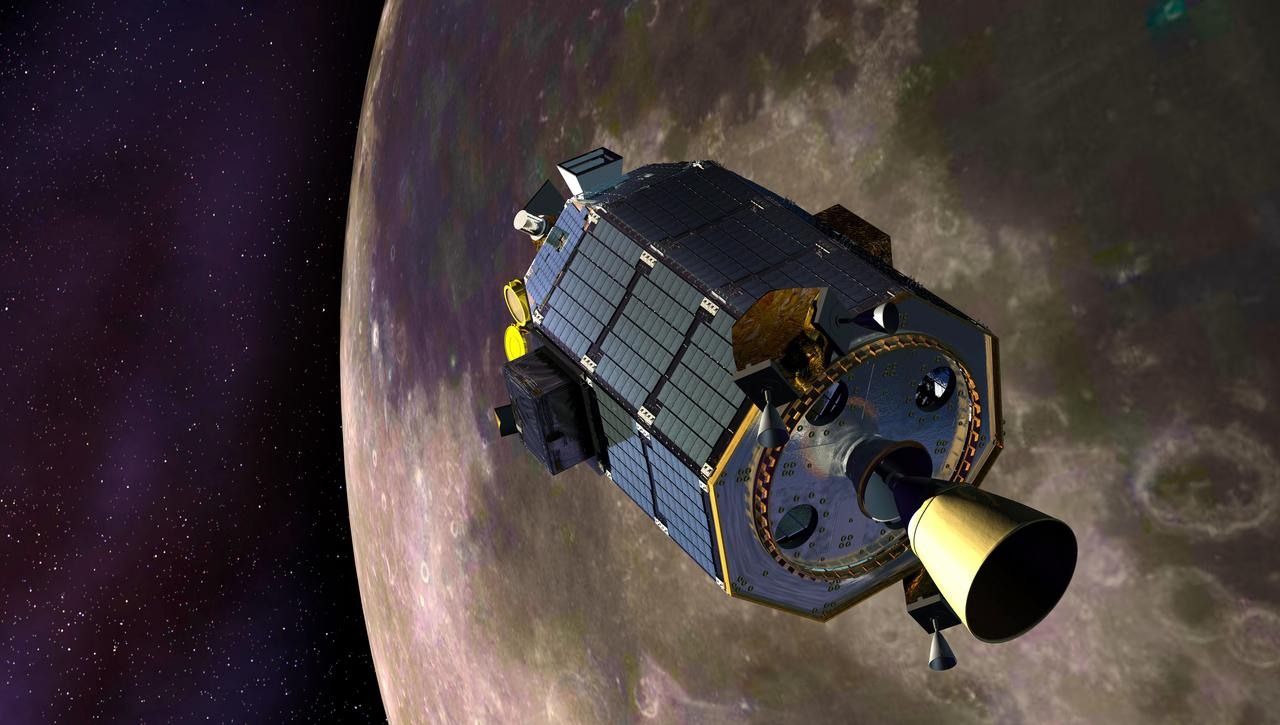
When examining 'LADEE', its value lies in the standards it set for future missions rather than in its impressive records. This spacecraft is a small probe that measured the composition of the thin lunar exosphere and its dust environment. Launched by NASA on 2013-09-07, it aimed for the lunar exosphere as an orbiter. Looking at this information together, we can distinguish 'LADEE's' historical position and actual mission scope, which may not be apparent just from its name.
The most intriguing aspect of 'LADEE' is its observations that differentiated particles and light in an almost atmosphere-free environment. When considering 'LADEE', checking the communication range and mission duration first makes the reasons for antenna and power selection clear. 'LADEE's' mission status is 'mission complete', and for completed spacecraft, we should read the data and subsequent technologies they left behind, while for operational spacecraft, we need to focus on tasks that have expanded from the original plan. This perspective reveals that 'LADEE' was not just a record holder, but a tool that solved specific problems.
In the flow of the list, it’s worthwhile to look at it following 'Ranger 7'. Comparing 'LADEE's' lunar orbiter with 'Ranger 7's' pre-impact imaging probe shows that the accumulation of landing and observation technology came from trial and error across multiple missions rather than from a single invention. On 'LADEE's' official page, you can check launch information, mission progress, and onboard equipment in more detail, so for an ongoing mission with changing dates and statuses, it's best to view the latest updates together.
The most intriguing aspect of 'LADEE' is its observations that differentiated particles and light in an almost atmosphere-free environment. When considering 'LADEE', checking the communication range and mission duration first makes the reasons for antenna and power selection clear. 'LADEE's' mission status is 'mission complete', and for completed spacecraft, we should read the data and subsequent technologies they left behind, while for operational spacecraft, we need to focus on tasks that have expanded from the original plan. This perspective reveals that 'LADEE' was not just a record holder, but a tool that solved specific problems.
In the flow of the list, it’s worthwhile to look at it following 'Ranger 7'. Comparing 'LADEE's' lunar orbiter with 'Ranger 7's' pre-impact imaging probe shows that the accumulation of landing and observation technology came from trial and error across multiple missions rather than from a single invention. On 'LADEE's' official page, you can check launch information, mission progress, and onboard equipment in more detail, so for an ongoing mission with changing dates and statuses, it's best to view the latest updates together.
운영기관 NASA
발사일 2013-09-07
형식 달 궤도선
목표 달 외기권
임무 상태 임무 종료
이미지 자료 NASA Image Library · LADEE spacecraft in lunar orbit
The achievements of lunar exploration cannot be explained solely by landing scenes. The accumulation of surface photos, topographic maps, gravity, elemental, radiation, and dust data has allowed for safer selection of landing sites and equipment for future spacecraft.
Let's first compare Ranger 7 and LRO, then insert the intermediate missions in chronological order. You can check how the questions shifted from landing possibilities to resource and long-term habitation environments, not just the photo resolution. In the link to "The Ten Spacecraft that Redrew the Map of the Moon," you can find more detailed information and images by mission. When new exploration results are released, maintaining the standard of accumulated technologies that observe the Moon and enhance landing possibilities will ensure the continuity of the list.
Let's first compare Ranger 7 and LRO, then insert the intermediate missions in chronological order. You can check how the questions shifted from landing possibilities to resource and long-term habitation environments, not just the photo resolution. In the link to "The Ten Spacecraft that Redrew the Map of the Moon," you can find more detailed information and images by mission. When new exploration results are released, maintaining the standard of accumulated technologies that observe the Moon and enhance landing possibilities will ensure the continuity of the list.
한눈에 보기
10개
Ranger 7
NASA · 1964-07-28 · 충돌 전 촬영 탐사선 · 달 · 임무 종료 · NASA Image Library · First Image of the Moon taken by a U.S. Spacecraft
Surveyor 1
NASA · 1966-05-30 · 무인 착륙선 · 달 · 임무 종료 · NASA Image Library · Surveyor 1 Shadow
Luna Orbiter 1
NASA · 1966-08-10 · 달 궤도선 · 달 · 임무 종료 · NASA Science · Lunar Orbiter 1 mission image
Apollo 11 Lunar Module
NASA · 1969-07-16 · 유인 착륙선 · 달 · 임무 종료 · NASA Image Library · Astronaut Edwin Aldrin walks near the Lunar Module
Clementine
미 국방부·NASA · 1994-01-25 · 달 궤도 기술실증선 · 달 · 임무 종료 · NASA Image Library · Clementine Images of Earth and Moon
Lunar Prospector
NASA · 1998-01-07 · 달 극궤도선 · 달 · 임무 종료 · NASA Image Library · Lunar Prospector Artist Concept
Lunar Reconnaissance Orbiter (LRO)
NASA · 2009-06-18 · 달 궤도선 · 달 · 활성 임무 · NASA Science · Lunar Reconnaissance Orbiter rendering
LCROSS
NASA · 2009-06-18 · 충돌 관측 탐사선 · 달 남극 · 임무 종료 · NASA Science · LCROSS spacecraft
GRAIL Twin Spacecraft
NASA · 2011-09-10 · 쌍둥이 달 궤도선 · 달 · 임무 종료 · NASA Image Library · NASA GRAIL Spacecraft in Science Collection Phase Artist Concept
LADEE
NASA · 2013-09-07 · 달 궤도선 · 달 외기권 · 임무 종료 · NASA Image Library · LADEE spacecraft in lunar orbit
이 포스팅은 쿠팡 파트너스 활동의 일환으로, 이에 따른 일정액의 수수료를 제공받습니다.
댓글 0
로그인 후 댓글을 작성할 수 있습니다.
첫 댓글을 남겨보세요.
이런 리스트는 어때요?


이런 리스트도 추천해요


🎲
여기서 멈추기엔 아쉽잖아?
다음에 뭘 볼지 고민하는 시간이 제일 아까워.
주사위가 대신 골라줄게 — 무슨 리스트가 튀어나올지는 굴려봐야 알지.
안 누르면… 평생 궁금하지 않겠어? 👀