Collection
Science
2026.09.10
Deep Space Probes Expanding the Boundaries of the Solar System
Ten robotic spacecraft that expanded human vision from Jupiter to interstellar space
Deep space probes begin their real mission years after they set out, arriving at their targets while managing limited power and long communication delays to execute their plans on their own.
From Pioneer to Europa Clipper, these missions illustrate the evolution of one-time flybys into long-term orbital observations and repeat flybys, expanding inquiries from the planets themselves to moons and to the heliopause. 'Deep Space Probes Expanding the Boundaries of the Solar System' gathers a list of ten actual spacecraft based on the methods they used to reach distant celestial bodies and return data. The items are arranged to show changes in mission approaches over the launch years, and only information verified in official records from the operating agencies has been used. Comparison criteria are mentioned separately for each item description.
From Pioneer to Europa Clipper, these missions illustrate the evolution of one-time flybys into long-term orbital observations and repeat flybys, expanding inquiries from the planets themselves to moons and to the heliopause. 'Deep Space Probes Expanding the Boundaries of the Solar System' gathers a list of ten actual spacecraft based on the methods they used to reach distant celestial bodies and return data. The items are arranged to show changes in mission approaches over the launch years, and only information verified in official records from the operating agencies has been used. Comparison criteria are mentioned separately for each item description.
Pioneer 10
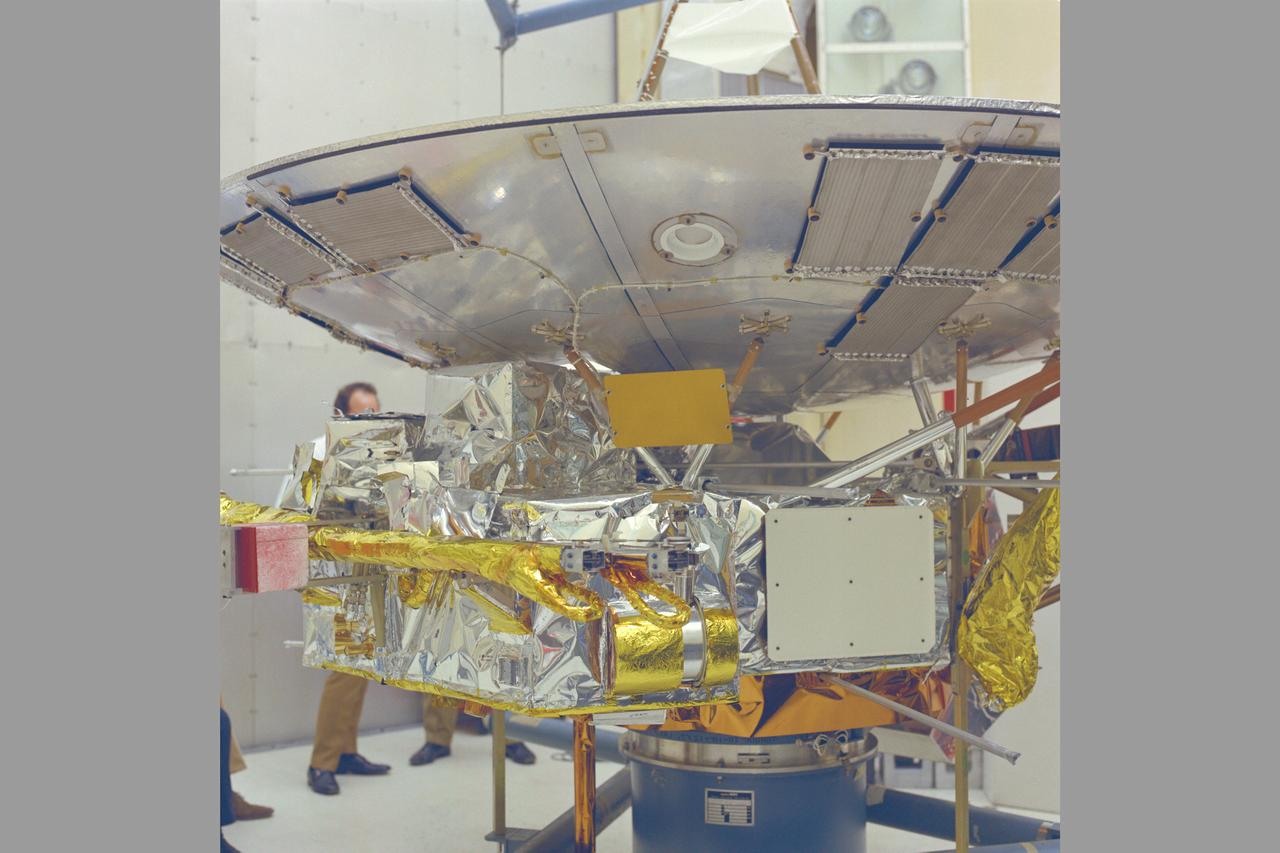
When examining 'Pioneer 10', the first thing to check in this list is its design rather than just its records. This spacecraft was the first to pass through the asteroid belt and conduct close observations of Jupiter. Launched by NASA on March 2, 1972, it aimed for Jupiter and the outer solar system as a flyby probe. By considering these four pieces of information together, the era and actual mission scope of 'Pioneer 10' can be distinguished, which may not be evident from its name alone.
The most intriguing aspect of 'Pioneer 10' is the initial data obtained while passing through Jupiter's radiation environment. For those viewing 'Pioneer 10', it's worth checking the final operational mode and the data left behind if the mission has ended. The mission status of 'Pioneer 10' reads 'Mission Completed', with concluded probes focusing on the data left behind and subsequent technologies, while operational probes should be read in the context of tasks expanded from the initial plan. This shows that 'Pioneer 10' was not merely a record holder but a tool that solved specific problems.
In the flow of the list, it would be logical to continue with 'Pioneer 11'. Comparing the flyby probes of 'Pioneer 10' and 'Pioneer 11' indicates that the advancements in long-distance navigation and communication were developed through several trials rather than a single invention. The official page for 'Pioneer 10' offers more detailed information about launch data, mission progression, and onboard devices, so it's advisable to refer to updates for ongoing missions as dates and statuses may change.
The most intriguing aspect of 'Pioneer 10' is the initial data obtained while passing through Jupiter's radiation environment. For those viewing 'Pioneer 10', it's worth checking the final operational mode and the data left behind if the mission has ended. The mission status of 'Pioneer 10' reads 'Mission Completed', with concluded probes focusing on the data left behind and subsequent technologies, while operational probes should be read in the context of tasks expanded from the initial plan. This shows that 'Pioneer 10' was not merely a record holder but a tool that solved specific problems.
In the flow of the list, it would be logical to continue with 'Pioneer 11'. Comparing the flyby probes of 'Pioneer 10' and 'Pioneer 11' indicates that the advancements in long-distance navigation and communication were developed through several trials rather than a single invention. The official page for 'Pioneer 10' offers more detailed information about launch data, mission progression, and onboard devices, so it's advisable to refer to updates for ongoing missions as dates and statuses may change.
운영기관 NASA
발사일 1972-03-02
형식 플라이바이 탐사선
목표 목성·외태양계
임무 상태 임무 종료
이미지 자료 NASA Image Library · ARC-1972-AC72-2135
Pioneer 11
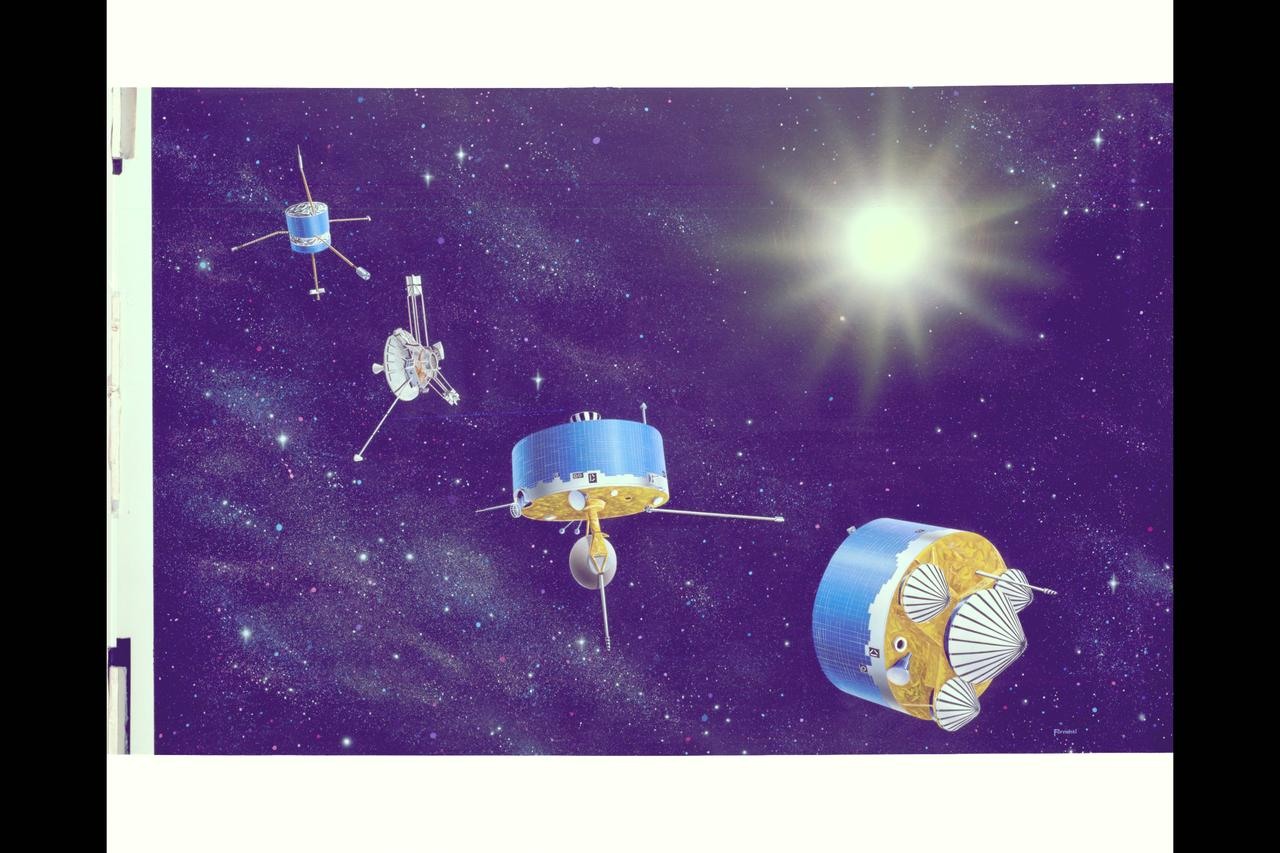
When examining 'Pioneer 11', the starting point for understanding this spacecraft is the conditions required by its mission. This spacecraft is known for being the first probe to closely investigate Saturn after using gravitational assistance from Jupiter. Launched by NASA on April 6, 1973, it targeted Jupiter and Saturn as a flyby probe. Considering these four pieces of information together helps distinguish the era and actual mission scope of 'Pioneer 11', which may not be clear from the name alone.
The most fascinating aspect of 'Pioneer 11' is the gravitational assist that connected the two giant planets along a single trajectory. When viewing 'Pioneer 11', it is more beneficial to consider what equipment received power and mass than just the size of the probe. The mission status of 'Pioneer 11' reads 'Mission Completed', with concluded probes focusing on the data left behind and subsequent technologies, while operational probes should be read in the context of tasks expanded from the initial plan. This shows that 'Pioneer 11' was not merely a record holder but a tool that solved specific problems.
In the sequence of the list, it would be sensible to proceed to 'Voyager 1'. Comparing the flyby probes of 'Pioneer 11' and 'Voyager 1' shows that advancements in long-distance navigation and communication were accumulated through challenges in several missions rather than a single invention. The official page for 'Pioneer 11' provides more detailed information about launch data, mission progression, and onboard devices, so it's wise to check for updates on ongoing missions, as dates and statuses may change.
The most fascinating aspect of 'Pioneer 11' is the gravitational assist that connected the two giant planets along a single trajectory. When viewing 'Pioneer 11', it is more beneficial to consider what equipment received power and mass than just the size of the probe. The mission status of 'Pioneer 11' reads 'Mission Completed', with concluded probes focusing on the data left behind and subsequent technologies, while operational probes should be read in the context of tasks expanded from the initial plan. This shows that 'Pioneer 11' was not merely a record holder but a tool that solved specific problems.
In the sequence of the list, it would be sensible to proceed to 'Voyager 1'. Comparing the flyby probes of 'Pioneer 11' and 'Voyager 1' shows that advancements in long-distance navigation and communication were accumulated through challenges in several missions rather than a single invention. The official page for 'Pioneer 11' provides more detailed information about launch data, mission progression, and onboard devices, so it's wise to check for updates on ongoing missions, as dates and statuses may change.
운영기관 NASA
발사일 1973-04-06
형식 플라이바이 탐사선
목표 목성·토성
임무 상태 임무 종료
이미지 자료 NASA Image Library · ARC-1982-AC82-0178
Voyager 1
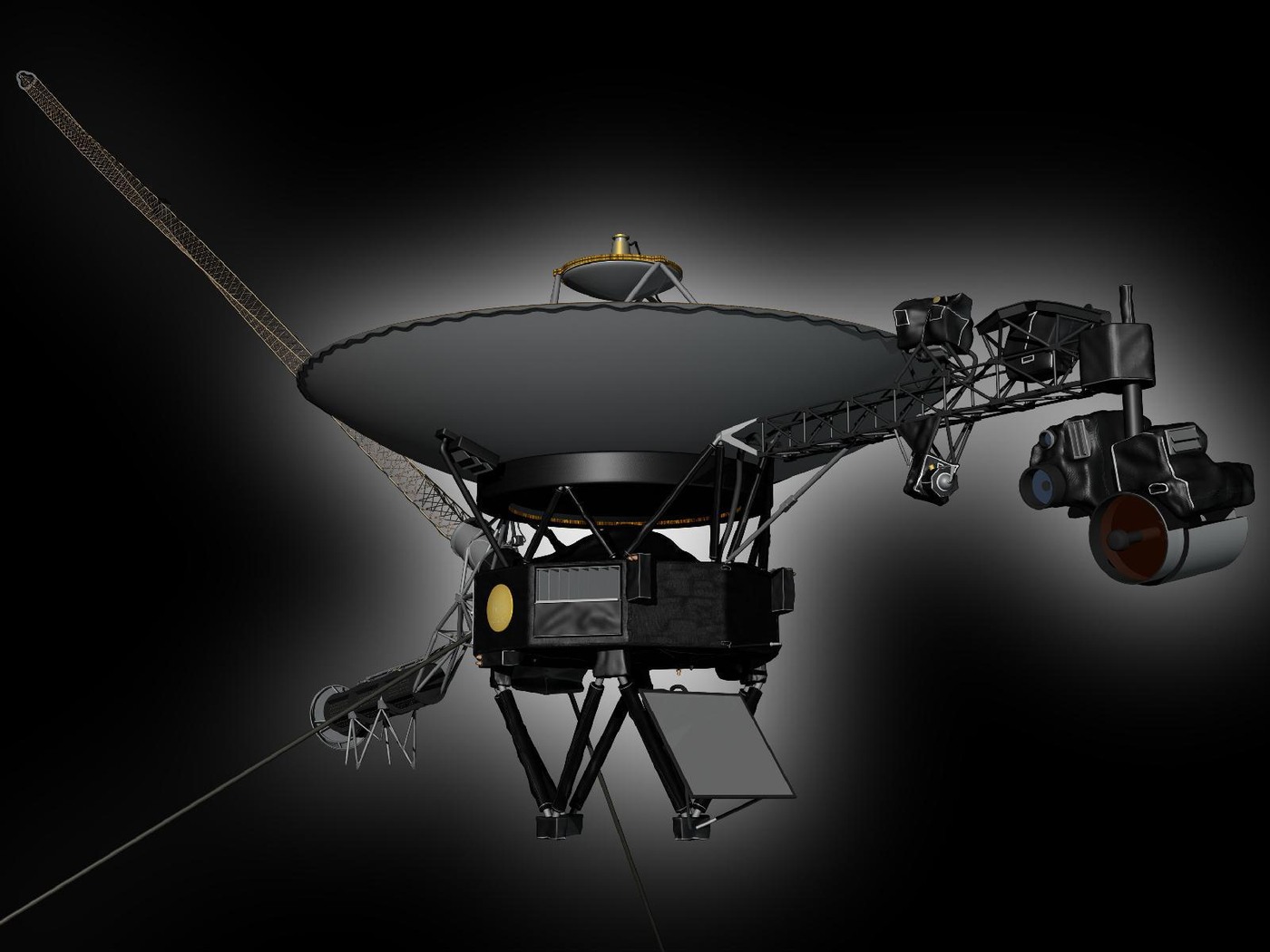
When examining 'Voyager 1', it's easy to overlook essential details behind the selection of the spacecraft by focusing solely on its achievements. This spacecraft explored Jupiter and Saturn before sending data beyond the heliopause into interstellar space. Launched by NASA on September 5, 1977, it aimed at Jupiter, Saturn, and interstellar space as a flyby and interstellar probe. Considering these four pieces of information together helps distinguish the era and actual mission scope of 'Voyager 1', which may not be evident from its name alone.
The most fascinating aspect of 'Voyager 1' is the power system and antenna that maintain communication over decades. When examining 'Voyager 1', connecting the structure in the images to the list of onboard devices will enable a more accurate reading of the mission's objectives. The mission status of 'Voyager 1' reads 'Extended Mission', with concluded probes focusing on the data left behind and subsequent technologies, while operational probes should be read in the context of tasks expanded from the initial plan. This illustrates that 'Voyager 1' was not merely a record holder but a tool that solved specific problems.
In the list's flow, it would be useful to continue with 'Voyager 2'. Comparing the flyby and interstellar probes of 'Voyager 1' with those of 'Voyager 2' indicates that advancements in long-distance navigation and communication were formed through trial and error over multiple missions. The official page for 'Voyager 1' provides detailed information on launch data, mission progress, and onboard devices, so it's best to refer to updates for ongoing missions, as dates and statuses may evolve.
The most fascinating aspect of 'Voyager 1' is the power system and antenna that maintain communication over decades. When examining 'Voyager 1', connecting the structure in the images to the list of onboard devices will enable a more accurate reading of the mission's objectives. The mission status of 'Voyager 1' reads 'Extended Mission', with concluded probes focusing on the data left behind and subsequent technologies, while operational probes should be read in the context of tasks expanded from the initial plan. This illustrates that 'Voyager 1' was not merely a record holder but a tool that solved specific problems.
In the list's flow, it would be useful to continue with 'Voyager 2'. Comparing the flyby and interstellar probes of 'Voyager 1' with those of 'Voyager 2' indicates that advancements in long-distance navigation and communication were formed through trial and error over multiple missions. The official page for 'Voyager 1' provides detailed information on launch data, mission progress, and onboard devices, so it's best to refer to updates for ongoing missions, as dates and statuses may evolve.
운영기관 NASA
발사일 1977-09-05
형식 플라이바이·성간 탐사선
목표 목성·토성·성간 공간
임무 상태 연장 임무
이미지 자료 NASA Image Library · Model of Voyager Artist Concept
Voyager 2
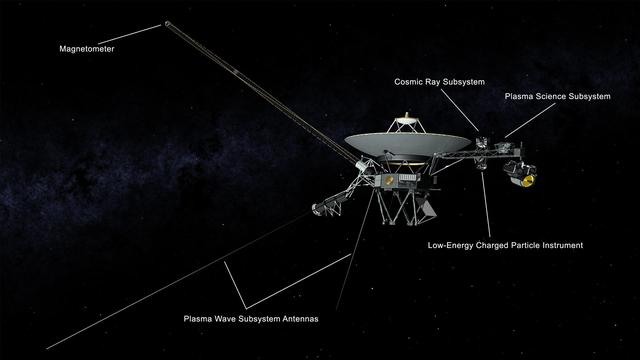
When examining 'Voyager 2', comparing its launch date to previous generations highlights notable changes. This spacecraft is the only one to have closely visited all four giant planets. Launched by NASA on August 20, 1977, it targeted Jupiter, Saturn, Uranus, and Neptune as a flyby and interstellar probe. By considering these four pieces of information together, the era and actual mission scope of 'Voyager 2' can be distinguished, which might not be evident from its name.
The most interesting aspect of 'Voyager 2' is the trajectory which received continuous gravitational assists through planetary alignment. When viewing 'Voyager 2', it's key to compare how information changes with differing observation positions. The mission status of 'Voyager 2' reads 'Extended Mission', with concluded probes focusing on the data left behind and subsequent technologies, while operational probes should be read in the context of tasks expanded from the initial plan. This illustrates that 'Voyager 2' was not merely a record holder but a tool that solved specific problems.
In the flow of the list, it would make sense to continue with 'Galileo'. Comparing the flyby and interstellar probes of 'Voyager 2' with 'Galileo's' Jupiter orbiter and atmospheric probe indicates that advancements in long-distance navigation and communication were developed through multiple mission trials rather than a single invention. The official page for 'Voyager 2' provides more detailed information about launch data, mission progress, and onboard devices, so it's advisable to check for updates on ongoing missions, as dates and statuses may change.
The most interesting aspect of 'Voyager 2' is the trajectory which received continuous gravitational assists through planetary alignment. When viewing 'Voyager 2', it's key to compare how information changes with differing observation positions. The mission status of 'Voyager 2' reads 'Extended Mission', with concluded probes focusing on the data left behind and subsequent technologies, while operational probes should be read in the context of tasks expanded from the initial plan. This illustrates that 'Voyager 2' was not merely a record holder but a tool that solved specific problems.
In the flow of the list, it would make sense to continue with 'Galileo'. Comparing the flyby and interstellar probes of 'Voyager 2' with 'Galileo's' Jupiter orbiter and atmospheric probe indicates that advancements in long-distance navigation and communication were developed through multiple mission trials rather than a single invention. The official page for 'Voyager 2' provides more detailed information about launch data, mission progress, and onboard devices, so it's advisable to check for updates on ongoing missions, as dates and statuses may change.
운영기관 NASA
발사일 1977-08-20
형식 플라이바이·성간 탐사선
목표 목성·토성·천왕성·해왕성
임무 상태 연장 임무
이미지 자료 NASA Image Library · Voyager 2 Spacecraft Instruments
Galileo
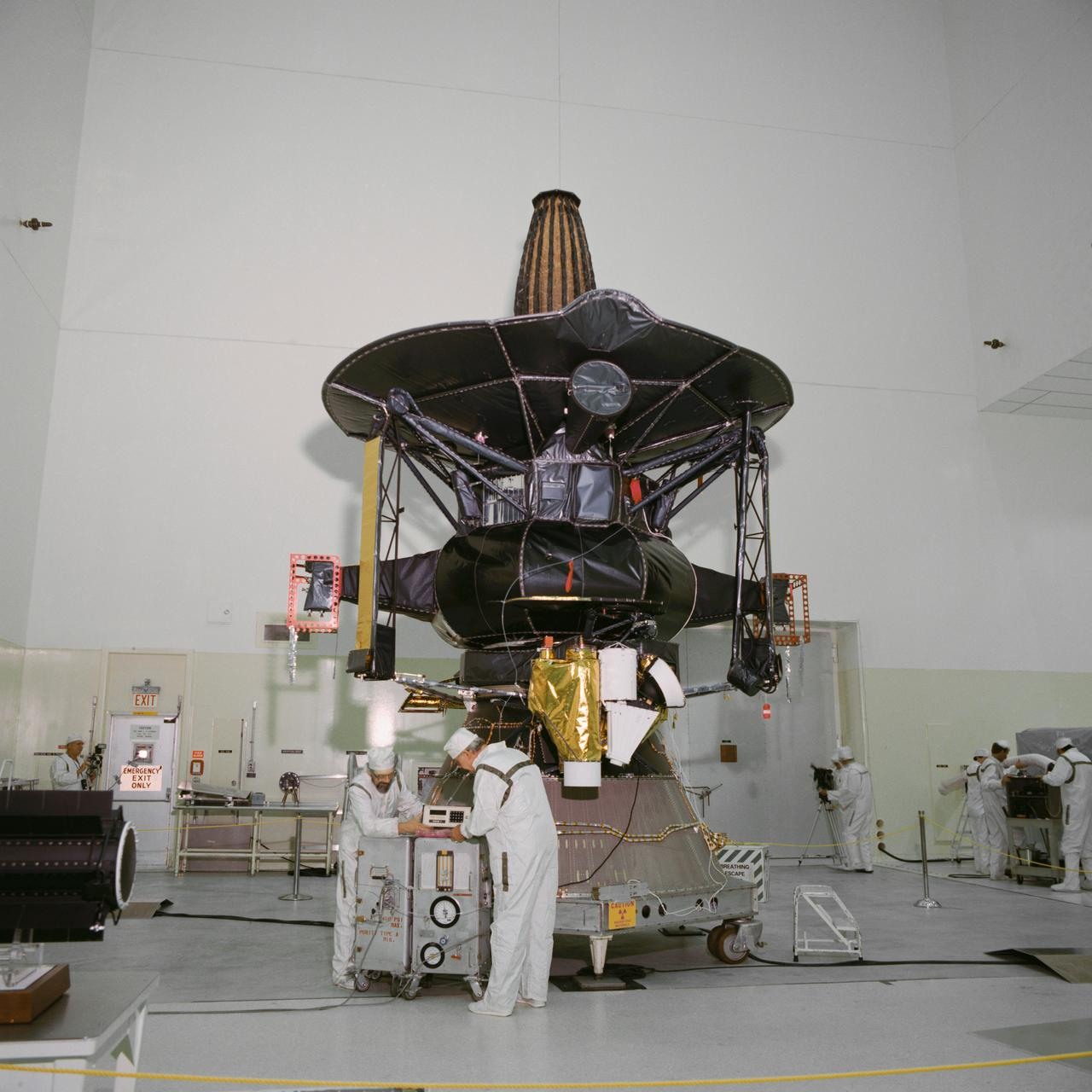
When examining 'Galileo', the name may be familiar but its actual role is revealed when considering its objectives and orbit. This spacecraft conducted long-term investigations of the gas giant system through orbit insertion at Jupiter and atmospheric probe deployment. Launched by NASA on October 18, 1989, it targeted the Jupiter system as an orbiter and atmospheric probe. By considering these four pieces of information together, the era and actual mission scope of 'Galileo' can be distinguished, which may not be clear from its name alone.
The most fascinating aspect of 'Galileo' is how the orbiter and atmospheric probe shared responsibilities. When examining 'Galileo', it would be helpful to spot the arrangement of the devices maintaining the orientation towards the target in the official pictures. The mission status of 'Galileo' reads 'Mission Completed', with concluded probes focusing on the data left behind and subsequent technologies, while operational probes should be read in the context of tasks expanded from the initial plan. This shows that 'Galileo' was not merely a record holder but a tool that solved specific problems.
In the flow of the list, it would be worthwhile to proceed with 'Cassini-Huygens'. Comparing 'Galileo's' Jupiter orbiter and atmospheric probe with 'Cassini-Huygens's' Saturn orbiter and Titan lander reinforces that progress in long-distance navigation and communication was built through trial and error across multiple missions. The official page for 'Galileo' provides detailed information about launch data, mission progress, and onboard devices, making it safe to refer to updates for ongoing missions, as dates and statuses may evolve.
The most fascinating aspect of 'Galileo' is how the orbiter and atmospheric probe shared responsibilities. When examining 'Galileo', it would be helpful to spot the arrangement of the devices maintaining the orientation towards the target in the official pictures. The mission status of 'Galileo' reads 'Mission Completed', with concluded probes focusing on the data left behind and subsequent technologies, while operational probes should be read in the context of tasks expanded from the initial plan. This shows that 'Galileo' was not merely a record holder but a tool that solved specific problems.
In the flow of the list, it would be worthwhile to proceed with 'Cassini-Huygens'. Comparing 'Galileo's' Jupiter orbiter and atmospheric probe with 'Cassini-Huygens's' Saturn orbiter and Titan lander reinforces that progress in long-distance navigation and communication was built through trial and error across multiple missions. The official page for 'Galileo' provides detailed information about launch data, mission progress, and onboard devices, making it safe to refer to updates for ongoing missions, as dates and statuses may evolve.
운영기관 NASA
발사일 1989-10-18
형식 목성 궤도선·대기 탐사정
목표 목성계
임무 상태 임무 종료
이미지 자료 NASA Image Library · STS-34 Galileo processing at KSC's SAEF-2 planetary spacecraft facility
Cassini-Huygens
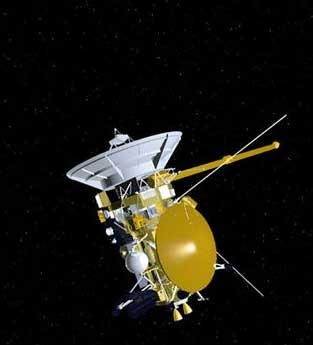
When examining 'Cassini-Huygens', the critical scenes of the mission initiated from purpose-driven hardware. This spacecraft was an international collaborative mission performing long-term observations of Saturn's orbit and landing on Titan. Launched by NASA, ESA, and ASI on October 15, 1997, it targeted the Saturn system as an orbiter and Titan lander. By considering these four pieces of information together, the era and actual mission scope of 'Cassini-Huygens' can be distinguished, which might not be evident from its name.
The most interesting aspect of 'Cassini-Huygens' is the division of tasks between the Cassini orbiter and Huygens lander. When viewing 'Cassini-Huygens', placing it alongside contemporaneous probes reveals the prioritization of propulsion, power, and observation equipment. The mission status of 'Cassini-Huygens' reads 'Mission Completed', with concluded probes focusing on the data left behind and subsequent technologies, while operational probes should be read in the context of tasks expanded from the initial plan. This shows that 'Cassini-Huygens' was not merely a record holder but a tool that solved specific problems.
In the flow of the list, it would be worthwhile to continue with 'New Horizons'. Comparing 'Cassini-Huygens's' Saturn orbiter and Titan lander with 'New Horizons's' flyby probe showcases how advances in long-distance navigation and communication were built through trial and error across various missions. The official page for 'Cassini-Huygens' provides detailed information about launch data, mission progress, and onboard devices, so it's advisable to check for updates on ongoing missions, as dates and statuses may change.
The most interesting aspect of 'Cassini-Huygens' is the division of tasks between the Cassini orbiter and Huygens lander. When viewing 'Cassini-Huygens', placing it alongside contemporaneous probes reveals the prioritization of propulsion, power, and observation equipment. The mission status of 'Cassini-Huygens' reads 'Mission Completed', with concluded probes focusing on the data left behind and subsequent technologies, while operational probes should be read in the context of tasks expanded from the initial plan. This shows that 'Cassini-Huygens' was not merely a record holder but a tool that solved specific problems.
In the flow of the list, it would be worthwhile to continue with 'New Horizons'. Comparing 'Cassini-Huygens's' Saturn orbiter and Titan lander with 'New Horizons's' flyby probe showcases how advances in long-distance navigation and communication were built through trial and error across various missions. The official page for 'Cassini-Huygens' provides detailed information about launch data, mission progress, and onboard devices, so it's advisable to check for updates on ongoing missions, as dates and statuses may change.
운영기관 NASA·ESA·ASI
발사일 1997-10-15
형식 토성 궤도선·타이탄 착륙선
목표 토성계
임무 상태 임무 종료
이미지 자료 NASA Image Library · Artist Concept of Cassini Spacecraft
New Horizons
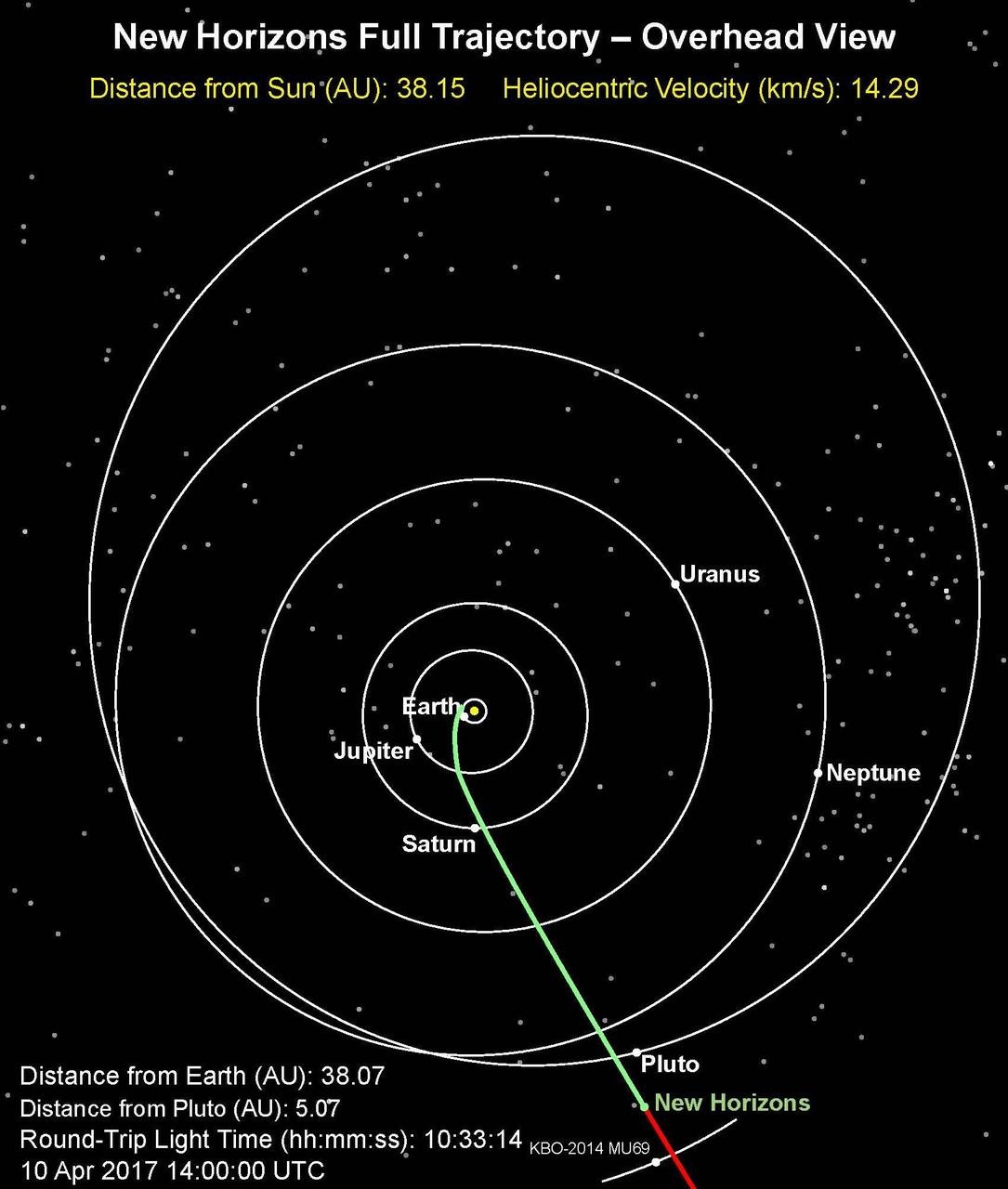
When examining 'New Horizons', the questions that needed addressing at the time are embedded within the spacecraft itself. This spacecraft was the first to closely observe Pluto and its moons and visit the Kuiper Belt object Arrokoth. Launched by NASA on January 19, 2006, it aimed for Pluto and the Kuiper Belt as a flyby probe. By considering these four pieces of information together, the era and actual mission scope of 'New Horizons' can be distinguished, which may not be apparent from its name.
The most interesting aspect of 'New Horizons' is the focused observation method employed during a rapid pass within limited time. When examining 'New Horizons', checking the communication distance and mission duration first clarifies the reasoning behind the choices of antenna and power. The mission status of 'New Horizons' reads 'Extended Mission', with concluded probes focusing on the data left behind and subsequent technologies, while operational probes should be read in the context of tasks expanded from the initial plan. This illustrates that 'New Horizons' was not merely a record holder but a tool that solved specific problems.
In the flow of the list, it would be worthwhile to proceed with 'Juno'. Comparing 'New Horizons's' flyby probe to 'Juno's' polar orbiter illustrates how advancements in long-distance navigation and communication were built through trial and error in multiple missions. The official page for 'New Horizons' provides detailed information about launch data, mission progress, and onboard devices, making it wise to refer to updates for ongoing missions as dates and statuses may change.
The most interesting aspect of 'New Horizons' is the focused observation method employed during a rapid pass within limited time. When examining 'New Horizons', checking the communication distance and mission duration first clarifies the reasoning behind the choices of antenna and power. The mission status of 'New Horizons' reads 'Extended Mission', with concluded probes focusing on the data left behind and subsequent technologies, while operational probes should be read in the context of tasks expanded from the initial plan. This illustrates that 'New Horizons' was not merely a record holder but a tool that solved specific problems.
In the flow of the list, it would be worthwhile to proceed with 'Juno'. Comparing 'New Horizons's' flyby probe to 'Juno's' polar orbiter illustrates how advancements in long-distance navigation and communication were built through trial and error in multiple missions. The official page for 'New Horizons' provides detailed information about launch data, mission progress, and onboard devices, making it wise to refer to updates for ongoing missions as dates and statuses may change.
운영기관 NASA
발사일 2006-01-19
형식 플라이바이 탐사선
목표 명왕성·카이퍼대
임무 상태 연장 임무
이미지 자료 NASA Image Library · Nap Time for New Horizons: NASA Spacecraft Enters Hibernation

Juno
When examining 'Juno', behind the observation results lies the design that distributes limited power and communication. This spacecraft is a solar-powered probe investigating Jupiter's gravitational field, magnetic field, atmosphere, and internal structure in a polar orbit. Launched by NASA on August 5, 2011, it targets Jupiter as a polar orbiter. By considering these four pieces of information together, the era and actual mission scope of 'Juno' can be distinguished, which may not be clear from its name alone.
The most fascinating aspect of 'Juno' is the orbit that repeatedly passes through the polar regions while avoiding intense radiation. If 'Juno' is operational, it would be interesting to also examine how the latest results differ from the initial objectives. The mission status of 'Juno' reads 'Active Mission', with concluded probes focusing on the data left behind and subsequent technologies, while operational probes should be read in the context of tasks expanded from the initial plan. This shows that 'Juno' was not merely a record holder but a tool that solved specific problems.
In the flow of the list, it would be sensible to continue with 'Parker Solar Probe'. Comparing 'Juno's' polar orbiter with 'Parker Solar Probe's' close solar probe illustrates how advancements in long-distance navigation and communication have been built through multiple mission trials instead of a single invention. The official page for 'Juno' provides detailed information about launch data, mission progress, and onboard devices, so it's advisable to refer to updates for ongoing missions, as dates and statuses may change.
The most fascinating aspect of 'Juno' is the orbit that repeatedly passes through the polar regions while avoiding intense radiation. If 'Juno' is operational, it would be interesting to also examine how the latest results differ from the initial objectives. The mission status of 'Juno' reads 'Active Mission', with concluded probes focusing on the data left behind and subsequent technologies, while operational probes should be read in the context of tasks expanded from the initial plan. This shows that 'Juno' was not merely a record holder but a tool that solved specific problems.
In the flow of the list, it would be sensible to continue with 'Parker Solar Probe'. Comparing 'Juno's' polar orbiter with 'Parker Solar Probe's' close solar probe illustrates how advancements in long-distance navigation and communication have been built through multiple mission trials instead of a single invention. The official page for 'Juno' provides detailed information about launch data, mission progress, and onboard devices, so it's advisable to refer to updates for ongoing missions, as dates and statuses may change.
운영기관 NASA
발사일 2011-08-05
형식 극궤도 탐사선
목표 목성
임무 상태 활성 임무
이미지 자료 NASA Image Library · NASA Juno Spacecraft Images Big Dipper
Parker Solar Probe
When examining 'Parker Solar Probe', distinguishing features from similar probes can be found in its mission trajectory. This spacecraft is designed to directly measure the origins of coronal mass ejections and solar wind by passing through the inner solar atmosphere. Launched by NASA on August 12, 2018, it aims for the solar corona as a close solar probe. By considering these four pieces of information together, the era and actual mission scope of 'Parker Solar Probe' can be distinguished, which may not be clear from its name alone.
The most interesting aspect of 'Parker Solar Probe' is how its instruments measure from behind heat shields that protect against extreme temperatures. When reviewing mission data for 'Parker Solar Probe', it's valuable to follow not only the successful scenes but also the procedures that reduce risks. The mission status of 'Parker Solar Probe' reads 'Active Mission', with concluded probes focusing on the data left behind and subsequent technologies, while operational probes should be read in the context of tasks expanded from the initial plan. This shows that 'Parker Solar Probe' is not merely a record holder but a tool that solves specific problems.
In the flow of the list, it would be useful to continue with 'Europa Clipper'. Comparing 'Parker Solar Probe's' close solar probe with 'Europa Clipper's' Jupiter system flyby probe shows how advancements in long-distance navigation and communication were built through trial and error over multiple missions. The official page for 'Parker Solar Probe' provides more detailed information about launch data, mission progress, and onboard devices, so it's beneficial to refer to updates for ongoing missions, as dates and statuses may change.
The most interesting aspect of 'Parker Solar Probe' is how its instruments measure from behind heat shields that protect against extreme temperatures. When reviewing mission data for 'Parker Solar Probe', it's valuable to follow not only the successful scenes but also the procedures that reduce risks. The mission status of 'Parker Solar Probe' reads 'Active Mission', with concluded probes focusing on the data left behind and subsequent technologies, while operational probes should be read in the context of tasks expanded from the initial plan. This shows that 'Parker Solar Probe' is not merely a record holder but a tool that solves specific problems.
In the flow of the list, it would be useful to continue with 'Europa Clipper'. Comparing 'Parker Solar Probe's' close solar probe with 'Europa Clipper's' Jupiter system flyby probe shows how advancements in long-distance navigation and communication were built through trial and error over multiple missions. The official page for 'Parker Solar Probe' provides more detailed information about launch data, mission progress, and onboard devices, so it's beneficial to refer to updates for ongoing missions, as dates and statuses may change.
운영기관 NASA
발사일 2018-08-12
형식 태양 근접 탐사선
목표 태양 코로나
임무 상태 활성 임무
이미지 자료 NASA Image Library · Parker Solar Probe Spacecraft Arrival, Offload and Transport
Europa Clipper
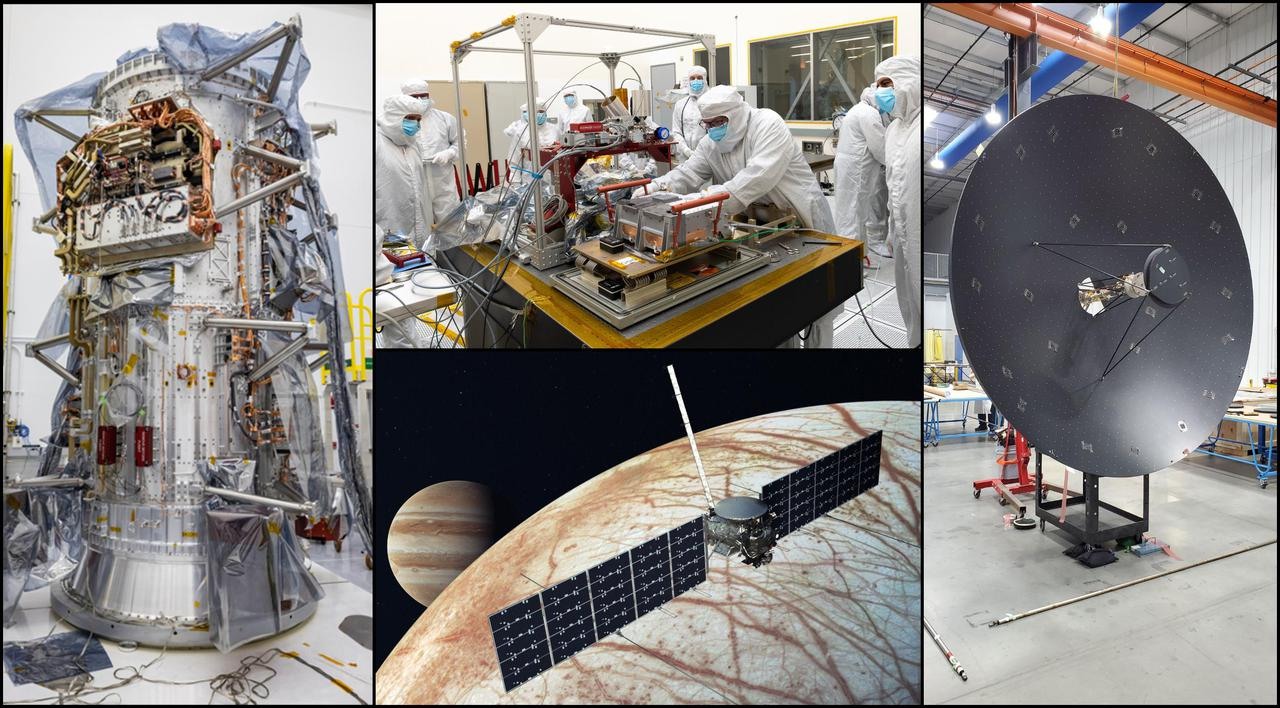
When considering the ‘Europa Clipper’, its significance lies not only in its impressive record but also in the standards it sets for the next missions. This spacecraft is a probe intended to investigate whether Europa, one of Jupiter's icy moons, has an environment suitable for life. NASA launched it on October 14, 2024, with a focus on flyby exploration of the Jovian system, targeting Europa. By looking at these four pieces of information together, one can distinguish the temporal context and actual mission scope of the ‘Europa Clipper’, which might not be apparent from its name alone.
The most intriguing aspect of the ‘Europa Clipper’ is its design that opts for repeated close flybys to reduce exposure to Jupiter's radiation. By examining the sequence in which equipment was used after arriving at the target, one can better understand the design choices of the ‘Europa Clipper’. Its mission status is currently ‘active and cruising’, and for completed missions, it’s important to focus on the data and follow-up technology it has left behind, while for ongoing missions, one should look at the tasks that have expanded from the original plan. This perspective reveals that the ‘Europa Clipper’ is not merely a record holder but rather a tool that addresses specific scientific questions.
In the flow of our list, it’s worth looking ahead to the ‘Pioneer 10’. By comparing the ‘Europa Clipper’s’ Jovian flyby probe with that of the ‘Pioneer 10’, we can confirm that the advancements in long-range navigation and communication have been accumulated through trial and error across multiple missions rather than originating from a singular invention. You can find more detailed information regarding launch details, mission progress, and onboard equipment on the official ‘Europa Clipper’ page, so for ongoing missions where dates and statuses change, it's safest to check for the latest updates.
The most intriguing aspect of the ‘Europa Clipper’ is its design that opts for repeated close flybys to reduce exposure to Jupiter's radiation. By examining the sequence in which equipment was used after arriving at the target, one can better understand the design choices of the ‘Europa Clipper’. Its mission status is currently ‘active and cruising’, and for completed missions, it’s important to focus on the data and follow-up technology it has left behind, while for ongoing missions, one should look at the tasks that have expanded from the original plan. This perspective reveals that the ‘Europa Clipper’ is not merely a record holder but rather a tool that addresses specific scientific questions.
In the flow of our list, it’s worth looking ahead to the ‘Pioneer 10’. By comparing the ‘Europa Clipper’s’ Jovian flyby probe with that of the ‘Pioneer 10’, we can confirm that the advancements in long-range navigation and communication have been accumulated through trial and error across multiple missions rather than originating from a singular invention. You can find more detailed information regarding launch details, mission progress, and onboard equipment on the official ‘Europa Clipper’ page, so for ongoing missions where dates and statuses change, it's safest to check for the latest updates.
운영기관 NASA
발사일 2024-10-14
형식 목성계 플라이바이 탐사선
목표 유로파
임무 상태 활성·순항 중
이미지 자료 NASA Image Library · NASA Begins Assembly of Europa Clipper Spacecraft
The ten deep space probes expanded the solar system not only through stronger rockets but also through advancements in gravitational assists, radiation protection, heat shields, and long-distance communication.
Once you've picked one of the probes you're interested in, try comparing the time taken to reach the target with the actual observation time. Following the official mission page trajectories provides insight into why short flybys and long orbital missions opted for different equipment and paths. The link for 'Deep Space Probes Expanding the Boundaries of the Solar System' offers more detailed materials and images for each mission. When new exploratory results are released, maintaining the criteria for how those missions reached distant celestial bodies and returned data will ensure the continuity of your list.
Once you've picked one of the probes you're interested in, try comparing the time taken to reach the target with the actual observation time. Following the official mission page trajectories provides insight into why short flybys and long orbital missions opted for different equipment and paths. The link for 'Deep Space Probes Expanding the Boundaries of the Solar System' offers more detailed materials and images for each mission. When new exploratory results are released, maintaining the criteria for how those missions reached distant celestial bodies and returned data will ensure the continuity of your list.
한눈에 보기
10개
Pioneer 10
NASA · 1972-03-02 · 플라이바이 탐사선 · 목성·외태양계 · 임무 종료 · NASA Image Library · ARC-1972-AC72-2135
Pioneer 11
NASA · 1973-04-06 · 플라이바이 탐사선 · 목성·토성 · 임무 종료 · NASA Image Library · ARC-1982-AC82-0178
Voyager 1
NASA · 1977-09-05 · 플라이바이·성간 탐사선 · 목성·토성·성간 공간 · 연장 임무 · NASA Image Library · Model of Voyager Artist Concept
Voyager 2
NASA · 1977-08-20 · 플라이바이·성간 탐사선 · 목성·토성·천왕성·해왕성 · 연장 임무 · NASA Image Library · Voyager 2 Spacecraft Instruments
Galileo
NASA · 1989-10-18 · 목성 궤도선·대기 탐사정 · 목성계 · 임무 종료 · NASA Image Library · STS-34 Galileo processing at KSC's SAEF-2 planetary spacecraft facility
Cassini-Huygens
NASA·ESA·ASI · 1997-10-15 · 토성 궤도선·타이탄 착륙선 · 토성계 · 임무 종료 · NASA Image Library · Artist Concept of Cassini Spacecraft
New Horizons
NASA · 2006-01-19 · 플라이바이 탐사선 · 명왕성·카이퍼대 · 연장 임무 · NASA Image Library · Nap Time for New Horizons: NASA Spacecraft Enters Hibernation
Juno
NASA · 2011-08-05 · 극궤도 탐사선 · 목성 · 활성 임무 · NASA Image Library · NASA Juno Spacecraft Images Big Dipper
Parker Solar Probe
NASA · 2018-08-12 · 태양 근접 탐사선 · 태양 코로나 · 활성 임무 · NASA Image Library · Parker Solar Probe Spacecraft Arrival, Offload and Transport
Europa Clipper
NASA · 2024-10-14 · 목성계 플라이바이 탐사선 · 유로파 · 활성·순항 중 · NASA Image Library · NASA Begins Assembly of Europa Clipper Spacecraft
이 포스팅은 쿠팡 파트너스 활동의 일환으로, 이에 따른 일정액의 수수료를 제공받습니다.
댓글 0
로그인 후 댓글을 작성할 수 있습니다.
첫 댓글을 남겨보세요.
이런 리스트는 어때요?


이런 리스트도 추천해요




🎲
여기서 멈추기엔 아쉽잖아?
다음에 뭘 볼지 고민하는 시간이 제일 아까워.
주사위가 대신 골라줄게 — 무슨 리스트가 튀어나올지는 굴려봐야 알지.
안 누르면… 평생 궁금하지 않겠어? 👀