Collection
Science
2026.09.10
Ten Spaceships That Took People to Space
From the first solo flight to reusable capsules: moments when the structure of manned spacecraft changed
The history of manned spacecraft is a competition to go further, as well as a history of the technology that keeps people alive in narrow capsules and safely brings them back to Earth.
Comparing the single-seat capsule of Vostok with Mercury, Gemini, Apollo, winged shuttles, and modern commercial capsules, we can see that the division of missions and return methods has changed significantly, rather than just the number of seats. "Ten Spaceships That Took People to Space" compiles ten actual spacecraft based on the changes in ways to protect and return people. It is arranged to show changes in mission methods rather than by the launch year, using only information verified in the official records of operating organizations. The criteria for comparison are noted separately in the description of each item.
Comparing the single-seat capsule of Vostok with Mercury, Gemini, Apollo, winged shuttles, and modern commercial capsules, we can see that the division of missions and return methods has changed significantly, rather than just the number of seats. "Ten Spaceships That Took People to Space" compiles ten actual spacecraft based on the changes in ways to protect and return people. It is arranged to show changes in mission methods rather than by the launch year, using only information verified in the official records of operating organizations. The criteria for comparison are noted separately in the description of each item.
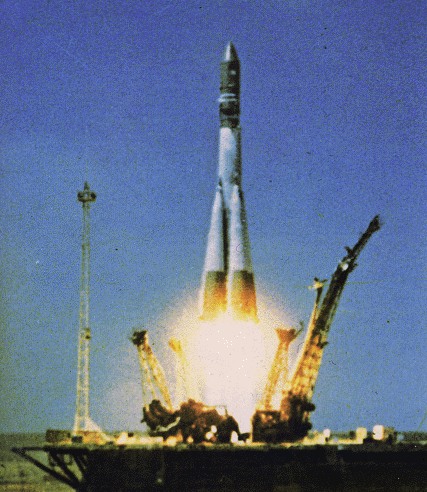
Vostok 1
When examining Vostok 1, the first thing to note in this list is its design rather than its records. This spacecraft carried Yuri Gagarin and completed humanity's first manned orbital flight around Earth. The Soviet space program launched it on April 12, 1961, aiming for low Earth orbit with its single-seat capsule. Combining these four pieces of information, we can distinguish Vostok 1's historical position and actual mission scope that the name alone does not reveal.
The most interesting point about Vostok 1 is the design centered on a spherical return capsule and automatic flight. When looking at Vostok 1, it’s key to compare how the information changes when the observational position differs. The mission status of Vostok 1 is "mission completed," and for retired vehicles, we should read data left behind and subsequent technologies, while for operational vehicles, we should focus on tasks that have expanded from the original plan. This way, we see that Vostok 1 is not just a record holder but a tool that solved specific problems.
In the flow of the list, it is worth looking at the following Mercury Friendship 7. Comparing Vostok 1's single-seat capsule with Mercury Friendship 7's single-seat capsule shows that the technology for protecting and returning people accumulated through multiple mission trials rather than just a single invention. The official page for Vostok 1 provides more detailed information about its launch, mission progress, and onboard equipment, so for ongoing missions with changing dates and statuses, it’s best to check the latest announcements together.
The most interesting point about Vostok 1 is the design centered on a spherical return capsule and automatic flight. When looking at Vostok 1, it’s key to compare how the information changes when the observational position differs. The mission status of Vostok 1 is "mission completed," and for retired vehicles, we should read data left behind and subsequent technologies, while for operational vehicles, we should focus on tasks that have expanded from the original plan. This way, we see that Vostok 1 is not just a record holder but a tool that solved specific problems.
In the flow of the list, it is worth looking at the following Mercury Friendship 7. Comparing Vostok 1's single-seat capsule with Mercury Friendship 7's single-seat capsule shows that the technology for protecting and returning people accumulated through multiple mission trials rather than just a single invention. The official page for Vostok 1 provides more detailed information about its launch, mission progress, and onboard equipment, so for ongoing missions with changing dates and statuses, it’s best to check the latest announcements together.
운영기관 소련 우주 프로그램
발사일 1961-04-12
형식 1인승 캡슐
목표 지구 저궤도
임무 상태 임무 종료
이미지 자료 NASA GSFC · Vostok 1 launch
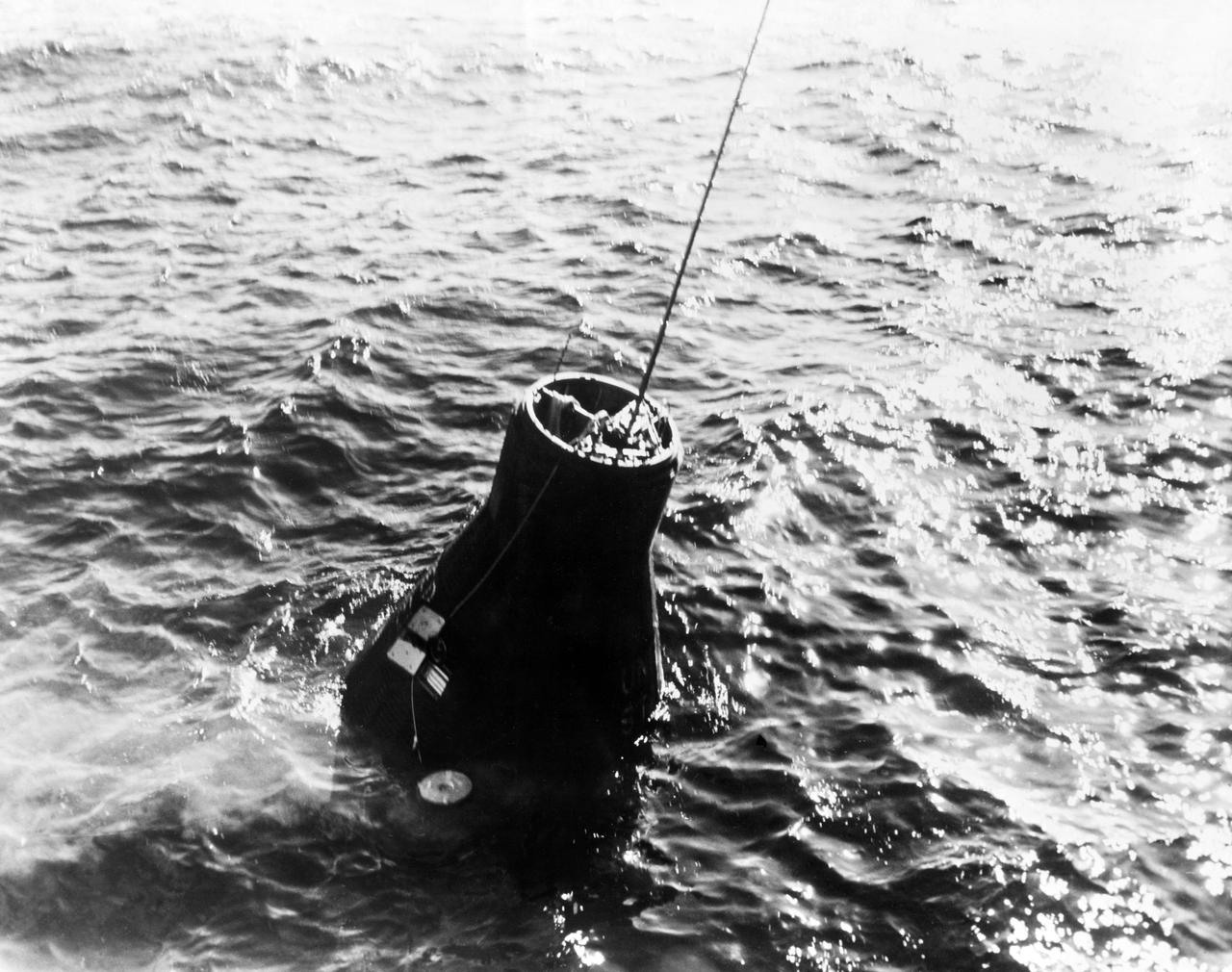
Mercury Friendship 7
When examining Mercury Friendship 7, the starting point for understanding this vehicle is the conditions required by the mission. This spacecraft carried John Glenn and performed the first manned orbital flight around Earth for the United States. NASA launched it on February 20, 1962, aiming for low Earth orbit with its single-seat capsule. Combining these four pieces of information, we can distinguish Mercury Friendship 7's historical position and actual mission scope that the name alone does not reveal.
The most interesting aspect of Mercury Friendship 7 is how it solved attitude control and return in a small capsule. When looking at Mercury Friendship 7, it’s good to find the device that maintains the posture toward the target and the layout of the communication section in official photos. The mission status of Mercury Friendship 7 is "mission completed," and for retired vehicles, we should read data left behind and subsequent technologies, while for operational vehicles, we should focus on tasks that have expanded from the original plan. This way, we see that Mercury Friendship 7 is not just a record holder but a tool that solved specific problems.
In the flow of the list, it is worth looking at the following Gemini 4. Comparing Mercury Friendship 7's single-seat capsule with Gemini 4's two-seat capsule shows that the technology for protecting and returning people accumulated through multiple mission trials rather than just a single invention. The official page for Mercury Friendship 7 provides more detailed information about its launch, mission progress, and onboard equipment, so for ongoing missions with changing dates and statuses, it’s best to check the latest announcements together.
The most interesting aspect of Mercury Friendship 7 is how it solved attitude control and return in a small capsule. When looking at Mercury Friendship 7, it’s good to find the device that maintains the posture toward the target and the layout of the communication section in official photos. The mission status of Mercury Friendship 7 is "mission completed," and for retired vehicles, we should read data left behind and subsequent technologies, while for operational vehicles, we should focus on tasks that have expanded from the original plan. This way, we see that Mercury Friendship 7 is not just a record holder but a tool that solved specific problems.
In the flow of the list, it is worth looking at the following Gemini 4. Comparing Mercury Friendship 7's single-seat capsule with Gemini 4's two-seat capsule shows that the technology for protecting and returning people accumulated through multiple mission trials rather than just a single invention. The official page for Mercury Friendship 7 provides more detailed information about its launch, mission progress, and onboard equipment, so for ongoing missions with changing dates and statuses, it’s best to check the latest announcements together.
운영기관 NASA
발사일 1962-02-20
형식 1인승 캡슐
목표 지구 저궤도
임무 상태 임무 종료
이미지 자료 NASA Image Library · Mercury-Atlas 6 "Friendship 7" spacecraft is retrieved from the Atlantic Ocean
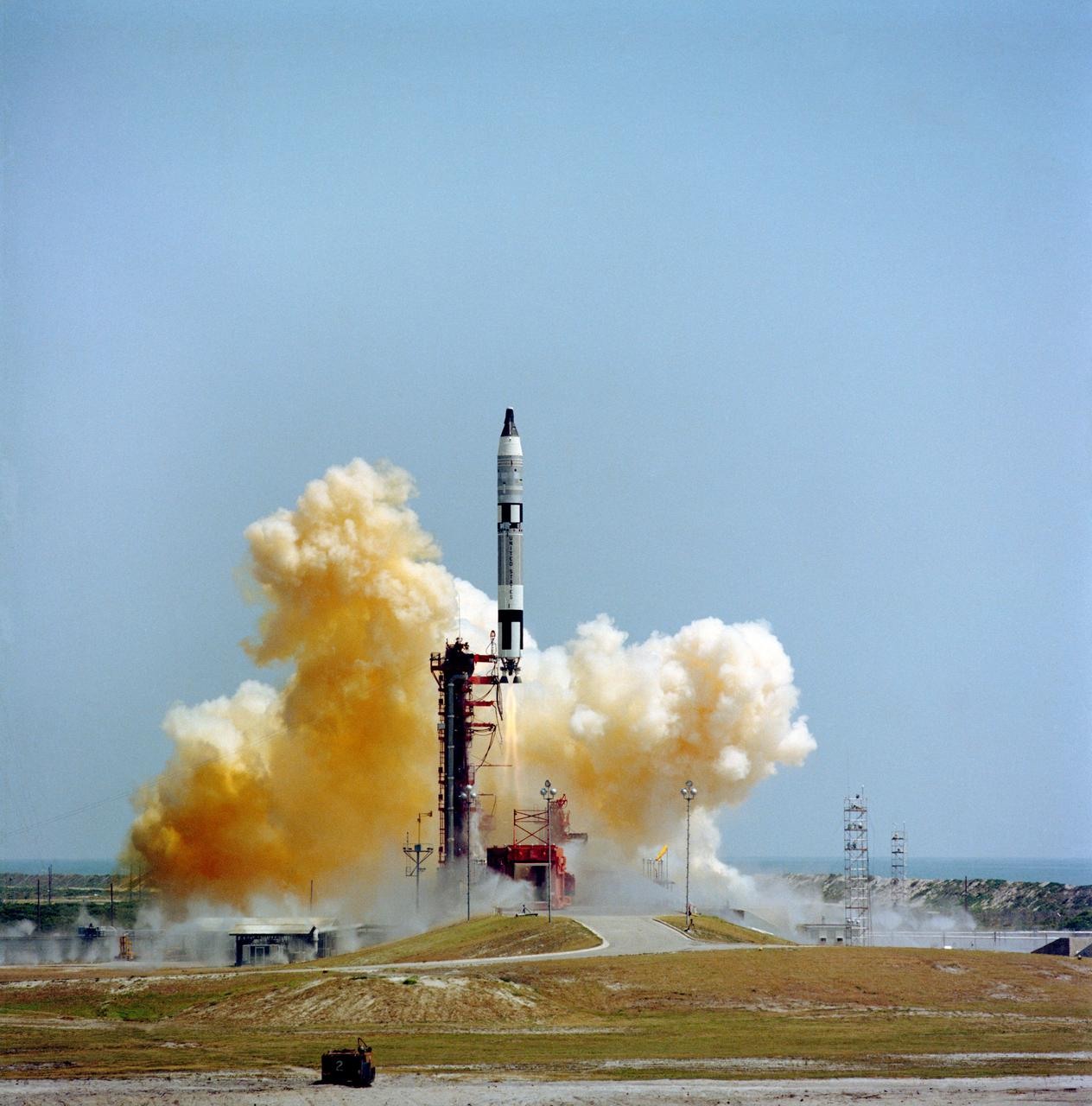
Gemini 4
When examining Gemini 4, an often overlooked aspect solely based on achievements is the selection of the spacecraft. This spacecraft tested long-duration flights and extravehicular activity, including the first American spacewalk. NASA launched it on June 3, 1965, targeting low Earth orbit with its two-seat capsule. Combining these four pieces of information, we can distinguish Gemini 4's historical position and actual mission scope that the name alone does not reveal.
The most interesting point about Gemini 4 is the maneuvers and practice for extravehicular activities needed before lunar flights. When looking at Gemini 4 alongside other vehicles from the same era, the priorities for propulsion, power, and observation equipment become visible. The mission status of Gemini 4 is "mission completed," and for retired vehicles, we should read data left behind and subsequent technologies, while for operational vehicles, we should focus on tasks that have expanded from the original plan. This way, we see that Gemini 4 is not just a record holder but a tool that solved specific problems.
In the flow of the list, it is worth looking at the following Apollo Command and Service Module. Comparing Gemini 4's two-seat capsule with Apollo's three-seat Command and Service Module indicates that the technology for protecting and returning people accumulated through multiple mission trials rather than just a single invention. The official page for Gemini 4 provides more detailed information about its launch, mission progress, and onboard equipment, so for ongoing missions with changing dates and statuses, it’s best to check the latest announcements together.
The most interesting point about Gemini 4 is the maneuvers and practice for extravehicular activities needed before lunar flights. When looking at Gemini 4 alongside other vehicles from the same era, the priorities for propulsion, power, and observation equipment become visible. The mission status of Gemini 4 is "mission completed," and for retired vehicles, we should read data left behind and subsequent technologies, while for operational vehicles, we should focus on tasks that have expanded from the original plan. This way, we see that Gemini 4 is not just a record holder but a tool that solved specific problems.
In the flow of the list, it is worth looking at the following Apollo Command and Service Module. Comparing Gemini 4's two-seat capsule with Apollo's three-seat Command and Service Module indicates that the technology for protecting and returning people accumulated through multiple mission trials rather than just a single invention. The official page for Gemini 4 provides more detailed information about its launch, mission progress, and onboard equipment, so for ongoing missions with changing dates and statuses, it’s best to check the latest announcements together.
운영기관 NASA
발사일 1965-06-03
형식 2인승 캡슐
목표 지구 저궤도
임무 상태 임무 종료
이미지 자료 NASA Image Library · View of the Gemini-Titan 4 spacecraft launch
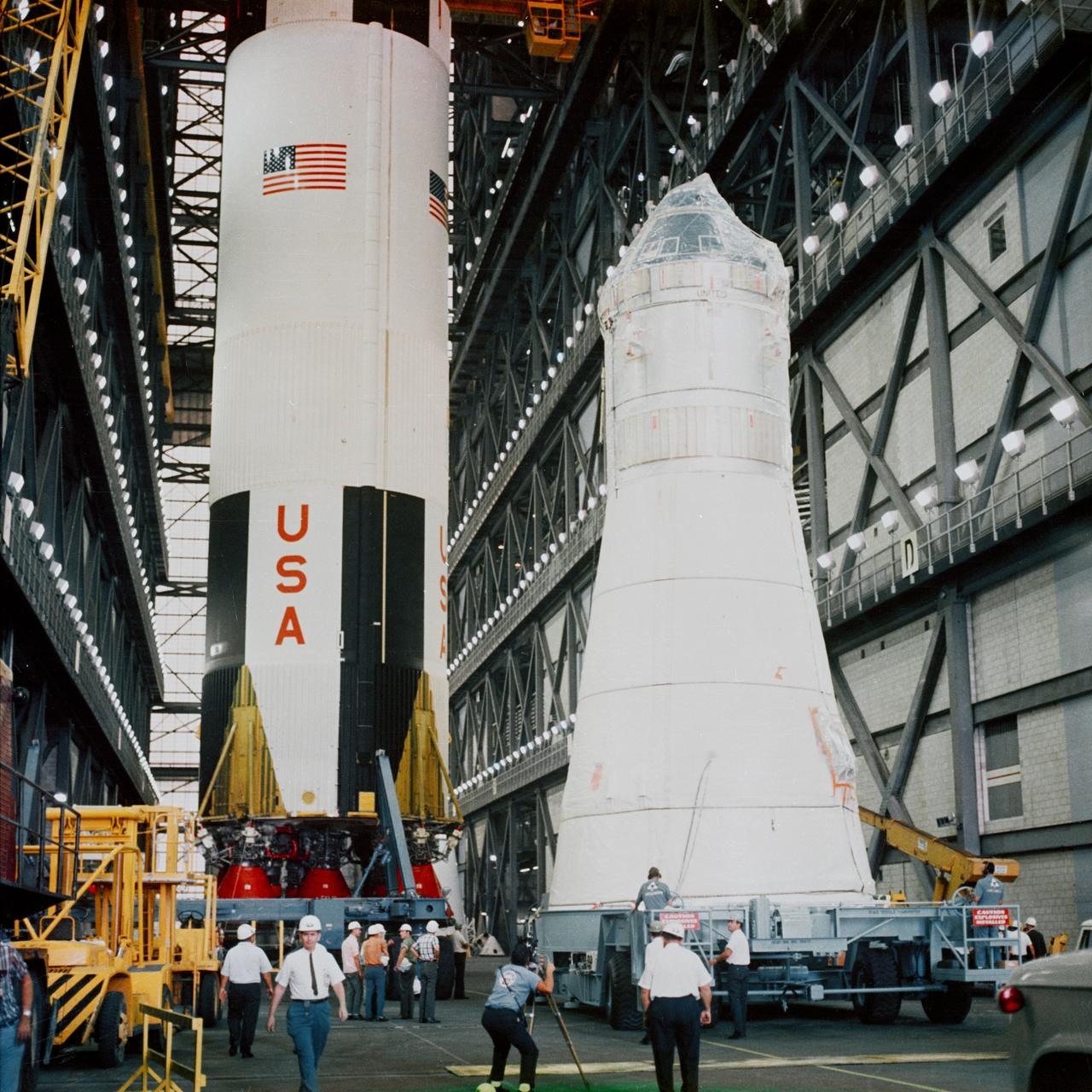
Apollo Command/Service Module
Apollo Command and Service Module
When examining the Apollo Command and Service Module, the changes become clear when comparing generations based on the launch date. This spacecraft was the key vehicle that transported crew members near the Moon and returned them to Earth, starting from Apollo 7. NASA launched it on October 11, 1968, aiming for lunar orbit and Earth return with its three-seat capsule. Combining these four pieces of information, we can distinguish the historical position and actual mission scope of the Apollo Command and Service Module that the name alone does not reveal.
The most interesting aspect of the Apollo Command and Service Module is its structure that separates the command module from the service module for thrust, habitation, and return. When looking at this module, confirming the communication distance and mission time clarifies the reasons for antenna and power selections. The mission status of the Apollo Command and Service Module is "program completed," and for retired vehicles, we should read data left behind and subsequent technologies, while for operational vehicles, we should focus on tasks that have expanded from the original plan. This way, we see that the Apollo Command and Service Module is not just a record holder but a tool that solved specific problems.
In the flow of the list, it is worth looking at the following Apollo Lunar Module Eagle. Comparing the Apollo Command and Service Module's three-seat capsule with the Apollo Lunar Module Eagle's two-seat lunar landing module indicates that the technology for protecting and returning people accumulated through multiple mission trials rather than just a single invention. The official page for the Apollo Command and Service Module provides more detailed information about its launch, mission progress, and onboard equipment, so for ongoing missions with changing dates and statuses, it’s best to check the latest announcements together.
The most interesting aspect of the Apollo Command and Service Module is its structure that separates the command module from the service module for thrust, habitation, and return. When looking at this module, confirming the communication distance and mission time clarifies the reasons for antenna and power selections. The mission status of the Apollo Command and Service Module is "program completed," and for retired vehicles, we should read data left behind and subsequent technologies, while for operational vehicles, we should focus on tasks that have expanded from the original plan. This way, we see that the Apollo Command and Service Module is not just a record holder but a tool that solved specific problems.
In the flow of the list, it is worth looking at the following Apollo Lunar Module Eagle. Comparing the Apollo Command and Service Module's three-seat capsule with the Apollo Lunar Module Eagle's two-seat lunar landing module indicates that the technology for protecting and returning people accumulated through multiple mission trials rather than just a single invention. The official page for the Apollo Command and Service Module provides more detailed information about its launch, mission progress, and onboard equipment, so for ongoing missions with changing dates and statuses, it’s best to check the latest announcements together.
운영기관 NASA
발사일 1968-10-11
형식 3인승 캡슐
목표 달 궤도·지구 귀환
임무 상태 프로그램 종료
이미지 자료 NASA Image Library · Apollo spacecraft Command/Service Module and Lunar Module 3 arrive at VAB
Apollo Lunar Module Eagle
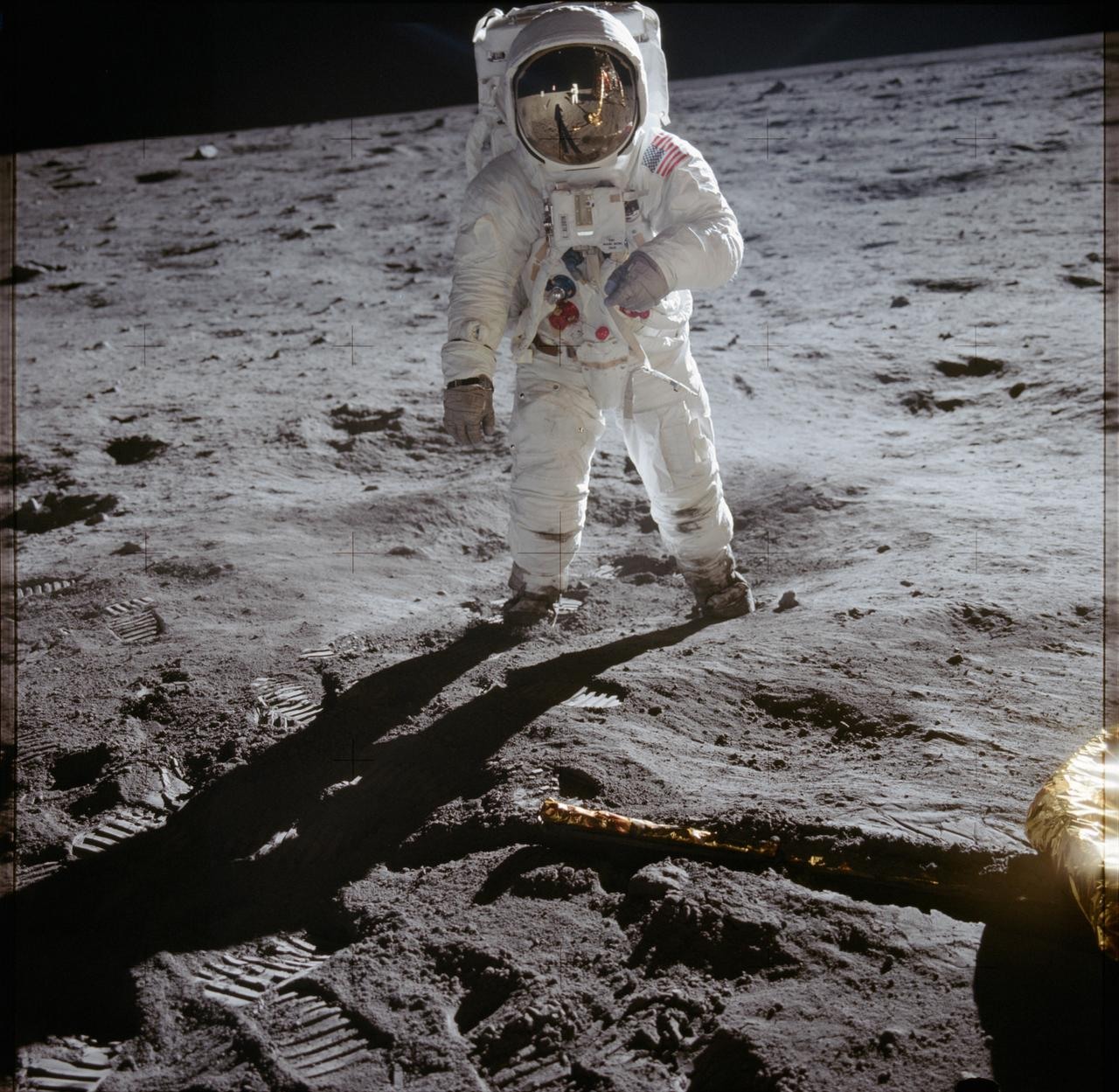
When examining the Apollo Lunar Module Eagle, while the name is familiar, its actual role becomes clear only when looking at the goals and orbit together. This spacecraft was the lander that set down two astronauts on the lunar surface and then returned them to orbit during Apollo 11. NASA launched it on July 16, 1969, aiming for the lunar surface as its two-seat lunar landing module. Combining these four pieces of information, we can distinguish the historical position and actual mission scope of the Apollo Lunar Module Eagle that the name alone does not reveal.
The most interesting aspect of Apollo Lunar Module Eagle is its weight-saving method of launching only the ascent stage while leaving the descent stage behind. When looking at the Apollo Lunar Module Eagle, if it is currently operational, also explore how the latest results compare to the initial goals. The mission status of the Apollo Lunar Module Eagle is "mission completed," and for retired vehicles, we should read data left behind and subsequent technologies, while for operational vehicles, we should focus on tasks that have expanded from the original plan. This way, we see that the Apollo Lunar Module Eagle is not just a record holder but a tool that solved specific problems.
In the flow of the list, it is worth looking at the following Soyuz spacecraft. Comparing the Apollo Lunar Module Eagle's two-seat lunar landing module with the Soyuz spacecraft's three-seat capsule shows that the technology for protecting and returning people accumulated through multiple mission trials rather than just a single invention. The official page for the Apollo Lunar Module Eagle provides more detailed information about its launch, mission progress, and onboard equipment, so for ongoing missions with changing dates and statuses, it’s best to check the latest announcements together.
The most interesting aspect of Apollo Lunar Module Eagle is its weight-saving method of launching only the ascent stage while leaving the descent stage behind. When looking at the Apollo Lunar Module Eagle, if it is currently operational, also explore how the latest results compare to the initial goals. The mission status of the Apollo Lunar Module Eagle is "mission completed," and for retired vehicles, we should read data left behind and subsequent technologies, while for operational vehicles, we should focus on tasks that have expanded from the original plan. This way, we see that the Apollo Lunar Module Eagle is not just a record holder but a tool that solved specific problems.
In the flow of the list, it is worth looking at the following Soyuz spacecraft. Comparing the Apollo Lunar Module Eagle's two-seat lunar landing module with the Soyuz spacecraft's three-seat capsule shows that the technology for protecting and returning people accumulated through multiple mission trials rather than just a single invention. The official page for the Apollo Lunar Module Eagle provides more detailed information about its launch, mission progress, and onboard equipment, so for ongoing missions with changing dates and statuses, it’s best to check the latest announcements together.
운영기관 NASA
발사일 1969-07-16
형식 2인승 달착륙선
목표 달 표면
임무 상태 임무 종료
이미지 자료 NASA Image Library · Astronaut Edwin Aldrin walks near the Lunar Module
Soyuz Spacecraft
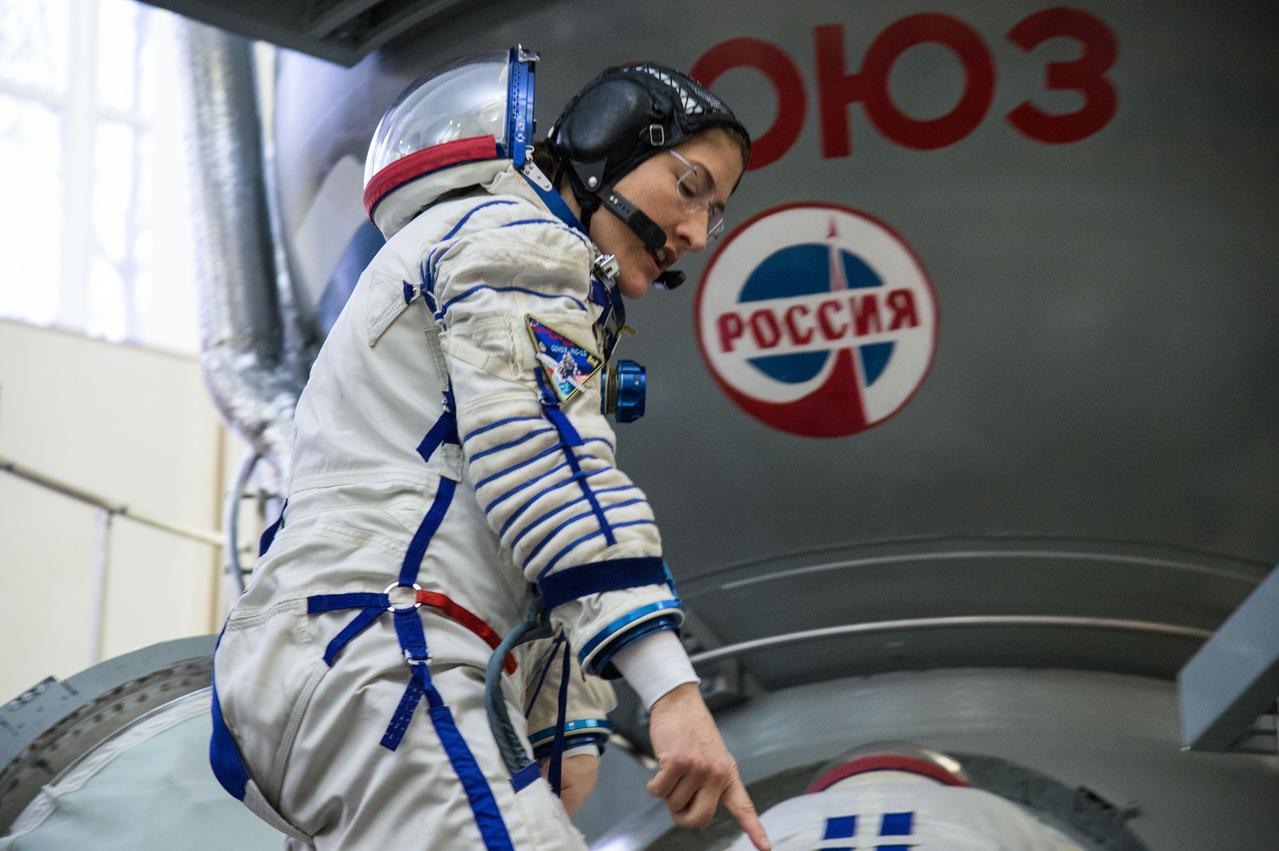
When examining the Soyuz spacecraft, the decisive scenes of its mission began with hardware suited to its purpose. This spacecraft has been continuously improved since the 1960s and is responsible for transporting crew to the space station. The Russian space program launched it on April 23, 1967, aiming for low Earth orbit with its three-seat capsule. Combining these four pieces of information, we can distinguish the historical position and actual mission scope of the Soyuz spacecraft that the name alone does not reveal.
The most interesting aspect of the Soyuz spacecraft is its composition that divides roles into orbital, return, and service modules. When looking at the Soyuz spacecraft, while reading mission data, try to follow not just the success scenes but also the procedures that reduced risks. The mission status of the Soyuz spacecraft is "operating in series," and for retired vehicles, we should read data left behind and subsequent technologies, while for operational vehicles, we should focus on tasks that have expanded from the original plan. This way, we see that the Soyuz spacecraft is not just a record holder but a tool that solved specific problems.
In the flow of the list, it is worth looking at the following Space Shuttle Orbiter. Comparing the Soyuz spacecraft's three-seat capsule with the Space Shuttle Orbiter's reusable space shuttle indicates that the technology for protecting and returning people accumulated through multiple mission trials rather than just a single invention. The official page for the Soyuz spacecraft provides more detailed information about its launch, mission progress, and onboard equipment, so for ongoing missions with changing dates and statuses, it’s best to check the latest announcements together.
The most interesting aspect of the Soyuz spacecraft is its composition that divides roles into orbital, return, and service modules. When looking at the Soyuz spacecraft, while reading mission data, try to follow not just the success scenes but also the procedures that reduced risks. The mission status of the Soyuz spacecraft is "operating in series," and for retired vehicles, we should read data left behind and subsequent technologies, while for operational vehicles, we should focus on tasks that have expanded from the original plan. This way, we see that the Soyuz spacecraft is not just a record holder but a tool that solved specific problems.
In the flow of the list, it is worth looking at the following Space Shuttle Orbiter. Comparing the Soyuz spacecraft's three-seat capsule with the Space Shuttle Orbiter's reusable space shuttle indicates that the technology for protecting and returning people accumulated through multiple mission trials rather than just a single invention. The official page for the Soyuz spacecraft provides more detailed information about its launch, mission progress, and onboard equipment, so for ongoing missions with changing dates and statuses, it’s best to check the latest announcements together.
운영기관 러시아 우주 프로그램
발사일 1967-04-23
형식 3인승 캡슐
목표 지구 저궤도
임무 상태 계열 운용 중
이미지 자료 NASA Image Library · Artist's concept of Apollo/Soyuz spacecraft docking approach
Space Shuttle Orbiter
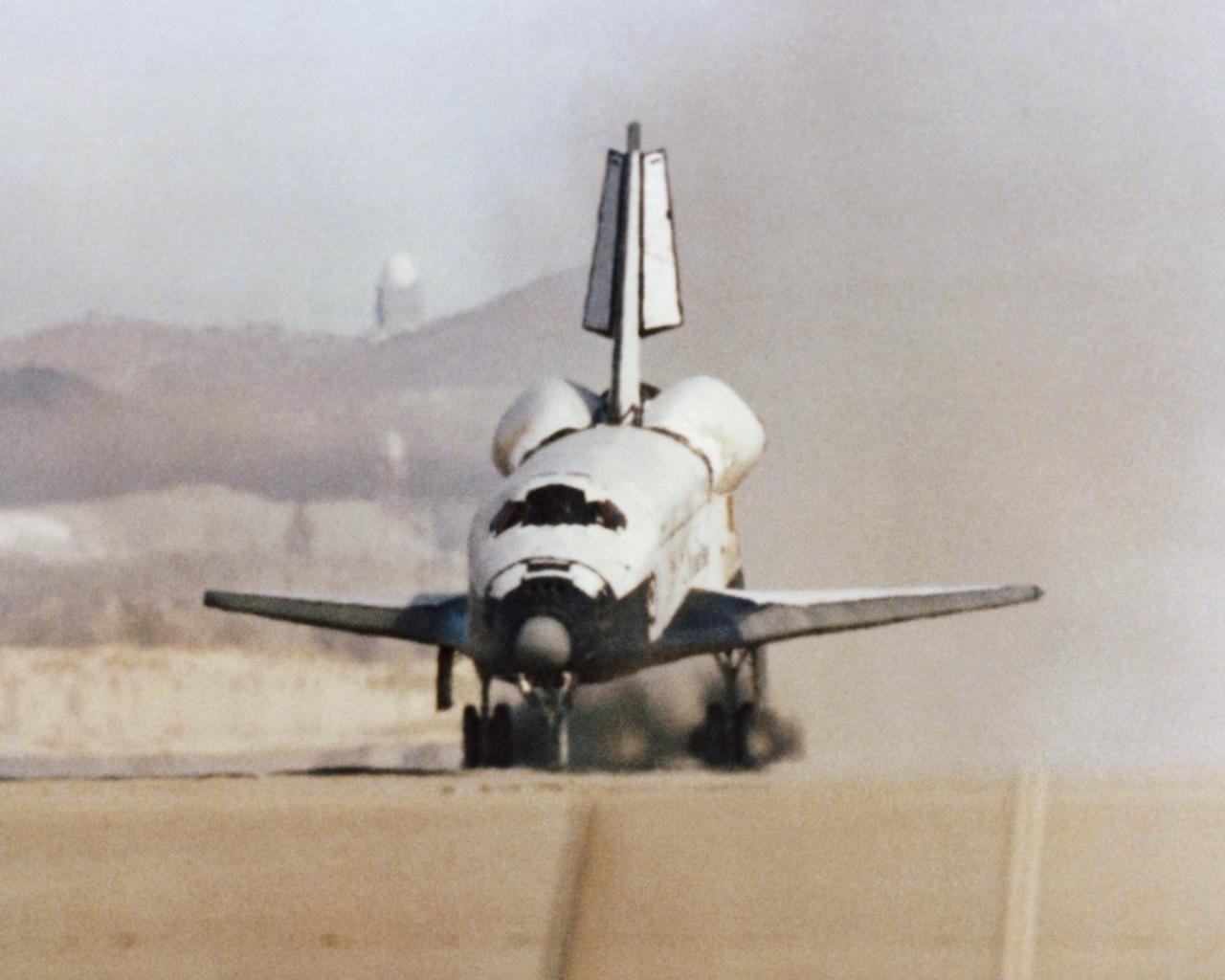
When examining the Space Shuttle Orbiter, this spacecraft embodies the questions that needed to be answered at that time. This reusable manned spacecraft carried satellites, laboratories, and crew members, returning to the runway. NASA launched it on April 12, 1981, aiming for low Earth orbit with its reusable space shuttle. Combining these four pieces of information, we can distinguish the historical position and actual mission scope of the Space Shuttle Orbiter that the name alone does not reveal.
The most interesting aspect of the Space Shuttle Orbiter is the scope of the mission created by its large cargo bay and winged orbiter. When looking at the Space Shuttle Orbiter, take note of the order in which equipment was used after arriving at the target to understand the design. The mission status of the Space Shuttle Orbiter is "program completed," and for retired vehicles, we should read data left behind and subsequent technologies, while for operational vehicles, we should focus on tasks that have expanded from the original plan. This way, we see that the Space Shuttle Orbiter is not just a record holder but a tool that solved specific problems.
In the flow of the list, it is worth looking at the following Crew Dragon. Comparing the reusable space shuttle of the Space Shuttle Orbiter with the reusable manned capsule of Crew Dragon shows that the technology for protecting and returning people accumulated through multiple mission trials rather than just a single invention. The official page for the Space Shuttle Orbiter provides more detailed information about its launch, mission progress, and onboard equipment, so for ongoing missions with changing dates and statuses, it’s best to check the latest announcements together.
The most interesting aspect of the Space Shuttle Orbiter is the scope of the mission created by its large cargo bay and winged orbiter. When looking at the Space Shuttle Orbiter, take note of the order in which equipment was used after arriving at the target to understand the design. The mission status of the Space Shuttle Orbiter is "program completed," and for retired vehicles, we should read data left behind and subsequent technologies, while for operational vehicles, we should focus on tasks that have expanded from the original plan. This way, we see that the Space Shuttle Orbiter is not just a record holder but a tool that solved specific problems.
In the flow of the list, it is worth looking at the following Crew Dragon. Comparing the reusable space shuttle of the Space Shuttle Orbiter with the reusable manned capsule of Crew Dragon shows that the technology for protecting and returning people accumulated through multiple mission trials rather than just a single invention. The official page for the Space Shuttle Orbiter provides more detailed information about its launch, mission progress, and onboard equipment, so for ongoing missions with changing dates and statuses, it’s best to check the latest announcements together.
운영기관 NASA
발사일 1981-04-12
형식 재사용 우주왕복선
목표 지구 저궤도
임무 상태 프로그램 종료
이미지 자료 NASA Image Library · Space Shuttle Columbia landing after first orbital mission
Crew Dragon
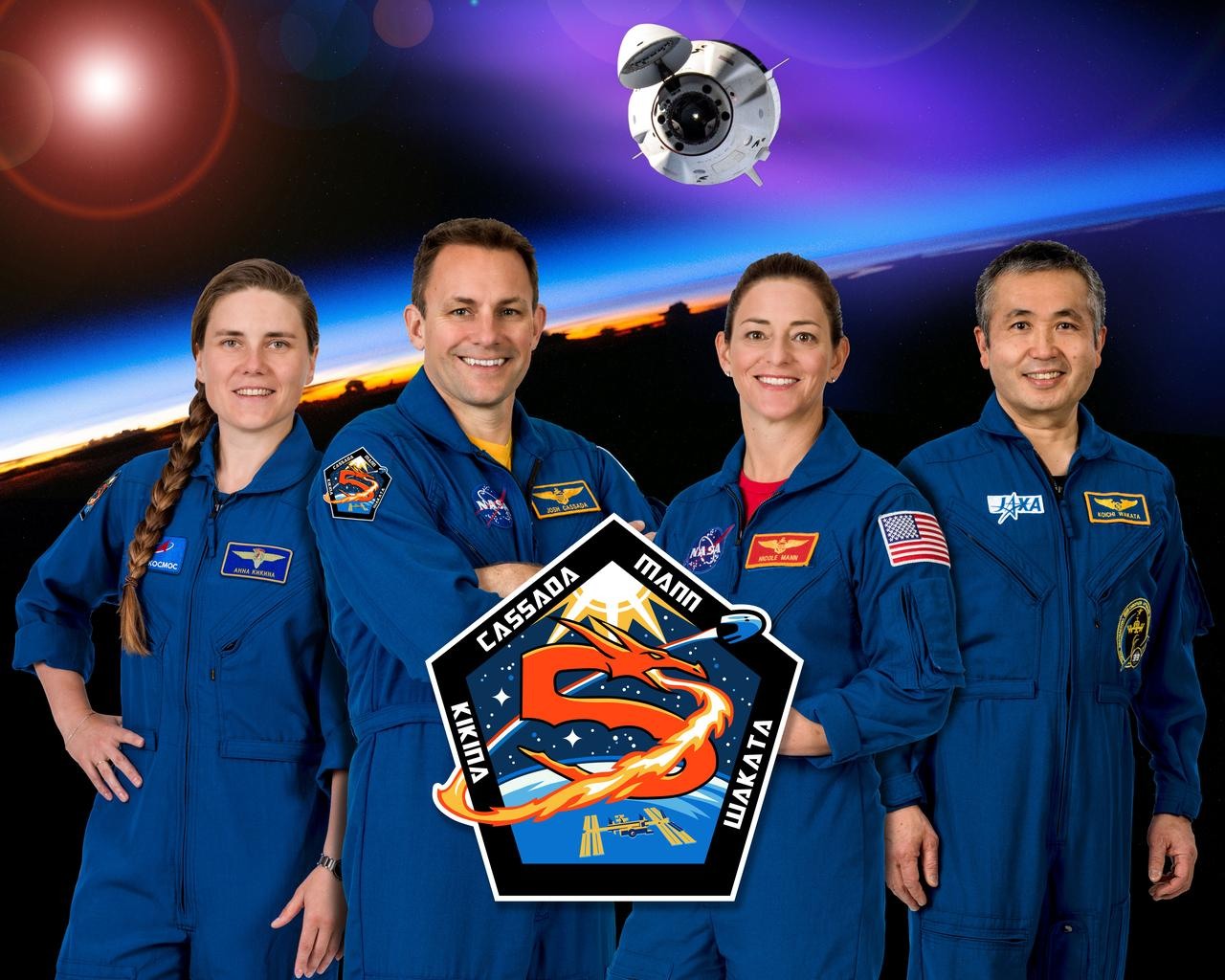
When examining Crew Dragon, the limited power and communication allocated in its design lie behind the observational results. This spacecraft is the capsule that resumed manned orbital flights from the US mainland through the commercial crew program. SpaceX and NASA launched it on May 30, 2020, targeting the International Space Station as its reusable manned capsule. Combining these four pieces of information, we can distinguish the historical position and actual mission scope of Crew Dragon that the name alone does not reveal.
The most interesting aspect of Crew Dragon is the combination of automatic docking, sea splashdown, and capsule reuse. When looking at Crew Dragon, if it’s a completed mission, it’s worth checking the final operational method and data left behind. The mission status of Crew Dragon is "operational," and for retired vehicles, we should read data left behind and subsequent technologies, while for operational vehicles, we should focus on tasks that have expanded from the original plan. This way, we see that Crew Dragon is not just a record holder but a tool that solved specific problems.
In the flow of the list, it is worth looking at the following Boeing Starliner. Comparing the reusable manned capsule of Crew Dragon with the manned capsule of Boeing Starliner shows that the technology for protecting and returning people accumulated through multiple mission trials rather than just a single invention. The official page for Crew Dragon provides more detailed information about its launch, mission progress, and onboard equipment, so for ongoing missions with changing dates and statuses, it’s best to check the latest announcements together.
The most interesting aspect of Crew Dragon is the combination of automatic docking, sea splashdown, and capsule reuse. When looking at Crew Dragon, if it’s a completed mission, it’s worth checking the final operational method and data left behind. The mission status of Crew Dragon is "operational," and for retired vehicles, we should read data left behind and subsequent technologies, while for operational vehicles, we should focus on tasks that have expanded from the original plan. This way, we see that Crew Dragon is not just a record holder but a tool that solved specific problems.
In the flow of the list, it is worth looking at the following Boeing Starliner. Comparing the reusable manned capsule of Crew Dragon with the manned capsule of Boeing Starliner shows that the technology for protecting and returning people accumulated through multiple mission trials rather than just a single invention. The official page for Crew Dragon provides more detailed information about its launch, mission progress, and onboard equipment, so for ongoing missions with changing dates and statuses, it’s best to check the latest announcements together.
운영기관 SpaceX·NASA
발사일 2020-05-30
형식 재사용 유인 캡슐
목표 국제우주정거장
임무 상태 운용 중
이미지 자료 NASA Image Library · SpaceX Demo-2 Crew Dragon Spacecraft and Trunk After Stacking
Boeing Starliner
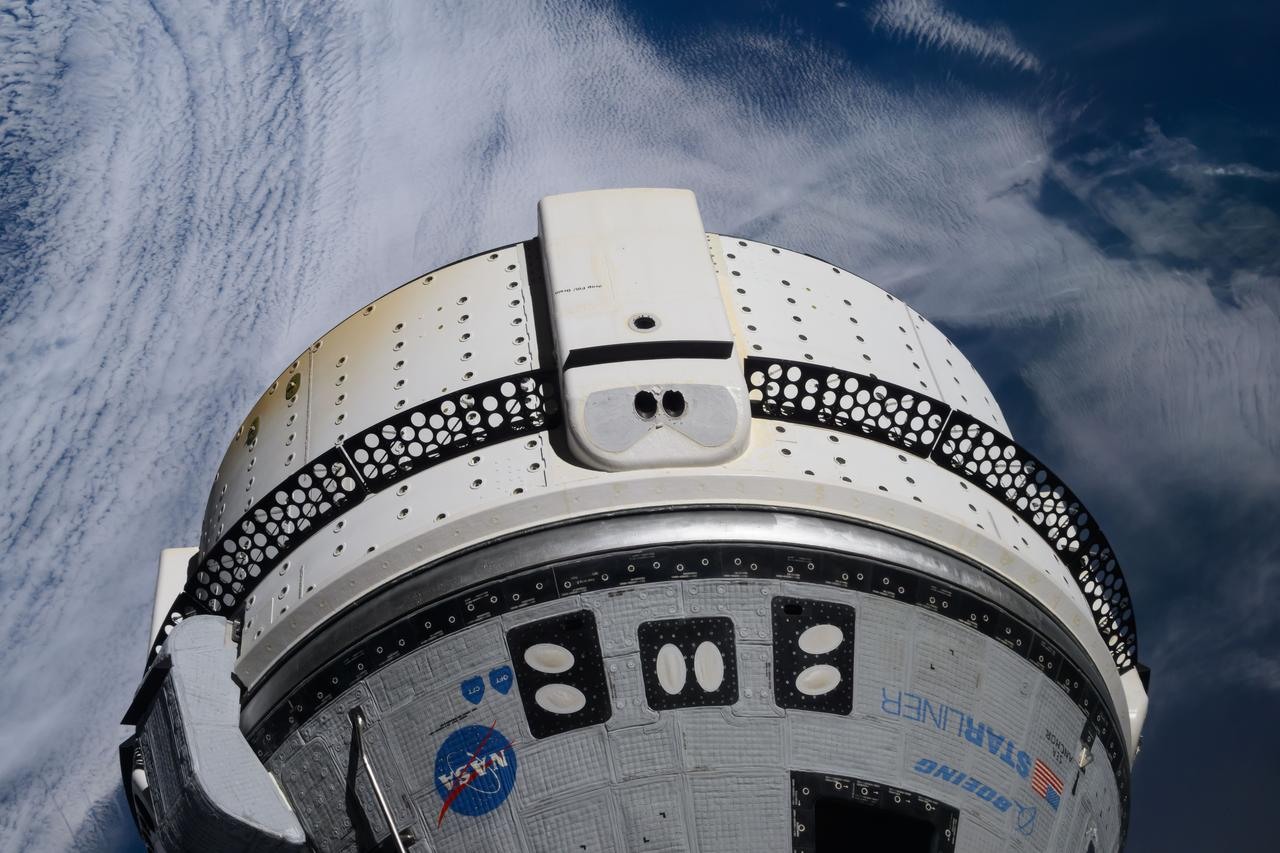
When examining Boeing Starliner, distinctive features that differentiate it from similar spacecraft can be found in its mission trajectory. This spacecraft is the second U.S. manned capsule system developed under the commercial crew program. Boeing and NASA launched it on December 20, 2019, aiming for the International Space Station with its manned capsule. Combining these four pieces of information, we can distinguish the historical position and actual mission scope of Boeing Starliner that the name alone does not reveal.
The most interesting aspect of Boeing Starliner is its structure for ground landing air bags and service module. When looking at Boeing Starliner, it is beneficial to observe how power and mass are allocated to specific equipment rather than the size of the vehicle itself. The mission status of Boeing Starliner is "test program," and for retired vehicles, we should read data left behind and subsequent technologies, while for operational vehicles, we should focus on tasks that have expanded from the original plan. This way, we see that Boeing Starliner is not just a record holder but a tool that solved specific problems.
In the flow of the list, it is worth looking at the following Orion. Comparing the manned capsule of Boeing Starliner with the deep-space manned capsule of Orion shows that the technology for protecting and returning people accumulated through multiple mission trials rather than just a single invention. The official page for Boeing Starliner provides more detailed information about its launch, mission progress, and onboard equipment, so for ongoing missions with changing dates and statuses, it’s best to check the latest announcements together.
The most interesting aspect of Boeing Starliner is its structure for ground landing air bags and service module. When looking at Boeing Starliner, it is beneficial to observe how power and mass are allocated to specific equipment rather than the size of the vehicle itself. The mission status of Boeing Starliner is "test program," and for retired vehicles, we should read data left behind and subsequent technologies, while for operational vehicles, we should focus on tasks that have expanded from the original plan. This way, we see that Boeing Starliner is not just a record holder but a tool that solved specific problems.
In the flow of the list, it is worth looking at the following Orion. Comparing the manned capsule of Boeing Starliner with the deep-space manned capsule of Orion shows that the technology for protecting and returning people accumulated through multiple mission trials rather than just a single invention. The official page for Boeing Starliner provides more detailed information about its launch, mission progress, and onboard equipment, so for ongoing missions with changing dates and statuses, it’s best to check the latest announcements together.
운영기관 Boeing·NASA
발사일 2019-12-20
형식 유인 캡슐
목표 국제우주정거장
임무 상태 시험 프로그램
이미지 자료 NASA Image Library · Boeing's Starliner Spacecraft
Orion
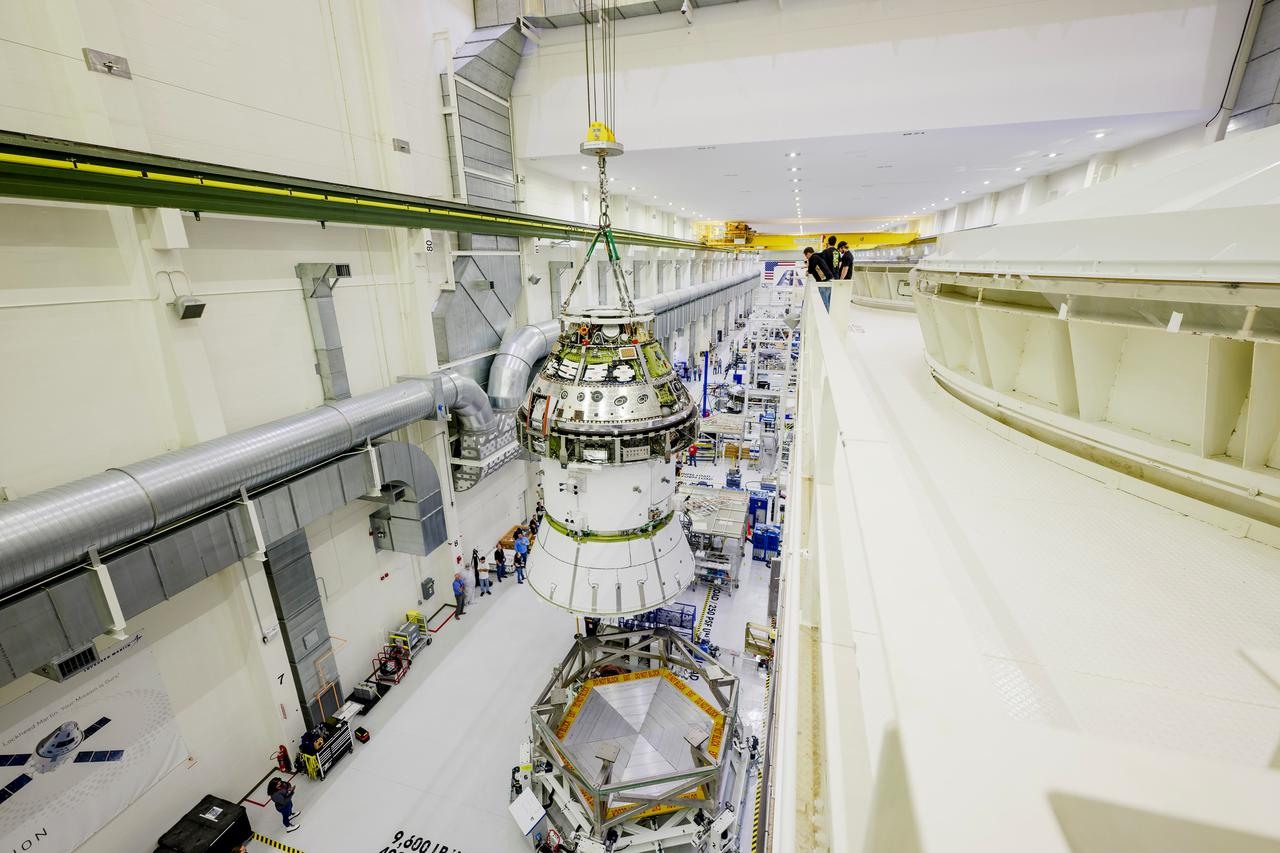
When considering ‘Orion’, the true value of this craft lies not in its glamorous records, but in the standards it sets for the next missions. This spacecraft is a next-generation capsule developed to send crews to deep space around the Moon as part of the Artemis program. It was launched by NASA and ESA on December 5, 2014, aiming for the Moon's orbit as a crewed deep space capsule. By looking at these four pieces of information together, we can distinguish the historical position and actual mission scope of ‘Orion’, which is not revealed by its name alone.
The most intriguing aspects of ‘Orion’ are its thermal protection for long-duration flights and the European Service Module. By connecting the structural features seen in photos of ‘Orion’ with its list of onboard equipment, we can more accurately interpret its mission objectives. The mission status of ‘Orion’ is 'Testing - Artemis Operations', and for the decommissioned craft, its data and follow-up technologies should be read in light of its contributions, while for the operational craft, we should focus on tasks that have expanded from the original plan. This perspective shows that ‘Orion’ is not just a simple record holder but a tool that has solved specific challenges.
In the flow of the list, it's worth looking at it after 'Vostok 1'. Comparing the crewed deep space capsule of ‘Orion’ with the single-person capsule of 'Vostok 1' highlights how the technology for protecting and returning humans has been built up through various trial and error in multiple missions rather than a single invention. The official page of ‘Orion’ provides detailed launch information, mission progress, and onboard equipment, so for ongoing missions with changing dates and statuses, it's safer to check the latest announcements together.
The most intriguing aspects of ‘Orion’ are its thermal protection for long-duration flights and the European Service Module. By connecting the structural features seen in photos of ‘Orion’ with its list of onboard equipment, we can more accurately interpret its mission objectives. The mission status of ‘Orion’ is 'Testing - Artemis Operations', and for the decommissioned craft, its data and follow-up technologies should be read in light of its contributions, while for the operational craft, we should focus on tasks that have expanded from the original plan. This perspective shows that ‘Orion’ is not just a simple record holder but a tool that has solved specific challenges.
In the flow of the list, it's worth looking at it after 'Vostok 1'. Comparing the crewed deep space capsule of ‘Orion’ with the single-person capsule of 'Vostok 1' highlights how the technology for protecting and returning humans has been built up through various trial and error in multiple missions rather than a single invention. The official page of ‘Orion’ provides detailed launch information, mission progress, and onboard equipment, so for ongoing missions with changing dates and statuses, it's safer to check the latest announcements together.
운영기관 NASA·ESA
발사일 2014-12-05
형식 심우주 유인 캡슐
목표 달 주변
임무 상태 시험·아르테미스 운용
이미지 자료 NASA Image Library · Artemis II Orion Spacecraft Lifted into Vacuum Chamber for Second Round of Testing
Looking at the ten spacecraft, the evolution of manned flights is not simply a process of larger capsules. It has progressively combined automatic flights, manual control, module separation, winged returns, reuse, and private operations in different ways to reduce risks.
In hindsight, try to compare the return methods of each spacecraft before looking at the launch. Analyzing how choices like parachute landings, sea splashdown, ground landings, and runway returns impacted the scope of missions and reusability will make the structure much easier to understand. On the link for "Ten Spaceships That Took People to Space," you can find additional data and images for each mission. When new exploratory results are announced, maintaining the criteria of changes in ways to protect and return people will keep the flow consistent.
In hindsight, try to compare the return methods of each spacecraft before looking at the launch. Analyzing how choices like parachute landings, sea splashdown, ground landings, and runway returns impacted the scope of missions and reusability will make the structure much easier to understand. On the link for "Ten Spaceships That Took People to Space," you can find additional data and images for each mission. When new exploratory results are announced, maintaining the criteria of changes in ways to protect and return people will keep the flow consistent.
한눈에 보기
10개
Vostok 1
소련 우주 프로그램 · 1961-04-12 · 1인승 캡슐 · 지구 저궤도 · 임무 종료 · NASA GSFC · Vostok 1 launch
Mercury Friendship 7
NASA · 1962-02-20 · 1인승 캡슐 · 지구 저궤도 · 임무 종료 · NASA Image Library · Mercury-Atlas 6 "Friendship 7" spacecraft is retrieved from the Atlantic Ocean
Gemini 4
NASA · 1965-06-03 · 2인승 캡슐 · 지구 저궤도 · 임무 종료 · NASA Image Library · View of the Gemini-Titan 4 spacecraft launch
Apollo Command/Service Module
NASA · 1968-10-11 · 3인승 캡슐 · 달 궤도·지구 귀환 · 프로그램 종료 · NASA Image Library · Apollo spacecraft Command/Service Module and Lunar Module 3 arrive at VAB
Apollo Lunar Module Eagle
NASA · 1969-07-16 · 2인승 달착륙선 · 달 표면 · 임무 종료 · NASA Image Library · Astronaut Edwin Aldrin walks near the Lunar Module
Soyuz Spacecraft
러시아 우주 프로그램 · 1967-04-23 · 3인승 캡슐 · 지구 저궤도 · 계열 운용 중 · NASA Image Library · Artist's concept of Apollo/Soyuz spacecraft docking approach
Space Shuttle Orbiter
NASA · 1981-04-12 · 재사용 우주왕복선 · 지구 저궤도 · 프로그램 종료 · NASA Image Library · Space Shuttle Columbia landing after first orbital mission
Crew Dragon
SpaceX·NASA · 2020-05-30 · 재사용 유인 캡슐 · 국제우주정거장 · 운용 중 · NASA Image Library · SpaceX Demo-2 Crew Dragon Spacecraft and Trunk After Stacking
Boeing Starliner
Boeing·NASA · 2019-12-20 · 유인 캡슐 · 국제우주정거장 · 시험 프로그램 · NASA Image Library · Boeing's Starliner Spacecraft
Orion
NASA·ESA · 2014-12-05 · 심우주 유인 캡슐 · 달 주변 · 시험·아르테미스 운용 · NASA Image Library · Artemis II Orion Spacecraft Lifted into Vacuum Chamber for Second Round of Testing
이 포스팅은 쿠팡 파트너스 활동의 일환으로, 이에 따른 일정액의 수수료를 제공받습니다.
댓글 0
로그인 후 댓글을 작성할 수 있습니다.
첫 댓글을 남겨보세요.
이런 리스트는 어때요?


이런 리스트도 추천해요


🎲
여기서 멈추기엔 아쉽잖아?
다음에 뭘 볼지 고민하는 시간이 제일 아까워.
주사위가 대신 골라줄게 — 무슨 리스트가 튀어나올지는 굴려봐야 알지.
안 누르면… 평생 궁금하지 않겠어? 👀