A Collection of Jeongjae's Songs Listened to Through the Emotions of Night, Walking, and Comfort
A guide to selecting Jeongjae's songs that match the walking pace and the quiet breath of the night by emotion
This collection is a way to experience Jeongjae's music by categorizing it into themes of night, walking, reminiscing, and comfort based on the song's rhythm and arrangement. Instead of ranking songs solely based on popularity, it examines how the singer-songwriter's voice and the guitarist's sensibility are revealed in proportion. Using familiar songs as an entry point, the scope is widened to include tracks from albums, collaborations, OSTs, and live performances to naturally explore the various faces of Jeongjae's music.
Each item does not just list basic information about the songs. It explains the sounds to listen for first, the relationship between guitar and rhythm sections, the positioning of the vocals, and points that change in live performances. Information not verified through official sources, like instrument models and effectors, is not assumed; actual timbres and published credits are distinctly recorded.
The listening order is not definitive. Start by listening to the whole track without interruptions, then focus on the movement of guitar and bass, and finally follow the space left behind the vocals. In cases where the same song appears in different lists, it is arranged to distinguish between versions like official sound sources, concerts, broadcasts, and acoustics to avoid simple duplication.
The videos are selected from official channels of Jeongjae, his agency, rights holders of sound sources, OST production and distribution channels, and publicly shared videos from performance institutions and broadcasting companies. Fan cams or unclear source reuploads are excluded, and video IDs, titles, channel names, and their public statuses are checked separately. Collaborations and OSTs are delineated based on whether Jeongjae is featured as a vocalist or as a part of a group with other artists.
To escape the impression that all quiet music is similar, it is important to develop a habit of noticing small differences. Just comparing the timing of chords, the moment drums enter, or the way the chorus builds during the refrain can reveal different characteristics of the songs. If you find a song that resonates, continue on to the next recommended version to compare how Jeongjae deals with emotions in the studio and on stage.
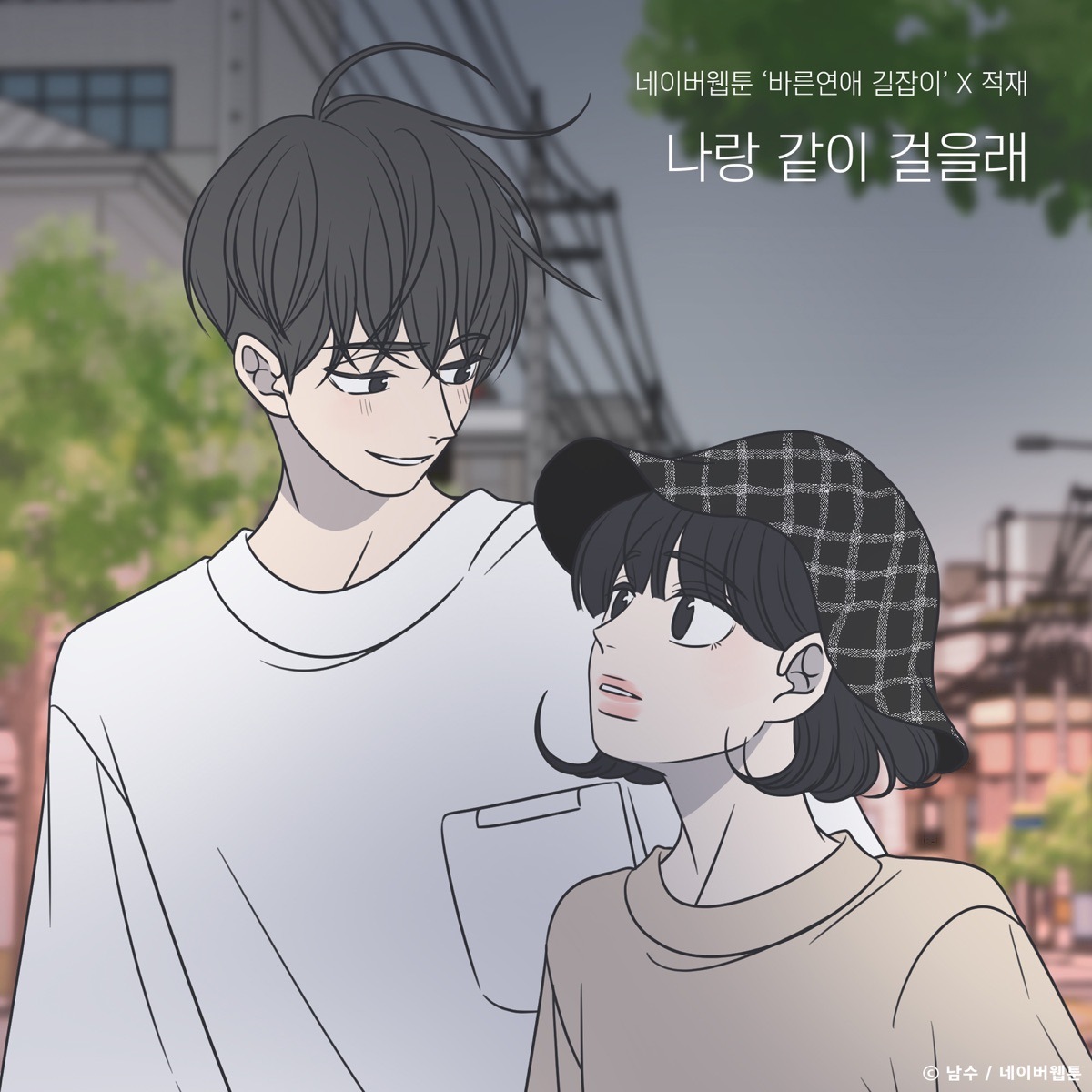
Wanna Walk with Me
Would You Walk With Me?
What song is it? "Would You Walk With Me?" can be found in the collaboration track from the webtoon "Right Love Guide"; in this list, it is chosen for its soft suggestion that matches the pace of walking. The confirmed participation scope is Jeongjae's vocals in the webtoon collaboration audio, and like Jeongjae’s guitar model, effectors, and tuning, unverified equipment information is not presumed. When first encountering Jeongjae's music, it's better to listen to how the introduction brings the listener into the song rather than waiting for a famous line. The core emotion of this track is a tender suggestion to match steps with someone. Between the vocals and the instrument, the space that follows the natural flow of conversation creates the story rather than an exaggerated emotional explosion. Making soft suggestions that sync with the walking pace the central question helps to differentiate it from other similarly calm songs. Even if you don’t memorize the title or entire lyrics, you can grasp the song's structure by checking the distance of the first line, the widening perspective in the chorus, and the lingering reverb at the end.
Guitar and Arrangement In this version, the focus should first be on the warm guitar and vocals laid over a steady beat. The confirmed arrangement and roles are Jeongjae's vocals in the webtoon collaboration track. The guitar does not assert its presence solely with flashy solos but balances the weight of the rhythm while creating the song's temperature by organizing the spaces between vocal phrases and leaving room for other instruments. When listening through earbuds, pay attention to the differences in guitar placement on the left and right, the low bass movement when the chords change, and how the guitar's outline is maintained even after the drums or piano join. Instead of specifying the exact names of the equipment, comparing the brightness of the audible timbre and reverb, and the intensity of the attack feels safer and more useful.
Initial Listening Point In the first listen, focus on the soft suggestion that matches the walking pace. In the first 30 seconds, the primary rhythm and spatial feeling are presented, revealing whether the accompaniment pushes the sentences after the vocals enter or retreats. During the chorus, it’s good to listen to how the volume of the voice might be less important than the elongation of the vowels, the overlapping positions of the chorus, and the foundation created by the bass and kick. Listen once to the entire song without breaks, then just to the guitar, and then only to follow the relationship between the vocals and rhythm section to clarify the role of the arrangement. If the official video is a live performance, contrast the movements of the hands and the moments when sounds are produced but remember that there may be unseen sessions or post-production work.
Next Recommended Track/Version After this song, it’s good to listen to "Let’s Go to See the Stars" followed by "KBS Live." When comparing the official audio and live versions of the same song, note the subtle differences in tempo, the length of interludes, and how the vocals utilize the beats before and after. When transitioning to another song, finding one common emotion and one changed arrangement will show how Jeongjae's world of music is not simply categorized as 'sentimental acoustic’. In this list, it plays the role of a version that helps grasp the basic form of the song through the official sound source or official music video. Therefore, even if the same song reappears, I’ve ensured that different official versions and listening questions do not overlap.
Lyrics and Atmosphere of the Song Summarizing the emotion without translating the lyrics directly deals with a tender suggestion to align steps with someone. Jeongjae's songs often place everyday scenes casually rather than turning them into grand proclamations. Thus, it’s more useful to observe how close the speaker approaches or retreats from the other person and where they stand between the present and memories, rather than the meaning of each word. Also, notice contrasts like hesitations placed over bright harmonies or the emergence of hopeful directions within serene arrangements. When listening for walking, night, or relaxation, if you don’t just let the song play in the background but instead follow its perspective and rhythm at least once, you will hear the reason why the emotions are not exaggerated.
Performance and Live Listening Tips In live performances, it’s good to check how the warm guitar and vocals layered over a steady beat differ from the audio source. The strength of guitar strokes, the brief pauses formed when letting go of the strings, and the pauses before the vocals all create tension in the actual performance. If in a band arrangement, listen to whether the guitar becomes denser or simpler once the drum fills come in. If it’s closer to a solo arrangement, the key lies in understanding how slight tempo fluctuations and breathing change the song's narrative. Prioritize the official channel's titles and descriptions along with album credits over video comments or fan-edit details, and avoid confirming instrument models or specific playing methods solely based on what is seen on screen for accurate listening documentation.
Official Credits and Information The role identified in this item is the ‘webtoon collaboration audio featuring Jeongjae’s solo vocals.’ The materials referenced are from the official pages of the artist, agency, sound source rights holders, broadcasting companies, or OST distribution channels. The key sources are Official Materials and Official Materials.
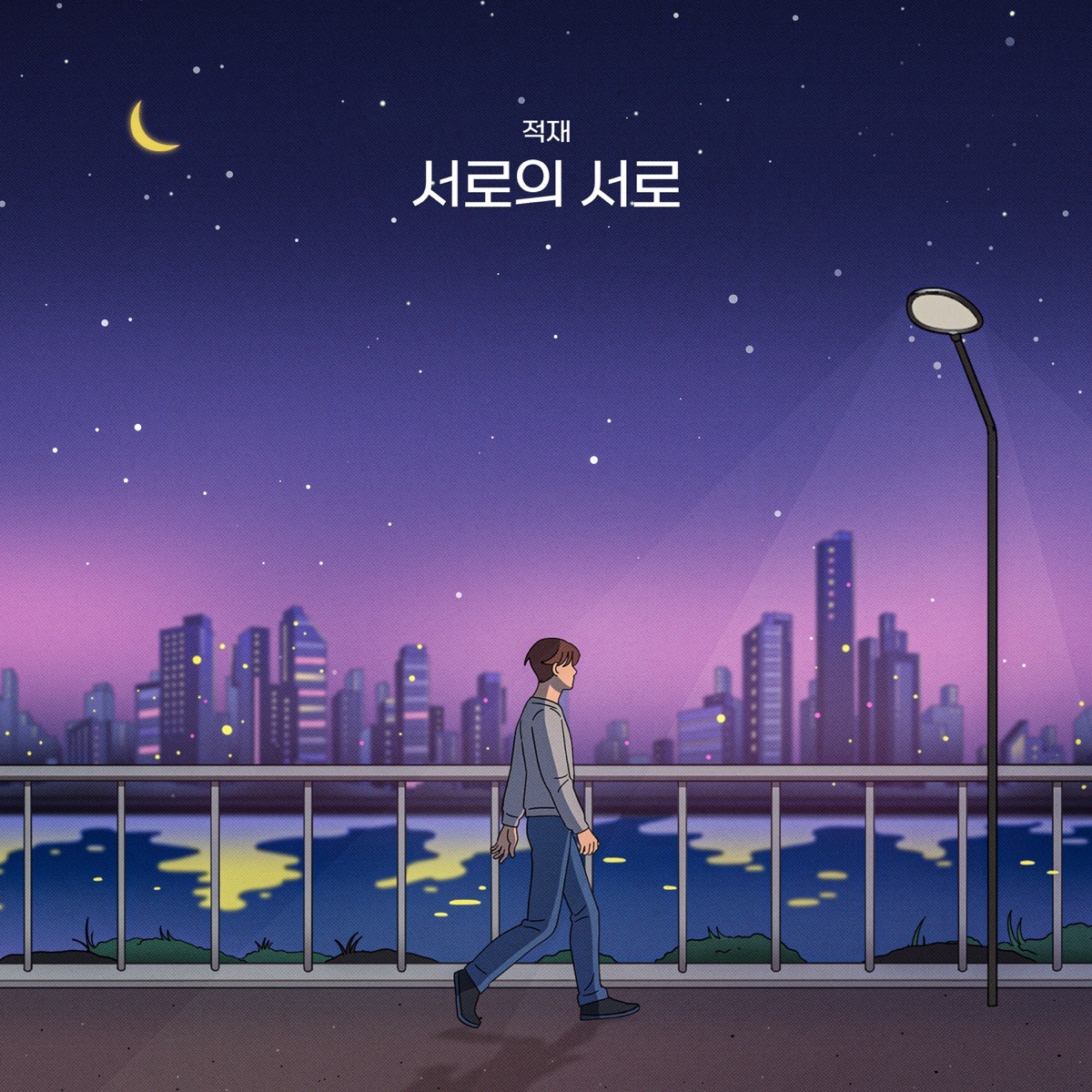
Seoro ui Seoro
Each Other's Each Other
What song is it? "Each Other's Each Other" can be found in the single "Each Other's Each Other"; in this list, it is chosen for its perspective of a nighttime conversation that reflects on the balance of relationships. The confirmed participation scope is centered on Jeongjae's vocals and guitar, and equipment information not verified by official credits, like Jeongjae's guitar model, effectors, and tuning, is not presumed. When first experiencing Jeongjae's music, listen to how the introduction brings listeners into the song rather than just waiting for a famous line. The core emotion of this track closely resembles the time and space left between two people. The space that follows the flowing vocals and instruments tells the story more than an exaggerated outburst of emotions. Making the balance in relationships the central question allows this song to differentiate itself from other similarly calm tracks. Even if you don’t memorize the title or entire lyrics, checking the distance in the first line, the widening perspective in the chorus, and the lingering reverb at the end will naturally clarify the song's structure.
Guitar and Arrangement In this version, the first sound to confirm is the gradual build-up of the band from a soft guitar. The confirmed arrangement and roles center on Jeongjae’s vocals and guitar. The guitar does not assert its presence solely with flashy solos but balances the weight of the rhythm while organizing the spaces between vocal phrases and leaving room for other instruments. When listening through earbuds, pay attention to the differences in guitar placement on the left and right, the direction of low bass movement when the chords change, and how the guitar's outline is maintained even after the drums or keyboard join. Instead of specifying the exact names of the equipment, comparing the brightness of the audible timbre and reverb, and the intensity of the attack feels safer and more useful.
Initial Listening Point In the first listen, focus on the nighttime conversation reflecting on the balance in relationships. Within the first 30 seconds, the primary rhythm and spatial feeling are presented, revealing whether the accompaniment pushes the sentences after the vocals enter or retreats. During the chorus, it’s good to listen to how the volume of the voice might be less important than the elongation of the vowels, the overlapping positions of the chorus, and the foundation created by the bass and kick. Listen once to the entire song without breaks, then just to the guitar, and then only to follow the relationship between the vocals and rhythm section to clarify the role of the arrangement. If the official video is a live performance, contrast the movements of the hands and the moments when sounds are produced but remember that there may be unseen sessions or post-production work.
Next Recommended Track/Version After this song, it’s good to listen to the "National Tour Official Live" followed by "Would You Walk With Me?" When comparing the official audio and live versions of the same song, note the subtle differences in tempo, the length of interludes, and how the vocals utilize the beats before and after. When transitioning to another song, finding one common emotion and one changed arrangement will show how Jeongjae's world of music is not simply categorized as 'sentimental acoustic.’ In this list, it plays the role of a version that helps grasp the basic form of the song through the official sound source or official music video. Therefore, even if the same song reappears, I’ve ensured that different official versions and listening questions do not overlap.
Lyrics and Atmosphere of the Song Summarizing the emotion without translating the lyrics directly deals with the time and distance left between two people. Jeongjae's songs often place everyday scenes casually rather than turning them into grand proclamations. Thus, it’s more useful to observe how close the speaker approaches or retreats from the other person and where they stand between the present and memories, rather than the meaning of each word. Also, notice contrasts like hesitations placed over bright harmonies or the emergence of hopeful directions within serene arrangements. When listening for walking, night, or relaxation, if you don’t just let the song play in the background but instead follow its perspective and rhythm at least once, you will hear the reason why the emotions are not exaggerated.
Performance and Live Listening Tips In live performances, it’s good to check how the gradual build-up from a soft guitar to the band differs from the audio source. The strength of guitar strokes, the brief pauses formed when letting go of the strings, and the pauses before the vocals all create tension in the actual performance. If in a band arrangement, listen to whether the guitar becomes denser or simpler once the drum fills come in. If it’s closer to a solo arrangement, the key lies in understanding how slight tempo fluctuations and breathing change the song's narrative. Prioritize the official channel's titles and descriptions along with album credits over video comments or fan-edit details, and avoid confirming instrument models or specific playing methods solely based on what is seen on screen for accurate listening documentation.
Official Credits and Information The role identified in this item is that of 'Jeongjae in his own song centered around vocals and guitar.' The materials referenced are from the official pages of the artist, agency, sound source rights holders, broadcasting companies, or OST distribution channels. The key sources are Official Materials and Official Materials.
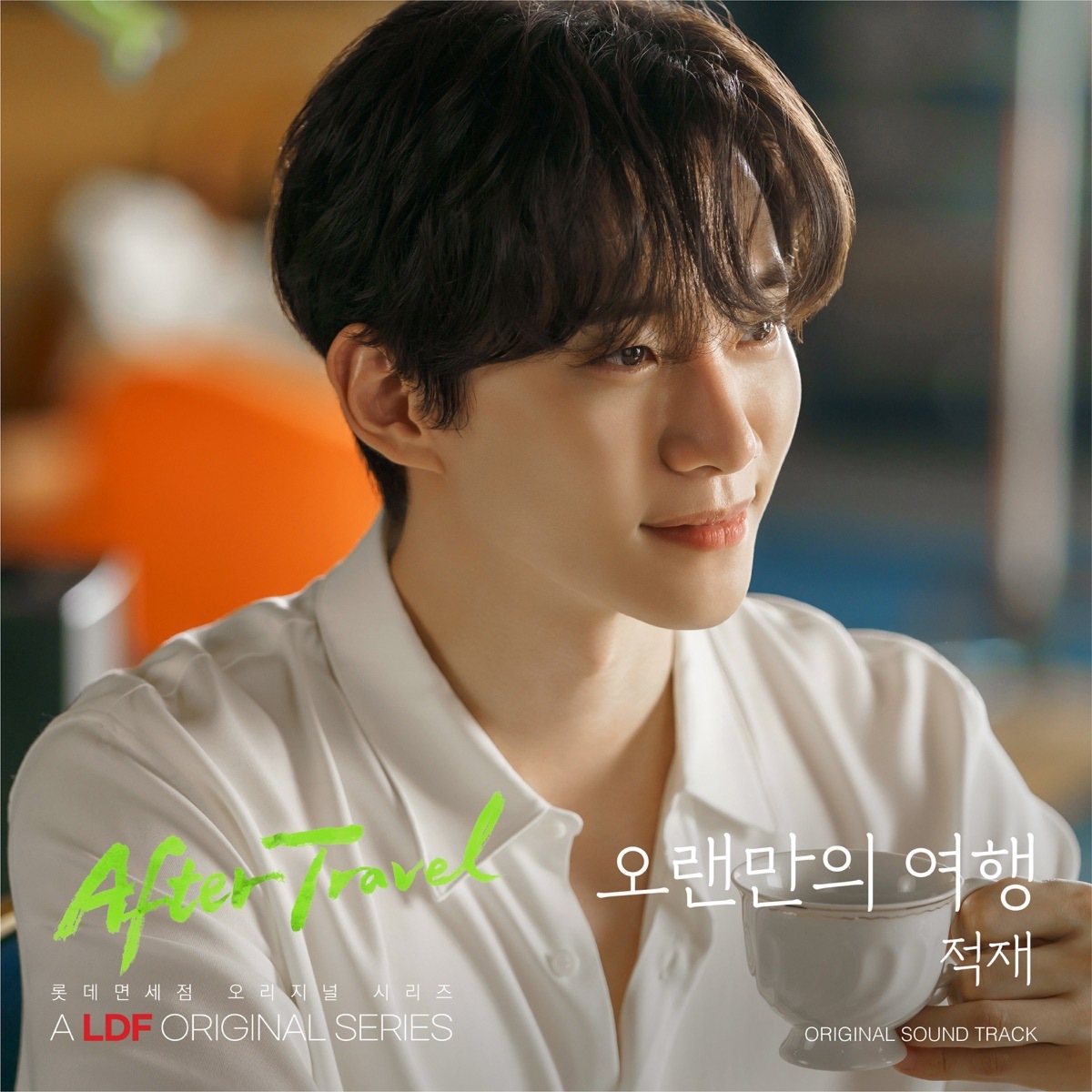
A Journey After a Long Time
A Long-Awaited Trip
What song is it? "A Long-Awaited Trip" can be found in the collaboration track from Lotte Duty-Free, chosen in this list from the perspective of excitement about moving away from daily life for a while. The confirmed participation scope is Jeongjae's vocals in the brand collaboration audio, and unverified equipment information, like Jeongjae’s guitar model, effectors, and tuning, is not presumed. When first encountering Jeongjae's music, it's better to listen to how the introduction brings the listener into the song rather than waiting for a famous line. The core emotion of this track is akin to the light anticipation of departing after a long time. The space that follows the flowing vocals and instruments tells the story more than an exaggerated emotional explosion. Making excitement about moving away from daily life the central question helps to distinguish it from other similarly calm songs. Even if you don’t memorize the title or entire lyrics, you can grasp the song's structure by checking the distance of the first line, the widening perspective in the chorus, and the lingering reverb at the end.
Guitar and Arrangement In this version, the first sound to confirm is the bright texture of the guitar and the light pop arrangement. The confirmed arrangement and roles are Jeongjae's vocals in the brand collaboration audio. The guitar does not assert its presence solely with flashy solos but balances the weight of the rhythm while creating the song's temperature by organizing the spaces between vocal phrases and leaving room for other instruments. When listening through earbuds, pay attention to the differences in guitar placement on the left and right, the low bass movement when the chords change, and how the guitar’s outline is maintained even after the drums or keyboard join. Instead of specifying the exact names of the equipment, comparing the brightness of the audible timbre and reverb, and the intensity of the attack feels safer and more useful.
Initial Listening Point In the first listen, focus on the excitement of moving away from daily life. Within the first 30 seconds, the primary rhythm and spatial feeling are presented, revealing whether the accompaniment pushes the sentences after the vocals enter or retreats. During the chorus, it’s good to listen to how the volume of the voice might be less important than the elongation of the vowels, the overlapping positions of the chorus, and the foundation created by the bass and kick. Listen once to the entire song without breaks, then just to the guitar, and then only to follow the relationship between the vocals and rhythm section to clarify the role of the arrangement. If the official video is a live performance, contrast the movements of the hands and the moments when sounds are produced but remember that there may be unseen sessions or post-production work.
Next Recommended Track/Version After this song, it’s good to listen to "Runaway" followed by the "Wind OST." When comparing the official audio and live versions of the same song, note the subtle differences in tempo, the length of interludes, and how the vocals utilize the beats before and after. When transitioning to another song, finding one common emotion and one changed arrangement will show how Jeongjae's world of music is not simply categorized as 'sentimental acoustic.’ In this list, it plays the role of a version that helps grasp the basic form of the song through the official sound source or official music video. Therefore, even if the same song reappears, I’ve ensured that different official versions and listening questions do not overlap.
Lyrics and Atmosphere of the Song Summarizing the emotion without translating the lyrics directly deals with light expectation on the road of departing after a long time. Jeongjae's songs often place everyday scenes casually rather than turning them into grand proclamations. Thus, it’s more useful to observe how close the speaker approaches or retreats from the other person and where they stand between the present and memories, rather than the meaning of each word. Also, notice contrasts like hesitations placed over bright harmonies or the emergence of hopeful directions within serene arrangements. When listening for walking, night, or relaxation, if you don’t just let the song play in the background but instead follow its perspective and rhythm at least once, you will hear the reason why the emotions are not exaggerated.
Performance and Live Listening Tips In live performances, it’s good to check how the light pop arrangement and bright guitar texture differ from the audio source. The strength of guitar strokes, the brief pauses formed when letting go of the strings, and the pauses before the vocals all create tension in the actual performance. If in a band arrangement, listen to whether the guitar becomes denser or simpler once the drum fills come in. If it’s closer to a solo arrangement, the key lies in understanding how slight tempo fluctuations and breathing change the song's narrative. Prioritize the official channel's titles and descriptions along with album credits over video comments or fan-edit details, and avoid confirming instrument models or specific playing methods solely based on what is seen on screen for accurate listening documentation.
Official Credits and Information The role identified in this item is ‘the brand collaboration audio featuring Jeongjae’s solo vocals.’ The materials referenced are from the official pages of the artist, agency, sound source rights holders, broadcasting companies, or OST distribution channels. The key sources are Official Materials and Official Materials.
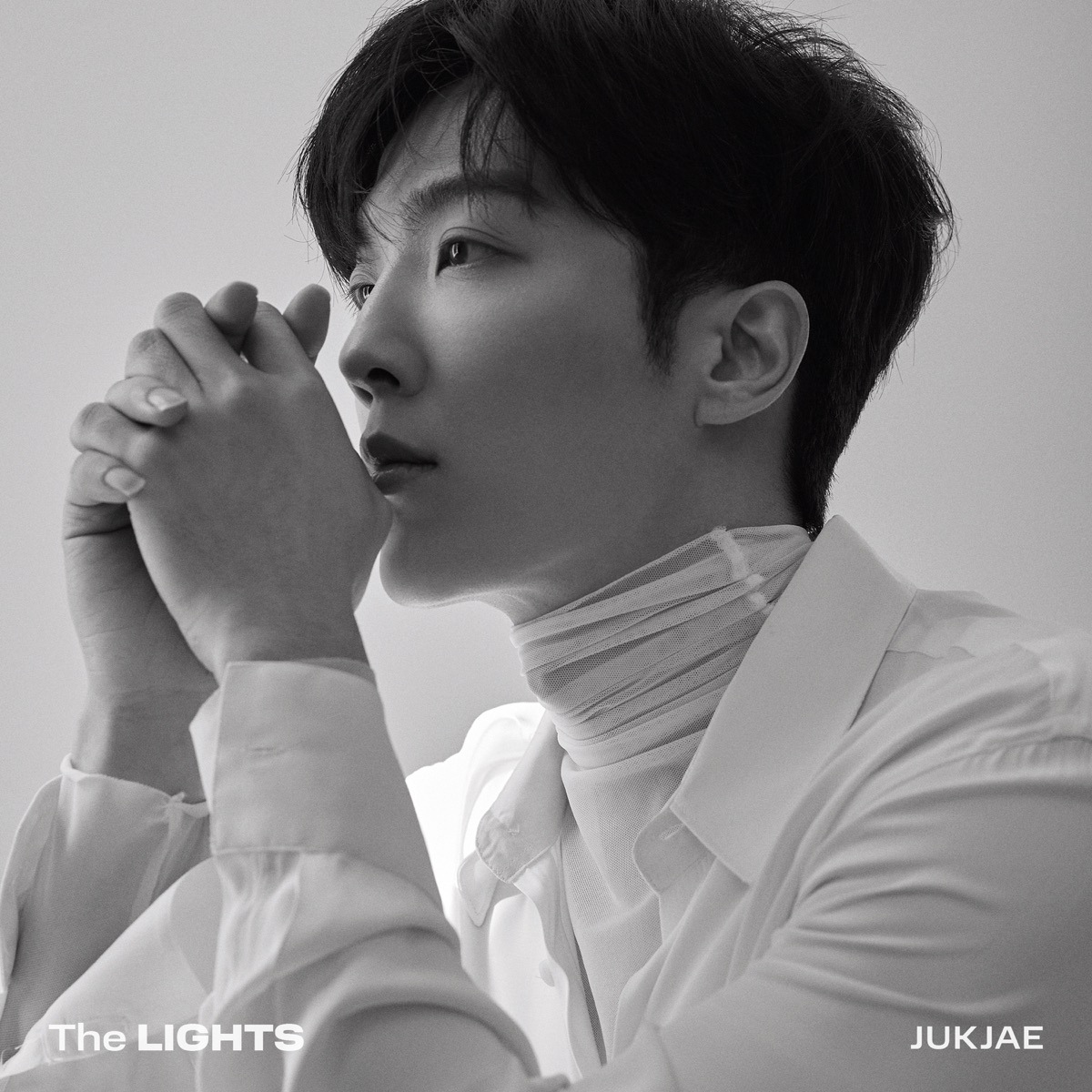
I’ll Be Fine
Because I Will
What song is it? "Because I Will" can be found in Jeongjae's second full-length album "The LIGHTS," chosen in this list for its perspective of a resolute promise before a separation. The confirmed participation scope includes Jeongjae's vocals and guitar, along with drummer Lim Joo-chan and bassist Koo Bon-am. Equipment information not verified by official credits, like Jeongjae’s guitar model, effectors, and tuning, is not presumed. When first encountering Jeongjae's music, it's better to listen to how the introduction brings the listener into the song rather than waiting for a famous line. The core emotion of this track resembles the sentiment of organizing feelings for those who remain rather than trying to hold onto those who are leaving. The space that follows the flowing vocals and instruments tells the story more than an exaggerated emotional explosion. Making the unembellished resolution before separation the central question helps to differentiate it from other similarly calm songs. Even if you don’t memorize the title or entire lyrics, you can grasp the song's structure by checking the distance of the first line, the widening perspective in the chorus, and the lingering reverb at the end.
Guitar and Arrangement In this version, the first sound to confirm is the arrangement where the guitar and EP share the space left for the vocals. The confirmed roles are Jeongjae's vocals and guitar, drummer Lim Joo-chan, bassist Koo Bon-am, and keyboardist Jeon Yong-jun. The guitar does not assert its presence solely with flashy solos but balances the weight of the rhythm while organizing the spaces between vocal phrases and leaving room for other instruments. When listening through earbuds, pay attention to the differences in guitar placement on the left and right, the low bass movement when the chords change, and how the guitar's outline is maintained even after the drums or keyboard join. Instead of specifying the exact names of the equipment, comparing the brightness of the audible timbre and reverb, and the intensity of the attack feels safer and more useful.
Initial Listening Point In the first listen, focus on the unembellished resolution before departure. Within the first 30 seconds, the primary rhythm and spatial feeling are presented, revealing whether the accompaniment pushes the sentences after the vocals enter or retreats. During the chorus, it’s good to listen to how the volume of the voice might be less important than the elongation of the vowels, the overlapping positions of the chorus, and the foundation created by the bass and kick. Listen once to the entire song without breaks, then just to the guitar, and then only to follow the relationship between the vocals and rhythm section to clarify the role of the arrangement. If the official video is a live performance, contrast the movements of the hands and the moments when sounds are produced but remember that there may be unseen sessions or post-production work.
Next Recommended Track/Version After this song, it’s good to listen to "The Lights" followed by "Light." When comparing the official audio and live versions of the same song, note the subtle differences in tempo, the length of interludes, and how the vocals utilize the beats before and after. When transitioning to another song, finding one common emotion and one changed arrangement will show how Jeongjae's world of music is not simply categorized as 'sentimental acoustic.’ In this list, it plays the role of a version that helps grasp the basic form of the song through the official sound source or official music video. Therefore, even if the same song reappears, I’ve ensured that different official versions and listening questions do not overlap.
Lyrics and Atmosphere of the Song Summarizing the emotion without translating the lyrics directly deals with the feelings of organizing those left behind instead of trying to hold onto someone departing. Jeongjae's songs often place everyday scenes casually rather than turning them into grand proclamations. Thus, it’s more useful to observe how close the speaker approaches or retreats from the other person and where they stand between the present and memories, rather than the meaning of each word. Also, notice contrasts like hesitations placed over bright harmonies or the emergence of hopeful directions within serene arrangements. When listening for walking, night, or relaxation, if you don’t just let the song play in the background but instead follow its perspective and rhythm at least once, you will hear the reason why the emotions are not exaggerated.
Performance and Live Listening Tips In live performances, it’s good to check how the arrangement where the guitar and EP share the vocal spaces differs from the audio source. The strength of guitar strokes, the brief pauses formed when letting go of the strings, and the pauses before the vocals all create tension in the actual performance. If in a band arrangement, listen to whether the guitar becomes denser or simpler once the drum fills come in. If it’s closer to a solo arrangement, the key lies in understanding how slight tempo fluctuations and breathing change the song's narrative. Prioritize the official channel's titles and descriptions along with album credits over video comments or fan-edit details, and avoid confirming instrument models or specific playing methods solely based on what is seen on screen for accurate listening documentation.
Official Credits and Information The role identified in this item is ‘the song centered around Jeongjae’s vocals and guitar.’ The materials referenced are from the official pages of the artist, agency, sound source rights holders, broadcasting companies, or OST distribution channels. The key sources are Official Materials and Official Materials.
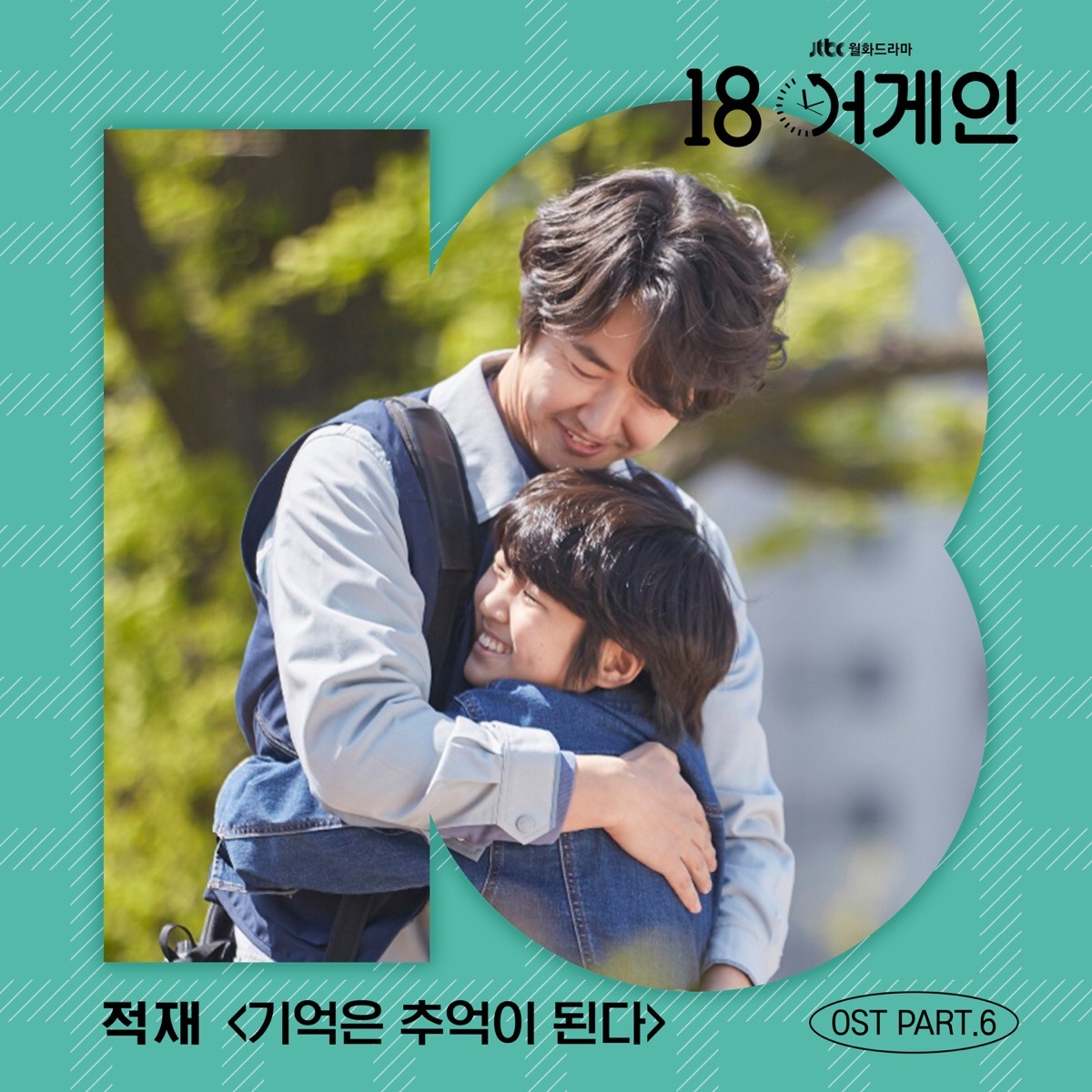
Memories Become Memories
What song is it? "Memories Become Memories" can be found in the drama "18 Again" OST Part.6, chosen in this list for its perspective on how the shape of memories changes over time. The confirmed participation scope is Jeongjae's solo vocals in the drama OST, and unverified equipment information, like Jeongjae’s guitar model, effectors, and tuning, is not presumed. When first encountering Jeongjae's music, it's better to listen to how the introduction brings the listener into the song rather than waiting for a famous line. The core emotion of this track resembles how the past time comforts the present. The space that follows the flowing vocals and instruments tells the story more than an exaggerated emotional explosion. Making how memories change over time the central question allows this song to differentiate itself from other similarly calm tracks. Even if you don’t memorize the title or entire lyrics, checking the distance in the first line, the widening perspective in the chorus, and the lingering reverb at the end will naturally clarify the song's structure.
Guitar and Arrangement In this version, the first sound to confirm is a lyrical OST arrangement centered on the vocals. The confirmed arrangement and roles are Jeongjae’s solo vocals in the drama OST. The guitar does not assert its presence solely with flashy solos but balances the weight of the rhythm while organizing the spaces between vocal phrases and leaving room for other instruments. When listening through earbuds, pay attention to the differences in guitar placement on the left and right, the low bass movement when the chords change, and how the guitar's outline is maintained even after the drums or keyboard join. Instead of specifying the exact names of the equipment, comparing the brightness of the audible timbre and reverb, and the intensity of the attack feels safer and more useful.
Initial Listening Point In the first listen, focus on how memories change over time. Within the first 30 seconds, the primary rhythm and spatial feeling are presented, revealing whether the accompaniment pushes the sentences after the vocals enter or retreats. During the chorus, it’s good to listen to how the volume of the voice might be less important than the elongation of the vowels, the overlapping positions of the chorus, and the foundation created by the bass and kick. Listen once to the entire song without breaks, then just to the guitar, and then only to follow the relationship between the vocals and rhythm section to clarify the role of the arrangement. If the official video is a live performance, contrast the movements of the hands and the moments when sounds are produced but remember that there may be unseen sessions or post-production work.
Next Recommended Track/Version After this song, it’s good to listen to "Twinkling Brightly," "My 2006," and "The Door" in order. When comparing the official audio and live versions of the same song, note the subtle differences in tempo, the length of interludes, and how the vocals utilize the beats before and after. When transitioning to another song, finding one common emotion and one changed arrangement will show how Jeongjae's world of music is not simply categorized as 'sentimental acoustic.’ In this list, it plays the role of a version that helps grasp the basic form of the song through the official sound source or official music video. Therefore, even if the same song reappears, I’ve ensured that different official versions and listening questions do not overlap.
Lyrics and Atmosphere of the Song Summarizing the emotion without translating the lyrics directly deals with how the past time comforts the present. Jeongjae's songs often place everyday scenes casually rather than turning them into grand proclamations. Thus, it’s more useful to observe how close the speaker approaches or retreats from the other person and where they stand between the present and memories, rather than the meaning of each word. Also, notice contrasts like hesitations placed over bright harmonies or the emergence of hopeful directions within serene arrangements. When listening for walking, night, or relaxation, if you don’t just let the song play in the background but instead follow its perspective and rhythm at least once, you will hear the reason why the emotions are not exaggerated.
Performance and Live Listening Tips In live performances, it’s good to check how the lyrical OST arrangement centered around the vocals differs from the audio source. The strength of guitar strokes, the brief pauses formed when letting go of the strings, and the pauses before the vocals all create tension in the actual performance. If in a band arrangement, listen to whether the guitar becomes denser or simpler once the drum fills come in. If it’s closer to a solo arrangement, the key lies in understanding how slight tempo fluctuations and breathing change the song's narrative. Prioritize the official channel's titles and descriptions along with album credits over video comments or fan-edit details, and avoid confirming instrument models or specific playing methods solely based on what is seen on screen for accurate listening documentation.
Official Credits and Information The role identified in this item is the ‘drama OST featuring Jeongjae's solo vocals.’ The materials referenced are from the official pages of the artist, agency, sound source rights holders, broadcasting companies, or OST distribution channels. The key sources are Official Materials and Official Materials.
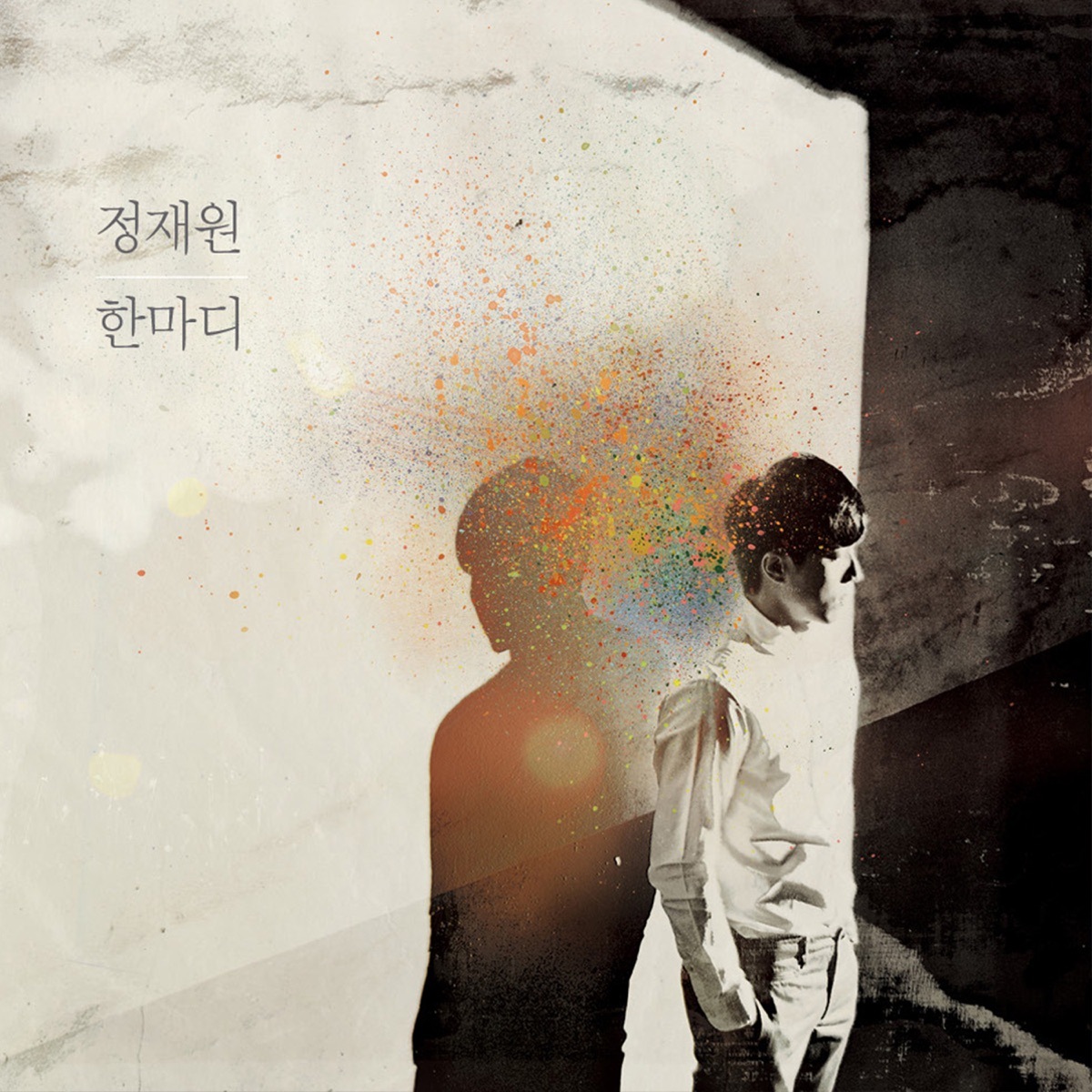
The Door
What song is it? "The Door" can be found in Jeongjae's first full-length album "One Word," chosen in this list for its suitability for quiet late-night listening due to its long breath and restraint. The confirmed participation scope includes Jeongjae's vocals and arrangement, with the original composition by Ahn Shin-ae. Equipment information not verified by official credits, like Jeongjae’s guitar model, effectors, and tuning, is not presumed. When first encountering Jeongjae's music, it's better to listen to how the introduction brings the listener into the song rather than waiting for a famous line. The core emotion of this track is akin to a heartfelt hesitance, as if lingering before a door. The space that follows the flowing vocals and instruments tells the story more than an exaggerated emotional explosion. Making the quiet late-night listening experience framed by long breaths and restraint the central question helps to differentiate it from other similarly calm songs. Even if you don’t memorize the title or entire lyrics, you can grasp the song's structure by checking the distance of the first line, the widening perspective in the chorus, and the lingering reverb at the end.
Guitar and Arrangement In this version, the first sound to confirm is the gradually layering guitar and band with wide reverb. The confirmed roles include Jeongjae's vocals and arrangement, with the original composition by Ahn Shin-ae. The guitar does not assert its presence solely with flashy solos but organizes the spaces between vocal phrases, balancing the weight of the rhythm and leaving room for other instruments. When listening through earbuds, pay attention to the differences in guitar placement on the left and right, the low bass movement when the chords change, and how the guitar's outline is maintained even after the drums or keyboard join. Instead of specifying the exact names of the equipment, comparing the brightness of the audible timbre and reverb, and the intensity of the attack feels safer and more useful.
Initial Listening Point In the first listen, focus on the long breath and restraint that suit quiet late-night listening. Within the first 30 seconds, the primary rhythm and spatial feeling are presented, revealing whether the accompaniment pushes the sentences after the vocals enter or retreats. During the chorus, it’s good to listen to how the volume of the voice might be less important than the elongation of the vowels, the overlapping positions of the chorus, and the foundation created by the bass and kick. Listen once to the entire song without breaks, then just to the guitar, and then only to follow the relationship between the vocals and rhythm section to clarify the role of the arrangement. If the official video is a live performance, contrast the movements of the hands and the moments when sounds are produced but remember that there may be unseen sessions or post-production work.
Next Recommended Track/Version After this song, it’s good to listen to "Dream" followed by "Begin Again" official concert version. When comparing the official audio and live versions of the same song, note the subtle differences in tempo, the length of interludes, and how the vocals utilize the beats before and after. When transitioning to another song, finding one common emotion and one changed arrangement will show how Jeongjae's world of music is not simply categorized as 'sentimental acoustic.’ In this list, it plays the role of a version that helps grasp the basic form of the song through the official sound source or official music video. Therefore, even if the same song reappears, I’ve ensured that different official versions and listening questions do not overlap.
Lyrics and Atmosphere of the Song Summarizing the emotion without translating the lyrics directly deals with the heartfelt hesitance before a door. Jeongjae's songs often place everyday scenes casually rather than turning them into grand proclamations. Thus, it’s more useful to observe how close the speaker approaches or retreats from the other person and where they stand between the present and memories, rather than the meaning of each word. Also, notice contrasts like hesitations placed over bright harmonies or the emergence of hopeful directions within serene arrangements. When listening for walking, night, or relaxation, if you don’t just let the song play in the background but instead follow its perspective and rhythm at least once, you will hear the reason why the emotions are not exaggerated.
Performance and Live Listening Tips In live performances, it’s good to check how the gradually layering guitar and band with wide reverb differ from the audio source. The strength of guitar strokes, the brief pauses formed when letting go of the strings, and the pauses before the vocals all create tension in the actual performance. If in a band arrangement, listen to whether the guitar becomes denser or simpler once the drum fills come in. If it is closer to a solo arrangement, the key lies in understanding how slight tempo fluctuations and breathing change the song's narrative. Prioritize the official channel's titles and descriptions along with album credits over video comments or fan-edit details, and avoid confirming instrument models or specific playing methods solely based on what is seen on screen for accurate listening documentation.
Official Credits and Information The role identified in this item is ‘the song arranged by Jeongjae, featuring the lyrics and composition by Ahn Shin-ae.’ The materials referenced are from the official pages of the artist, agency, sound source rights holders, broadcasting companies, or OST distribution channels. The key sources are Official Materials and Official Materials.
This collection connects Jeongjae's music based on the criteria of categorizing themes of night, walking, reminiscing, and comfort through the song's rhythm and arrangement. Instead of trying to remember all the information at once, you can simply select one 'starting point' from each item to replay. Discovering moments where the same voice and guitar create completely different distances and temperatures in each song can naturally guide you from the first impression centered around representative tracks to the next album and stage.
If you want to focus on the guitar, look at its roles rather than the number of notes. Chords supporting the vocals, short strokes pushing the rhythm, and melodies that become distinct only in interludes all serve different functions. Even without precise equipment knowledge, comparing the attack and reverb, left and right placement, and spacing with other instruments allows for a concrete hearing of the arrangement.
For those who listen mainly through lyrics and atmosphere, it is helpful to follow the speaker's positioning. Depending on whether the speaker is addressing someone now, recalling a past scene, or trying to bridge the distance with someone, the same tranquility can be heard differently. You can grasp the emotional direction without needing to replicate long lyrics, as the title, the flow of the song, and the arrangement changes before and after the chorus offer sufficient insight.
Collaborations and OSTs show different production contexts compared to Jeongjae's solo works. By checking the timbre of the featured artist, the development considered for drama scenes, and the role taken in songs by other artists, you can see how Jeongjae's guitar and vocals are coordinated in external projects. Making it a habit to recheck credits through source links can also help distinguish between similar titles and reuploaded videos.
Finally, for the songs you enjoy, try alternating between the official sound source and the official live version once. The balance of the completed sound and the breath of the stage each have their own advantages. Just comparing one aspect, whether it’s tempo, interlude, or vocal spacing, can reveal new scenes. Consider this collection a starting point and gradually expand your enjoyment to album units and performance videos.
이 포스팅은 쿠팡 파트너스 활동의 일환으로, 이에 따른 일정액의 수수료를 제공받습니다.
댓글 0
로그인 후 댓글을 작성할 수 있습니다.
첫 댓글을 남겨보세요.
이런 리스트는 어때요?


이런 리스트도 추천해요


여기서 멈추기엔 아쉽잖아?
다음에 뭘 볼지 고민하는 시간이 제일 아까워.
주사위가 대신 골라줄게 — 무슨 리스트가 튀어나올지는 굴려봐야 알지.
안 누르면… 평생 궁금하지 않겠어? 👀