A Collection of Representative Tracks to Enjoy When You First Listen to Jung Jae Il
From 'Let's Go Stargazing' to 'Runaway', these introductory tracks connect various musical expressions from Jung Jae Il.
This collection serves as an introduction to Jung Jae Il's music, beginning with his representative tracks and exploring the breadth of acoustic, pop, groove, and nostalgia. Rather than ranking songs simply based on popularity, we examine how the singer-songwriter’s voice and the guitarist's sensibilities are revealed in various proportions. Familiar tracks are used as a starting point, while album inclusions, collaborations, OSTs, and live performances naturally expand the view of Jung Jae Il's multiple expressions through music.
Each item does not just list basic information about the song. It explains what to listen to first in the intro, the relationship between the guitar and the rhythm section, the positioning of the vocals within the sentences, and the points that change in a live performance. Information about instrument models or effects that are not confirmed by official sources is not speculated upon, and actual sound quality and public credits are distinctly recorded.
The listening order is not definitive. In the first listen, take in the entire piece without interruption, while in the second, observe the movements of the guitar and bass. In the third, follow the space left behind by the vocals. If the same song appears again in another list, it is structured to avoid simple repetition while differentiating the version's role and listening questions, such as the official audio, concert, broadcast, or acoustic versions.
The videos were selected from Jung Jae Il's official channels, his agency, music rights holders, OST production and distribution channels, performance institutions, and broadcast networks. Fan cam or videos of unclear origin were excluded, and video IDs, titles, channel names, and their public status were separately checked. Collaborations and OSTs indicate whether Jung Jae Il is the vocalist or featured artist and whether the track is with another artist.
To break away from the impression that all quiet music sounds the same, it is important to develop a habit of listening for subtle differences. Just comparing the timing of chords, the moment when drums come in, or the way the chorus expands in the refrain can significantly differentiate the songs' characters. Once you find a song that resonates with you, follow it up with the next recommended version to compare how Jung Jae Il handles emotions in the studio and on stage.
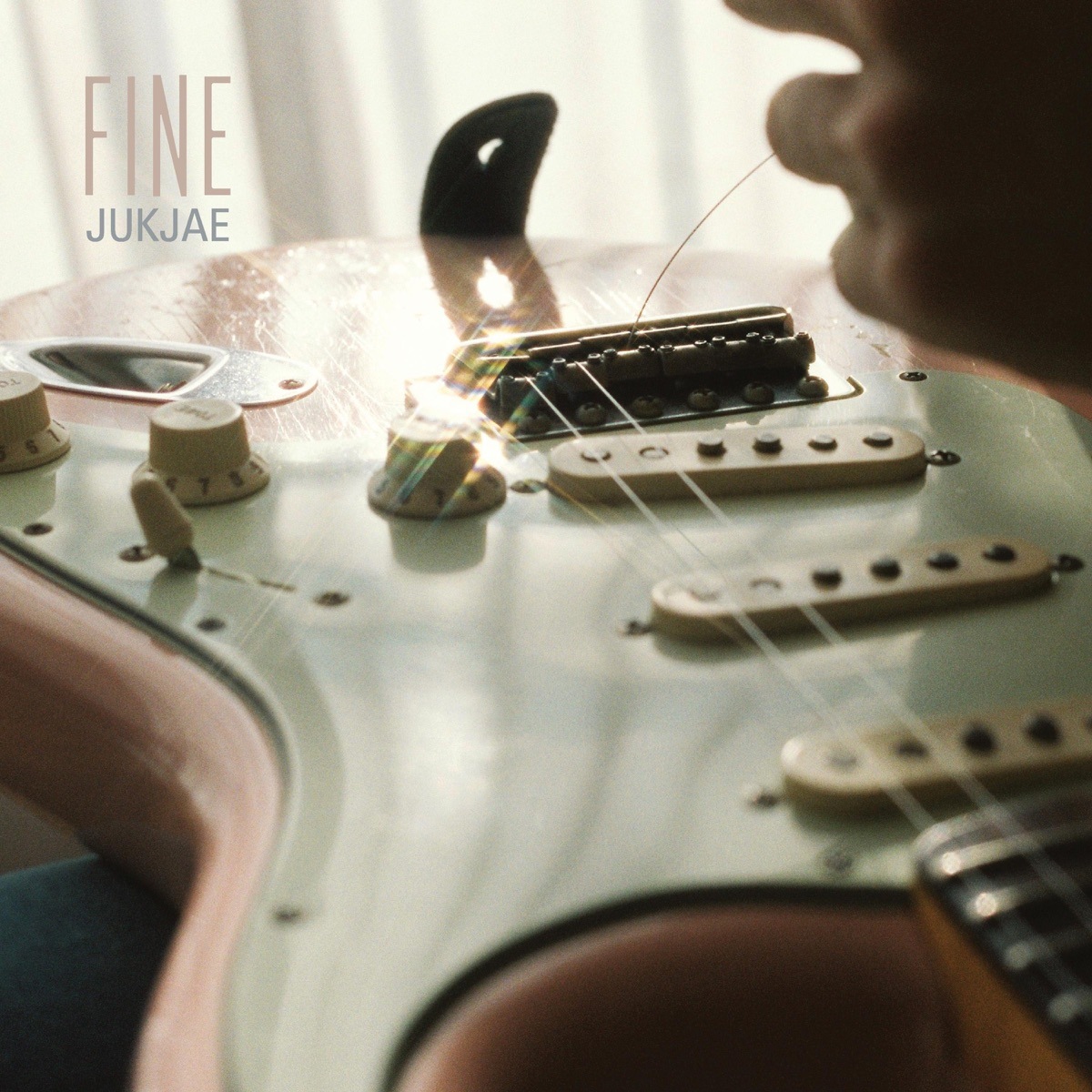
Let's Go Star Gazing
Let's Go Stargazing
What kind of song/performance is it? "Let's Go Stargazing" is a track you can find on the EP "FINE", selected in this list for its straightforward suggestion and as a starting point for acoustic narratives. The confirmed participation scope is centered around Jung Jae Il's vocals and guitar, and we do not speculate on gear information like his guitar model, effects, or tuning unless specified in official credits. When first encountering Jung Jae Il's music, it’s better to listen to how the introduction brings the listener into the song at a certain pace rather than waiting for a well-known phrase. The core emotion of this song resembles a cautious suggestion made to someone close, akin to the scenery of night. The space between the flowing vocals—rather than exaggerated emotional outbursts—and instruments creates the story. By focusing on the straightforward suggestion and the starting point of the acoustic narrative, it becomes easy to distinguish from other similarly calm-seeming songs. Even without memorizing the title or the entire lyrics, checking the distance in the first phrase, the expanding view in the chorus, and the lingering resonance at the end helps to naturally outline the song’s structure.
Guitar and arrangement The first sound to confirm in this version is the spaciousness between the sparse guitar chords and the vocals. The officially confirmed arrangement and roles are centered on Jung Jae Il's vocals and guitar. The guitar does not assert its presence with flashy solos alone; it adjusts the rhythm's weight and creates the song's temperature by leaving space for other instruments to join. When listening through earphones, pay attention to the differences in the placement of the guitar on the left and right, the direction of bass movement when chords change, and how the guitar’s outline is maintained even after the drums or keyboards join in. Instead of conclusively determining the precise names of the equipment, it’s safer and more useful to compare the brightness and reverb of the audible tones and the intensity of the attack.
First listening point On your first listen, try to focus on the straightforward suggestion and the starting point of the acoustic narrative. Within the first 30 seconds of the introduction, the main rhythm and spatial feeling are introduced. After the vocals come in, it becomes apparent whether the accompaniment pushes the sentences forward or retreats into the background. In the chorus, it’s good to listen to the way the vowel lengths overlap rather than the volume of the voice, the positions where the chorus overlaps, and the foundation made by the bass and kick. Listen to the entire song without interruption the first time, then follow it up by focusing only on the guitar, and on the third go, only observe the relationship between vocals and rhythm section, which makes the role of the arrangement much clearer. If the official video is a live performance, consider contrasting the finger movements with the points where sounds occur while keeping in mind that there may be unshown sessions or post-production.
Next recommended song/version After this song, it’s great to listen to "Let's Be Well"'s concise narrative followed by the official live version. When comparing the official audio and live versions of the same song, instead of concluding which is better, focus on the subtle differences in tempo, the length of interludes, and how the vocals use the rhythm in front or behind the beat. When transitioning to another song, look for one common emotion and one changed arrangement to make it clear that Jung Jae Il's world of music cannot be simply categorized as 'emotional acoustic.' Within this list, it serves as a version responsible for understanding the basic form of the song through the official audio or music video, ensuring that even if the same song reappears, it doesn’t overlap in terms of appreciation questions with other official versions.
Lyrics and song atmosphere Summarizing the emotions without translating the entire lyrics, it deals with cautious suggestions for someone close and the scenery of the night. Jung Jae Il's songs often leave everyday scenes like close conversations instead of transforming them into grand declarations. Therefore, rather than focusing solely on the meaning of one word, it is more useful to see how close or distant the speaker is to the listener and where they are situated between the present and memory. Also, check contrasts like a hesitant note placed atop bright harmonies or the emergence of hope's direction within calm arrangements. Even when listening for leisure—like while walking or at night—listening to the song’s perspective and rhythm at least once will clarify the reasons emotions are unexaggerated.
How to enjoy live performances In live performances, check how the spaciousness between the sparse guitar chords and vocals differs from the audio source. The strength of guitar strokes, the short pauses created when lifting fingers, and the timing of beats left empty right before vocals create the tension of the actual stage. If it’s a band arrangement, listen to whether the guitar becomes denser or simpler after the drum fills join. If it’s a solo-like arrangement, the small fluctuations in tempo and breath are key to how the narrative of the song shifts. Prioritize the titles and descriptions from the official channel over video comments or fan edit information, and do not confirm instrument models or techniques solely based on screen observations for accurate listening records.
Official credits and information The participation role confirmed in this item is 'Jung Jae Il's own song centered on vocals and guitar.' The sources prioritized are the official pages of the artist, their agency, music rights holders, broadcasting stations, and OST distribution channels. The core sources are https://music.bugs.co.kr/album/624831 , https://www.youtube.com/watch?v=cXG2aLZrINI . The YouTube link checks the video's ID cXG2aLZrINI for its public status, channel name, and title separately. The vocal, featuring, guitar, and arrangement information specified in credits is distinguished from the actual auditory impressions, and unverified equipment, tuning, and recording environments are not considered as facts. Cross-referencing the release information with the music service album page and the notation in the official video can reduce confusion in finding other versions later. Official source · Official source
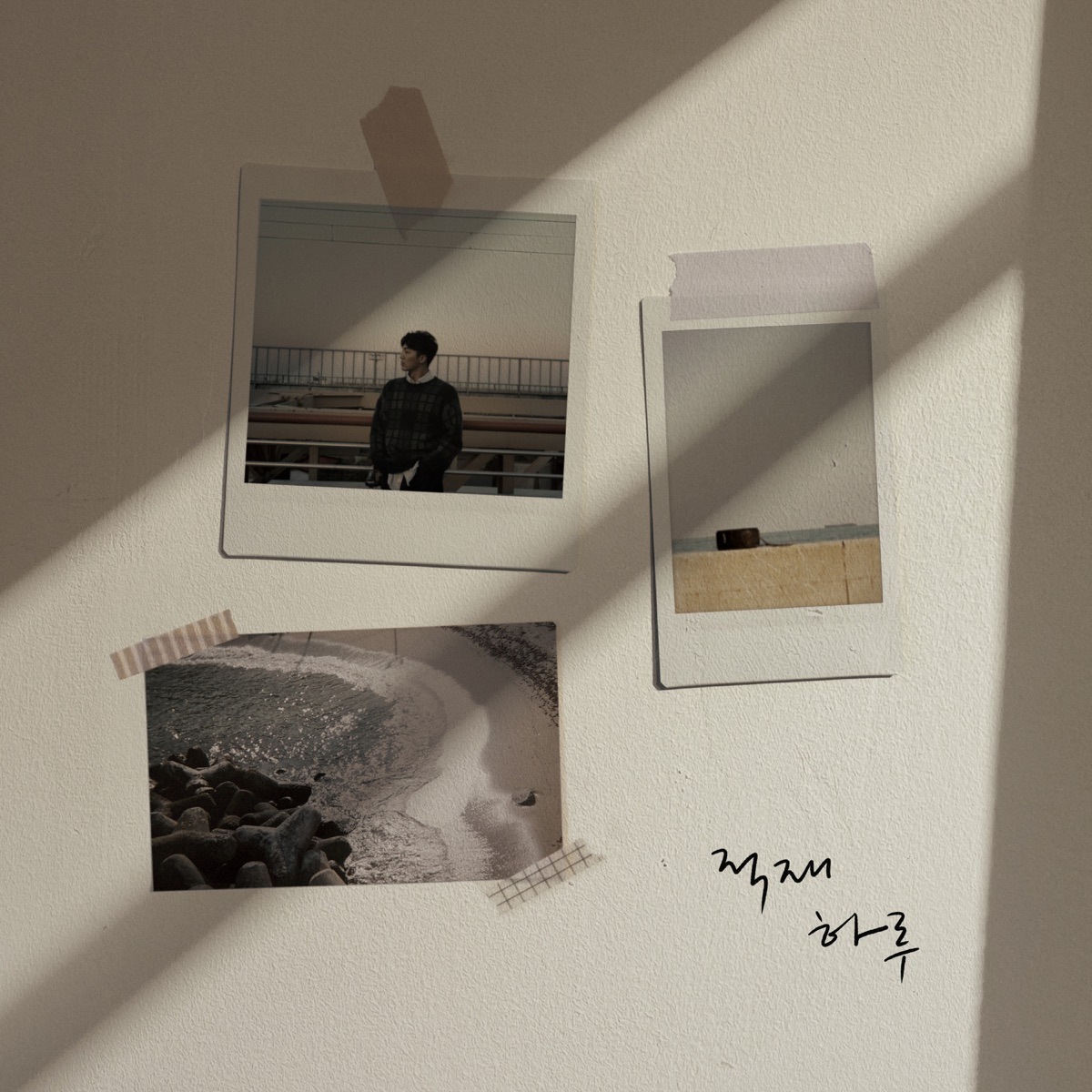
How Are You
Let's Be Well
What kind of song/performance is it? "Let's Be Well" is a track you can find on the mini-album "2006", selected in this list for its short phrases and restrained feelings of parting. The confirmed participation scope is centered around Jung Jae Il's vocals and guitar, and we do not speculate on gear information like his guitar model, effects, or tuning unless specified in official credits. When first encountering Jung Jae Il's music, it’s better to listen to how the introduction brings the listener into the song at a certain pace rather than waiting for a well-known phrase. The core emotion of this song resembles the feelings of looking back at left-behind emotions starting with a casual greeting. The space between the flowing vocals—rather than exaggerated emotional outbursts—and instruments creates the story. By focusing on the short phrases and restrained feelings of parting, it becomes easy to distinguish from other similarly calm-seeming songs. Even without memorizing the title or the entire lyrics, checking the distance in the first phrase, the expanding view in the chorus, and the lingering resonance at the end helps to naturally outline the song’s structure.
Guitar and arrangement The first sound to confirm in this version is the well-organized guitar that does not overshadow the vocals and its expansion in the latter half. The officially confirmed arrangement and roles are centered on Jung Jae Il's vocals and guitar. The guitar does not assert its presence with flashy solos alone; it adjusts the rhythm's weight and creates the song's temperature by leaving space for other instruments to join. When listening through earphones, pay attention to the differences in the placement of the guitar on the left and right, the direction of bass movement when chords change, and how the guitar’s outline is maintained even after the drums or keyboards join in. Instead of conclusively determining the precise names of the equipment, it’s safer and more useful to compare the brightness and reverb of the audible tones and the intensity of the attack.
First listening point On your first listen, try to focus on the short phrases and restrained feelings of parting. Within the first 30 seconds of the introduction, the main rhythm and spatial feeling are introduced. After the vocals come in, it becomes apparent whether the accompaniment pushes the sentences forward or retreats into the background. In the chorus, it’s good to listen to the way the vowel lengths overlap rather than the volume of the voice, the positions where the chorus overlaps, and the foundation made by the bass and kick. Listen to the entire song without interruption the first time, then follow it up by focusing only on the guitar, and on the third go, only observe the relationship between vocals and rhythm section, which makes the role of the arrangement much clearer. If the official video is a live performance, consider contrasting the finger movements with the points where sounds occur while keeping in mind that there may be unshown sessions or post-production.
Next recommended song/version After this song, it’s great to listen to "Twinkle Shine" followed by "My 2006" and the KBS live version. When comparing the official audio and live versions of the same song, instead of concluding which is better, focus on the subtle differences in tempo, the length of interludes, and how the vocals use the rhythm in front or behind the beat. When transitioning to another song, look for one common emotion and one changed arrangement to make it clear that Jung Jae Il's world of music cannot be simply categorized as 'emotional acoustic.' Within this list, it serves as a version responsible for understanding the basic form of the song through the official audio or music video, ensuring that even if the same song reappears, it doesn’t overlap in terms of appreciation questions with other official versions.
Lyrics and song atmosphere Summarizing the emotions without translating the entire lyrics, it deals with reflections on the feelings left behind after casual greetings. Jung Jae Il's songs often leave everyday scenes like close conversations instead of transforming them into grand declarations. Therefore, rather than focusing solely on the meaning of one word, it is more useful to see how close or distant the speaker is to the listener and where they are situated between the present and memory. Also, check contrasts like a hesitant note placed atop bright harmonies or the emergence of hope's direction within calm arrangements. Even when listening for leisure—like while walking or at night—listening to the song’s perspective and rhythm at least once will clarify the reasons emotions are unexaggerated.
How to enjoy live performances In live performances, check how the organized guitar that does not overshadow the vocals and its expansion differs from the audio source. The strength of guitar strokes, the short pauses created when lifting fingers, and the timing of beats left empty right before vocals create the tension of the actual stage. If it’s a band arrangement, listen to whether the guitar becomes denser or simpler after the drum fills join. If it’s a solo-like arrangement, the small fluctuations in tempo and breath are key to how the narrative of the song shifts. Prioritize the titles and descriptions from the official channel over video comments or fan edit information, and do not confirm instrument models or techniques solely based on screen observations for accurate listening records.
Official credits and information The participation role confirmed in this item is 'Jung Jae Il's own song centered on vocals and guitar.' The sources prioritized are the official pages of the artist, their agency, music rights holders, broadcasting stations, and OST distribution channels. The core sources are https://www.youtube.com/watch?v=bJ-dePrYVh4 , https://music.bugs.co.kr/artist/8008787 . The YouTube link checks the video's ID bJ-dePrYVh4 for its public status, channel name, and title separately. The vocal, featuring, guitar, and arrangement information specified in credits is distinguished from the actual auditory impressions, and unverified equipment, tuning, and recording environments are not considered as facts. Cross-referencing the release information with the music service album page and the notation in the official video can reduce confusion in finding other versions later. Official source · Official source

Individualism (Feat. Zion.T)
What kind of song/performance is it? "Individualism (Feat. Zion.T)" is a track from the single "Individualism" selected in this list for its conversational exchange between the two vocalists and its rhythmic feel. The confirmed participation scope includes Jung Jae Il’s vocals and Zion.T’s featuring, and we do not speculate on gear information like Jung Jae Il’s guitar model, effects, or tuning unless specified in official credits. When first encountering Jung Jae Il's music, it’s better to listen to how the introduction brings the listener into the song at a certain pace rather than waiting for a well-known phrase. The core emotion of this song relates to looking at the distance in relationships and one's personal space with humor. The space between the flowing vocals—rather than exaggerated emotional outbursts—and instruments creates the story. By focusing on the conversational exchange between the two vocalists and the rhythmic feel, it becomes easy to distinguish from other similarly calm-seeming songs. Even without memorizing the title or the entire lyrics, checking the distance in the first phrase, the expanding view in the chorus, and the lingering resonance at the end helps to naturally outline the song’s structure.
Guitar and arrangement The first sounds to confirm in this version are the light and dry guitar and the contrasting rhythm elements. The officially confirmed arrangement and roles are centered on Jung Jae Il’s vocals and Zion.T’s featuring. The guitar does not assert its presence with flashy solos alone; it adjusts the rhythm's weight and creates the song's temperature by leaving space for other instruments to join. When listening through earphones, pay attention to the differences in the placement of the guitar on the left and right, the direction of bass movement when chords change, and how the guitar’s outline is maintained even after the drums or keyboards join in. Instead of conclusively determining the precise names of the equipment, it’s safer and more useful to compare the brightness and reverb of the audible tones and the intensity of the attack.
First listening point On your first listen, try to focus on the conversational exchange between the two vocalists and their rhythmic feel. Within the first 30 seconds of the introduction, the main rhythm and spatial feeling are introduced. After the vocals come in, it becomes apparent whether the accompaniment pushes the sentences forward or retreats into the background. In the chorus, it’s good to listen to the way the vowel lengths overlap rather than the volume of the voice, the positions where the chorus overlaps, and the foundation made by the bass and kick. Listen to the entire song without interruption the first time, then follow it up by focusing only on the guitar, and on the third go, only observe the relationship between vocals and rhythm section, which makes the role of the arrangement much clearer. If the official video is a live performance, consider contrasting the finger movements with the points where sounds occur while keeping in mind that there may be unshown sessions or post-production.
Next recommended song/version After this song, it’s great to listen to the groove of "Runaway" followed by a live version with Zion.T. When comparing the official audio and live versions of the same song, instead of concluding which is better, focus on the subtle differences in tempo, the length of interludes, and how the vocals use the rhythm in front or behind the beat. When transitioning to another song, look for one common emotion and one changed arrangement to make it clear that Jung Jae Il's world of music cannot be simply categorized as 'emotional acoustic.' Within this list, it serves as a version responsible for understanding the basic form of the song through the official audio or music video, ensuring that even if the same song reappears, it doesn’t overlap in terms of appreciation questions with other official versions.
Lyrics and song atmosphere Summarizing the emotions without translating the entire lyrics, it deals with looking humorously at the distance in relationships and one's personal space. Jung Jae Il’s songs often leave everyday scenes like close conversations instead of transforming them into grand declarations. Therefore, rather than focusing solely on the meaning of one word, it is more useful to see how close or distant the speaker is to the listener and where they are situated between the present and memory. Also, check contrasts like a hesitant note placed atop bright harmonies or the emergence of hope's direction within calm arrangements. Even when listening for leisure—like while walking or at night—listening to the song’s perspective and rhythm at least once will clarify the reasons emotions are unexaggerated.
How to enjoy live performances In live performances, check how the light and dry guitar and rhythm elements differ from the audio source. The strength of guitar strokes, the short pauses created when lifting fingers, and the timing of beats left empty right before vocals create the tension of the actual stage. If it’s a band arrangement, listen to whether the guitar becomes denser or simpler after the drum fills join. If it’s a solo-like arrangement, the small fluctuations in tempo and breath are key to how the narrative of the song shifts. Prioritize the titles and descriptions from the official channel over video comments or fan edit information, and do not confirm instrument models or techniques solely based on screen observations for accurate listening records.
Official credits and information The participation role confirmed in this item is 'Jung Jae Il's main vocals and Zion.T’s featuring.' The sources prioritized are the official pages of the artist, their agency, music rights holders, broadcasting stations, and OST distribution channels. The core sources are https://www.youtube.com/watch?v=bY7M5on_-W0 , https://music.bugs.co.kr/artist/8008787 . The YouTube link checks the video’s ID bY7M5on_-W0 for its public status, channel name, and title separately. The vocal, featuring, guitar, and arrangement information specified in credits are distinguished from the actual auditory impressions, and unverified equipment, tuning, and recording environments are not taken as facts. Cross-referencing the release information with the music service album page and the notation in the official video can reduce confusion when finding other versions later. Official source · Official source

Tattoo
What kind of song/performance is it? "Tattoo" is a track that can be found in the single "Tattoo", selected in this list for its clear emotions and riffs that remain despite its short runtime. The confirmed participation scope is centered around Jung Jae Il's vocals and guitar, and we do not speculate on gear information like Jung Jae Il’s guitar model, effects, or tuning unless specified in official credits. When first encountering Jung Jae Il's music, it’s better to listen to how the introduction brings the listener into the song at a certain pace rather than waiting for a well-known phrase. The core emotion of this song reflects the sentiment of observing indelible traces through concise imagery. The space between the flowing vocals—rather than exaggerated emotional outbursts—and instruments creates the story. By focusing on the clear emotions and riffs remaining within a short runtime, it becomes easy to distinguish from other similarly calm-seeming songs. Even without memorizing the title or the entire lyrics, checking the distance in the first phrase, the expanding view in the chorus, and the lingering resonance at the end helps to naturally outline the song’s structure.
Guitar and arrangement The first sounds to confirm in this version are the lightly plucked guitar and the solid rhythm contrast. The officially confirmed arrangement and roles are centered on Jung Jae Il's vocals and guitar. The guitar does not assert its presence with flashy solos alone; it adjusts the rhythm's weight and creates the song's temperature by leaving space for other instruments to join. When listening through earphones, pay attention to the differences in the placement of the guitar on the left and right, the direction of bass movement when chords change, and how the guitar’s outline is maintained even after the drums or keyboards join in. Instead of conclusively determining the precise names of the equipment, it’s safer and more useful to compare the brightness and reverb of the audible tones and the intensity of the attack.
First listening point On your first listen, try to focus on the clear emotions and riffs that remain within the short runtime. Within the first 30 seconds of the introduction, the main rhythm and spatial feeling are introduced. After the vocals come in, it becomes apparent whether the accompaniment pushes the sentences forward or retreats into the background. In the chorus, it’s good to listen to the way the vowel lengths overlap rather than the volume of the voice, the positions where the chorus overlaps, and the foundation made by the bass and kick. Listen to the entire song without interruption the first time, then follow it up by focusing only on the guitar, and on the third go, only observe the relationship between vocals and rhythm section, which makes the role of the arrangement much clearer. If the official video is a live performance, consider contrasting the finger movements with the points where sounds occur while keeping in mind that there may be unshown sessions or post-production.
Next recommended song/version After this song, it’s good to listen to the official radio live version with guitar followed by "FINE". When comparing the official audio and live versions of the same song, instead of concluding which is better, focus on the subtle differences in tempo, the length of interludes, and how the vocals use the rhythm in front or behind the beat. When transitioning to another song, look for one common emotion and one changed arrangement to make it clear that Jung Jae Il's world of music cannot be simply categorized as 'emotional acoustic.' Within this list, it serves as a version responsible for understanding the basic form of the song through the official audio or music video, ensuring that even if the same song reappears, it doesn’t overlap in terms of appreciation questions with other official versions.
Lyrics and song atmosphere Summarizing the emotions without translating the entire lyrics, it deals with observing indelible traces through concise imagery. Jung Jae Il’s songs often leave everyday scenes like close conversations instead of transforming them into grand declarations. Therefore, rather than focusing solely on the meaning of one word, it is more useful to see how close or distant the speaker is to the listener and where they are situated between the present and memory. Also, check contrasts like a hesitant note placed atop bright harmonies or the emergence of hope's direction within calm arrangements. Even when listening for leisure—like while walking or at night—listening to the song’s perspective and rhythm at least once will clarify the reasons emotions are unexaggerated.
How to enjoy live performances In live performances, check how the lightly plucked guitar and solid rhythm contrast differs from the audio source. The strength of guitar strokes, the short pauses created when lifting fingers, and the timing of beats left empty right before vocals create the tension of the actual stage. If it’s a band arrangement, listen to whether the guitar becomes denser or simpler after the drum fills join. If it’s a solo-like arrangement, the small fluctuations in tempo and breath are key to how the narrative of the song shifts. Prioritize the titles and descriptions from the official channel over video comments or fan edit information, and do not confirm instrument models or techniques solely based on screen observations for accurate listening records.
Official credits and information The participation role confirmed in this item is 'Jung Jae Il's own song centered on vocals and guitar.' The sources prioritized are the official pages of the artist, their agency, music rights holders, broadcasting stations, and OST distribution channels. The core sources are https://www.youtube.com/watch?v=ndE3GbhW_rs , https://music.bugs.co.kr/artist/8008787 . The YouTube link checks the video’s ID ndE3GbhW_rs for its public status, channel name, and title separately. The vocal, featuring, guitar, and arrangement information specified in credits are distinguished from the actual auditory impressions, and unverified equipment, tuning, and recording environments are not taken as facts. Cross-referencing the release information with the music service album page and the notation in the official video can reduce confusion when finding other versions later. Official source · Official source
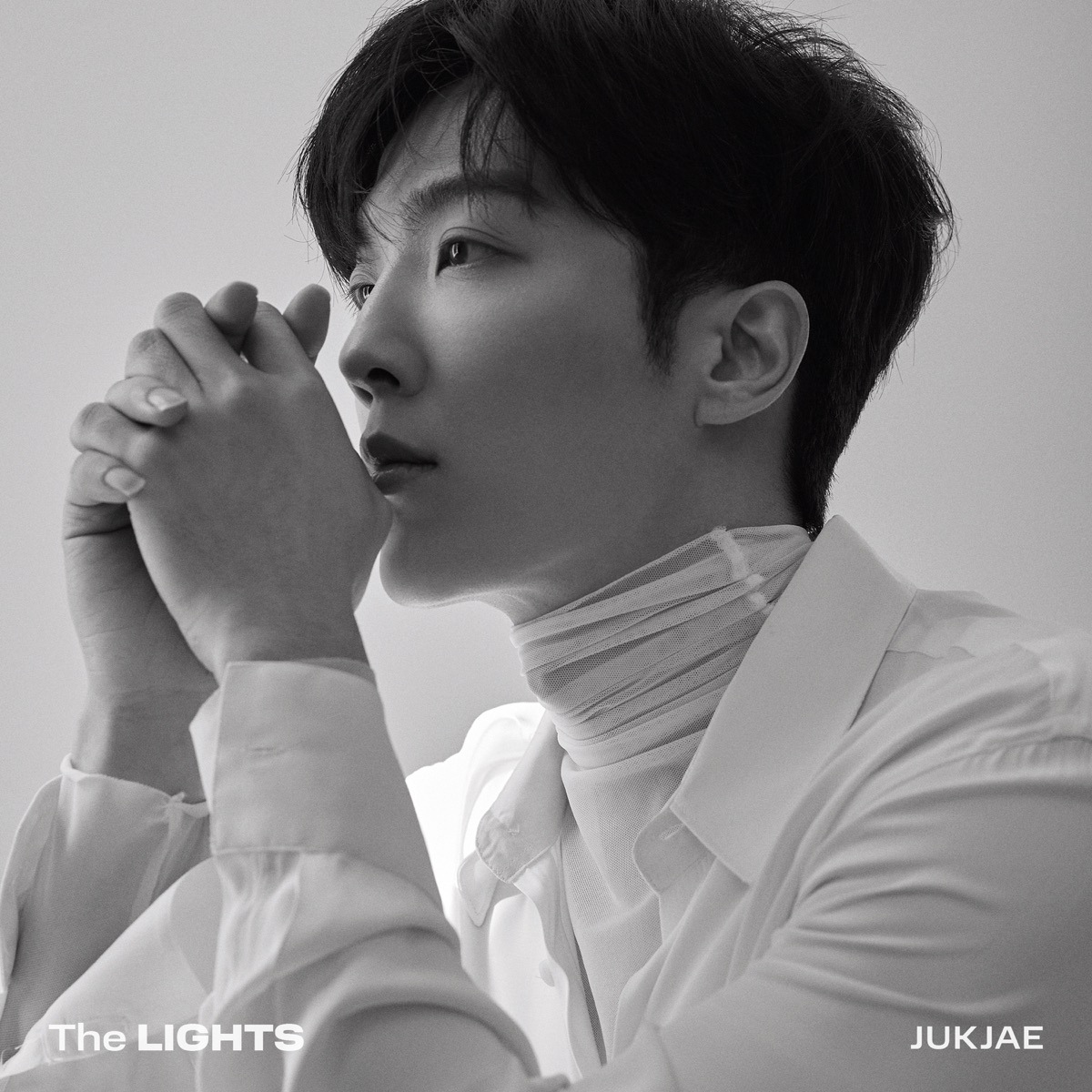
Runaway
What kind of song/performance is it? "Runaway" is a track from the second full album "The LIGHTS", selected in this list for its jazzy groove and straightforward energy. The confirmed participation scope includes Jung Jae Il’s vocals and guitar, drummer Im Joo Chan, bassist Yang Young Ho, additional electric guitarist Choi Won Seok, organist Kim Dong Min, and percussionist Gu Jong Pil, and we do not speculate on gear information like Jung Jae Il’s guitar model, effects, or tuning unless specified in official credits. When first encountering Jung Jae Il's music, it’s better to listen to how the introduction brings the listener into the song at a certain pace rather than waiting for a well-known phrase. The core emotion of this song embodies the drive to escape frustrating scenes and a sense of liberation. The space between the flowing vocals—rather than exaggerated emotional outbursts—and instruments creates the story. By focusing on the jazzy groove and straightforward energy, it becomes easy to distinguish from other similarly calm-seeming songs. Even without memorizing the title or the entire lyrics, checking the distance in the first phrase, the expanding view in the chorus, and the lingering resonance at the end helps to naturally outline the song’s structure.
Guitar and arrangement The first sounds to confirm in this version are the addictive guitar riff and the push and pull of the band rhythms. The officially confirmed arrangement and roles are Jung Jae Il's vocals and guitar, drummer Im Joo Chan, bassist Yang Young Ho, additional electric guitarist Choi Won Seok, organist Kim Dong Min, and percussionist Gu Jong Pil. The guitar does not assert its presence with flashy solos alone; it adjusts the rhythm's weight and creates the song's temperature by leaving space for other instruments to join. When listening through earphones, pay attention to the differences in the placement of the guitar on the left and right, the direction of bass movement when chords change, and how the guitar’s outline is maintained even after the drums or keyboards join in. Instead of conclusively determining the precise names of the equipment, it’s safer and more useful to compare the brightness and reverb of the audible tones and the intensity of the attack.
First listening point On your first listen, try to focus on the jazzy groove and straightforward energy. Within the first 30 seconds of the introduction, the main rhythm and spatial feeling are introduced. After the vocals come in, it becomes apparent whether the accompaniment pushes the sentences forward or retreats into the background. In the chorus, it’s good to listen to the way the vowel lengths overlap rather than the volume of the voice, the positions where the chorus overlaps, and the foundation made by the bass and kick. Listen to the entire song without interruption the first time, then follow it up by focusing only on the guitar, and on the third go, only observe the relationship between vocals and rhythm section, which makes the role of the arrangement much clearer. If the official video is a live performance, consider contrasting the finger movements with the points where sounds occur while keeping in mind that there may be unshown sessions or post-production.
Next recommended song/version After this song, it’s beneficial to listen to "SAY" followed by the national tour live version. When comparing the official audio and live versions of the same song, instead of concluding which is better, focus on the subtle differences in tempo, the length of interludes, and how the vocals use the rhythm in front or behind the beat. When transitioning to another song, look for one common emotion and one changed arrangement to clarify that Jung Jae Il's world of music cannot simply be branded as 'emotional acoustic.' Within this list, it serves as a version responsible for understanding the basic form of the song through the official audio or music video, ensuring that even if the same song reappears, it doesn’t overlap in terms of appreciation questions with other official versions.
Lyrics and song atmosphere Summarizing the emotions without translating the entire lyrics, it deals with the drive to escape frustrating scenes and the feeling of liberation. Jung Jae Il's songs often leave everyday scenes like close conversations instead of transforming them into grand declarations. Therefore, rather than focusing solely on the meaning of one word, it is more useful to see how close or distant the speaker is to the listener and where they are situated between the present and memory. Also, check contrasts like a hesitant note placed atop bright harmonies or the emergence of hope's direction within calm arrangements. Even when listening for leisure—like while walking or at night—listening to the song’s perspective and rhythm at least once will clarify the reasons emotions are unexaggerated.
How to enjoy live performances In live performances, check how the addictive guitar riff and the push and pull of the band rhythms differ from the audio source. The strength of guitar strokes, the short pauses created when lifting fingers, and the timing of beats left empty right before vocals create the tension of the actual stage. If it’s a band arrangement, listen to whether the guitar becomes denser or simpler after the drum fills join. If it’s a solo-like arrangement, the small fluctuations in tempo and breath are key to how the narrative of the song shifts. Prioritize the titles and descriptions from the official channel over video comments or fan edit information, and do not confirm instrument models or techniques solely based on screen observations for accurate listening records.
Official credits and information The participation role confirmed in this item is 'Jung Jae Il's vocals and guitar'. The sources prioritized are the official pages of the artist, their agency, music rights holders, broadcasting stations, and OST distribution channels.核心来源是 https://music.bugs.co.kr/album/4081371 , https://www.youtube.com/watch?v=3euQmS2s5s8 . The YouTube link checks the video’s ID 3euQmS2s5s8 for its public status, channel name, and title separately. The vocal, featuring, guitar, and arrangement information specified in credits are distinguished from the actual auditory impressions, and unverified equipment, tuning, and recording environments are not taken as facts. Cross-referencing the release information with the music service album page and the notation in the official video can reduce confusion when finding other versions later. Official source · Official source
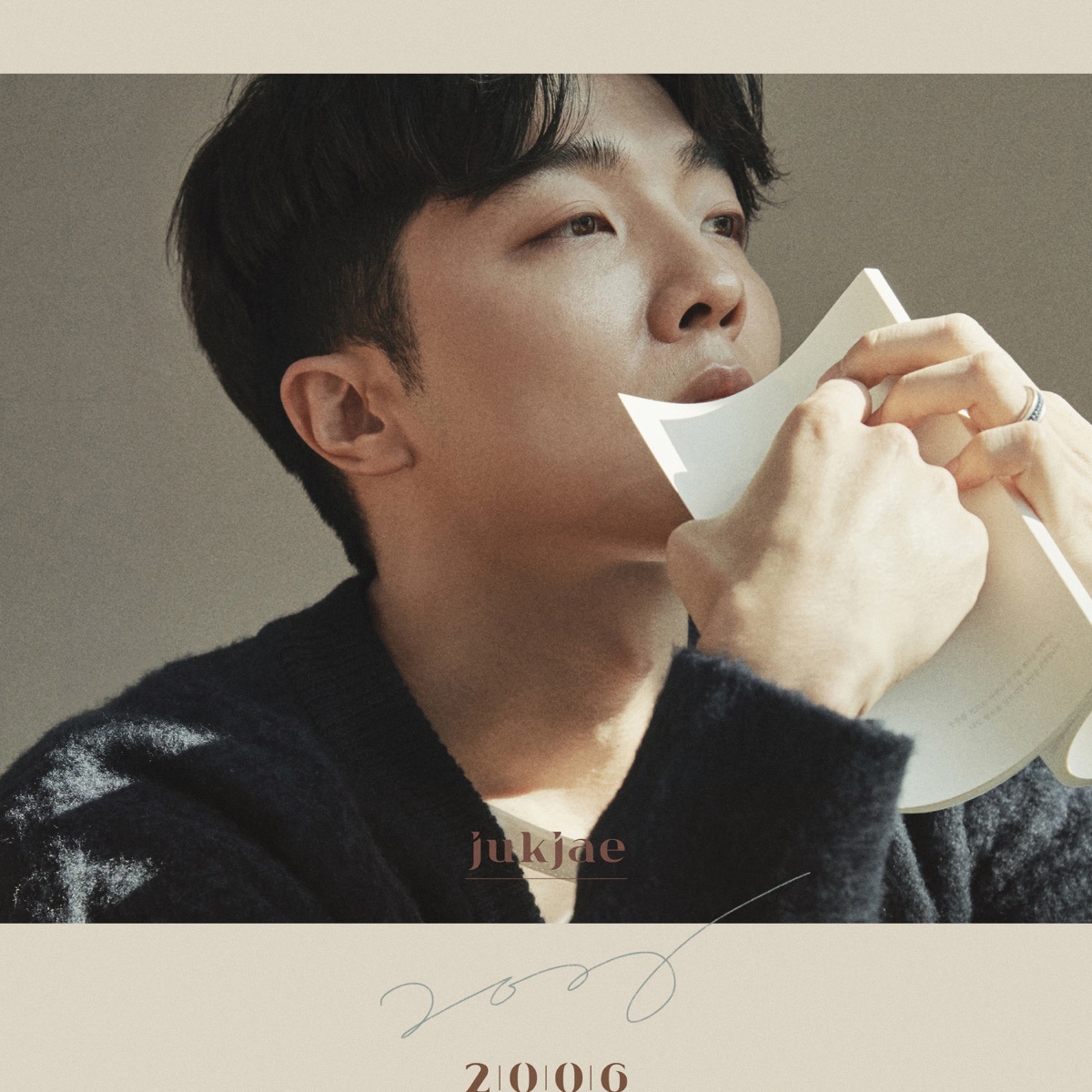
Shining, My 2006
Twinkle Shine, My 2006
What kind of song/performance is it? "Twinkle Shine, My 2006" is a track you can find on the mini-album "2006", chosen in this list for its long-breath narrative that recalls personal time. The confirmed participation scope is centered around Jung Jae Il's vocals and guitar, and we do not speculate on gear information like Jung Jae Il’s guitar model, effects, or tuning unless specified in official credits. When first encountering Jung Jae Il’s music, it’s better to listen to how the introduction brings the listener into the song at a certain pace rather than waiting for a well-known phrase. The core emotion of this song resembles reflective nostalgia, looking back from the present rather than romanticizing the past. The story is created by the space between the flowing vocals—rather than exaggerated emotional outbursts—and instruments. By centering the guiding question around the long-breath narrative recalling personal time, it becomes easy to distinguish from other similarly calm-seeming songs. Even without memorizing the title or the entire lyrics, checking the distance in the first phrase, the expanding view in the chorus, and the lingering resonance at the end helps to naturally outline the song’s structure.
Guitar and arrangement The first sound to confirm in this version is the band arrangement that expands from a tranquil start into a broader sound. The officially confirmed arrangement and roles are centered on Jung Jae Il's vocals and guitar. The guitar does not assert its presence with flashy solos alone; it adjusts the rhythm's weight and creates the song's temperature by leaving space for other instruments to join. When listening through earphones, pay attention to the differences in the placement of the guitar on the left and right, the direction of bass movement when chords change, and how the guitar’s outline is maintained even after the drums or keyboards join in. Instead of conclusively determining the precise names of the equipment, it’s safer and more useful to compare the brightness and reverb of the audible tones and the intensity of the attack.
First listening point On your first listen, try to focus on the long-breath narrative that recalls personal time. Within the first 30 seconds of the introduction, the main rhythm and spatial feeling are introduced. After the vocals come in, it becomes apparent whether the accompaniment pushes the sentences forward or retreats into the background. In the chorus, it’s good to listen to the way the vowel lengths overlap rather than the volume of the voice, the positions where the chorus overlaps, and the foundation made by the bass and kick. Listen to the entire song without interruption the first time, then follow it up by focusing only on the guitar, and on the third go, only observe the relationship between vocals and rhythm section, which makes the role of the arrangement much clearer. If the official video is a live performance, consider contrasting the finger movements with the points where sounds occur while keeping in mind that there may be unshown sessions or post-production.
Next recommended song/version After this song, it’s good to listen to "Let's Be Well" and the I'm Live performance version. When comparing the official audio and live versions of the same song, instead of concluding which is better, focus on the subtle differences in tempo, the length of interludes, and how the vocals use the rhythm in front or behind the beat. When transitioning to another song, look for one common emotion and one changed arrangement to clarify that Jung Jae Il's world of music cannot simply be branded as 'emotional acoustic.' Within this list, it serves as a version responsible for understanding the basic form of the song through the official audio or music video, ensuring that even if the same song reappears, it doesn’t overlap in terms of appreciation questions with other official versions.
Lyrics and song atmosphere Summarizing the emotions without translating the entire lyrics, it deals with reflective nostalgia, looking back at past times not to glorify them but rather to reflect on them from the present. Jung Jae Il's songs often leave everyday scenes like close conversations instead of transforming them into grand declarations. Therefore, rather than focusing solely on the meaning of one word, it is more useful to see how close or distant the speaker is to the listener and where they are situated between the present and memory. Also, check contrasts like a hesitant note placed atop bright harmonies or the emergence of hope's direction within calm arrangements. Even when listening for leisure—like while walking or at night—listening to the song’s perspective and rhythm at least once will clarify the reasons emotions are unexaggerated.
How to enjoy live performances In live performances, check how the band arrangement differs as it expands from a tranquil start into a broader sound. The strength of guitar strokes, the short pauses created when lifting fingers, and the timing of beats left empty right before vocals create the tension of the actual stage. If it’s a band arrangement, listen to whether the guitar becomes denser or simpler after the drum fills join. If it’s a solo-like arrangement, small fluctuations in tempo and breath are key to how the narrative of the song shifts. Prioritize the titles and descriptions from the official channel over video comments or fan edit information, and do not confirm instrument models or techniques solely based on screen observations for accurate listening records.
Official credits and information The participation role confirmed in this item is 'Jung Jae Il's own song centered on vocals and guitar.' The sources prioritized are the official pages of the artist, their agency, 음악权利人, 방송사,和 OST 流通渠道的公开页面. 核心来源是 https://www.youtube.com/watch?v=67i2zCI4G14 , https://music.bugs.co.kr/artist/8008787 . 用 YouTube 链接检查视频 ID 67i2zCI4G14 的公共状态、频道名称和标题。信用中指定的声乐、特色、吉他和安排信息与实际音响印象相区分,而未经证实的设备、调音和录音环境并未作为事实考虑。通过与音乐服务专辑页面和官方视频中的注释进行交叉引用,可以在以后找到其他版本时减少混淆。 Official source · Official source
This collection connects Jung Jae Il’s music based on the criterion of exploring the breadth of acoustic, pop, groove, and nostalgia from representative tracks. Instead of trying to remember everything at once, it’s enough to choose just one ‘point to listen to first’ from each item and replay it. When you discover how the same voice and guitar create completely different distances and textures in each song, you can naturally transition from your first impression based on the representative songs to the next albums and performances.
If you want to listen with a focus on guitar, look at the roles rather than the number of sounds. Chords supporting the vocals, short strokes pushing the rhythm, and melodies that become clear only in the interlude all serve different functions. Even without exact equipment knowledge, you can sufficiently perceive the arrangements by comparing the attack, resonance, stereo placement, and spacing with other instruments.
Those who listen primarily to lyrics and atmosphere can follow the speaker's position. Whether they are speaking in the present, reflecting on a past scene, or narrowing the distance from the other party makes even the same calmness sound different. You can glean the emotional direction without replicating long lyrics, simply by understanding the title, the song's flow, and the arrangement changes before and after the chorus.
Collaborations and OSTs showcase different production contexts than Jung Jae Il’s solo works. By checking the tone of the featured artist, the narrative considering the drama scenes, and the roles assigned in other artists' songs, you’ll see how Jung Jae Il’s guitar and vocals are calibrated in external projects. Developing a habit of verifying credits through source links also helps distinguish similar titles and re-uploaded videos.
Finally, try alternating between the official audio and the official live versions of the songs you liked. The balance of the completed sound and the breath of the performance both have their advantages. Just comparing one of the tempo, interlude length, or vocal spacing will reveal new scenes. I encourage you to take this collection as a starting point and slowly expand into album-level listening and performance videos.
이 포스팅은 쿠팡 파트너스 활동의 일환으로, 이에 따른 일정액의 수수료를 제공받습니다.
댓글 0
로그인 후 댓글을 작성할 수 있습니다.
첫 댓글을 남겨보세요.
이런 리스트는 어때요?


이런 리스트도 추천해요


여기서 멈추기엔 아쉽잖아?
다음에 뭘 볼지 고민하는 시간이 제일 아까워.
주사위가 대신 골라줄게 — 무슨 리스트가 튀어나올지는 굴려봐야 알지.
안 누르면… 평생 궁금하지 않겠어? 👀