A Collection of Jeokjae's Music Through Collaboration Tracks and OSTs
Examining Jeokjae's Role in Featuring, Joint Vocals, Collaborations with Other Artists, and Drama and Travel Program OSTs
This collection serves as a means to appreciate Jeokjae's music by exploring how his vocals and guitar roles evolve in different collaborations and production contexts. Rather than ranking based on a song's popularity, we look at how the singer-songwriter's voice and guitar instincts are showcased in varying proportions. Familiar tracks serve as entry points, while we expand our view to include album tracks, collaborations, OSTs, and live performances, seamlessly connecting the various expressions of Jeokjae's music.
Each item doesn't just list the basic information about the track. It first explains the sounds to listen for in the introduction, the relationship between the guitar and rhythm section, the vocal phrasing, and the points at which the live performance differs. Information not confirmed by official sources, like guitar models or effectors, is not speculated upon, and the actual timbre heard and disclosed credits are distinctively recorded.
The listening order is not definitive. In the first attempt, listen to the song in its entirety without interruptions. In the second listen, focus on the movements of the guitar and bass, and in the third, follow the spaces left behind by the vocals. If a particular song appears again in another list, it's crafted to ensure that the roles and listening questions surrounding its different versions—whether official audio, concert, broadcast, or acoustic—are distinct enough to avoid simple duplication.
Videos were selected from official channels of Jeokjae, his agency, music rights holders, OST production and distribution channels, performance institutions, and broadcasters. Fan cams and unclear sources of re-uploading videos are excluded. We also verify the video ID, title, channel, and public status separately. In collaborations and OSTs, we've distinguished whether Jeokjae is performing as a lead vocalist or as a featured artist, making it easy to understand his role in each song.
To break the impression that all quiet music is similar, it's important to develop a habit of listening for small differences. Just comparing the timing of chords, the moments when drums come in, and how the chorus develops can reveal the character of a piece. If you've found a song that resonates with you, continue listening to the next recommended version to compare how Jeokjae handles emotions in the studio and on stage.
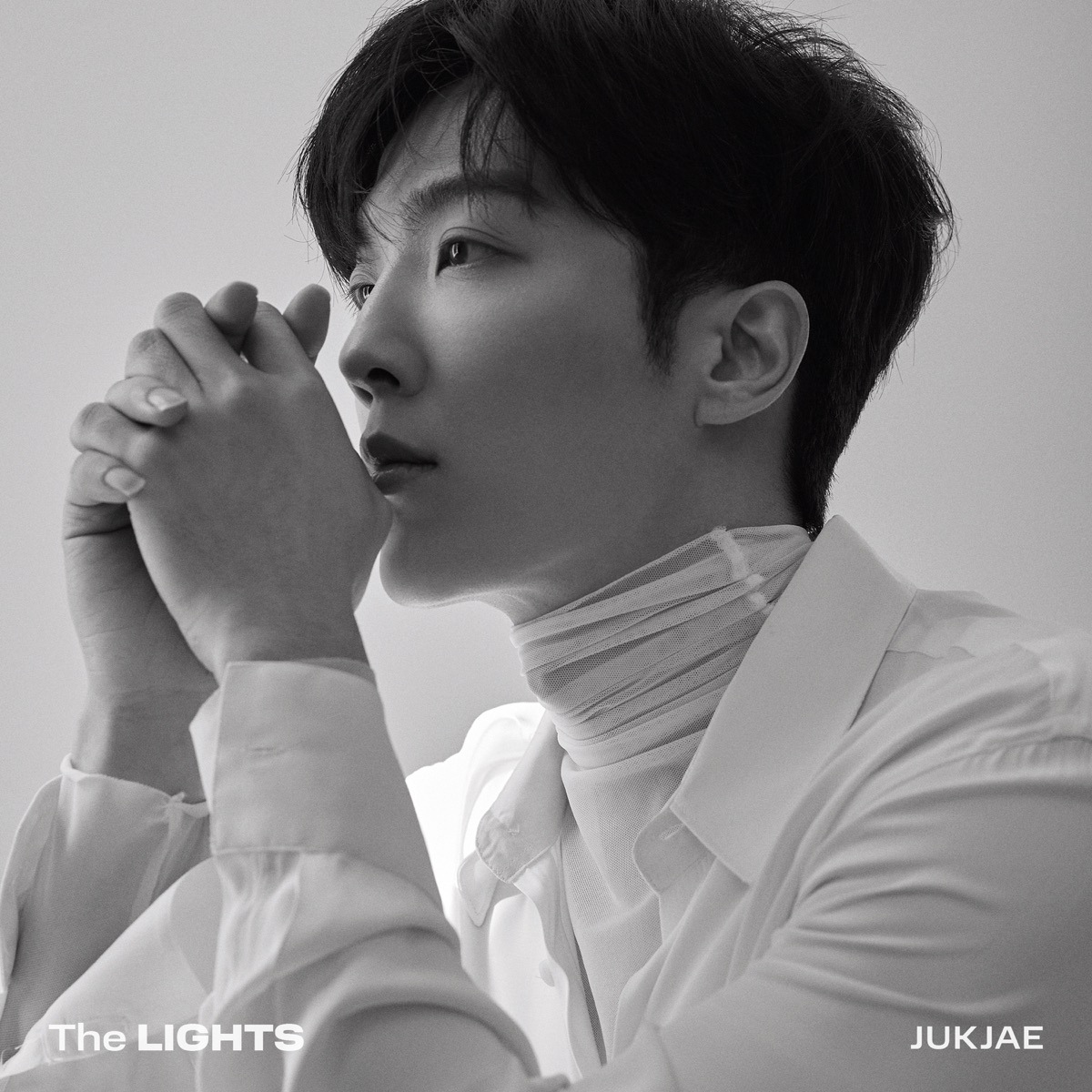
Light (Feat. Baek Yerin)
What kind of song and stage is it? "Light (Feat. Baek Yerin)" is a song available on Jeokjae's second studio album, The LIGHTS. In this list, we approach it from the perspective of the overlapping tones of two singer-songwriters. The confirmed participation scope includes Jeokjae as the main vocalist and guitarist, and Baek Yerin as a featured artist, without speculating on equipment information not explicitly stated in the official credits, such as Jeokjae's guitar model, effectors, or tuning. When first encountering Jeokjae's music, it's better to focus on how the introduction draws listeners into the song at a particular pace rather than patiently await a famous line. The core emotional essence of this song approaches the point where both vocalists contribute different light to the same melody. The space left between the flowing, conversational vocals and instruments creates the narrative rather than exaggerated emotional outbursts. Using the overlapping vocals of the two singer-songwriters as the central question makes it possible to discern nuances from similarly calm-sounding tracks. Even without memorizing the title or lyrics, confirming the distance in the first lyric, the expanding perspective in the chorus, and the lingering resonance at the end allows one to naturally grasp the structure of the song.
Guitar and Arrangement The sound to primarily confirm in this version is the multi-layered arrangement created by acoustic and electric drums, along with guitar and synthesizer. The officially verified arrangement and roles include Jeokjae as the main vocalist, guitarist, and synthesizer, with Baek Yerin as a featured artist. The guitar does not stand out solely through its spectacular solos. It builds the song's temperature by organizing between vocal phrases and adjusting the weight of the rhythm, leaving room for other instruments to come in. When listening through earphones, pay attention to the differences in the placement of the guitar on the left and right side, the direction of low tones when chords change, and how the guitar's contour is maintained after drums or keys join in. Rather than definitively naming exact equipment, it is safer and more useful to compare the brightness, reverb, and intensity of the attack of the timbres actually heard.
Initial Listening Point In the first listen, focus on the overlapping vocals of the two singer-songwriters. Within the first 30 seconds of the introduction, the main rhythm and spatial sense are presented. After the vocals enter, it's revealed whether the accompaniment pushes the phrases forward or retreats. In the chorus, it’s good to listen together for how the volume of the voices is handled, the way the vowels extend, the positions where the chorus overlaps, and the foundation created by the bass and kick. Listen to the entire song once without interruptions, then the guitar only on the second listen, and only follow the relationship between the vocals and the rhythm section on the third listen to make the role of the arrangement much clearer. If the official video is live, contrast the movements of the hands with the timing of the sound, keeping in mind that there may be unseen sessions or post-production work that is not visible on screen.
Next Recommended Songs and Versions After this song, listening to Jeokjae's acoustic live performance followed by "Nuh Na Nah" would be nice. When comparing the official audio of the same song with the live version, pay attention to not conclude which one is better; rather focus on subtle differences in tempo, the length of instrumental breaks, and how the vocals are utilized around the beat. When moving on to a different song, look for a common emotional element and a changed arrangement to show how Jeokjae's musical universe goes beyond simply being categorized as 'emotional acoustic'. In this list, its role is to understand the basic form of the song through the official audio or official music video. Therefore, when a song reappears, it’s structured to avoid overlap with other official versions and listening questions.
Lyrics and Song Atmosphere Without translating the full lyrics, summarizing the emotions reveals how the text reflects different lights on the same melody from both vocalists. Jeokjae's songs often place everyday scenes as close conversations rather than making grand declarations. Therefore, rather than focusing on the meaning of single words, it’s more useful to observe how closely the speaker approaches or retreats from the other person, and where they stand between the present and memories. Also, check the contrasts, such as hesitation atop bright harmonies, or directions of hope emerging within calm arrangements. Even when listening for relaxation or during a walk at night, rather than letting the music fade into the background, try to follow along with the song's perspective and breathing at least once to understand why the emotions don't feel exaggerated.
Performance and Live Listening Method In the live performance, it's good to confirm how the multi-layered arrangement created by acoustic, electric drums, and guitar/synthesizer differs from the original track. The dynamics of guitar strumming, the short silences created by lifting hands, and the rhythmic space just before the vocals create the tension of a live stage. In a band arrangement, listen to see if the guitar becomes denser after the drum fills come in or if it simplifies instead. If the arrangement leans toward a solo performance, the slight tempo fluctuations and breathing are key to how the narrative of the song changes. Prioritize the title and description of the official channel over video comments or fan-edited information, and avoid confirming instrument models or detailed playing styles based only on visuals, as this helps with accurate listening records.
Official Credits and Sources The participation roles confirmed in this section are 'Jeokjae as the main vocalist and Baek Yerin as a featured artist'. The sources were prioritized from the public pages of the official artist, agency, music rights holders, broadcasters, and OST distribution channels. Core sources include https://music.bugs.co.kr/album/4081371 and https://www.youtube.com/watch?v=CLW7fAKZM3Q. The YouTube link has been separately verified for the public status of video ID CLW7fAKZM3Q, the channel name, and the title. We differentiated between vocal, featuring, guitar, and arrangement information as specified in the credits from the actual perceptible impressions, and did not treat unverified equipment, tuning, or recording environments as factual. Cross-referencing release information between the music service album page and the official video notations can help minimize confusion when searching for other versions later.
You and Me (Feat. Sam Kim)
Nuh Na Nah (Feat. Sam Kim)
What kind of song and stage is it? "Nuh Na Nah (Feat. Sam Kim)" is a song available on Jeokjae's second studio album, The LIGHTS. In this list, we approach it from the perspective of the joint mood created by Jeokjae and Sam Kim's rhythms. The confirmed participation scope includes Jeokjae as the main vocalist, guitarist, and pianist, with Sam Kim as a featured artist, without speculating on equipment information not explicitly stated in the official credits, such as Jeokjae's guitar model, effectors, or tuning. When first encountering Jeokjae's music, rather than waiting for a famous line, it’s better to listen for the pace at which the introduction pulls listeners into the song. The core essence of this piece revolves around the phrasing exchanged between the two artists. Instead of exaggerated emotional outbursts, the story is created in the spaces between the conversational flowing vocals and instruments. Using the joint mood crafted by Jeokjae and Sam Kim as the central theme helps to distinguish nuances from similarly calm-sounding other tracks. Even without memorizing the title or lyrics, identifying the distance in the first lyric, the expanding view in the chorus, and the lingering resonance towards the end allows one to naturally discern the song's structure.
Guitar and Arrangement In this version, the primary sound to confirm is the elasticity between the guitar, piano, and rhythm sections. The officially verified arrangement and roles include Jeokjae as the main vocalist, guitarist, and pianist, with Sam Kim as a featured artist. The guitar does not merely create its presence through extravagant solos. It contributes to the song's temperature by organizing between vocal phrases and managing the weight of rhythm while leaving space for other instruments to enter. When listening through earphones, pay attention to the differences in guitar placement on the left and right side, the direction of low tones when chords change, and how the contour of the guitar is maintained after drums or keys join in. Rather than definitively stating equipment names, it’s safer and more useful to compare the brightness, reverb, and intensity of attack of the audible timbres.
Initial Listening Point In the first listen, focus on the joint mood created by Jeokjae and Sam Kim’s rhythms. Within the first 30 seconds of the introduction, the main rhythm and spatial sense are established. After the vocals enter, it reveals whether the accompaniment pushes the phrases forward or retreats. In the chorus, it would be good to listen together for how the volume of the voices, the way the vowels extend, the positions where the chorus overlaps, and the foundation created by the bass and kick. Listen through the entire song once without interruptions, then the guitar only during the second listen, and only follow the relationship between the vocals and the rhythm section in the third listen to clarify the role of the arrangement much more. If the official video is live, cross-reference the movements of the hands with the timing of the sounds, keeping in mind that there could be unseen sessions or post-production work not visible on screen.
Next Recommended Songs and Versions After this song, listening to "Light" followed by "Runaway" would be nice. When comparing the official audio of the same song with the live version, avoid concluding which is better; instead, focus on subtle differences in tempo, the length of instrumental breaks, and how the vocals are used around the rhythm. When moving on to different songs, look for a common emotion and a different arrangement to reveal how Jeokjae's musical world cannot simply be enclosed within 'emotional acoustic'. Within this list, it plays the role of an official live clip featuring both artists singing together. Hence, even if the song appears again, it’s structured to maintain distinctions in listening questions from other official versions.
Lyrics and Song Atmosphere Without translating the entire lyrics, summarizing the emotions involves the scenes of the exchange between the two artists. Jeokjae's songs often leave everyday moments as quiet conversations rather than turning them into grand statements. Therefore, rather than focusing on the meanings of individual words, it’s more beneficial to observe how closely the speaker approaches or retreats dependencies, and where they stand amidst the present and memories. It is also essential to note contrasts, such as hesitation resting atop bright harmonies or directions of hope arising in calm arrangements. Even when listening for relaxation or during a walk at night, refrain from merely letting the music flow into the background; instead, try to follow the song's perspective and breathing at least once to hear why the emotions do not feel exaggerated.
Performance and Live Listening Method In a live performance, it is advisable to confirm how the elasticity of the guitar, piano, and rhythm sections diverges from the original audio. The strength in guitar strumming, the short pauses created by releasing hands, and the rhythmic space preceding vocals all contribute to the tension of a live stage. In a band arrangement, listen for whether the guitar intensifies after drum fills come in, or simplifies instead. If the arrangement leans more towards a solo performance, focus on how slight tempo shifts and breathing change the narrative of the song. Priority should be given to the title and description from the official channel over video comments or fan edits, and refrain from confirming instrument models or specific playing techniques solely from the visuals to aid accurate listening records.
Official Credits and Sources The participation roles confirmed here are 'Jeokjae as the main vocalist and Sam Kim as a featured artist'. The sources are prioritized from public pages of the official artist, agency, music rights holders, broadcasters, and OST distribution channels. Core sources include https://music.bugs.co.kr/album/4081371 and https://www.youtube.com/watch?v=yOJ7Gq7CJls. The YouTube link has been checked for the public status of video ID yOJ7Gq7CJls, the channel name, and the title. We made a distinction between vocal, featuring, guitar, and arrangement information as outlined in the credits from the actual audible impressions, and did not treat unverified equipment, tuning, or recording environments as facts. Cross-referencing release information between the music service album page and official video notations can help reduce confusion when looking for other versions later.
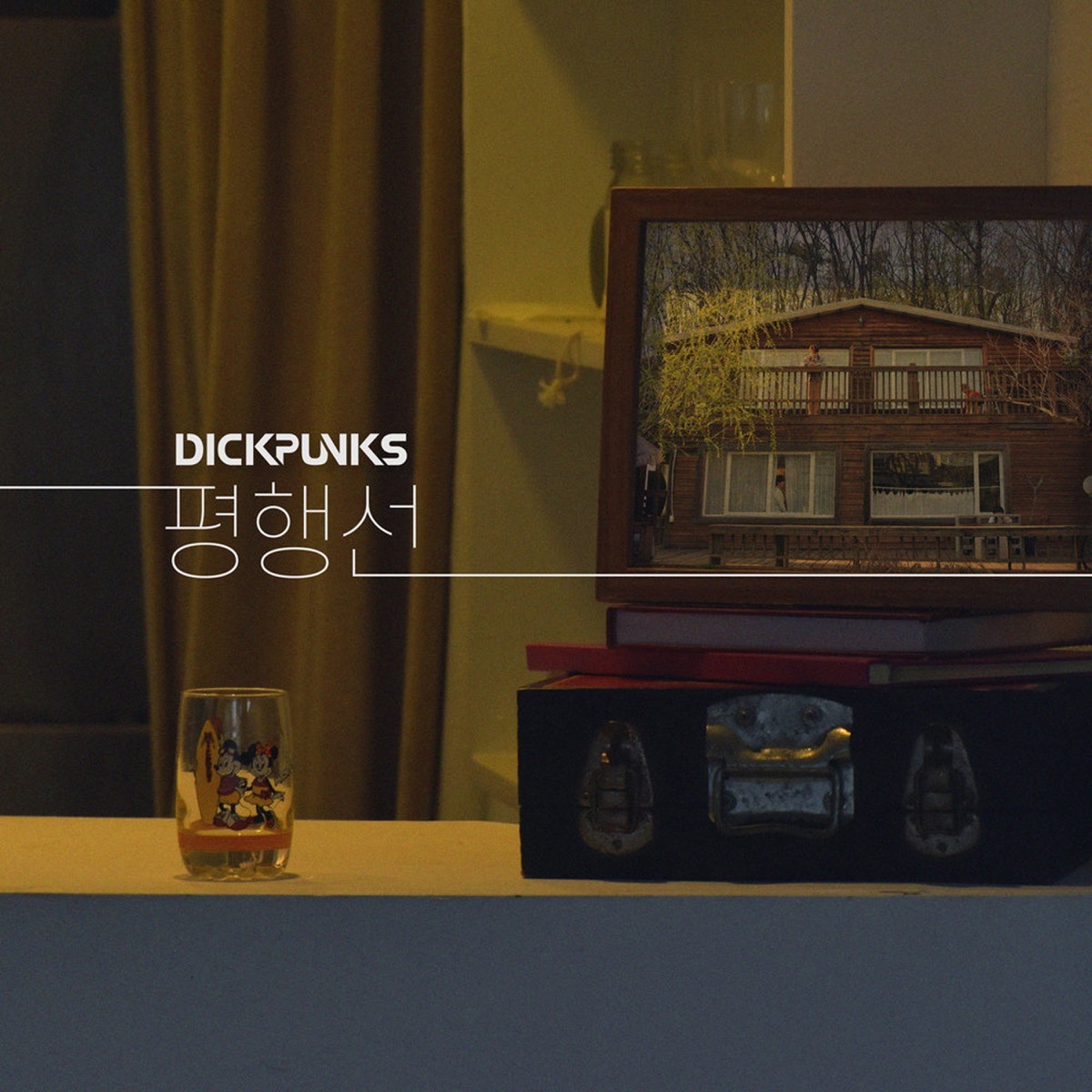
Parallel Line (Feat. Jeokjae)
Parallel Lines (Feat. Jeokjae)
What kind of song and stage is it? "Parallel Lines (Feat. Jeokjae)" is a song available on Dickpunks' single Parallel Lines. In this list, we look at Jeokjae’s contribution as a featured vocalist on another band's song. The confirmed participation scope includes Dickpunks' performance and vocals along with Jeokjae as a featured artist, without speculating on equipment information not explicitly stated in the official credits, such as Jeokjae's guitar model, effectors, or tuning. When first encountering Jeokjae's music, rather than waiting for a famous line, it’s better to listen for how the introduction brings listeners into the song at a particular pace. The core essence of this piece is about the division of a relationship where two voices cannot come closer to one another. The space left between the flowing, conversational vocals and instruments creates the narrative rather than exaggerated emotional bursts. Using Jeokjae’s role as a featured vocalist in another band's song as the focal question helps distinguish it from other similarly calm tracks. Even without memorizing the title or lyrics, confirming the distance in the first lyric, the expanding perspective in the chorus, and the gradually lingering resonance towards the end allows one to intuitively grasp the structure of the song.
Guitar and Arrangement In this version, the primary sound to confirm is the contrast between the Dickpunks band sound and Jeokjae's tonal quality. The officially verified arrangement and roles include Dickpunks' performance and vocals along with Jeokjae as a featured artist. The guitar does not stand out solely through flashy solos. It contributes to the song's atmosphere by organizing between vocal phrases and adjusting the weight of rhythm while leaving space for other instruments to enter. When listening through earphones, pay attention to the differences in the left and right placements of the guitar, the direction of low tones when chords change, and how the contours of the guitar are maintained after drums or keys join in. Rather than conclusively determining specific equipment, it is safer and more useful to compare the brightness, reverb, and intensity of the attack of the audible timbres.
Initial Listening Point In the first listen, focus on Jeokjae’s role as a featured vocalist on another band's song. Within the first 30 seconds of the introduction, the main rhythm and spatial awareness are presented. After the vocals enter, it reveals whether the accompaniment pushes the phrases forward or retreats. In the chorus, it would be good to listen together for how the volume of the voices is handled, the way the vowels are elongated, the positions where the chorus overlaps, and the foundation created by the bass and kick. Listen through the entire song once without interruptions, then listen to the guitar only on the second go, and only follow the relationship between the vocals and the rhythm section on the third to clarify the role of the arrangement significantly. If the official video is live, contrast the movements of the hands with the sounds, keeping in mind that there could be unseen sessions or post-production aspects not visible on the screen.
Next Recommended Songs and Versions After this song, it would be nice to listen to "Did Things Change?" followed by "Us". While comparing an official audio of the same song with its live rendition, rather than concluding which is superior, focus on subtle differences in tempo, the length of instrumental breaks, and how the vocals interact with the rhythm. When transitioning to another song, look for a shared emotional element and a different arrangement to illustrate that Jeokjae’s musical universe is not merely categorized as 'emotional acoustic'. In this list, it serves the function of establishing the basic version of the song through official audio or official music videos. Hence, even if a song reappears, it is designed to maintain distinctions in listening questions from other official versions.
Lyrics and Song Atmosphere Without translating the entire lyrics, summarizing the emotions shows how the composition divides the relationship between two voices that can’t draw closer. Jeokjae's songs often present everyday scenes as close conversations rather than monumental declarations. Thus, it’s more useful to observe how closely the speaker approaches or retreats from their subject, and where they stand amidst the present and memories, rather than focusing solely on the meanings of individual words. Also, examine contrasts, such as hesitation resting atop bright harmonies or hopeful directions arising in calm arrangements. Even when listening during leisurely walks or at night, instead of letting the music merely fade into the background, follow along with the song's perspective and breathing at least once to understand why the emotions don’t feel exaggerated.
Performance and Live Listening Method In a live performance, it’s good to confirm how the contrast between Dickpunks' band sound and the tone of Jeokjae changes from the original track. The dynamics of guitar strumming, the brief pauses created by releasing hands, and the rhythmic spaces created just before vocals all contribute to the tension on stage. In a band arrangement, listen carefully to determine whether the guitar becomes denser after the drum fills come in or simplifies instead. If it’s more like a solo arrangement, focus on how small tempo changes and breathing alter the song's narrative. Importance should be placed on the title and description from the official channel over video comments or fan edits, and avoid confirming instrument models or detailed playing styles just from visuals to ensure accurate listening records.
Official Credits and Sources The participation roles confirmed in this section are 'Jeokjae as the featured artist on Dickpunks' song'. The sources prioritized the public pages of the official artist, agency, music rights holders, broadcasters, and OST distribution channels. Key sources include https://www.youtube.com/watch?v=Bt0A59LsU4E and https://music.bugs.co.kr/artist/8008787. The YouTube link has been checked for public availability of video ID Bt0A59LsU4E, along with the channel name and title. We also differentiated between vocal, featured, guitar, and arrangement information as stated in the credits from actual auditory impressions, and did not treat unverified equipment, tuning, or recording settings as facts. Cross-referencing release details through the music service album page and official video descriptions can minimize confusion when looking for other versions later.
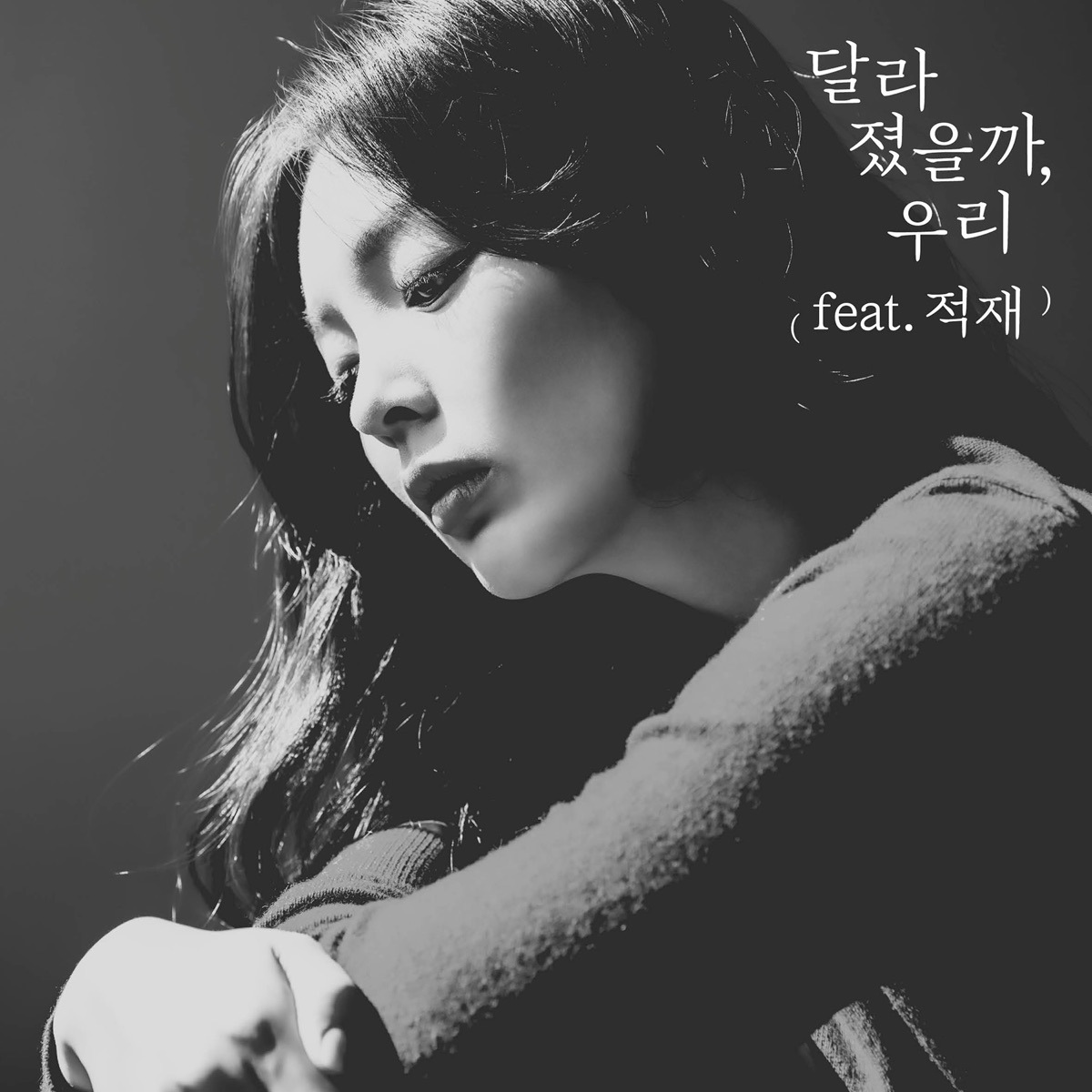
Have We Changed? (feat. Jeokjae)
Did Things Change, Us (feat. Jeokjae)
What kind of song and stage is it? "Did Things Change, Us (feat. Jeokjae)" is a song from The Ade's single Did Things Change, Us. This list explores the collaborative ballad where the perspectives of male and female vocalists intersect. The confirmed participation scope includes The Ade as the main artist and Jeokjae as a featured vocalist, without speculating on equipment information not explicitly stated in the official credits, such as Jeokjae's guitar model, effectors, or tuning. When first experiencing Jeokjae's music, it’s better to listen for how the introduction draws listeners into the song rather than simply waiting for a famous line. The core of this song revolves around voices reflecting on the same relationship from different distances. Instead of exaggerated emotional surges, the story is woven in the spaces between flowing, conversational vocals and instruments. Focusing on the intersecting perspectives of male and female vocalists can help distinguish this song from similarly calm tracks. Even without memorizing the title or lyrics, confirming the distance in the first lyric, the expanding perspective in the chorus, and the lingering resonance at the end helps to naturally establish the song's structure.
Guitar and Arrangement The primary sound to confirm in this version is the acoustic-centered arrangement that supports the vocal dialogue. The officially confirmed roles and arrangement include The Ade as the main artist and Jeokjae as a featured vocalist. The guitar does not assert itself solely through flashy solos. It contributes to the song's atmosphere by organizing between vocal phrases and managing the rhythmic balance while leaving room for other instruments. When listening through earphones, pay attention to the differences in guitar placement on the left and right sides, the low tones' movement when chords change, and how the contours of the guitar are maintained even after joining drums or keys. Rather than formally identifying equipment names, it is safer and more useful to compare the brightness, reverb, and intensity of the sounds actually heard.
Initial Listening Point In the first listen, focus on the collaborative ballad where the perspectives of male and female vocalists intersect. Within the first 30 seconds of the introduction, the primary rhythm and spatial sense are introduced, and once the vocals enter, it reveals whether the accompaniment pushes the phrases forward or retreats. In the chorus, it’s ideal to listen for the handling of vocal volume, the lengthening of vowels, the overlapping positions of the chorus, and the foundational elements created by the bass and kick. Listen through the entire song once without interruptions, then the guitar only on the second listen, and finally, focus on the relationship between the vocals and the rhythm section during the third listen to clarify the arrangement's role considerably. If the official video is live, contrast hand movements with sound timing while remembering that there may be unseen sessions or post-production work not visible on screen.
Next Recommended Songs and Versions After this song, listening to "Parallel Lines" followed by "Have a Good Time" would be nice. When comparing the official audio of the same song with its live version, avoid concluding which is superior, instead focusing on subtle differences in tempo, the length of instrumental breaks, and how vocals are utilized around the rhythm. When transitioning to another song, look for a common emotional theme and a changed arrangement to illustrate that Jeokjae’s musical universe cannot merely be categorized as 'emotional acoustic'. In this list, it fulfills the role of understanding the basic form of the song through its official audio or official music video. Thus, even if the song appears again, it is designed to maintain distinctions in listening inquiries from other official versions.
Lyrics and Song Atmosphere Without translating the full lyrics, summarizing the emotions reveals how the voices reflect on the same relationship from differing distances. Jeokjae's songs often leave everyday moments as intimate conversations rather than monumental statements. Thus, rather than focusing on each word's meaning, it’s more beneficial to observe how closely the speaker approaches or retreats regarding the other person and where they stand between present and memories. Be sure to check for contrasts such as hesitation resting upon bright harmonies or the emerging directions of hope within calm arrangements. Even when listening for relaxation or during a stroll at night, avoid merely letting the music blend into the background; instead, try to follow the song's perspective and breathing at least once to grasp why the emotions never feel exaggerated.
Performance and Live Listening Method In a live version, it’s advisable to confirm how the acoustic arrangement supporting the vocal dialogue changes concerning the original audio. The dynamics in the guitar strum, the small pauses made by lifting hands, and the rhythmic pause just before the vocals contribute to live stage tension. In a band arrangement, be attentive to whether the guitar grows denser post-drum fills or simplifies instead. In the event of a more solo-oriented arrangement, focus on how subtle tempo shakes and breathing impact the song’s narrative. Prioritize the title and description of the official channel over video comments or fan edits, and resist finalizing instrument models or precise playing styles from visuals alone to aid accurate listening documentation.
Official Credits and Sources The participation roles confirmed in this section are 'Jeokjae as a featured artist on The Ade's song'. Sources were prioritized from the public pages of the official artist, agency, music rights holders, broadcasters, and OST distribution channels. Key sources include https://www.youtube.com/watch?v=uGGs2OH1X38 and https://music.bugs.co.kr/artist/8008787. The YouTube link has been verified for the public state of video ID uGGs2OH1X38, alongside the channel name and the title. The information regarding vocal, featuring, guitar, and arrangement was clearly outlined, separating the audible impressions, not treating unverified equipment, tuning, or recording environments as facts. Cross-referencing release information through music service album pages and official video descriptions can minimize confusion when searching for other versions later.
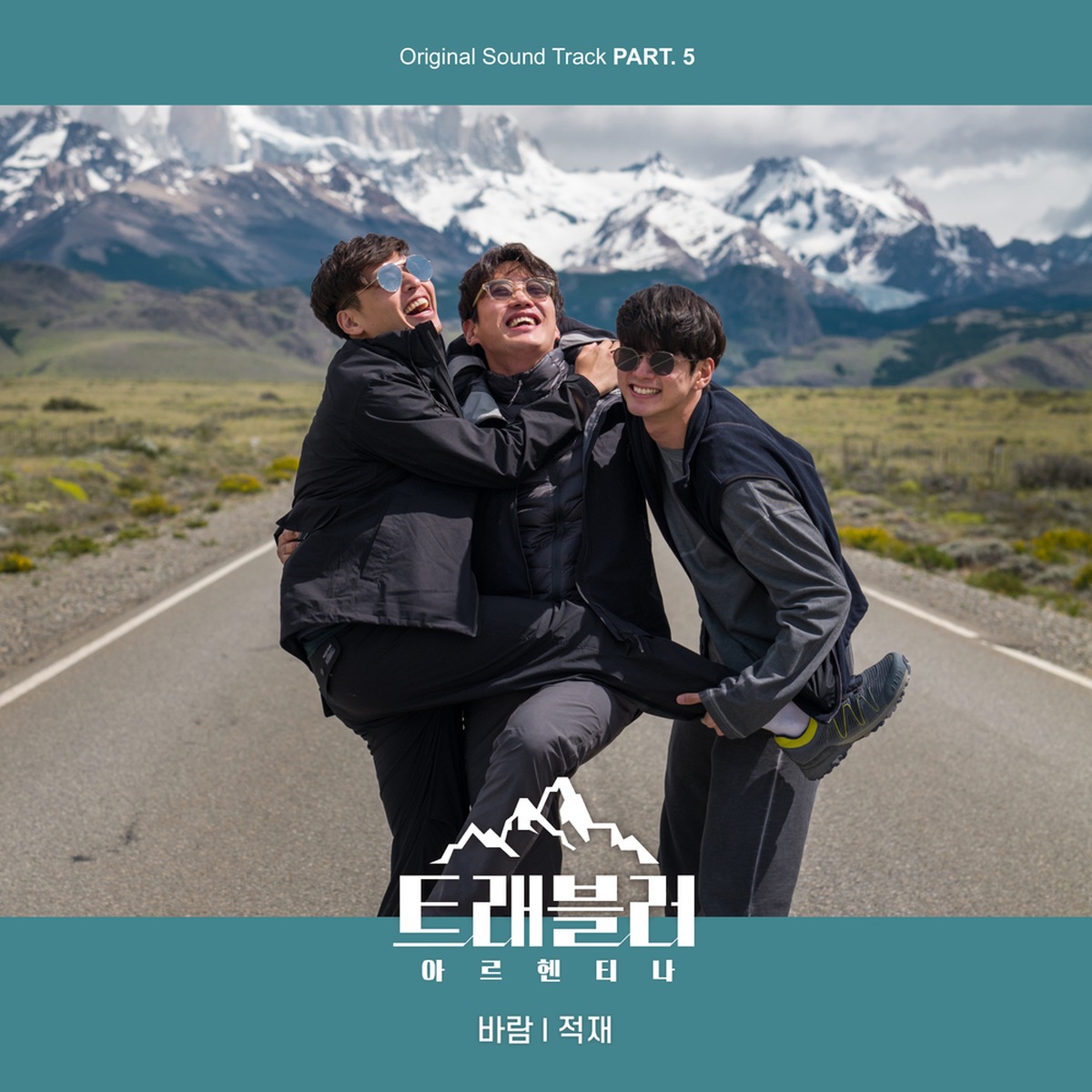
Wind
What kind of song and stage is it? "Wind" is a song featured in the OST Part 5 of the show Traveler - Argentina, and in this list, we approach it as a solo performance that encapsulates wide landscapes from the travel program. The confirmed participation scope includes Jeokjae's solo contribution to the program's OST, without speculating on equipment information not explicitly stated in the official credits, such as Jeokjae's guitar model, effectors, or tuning. When experiencing Jeokjae's music for the first time, rather than merely waiting for a famous line, it’s better to pay attention to how the introduction draws the listener into the song at a specific pace. The core emotional essence of this piece is closer to the calm feelings that remain after encountering unfamiliar landscapes and travels. The narrative is crafted in the spaces between the flowing vocals and instruments rather than through exaggerated emotional outbursts. Using the solo performance that conveys a sense of wide scenery from the travel program as a central question allows the piece to be distinguished from other similarly calm pieces. Without needing to memorize the title or lyrics, confirming the distance in the first lyric, the expanding view in the chorus, and the end resonance can lead to a natural understanding of the song's structure.
Guitar and Arrangement The primary sound to confirm in this version is the lyrical vocals and arrangement that creates a sense of travel. The officially verified arrangement and role consist of Jeokjae's solo contribution to the program's OST. The guitar does not assert itself solely through flashy solos. Instead, it builds the temperature of the piece by organizing space between vocal phrases and managing the rhythm’s weight while leaving space for other instruments to enter. When listening through earphones, pay attention to the differences from the guitar's placement on the left and right sides, the direction of low tones when chords change, and how the guitar’s contour is maintained even after drums or keys join in. Rather than finalizing specific equipment names, it is safer and more useful to compare timbral brightness, reverb, and attack intensity heard.
Initial Listening Point Initially, focus on Jeokjae's solo performance that encapsulates wide landscapes from the travel program. Within the first 30 seconds of the introduction, the main rhythm and spatial aspects should emerge, and after entering the vocals, observe whether the accompaniment pushes the phrases forward or holds back. In the chorus, listen closely for how the volume of the voices, the duration of vowels, where the chorus overlaps, and the foundation created by the bass and kick mesh together. Listen through the entire song once without interruptions, followed by a listen focusing solely on the guitar, and then during the third go, concentrate on the relationship between the vocals and the rhythm section to clarify the role of the arrangement much better. If the official video is live, compare the hand movements with the sound timing while being aware that unseen sessions or post-production work might not be visible.
Next Recommended Songs and Versions After this song, it would be nice to listen to "A Long-awaited Journey" followed by "Somehow Without Me". When comparing the official audio to its live rendition, rather than deciding which one is better, focus on the subtle differences in tempo, the length of the instrumental breaks, and the utilization of vowels around the rhythm. When transitioning to a new song, aim to find one common emotional aspect and one differing arrangement to illustrate how Jeokjae's musical universe transcends labeling it merely as 'emotional acoustic'. This song in the list serves as a version to understand the basic form through official audio or official music video. Hence, even when reappearing, it assures that no other official versions overlap with the listening assumptions.
Lyrics and Song Atmosphere Without translating the full lyrics, summarizing the emotions expresses the calm feelings left after exploring unfamiliar scenery. Jeokjae’s songs often hold everyday scenes as expressions akin to basic conversations rather than turning them into grand declarations. Hence, rather than emphasizing the meaning of single words, it’s helpful to focus on how the speaker approaches or retreats concerning their subject, as well as how they stand amid present thoughts and memories. Also, observe contrasts such as hesitation placed atop bright harmonies, or how hope emerges in serene arrangements. Even when played in the background during walks at night or for relaxation, try to follow the song's perspective and pacing at least once to recognize why the emotions feel authentically genuine.
Performance and Live Listening Method In a live performance, it’s excellent for seeing how the lyrical arrangement supporting the vocal changes from the original audio form. The dynamics of guitar strumming, brief pauses created by lifting hands, and the rhythmic space preceding the vocals create tension. In a band arrangement, listen closely to whether the guitar becomes more intricate after drum fills or simplifies instead. If leaning towards solo configuration, focus on how slight tempo variations and breathing can transform the song's narrative. It is advisable to prioritize the title and description from official channels over video comments or fan edits and to avoid concluding on instrument models or specific playing techniques based solely on visual appearances to aid accurate assessments.
Official Credits and Sources The role confirmed here is 'Jeokjae's solo performance in the Traveler - Argentina OST.' The sources were prioritized from the official artist, agency, music rights holders, broadcasters, and OST distribution channels’ public pages. The key sources include https://www.youtube.com/watch?v=aRjTppbeFFs and https://music.bugs.co.kr/artist/8008787. The YouTube link has been verified for public availability regarding video ID aRjTppbeFFs, the channel name, and the title. The credits for vocal, featuring, guitar, and arrangement were duly differentiated from actual sound impressions, and were not classified as fact unverified equipment, tuning, or recording environments. Cross-referencing the information with the album page on music services and official video descriptions can reduce confusion when exploring for further versions.
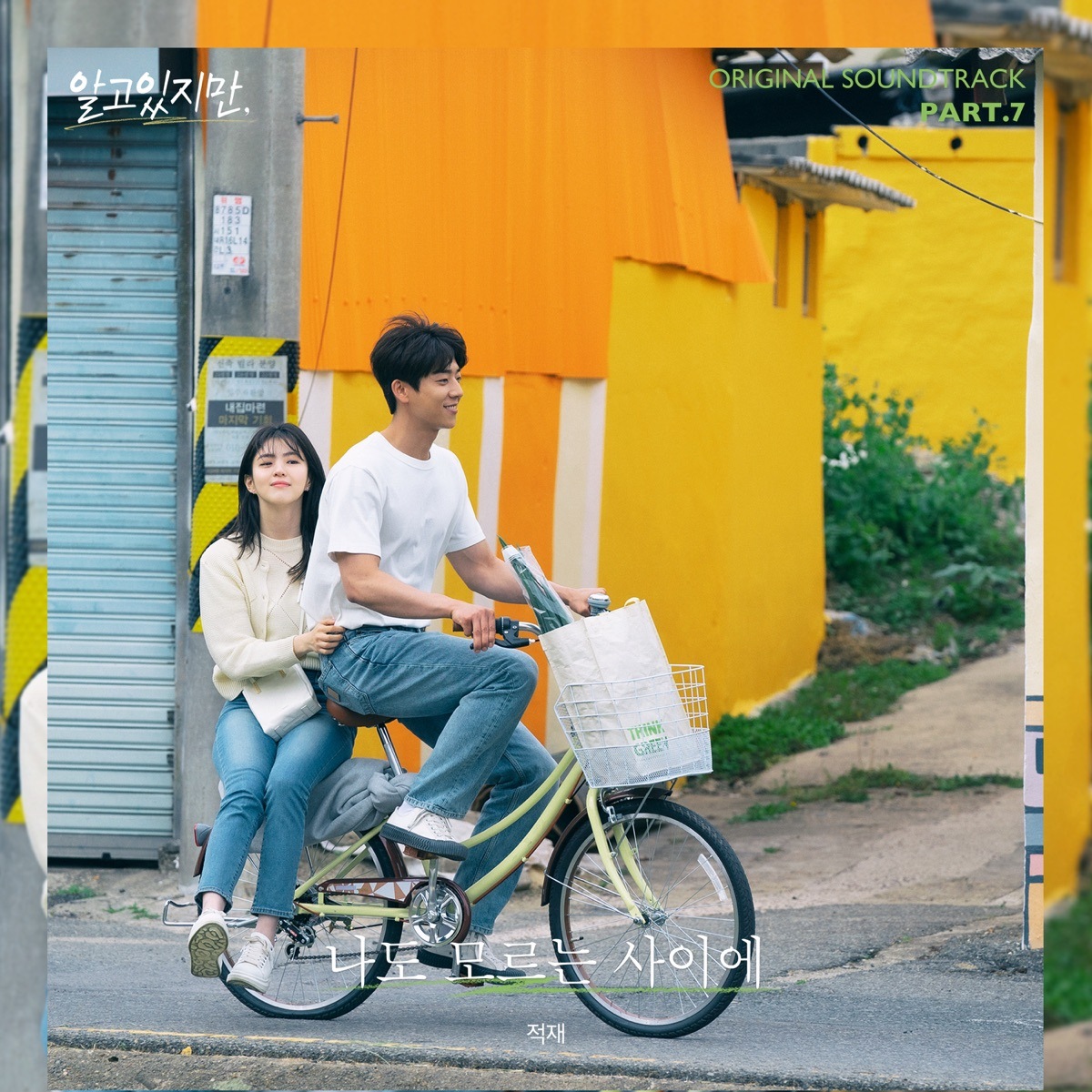
Without Me Knowing
Somehow Without Me
What kind of song and stage is it? "Somehow Without Me" is featured in the OST Part 7 of the drama It’s Okay to Not Be Okay, and in this list, it’s examined as a drama OST appreciating those late realizations of emotional shifts. Confirmed participation scope includes Jeokjae’s solo contribution to the drama's OST without speculating on equipment information not explicitly stated in the official credits, such as Jeokjae's guitar model, effectors, or tuning. When first encountering Jeokjae's music, rather than waiting for a famous line, it is better to focus on how the introduction pulls the listener into the song at a specific pace. The core essence of this song leans towards the temperature of a relationship where hesitation outweighs certainty. The spare spaces between the naturally flowing vocals and instruments craft the narrative rather than resorting to exaggerated emotional expressions. Using the late realization of emotional transitions as the main focus in this drama's OST makes it straightforward to distinguish it from other similarly composed pieces. Even without having memorized the title or lyrics, confirming the distance in the first lyric, chorus view widening, and the remaining resonance allows for an intuitive grasp of the song's structure.
Guitar and Arrangement The primary sound to confirm here centers around delicate vocals with arrangements that do not interrupt the scenes depicted. The officially confirmed roles include Jeokjae’s solo performance in the drama's OST. The guitar does not exist solely through flamboyant solos. Rather, it organizes spaces between vocal phrases, adjusts the weight of the rhythm, and leaves room for other instruments to come in smoothly. When listening through earphones, pay close attention to the differences in guitar placement on the left and right sides, the direction of the low tones when the chords shift, and how the guitar’s contour is preserved after joining with the drums or keyboards. Instead of formally identifying equipment names, it’s safer and more useful to compare the brightness, reverb, and attack intensity of the sounds experienced.
Initial Listening Point In the first experience, concentrate on the late realizations of emotional transitions captured in this drama's OST. Within the first 30 seconds of the introduction, the main rhythmic motifs and spatial elements should surface, and once the vocals enter, you can identify whether the accompaniment pushes in or recedes. In the chorus, it’s recommended to listen closely for how the vocal volumes fluctuate, how vowels are lengthened, the locations where chorus elements overlap, and the foundational presence generated by the bass and kick. Listen to the whole song once uninterrupted, then focus only on the guitar during the second listen and track the relationship between vocals and rhythm section for the third to clarify the role of the arrangement with greater clarity. If the official video is a live presentation, contrast the hand movements and the sounds while remembering that unseen sessions or post-production aspects may not be apparent.
Next Recommended Songs and Versions Following this song, it would be pleasant to listen to "Wind" and then "Sometimes be a Forest, Hug Me". When contrasting the official music of the same track with a live version, note to refrain from concluding which is better; instead, focus on small tonal differences in tempo, instrumental break lengths, and the timing of the vocal rhythm. When transitioning to new tracks, seek one common emotional tenet shared with altered arrangements to highlight how Jeokjae's music does not merely fit within the boundaries of being ‘emotional acoustic’. This entry serves as an understanding of the basic song form via the official music or music video. Thus, if the song recurs, it is structured to ensure no overlap occurs with other official versions.
Lyrics and Song Atmosphere Without translating the full lyrics, summarizing the emotions reflects the dynamics of hesitation outweighing certainty in relationships. Jeokjae's songs commonly express daily occurrences as close dialogues rather than grandiose declarations. Thus, it’s helpful to observe how closely the speaker approaches or retreats from someone else, as well as where they stand between present thoughts and memories instead of just focusing on individual word meanings. Check the contrasts like a theory of hesitation laid upon bright harmonies or how hope surfaces within calm arrangements. Even while enjoying the music as a backdrop during activities like daily strolls or relaxation at night, follow the song's perspective and breathing rhythmically at least once to experience why the emotions resonate authentically.
Performance and Live Listening Method In the live version, confirm how arrangements centering on delicate vocals differ from the original audio. Variations in guitar dynamics, brief pauses made by lifting hands, and rhythms ensuring the vocals do not get overshadowed form the tension on stage. Within a band setup, listen carefully for the guitar's density after drum fills or its simplification. If it trends towards a solo format, key on how diverse tempo shifts and breathing may contribute to the narrative shift. It is crucial to prioritize the title and description available on official channels, rather than relying on comments or fan edits, and avoid confirming specific instrument models or playing techniques solely based on visual observations to compose accurate listening records.
Official Credits and Sources The roles confirmed here are 'Jeokjae's solo contribution on the OST of It’s Okay to Not Be Okay'. The sources prioritized include official pages of the artist, agency, music rights holders, broadcasters, and OST distribution channels. The critical sources are https://www.youtube.com/watch?v=6YOqqyZZWao and https://music.bugs.co.kr/artist/8008787. The YouTube link presents verification for the public status concerning video ID 6YOqqyZZWao, with the channel name and title approved separately. The credits distribution across vocal, featuring, guitar, and arrangement was logged clear from the observable impressions and unverified equipment, tuning, or recording environments weren’t treated as authentic. Cross-referencing with the original release details on music services and between official video notations lessens confusion when pursuing other versions.
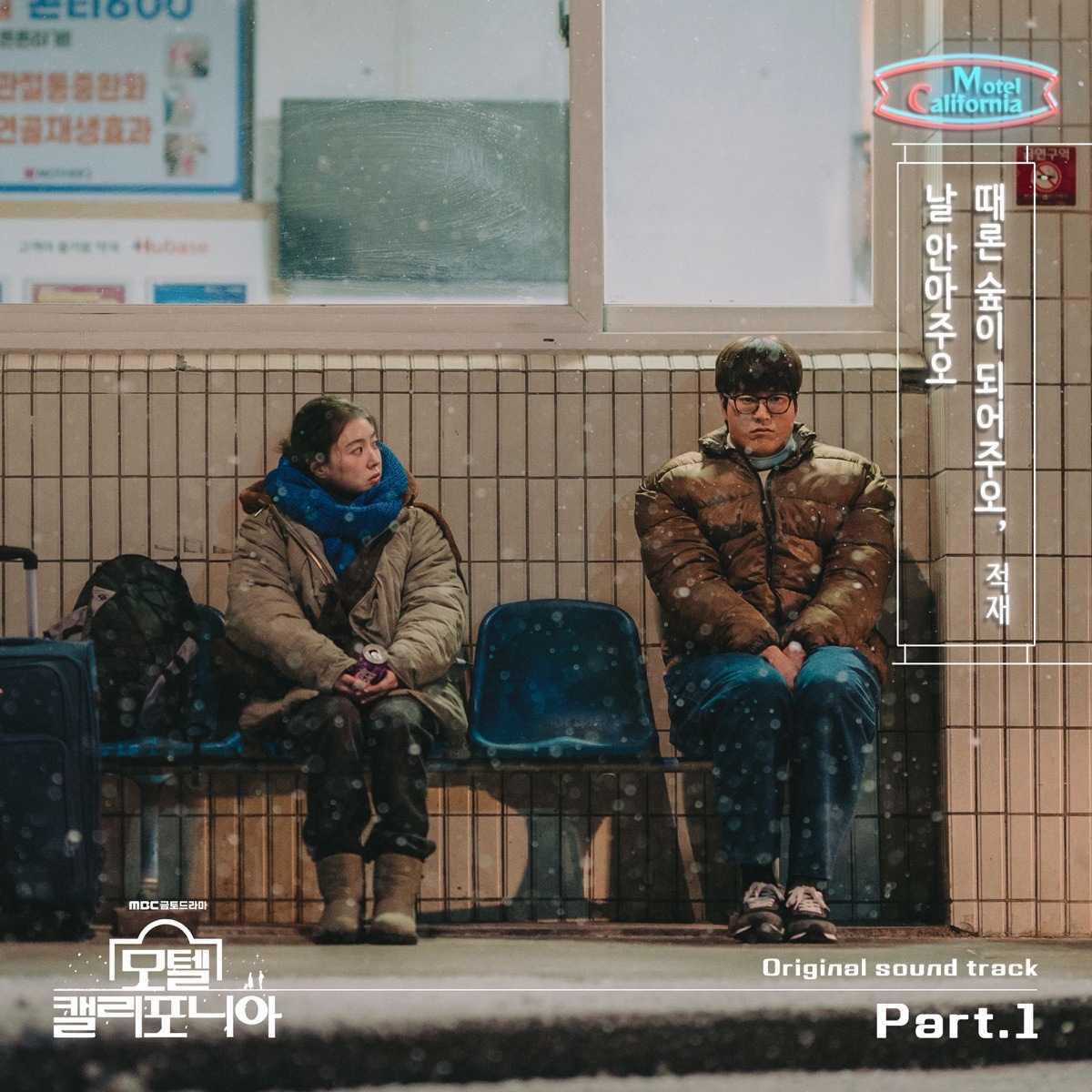
Sometimes Be a Forest, Hold Me
Sometimes Be a Forest, Hug Me
What kind of song and stage is it? "Sometimes Be a Forest, Hug Me" is featured in Part 1 of the drama Motel California OST and is approached in this list as a drama OST conveying a warm sense of protection. The confirmed participation scope includes Jeokjae's solo performance in the drama's OST, without any speculation on equipment information not explicitly stated in the official credits, such as Jeokjae's guitar model, effectors, or tuning. When encountering Jeokjae’s music for the first time, it's better to pay attention to how the introduction draws listeners into the song rather than simply waiting for a famous line. The core emotional essence of this song is closer to a warm-hearted desire to be a resting place for someone. The story unfolds in the spaces between the conversational flowing vocals and instruments rather than through over-the-top emotional explosions. By centering the song around the theme of conveying a sense of warm protection in the drama's OST, it can be distinguished from other similarly calm-sounding tracks. You don’t need to memorize the title or lyrics to validate the song's structure; simply confirming the distance in the first line, expanded view in the chorus, and lingering resonance at the end will suffice.
Guitar and Arrangement In this version, the primary sound you'll first notice is the lyrical arrangement with a band and string textures that support Jeokjae's vocals. The officially confirmed roles and arrangement consist of Jeokjae’s solo input in the drama's OST. The guitar does not exist overtly through radiant solos. Instead, it organizes spaces between vocal phrases, curates the weight of the rhythm, and allows other instruments to bridge in. When listening through earphones, focus on the differences between the left and right placements of the guitar and the directional movement of low tones when the chords shift, also observing how the contours of the guitar are retained even when drums or keys join it. Rather than concluding specific instrument names, it can be advantageous and safe to compare the brightness, reverb, and attack accessible in the voices.
Initial Listening Point Initially, focus on how the song conveys a warm, protective feeling within the drama's OST. Within the first 30 seconds of the introduction, the main rhythm and spatial awareness should emerge, and after the vocals enter, observe whether the accompaniment pushes the narrative forward or leaves it behind. In the chorus, it’s ideal to listen for how the vocal volume is handled, how vowels are extended, the overlapping positions of the chorus, and the groundwork rendered by the bass and kick. Experience the entire song once uninterrupted, then focus exclusively on the guitar in the second listen, and finally track the relationship between the vocals and the rhythm section for clarity in the arrangement role during the third encounter. Where the official video represents a live setting, it’s beneficial to compare the hand movements against the sound timing, keeping in mind that unseen sessions or post-production elements may not be discernible.
Next Recommended Songs and Versions After this song, it would be nice to follow it up with "To Heaven" and then "I'll Be There for You". When comparing the official music of the same track with a live version, rather than deciding which is superior, focus on subtle tonal distinctions in tempo, the duration of instrumental gaps, and the vocal rhythm employed. When transitioning to other songs, look for one common emotional and adjusted arrangement theme to illustrate how Jeokjae's music is not merely encapsulated within 'emotional acoustic'. Within the list, it serves as a directional understanding of the song's foundational version through official music or music videos. Thus, when a song recurs, it is structured to avoid overlap in official versions.
Lyrics and Song Atmosphere Without translating the full lyrics, summarizing the emotions reveals a warm-hearted desire to be a resting place for someone embedded within the song. Jeokjae’s songs tend to uphold everyday scenes akin to simple dialogues rather than monumental declarations. Therefore, it is beneficial to notice how the speaker approaches or retreats regarding the other, and where they stand in the present versus memories, rather than merely zeroing in on the meanings of individual words. Ensure to examine contrasts such as a heartfelt offering placed above bright harmonies or directions of hope unfurling within calm arrangements. Even when used as background music, try to follow the song's pacing and emotional depth rhythmically at least once to comprehend why the sentiments can resonate so genuinely.
Performance and Live Listening Method In a live version, it’s advisable to confirm how the lyrical arrangement supporting the vocals diverges from the original audio. The dynamics in guitar strumming, brief pauses generated by lifting hands, and rhythmic spaces preceding the vocals form the tension on stage. In a band setup, listen intently for where the guitar thickens after drum fills or simplifies instead. If it leans more towards a solo layout, concentrate on how minor tempo shifts and breathing can influence the song’s storytelling. Prioritize the title and description from official channels over viewer comments or fan edits, and resist linking specific instruments or playing styles strictly based on visuals to ensure accurate recording of your listening experience.
Official Credits and Sources This entry confirms Jeokjae's solo performance in Motel California OST. The sources include official artist's pages, agency details, music rights holders, broadcasters, and OST distribution channels. Essential sources are https://www.youtube.com/watch?v=WyQvEu6KNjM and https://music.bugs.co.kr/artist/8008787. The YouTube link has been validated for the public status referring to video ID WyQvEu6KNjM, as well as checking the channel name and title separately. The layout across vocal, featuring, guitar, and arrangement was clearly separated from perceived impressions, and unverified equipment, tuning, or recording environments were not considered factual. Cross-referencing with service album page details and official video statements can lessen confusion when seeking more versions.
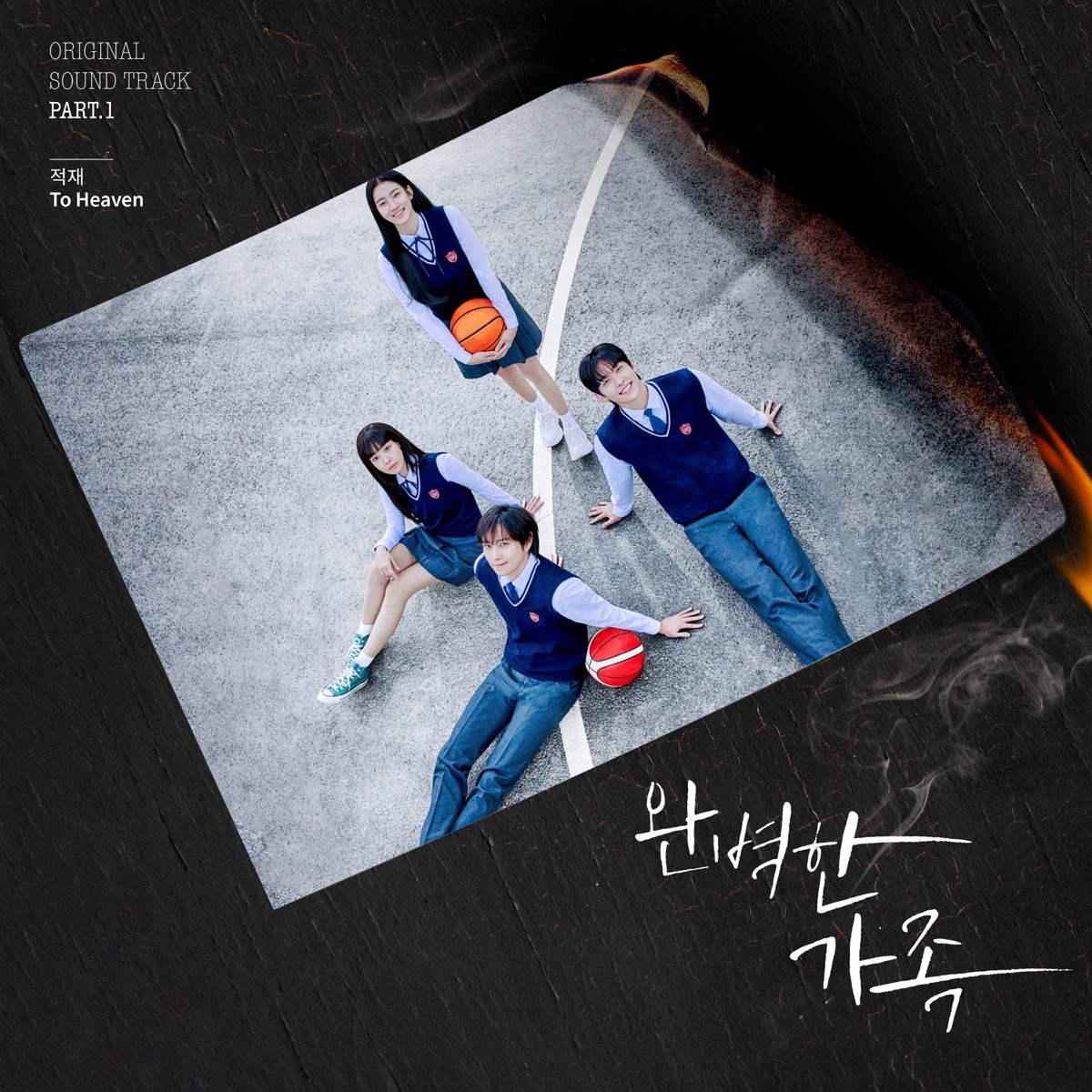
To Heaven
What kind of song and stage is it? "To Heaven" is featured in the OST of the drama The Perfect Family and is approached in this list as an exploration of Jeokjae’s vocals within the tension-filled drama narrative. Confirmed participation scope includes Jeokjae's solo contribution to the drama's OST, without speculating on equipment information not explicitly stated in the official credits, such as Jeokjae's guitar model, effectors, or tuning. When encountering Jeokjae's music for the first time, rather than awaiting a famous line, it's better to focus on how the introduction ushers the listener into the song. The core essence of this piece is closer to the emotional scene where calmness and anxiety coexist. The story is crafted in the affordances between conversational flowing vocals and instruments rather than exaggerated emotional expressions. Focusing on Jeokjae's vocals within the context of a tension-filled drama narrative aids in distinguishing this song's nuances from similarly calm-sounding works. Even without memorizing the title or lyrics, confirming the distance in the first lyric, expanding view in the chorus, and the residual resonance will allow an intuitive grasp of the song's structure.
Guitar and Arrangement In this version, the main sound focuses on arrangements that highlight the vocals clearly. The roles confirmed through official documentation include Jeokjae’s solo contribution to the drama's OST. The guitar doesn’t assert itself merely through brilliant solos. Instead, it plays a role of organization between vocal phrases and manages the rhythm’s weight, allowing space for other instruments to mesh in. When using earphones, observe the placements of guitars in the left and right channels, the direction of bass tones when the chords switch, and how the guitar contour is maintained after the drums or keyboards join. Rather than naming specific equipment, it's more beneficial to compare the brightness, reverb, and intensity of attack based on the sounds actually heard.
Initial Listening Point In the first listen, center your listening on Jeokjae’s vocals within a drama scene filled with tensions. Within the first 30 seconds of introduction, the foundational rhythm and spatial dimensions should appear, and after the vocals enter, you can determine whether the accompaniment is pushing or withdrawing from the narrative. For the chorus, it's not only good to identify how the voice volumes are arranged, the elongation of the vowels, the layering of choruses, but also the grounding qualities brought by bass and kick. Listen through the full song once uninterrupted, then on the second listen, focus only on the guitar, and on the third, hone in on the relationship between the vocals and rhythm section to amplify clarity in the arrangement’s functions. If the official video is live, contrast hand movements against sound elements while acknowledging that unseen sessions or post-production efforts might not be apparent.
Next Recommended Songs and Versions To follow this song, it would be enjoyable to listen to "Memories Become Memories" followed by "Wind". When contrasting the official audio of the same piece with the live counterpart, try to focus on subtleties rather than determining which is superior; the tiny disparities in tempo, breaks in the instrumentals, and the rhythmic deployment of vocals throughout the passage. When navigating to different tracks, look for one common emotional theme and one changed arrangement to illuminate that Jeokjae's music extends beyond simple categorization as 'emotional acoustic'. This entry serves to establish the fundamentals of the song through its official audio or music video. So, while a song may reappear, this structure works to preserve the differentiation within official versions.
Lyrics and Song Atmosphere Without translating the full lyrics, summarizing the emotions reveals a scene where calmness and anxiety exist simultaneously. Jeokjae's music often frames everyday encounters as close conversations instead of grand proclamations. It may be more useful to focus on how closely the speaker approaches or retreats from others, and what moment they find themselves in between present experiences and recollected memories, rather than narrowing down just to the meanings of isolated words. Ensure to keep an eye out for contrasts, such as hesitation placed atop bright harmonies or how hope weaves its way into serene arrangements. Even during background listening while strolling or relaxing at night, at least follow the song's trajectory and rhythm once, understanding why the emotions resonate sincerely.
Performance and Live Listening Method In a live arrangement, confirm how the clear vocal-centered arrangement for the OST diverges from the original tune. Variations in guitar strumming dynamics, brief moments of silence caused by raised hands, and the rhythmic voids before vocals emerge generate the stage tension. In a band setup, listen closely for whether the guitar thickens after drum fills come in or simplifies its role. In instances leaning more towards solo setups, observe how minor tempo shifts or breaths can influence the narrative of the tune. Priority should be placed on the title and description in official channels over viewer comments or fan edits; resistance against concluding instrument details based on mere visual impressions alone can foster accurate listening experiences.
Official Credits and Sources This entry confirms Jeokjae's exclusive vocal performances in The Perfect Family OST. The sources include the official pages of the artist, agency, music rights holders, broadcasters, and OST dispersal channels. Core sources are https://www.youtube.com/watch?v=XG_3hhT0kTo and https://music.bugs.co.kr/artist/8008787. The YouTube link has been validated for public status regarding video ID XG_3hhT0kTo, including the channel name and title. Followed protocols categorize vocal, featuring, guitar, and arrangement details from definitive audible impressions, along with attending to unverified equipment, tuning, or recording settings. Cross-referencing release information on music service pages and the official video details can decrease confusion when pursuing additional versions later.
This collection connects Jeokjae's music through the lens of how his vocal and guitar roles change in various collaborations and production contexts. Rather than trying to remember all the information at once, selecting just one 'point to listen to first' for each item and replaying it is enough. Discovering moments where the same voice and guitar create entirely different distances and temperatures from track to track naturally leads you to the next album and stage beyond the initial impression centered on representative songs.
If you want to focus on the guitar, examine the roles rather than just counting the notes. The chords that support the vocals, the short strokes pushing the rhythm, and the melodies that become clear only in the instrumental sections all perform different functions. Even without detailed knowledge of the equipment, comparing attack, reverb, stereo placement, and spacing with other instruments allows for a detailed listening experience of the arrangement.
If you are someone who listens with a focus on lyrics and atmosphere, tracking the speaker's position can be beneficial. Whether they are speaking directly now, reminiscing about past moments, or closing the gap with someone else can make the same tranquility sound different. You can grasp the emotional direction simply by understanding the title and flow of the song, as well as the arrangement changes before and after the chorus, without needing to replicate long lyrics.
Collaborations and OSTs showcase a different production context than Jeokjae's solo works. Confirming the tone of the featured artist, considering the narrative of the drama scenes, and observing the roles taken in other artists' songs reveals how Jeokjae's guitar and vocals are tuned in external projects. Cultivating the habit of rechecking credits through source links also helps distinguish between similarly titled and re-uploaded videos.
Lastly, for any songs you particularly like, try alternating between the official audio and official live versions. The balance of the completed sounds and the feel of the stage have their distinct advantages. Just comparing one aspect like tempo, instrumental breaks, or the openness of vocals will reveal new scenes. I encourage you to use this collection as a starting point to slowly expand your appreciation to album units and performance videos.
이 포스팅은 쿠팡 파트너스 활동의 일환으로, 이에 따른 일정액의 수수료를 제공받습니다.
댓글 0
로그인 후 댓글을 작성할 수 있습니다.
첫 댓글을 남겨보세요.
이런 리스트는 어때요?


이런 리스트도 추천해요


여기서 멈추기엔 아쉽잖아?
다음에 뭘 볼지 고민하는 시간이 제일 아까워.
주사위가 대신 골라줄게 — 무슨 리스트가 튀어나올지는 굴려봐야 알지.
안 누르면… 평생 궁금하지 않겠어? 👀