A Deep Listening Guide to Jeokjae's Music through Guitar Performance and Arrangement
Focusing on the actual riffs, rhythms, spaces, and ensemble roles rather than the instrument models in arrangements
This collection serves as an advanced listening guide to differentiate the function of the guitar within arrangements from its timbre. Rather than ranking songs simply based on their popularity, it explores how the singer-songwriter’s voice and guitarist’s sensibility are revealed in various proportions. Familiar pieces serve as entry points, while the focus expands to album tracks, collaborations, OSTs, and live performances to naturally connect the many expressions found in Jeokjae's music.
Each item does not merely list basic information about the track. It explains the sounds to be heard first, the relationship between guitar and rhythm section, the positioning of the vocals within sentences, and points of variation in live performances. Information that isn't confirmed by official documentation, like instrument models or effectors, is not assumed; instead, it distinguishes between the timbres heard and the public credits and records them as such.
The order of appreciation is not definitive. In the first round, listen to the entire piece without interruption, in the second, focus on the guitar and bass movements, and in the third, follow the lingering spaces left behind the vocal. If the same track appears in a different list, it has been arranged in a way that does not merely duplicate but varies questions of appreciation based on its role and version such as official audio, concert versions, broadcasts, or acoustic renditions.
The videos chosen are from Jeokjae's official channels, his agency, music rights holders, OST production and distribution channels, and public videos from concert venues and broadcasters. Fan cams or uploads from unclear sources are excluded, and their video IDs along with title, channel, and public status are checked separately. Collaborations and OSTs distinguish whether Jeokjae is the main vocalist, featured artist, or part of a song with another artist.
To break the impression that all quiet music is alike, developing the habit of listening for subtle differences is essential. By comparing the duration of chords, the moments drums come in, and how the chorus expands, one can observe the character of the song. Once you find a piece that resonates, follow up with the next recommended version to compare how Jeokjae expresses emotions in both studio and stage settings.
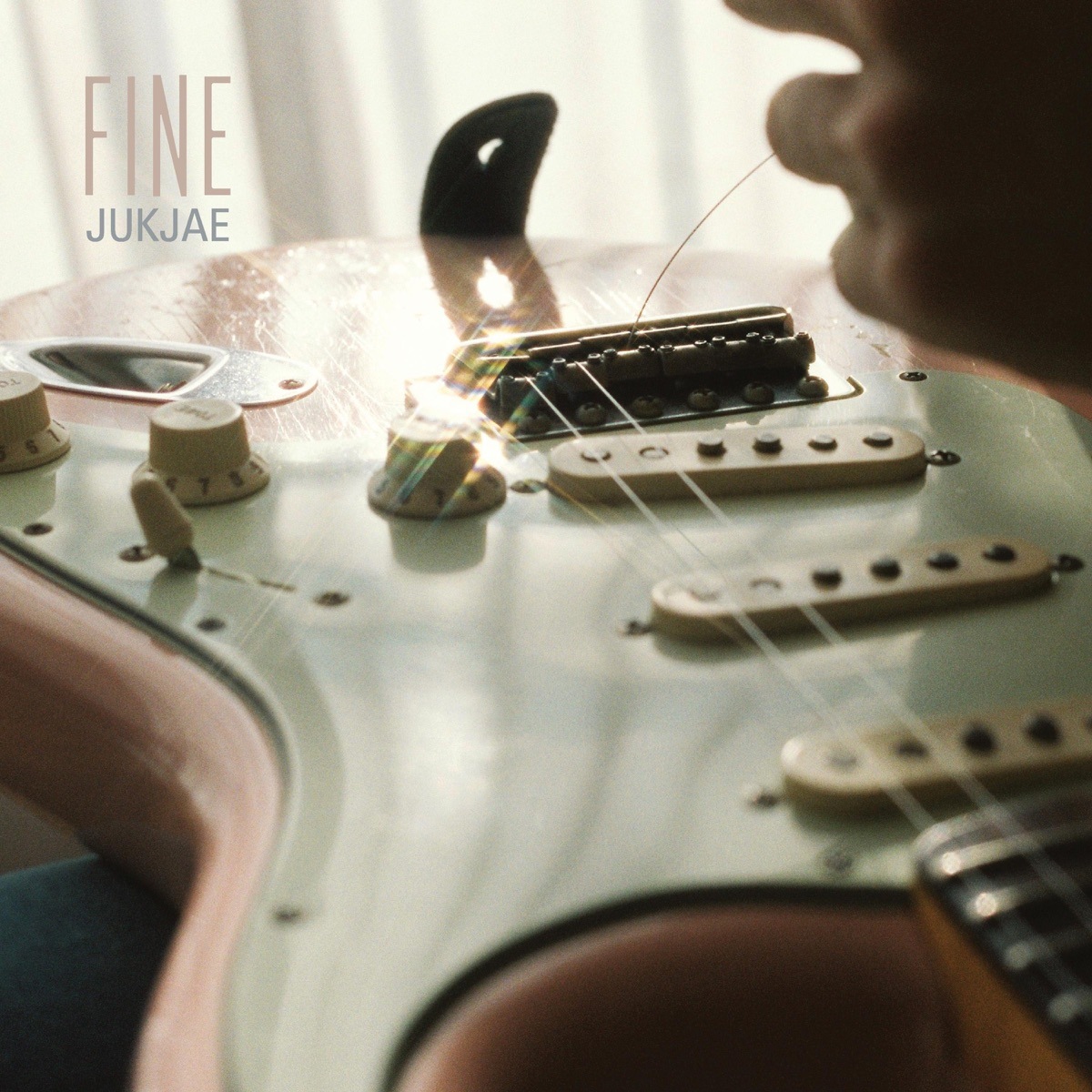
Let's Go Star Gazing — Official Guitar Duet Video
Let's Go Stargazing — Official Guitar Duet Video
What is the song and stage? "Let's Go Stargazing — Official Guitar Duet Video" can be found in the official performance content of EP FINE. In this list, it is chosen from the perspective of a duet arrangement where the song and guitar take turns in their roles. The confirmed participation primarily includes Jeokjae's guitar performance and the collaborative vocalist, and equipment information that isn’t specified in official credits, like Jeokjae's guitar model, effectors, or tuning, is not assumed. When first encountering Jeokjae's music, it is better to listen to how the introduction brings the listener into the piece rather than waiting for the famous line. The essential sentiment of this song closely relates to the guitar that supports rhythm without pushing the melody. The spaciousness between the continuously flowing vocals and instruments creates the story rather than an exaggerated burst of emotion. By focusing on the perspective of a duet arrangement, where the song and guitar take turns, you can differentiate it from other pieces that may seem similarly tranquil. Even if you don’t memorize the entire title or lyrics, by confirming the distance in the first line, the widened perspective in the chorus, and the lingering reverb in the end, the structure of the song becomes naturally organized.
Guitar and Arrangements The primary focus in this version is the movement of one guitar taking responsibility for both rhythm and harmony at the same time. The arrangement confirmed in official materials centers on Jeokjae’s guitar performance and the collaborative vocalist. The guitar does not showcase its presence through a dazzling solo alone. It creates the atmosphere of the piece by organizing between vocal sentences, adjusting the weight of the rhythm, and leaving room for other instruments to come in. When listening with earphones, observe the differences in guitar positioning on the left and right, the direction low frequencies move when the chords change, and how the contours of the guitar are maintained even after drums or keyboards join in. Comparing the brightness of the timbre and reverb, as well as the intensity of the attack, is safer and more useful than defining exact equipment names.
Point of First Listening In your first appreciation, let’s focus on the duet arrangement where the song and guitar take turns. Within the first 30 seconds of the introduction, the main rhythm and sense of space are presented, and after the vocals come in, it becomes evident whether the accompaniment pushes the sentences forward or pulls back. In the chorus, it’s good to listen together to how the volume of the voice is managed along with the lengthening of vowels, the overlapping positions of the chorus, and the foundation created by the bass and kick. Listen once to the entire song without interruption, in the second round focus on just the guitar, and in the third follow only the relationship between the vocals and rhythm section to clarify the role of the arrangement. If the official video is live, compare the movements of the hands and the moments when sounds emerge, but keep in mind that there may be sessions or post-production work not visible on screen.
Next Recommended Songs/Versions After this song, it is advisable to listen to the original version special clip followed by the Tattoo guitar version. When comparing the official audio and live of the same song, let’s pay attention to the subtle differences in tempo, the length of the interlude, and how the vocals utilize the beats before and after. When switching to another song, finding one shared emotion and one altered arrangement helps show that Jeokjae's musical world is not just tied to 'sensitive acoustic'. In this list, it functions as the official performance version that captures the progression of guitar accompaniment conversing with the vocals. Therefore, even if the same song reappears, I ensured that the questions of appreciation do not overlap with other official versions.
Lyrics and Atmosphere of the Song If I summarize the emotional content without translating the lyrics fully, it addresses the guitar that supports breath behind the melody without pushing it. Jeokjae's songs often present everyday scenes as close conversations rather than transforming them into grand declarations. Therefore, it is more useful to observe how close the speaker gets to or pulls away from the other person, and where they stand between present and memory, rather than the meaning of individual words. Confirm contrasts where hesitation sits on bright harmonies, or where hope emerges from calming arrangements. Even when listening for walks, at night, or for relaxation, if you don’t let it just flow as background music, but follow the song's perspective and breath at least once, you will hear the reasons for unexaggerated emotions.
How to Appreciate the Performance/Live In the live performance, it’s good to check how the movement of the single guitar simultaneously holding rhythms and harmonies differs from the recorded version. The dynamics of guitar strokes, short pauses created when letting go, and the timing just before the vocals creates real-stage tension. If it’s a band arrangement, pay attention to whether the guitar becomes denser or rather simpler after the drum fills come in. In a solo-like arrangement, note how small tempo fluctuations and breaths change the narrative of the song. Prioritize the official channel's title and description, as well as album credits over video comments or fan edit information; not confirming instrument models or detailed techniques solely based on visuals helps maintain accurate appreciation records.
Official Credits and Materials The role confirmed in this item is ‘songs under Jeokjae’s name focusing on vocals and guitar’. I prioritized the official pages of the artist, agency, and music rights holder, as well as the broadcasting and OST distribution channels. Key sources are YouTube, Bugs Music. The YouTube links are checked separately for the public status of video ID v4y6L2EA_RA along with the channel name and title. I separated what’s indicated in the credits regarding vocals, featuring, guitar, and arrangement from what is actually audible, and I didn’t treat unverified equipment, tuning, and recording environments as fact. Cross-referencing release information on the album pages of music services and the official video’s notations can reduce confusion when looking for other versions afterwards.
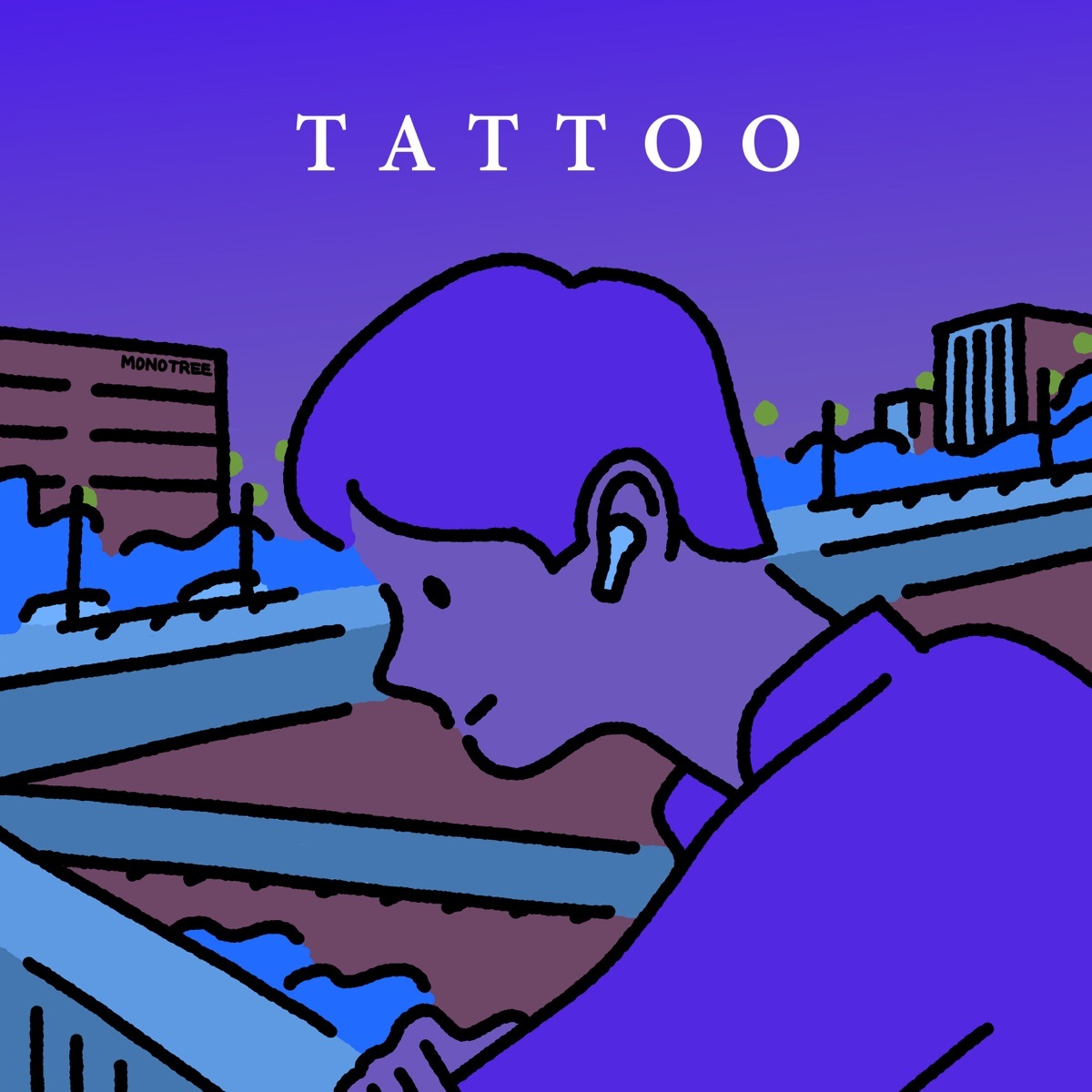
Tattoo — Guitar Version
What is the song and stage? "Tattoo — Guitar Version" can be found live on KBS Radio as part of the single Tattoo. In this list, it is chosen from the perspective of how the band's sound shifts to a guitar-centered arrangement. The confirmed participation includes Jeokjae's live vocals and guitar, and equipment information that isn’t specified in official credits, such as Jeokjae's guitar model, effectors, or tuning, is not assumed. When first encountering Jeokjae's music, it is better to listen for how the introduction draws the listener into the song rather than wait for the famous line. The essential sentiment of this piece closely relates to the tension created by brief pauses and attacks. The spaciousness between the flowing vocals and instruments creates the story instead of an exaggerated emotional explosion. By focusing on the way how the band's sound transitions into a guitar-centered arrangement, you can distinguish it from other similarly tranquil pieces without having to memorize the entirety of the title or lyrics. Confirming the distance in the first line, the widened perspective in the chorus, and the lingering reverb in the end will naturally shape the song's structure.
Guitar and Arrangements In this version, the primary focus should be on the guitar's texture, where strokes and mutes take over. The arrangement confirmed in official materials centers on Jeokjae’s live vocals and guitar. The guitar does not showcase its presence through a dazzling solo alone. It adjusts the weight of the rhythm, organizes between vocal sentences, and leaves room for other instruments to come in, thereby creating the song's temperature. When listening with earphones, observe the differences in the guitar positioning on the left and right, the direction low frequencies move when chords change, and how the contours of the guitar are maintained even after drums or keyboards join in. Comparing the brightness of the timbre and reverb, as well as the intensity of the attack, is safer and more useful than defining exact equipment names.
Point of First Listening In your first appreciation, let’s focus on how the band's sound shifts to a guitar-centered arrangement. Within the first 30 seconds of the introduction, the main rhythm and sense of space are presented, and after the vocals come in, it becomes evident whether the accompaniment pushes the sentences forward or pulls back. In the chorus, it’s good to listen together to how the volume of the voice is managed along with the lengthening of vowels, the overlapping positions of the chorus, and the foundation created by the bass and kick. Listen once to the entire song without interruption, in the second round focus on just the guitar, and in the third, follow only the relationship between the vocals and rhythm section to clarify the role of the arrangement. If the official video is live, compare the movements of the hands and the moments when sounds emerge, but keep in mind that there may be sessions or post-production work not visible on screen.
Next Recommended Songs/Versions After this song, it is advisable to listen to the official music video of Tattoo followed by the live version of View. When comparing the official audio and live of the same song, let’s pay attention to the subtle differences in tempo, the length of the interlude, and how the vocals utilize the beats before and after. When switching to another song, finding one shared emotion and one altered arrangement helps show that Jeokjae's musical world is not simply tied to 'sensitive acoustic'. In this list, it functions as the radio performance version that has been rearranged to focus on guitars. Therefore, even if the same song reappears, I ensured that the questions of appreciation do not overlap with other official versions.
Lyrics and Atmosphere of the Song If I summarize the emotional content without translating the lyrics fully, it addresses the tension created by short pauses and attacks. Jeokjae's songs often present everyday scenes as close conversations rather than transforming them into grand declarations. Therefore, it is more useful to observe how close the speaker gets to or pulls away from the other person, and where they stand between present and memory, rather than the meaning of individual words. Confirm contrasts where hesitation sits on bright harmonies, or where hope emerges from calming arrangements. Even when listening for walks, at night, or for relaxation, if you don’t let it just flow as background music but follow the song's perspective and breath at least once, you will hear the reasons for unexaggerated emotions.
How to Appreciate the Performance/Live In the live performance, it’s good to check how the texture of guitar strokes and mutes changes from the recorded version. The dynamics of guitar strokes, short pauses created when letting go, and the timing just before the vocals create real-stage tension. If it’s a band arrangement, pay attention to whether the guitar becomes denser or simpler after the drum fills come in. In a solo-like arrangement, note how small tempo fluctuations and breaths change the narrative of the song. Prioritize the official channel's title and description, as well as album credits over video comments or fan edit information; not confirming instrument models or detailed techniques solely based on visuals helps maintain accurate appreciation records.
Official Credits and Materials The role confirmed in this item is ‘songs under Jeokjae’s name focusing on vocals and guitar’. I prioritized the official pages of the artist, agency, and music rights holder, as well as the broadcasting and OST distribution channels. Key sources are YouTube, Bugs Music. The YouTube links are checked separately for the public status of video ID gGmeotfqdro along with the channel name and title. I separated what’s indicated in the credits regarding vocals, featuring, guitar, and arrangement from what is actually audible, and I didn’t treat unverified equipment, tuning, and recording environments as fact. Cross-referencing release information on the album pages of music services and the official video’s notations can reduce confusion when looking for other versions afterwards.
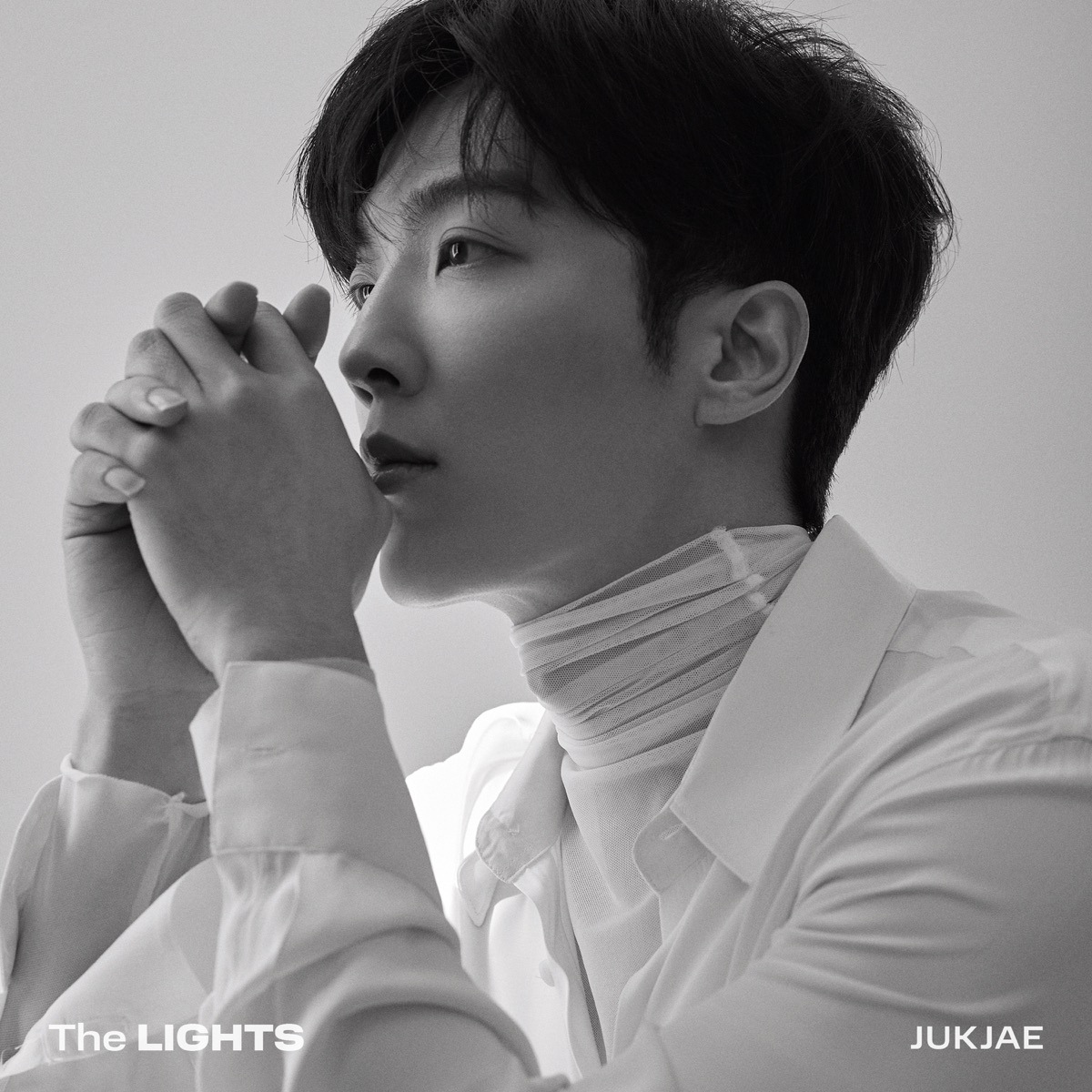
Light — Acoustic Live
What is the song and stage? "Light — Acoustic Live" can be found as the title song of the second studio album The LIGHTS, and in this list, it is chosen from the perspective of reinterpreting the multi-layered audio through an acoustic lens. The confirmed participation includes Jeokjae's live vocals and guitar, and equipment information that isn’t specified in official credits, like Jeokjae's guitar model, effectors, or tuning, is not assumed. When first encountering Jeokjae's music, it is better to listen to how the introduction brings the listener into the piece rather than waiting for the famous line. The essential sentiment of this piece closely relates to competing distances between featuring audio and solo live performances. The spaciousness between the continuously flowing vocals and instruments creates the story rather than an exaggerated burst of emotion. By focusing on the way reinterpreting multi-layered audio through an acoustic lens is questioned, you can distinguish it from other pieces that seem similarly tranquil as well. Even if you don’t memorize the entire title or lyrics, by confirming the distance in the first line, the widened perspective in the chorus, and the lingering reverb in the end, the structure of the song becomes naturally organized.
Guitar and Arrangements In this version, the primary focus should be on the acoustic guitar that broadens the resonance between chords and vocals. The arrangement confirmed in official materials centers on Jeokjae’s live vocals and guitar. The guitar does not showcase its presence through a dazzling solo alone. It organizes between vocal sentences, adjusts the weight of the rhythm, and leaves room for other instruments to come in, thereby creating the song's temperature. When listening with earphones, take note of the difference between the guitars placed on the left and right, the direction low frequencies move when chords are changed, and how the contours of the guitar are maintained after drums or keyboards join. Comparing the brightness of the timbre and reverb, as well as the intensity of the attack, is safer and more useful than defining exact equipment names.
Point of First Listening In your first appreciation, let’s focus on reinterpreting the multi-layered audio through an acoustic lens. Within the first 30 seconds of the introduction, the main rhythm and sense of space are presented, and after the vocals come in, it becomes evident whether the accompaniment pushes the sentences forward or pulls back. In the chorus, it’s good to listen together to how the volume of the voice is managed along with the lengthening of vowels, the overlapping positions of the chorus, and the foundation created by the bass and kick. Listen once to the entire song without interruption, in the second round focus on just the guitar, and in the third, follow only the relationship between the vocals and rhythm section to clarify the role of the arrangement. If the official video is live, compare the movements of the hands and the moments when sounds emerge, but keep in mind that there may be sessions or post-production work not visible on screen.
Next Recommended Songs/Versions After this song, it’s suggested to listen to the official audio featuring Baek Yerin followed by Runaway. When comparing the official audio and live of the same song, let’s pay attention to the subtle differences in tempo, the length of the interlude, and how the vocals utilize the beats before and after. When switching to another song, finding one shared emotion and one altered arrangement helps illustrate that Jeokjae's musical world does not solely belong to 'sensitive acoustic'. In this list, it serves as the official live version that transforms the featuring official audio into a solo acoustic grammar. Therefore, even if the same song reappears, the questions of appreciation are distinguished from other official versions.
Lyrics and Atmosphere of the Song If I summarize the emotional content without translating the lyrics fully, it addresses the distance comparison between featuring audio and solo live performances. Jeokjae's songs often present everyday scenes as close conversations rather than transforming them into grand declarations. Therefore, it is more useful to observe how close the speaker gets to or pulls away from the other person, and where they stand between present and memory, rather than the meaning of individual words. Confirm contrasts with hesitation sitting atop bright harmonies, or where hope emerges from calming arrangements. Even when listening for walks, at night, or for relaxation, if you don’t let it just flow as background music but follow the song's perspective and breath at least once, you will hear the reasons for unexaggerated emotions.
How to Appreciate the Performance/Live In the live performance, it’s good to check how the acoustic guitar, which broadens the resonance between chords and vocals, differs from the recorded version. The dynamics of guitar strokes, short pauses created when letting go, and the timing just before the vocals generates real-stage tension. In a band arrangement, note how the guitar thickens or simplifies after entering the drum fills. When it is closer to a solo arrangement, observe how slight tempo variations and breaths change the narrative of the song. Prioritize the official channel's title and description, as well as album credits over video comments or fan edit information; not confirming instrument models or detailed techniques solely based on visuals helps maintain accurate appreciation records.
Official Credits and Materials The role confirmed in this item is ‘songs under Jeokjae’s name focusing on vocals and guitar’. I prioritized the official pages of the artist, agency, and music rights holder, as well as the broadcasting and OST distribution channels. Key sources are Bugs Music, YouTube. The YouTube links are checked separately for the public status of video ID tvCnq0U2L-E along with the channel name and title. I separated what’s indicated in the credits regarding vocals, featuring, guitar, and arrangement from what is actually audible, and I didn’t treat unverified equipment, tuning, and recording environments as fact. Cross-referencing release information on the album pages of music services and the official video’s notations can reduce confusion when looking for other versions afterwards.
SAY — I'm Live
What is the song and stage? "SAY — I'm Live" is a track on the second studio album The LIGHTS. In this list, it is chosen from the perspective of how the guitar connects rhythm and vocals within the band. The confirmed participation includes Jeokjae's vocals and guitar, with the regular album credits listing drums (Im Joo-chan), bass (Yang Yeong-ho), and piano (Jeon Yong-jun), and equipment information that isn’t specified in official credits, like Jeokjae's guitar model, effectors, or tuning, is not assumed. When first encountering Jeokjae's music, it is better to listen for how the introduction draws the listener into the song rather than wait for the famous line. The essential sentiment of this piece closely relates to the spaces in the first line and the band's expansion in the chorus. The spaciousness between the continuously flowing vocals and instruments creates the story rather than an exaggerated burst of emotion. By focusing on how guitar connects rhythm and vocals within the band, you can distinguish it from other pieces that may seem similarly tranquil. You don’t need to memorize the entire title or lyrics; confirming the distance in the first line, the widened perspective in the chorus, and the lingering reverb in the end will naturally shape the song's structure.
Guitar and Arrangements The main focus in this version is the ensemble that grows by overlapping guitar, piano, and the rhythm section. The confirmed arrangement roles include Jeokjae's live vocals, guitar, drums (Im Joo-chan), bass (Yang Yeong-ho), and piano (Jeon Yong-jun). The guitar does not showcase its presence through a dazzling solo alone. It organizes between vocal sentences, adjusts the weight of the rhythm, and leaves space for other instruments to create the temperature of the piece. When listening with earphones, note the differences in guitar placement between the left and right, the direction low frequencies move when chords change, and how the contours of the guitar are maintained after drums or keyboards come in. Comparing the brightness of the timbre and reverb, as well as the intensity of the attack, is safer and more useful than defining exact equipment names.
Point of First Listening When you first listen, let’s focus on how the guitar connects rhythm and vocals within the band. In the first 30 seconds of the introduction, the main rhythm and sense of space are presented, and after the vocals come in, it becomes obvious whether the background pushes the sentences forward or pulls back. In the chorus, it’s good to listen together to how the volume of the voice is managed, the lengthening of vowels, the overlapping positions of the chorus, and the foundation created by the bass and kick. Try to listen to the entire song without interruption at first, then the guitar only, and in the third listen, focus on the relationship between the vocals and the rhythm section to make the role of the arrangement clearer. If the official video is live, compare the movements of the hands and the moments when sounds emerge, keeping in mind that there may be sessions or post-production that are not visible on screen.
Next Recommended Songs/Versions After this song, you should listen to the Runaway band live version followed by the official lyric video. When comparing the official audio and live of the same song, focus on the nuanced differences in tempo, the length of the interlude, and how the vocals utilize the beats before and after. When transitioning to a different song, look for one common emotion and one changed arrangement to demonstrate that Jeokjae's musical world isn't simply categorized as 'sensitive acoustic'. In this list, it occupies the role of verifying the layers of arrangement through the actual performance in a broadcasting setting. Thus, even if the same song reappears, I have made sure to keep the appreciation questions distinct from other official versions.
Lyrics and Atmosphere of the Song Summarizing the emotional content without translating the lyrics, it deals with the presence of spaces in the first line and the expansion of the band in the chorus. Jeokjae's songs often present everyday scenes as close conversations rather than transforming them into grand declarations. Therefore, it is more useful to observe how close the speaker draws to or retreats from the other person, and where they stand in present and memory, rather than the meaning of individual words. Confirm contrasts where hesitations rest on bright harmonies, or where hope arises in calming arrangements. When listening for walks, at night, or for relaxation, if you don’t let it just be background music but at least once follow the song's perspective and breath, you will understand the reasons for the unexaggerated emotions.
How to Appreciate the Performance/Live In the live performance, check how the texture of guitar, piano, and rhythm sections overlapping grows compared to the audio. The dynamics of guitar strokes, short pauses when letting go, and gaps right before the vocals form the tension of a live stage. In a band arrangement, observe whether the guitar becomes denser or rather simpler after drums enter. If it’s closer to a solo arrangement, note how small tempo fluctuations and breaths change the story of the song. Prioritize the official channel's title and description, as well as album credits over video comments or fan edit information; confirming instrument models or detailed techniques solely through visuals assists in preserving accurate appreciation records.
Official Credits and Materials The role confirmed in this item is ‘songs under Jeokjae’s name focusing on vocals and guitar’. I prioritized the official pages of the artist, agency, music rights holder, and the official distribution channels. Key sources are Bugs Music, YouTube. The YouTube links are checked separately for the public status of video ID QnM050J-MyQ along with the channel name and title. I separated what’s indicated in the credits regarding vocals, featuring, guitar, and arrangement from what is actually audible, and I didn’t treat unverified equipment, tuning, and recording environments as fact. Cross-referencing release information on the album pages of music services and the official video’s notations can reduce confusion when looking for other versions afterwards.
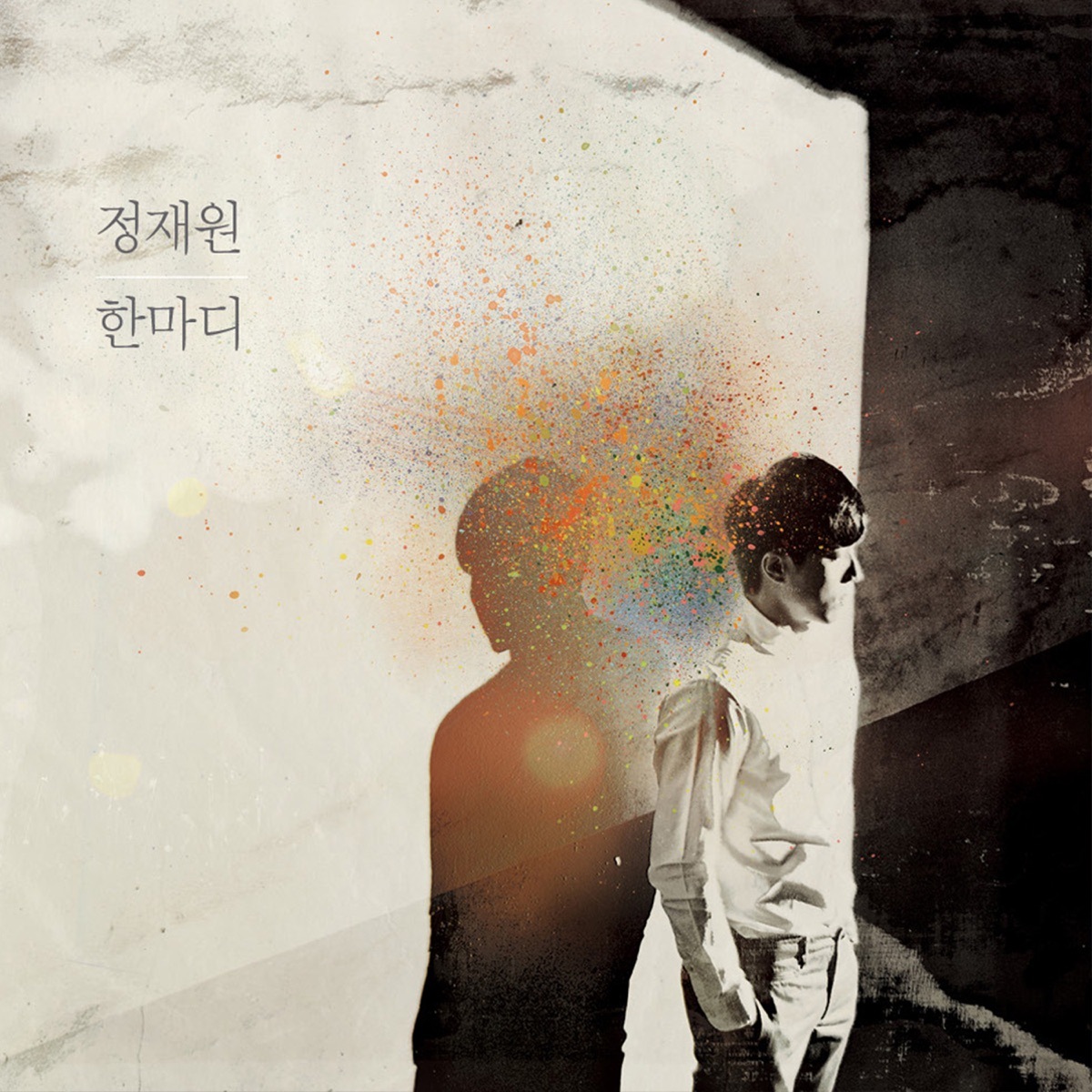
View — Real Music's 난장
View — Real Music Jam
What is the song and stage? "View — Real Music Jam" is a track from the first studio album One Word. In this list, it is chosen from the perspective of the early jazz and pop sensibility of Jeokjae’s music and the space of the guitar. The confirmed participation includes Jeokjae's live vocals, guitar, and concert band, while equipment information that isn’t specified in official credits, such as Jeokjae's guitar model, effectors, or tuning, is not assumed. When you first encounter Jeokjae's music, it’s better to listen to how the introduction pulls the listener into the song rather than waiting for the famous line. The essential sentiment of this piece closely relates to the long breath evident in his early original works. The spatiality created between the flowing vocals and instruments serves the story over an exaggerated emotional outburst. By framing the early jazz and pop aesthetics and guitar space as the central question, you can separate it from other seemingly tranquil pieces. You don’t need to memorize the entire title or lyrics; confirming the distance in the first line, the perspective changes in the chorus, and the lingering reverb in the end will naturally define the structure of the song.
Guitar and Arrangements In this version, the primary focus is on the guitar that vacillates between melody and rhythm behind the vocals. The confirmed arrangement roles include Jeokjae's live vocals, guitar, and concert band. The guitar does not showcase its presence through a dazzling solo alone. It organizes between vocal sentences, adjusts the rhythm’s weight, and creates the song’s temperature by leaving space for other instruments. When listening with earphones, observe the differences in guitar positioning between the left and right, the direction low frequencies move when chords change, and how the contours of the guitar maintain their form even after drums or keyboards join. Comparing the brightness of the timbre and reverb, as well as the intensity of the attack, is safer and more useful than defining exact equipment names.
Point of First Listening During your first listen, let’s concentrate on the early jazz and pop aesthetics of Jeokjae’s music and the guitar’s space. Within the first 30 seconds of the introduction, the primary rhythm and sense of space are presented, and after the vocals come in, it becomes clear whether the accompaniment supports the sentences or pulls back. In the chorus, it’s beneficial to listen alongside the density of voice volume, the duration of vowels, the overlapping positions of the chorus, and the depth created by bass and kick. Listen to the entire song once without interruption, then just the guitar, and in the third round, hone in on the relationship between the vocals and rhythm section to clarify the arrangement's role. If the official video is live, contrast the movements of the hands and the moments when sounds emerge, taking care to remember that there may be unseen sessions or post-production work.
Next Recommended Songs/Versions After this song, it’s good to listen to the Dream nationwide tour live version followed by The Door. When comparing the official audio and live versions, focus more on nuanced differences in tempo, the lengths of interludes, and the vocalist's manipulation of beats before and after rather than determining which is superior. When transitioning to another track, try to look for one shared emotion and one shifted arrangement, allowing Jeokjae's musical world to extend beyond simple 'sensitive acoustic.' Within this list, it serves as a performance version that showcases the band’s ensemble approach and guitar phrasing. Thus, even when the same song returns, I’ve ensured the appreciation questions remain distinct from other official versions.
Lyrics and Atmosphere of the Song To summarize the emotional content without directly quoting the lyrics, it focuses on the long breath evident in his early original works. Jeokjae's songs often present everyday moments as intimate conversations rather than monumental declarations. Thus, it’s useful to observe how close the speaker moves toward or away from someone else, and where they are positioned between present and memory, rather than the specific meaning of individual words. Confirm contrasts with hesitation atop bright harmonies or the emergence of hope within quiet arrangements. Even when listening for walks, at night, or for relaxation, if you follow the song's perspective and breath at least once instead of letting it recede into background noise, you will grasp the reasons behind the unexaggerated emotions.
How to Appreciate the Performance/Live In this live setting, it’s good to check how guitar alternates between melody and rhythm behind the vocals differs from the recorded audio. The dynamics of guitar strokes, short pauses when releasing tension, and placing rests just before the vocals create tension in the live space. When it’s a band arrangement, note how the guitar thickens or simplifies once the drum fills come into play. If it’s closer to a solo arrangement, observe how minor tempo shifts and breathing influence the song's narrative. Prioritize the official channel’s title and description, and album credits over video comments or fan-edit details; confirming instrument models or elaborate techniques solely through visuals greatly aids in maintaining accurate appreciation records.
Official Credits and Materials The role confirmed in this item is ‘songs under Jeokjae’s name focusing on vocals and guitar’. I prioritized the official pages from the artist, agency, music rights holders, and official distribution channels. Key sources include Bugs Music, YouTube. The YouTube links are checked separately, paying attention to the public status of video ID B-UQSggYTf0, along with the channel name and title. I distinguished the vocals, featuring, guitar, and arrangement mentioned in the credits from the actual experience and avoided treating any unverified equipment, tuning, or recording environments as fact. Cross-referencing the release information on service pages along with the official video notations can help mitigate confusion when seeking out other versions after.
Dream — Nationwide Tour Live
What is the song and stage? "Dream — Nationwide Tour Live" can be found in the first studio album One Word. In this list, it is chosen from the perspective of lengthening breaths and dynamics during concerts. The confirmed participation includes Jeokjae's live vocals, guitar, and tour band, and equipment information that isn’t specified in official credits, such as Jeokjae's guitar model, effectors, or tuning, is not assumed. When you first encounter Jeokjae's music, it’s better to listen to how the introduction brings the listener into the song rather than waiting for the famous line. The essential sentiment of this piece closely relates to the threshold of ensemble transitioning from a quiet state to expansion. The spaciousness between the ultimately continuing vocals and instruments forms the story without an outright emotional explosion. By focusing on the dynamics of lengthening breaths during concerts, you can differentiate this song from others that may seem similarly tranquil. Even without memorizing the entire title or lyrics, by confirming the distance in the first line, the widening perspective in the chorus, and lingering reverberation in the end, the song's structure can become naturally clear.
Guitar and Arrangements In this version, the primary focus is on the guitar connecting the quiet introduction and later ensemble. The confirmed participation includes Jeokjae's live vocals, guitar, and the tour band. The guitar does not showcase its presence through a dazzling solo alone. It organizes between vocal sentences, adjusts the weight of rhythm, and creates the piece's temperature by leaving space for other instruments. When listening with earphones, observe the differences in guitar placement between the left and right, the direction low frequencies move when chords change, and how the contour of the guitar is maintained even after drums or keyboards join in. Comparing the brightness of the timbre and reverb, as well as the intensity of the attack, is safer and more useful than defining exact equipment names.
Point of First Listening In your first listen, let’s focus on how the dynamics lengthen and shift in the concert environment. Within the first 30 seconds of the introduction, the primary rhythm and sense of space are presented, and once the vocals enter, it becomes clear whether the accompaniment pushes the sentences forward or recedes. In the chorus, listen carefully to how the volume of the voice is managed, the length of vowels, the overlap of the chorus, and how the bass and kick create the foundational rhythm together. Try to listen once without interruptions, in the second round focus on just the guitar, and in the third focus on the relationship between the vocals and rhythm section to clarify the role of the arrangement. If the official video is a live performance, juxtapose the movements of the hands with the moments the sounds emerge, but keep in mind that there may be unseen sessions or post-production afterwards.
Next Recommended Songs/Versions Following this song, you might enjoy the Memory nationwide tour live version followed by View. When comparing the official audio and live versions of the same song, consider the subtle differences in tempo, the lengths of interludes, the use of beats around the vocals rather than trying to conclude which version is superior. When moving on to a new song, look for a commonality in emotion along with a transformed arrangement to understand that Jeokjae’s musical landscape is not limited to just 'sensitive acoustic'. In this list, it functions as the actual performance version that verifies the dynamics of the song during the official nationwide tour stage. So even if the same song reappears, I ensured the appreciation questions are distinct from other official versions.
Lyrics and Atmosphere of the Song Without quoting the entire lyrics, summarizing the emotional content indicates a transition from a quiet state to a larger ensemble. Jeokjae's songs usually depict everyday scenes as intimate conversations rather than grand declarations. Thus it is more productive to observe how the speaker gets closer to or further away from another person, and where they are positioned within the context of current versus memory, rather than defining the specific meanings of individual words. Note the contrasts where hesitations settle on bright harmonies or where hope arises within peaceful arrangements. Even while listening for walks, at night, or for relaxation, if you choose not to let it simply flow as background music, but to follow the song’s perspective and rhythm at least once, you’ll comprehend the reasons for the understated emotions.
How to Appreciate the Performance/Live In the live performance, it’s beneficial to examine how the guitar connects the quiet introduction and later ensemble compared to the recorded audio. Variations in guitar stroke dynamics, short pauses created as tension is released, and rests before the vocal phrases create audience tension during the live setting. Pay attention to how the guitar either thickens or simplifies once the drum fills enter in a band arrangement. If a solo-focused arrangement emerges, consider how tiny tempo shifts and breaths alter the song’s narrative. It is advisable to prioritize the official channel’s title, description, and album credits over audience comments or fan edits; confirming instrument models or specific techniques solely through visuals aids in ensuring accurate appreciation records.
Official Credits and Materials The role confirmed in this item is ‘songs under Jeokjae’s name focusing on vocals and guitar’. I prioritized the formal pages from the artist, agency, music rights holders, and official distribution channels. Key sources include Bugs Music, YouTube. The YouTube links are checked for the public status of video ID DaefYI_QCWI, along with the channel name and title. I distinguished the vocals, featuring, guitar, and arrangement mentioned in the credits from what is actually audible, and I didn’t treat any unverified equipment, tuning, or recording environments as fact. Cross-referencing the release information on the service pages along with the official video notations helps alleviate confusion when looking for other versions afterwards.
This collection connects Jeokjae's music based on the criterion of distinguishing the guitar's role within arrangements rather than its timbre. Rather than trying to remember all the information at once, simply select one 'point to first listen' from each item and replay it. When discovering the moments where the same voice and guitar create different distances and warmth in each song, it's easy to transition naturally from the initial impression based on the representative song to the next albums and stages.
If you want to focus on the guitar, consider the roles over the number of sounds. Codes that support the vocals, short strokes pushing the rhythm, and melodies that become clearer only during the interlude each serve different functions. Even without precise knowledge of equipment, comparing the attack and reverb, placement left and right, and the distance from other instruments allows for a detailed appreciation of the arrangement.
For those who focus on lyrics and atmosphere, it’s great to follow the position of the speaker. Whether they are speaking to someone, reflecting on past scenes, or narrowing the distance with the other party makes even the same tranquility sound different. Even without replicating long lyrics, you can gauge the direction of emotion just by looking at the title, the flow of the song, and the changes in orchestration before and after the chorus.
Collaborations and OSTs reveal different production contexts compared to Jeokjae’s solo works. By checking the timbre of the featured artists, developments informed by drama scenes, and roles in other artists’ songs, you can see how Jeokjae's guitar and vocals are coordinated within external projects. Cultivating the habit of re-checking credits via source links is also helpful in distinguishing among similarly titled and re-uploaded videos.
Finally, for songs that resonate with you, try alternating between the official audio and the official live version once. The balance of the completed sound and the breath of the stage present different advantages. Comparing just one aspect — the tempo, the length of the interlude, or the silence around the vocals — can reveal new scenes. I encourage you to use this collection as a starting point to slowly expand to album-based listening and concert videos.
이 포스팅은 쿠팡 파트너스 활동의 일환으로, 이에 따른 일정액의 수수료를 제공받습니다.
댓글 0
로그인 후 댓글을 작성할 수 있습니다.
첫 댓글을 남겨보세요.
이런 리스트는 어때요?


이런 리스트도 추천해요


여기서 멈추기엔 아쉽잖아?
다음에 뭘 볼지 고민하는 시간이 제일 아까워.
주사위가 대신 골라줄게 — 무슨 리스트가 튀어나올지는 굴려봐야 알지.
안 누르면… 평생 궁금하지 않겠어? 👀