
Jukjae's Official Live Collection Deepening on Stage
A collection of performances highlighting the changes in actual play and arrangements from official concerts, broadcasts, and live channels.
This collection is for experiencing Jukjae’s music through official live performance videos, comparing the breath, ensemble, and interludes that differ from studio recordings. Instead of ranking songs based on popularity, we examine how the singer-songwriter's voice and the guitarist's feel manifest in different proportions. Starting with familiar songs, we broaden our perspective by including album tracks, collaborations, OSTs, and live performances, naturally linking various expressions of Jukjae's music.
Each item does not merely list the basic information of the songs. It first explains the sounds to listen for in the introduction, the relationship between guitar and rhythm sections, where vocals place sentences, and how things change in live performances. Any information not confirmed through official materials, such as guitar models or effectors, is not speculated upon but recorded based on audible timbre and public credits.
The order of appreciation is not definitive. In the first listen, hear the whole song uninterrupted, in the second, focus on the movement of guitar and bass, and in the third, follow the space left behind the vocals. If the same song appears again on another list, its comment questions and roles in a formal audio version, concert, broadcast, or acoustic rendition differ to avoid simple redundancy.
The videos were selected from Jukjae's official channel, agency, audio rights holders, OST production and distribution channels, and public performances and broadcasts. Fan cams or reuploads with unclear sources are excluded, and video IDs, titles, channels, and visibility status are separately verified. Collaborations and OSTs are distinguished based on whether Jukjae is the vocalist or a featuring artist, allowing easy recognition of songs he worked on with other artists.
To escape the impression that all quiet music is similar, it’s important to develop the habit of listening for small differences. Just comparing the time a chord rings out, the moment drums come in, or how the chorus expands in the refrain can change the nature of the song. If you find a song that resonates with you, follow it up with the next recommended version to compare how Jukjae handles emotions in the studio versus on stage.
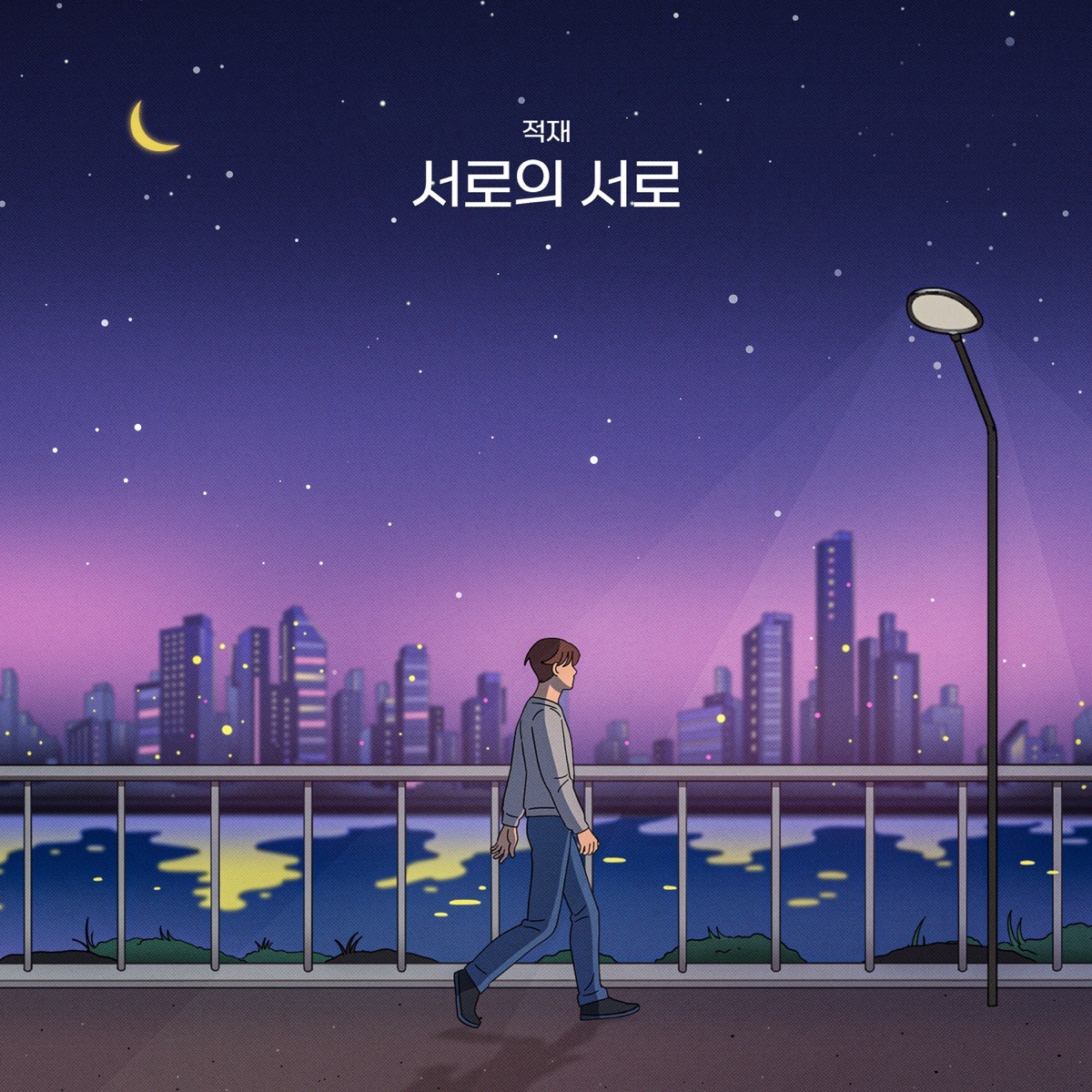
Seoro ui Seoro — 2021 Nationwide Tour
Seoro-ui Seoro — 2021 National Tour
What song and stage is this? Seoro-ui Seoro — 2021 National Tour is a song you can find in the tour performances of the single “Seoro-ui Seoro,” selected in this list for its narrative extended with a concert feel. The verifiable participation range includes Jukjae’s live vocals and guitar, along with the official tour band; any unconfirmed equipment like Jukjae's guitar model, effectors, and tuning are not speculated upon. When first encountering Jukjae's music, it's better to listen for how the introduction draws listeners into the song rather than just waiting for a famous line. The core sentiment of this song is about the lengthening space in front of the audience and the resolution at the end. Rather than exaggerated emotional explosions, the space between the flowing vocals and instruments creates the narrative. Centering on the narrative of the song extended with a concert feel allows for distinguishing the feel from other similarly calm songs.
Guitar and arrangement The sounds to first check in this version are the restraint of the introduction and a significant curve created by the later ensemble. The officially confirmed arrangement and roles are Jukjae’s live vocals and guitar with the official tour band. The guitar does not create its presence solely through flashy solos. It builds the song's temperature by organizing spaces between vocal phrases, managing the weight of the rhythm, and leaving room for other instruments to enter. When listening through earphones, it’s insightful to take note of the differences in guitar placement on the left and right, the direction the bass moves when the chords change, and how the guitar maintains its outline even after drums or keys join in. Rather than identifying precise equipment names, it’s safer and more useful to compare the brightness of the audible timbre, reverb, and the intensity of the attack.
Initial listening point In your first listen, focus on the narrative of the song extended with a concert feel. Within the first 30 seconds, the main rhythm and spatial feeling are introduced, and once the vocals enter, whether the accompaniment pushes the phrases forward or retreats becomes clear. In the chorus, it helps to hear how the voice's volume compares to the vowels’ elongation, where the chorus overlaps, and the foundation laid by the bass and kick. Listen once to the entire song without interruption, then a second time focusing only on the guitar, and a third time on the relationship between the vocals and rhythm section, which will clarify the role of the arrangement. If the official video is live, contrast the movements of the hands with the moments the sounds occur, while keeping in mind there may be unseen sessions or post-production.
Next recommended song/version Following this song, it would be good to listen next to the official visualizer and the Memory tour live. When comparing the official audio and live versions of the same song, focus on the subtle differences in tempo, the length of interludes, and the way the vocals play with timing rather than concluding which is better. When transitioning to different songs, find one common emotion and one changed arrangement to understand that Jukjae's musical world does not simply confine itself to 'emotional acoustic.' Within this list, it serves the role of presenting the extended breathing of the actual performance as part of the official national tour. Therefore, even if there are reappearing songs, they are distinguished to avoid overlapping with other official versions or listening questions.
Lyrics and song atmosphere Without translating the entire lyrics, the emotional summary addresses the length of space that maintains the feelings of parting. Jukjae's songs often do not transform ordinary scenes into grand declarations, but rather leave them as close conversations. Therefore, it’s useful to consider how close the speaker approaches or retreats from the other person, and where they stand between the present and memories rather than focusing solely on the meaning of individual words. Check for contrasts where hesitations are placed over bright harmonies or directions of hope arise within calm arrangements. Even when listening for walks, nighttime, or relaxation, rather than simply letting it flow as background music, take a moment to follow the song's perspective and breath to understand why the emotions are unexaggerated.
Performance and live appreciation method In live performances, it’s good to confirm how the restraint of the introduction and the later ensemble differ from the recorded version. The dynamic of guitar strokes, short pauses created by lifting hands, and the timing left open just before the vocals significantly contribute to the tension of the live stage. In a band arrangement, listen for whether the guitar becomes denser after the drum fill or becomes simpler instead. If it’s a more solo-like arrangement, the small tempo fluctuations and breath are the keys to how the song's narrative changes. Prioritize the title and description of the official channel along with album credits rather than video comments or fan edits, and avoiding confirming the instrument's model or detailed techniques solely through visual aid will help create accurate appreciation records.
Official credits and materials The participation role verified in this item is ‘self-titled song centered around Jukjae's vocals and guitar.’ The sources prioritized are the official artist, agency, audio rights holder, broadcaster, and OST distribution channels' public pages. The core sources are https://www.youtube.com/watch?v=__9048QK554, https://music.bugs.co.kr/artist/8008787. The YouTube link verifies the visibility status, channel name, and title for the video ID __9048QK554 separately. The information on vocals, featuring, guitar, and arrangement present in the credits has been distinguished from the actual impressions heard; any unverified equipment, tuning, or recording environment was not characterized as fact. Cross-referencing the release information between album pages of audio service and official video markings can reduce confusion when searching for subsequent versions. Official Material · Official Material
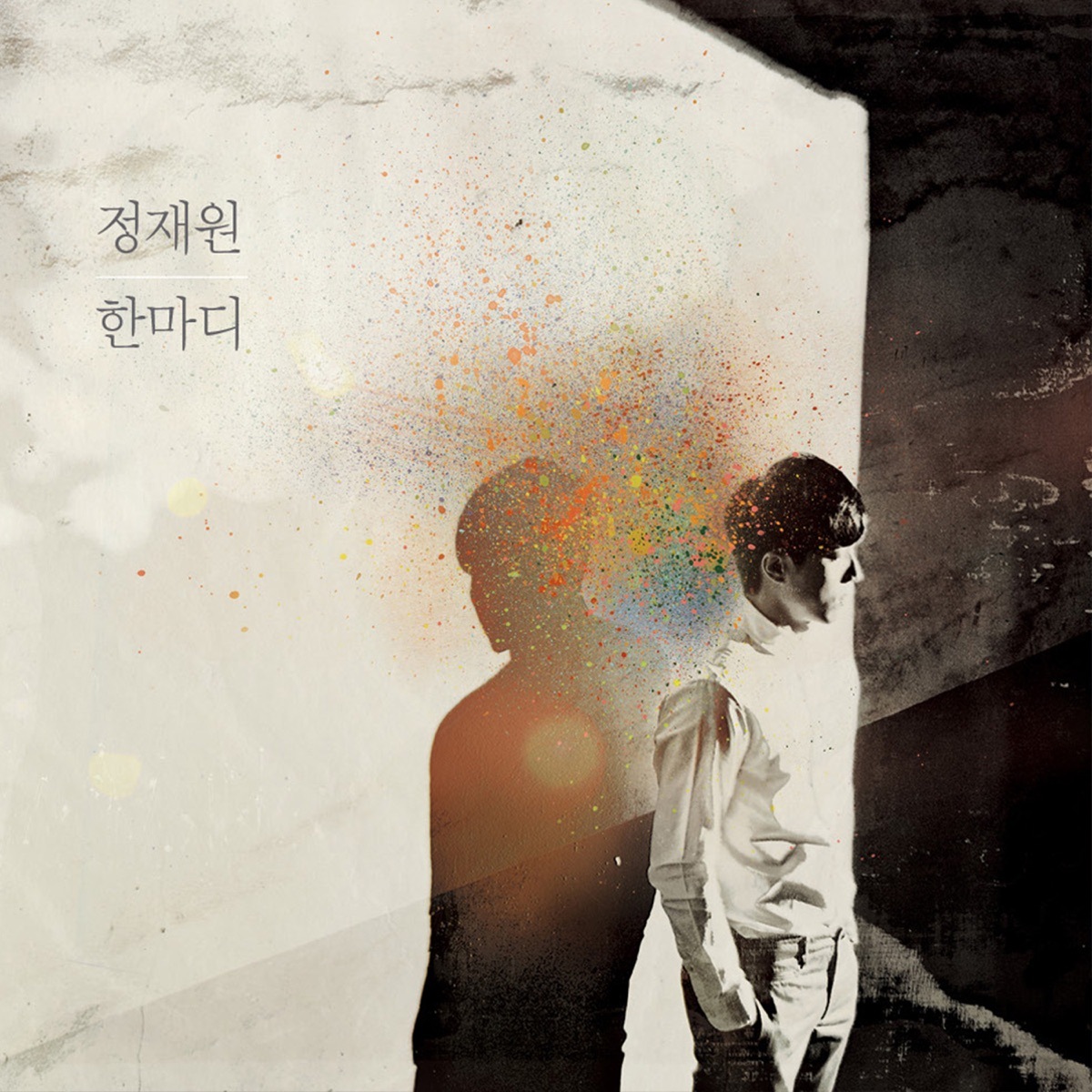
Memory — 2021 Nationwide Tour
Memory — 2021 National Tour
What song and stage is this? Memory — 2021 National Tour is a song from the first full album Hanmadi featured in tour performances, selected in this list for the moment when an early album song expands into a longer performance narrative. The verifiable participation range includes Jukjae’s live vocals and guitar and the official tour band; any unconfirmed equipment like Jukjae's guitar model, effectors, and tuning are not speculated upon. When first encountering Jukjae's music, it's better to listen for how the introduction draws listeners into the song rather than just waiting for a famous line. The core sentiment of this song is about the length of the interlude and the rising energy of the later ensemble. Rather than exaggerated emotional explosions, the space between the flowing vocals and instruments creates the narrative. Centering on the moment when an early album song expands into a longer performance narrative allows for distinguishing the feel from other similarly calm songs.
Guitar and arrangement The sounds to first check in this version are the guitar melody and the dynamic of the band expanding over time. The officially confirmed arrangement and roles are Jukjae’s live vocals and guitar with the official tour band. The guitar does not create its presence solely through flashy solos. It builds the song's temperature by organizing spaces between vocal phrases, managing the weight of the rhythm, and leaving room for other instruments to enter. When listening through earphones, it’s insightful to take note of the differences in guitar placement on the left and right, the direction the bass moves when the chords change, and how the guitar maintains its outline even after drums or keys join in. Rather than identifying precise equipment names, it’s safer and more useful to compare the brightness of the audible timbre, reverb, and the intensity of the attack.
Initial listening point In your first listen, focus on the moment when an early album song expands into a longer performance narrative. Within the first 30 seconds, the main rhythm and spatial feeling are introduced, and once the vocals enter, whether the accompaniment pushes the phrases forward or retreats becomes clear. In the chorus, it helps to hear how the voice's volume compares to the vowels’ elongation, where the chorus overlaps, and the foundation laid by the bass and kick. Listen once to the entire song without interruption, then a second time focusing only on the guitar, and a third time on the relationship between the vocals and rhythm section, which will clarify the role of the arrangement. If the official video is live, contrast the movements of the hands with the moments the sounds occur, while keeping in mind there may be unseen sessions or post-production.
Next recommended song/version Following this song, it would be good to listen next to the Dream National Tour live and the official first album audio. When comparing the official audio and live versions of the same song, focus on the subtle differences in tempo, the length of interludes, and the way the vocals play with timing rather than concluding which is better. When transitioning to different songs, find one common emotion and one changed arrangement to understand that Jukjae's musical world does not simply confine itself to 'emotional acoustic.' Within this list, it serves the role of presenting the actual performance version with expanded interlude and ensemble from the official national tour. Therefore, even if there are reappearing songs, they are distinguished to avoid overlapping with other official versions or listening questions.
Lyrics and song atmosphere Without translating the entire lyrics, the emotional summary addresses the length of interlude and the rising energy of the later ensemble. Jukjae's songs often do not transform ordinary scenes into grand declarations, but rather leave them as close conversations. Therefore, it’s useful to consider how close the speaker approaches or retreats from the other person and where they stand between the present and memories rather than focusing solely on the meaning of individual words. Check for contrasts where hesitations are placed over bright harmonies or directions of hope arise within calm arrangements. Even when listening for walks, nighttime, or relaxation, rather than simply letting it flow as background music, take a moment to follow the song's perspective and breath to understand why the emotions are unexaggerated.
Performance and live appreciation method In live performances, it’s good to confirm how the guitar melody and band dynamic expand over time compared to the recorded version. The intensity of guitar strokes, short pauses created by lifting hands, and the timing left open just before the vocals significantly contribute to the tension of the live stage. In a band arrangement, listen for whether the guitar becomes denser after the drum fill or becomes simpler instead. If it’s a more solo-like arrangement, the small tempo fluctuations and breath are the keys to how the song's narrative changes. Prioritize the title and description of the official channel along with album credits rather than video comments or fan edits, and avoiding confirming the instrument's model or detailed techniques solely through visual aid will help create accurate appreciation records.
Official credits and materials The participation role verified in this item is ‘self-titled song centered around Jukjae's vocals and guitar.’ The sources prioritized are the official artist, agency, audio rights holder, broadcaster, and OST distribution channels' public pages. The core sources are https://music.bugs.co.kr/album/462052, https://www.youtube.com/watch?v=nVJaajdB4PM. The YouTube link verifies the visibility status, channel name, and title for the video ID nVJaajdB4PM separately. The information on vocals, featuring, guitar, and arrangement present in the credits has been distinguished from the actual impressions heard; any unverified equipment, tuning, or recording environment was not characterized as fact. Cross-referencing the release information between album pages of audio service and official video markings can reduce confusion when searching for subsequent versions. Official Material · Official Material
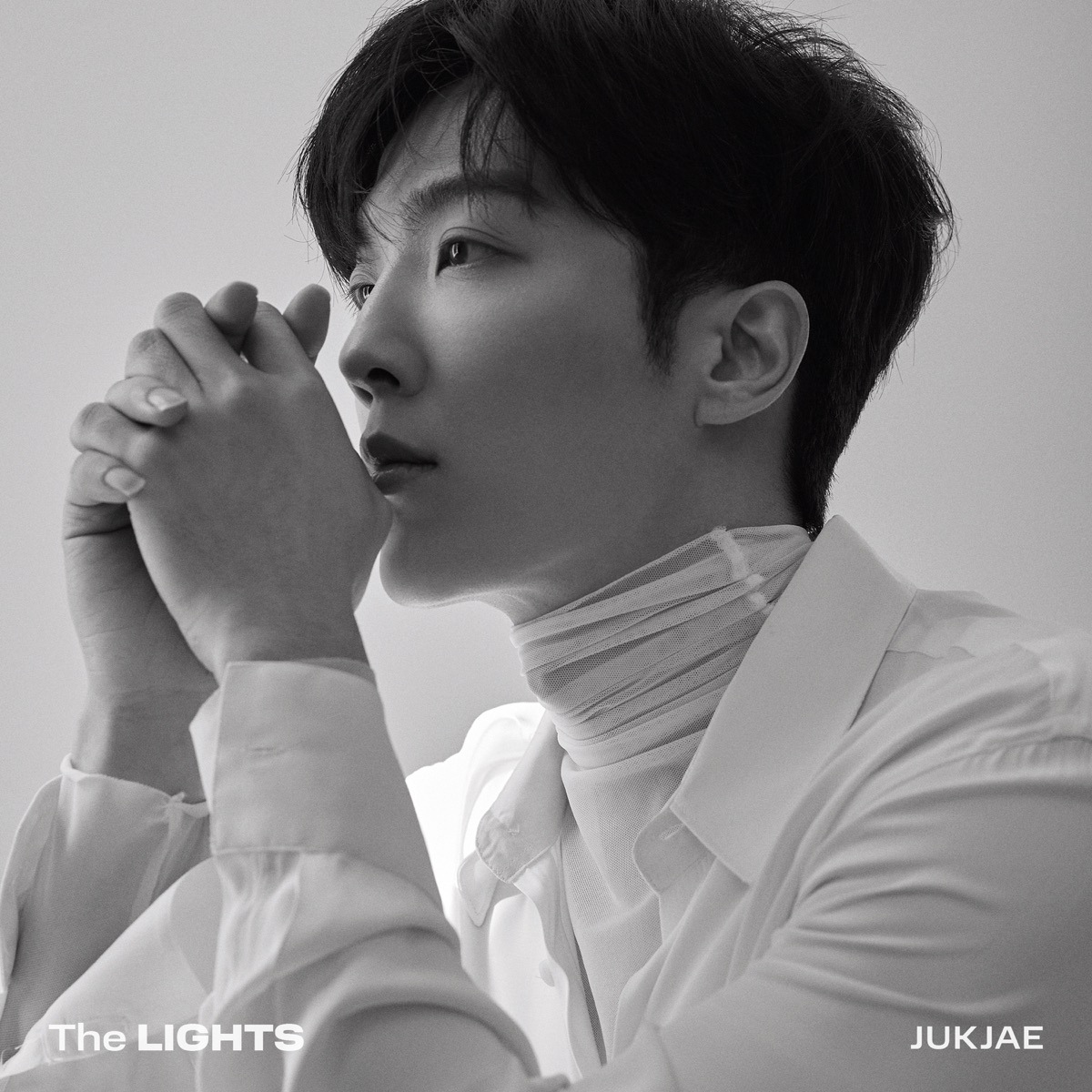
Runaway — The LIGHTS Nationwide Tour
Runaway — The LIGHTS National Tour
What song and stage is this? Runaway — The LIGHTS National Tour is a song from the title track of the second full album The LIGHTS performed during the tour, selected in this list for transforming the studio's groovy beats into stage energy. The verifiable participation range includes Jukjae’s live vocals and guitar and the official tour band; any unconfirmed equipment like Jukjae's guitar model, effectors, and tuning are not speculated upon. When first encountering Jukjae's music, it's better to listen for how the introduction draws listeners into the song rather than just waiting for a famous line. The core sentiment of this song is the increasing audience-oriented drive as the riff repeats. Rather than exaggerated emotional explosions, the space between the flowing vocals and instruments creates the narrative. Centering on the ensemble that transforms studio grooves into stage energy allows for distinguishing the feel from other similarly calm songs.
Guitar and arrangement This version's key sounds to check first are the guitar riffs and the push created by drums and bass. The officially confirmed arrangement and roles are Jukjae’s live vocals and guitar with the official tour band. The guitar does not create its presence solely through flashy solos. It builds the song's temperature by organizing spaces between vocal phrases, managing the weight of the rhythm, and leaving room for other instruments to enter. When listening through earphones, it’s insightful to take note of the differences in guitar placement on the left and right, the direction the bass moves when the chords change, and how the guitar maintains its outline even after drums or keys join in. Rather than identifying precise equipment names, it’s safer and more useful to compare the brightness of the audible timbre, reverb, and the intensity of the attack.
Initial listening point In your first listen, concentrate on the ensemble that transforms the studio's groovy beats into stage energy. Within the first 30 seconds, the main rhythm and spatial feeling are introduced, and once the vocals enter, it becomes evident whether the accompaniment pushes the phrases forward or retreats. In the chorus, it helps to hear how the voice's volume compares to the vowels’ elongation, where the chorus overlaps, and the foundation laid by the bass and kick. Listen once to the entire song without interruption, then a second time focusing only on the guitar, and a third time on the relationship between the vocals and rhythm section, which will clarify the role of the arrangement. If the official video is live, contrast the movements of the hands with the moments the sounds occur, while keeping in mind there may be unseen sessions or post-production.
Next recommended song/version After this song, it would be good to listen to the official music video and SAY live in sequence. When comparing the official audio and live versions of the same song, focus on the subtle differences in tempo, the length of interludes, and the way the vocals play with timing rather than concluding which is better. When transitioning to different songs, find one common emotion and one changed arrangement to understand that Jukjae's musical world does not simply confine itself to 'emotional acoustic.' Within this list, it serves the role of showcasing the actual performance version that displays the drive of the riff and rhythm section from the official tour. Therefore, even if there are reappearing songs, they are distinguished to avoid overlapping with other official versions or listening questions.
Lyrics and song atmosphere Without translating the entire lyrics, the emotional summary addresses the increasing audience-oriented drive as the riffs repeat. Jukjae's songs often do not transform ordinary scenes into grand declarations, but rather leave them as close conversations. Therefore, it’s useful to consider how close the speaker approaches or retreats from the other person and where they stand between the present and memories rather than focusing solely on the meaning of individual words. Check for contrasts where hesitations are placed over bright harmonies or directions of hope arise within calm arrangements. Even when listening for walks, nighttime, or relaxation, rather than simply letting it flow as background music, take a moment to follow the song's perspective and breath to understand why the emotions are unexaggerated.
Performance and live appreciation method In live performances, it’s good to confirm how the guitar riffs and the push from drums and bass differ from the recorded version. The intensity of guitar strokes, short pauses created by lifting hands, and the timing left open just before the vocals significantly contribute to the tension of the live stage. In a band arrangement, listen for whether the guitar becomes denser after the drum fill or becomes simpler instead. If it’s a more solo-like arrangement, the small tempo fluctuations and breath are the keys to how the song's narrative changes. Prioritize the title and description of the official channel along with album credits rather than video comments or fan edits, and avoiding confirming the instrument's model or detailed techniques solely through visual aid will help create accurate appreciation records.
Official credits and materials The participation role verified in this item is ‘self-titled song centered around Jukjae's vocals and guitar.’ The sources prioritized are the official artist, agency, audio rights holder, broadcaster, and OST distribution channels' public pages. The core sources are https://music.bugs.co.kr/album/4081371, https://www.youtube.com/watch?v=3lx2nKPEinc. The YouTube link verifies the visibility status, channel name, and title for the video ID 3lx2nKPEinc separately. The information on vocals, featuring, guitar, and arrangement present in the credits has been distinguished from the actual impressions heard; any unverified equipment, tuning, or recording environment was not characterized as fact. Cross-referencing the release information between album pages of the audio service and official video markings can reduce confusion when searching for subsequent versions. Official Material · Official Material
SAY — Begin Again Open Mic
What song and stage is this? SAY — Begin Again Open Mic is a song you can find within the performance broadcast of the second full album The LIGHTS, selected in this list for its delicate guitar and vocals that come alive in an outdoor open mic context. The verifiable participation range includes Jukjae’s live vocals and guitar as well as the broadcast performance arrangement; any unconfirmed equipment like Jukjae's guitar model, effectors, and tuning are not speculated upon. When first encountering Jukjae's music, it's better to listen for how the introduction draws listeners into the song rather than just waiting for a famous line. The core sentiment of this song is the concentration that maintains emotions starting from a quiet sound. Rather than exaggerated emotional explosions, the space between the flowing vocals and instruments creates the narrative. Centering on the delicate guitar and vocals that come alive in an outdoor open mic context allows for distinguishing the feel from other similarly calm songs.
Guitar and arrangement In this version, the key sounds to check first are the gentle guitar melodies and the long, flowing breath of the vocals. The officially confirmed arrangement and roles include Jukjae’s live vocals and guitar with the broadcast performance arrangement. The guitar does not create its presence solely through flashy solos. It builds the song's temperature by organizing spaces between vocal phrases, managing the weight of the rhythm, and leaving room for other instruments to enter. When listening through earphones, it’s insightful to take note of the differences in guitar placement on the left and right, the direction the bass moves when the chords change, and how the guitar maintains its outline even after drums or keys join in. Rather than identifying precise equipment names, it’s safer and more useful to compare the brightness of the audible timbre, reverb, and the intensity of the attack.
Initial listening point In your first listen, focus on the delicate guitar and vocals that come alive in the outdoor open mic setting. Within the first 30 seconds, the main rhythm and spatial feeling are introduced, and once the vocals enter, whether the accompaniment pushes the phrases forward or retreats becomes clear. In the chorus, it helps to hear how the voice's volume compares to the vowels’ elongation, where the chorus overlaps, and the foundation laid by the bass and kick. Listen once to the entire song without interruption, then a second time focusing only on the guitar, and a third time on the relationship between the vocals and rhythm section, which will clarify the role of the arrangement. If the official video is live, contrast the movements of the hands with the moments the sounds occur, while keeping in mind there may be unseen sessions or post-production.
Next recommended song/version Following this song, it would be good to listen to the I'm Live version and the official lyric video in sequence. When comparing the official audio and live versions of the same song, focus on the subtle differences in tempo, the length of interludes, and the way the vocals play with timing rather than concluding which is better. When transitioning to different songs, find one common emotion and one changed arrangement to understand that Jukjae's musical world does not simply confine itself to 'emotional acoustic.' Within this list, it serves the role of showcasing the actual performance version that captures subtle breaths in the broadcasted open mic performance. Therefore, even if there are reappearing songs, they are distinguished to avoid overlapping with other official versions or listening questions.
Lyrics and song atmosphere Without translating the entire lyrics, the emotional summary addresses the concentration that maintains emotions starting from quiet sounds. Jukjae's songs often do not transform ordinary scenes into grand declarations, but rather leave them as close conversations. Therefore, it’s useful to consider how close the speaker approaches or retreats from the other person and where they stand between the present and memories rather than focusing solely on the meaning of individual words. Check for contrasts where hesitations are placed over bright harmonies or directions of hope arise within calm arrangements. Even when listening for walks, nighttime, or relaxation, rather than simply letting it flow as background music, take a moment to follow the song's perspective and breath to identify why the emotions are unexaggerated.
Performance and live appreciation method In live performances, it’s good to confirm how the gentle guitar melodies and long vocal breaths differ from the recorded version. The dynamics of guitar strokes, short pauses created by lifting hands, and the timing left open just before the vocals significantly contribute to the tension of the live stage. In a band arrangement, listen for whether the guitar becomes denser after the drum fill or becomes simpler instead. If it’s a more solo-like arrangement, the small tempo fluctuations and breath are the keys to how the song's narrative changes. Prioritize the title and description of the official channel along with album credits rather than video comments or fan edits, and avoiding confirming the instrument's model or detailed techniques solely through visual aid will help create accurate appreciation records.
Official credits and materials The participation role verified in this item is ‘self-titled song centered around Jukjae's vocals and guitar.’ The sources prioritized are the official artist, agency, audio rights holder, broadcaster, and OST distribution channels' public pages. The core sources are https://music.bugs.co.kr/album/4081371, https://www.youtube.com/watch?v=dynBHhz-L4E. The YouTube link verifies the visibility status, channel name, and title for the video ID dynBHhz-L4E separately. The information on vocals, featuring, guitar, and arrangement present in the credits has been distinguished from the actual impressions heard; any unverified equipment, tuning, or recording environment was not characterized as fact. Cross-referencing the release information between album pages of audio services and official video markings can reduce confusion when searching for subsequent versions. Official Material · Official Material
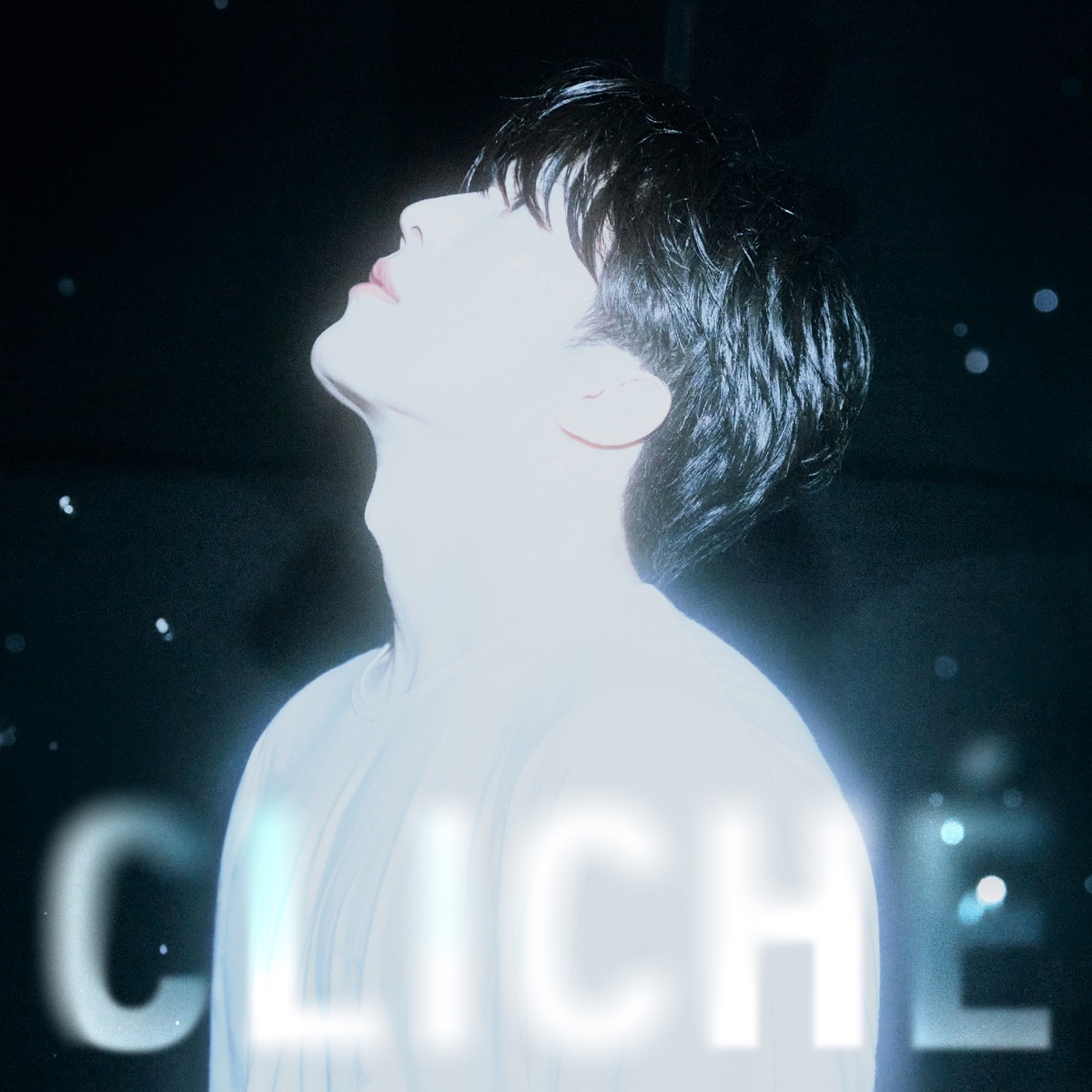
Griwo — Outdoor Recording Studio
What song and stage is this? Griwo — Outdoor Recording Studio is a song from the single Griwo, selected in this list for experiencing the air of an outdoor space while listening to the current vocals of Jukjae. The verifiable participation range includes Jukjae's live vocals and centered guitar; any unconfirmed equipment like Jukjae's guitar model, effectors, and tuning are not speculated upon. When first encountering Jukjae's music, it's better to listen for how the introduction draws listeners into the song rather than just waiting for a famous line. The core sentiment of this song is the extended breath that maintains the feelings of parting without exaggeration. Rather than exaggerated emotional explosions, the space between the flowing vocals and instruments creates the narrative. Centering on the air of an outdoor space along with Jukjae's current vocals allows for distinguishing the feel from other similarly calm songs.
Guitar and arrangement In this version, the key sounds to check first are the acoustic-centered texture and the natural space reverb. The officially confirmed arrangement and roles are Jukjae’s live vocals and centered guitar. The guitar does not create its presence solely through flashy solos. It builds the song's temperature by organizing spaces between vocal phrases, managing the weight of the rhythm, and leaving room for other instruments to enter. When listening through earphones, it’s insightful to take note of the differences in guitar placement on the left and right, the direction the bass moves when the chords change, and how the guitar maintains its outline even after drums or keys join in. Rather than identifying precise equipment names, it’s safer and more useful to compare the brightness of the audible timbre, reverb, and the intensity of the attack.
Initial listening point In your first listen, focus on experiencing the air of an outdoor space along with Jukjae's current vocals. Within the first 30 seconds, the main rhythm and spatial feeling are introduced, and once the vocals enter, whether the accompaniment pushes the phrases forward or retreats becomes clear. In the chorus, it helps to hear how the voice's volume compares to the vowels’ elongation, where the chorus overlaps, and the foundation laid by the bass and kick. Listen once to the entire song without interruption, then a second time focusing only on the guitar, and a third time on the relationship between the vocals and rhythm section, which will clarify the role of the arrangement. If the official video is live, contrast the movements of the hands with the moments the sounds occur, while keeping in mind there may be unseen sessions or post-production.
Next recommended song/version After this song, it would be good to listen to the official music video and Na-rang Gachi Geureul-lae live in sequence. When comparing the official audio and live versions of the same song, focus on the subtle differences in tempo, the length of interludes, and the way the vocals play with timing rather than concluding which is better. When transitioning to different songs, find one common emotion and one changed arrangement to understand that Jukjae's musical world does not simply confine itself to 'emotional acoustic.' Within this list, it serves the role of showcasing the actual outdoor version that captures the sense of space and current vocals. Therefore, even if there are reappearing songs, they are distinguished to avoid overlapping with other official versions or listening questions.
Lyrics and song atmosphere Without translating the entire lyrics, the emotional summary addresses the extended breath that maintains the feelings of parting without exaggeration. Jukjae's songs often do not transform ordinary scenes into grand declarations, but rather leave them as close conversations. Therefore, it’s useful to consider how close the speaker approaches or retreats from the other person and where they stand between the present and memories rather than focusing solely on the meaning of individual words. Check for contrasts where hesitations are placed over bright harmonies or directions of hope arise within calm arrangements. Even when listening for walks, nighttime, or relaxation, rather than simply letting it flow as background music, take a moment to follow the song's perspective and breath to understand why the emotions are unexaggerated.
Performance and live appreciation method In live performances, it’s good to confirm how the acoustic-centered texture and natural space reverb differ from the recorded version. The dynamics of guitar strokes, short pauses created by lifting hands, and the timing left open just before the vocals significantly contribute to the tension of the live stage. In a band arrangement, listen for whether the guitar becomes denser after the drum fill or becomes simpler instead. If it’s a more solo-like arrangement, the small tempo fluctuations and breath are the keys to how the song's narrative changes. Prioritize the title and description of the official channel along with album credits rather than video comments or fan edits, and avoiding confirming the instrument's model or detailed techniques solely through visual aid will help create accurate appreciation records.
Official credits and materials The participation role verified in this item is ‘self-titled song centered around Jukjae's vocals and guitar.’ The sources prioritized are the official artist, agency, audio rights holder, broadcaster, and OST distribution channels' public pages. The core sources are https://www.youtube.com/watch?v=JOSXECGI8gI, https://music.bugs.co.kr/artist/8008787. The YouTube link verifies the visibility status, channel name, and title for the video ID JOSXECGI8gI separately. The information on vocals, featuring, guitar, and arrangement present in the credits has been distinguished from the actual impressions heard; any unverified equipment, tuning, or recording environment was not characterized as fact. Cross-referencing the release information between album pages of audio services and official video markings can reduce confusion when searching for subsequent versions. Official Material · Official Material
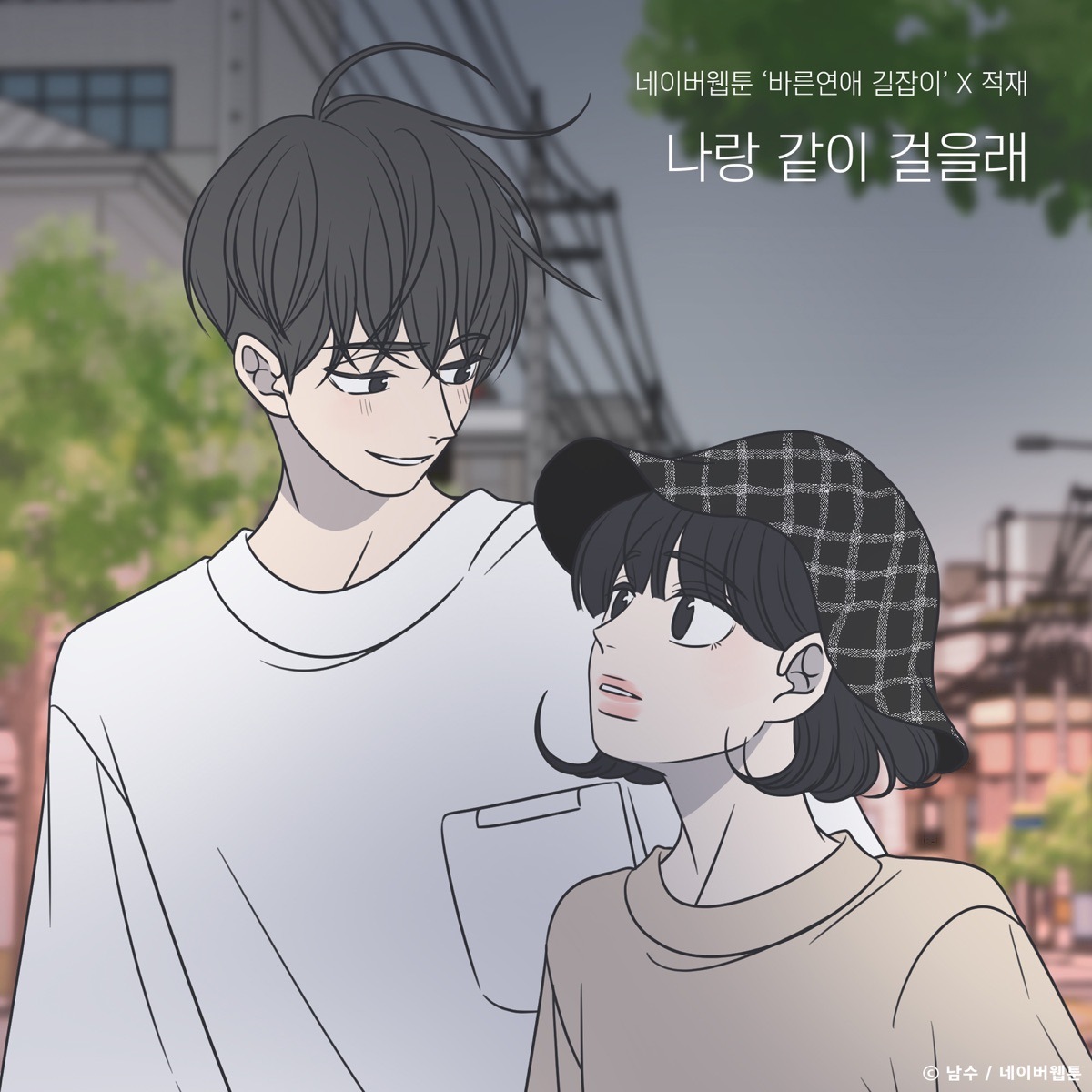
Walk With Me — The Seasons
Na-rang Gachi Geureul-lae — The Seasons
What song and stage is this? Na-rang Gachi Geureul-lae — The Seasons is a song you can find in the KBS performance of the webtoon collaboration soundtrack, chosen in this list to revisit a familiar song with the current feel of the broadcast band. The verifiable participation range includes Jukjae’s live vocals and guitar, along with the KBS performance arrangement; any unconfirmed equipment like Jukjae's guitar model, effectors, and tuning are not speculated upon. When first encountering Jukjae's music, it's better to listen for how the introduction draws listeners into the song rather than just waiting for a famous line. The core sentiment of this song is how the original song's warmth expands in front of an audience. Rather than exaggerated emotional explosions, the space between flowing vocals and instruments creates the narrative. Centering on the experience of revisiting a familiar song with the current breath of the broadcast band allows for distinguishing the feel from other similarly calm songs.
Guitar and arrangement This version's key sounds to check first are the smooth guitar and the band maintaining a walking-like rhythm. The officially confirmed arrangement and roles include Jukjae’s live vocals and guitar with the KBS performance arrangement. The guitar does not create its presence solely through flashy solos. It builds the song's temperature by organizing spaces between vocal phrases, managing the weight of the rhythm, and leaving room for other instruments to enter. When listening through earphones, it’s insightful to take note of the differences in guitar placement on the left and right, the direction the bass moves when the chords change, and how the guitar maintains its outline even after drums or keys join in. Rather than identifying precise equipment names, it’s safer and more useful to compare the brightness of the audible timbre, reverb, and the intensity of the attack.
Initial listening point In your first listen, focus on experiencing the familiar song with the current breath of the broadcast band. Within the first 30 seconds, the main rhythm and spatial feeling are introduced, and once the vocals enter, whether the accompaniment pushes the phrases forward or retreats becomes clear. In the chorus, it helps to hear how the voice's volume compares to the vowels’ elongation, where the chorus overlaps, and the foundation laid by the bass and kick. Listen once to the entire song without interruption, then a second time focusing only on the guitar, and a third time on the relationship between the vocals and rhythm section, which will clarify the role of the arrangement. If the official video is live, contrast the movements of the hands with the moments the sounds occur, while keeping in mind there may be unseen sessions or post-production.
Next recommended song/version After this song, it would be good to listen to Jukjae’s official audio and Na-rang Gachi Geureul-lae live in sequence. When comparing the official audio and live versions of the same song, focus on the subtle differences in tempo, the length of interludes, and the way the vocals play with timing rather than concluding which is better. When transitioning to different songs, find one common emotion and one changed arrangement to understand that Jukjae's musical world does not simply confine itself to 'emotional acoustic.' Within this list, it serves the role of comparing the original and current arrangement through the official KBS broadcast performance. Therefore, even if there are reappearing songs, they are distinguished to avoid overlapping with other official versions or listening questions.
Lyrics and song atmosphere Without translating the entire lyrics, the emotional summary addresses how the warmth of the original song expands before the audience. Jukjae's songs often do not transform ordinary scenes into grand declarations, but rather leave them as close conversations. Therefore, it’s useful to consider how close the speaker approaches or retreats from the other person and where they stand between the present and memories rather than focusing solely on the meaning of individual words. Check for contrasts where hesitations are placed over bright harmonies or directions of hope arise within calm arrangements. Even when listening for walks, nighttime, or relaxation, rather than simply letting it flow as background music, take a moment to follow the song's perspective and breath to understand why the emotions are unexaggerated.
Performance and live appreciation method In live performances, it’s good to confirm how the smooth guitar and walking-like rhythm of the band differ from the recorded version. The dynamics of guitar strokes, short pauses created by lifting hands, and the timing left open just before the vocals significantly contribute to the tension of the live stage. In a band arrangement, listen for whether the guitar becomes denser after the drum fill or becomes simpler instead. If it’s a more solo-like arrangement, the small tempo fluctuations and breath are the keys to how the song's narrative changes. Prioritize the title and description of the official channel along with album credits rather than video comments or fan edits, and avoiding confirming the instrument's model or detailed techniques solely through visual aid will help create accurate appreciation records.
Official credits and materials The participation role verified in this item is ‘solo performance of Jukjae's webtoon collaboration song live.’ The sources prioritized are the official artist, agency, audio rights holder, broadcaster, and OST distribution channels' public pages. The core sources are https://www.youtube.com/watch?v=rTbdLtpq30A, https://music.bugs.co.kr/artist/8008787. The YouTube link verifies the visibility status, channel name, and title for the video ID rTbdLtpq30A separately. The information on vocals, featuring, guitar, and arrangement present in the credits has been distinguished from the actual impressions heard; any unverified equipment, tuning, or recording environment was not characterized as fact. Cross-referencing the release information between album pages of audio services and official video markings can reduce confusion when searching for subsequent versions. Official Material · Official Material
This collection connects Jukjae's music through official live performance videos, contrasting the breath, ensemble, and interludes with studio recordings. Instead of trying to remember all the information at once, it's enough to select just one 'initial listening point' from each item and replay it. Discovering how the same voice and guitar create entirely different distances and temperatures in each song can naturally lead you from first impressions centered around signature songs to his next album and stage.
If you want to focus on the guitar, explore its role rather than the number of sounds. Chords supporting vocals, short strokes pushing the rhythm, and melodies that only become clear during interludes serve different functions. Even without precise knowledge of the gear, comparing the attack, reverb, left-right placement, and spacing with other instruments allows for a sufficiently detailed understanding of the arrangements.
Listeners focused on lyrics and atmosphere should follow the speaker's position. Depending on whether they’re addressing someone now, revisiting a past scene, or narrowing the distance with someone, the same calmness can come across differently. You can grasp the emotional direction with just the title, the song's flow, and the arrangements before and after the refrain without needing to reproduce the entire lyrics.
Collaborations and OSTs showcase a different production context from Jukjae’s solo works. Noting the timbre of featuring artists, developments tailored to drama scenes, and roles taken on in other artists' songs reveals how Jukjae's guitar and vocals are coordinated within external projects. The habit of checking credits via source links also helps distinguish between similar titles and reupload videos.
Finally, for songs you like, try alternating between the official audio and the official live version. The balance of the completed sound and the breath of the stage offer distinct advantages. Just comparing one aspect, such as tempo, interlude, or vocal spacing, will unveil new scenes. I encourage you to use this collection as a starting point and slowly expand your appreciation to album units and concert videos.
이 포스팅은 쿠팡 파트너스 활동의 일환으로, 이에 따른 일정액의 수수료를 제공받습니다.
댓글 0
로그인 후 댓글을 작성할 수 있습니다.
첫 댓글을 남겨보세요.
이런 리스트는 어때요?


이런 리스트도 추천해요


여기서 멈추기엔 아쉽잖아?
다음에 뭘 볼지 고민하는 시간이 제일 아까워.
주사위가 대신 골라줄게 — 무슨 리스트가 튀어나올지는 굴려봐야 알지.
안 누르면… 평생 궁금하지 않겠어? 👀
