
Collection
Themed Travel
2026.10.07
Old Markets That Grew Beyond Grocery Shopping into Neighborhood Destinations
Eight traditional markets continuing to change through food, young entrepreneurs' shops, and night markets
Regenerating a traditional market does not end with hanging new signs or attracting a few well-known restaurants. Because it is a process of adding tourist foot traffic to a space where merchants and residents continue to shop and work, changes like rents, waiting lines, trash, and parking come along with it. Rather than seeking out the one shop that appeared on television, travelers should look at the market's main products, the structure of its alleys, and the way old and new shops coexist.
This list gathers eight real markets in Yesan, Gwangju, Suwon, Jeonju, Busan, Sokcho, Incheon, and Daegu. It mixes places with different operating formats, such as permanent markets, youth malls, night markets, and tourist fish markets, so you can compare the many faces of market regeneration. Shop closing days and sell-out times vary from stall to stall, and night markets may not open depending on the season or day of the week, so check the market's official operating notices and individual shop information separately.
This list gathers eight real markets in Yesan, Gwangju, Suwon, Jeonju, Busan, Sokcho, Incheon, and Daegu. It mixes places with different operating formats, such as permanent markets, youth malls, night markets, and tourist fish markets, so you can compare the many faces of market regeneration. Shop closing days and sell-out times vary from stall to stall, and night markets may not open depending on the season or day of the week, so check the market's official operating notices and individual shop information separately.
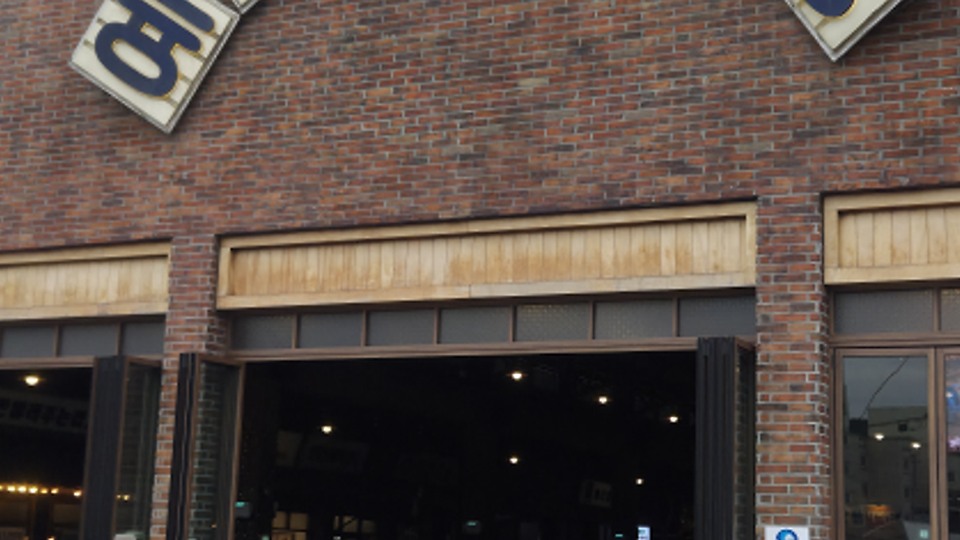
Yesan Permanent Market
Yesan Permanent Market began life as the permanent traditional market of Yesan's old downtown, and today it serves as a regional tourist market with food stalls and shared dining space. Rather than erecting an entirely new building, the remaining structure was connected and adapted into this regional tourist market of food stalls and shared dining space, passing the memory of the place on to its next users. The first thing to look at on site is the old market building and the way the communal tables are run. Instead of quickly photographing the exterior, compare step by step how the traces of the permanent traditional market of Yesan's old downtown carried over into this regional tourist market with food stalls and shared dining space, and the changes unique to this place will naturally come into view.
When preparing an actual visit, the first thing to take care of is to check which shops are closed along with waiting and parking information. If access conditions change around 4 Yesansijang-gil, Yesan-eup, Yesan-gun, Chungcheongnam-do, the publicly accessible range of this regional tourist market with food stalls and shared dining space may also be affected, so it is safer to confirm shop closures and waiting and parking information through the latest notices rather than relying on the business hours shown on a map. At Yesan Permanent Market, distinguish between the areas open to visitors and the living spaces of residents and tenants, and when recording the old market building and the way the communal tables are run, avoid disrupting foot traffic and work so that your trip respects how the place is used today.
When preparing an actual visit, the first thing to take care of is to check which shops are closed along with waiting and parking information. If access conditions change around 4 Yesansijang-gil, Yesan-eup, Yesan-gun, Chungcheongnam-do, the publicly accessible range of this regional tourist market with food stalls and shared dining space may also be affected, so it is safer to confirm shop closures and waiting and parking information through the latest notices rather than relying on the business hours shown on a map. At Yesan Permanent Market, distinguish between the areas open to visitors and the living spaces of residents and tenants, and when recording the old market building and the way the communal tables are run, avoid disrupting foot traffic and work so that your trip respects how the place is used today.
도로명주소 충남 예산군 예산읍 예산시장길 4
지번주소 충남 예산군 예산읍 예산리 333-24
과거 용도 예산 원도심의 상설 전통시장
현재 쓰임 먹거리 매장과 공동 취식공간을 갖춘 지역 관광시장
현장 관찰점 오래된 시장 건물과 공동 테이블 운영 방식
방문 전 확인 휴무 점포와 대기·주차 정보를 확인한다
공개 전화번호 041-333-3318
공식 관광정보 https://korean.visitkorea.or.kr/search/search_list.do?keyword=%EC%98%88%EC%82%B0%EC%83%81%EC%84%A4%EC%8B%9C%EC%9E%A5
이미지 출처 https://img1.kakaocdn.net/cthumb/local/C800x400.q50/?fname=http%3A%2F%2Ft1.kakaocdn.net%2Flocal%2FkakaomapPhoto%2Freview%2Fc9fbe43ac823392c0a7c9fc0eb33ae4cf56076a1%3Foriginal
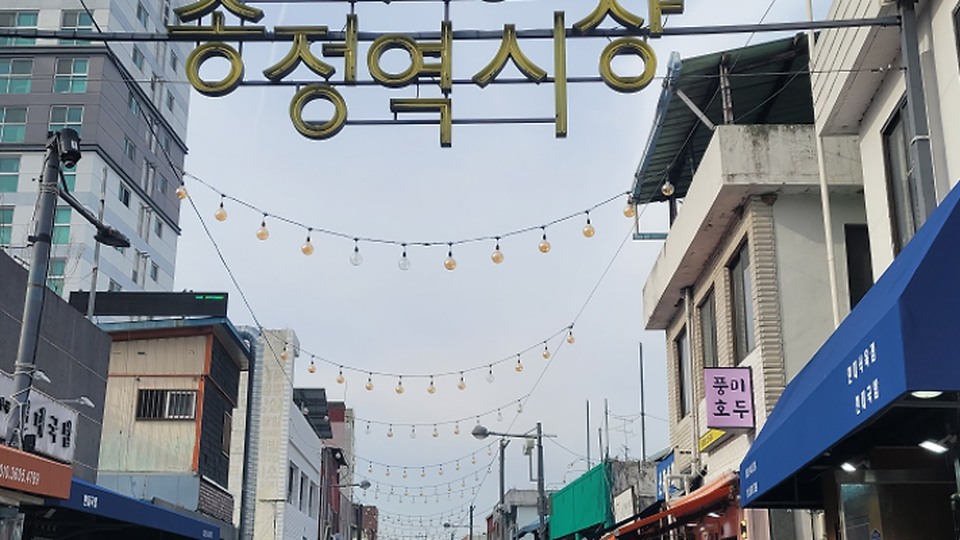
1913 Songjeong Station Market
1913 Songjeong Station Market began life as the daily market in front of Songjeong Station, and today it serves as a cultural market combining evening food and design-focused shops. Rather than erecting an entirely new building, the remaining structure was connected and adapted into this cultural market of evening food and design-focused shops, passing the memory of the place on to its next users. The first thing to look at on site is the display of each shop's history and the layout of the narrow linear alley. Instead of quickly photographing the exterior, compare step by step how the traces of the daily market in front of Songjeong Station carried over into this cultural market of evening food and design-focused shops, and the changes unique to this place will naturally come into view.
When preparing an actual visit, the first thing to take care of is to check each shop's closing days and whether it is open in the evening. If access conditions change around 986-3 Songjeong-dong, Gwangsan-gu, Jeonnam-Gwangju Integrated Special City, the publicly accessible range of this cultural market of evening food and design-focused shops may also be affected, so it is safer to confirm each shop's closing days and evening hours through the latest notices rather than relying on the business hours shown on a map. At 1913 Songjeong Station Market, distinguish between the areas open to visitors and the living spaces of residents and tenants, and when recording the display of each shop's history and the layout of the narrow linear alley, avoid disrupting foot traffic and work so that your trip respects how the place is used today.
When preparing an actual visit, the first thing to take care of is to check each shop's closing days and whether it is open in the evening. If access conditions change around 986-3 Songjeong-dong, Gwangsan-gu, Jeonnam-Gwangju Integrated Special City, the publicly accessible range of this cultural market of evening food and design-focused shops may also be affected, so it is safer to confirm each shop's closing days and evening hours through the latest notices rather than relying on the business hours shown on a map. At 1913 Songjeong Station Market, distinguish between the areas open to visitors and the living spaces of residents and tenants, and when recording the display of each shop's history and the layout of the narrow linear alley, avoid disrupting foot traffic and work so that your trip respects how the place is used today.
도로명주소 전남광주통합특별시 광산구 송정동 986-3
지번주소 전남광주통합특별시 광산구 송정동 986-3
과거 용도 송정역 앞 매일시장
현재 쓰임 야간 먹거리·디자인 점포가 결합된 문화시장
현장 관찰점 점포 연혁 표기와 좁은 선형 골목의 구성
방문 전 확인 점포별 휴무와 저녁 영업 여부를 확인한다
공개 전화번호 062-942-1914
공식 관광정보 https://korean.visitkorea.or.kr/search/search_list.do?keyword=1913%EC%86%A1%EC%A0%95%EC%97%AD%EC%8B%9C%EC%9E%A5
이미지 출처 https://img1.kakaocdn.net/cthumb/local/C800x400.q50/?fname=http%3A%2F%2Ft1.kakaocdn.net%2Flocal%2FkakaomapPhoto%2Freview%2Fa40b781c26240b087ef0f2fac589ccd1428e6c73%3Foriginal
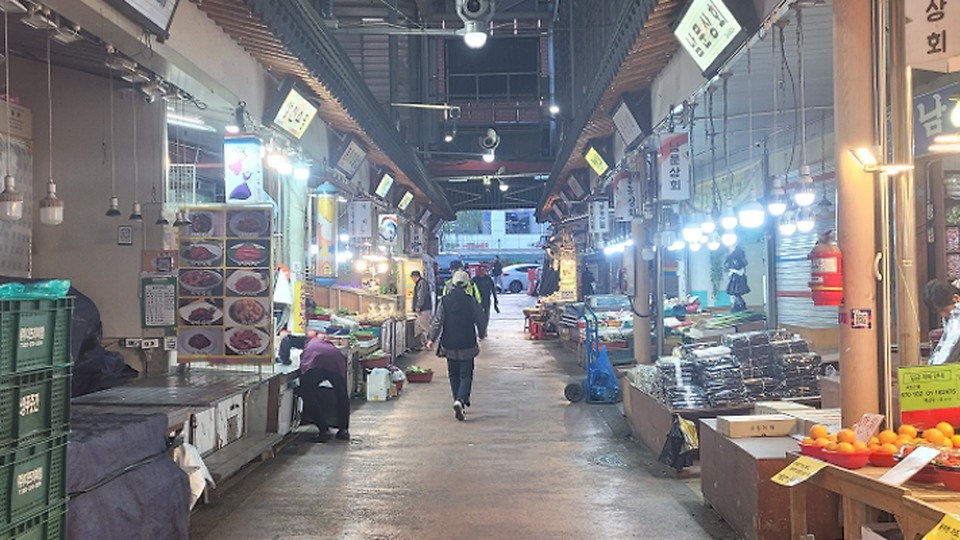
Motgol Comprehensive Market
Motgol General Market
Motgol General Market began life as an alley-style traditional market around Suwon's Nammun (South Gate) area, and today it serves as a market where fresh ingredients, side dishes, and cultural programs coexist. Rather than erecting an entirely new building, the remaining structure was connected and adapted into this market of fresh ingredients, side dishes, and cultural programs, passing the memory of the place on to its next users. The first thing to look at on site is the combination of everyday grocery shopping with the activities of the merchants' community. Instead of quickly photographing the exterior, compare step by step how the traces of the alley-style traditional market around Suwon's Nammun area carried over into this market of fresh ingredients, side dishes, and cultural programs, and the changes unique to this place will naturally come into view.
When preparing an actual visit, the first thing to take care of is to check the busiest times and the routes connecting to nearby markets. If access conditions change around 6 Jungbu-daero 39beon-gil, Paldal-gu, Suwon-si, Gyeonggi-do, the publicly accessible range of this market of fresh ingredients, side dishes, and cultural programs may also be affected, so it is safer to confirm busy times and the connecting routes to nearby markets through the latest notices rather than relying on the business hours shown on a map. At Motgol General Market, distinguish between the areas open to visitors and the living spaces of residents and tenants, and when recording the combination of everyday grocery shopping with the merchants' community activities, avoid disrupting foot traffic and work so that your trip respects how the place is used today.
When preparing an actual visit, the first thing to take care of is to check the busiest times and the routes connecting to nearby markets. If access conditions change around 6 Jungbu-daero 39beon-gil, Paldal-gu, Suwon-si, Gyeonggi-do, the publicly accessible range of this market of fresh ingredients, side dishes, and cultural programs may also be affected, so it is safer to confirm busy times and the connecting routes to nearby markets through the latest notices rather than relying on the business hours shown on a map. At Motgol General Market, distinguish between the areas open to visitors and the living spaces of residents and tenants, and when recording the combination of everyday grocery shopping with the merchants' community activities, avoid disrupting foot traffic and work so that your trip respects how the place is used today.
도로명주소 경기 수원시 팔달구 중부대로39번길 6
지번주소 경기 수원시 팔달구 지동 380
과거 용도 수원 남문 일대 골목형 전통시장
현재 쓰임 식재료·반찬·문화 프로그램이 공존하는 시장
현장 관찰점 생활형 장보기 기능과 상인 공동체 활동의 결합
방문 전 확인 혼잡 시간과 인근 시장 연결 동선을 확인한다
공개 전화번호 031-246-5638
공식 관광정보 https://korean.visitkorea.or.kr/search/search_list.do?keyword=%EB%AA%BB%EA%B3%A8%EC%A2%85%ED%95%A9%EC%8B%9C%EC%9E%A5
이미지 출처 https://img1.kakaocdn.net/cthumb/local/C800x400.q50/?fname=http%3A%2F%2Ft1.kakaocdn.net%2Flocal%2FkakaomapPhoto%2Freview%2F634c5490d6d77dfd2a704e285ce0a12e0f0bdc91%3Foriginal
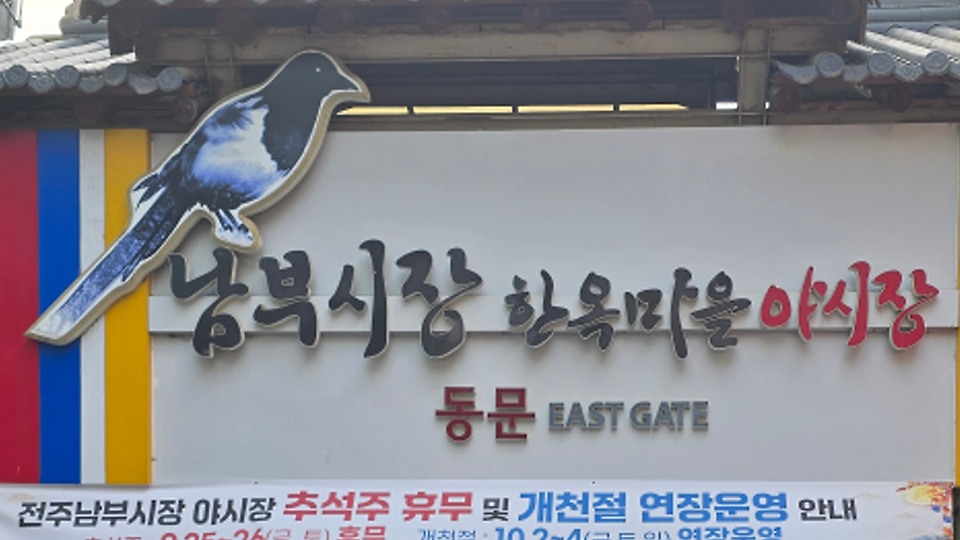
Jeonju South Market Hanok Village Night Market
Jeonju Nambu Market Hanok Village Night Market
Jeonju Nambu Market Hanok Village Night Market began life as the traditional market beside Jeonjucheon Stream and Pungnammun Gate, and today it serves as a commercial district combining an everyday market, a youth mall, and a night market. Rather than erecting an entirely new building, the remaining structure was connected and adapted into this commercial district of everyday market, youth mall, and night market, passing the memory of the place on to its next users. The first thing to look at on site is the floor-by-floor difference between the traditional shops on the ground floor and the youth spaces above. Instead of quickly photographing the exterior, compare step by step how the traces of the traditional market beside Jeonjucheon Stream and Pungnammun Gate carried over into this commercial district of everyday market, youth mall, and night market, and the changes unique to this place will naturally come into view.
When preparing an actual visit, the first thing to take care of is to check the night market dates and the operation of the youth mall shops. If access conditions change around 49 Pungnammun 2-gil, Wansan-gu, Jeonju-si, Jeonbuk State, the publicly accessible range of this commercial district of everyday market, youth mall, and night market may also be affected, so it is safer to confirm the night market dates and youth mall shop operations through the latest notices rather than relying on the business hours shown on a map. At Jeonju Nambu Market Hanok Village Night Market, distinguish between the areas open to visitors and the living spaces of residents and tenants, and when recording the floor-by-floor difference between the ground-floor traditional shops and the youth spaces above, avoid disrupting foot traffic and work so that your trip respects how the place is used today.
When preparing an actual visit, the first thing to take care of is to check the night market dates and the operation of the youth mall shops. If access conditions change around 49 Pungnammun 2-gil, Wansan-gu, Jeonju-si, Jeonbuk State, the publicly accessible range of this commercial district of everyday market, youth mall, and night market may also be affected, so it is safer to confirm the night market dates and youth mall shop operations through the latest notices rather than relying on the business hours shown on a map. At Jeonju Nambu Market Hanok Village Night Market, distinguish between the areas open to visitors and the living spaces of residents and tenants, and when recording the floor-by-floor difference between the ground-floor traditional shops and the youth spaces above, avoid disrupting foot traffic and work so that your trip respects how the place is used today.
도로명주소 전북특별자치도 전주시 완산구 풍남문2길 49
지번주소 전북특별자치도 전주시 완산구 전동 303
과거 용도 전주천과 풍남문 옆 전통시장
현재 쓰임 생활시장·청년몰·야시장이 결합된 상권
현장 관찰점 1층 전통 점포와 상부 청년 공간의 층별 차이
방문 전 확인 야시장 개최일과 청년몰 점포 운영을 확인한다
공개 전화번호 063-288-1344
공식 관광정보 https://korean.visitkorea.or.kr/search/search_list.do?keyword=%EC%A0%84%EC%A3%BC%EB%82%A8%EB%B6%80%EC%8B%9C%EC%9E%A5
이미지 출처 https://img1.kakaocdn.net/cthumb/local/C800x400.q50/?fname=http%3A%2F%2Ft1.kakaocdn.net%2Flocal%2FkakaomapPhoto%2Freview%2F4c88e77c6c53e1a813bdd4702197a1a350a3a924%3Foriginal
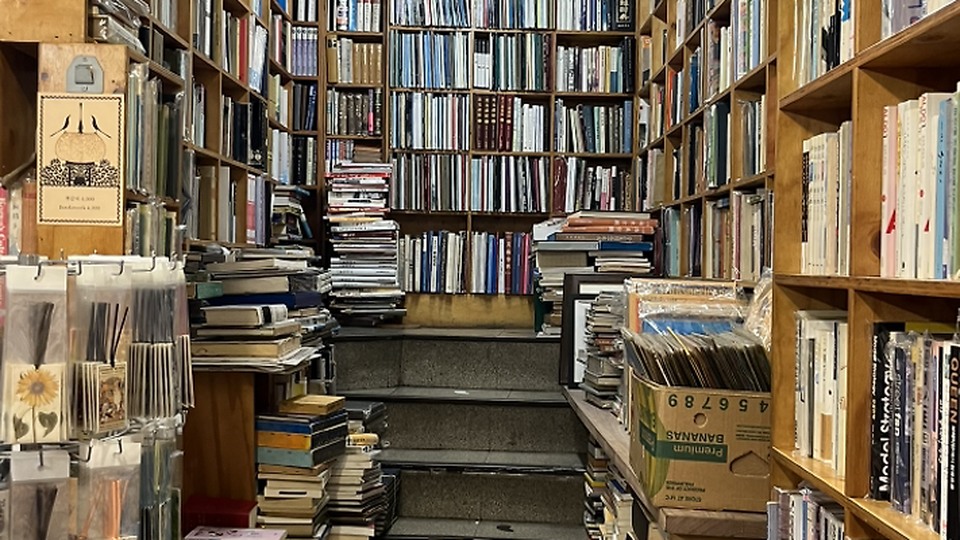
Bupyeong Can Market
Bupyeong Kkangtong Market
Bupyeong Kkangtong Market began life as a market that grew on trade in imported goods and groceries, and today it serves as a daytime traditional market and a night market food space. Rather than erecting an entirely new building, the remaining structure was connected and adapted into this daytime traditional market and night market food space, passing the memory of the place on to its next users. The first thing to look at on site is the connection between the history of Kkangtong Market and the alleys of Gukje Market. Instead of quickly photographing the exterior, compare step by step how the traces of the market that grew on trade in imported goods and groceries carried over into this daytime traditional market and night market food space, and the changes unique to this place will naturally come into view.
When preparing an actual visit, the first thing to take care of is to check the night market hours and the direction of movement through the crowded aisles. If access conditions change around 82 Bupyeong-dong 2-ga, Jung-gu, Busan, the publicly accessible range of this daytime traditional market and night market food space may also be affected, so it is safer to confirm the night market hours and the flow of movement through the crowded aisles through the latest notices rather than relying on the business hours shown on a map. At Bupyeong Kkangtong Market, distinguish between the areas open to visitors and the living spaces of residents and tenants, and when recording the connection between the history of Kkangtong Market and the alleys of Gukje Market, avoid disrupting foot traffic and work so that your trip respects how the place is used today.
When preparing an actual visit, the first thing to take care of is to check the night market hours and the direction of movement through the crowded aisles. If access conditions change around 82 Bupyeong-dong 2-ga, Jung-gu, Busan, the publicly accessible range of this daytime traditional market and night market food space may also be affected, so it is safer to confirm the night market hours and the flow of movement through the crowded aisles through the latest notices rather than relying on the business hours shown on a map. At Bupyeong Kkangtong Market, distinguish between the areas open to visitors and the living spaces of residents and tenants, and when recording the connection between the history of Kkangtong Market and the alleys of Gukje Market, avoid disrupting foot traffic and work so that your trip respects how the place is used today.
도로명주소 부산 중구 부평동2가 82
지번주소 부산 중구 부평동2가 82
과거 용도 수입물자와 식료품 거래로 성장한 시장
현재 쓰임 주간 전통시장과 야시장 먹거리 공간
현장 관찰점 깡통시장 역사와 국제시장 골목의 연결
방문 전 확인 야시장 시간과 붐비는 통로의 이동 방향을 확인한다
공개 전화번호 051-243-1128
공식 관광정보 https://korean.visitkorea.or.kr/search/search_list.do?keyword=%EB%B6%80%ED%8F%89%EA%B9%A1%ED%86%B5%EC%8B%9C%EC%9E%A5
이미지 출처 https://img1.kakaocdn.net/cthumb/local/C800x400.q50/?fname=http%3A%2F%2Ft1.kakaocdn.net%2Flocal%2FkakaomapPhoto%2Freview%2Fd5624188e361876c5492a1a63b3e0b0f4056aea3%3Foriginal
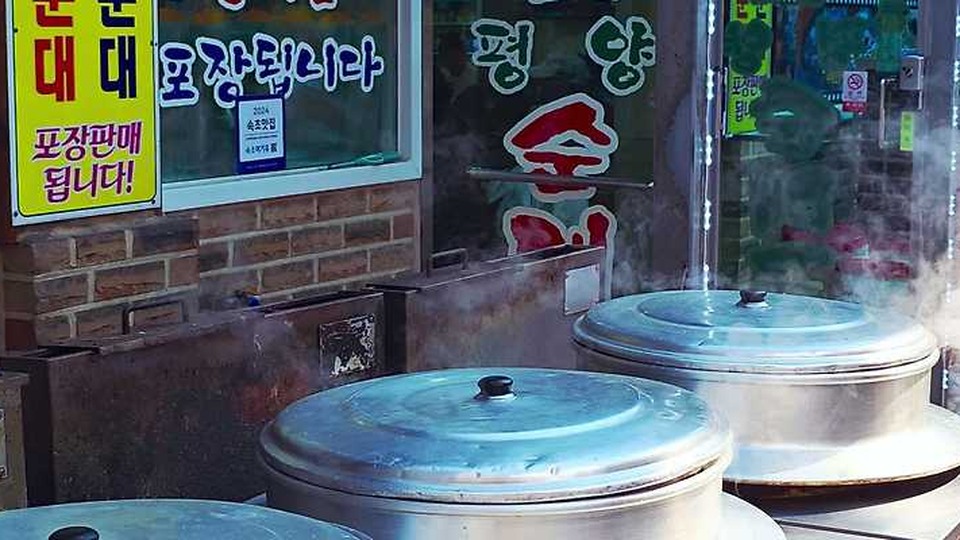
Sokcho Tourist Fish Market
Sokcho Tourist and Fishery Market
Sokcho Tourist and Fishery Market began life as an everyday traditional market in central Sokcho, and today it serves as a tourist market centered on seafood, dried fish, and street food. Rather than erecting an entirely new building, the remaining structure was connected and adapted into this tourist market centered on seafood, dried fish, and street food, passing the memory of the place on to its next users. The first thing to look at on site is the difference in roles between the underground seafood section and the food alleys above ground. Instead of quickly photographing the exterior, compare step by step how the traces of the everyday traditional market in central Sokcho carried over into this tourist market centered on seafood, dried fish, and street food, and the changes unique to this place will naturally come into view.
When preparing an actual visit, the first thing to take care of is to check how to store your purchases and whether parking and courier shipping are available. If access conditions change around 16 Jungang-ro 147beon-gil, Sokcho-si, Gangwon State, the publicly accessible range of this tourist market centered on seafood, dried fish, and street food may also be affected, so it is safer to confirm storage of purchases and the availability of parking and courier shipping through the latest notices rather than relying on the business hours shown on a map. At Sokcho Tourist and Fishery Market, distinguish between the areas open to visitors and the living spaces of residents and tenants, and when recording the difference in roles between the underground seafood section and the food alleys above ground, avoid disrupting foot traffic and work so that your trip respects how the place is used today.
When preparing an actual visit, the first thing to take care of is to check how to store your purchases and whether parking and courier shipping are available. If access conditions change around 16 Jungang-ro 147beon-gil, Sokcho-si, Gangwon State, the publicly accessible range of this tourist market centered on seafood, dried fish, and street food may also be affected, so it is safer to confirm storage of purchases and the availability of parking and courier shipping through the latest notices rather than relying on the business hours shown on a map. At Sokcho Tourist and Fishery Market, distinguish between the areas open to visitors and the living spaces of residents and tenants, and when recording the difference in roles between the underground seafood section and the food alleys above ground, avoid disrupting foot traffic and work so that your trip respects how the place is used today.
도로명주소 강원특별자치도 속초시 중앙로147번길 16
지번주소 강원특별자치도 속초시 중앙동 471-4
과거 용도 속초 중앙의 생활형 전통시장
현재 쓰임 수산물·건어물·먹거리 중심 관광시장
현장 관찰점 지하 수산물 구역과 지상 먹거리 골목의 역할 차이
방문 전 확인 재료 보관과 주차·택배 가능 여부를 확인한다
공개 전화번호 033-635-8433
공식 관광정보 https://korean.visitkorea.or.kr/search/search_list.do?keyword=%EC%86%8D%EC%B4%88%EA%B4%80%EA%B4%91%EC%88%98%EC%82%B0%EC%8B%9C%EC%9E%A5
이미지 출처 https://img1.kakaocdn.net/cthumb/local/C800x400.q50/?fname=https%3A%2F%2Fthumb.kakaocdn.net%2Fdna%2Fkamp%2Fsource%2Frv3yncg3ufcbjxkegqrsnwv42%2Fthumbs%2F1.jpg%3Fcredential%3DTuMuFGKUIcirOSjFzOpncbomGFEIdZWK%26expires%3D33347168018%26kamp_tidx%3D0%26signature%3D1%252Bl5%252Fs%252B68bl%252Br0X%252FzkA1xPf2W%252F8%253D%26ts%3D1790259218
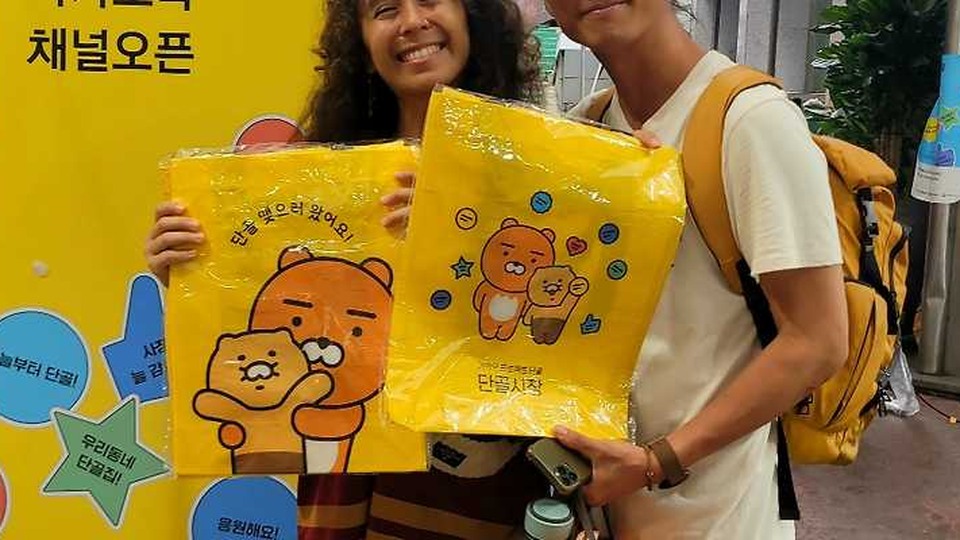
Sinpo International Market
Sinpo International Market began life as a traditional market that formed near the open port area, and today it serves as a tourist market where local food and everyday shops continue side by side. Rather than erecting an entirely new building, the remaining structure was connected and adapted into this tourist market of local food and everyday shops, passing the memory of the place on to its next users. The first thing to look at on site is the connection between the history of the open port and the commercial alleys of the market. Instead of quickly photographing the exterior, compare step by step how the traces of the traditional market that formed near the open port carried over into this tourist market of local food and everyday shops, and the changes unique to this place will naturally come into view.
When preparing an actual visit, the first thing to take care of is to check the waiting times at well-known shops and the public parking lots nearby. If access conditions change around 25 Uhyeon-ro 49beon-gil, Jemulpo-gu, Incheon, the publicly accessible range of this tourist market of local food and everyday shops may also be affected, so it is safer to confirm the waits at well-known shops and nearby public parking through the latest notices rather than relying on the business hours shown on a map. At Sinpo International Market, distinguish between the areas open to visitors and the living spaces of residents and tenants, and when recording the connection between the history of the open port and the market's commercial alleys, avoid disrupting foot traffic and work so that your trip respects how the place is used today.
When preparing an actual visit, the first thing to take care of is to check the waiting times at well-known shops and the public parking lots nearby. If access conditions change around 25 Uhyeon-ro 49beon-gil, Jemulpo-gu, Incheon, the publicly accessible range of this tourist market of local food and everyday shops may also be affected, so it is safer to confirm the waits at well-known shops and nearby public parking through the latest notices rather than relying on the business hours shown on a map. At Sinpo International Market, distinguish between the areas open to visitors and the living spaces of residents and tenants, and when recording the connection between the history of the open port and the market's commercial alleys, avoid disrupting foot traffic and work so that your trip respects how the place is used today.
도로명주소 인천 제물포구 우현로49번길 25
지번주소 인천 제물포구 신포동 7-40
과거 용도 개항장 인근에서 형성된 전통시장
현재 쓰임 지역 먹거리와 생활 점포가 이어지는 관광시장
현장 관찰점 개항장 역사와 시장 골목 상권의 연결
방문 전 확인 유명 점포 대기와 주변 공영주차장을 확인한다
공개 전화번호 0502-5550-4578
공식 관광정보 https://korean.visitkorea.or.kr/search/search_list.do?keyword=%EC%8B%A0%ED%8F%AC%EA%B5%AD%EC%A0%9C%EC%8B%9C%EC%9E%A5
이미지 출처 https://img1.kakaocdn.net/cthumb/local/C800x400.q50/?fname=http%3A%2F%2Ft1.kakaocdn.net%2Fmystore%2FAF30CC52BCFA41B499A3BFC581A95005
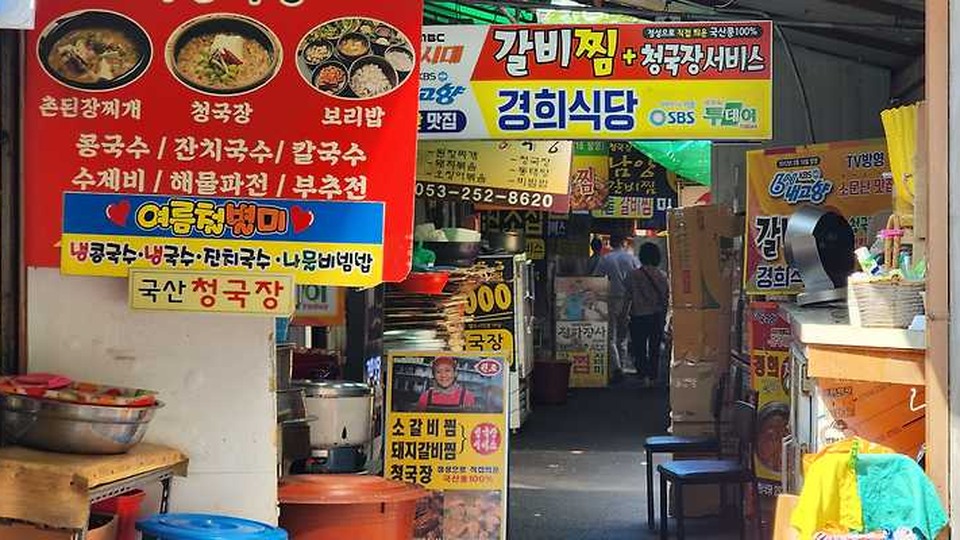
Seomun Market
Seomun Market began life as Daegu's flagship market, with a history stretching back to the Joseon Dynasty, and today it serves as a large market combining textiles, clothing, food, and a night market. Rather than erecting an entirely new building, the remaining structure was connected and adapted into this large market of textiles, clothing, food, and a night market, passing the memory of the place on to its next users. The first thing to look at on site is the specialized commercial zones created by the product-based districts and the sheer scale of the market. Instead of quickly photographing the exterior, compare step by step how the traces of Daegu's flagship market since the Joseon Dynasty carried over into this large market of textiles, clothing, food, and a night market, and the changes unique to this place will naturally come into view.
When preparing an actual visit, the first thing to take care of is to check the night market operating days and the closing days of each building. If access conditions change around 45 Keunjang-ro 26-gil, Jung-gu, Daegu, the publicly accessible range of this large market of textiles, clothing, food, and a night market may also be affected, so it is safer to confirm the night market operating days and each building's closing days through the latest notices rather than relying on the business hours shown on a map. At Seomun Market, distinguish between the areas open to visitors and the living spaces of residents and tenants, and when recording the specialized commercial zones created by the product-based districts and the scale of the market, avoid disrupting foot traffic and work so that your trip respects how the place is used today.
When preparing an actual visit, the first thing to take care of is to check the night market operating days and the closing days of each building. If access conditions change around 45 Keunjang-ro 26-gil, Jung-gu, Daegu, the publicly accessible range of this large market of textiles, clothing, food, and a night market may also be affected, so it is safer to confirm the night market operating days and each building's closing days through the latest notices rather than relying on the business hours shown on a map. At Seomun Market, distinguish between the areas open to visitors and the living spaces of residents and tenants, and when recording the specialized commercial zones created by the product-based districts and the scale of the market, avoid disrupting foot traffic and work so that your trip respects how the place is used today.
도로명주소 대구 중구 큰장로26길 45
지번주소 대구 중구 대신동 115-378
과거 용도 조선시대부터 이어진 대구 대표 시장
현재 쓰임 섬유·의류·먹거리와 야시장이 결합된 대형시장
현장 관찰점 품목별 지구와 시장 규모가 만든 전문 상권
방문 전 확인 야시장 운영일과 건물별 휴무를 확인한다
공개 전화번호 053-256-6341
공식 관광정보 https://korean.visitkorea.or.kr/search/search_list.do?keyword=%EC%84%9C%EB%AC%B8%EC%8B%9C%EC%9E%A5
이미지 출처 https://img1.kakaocdn.net/cthumb/local/C800x400.q50/?fname=http%3A%2F%2Ft1.kakaocdn.net%2Flocal%2FkakaomapPhoto%2Freview%2F9e7096918a3702d3660ff2ac75b7d9fa3ed1ed463acfa2eb1e2141ba9471de37
These eight markets show the different ways an old commercial district can create new reasons to visit. Yesan Market and 1913 Songjeong Station Market put food and spatial design front and center, while Jeonju Nambu Market and Suwon Motgol Market layered youth start-ups and cultural programs on top of their existing grocery function. For the large markets of Sokcho, Busan, Incheon, and Daegu, remember that local ingredients and wholesale and retail functions come before tourism.
At a market, look at seasonal items and local merchants' recommendations rather than the one shop with the longest line. Do not block the aisles for photos or occupy seats for long stretches, and bringing a reusable shopping bag and a small amount of cash makes things easier. Compare public transit and public parking lot locations before waiting for a parking spot, and check how long takeout food will keep. If you walk the market not just as content to consume but from the perspective of residents' everyday commerce, you can read both the achievements and the challenges of urban regeneration together.
At a market, look at seasonal items and local merchants' recommendations rather than the one shop with the longest line. Do not block the aisles for photos or occupy seats for long stretches, and bringing a reusable shopping bag and a small amount of cash makes things easier. Compare public transit and public parking lot locations before waiting for a parking spot, and check how long takeout food will keep. If you walk the market not just as content to consume but from the perspective of residents' everyday commerce, you can read both the achievements and the challenges of urban regeneration together.
At a glance
8 items
Yesan Permanent Market
예산 원도심의 상설 전통시장041-333-3318
1913 Songjeong Station Market
송정역 앞 매일시장062-942-1914
Motgol Comprehensive Market
031-246-5638
Jeonju South Market Hanok Village Night Market
전주천과 풍남문 옆 전통시장063-288-1344
Bupyeong Can Market
부산 중구 부평동2가 82부산 중구 부평동2가 82051-243-1128
Sokcho Tourist Fish Market
속초 중앙의 생활형 전통시장033-635-8433
Sinpo International Market
인천 제물포구 신포동 7-400502-5550-4578
Seomun Market
대구 중구 큰장로26길 45053-256-6341
Locations at a glance
8 places
As part of the Coupang Partners program, this post may earn a commission from qualifying purchases.
Comments 0
Log in to leave a comment.
Be the first to comment.
How about these lists?


You might also like


🎲
Not ready to stop here?
Wondering what to read next is the biggest waste of time.
Let the dice decide — you won't know what pops up until you roll.
If you don't press it… won't you wonder forever? 👀
