Collection
Themed Travel
2026.10.07
An Old Downtown Alley Tour Where Books and Crafts Lit the Lamps
Eight cultural hubs created in aging neighborhoods by secondhand bookshops, print shops, craft studios, and artists
Regenerating an old downtown is less about filling worn buildings with cafes than about connecting the skills and memories that remain in a community to the activities of the next generation. Secondhand bookshops, print shops, small craft studios, and the alley stories recorded by residents create a sense of place that large-scale development cannot manufacture. At the same time, rising visitor numbers and climbing rents can push out long-standing shops, so the polish of a new space alone is a poor measure of success.
This list gathers eight real old-downtown cultural hubs in Busan, Incheon, Cheongju, Jeonju, Gongju, Suncheon, Mokpo, and Yeongju. They were chosen to show how different mediums, namely books, crafts, art, and everyday history, reconnect declining alleys and buildings. Shops and studios may be unattended by their operators or open only for reservation-based programs, so check separately whether the street as a whole is open and whether individual shops are operating.
This list gathers eight real old-downtown cultural hubs in Busan, Incheon, Cheongju, Jeonju, Gongju, Suncheon, Mokpo, and Yeongju. They were chosen to show how different mediums, namely books, crafts, art, and everyday history, reconnect declining alleys and buildings. Shops and studios may be unattended by their operators or open only for reservation-based programs, so check separately whether the street as a whole is open and whether individual shops are operating.
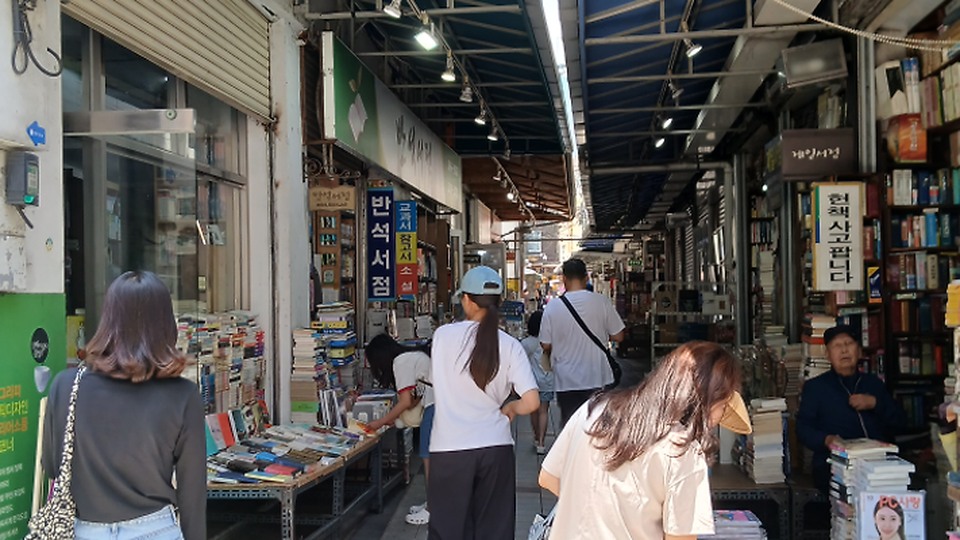
Bosudong Bookstore Alley
Bosu-dong Book Alley
Bosu-dong Book Alley began life as a secondhand bookshop street that started with street stalls during the Korean War, and today it serves as a book alley where used books, new books, and cultural events continue. Rather than erecting an entirely new building, the remaining structure was connected and adapted into this book alley of used books, new books, and cultural events, passing the memory of the place on to its next users. The first thing to look at on site is the narrow stepped alleys and the way bookshops of different generations display their stock. Instead of quickly photographing the exterior, compare step by step how the traces of the secondhand bookshop street that began with wartime street stalls carried over into this book alley of used books, new books, and cultural events, and the changes unique to this place will naturally come into view.
When preparing an actual visit, the first thing to take care of is to check each bookshop's closing days and the book alley's cultural events. If access conditions change around 16 Chaekbanggolmok-gil, Jung-gu, Busan, the publicly accessible range of this book alley of used books, new books, and cultural events may also be affected, so it is safer to confirm each bookshop's closing days and the alley's cultural events through the latest notices rather than relying on the business hours shown on a map. At Bosu-dong Book Alley, distinguish between the areas open to visitors and the living spaces of residents and tenants, and when recording the narrow stepped alleys and the display styles of bookshops across generations, avoid disrupting foot traffic and work so that your trip respects how the place is used today.
When preparing an actual visit, the first thing to take care of is to check each bookshop's closing days and the book alley's cultural events. If access conditions change around 16 Chaekbanggolmok-gil, Jung-gu, Busan, the publicly accessible range of this book alley of used books, new books, and cultural events may also be affected, so it is safer to confirm each bookshop's closing days and the alley's cultural events through the latest notices rather than relying on the business hours shown on a map. At Bosu-dong Book Alley, distinguish between the areas open to visitors and the living spaces of residents and tenants, and when recording the narrow stepped alleys and the display styles of bookshops across generations, avoid disrupting foot traffic and work so that your trip respects how the place is used today.
도로명주소 부산 중구 책방골목길 16
지번주소 부산 중구 보수동1가 151-1
과거 용도 한국전쟁기 노점에서 시작한 헌책방 거리
현재 쓰임 헌책·새책·문화행사가 이어지는 책방골목
현장 관찰점 좁은 계단 골목과 세대별 서점의 진열 방식
방문 전 확인 서점별 휴무와 책방골목 문화행사를 확인한다
공개 전화번호 검색 결과 미표시
공식 관광정보 https://korean.visitkorea.or.kr/search/search_list.do?keyword=%EB%B3%B4%EC%88%98%EB%8F%99%EC%B1%85%EB%B0%A9%EA%B3%A8%EB%AA%A9
이미지 출처 https://img1.kakaocdn.net/cthumb/local/C800x400.q50/?fname=http%3A%2F%2Ft1.kakaocdn.net%2Flocal%2FkakaomapPhoto%2Freview%2Ff400a404ea644458461fcc21b0f4616080110033%3Foriginal
Incheon Baedari Used Bookstore Street
Incheon Baedari Secondhand Book Street
Incheon Baedari Secondhand Book Street began life as the Baedari old-downtown commercial district that formed after the port opened, and today it serves as a space for secondhand bookshops, exhibitions, and village culture. Rather than erecting an entirely new building, the remaining structure was connected and adapted into this space of secondhand bookshops, exhibitions, and village culture, passing the memory of the place on to its next users. The first thing to look at on site is the everyday culture left behind by the neighborhood along the railway and its old bookshops. Instead of quickly photographing the exterior, compare step by step how the traces of the Baedari old-downtown commercial district that formed after the port opened carried over into this space of secondhand bookshops, exhibitions, and village culture, and the changes unique to this place will naturally come into view.
When preparing an actual visit, the first thing to take care of is to check the business hours of individual bookshops and which alleys are residential. If access conditions change around 87-34 Geumgok-dong, Jemulpo-gu, Incheon, the publicly accessible range of this space of secondhand bookshops, exhibitions, and village culture may also be affected, so it is safer to confirm individual bookshop hours and residential alleys through the latest notices rather than relying on the business hours shown on a map. At Incheon Baedari Secondhand Book Street, distinguish between the areas open to visitors and the living spaces of residents and tenants, and when recording the everyday culture left by the neighborhood along the railway and its old bookshops, avoid disrupting foot traffic and work so that your trip respects how the place is used today.
When preparing an actual visit, the first thing to take care of is to check the business hours of individual bookshops and which alleys are residential. If access conditions change around 87-34 Geumgok-dong, Jemulpo-gu, Incheon, the publicly accessible range of this space of secondhand bookshops, exhibitions, and village culture may also be affected, so it is safer to confirm individual bookshop hours and residential alleys through the latest notices rather than relying on the business hours shown on a map. At Incheon Baedari Secondhand Book Street, distinguish between the areas open to visitors and the living spaces of residents and tenants, and when recording the everyday culture left by the neighborhood along the railway and its old bookshops, avoid disrupting foot traffic and work so that your trip respects how the place is used today.
도로명주소 인천 제물포구 금곡동 87-34
지번주소 인천 제물포구 금곡동 87-34
과거 용도 개항 뒤 형성된 배다리 원도심 상권
현재 쓰임 헌책방·전시·마을문화 공간
현장 관찰점 철길 주변 동네와 오래된 서점이 남긴 생활문화
방문 전 확인 개별 책방 영업시간과 주민 골목을 확인한다
공개 전화번호 검색 결과 미표시
공식 관광정보 https://korean.visitkorea.or.kr/search/search_list.do?keyword=%EB%B0%B0%EB%8B%A4%EB%A6%AC%ED%97%8C%EC%B1%85%EB%B0%A9%EA%B1%B0%EB%A6%AC
이미지 출처 https://img1.kakaocdn.net/cthumb/local/C800x400.q50/?fname=https%3A%2F%2Fpostfiles.pstatic.net%2FMjAyNjA4MzFfMTg0%2FMDAxNzg4MTMyMDA5MzI5.-msZb3ZNvB4wiWO9VTG-wFUEajVxa0d_d74QcZYkCG8g.8Npkz9rA2L5HrGqRQzHJGlzq6YI-NA0YgsNLYn7NBT4g.JPEG%2F1226687E%25EF%25BC%258D03A2%25EF%25BC%258D4027%25EF%25BC%258DB370%25EF%25BC%258D195E46CF2EFF%25EF%25BC%258D64544%25EF%25BC%258D00000C5978216C5C.jpg%3Ftype%3Dw386
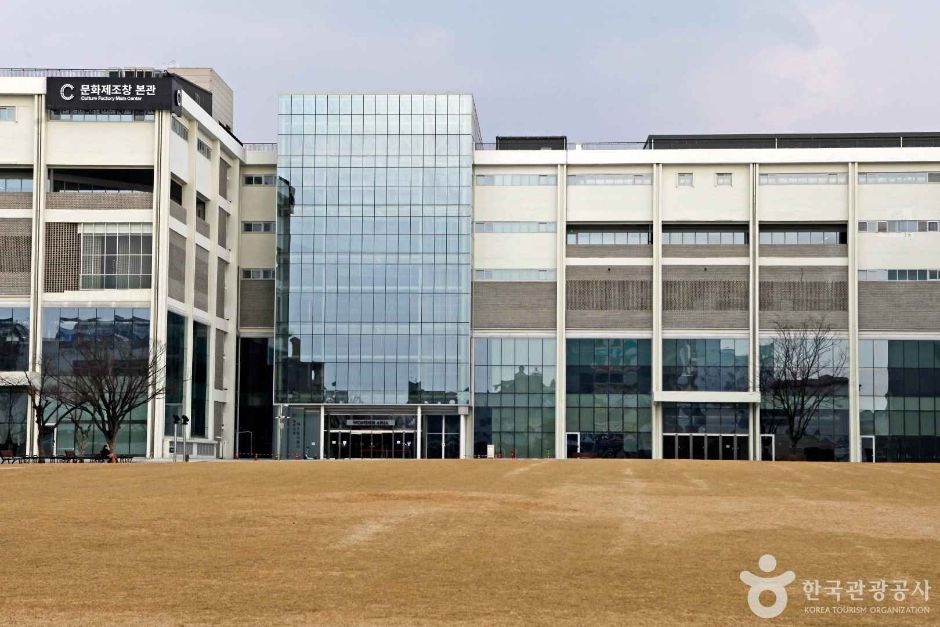
Culture Factory Main Building
The Culture Factory Main Building began life as the former Cheongju Tobacco Factory, and today it serves as a complex housing a craft museum, an art museum, a library, and commercial facilities. Rather than erecting an entirely new building, the remaining structure was connected and adapted into this complex of a craft museum, art museum, library, and commercial facilities, passing the memory of the place on to its next users. The first thing to look at on site is the connection between the large tobacco factory building and the Dongbu Changgo warehouse area. Instead of quickly photographing the exterior, compare step by step how the traces of the former Cheongju Tobacco Factory carried over into this complex of a craft museum, art museum, library, and commercial facilities, and the changes unique to this place will naturally come into view.
When preparing an actual visit, the first thing to take care of is to check each facility's closing days along with event and parking information. If access conditions change around 314 Sangdang-ro, Cheongwon-gu, Cheongju-si, Chungcheongbuk-do, the publicly accessible range of this complex of a craft museum, art museum, library, and commercial facilities may also be affected, so it is safer to confirm each facility's closing days and event and parking information through the latest notices rather than relying on the business hours shown on a map. At the Culture Factory Main Building, distinguish between the areas open to visitors and the living spaces of residents and tenants, and when recording the connection between the large tobacco factory building and the Dongbu Changgo area, avoid disrupting foot traffic and work so that your trip respects how the place is used today.
When preparing an actual visit, the first thing to take care of is to check each facility's closing days along with event and parking information. If access conditions change around 314 Sangdang-ro, Cheongwon-gu, Cheongju-si, Chungcheongbuk-do, the publicly accessible range of this complex of a craft museum, art museum, library, and commercial facilities may also be affected, so it is safer to confirm each facility's closing days and event and parking information through the latest notices rather than relying on the business hours shown on a map. At the Culture Factory Main Building, distinguish between the areas open to visitors and the living spaces of residents and tenants, and when recording the connection between the large tobacco factory building and the Dongbu Changgo area, avoid disrupting foot traffic and work so that your trip respects how the place is used today.
도로명주소 충북 청주시 청원구 상당로 314
지번주소 충북 청주시 청원구 내덕동 858
과거 용도 옛 청주 연초제조창
현재 쓰임 공예관·미술관·도서관·상업시설 복합공간
현장 관찰점 담배공장 대형 건물과 동부창고 일대의 연결
방문 전 확인 시설별 휴관과 행사·주차 정보를 확인한다
공개 전화번호 검색 결과 미표시
공식 관광정보 https://korean.visitkorea.or.kr/search/search_list.do?keyword=%EB%AC%B8%ED%99%94%EC%A0%9C%EC%A1%B0%EC%B0%BD
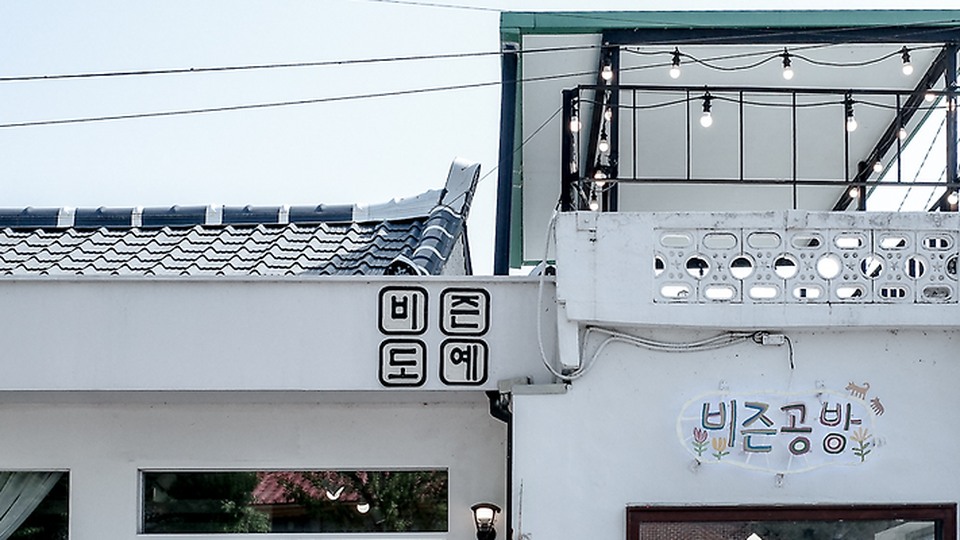
Seohakdong Art Village
Seohak-dong Art Village
Seohak-dong Art Village began life as an old residential and commercial alley in southern Jeonju, and today it serves as an art village with artists' studios, craft workshops, and small exhibitions. Rather than erecting an entirely new building, the remaining structure was connected and adapted into this art village of artists' studios, craft workshops, and small exhibitions, passing the memory of the place on to its next users. The first thing to look at on site is the coexistence of everyday alleys and studios across from the Hanok Village. Instead of quickly photographing the exterior, compare step by step how the traces of the old residential and commercial alley in southern Jeonju carried over into this art village of artists' studios, craft workshops, and small exhibitions, and the changes unique to this place will naturally come into view.
When preparing an actual visit, the first thing to take care of is to check the studios' open days and respect residents' privacy. If access conditions change around 67 Seohak 3-gil, Wansan-gu, Jeonju-si, Jeonbuk State, the publicly accessible range of this art village of artists' studios, craft workshops, and small exhibitions may also be affected, so it is safer to confirm studio open days and residents' privacy considerations through the latest notices rather than relying on the business hours shown on a map. At Seohak-dong Art Village, distinguish between the areas open to visitors and the living spaces of residents and tenants, and when recording the coexistence of everyday alleys and studios across from the Hanok Village, avoid disrupting foot traffic and work so that your trip respects how the place is used today.
When preparing an actual visit, the first thing to take care of is to check the studios' open days and respect residents' privacy. If access conditions change around 67 Seohak 3-gil, Wansan-gu, Jeonju-si, Jeonbuk State, the publicly accessible range of this art village of artists' studios, craft workshops, and small exhibitions may also be affected, so it is safer to confirm studio open days and residents' privacy considerations through the latest notices rather than relying on the business hours shown on a map. At Seohak-dong Art Village, distinguish between the areas open to visitors and the living spaces of residents and tenants, and when recording the coexistence of everyday alleys and studios across from the Hanok Village, avoid disrupting foot traffic and work so that your trip respects how the place is used today.
도로명주소 전북특별자치도 전주시 완산구 서학3길 67
지번주소 전북특별자치도 전주시 완산구 서서학동 1-1
과거 용도 전주 남부의 오래된 주거·상업 골목
현재 쓰임 작가 작업실·공방·작은 전시가 있는 예술마을
현장 관찰점 한옥마을 건너편 생활 골목과 작업실의 공존
방문 전 확인 공방 공개일과 주민 사생활을 확인한다
공개 전화번호 검색 결과 미표시
공식 관광정보 https://korean.visitkorea.or.kr/search/search_list.do?keyword=%EC%84%9C%ED%95%99%EB%8F%99%EC%98%88%EC%88%A0%EB%A7%88%EC%9D%84
이미지 출처 https://img1.kakaocdn.net/cthumb/local/C800x400.q50/?fname=https%3A%2F%2Fpostfiles.pstatic.net%2FMjAyNjA2MDZfNTkg%2FMDAxNzgwNzIyMzI5NDI4.6IWBVwj5jnxL9wkVsDfQSYSxPbLBB6Lt965tQyfLQvkg.5J_QLVju476meEdj2HlL7xvoVORd6yRfOBTal7_kgDEg.PNG%2FR0008615.png%3Ftype%3Dw966
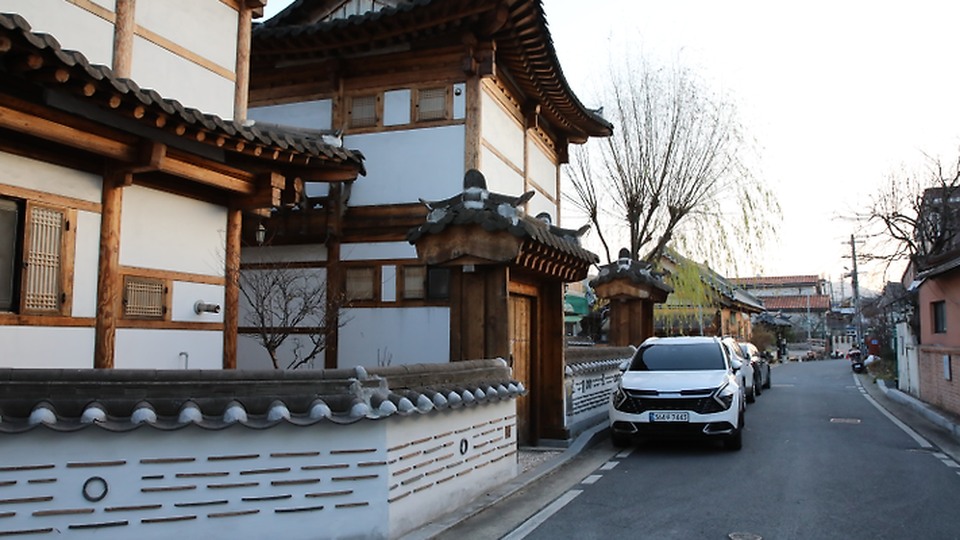
Jeminchen Stream
Jemincheon Stream
Jemincheon Stream began life as the everyday stream and alleys running through Gongju's old downtown, and today it serves as an old-downtown cultural axis linking walking paths, bookshops, and craft studios. Rather than erecting an entirely new building, the remaining structure was connected and adapted into this old-downtown cultural axis of walking paths, bookshops, and craft studios, passing the memory of the place on to its next users. The first thing to look at on site is the structure where the streamside path meets old shops and houses. Instead of quickly photographing the exterior, compare step by step how the traces of the everyday stream and alleys running through Gongju's old downtown carried over into this old-downtown cultural axis of walking paths, bookshops, and craft studios, and the changes unique to this place will naturally come into view.
When preparing an actual visit, the first thing to take care of is to check the water level in rainy weather and the business days of independent shops. If access conditions change around Banjuk-dong, Gongju-si, Chungcheongnam-do, the publicly accessible range of this old-downtown cultural axis of walking paths, bookshops, and craft studios may also be affected, so it is safer to confirm rainy-weather water levels and independent shop business days through the latest notices rather than relying on the business hours shown on a map. At Jemincheon Stream, distinguish between the areas open to visitors and the living spaces of residents and tenants, and when recording the structure where the streamside path meets old shops and houses, avoid disrupting foot traffic and work so that your trip respects how the place is used today.
When preparing an actual visit, the first thing to take care of is to check the water level in rainy weather and the business days of independent shops. If access conditions change around Banjuk-dong, Gongju-si, Chungcheongnam-do, the publicly accessible range of this old-downtown cultural axis of walking paths, bookshops, and craft studios may also be affected, so it is safer to confirm rainy-weather water levels and independent shop business days through the latest notices rather than relying on the business hours shown on a map. At Jemincheon Stream, distinguish between the areas open to visitors and the living spaces of residents and tenants, and when recording the structure where the streamside path meets old shops and houses, avoid disrupting foot traffic and work so that your trip respects how the place is used today.
도로명주소 충남 공주시 반죽동
지번주소 충남 공주시 반죽동
과거 용도 공주 원도심을 흐르는 생활 하천과 골목
현재 쓰임 산책·책방·공방이 연결된 원도심 문화축
현장 관찰점 하천길과 오래된 상점·주택이 만나는 구조
방문 전 확인 우천 수위와 독립상점 영업일을 확인한다
공개 전화번호 검색 결과 미표시
공식 관광정보 https://korean.visitkorea.or.kr/search/search_list.do?keyword=%EA%B3%B5%EC%A3%BC%20%EC%A0%9C%EB%AF%BC%EC%B2%9C
이미지 출처 https://img1.kakaocdn.net/cthumb/local/C800x400.q50/?fname=http%3A%2F%2Ft1.kakaocdn.net%2Flocal%2FkakaomapPhoto%2Freview%2Fa019fc0a00153a95fc380320fcc87d172e333ae2%3Foriginal
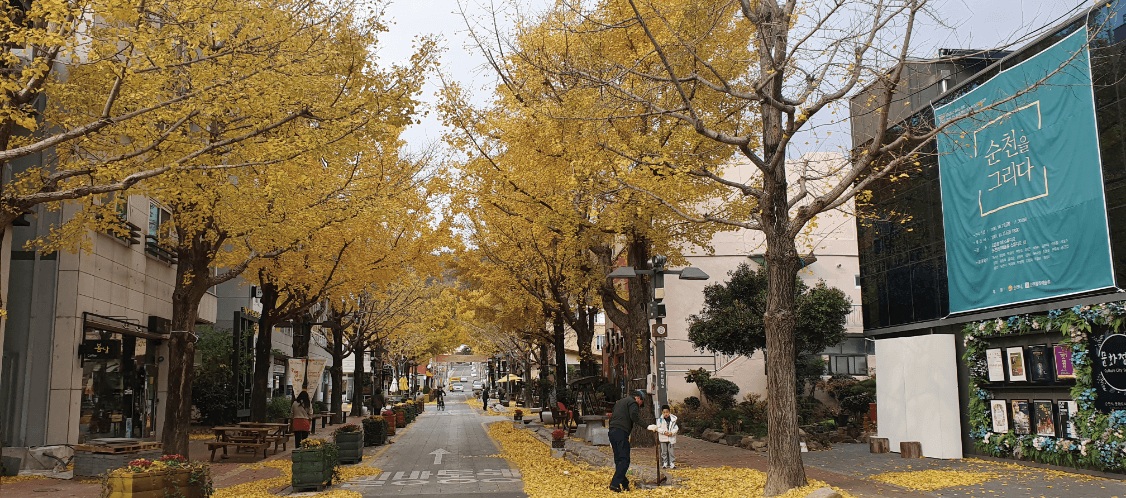
Suncheon Culture Street
Suncheon Culture Street began life as the old-downtown commercial district around the Suncheon-bu walled town, and today it serves as a street where craft studios, galleries, and cultural events continue. Rather than erecting an entirely new building, the remaining structure was connected and adapted into this street of craft studios, galleries, and cultural events, passing the memory of the place on to its next users. The first thing to look at on site is the distribution of cultural spaces within the Jungang-dong alleys and the everyday commercial district. Instead of quickly photographing the exterior, compare step by step how the traces of the old-downtown commercial district around the Suncheon-bu walled town carried over into this street of craft studios, galleries, and cultural events, and the changes unique to this place will naturally come into view.
When preparing an actual visit, the first thing to take care of is to check event dates and the operating hours of individual studios. If access conditions change around 65-58 Haeng-dong, Suncheon-si, Jeonnam-Gwangju Integrated Special City, the publicly accessible range of this street of craft studios, galleries, and cultural events may also be affected, so it is safer to confirm event dates and individual studio hours through the latest notices rather than relying on the business hours shown on a map. At Suncheon Culture Street, distinguish between the areas open to visitors and the living spaces of residents and tenants, and when recording the distribution of cultural spaces within the Jungang-dong alleys and the everyday commercial district, avoid disrupting foot traffic and work so that your trip respects how the place is used today.
When preparing an actual visit, the first thing to take care of is to check event dates and the operating hours of individual studios. If access conditions change around 65-58 Haeng-dong, Suncheon-si, Jeonnam-Gwangju Integrated Special City, the publicly accessible range of this street of craft studios, galleries, and cultural events may also be affected, so it is safer to confirm event dates and individual studio hours through the latest notices rather than relying on the business hours shown on a map. At Suncheon Culture Street, distinguish between the areas open to visitors and the living spaces of residents and tenants, and when recording the distribution of cultural spaces within the Jungang-dong alleys and the everyday commercial district, avoid disrupting foot traffic and work so that your trip respects how the place is used today.
도로명주소 전남광주통합특별시 순천시 행동 65-58
지번주소 전남광주통합특별시 순천시 행동 65-58
과거 용도 순천부 읍성 주변 원도심 상권
현재 쓰임 공방·갤러리·문화행사가 이어지는 거리
현장 관찰점 중앙동 골목과 생활 상권 속 문화공간의 분포
방문 전 확인 행사일과 개별 공방 운영시간을 확인한다
공개 전화번호 검색 결과 미표시
공식 관광정보 https://korean.visitkorea.or.kr/search/search_list.do?keyword=%EC%88%9C%EC%B2%9C%20%EB%AC%B8%ED%99%94%EC%9D%98%EA%B1%B0%EB%A6%AC
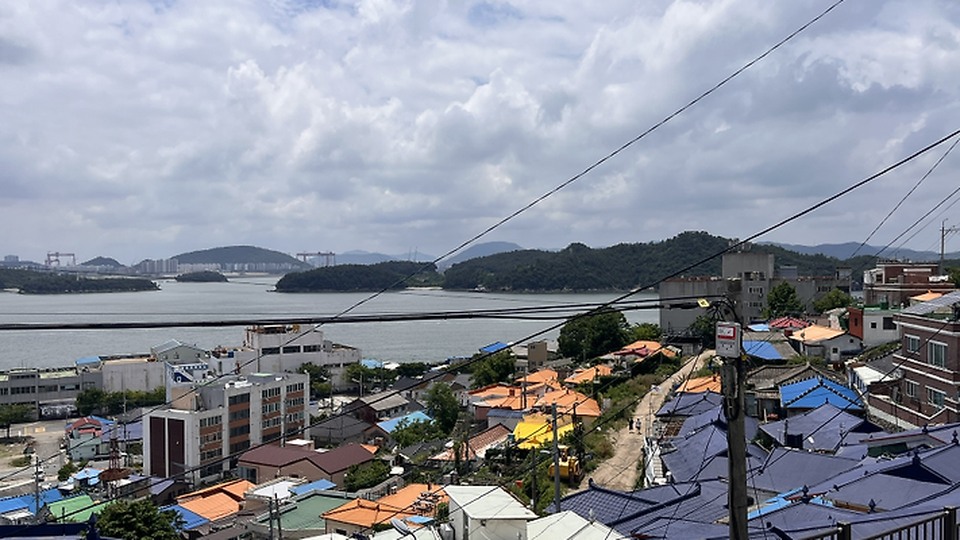
Seosan-dong Sihwa Alley
Seosan-dong Poetry and Painting Alley
Seosan-dong Poetry and Painting Alley began life as a hillside residential alley behind Mokpo Port, and today it serves as an alley lined with residents' poems and paintings and village exhibitions. Rather than erecting an entirely new building, the remaining structure was connected and adapted into this alley of residents' poems, paintings, and village exhibitions, passing the memory of the place on to its next users. The first thing to look at on site is the residents' records set along the hillside road overlooking the shipyard and the sea. Instead of quickly photographing the exterior, compare step by step how the traces of the hillside residential alley behind Mokpo Port carried over into this alley of residents' poems, paintings, and village exhibitions, and the changes unique to this place will naturally come into view.
When preparing an actual visit, the first thing to take care of is to be aware of the steep slopes and the etiquette for photographing residents' homes. If access conditions change around Seosan-dong, Mokpo-si, Jeonnam-Gwangju Integrated Special City, the publicly accessible range of this alley of residents' poems, paintings, and village exhibitions may also be affected, so it is safer to confirm the steep slopes and photography etiquette for residents' homes through the latest notices rather than relying on the business hours shown on a map. At Seosan-dong Poetry and Painting Alley, distinguish between the areas open to visitors and the living spaces of residents and tenants, and when recording the residents' records along the hillside road overlooking the shipyard and the sea, avoid disrupting foot traffic and work so that your trip respects how the place is used today.
When preparing an actual visit, the first thing to take care of is to be aware of the steep slopes and the etiquette for photographing residents' homes. If access conditions change around Seosan-dong, Mokpo-si, Jeonnam-Gwangju Integrated Special City, the publicly accessible range of this alley of residents' poems, paintings, and village exhibitions may also be affected, so it is safer to confirm the steep slopes and photography etiquette for residents' homes through the latest notices rather than relying on the business hours shown on a map. At Seosan-dong Poetry and Painting Alley, distinguish between the areas open to visitors and the living spaces of residents and tenants, and when recording the residents' records along the hillside road overlooking the shipyard and the sea, avoid disrupting foot traffic and work so that your trip respects how the place is used today.
도로명주소 전남광주통합특별시 목포시 서산동
지번주소 전남광주통합특별시 목포시 서산동
과거 용도 목포항 배후의 언덕 주거 골목
현재 쓰임 주민 시와 그림·마을전시가 이어지는 골목
현장 관찰점 조선소와 바다가 보이는 언덕길에 담긴 주민 기록
방문 전 확인 급경사와 주민 주택 촬영 예절을 확인한다
공개 전화번호 검색 결과 미표시
공식 관광정보 https://korean.visitkorea.or.kr/search/search_list.do?keyword=%EC%84%9C%EC%82%B0%EB%8F%99%20%EC%8B%9C%ED%99%94%EA%B3%A8%EB%AA%A9
이미지 출처 https://img1.kakaocdn.net/cthumb/local/C800x400.q50/?fname=http%3A%2F%2Ft1.kakaocdn.net%2Flocal%2FkakaomapPhoto%2Freview%2Fae5b57456d761862154de0489b147f9ae757aa9a%3Foriginal
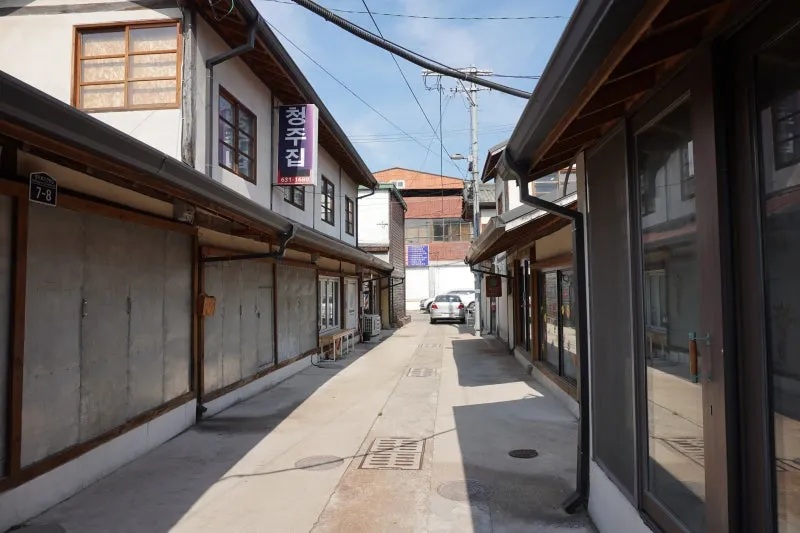
Yeongju Modern History Culture Street
Yeongju Modern History and Culture Street
Yeongju Modern History and Culture Street began life as the old downtown of Yeongju, which grew with the opening of the railway, and today it serves as a historic and cultural street linking modern architecture, markets, and everyday culture. Rather than erecting an entirely new building, the remaining structure was connected and adapted into this historic and cultural street of modern architecture, markets, and everyday culture, passing the memory of the place on to its next users. The first thing to look at on site is the way the commercial and residential traces of a railway town continue through the alleys. Instead of quickly photographing the exterior, compare step by step how the traces of the old downtown of Yeongju that grew with the railway carried over into this historic and cultural street of modern architecture, markets, and everyday culture, and the changes unique to this place will naturally come into view.
When preparing an actual visit, the first thing to take care of is to check the locations of registered cultural heritage sites and the operation of individual facilities. If access conditions change around 466-39 Yeongju-dong, Yeongju-si, Gyeongsangbuk-do, the publicly accessible range of this historic and cultural street of modern architecture, markets, and everyday culture may also be affected, so it is safer to confirm registered heritage site locations and individual facility operations through the latest notices rather than relying on the business hours shown on a map. At Yeongju Modern History and Culture Street, distinguish between the areas open to visitors and the living spaces of residents and tenants, and when recording the way the commercial and residential traces of a railway town continue through the alleys, avoid disrupting foot traffic and work so that your trip respects how the place is used today.
When preparing an actual visit, the first thing to take care of is to check the locations of registered cultural heritage sites and the operation of individual facilities. If access conditions change around 466-39 Yeongju-dong, Yeongju-si, Gyeongsangbuk-do, the publicly accessible range of this historic and cultural street of modern architecture, markets, and everyday culture may also be affected, so it is safer to confirm registered heritage site locations and individual facility operations through the latest notices rather than relying on the business hours shown on a map. At Yeongju Modern History and Culture Street, distinguish between the areas open to visitors and the living spaces of residents and tenants, and when recording the way the commercial and residential traces of a railway town continue through the alleys, avoid disrupting foot traffic and work so that your trip respects how the place is used today.
도로명주소 경북 영주시 영주동 466-39
지번주소 경북 영주시 영주동 466-39
과거 용도 철도 개통과 함께 성장한 영주 원도심
현재 쓰임 근대 건축·시장·생활문화를 잇는 역사문화거리
현장 관찰점 철도도시의 상업·주거 흔적이 골목에 이어지는 모습
방문 전 확인 등록문화재 위치와 개별 시설 운영을 확인한다
공개 전화번호 검색 결과 미표시
공식 관광정보 https://korean.visitkorea.or.kr/search/search_list.do?keyword=%EC%98%81%EC%A3%BC%20%EA%B7%BC%EB%8C%80%EC%97%AD%EC%82%AC%EB%AC%B8%ED%99%94%EA%B1%B0%EB%A6%AC
Walking these eight places shows that buildings are not the only protagonists of old downtown regeneration. In Bosu-dong and Baedari, the relationships between people buying and selling books keep the alleys alive, while in Seohak-dong and on Suncheon's Culture Street, artists' studios and residents' shops together shape the mood of the neighborhood. Comparing a case like Cheongju's Culture Factory, where a large industrial facility was turned into a cultural hub, with the small alley records of Mokpo and Yeongju also reveals the strengths and weaknesses that come with scale.
In an old downtown, look first at long-running shops and residents' signboards rather than famous photo zones. Ask permission before photographing inside studios, and in quiet residential alleys keep group movement and noise to a minimum. Individual shops close or relocate often, so instead of trusting saved map pins alone, check official cultural events and on-site information centers. A slow route that includes buying a book or a small piece by a local artist and eating at a nearby restaurant helps the alley's sustainability far more directly.
In an old downtown, look first at long-running shops and residents' signboards rather than famous photo zones. Ask permission before photographing inside studios, and in quiet residential alleys keep group movement and noise to a minimum. Individual shops close or relocate often, so instead of trusting saved map pins alone, check official cultural events and on-site information centers. A slow route that includes buying a book or a small piece by a local artist and eating at a nearby restaurant helps the alley's sustainability far more directly.
At a glance
8 items
Bosudong Bookstore Alley
부산 중구 책방골목길 16검색 결과 미표시
Incheon Baedari Used Bookstore Street
헌책방·전시·마을문화 공간검색 결과 미표시
Culture Factory Main Building
옛 청주 연초제조창검색 결과 미표시
Seohakdong Art Village
검색 결과 미표시
Jeminchen Stream
충남 공주시 반죽동충남 공주시 반죽동검색 결과 미표시
Suncheon Culture Street
순천부 읍성 주변 원도심 상권검색 결과 미표시
Seosan-dong Sihwa Alley
목포항 배후의 언덕 주거 골목검색 결과 미표시
Yeongju Modern History Culture Street
검색 결과 미표시
Locations at a glance
8 places
As part of the Coupang Partners program, this post may earn a commission from qualifying purchases.
Comments 0
Log in to leave a comment.
Be the first to comment.
How about these lists?


You might also like




🎲
Not ready to stop here?
Wondering what to read next is the biggest waste of time.
Let the dice decide — you won't know what pops up until you roll.
If you don't press it… won't you wonder forever? 👀