Collection
Themed Travel
2026.10.07
An Architecture Tour of Buildings Turned from Seats of Power into Spaces for Citizens
Eight places where military bases, government offices, and bank buildings became parks, museums, and art galleries
Military bases, government offices, courthouses, and bank buildings were once spaces of power that ordinary citizens could not freely enter. Once their functions moved elsewhere and they were converted into parks, museums, libraries, and art galleries, their high walls, imposing entrances, and rooms divided by task met new public programs. Rather than only admiring the beauty of the architecture, you should also read what institution and era each building symbolized.
This list selects eight real regenerated spaces in Seoul, Busan, Daejeon, and Paju. It mixes places with very different pasts: a US military base and a civilian-restricted zone, a former city hall and provincial office, a courthouse, a central bank branch, and military hospital and intelligence command buildings. Some require reservations or identity checks, and not every preserved building is open to the public at all times, so check exhibition schedules, entry procedures, and photography restrictions in the official notices.
This list selects eight real regenerated spaces in Seoul, Busan, Daejeon, and Paju. It mixes places with very different pasts: a US military base and a civilian-restricted zone, a former city hall and provincial office, a courthouse, a central bank branch, and military hospital and intelligence command buildings. Some require reservations or identity checks, and not every preserved building is open to the public at all times, so check exhibition schedules, entry procedures, and photography restrictions in the official notices.
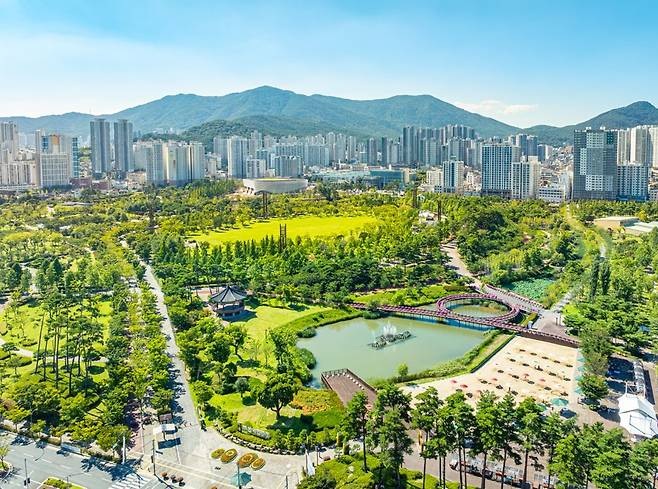
Busan Citizens Park
Busan Citizens Park began life as the site of the US Army's Camp Hialeah, and today it serves as an urban park and history exhibition space. Rather than erecting an entirely new building, the remaining structure was connected and adapted into this urban park and history exhibition space, passing the memory of the place on to its next users. The first thing to look at on site is the structure where traces of the base overlap with the railway and park pathways. Instead of quickly photographing the exterior, compare step by step how the traces of the Camp Hialeah base carried over into this urban park and history exhibition space, and the changes unique to this place will naturally come into view.
When preparing an actual visit, the first thing to take care of is to check the operation of the park history museum and the nighttime hours. If access conditions change around 73 Simingongwon-ro, Busanjin-gu, Busan, the publicly accessible range of this urban park and history exhibition space may also be affected, so it is safer to confirm the park history museum's operation and nighttime hours through the latest notices rather than relying on the business hours shown on a map. At Busan Citizens Park, distinguish between the areas open to visitors and the living spaces of residents and tenants, and when recording the structure where traces of the base overlap with the railway and park pathways, avoid disrupting foot traffic and work so that your trip respects how the place is used today.
When preparing an actual visit, the first thing to take care of is to check the operation of the park history museum and the nighttime hours. If access conditions change around 73 Simingongwon-ro, Busanjin-gu, Busan, the publicly accessible range of this urban park and history exhibition space may also be affected, so it is safer to confirm the park history museum's operation and nighttime hours through the latest notices rather than relying on the business hours shown on a map. At Busan Citizens Park, distinguish between the areas open to visitors and the living spaces of residents and tenants, and when recording the structure where traces of the base overlap with the railway and park pathways, avoid disrupting foot traffic and work so that your trip respects how the place is used today.
도로명주소 부산 부산진구 시민공원로 73
지번주소 부산 부산진구 연지동 111
과거 용도 미군 하야리아 부대 부지
현재 쓰임 도심 공원과 역사 전시 공간
현장 관찰점 기지 흔적과 철도·공원 동선이 겹치는 구조
방문 전 확인 공원 역사관 운영과 야간 이용시간을 확인한다
공개 전화번호 051-850-6000
공식 관광정보 https://korean.visitkorea.or.kr/search/search_list.do?keyword=%EB%B6%80%EC%82%B0%EC%8B%9C%EB%AF%BC%EA%B3%B5%EC%9B%90
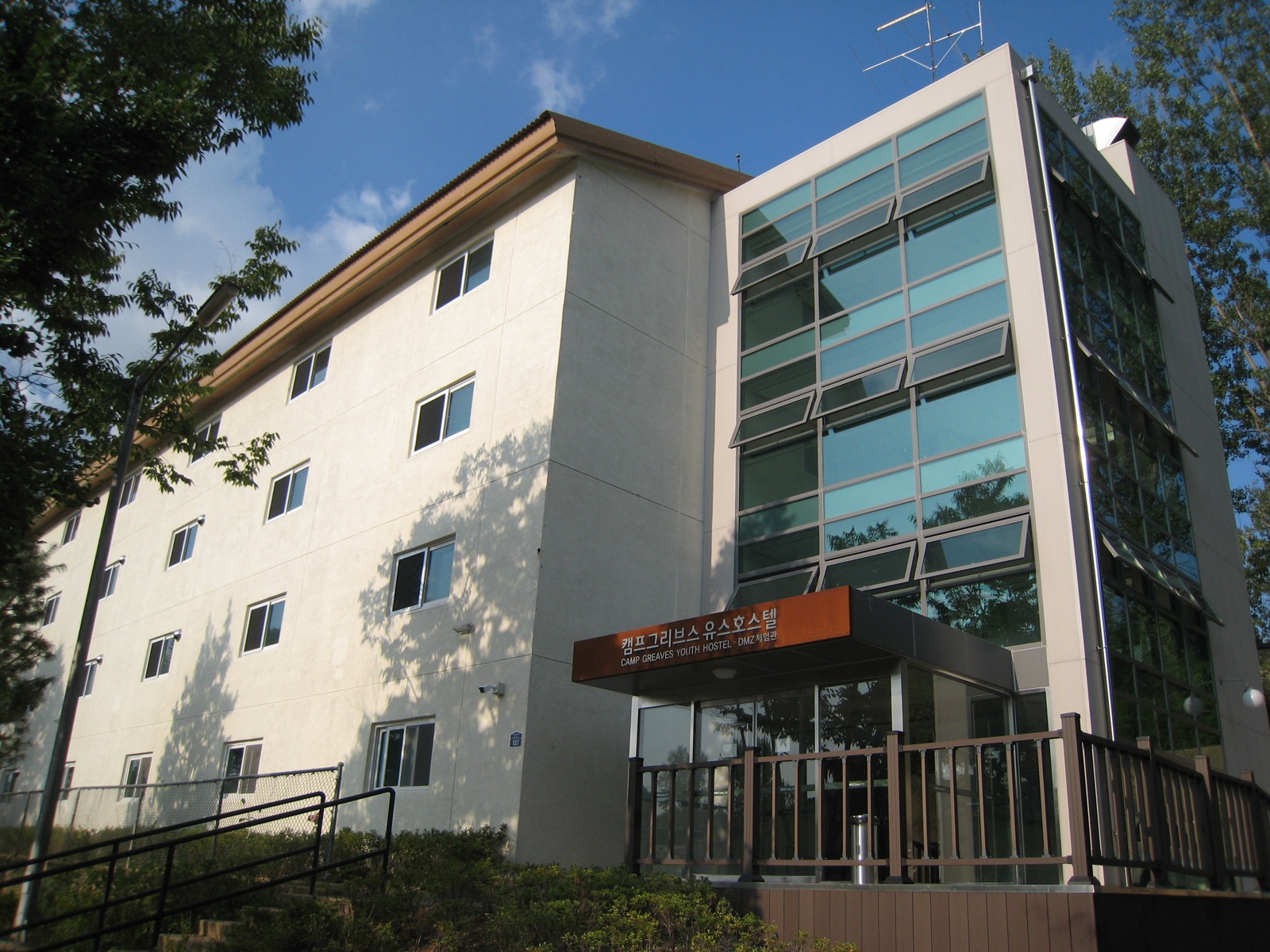
Camp Greaves Youth Hostel
Camp Greaves Youth Hostel began life as a base where US forces were stationed after the Korean War, and today it serves as a space for DMZ experience, exhibition, and lodging programs. Rather than erecting an entirely new building, the remaining structure was connected and adapted into this space for DMZ experience, exhibition, and lodging programs, passing the memory of the place on to its next users. The first thing to look at on site is the time of division that remains in the military architecture, such as the barracks and gymnasium. Instead of quickly photographing the exterior, compare step by step how the traces of the base where US forces were stationed after the Korean War carried over into this space for DMZ experience, exhibition, and lodging programs, and the changes unique to this place will naturally come into view.
When preparing an actual visit, the first thing to take care of is to check the advance reservation, identification, and Civilian Control Line entry rules. If access conditions change around 137 Jeoksipja-ro, Gunnae-myeon, Paju-si, Gyeonggi-do, the publicly accessible range of this space for DMZ experience, exhibition, and lodging programs may also be affected, so it is safer to confirm the advance reservation, identification, and Civilian Control Line entry rules through the latest notices rather than relying on the business hours shown on a map. At Camp Greaves Youth Hostel, distinguish between the areas open to visitors and the living spaces of residents and tenants, and when recording the time of division that remains in the military architecture of the barracks and gymnasium, avoid disrupting foot traffic and work so that your trip respects how the place is used today.
When preparing an actual visit, the first thing to take care of is to check the advance reservation, identification, and Civilian Control Line entry rules. If access conditions change around 137 Jeoksipja-ro, Gunnae-myeon, Paju-si, Gyeonggi-do, the publicly accessible range of this space for DMZ experience, exhibition, and lodging programs may also be affected, so it is safer to confirm the advance reservation, identification, and Civilian Control Line entry rules through the latest notices rather than relying on the business hours shown on a map. At Camp Greaves Youth Hostel, distinguish between the areas open to visitors and the living spaces of residents and tenants, and when recording the time of division that remains in the military architecture of the barracks and gymnasium, avoid disrupting foot traffic and work so that your trip respects how the place is used today.
도로명주소 경기 파주시 군내면 적십자로 137
지번주소 경기 파주시 군내면 백연리 357-1
과거 용도 한국전쟁 뒤 미군이 주둔한 기지
현재 쓰임 DMZ 체험·전시·숙박 프로그램 공간
현장 관찰점 막사와 체육관 등 군사 건축에 남은 분단의 시간
방문 전 확인 사전 예약·신분증·민통선 출입 규정을 확인한다
공개 전화번호 031-953-6970
공식 관광정보 https://korean.visitkorea.or.kr/search/search_list.do?keyword=%EC%BA%A0%ED%94%84%EA%B7%B8%EB%A6%AC%EB%B8%8C%EC%8A%A4
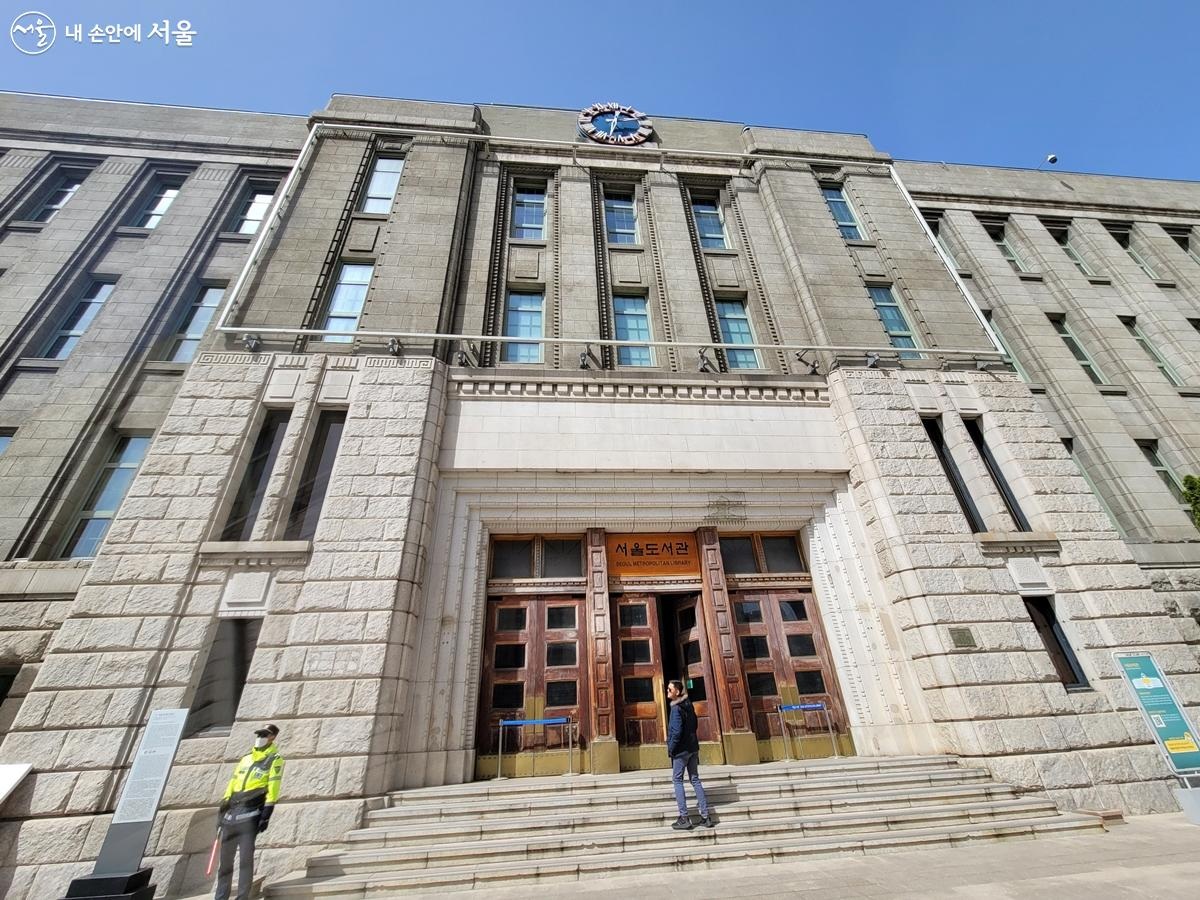
Seoul Library
Seoul Metropolitan Library
Seoul Metropolitan Library began life as the former main building of Seoul City Hall, and today it serves as a public library and archival exhibition space. Rather than erecting an entirely new building, the remaining structure was connected and adapted into this public library and archival exhibition space, passing the memory of the place on to its next users. The first thing to look at on site is the way the city hall facade and central hall were put to use for the library. Instead of quickly photographing the exterior, compare step by step how the traces of the former main building of Seoul City Hall carried over into this public library and archival exhibition space, and the changes unique to this place will naturally come into view.
When preparing an actual visit, the first thing to take care of is to check the reading room closing days and viewing of the former mayor's office. If access conditions change around 110 Sejong-daero, Jung-gu, Seoul, the publicly accessible range of this public library and archival exhibition space may also be affected, so it is safer to confirm reading room closing days and viewing of the former mayor's office through the latest notices rather than relying on the business hours shown on a map. At Seoul Metropolitan Library, distinguish between the areas open to visitors and the living spaces of residents and tenants, and when recording the way the city hall facade and central hall were put to use for the library, avoid disrupting foot traffic and work so that your trip respects how the place is used today.
When preparing an actual visit, the first thing to take care of is to check the reading room closing days and viewing of the former mayor's office. If access conditions change around 110 Sejong-daero, Jung-gu, Seoul, the publicly accessible range of this public library and archival exhibition space may also be affected, so it is safer to confirm reading room closing days and viewing of the former mayor's office through the latest notices rather than relying on the business hours shown on a map. At Seoul Metropolitan Library, distinguish between the areas open to visitors and the living spaces of residents and tenants, and when recording the way the city hall facade and central hall were put to use for the library, avoid disrupting foot traffic and work so that your trip respects how the place is used today.
도로명주소 서울 중구 세종대로 110
영업시간 일반자료실1·2 화–금 09:00–21:00 / 토·일 09:00–18:00 · 월요일·법정공휴일(일요일 제외) 휴관 · 자료실별 운영시간 상이
공개 전화번호 02-120
과거 용도 옛 서울시청 본관
현재 쓰임 공공도서관과 기록 전시 공간
현장 관찰점 시청 청사 외관과 중앙홀을 도서관에 활용한 방식
방문 전 확인 자료실 휴관과 옛 시장실 관람을 확인한다
공식 관광정보 https://korean.visitkorea.or.kr/search/search_list.do?keyword=%EC%84%9C%EC%9A%B8%EB%8F%84%EC%84%9C%EA%B4%80
공식 안내 https://lib.seoul.go.kr/main/useInfo
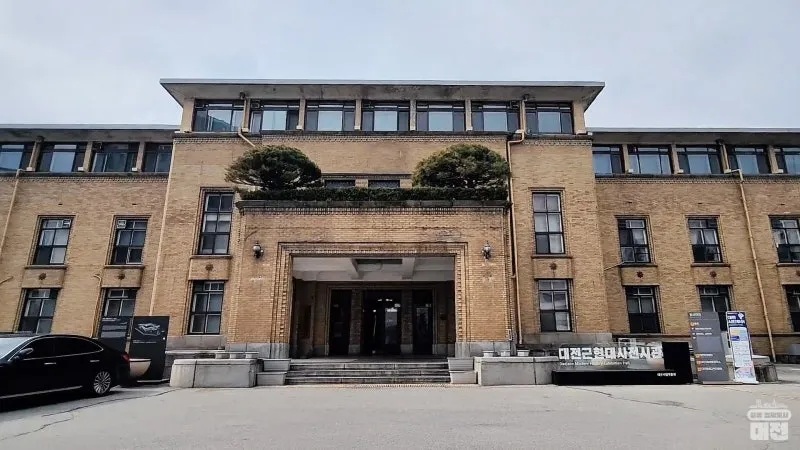
Daejeon Museum of Modern History
Daejeon Modern and Contemporary History Exhibition Hall
The Daejeon Modern and Contemporary History Exhibition Hall began life as the former main building of the Chungcheongnam-do Provincial Office, and today it serves as an exhibition hall for Daejeon's modern and contemporary urban history. Rather than erecting an entirely new building, the remaining structure was connected and adapted into this exhibition hall for Daejeon's modern and contemporary urban history, passing the memory of the place on to its next users. The first thing to look at on site is the provincial office's central staircase and meeting rooms and the traces of an administrative city. Instead of quickly photographing the exterior, compare step by step how the traces of the former main building of the Chungcheongnam-do Provincial Office carried over into this exhibition hall for Daejeon's modern and contemporary urban history, and the changes unique to this place will naturally come into view.
When preparing an actual visit, the first thing to take care of is to check the special exhibitions and which preserved spaces are open. If access conditions change around 101 Jungang-ro, Jung-gu, Daejeon, the publicly accessible range of this exhibition hall for Daejeon's modern and contemporary urban history may also be affected, so it is safer to confirm the special exhibitions and open preserved spaces through the latest notices rather than relying on the business hours shown on a map. At the Daejeon Modern and Contemporary History Exhibition Hall, distinguish between the areas open to visitors and the living spaces of residents and tenants, and when recording the provincial office's central staircase and meeting rooms and the traces of an administrative city, avoid disrupting foot traffic and work so that your trip respects how the place is used today.
When preparing an actual visit, the first thing to take care of is to check the special exhibitions and which preserved spaces are open. If access conditions change around 101 Jungang-ro, Jung-gu, Daejeon, the publicly accessible range of this exhibition hall for Daejeon's modern and contemporary urban history may also be affected, so it is safer to confirm the special exhibitions and open preserved spaces through the latest notices rather than relying on the business hours shown on a map. At the Daejeon Modern and Contemporary History Exhibition Hall, distinguish between the areas open to visitors and the living spaces of residents and tenants, and when recording the provincial office's central staircase and meeting rooms and the traces of an administrative city, avoid disrupting foot traffic and work so that your trip respects how the place is used today.
도로명주소 대전 중구 중앙로 101
지번주소 대전 중구 선화동 287-2
과거 용도 옛 충청남도청 본관
현재 쓰임 대전 근현대 도시사 전시관
현장 관찰점 도청의 중앙계단·회의실과 행정도시의 흔적
방문 전 확인 기획전과 공개된 보존 공간을 확인한다
공개 전화번호 042-270-4536
공식 관광정보 https://korean.visitkorea.or.kr/search/search_list.do?keyword=%EB%8C%80%EC%A0%84%EA%B7%BC%ED%98%84%EB%8C%80%EC%82%AC%EC%A0%84%EC%8B%9C%EA%B4%80
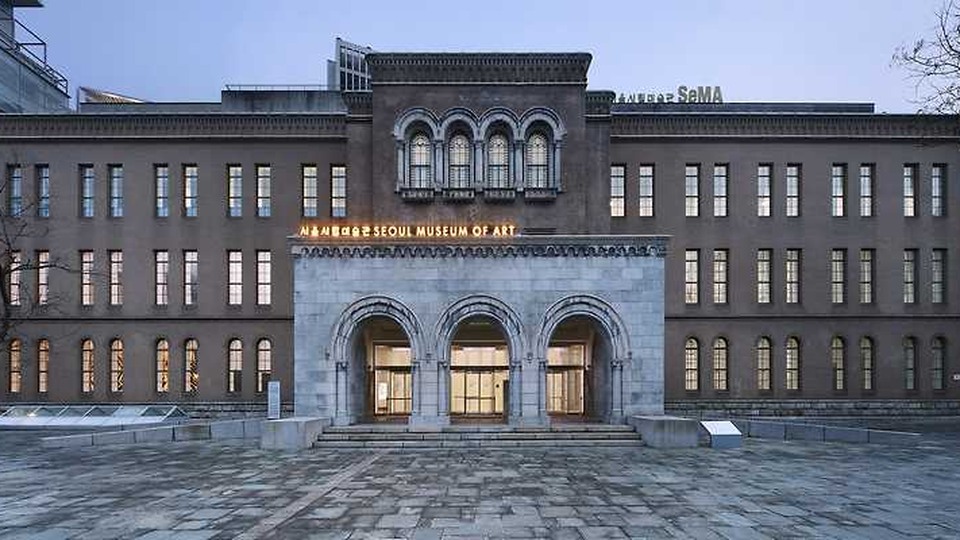
Seoul Museum of Art, Seosomun Main Building
The Seoul Museum of Art's Seosomun Main Building began life as the former Supreme Court building, and today it serves as a space for contemporary art exhibitions and education. Rather than erecting an entirely new building, the remaining structure was connected and adapted into this space for contemporary art exhibitions and education, passing the memory of the place on to its next users. The first thing to look at on site is the combination of the courthouse facade with the museum's extension. Instead of quickly photographing the exterior, compare step by step how the traces of the former Supreme Court building carried over into this space for contemporary art exhibitions and education, and the changes unique to this place will naturally come into view.
When preparing an actual visit, the first thing to take care of is to check exhibition reservations and events in the outdoor garden. If access conditions change around 61 Deoksugung-gil, Jung-gu, Seoul, the publicly accessible range of this space for contemporary art exhibitions and education may also be affected, so it is safer to confirm exhibition reservations and outdoor garden events through the latest notices rather than relying on the business hours shown on a map. At the Seoul Museum of Art's Seosomun Main Building, distinguish between the areas open to visitors and the living spaces of residents and tenants, and when recording the combination of the courthouse facade with the museum's extension, avoid disrupting foot traffic and work so that your trip respects how the place is used today.
When preparing an actual visit, the first thing to take care of is to check exhibition reservations and events in the outdoor garden. If access conditions change around 61 Deoksugung-gil, Jung-gu, Seoul, the publicly accessible range of this space for contemporary art exhibitions and education may also be affected, so it is safer to confirm exhibition reservations and outdoor garden events through the latest notices rather than relying on the business hours shown on a map. At the Seoul Museum of Art's Seosomun Main Building, distinguish between the areas open to visitors and the living spaces of residents and tenants, and when recording the combination of the courthouse facade with the museum's extension, avoid disrupting foot traffic and work so that your trip respects how the place is used today.
도로명주소 서울 중구 덕수궁길 61
지번주소 서울 중구 서소문동 37
과거 용도 옛 대법원 청사
현재 쓰임 현대미술 전시와 교육 공간
현장 관찰점 법원 정면부와 미술관 증축 공간의 결합
방문 전 확인 전시 예약과 야외 정원 행사를 확인한다
공개 전화번호 02-2124-8800
공식 관광정보 https://korean.visitkorea.or.kr/search/search_list.do?keyword=%EC%84%9C%EC%9A%B8%EC%8B%9C%EB%A6%BD%EB%AF%B8%EC%88%A0%EA%B4%80%20%EC%84%9C%EC%86%8C%EB%AC%B8%EB%B3%B8%EA%B4%80
이미지 출처 https://img1.kakaocdn.net/cthumb/local/C800x400.q50/?fname=http%3A%2F%2Ft1.kakaocdn.net%2Fmystore%2FD377866C475043FD8CC77D4FDB601A97
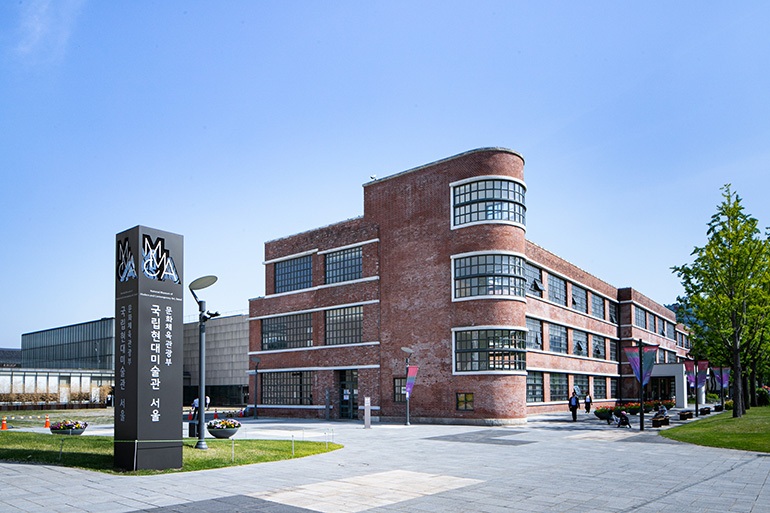
National Museum of Modern and Contemporary Art, Seoul
The National Museum of Modern and Contemporary Art, Seoul began life as the area of the former Defense Security Command and the Armed Forces Seoul District Hospital, and today it serves as a space for contemporary art exhibitions, education, and archives. Rather than erecting an entirely new building, the remaining structure was connected and adapted into this space for contemporary art exhibitions, education, and archives, passing the memory of the place on to its next users. The first thing to look at on site is the way the modern-era building and the newly built exhibition wing are connected around the courtyard. Instead of quickly photographing the exterior, compare step by step how the traces of the former Defense Security Command and Armed Forces Seoul District Hospital area carried over into this space for contemporary art exhibitions, education, and archives, and the changes unique to this place will naturally come into view.
When preparing an actual visit, the first thing to take care of is to check the reservations, admission fees, and closing days for each exhibition. If access conditions change around 30 Samcheong-ro, Jongno-gu, Seoul, the publicly accessible range of this space for contemporary art exhibitions, education, and archives may also be affected, so it is safer to confirm each exhibition's reservations, admission fees, and closing days through the latest notices rather than relying on the business hours shown on a map. At the National Museum of Modern and Contemporary Art, Seoul, distinguish between the areas open to visitors and the living spaces of residents and tenants, and when recording the way the modern-era building and the new exhibition wing are connected around the courtyard, avoid disrupting foot traffic and work so that your trip respects how the place is used today.
When preparing an actual visit, the first thing to take care of is to check the reservations, admission fees, and closing days for each exhibition. If access conditions change around 30 Samcheong-ro, Jongno-gu, Seoul, the publicly accessible range of this space for contemporary art exhibitions, education, and archives may also be affected, so it is safer to confirm each exhibition's reservations, admission fees, and closing days through the latest notices rather than relying on the business hours shown on a map. At the National Museum of Modern and Contemporary Art, Seoul, distinguish between the areas open to visitors and the living spaces of residents and tenants, and when recording the way the modern-era building and the new exhibition wing are connected around the courtyard, avoid disrupting foot traffic and work so that your trip respects how the place is used today.
도로명주소 서울 종로구 삼청로 30
지번주소 서울 종로구 소격동 165-10
과거 용도 옛 국군기무사령부와 국군서울지구병원 일대
현재 쓰임 현대미술 전시·교육·아카이브 공간
현장 관찰점 근대 건물과 신축 전시동이 마당을 중심으로 연결된 방식
방문 전 확인 전시별 예약·관람료와 휴관일을 확인한다
공개 전화번호 02-3701-9500
공식 관광정보 https://korean.visitkorea.or.kr/search/search_list.do?keyword=%EA%B5%AD%EB%A6%BD%ED%98%84%EB%8C%80%EB%AF%B8%EC%88%A0%EA%B4%80%20%EC%84%9C%EC%9A%B8
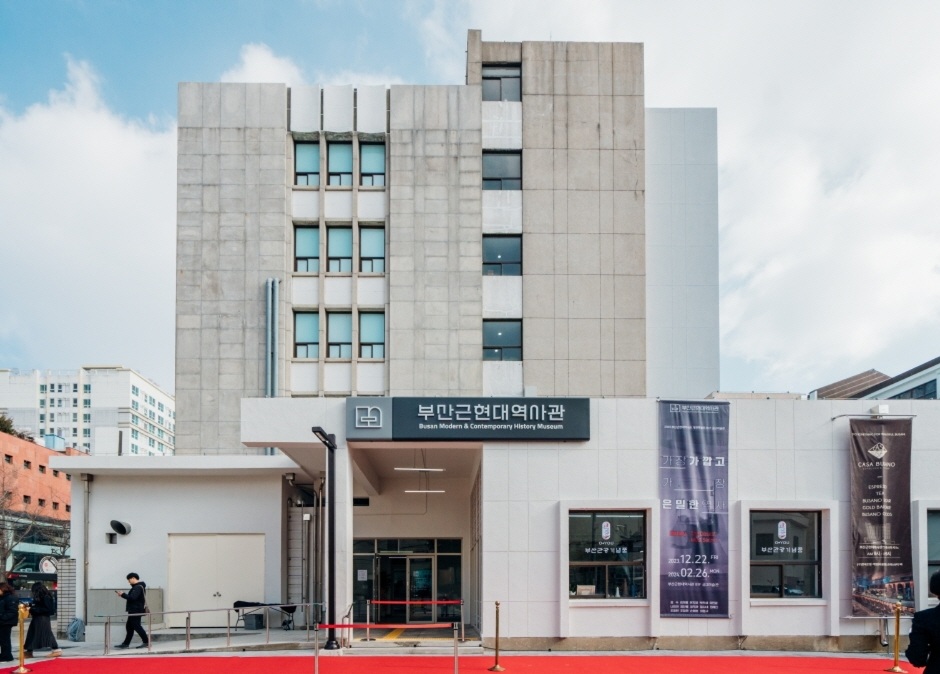
Busan Museum of Modern History Main Building
Busan Modern and Contemporary History Museum, Main Building
The Busan Modern and Contemporary History Museum's Main Building began life as the former Busan branch of the Oriental Development Company and later the Bank of Korea's Busan headquarters, and today it serves as a museum of Busan's modern and contemporary history. Rather than erecting an entirely new building, the remaining structure was connected and adapted into this museum of Busan's modern and contemporary history, passing the memory of the place on to its next users. The first thing to look at on site is the context in which colonial-era architecture of finance and exploitation was converted into a space for history education. Instead of quickly photographing the exterior, compare step by step how the traces of the former Oriental Development Company Busan branch and Bank of Korea Busan headquarters carried over into this museum of Busan's modern and contemporary history, and the changes unique to this place will naturally come into view.
When preparing an actual visit, the first thing to take care of is to check the exhibition hours and guided tours of the main and annex buildings. If access conditions change around 112 Daecheong-ro, Jung-gu, Busan, the publicly accessible range of this museum of Busan's modern and contemporary history may also be affected, so it is safer to confirm the main and annex building exhibition hours and guided tours through the latest notices rather than relying on the business hours shown on a map. At the Busan Modern and Contemporary History Museum's Main Building, distinguish between the areas open to visitors and the living spaces of residents and tenants, and when recording the context in which colonial-era architecture of finance and exploitation was converted into a space for history education, avoid disrupting foot traffic and work so that your trip respects how the place is used today.
When preparing an actual visit, the first thing to take care of is to check the exhibition hours and guided tours of the main and annex buildings. If access conditions change around 112 Daecheong-ro, Jung-gu, Busan, the publicly accessible range of this museum of Busan's modern and contemporary history may also be affected, so it is safer to confirm the main and annex building exhibition hours and guided tours through the latest notices rather than relying on the business hours shown on a map. At the Busan Modern and Contemporary History Museum's Main Building, distinguish between the areas open to visitors and the living spaces of residents and tenants, and when recording the context in which colonial-era architecture of finance and exploitation was converted into a space for history education, avoid disrupting foot traffic and work so that your trip respects how the place is used today.
도로명주소 부산 중구 대청로 112
지번주소 부산 중구 대청동1가 44
과거 용도 옛 동양척식주식회사 부산지점과 한국은행 부산본부
현재 쓰임 부산 근현대사 박물관
현장 관찰점 식민지 금융·수탈 건축을 역사교육 공간으로 전환한 맥락
방문 전 확인 본관·별관 전시시간과 해설을 확인한다
공개 전화번호 051-607-8000
공식 관광정보 https://korean.visitkorea.or.kr/search/search_list.do?keyword=%EB%B6%80%EC%82%B0%EA%B7%BC%ED%98%84%EB%8C%80%EC%97%AD%EC%82%AC%EA%B4%80
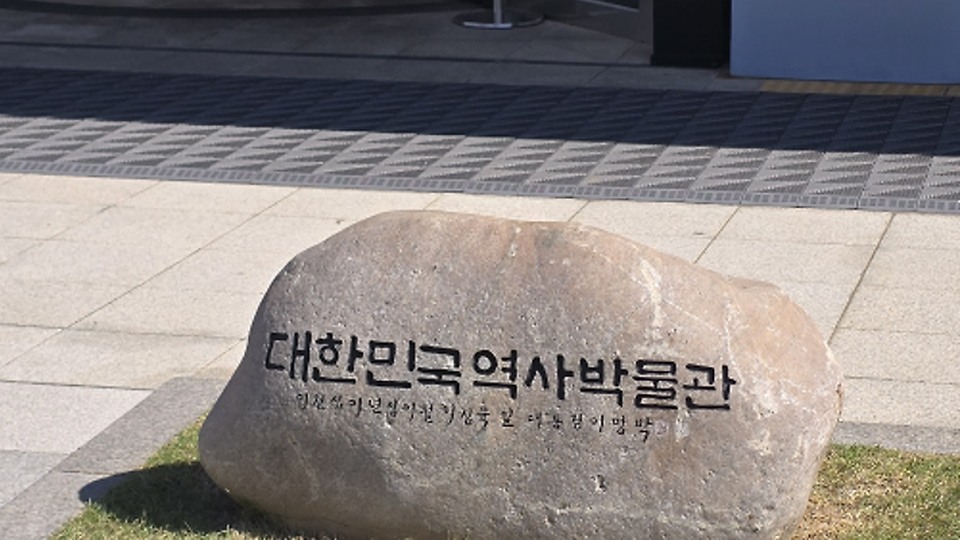
National Museum of Korean History
National Museum of Korean Contemporary History
The National Museum of Korean Contemporary History began life as the former building of the Ministry of Culture, Sports and Tourism, and today it serves as a museum of Korea's modern and contemporary history. Rather than erecting an entirely new building, the remaining structure was connected and adapted into this museum of Korea's modern and contemporary history, passing the memory of the place on to its next users. The first thing to look at on site is the government building's vertical circulation and the viewing space overlooking Gwanghwamun. Instead of quickly photographing the exterior, compare step by step how the traces of the former Ministry of Culture, Sports and Tourism building carried over into this museum of Korea's modern and contemporary history, and the changes unique to this place will naturally come into view.
When preparing an actual visit, the first thing to take care of is to check the operating hours of the rooftop garden and exhibition halls. If access conditions change around 198 Sejong-daero, Jongno-gu, Seoul, the publicly accessible range of this museum of Korea's modern and contemporary history may also be affected, so it is safer to confirm the rooftop garden and exhibition hall hours through the latest notices rather than relying on the business hours shown on a map. At the National Museum of Korean Contemporary History, distinguish between the areas open to visitors and the living spaces of residents and tenants, and when recording the government building's vertical circulation and the viewing space overlooking Gwanghwamun, avoid disrupting foot traffic and work so that your trip respects how the place is used today.
When preparing an actual visit, the first thing to take care of is to check the operating hours of the rooftop garden and exhibition halls. If access conditions change around 198 Sejong-daero, Jongno-gu, Seoul, the publicly accessible range of this museum of Korea's modern and contemporary history may also be affected, so it is safer to confirm the rooftop garden and exhibition hall hours through the latest notices rather than relying on the business hours shown on a map. At the National Museum of Korean Contemporary History, distinguish between the areas open to visitors and the living spaces of residents and tenants, and when recording the government building's vertical circulation and the viewing space overlooking Gwanghwamun, avoid disrupting foot traffic and work so that your trip respects how the place is used today.
도로명주소 서울 종로구 세종대로 198
지번주소 서울 종로구 세종로 82-1
과거 용도 옛 문화체육관광부 청사
현재 쓰임 대한민국 근현대사 박물관
현장 관찰점 정부 청사의 수직 동선과 광화문 전망 공간
방문 전 확인 옥상정원과 전시실 운영시간을 확인한다
공개 전화번호 02-3703-9200
공식 관광정보 https://korean.visitkorea.or.kr/search/search_list.do?keyword=%EB%8C%80%ED%95%9C%EB%AF%BC%EA%B5%AD%EC%97%AD%EC%82%AC%EB%B0%95%EB%AC%BC%EA%B4%80
이미지 출처 https://img1.kakaocdn.net/cthumb/local/C800x400.q50/?fname=http%3A%2F%2Ft1.kakaocdn.net%2Flocal%2FkakaomapPhoto%2Freview%2F90f43f2e3b2ea192e1c85da2516e464b4d85ec1a%3Foriginal
Even when a building's use changes, the traces of power it holds do not disappear. At Busan Citizens Park and Camp Greaves you can see the boundaries of military facilities and the process of their return, while at the Seoul Metropolitan Library and the Daejeon Modern and Contemporary History Exhibition Hall you can see administrative centers transformed into cultural spaces for citizens. In the courthouse, bank, and military institutions converted into art galleries and museums, it is worth comparing how new exhibition routes were fitted into the existing outer walls, staircases, and corridors.
Before your visit, look up not only the current institution's exhibitions but also the building's history and its preserved areas. Military heritage calls for an attitude of reading the signage and interpretive materials rather than consuming memories of national security and division merely as a lightly staged photo backdrop. Access to public architecture can change due to assemblies, events, and security controls, and at places inside the Civilian Control Line, like Camp Greaves, you must strictly follow the reservation and identification rules.
Before your visit, look up not only the current institution's exhibitions but also the building's history and its preserved areas. Military heritage calls for an attitude of reading the signage and interpretive materials rather than consuming memories of national security and division merely as a lightly staged photo backdrop. Access to public architecture can change due to assemblies, events, and security controls, and at places inside the Civilian Control Line, like Camp Greaves, you must strictly follow the reservation and identification rules.
At a glance
8 items
Busan Citizens Park
부산 부산진구 시민공원로 73부산 부산진구 연지동 111미군 하야리아 부대 부지
Camp Greaves Youth Hostel
031-953-6970
Seoul Library
서울 중구 세종대로 11002-120옛 서울시청 본관
Daejeon Museum of Modern History
대전 중구 중앙로 101대전 중구 선화동 287-2옛 충청남도청 본관
Seoul Museum of Art, Seosomun Main Building
서울 중구 덕수궁길 61서울 중구 서소문동 37옛 대법원 청사
National Museum of Modern and Contemporary Art, Seoul
서울 종로구 삼청로 3002-3701-9500
Busan Museum of Modern History Main Building
부산 중구 대청로 112부산 중구 대청동1가 44부산 근현대사 박물관
National Museum of Korean History
서울 종로구 세종대로 198서울 종로구 세종로 82-1옛 문화체육관광부 청사
Locations at a glance
8 places
#Architecture Travel#Modern Architecture#Public Architecture#Urban Regeneration Travel#History Museum
As part of the Coupang Partners program, this post may earn a commission from qualifying purchases.
Comments 0
Log in to leave a comment.
Be the first to comment.
How about these lists?


You might also like


🎲
Not ready to stop here?
Wondering what to read next is the biggest waste of time.
Let the dice decide — you won't know what pops up until you roll.
If you don't press it… won't you wonder forever? 👀