
Historical Sites Across the Country Following the Traces of Liberation
A visit guide to encounter the people, places, and records of the independence movement at memorials and historical sites
The meaning of Liberation Day is hard to fully grasp just through the dates in textbooks. Walking through the places where independence activists were imprisoned, exhibitions showcasing the activities of the provisional government, and the sites where local residents shouted for independence connects events and people to specific spaces. This list includes historical sites that can be actually visited, extending beyond just Seoul to Cheonan, Daegu, and Busan.
Each place has a different nature of exhibition and viewing weight, so it is advisable to explore one or two places in depth according to the age and interests of your companions. The addresses and coordinates are provided to assist your movement, and it is good to double-check closure days, reservations, special events for Liberation Day, as well as parking and public transport information on the official websites just before your visit. Taking time to read exhibition descriptions and the records left behind, rather than just using the location for photo backgrounds, is central to the journey. Especially comparing how the same event is remembered in different regions can turn a single visit into a study that connects national history with local history.
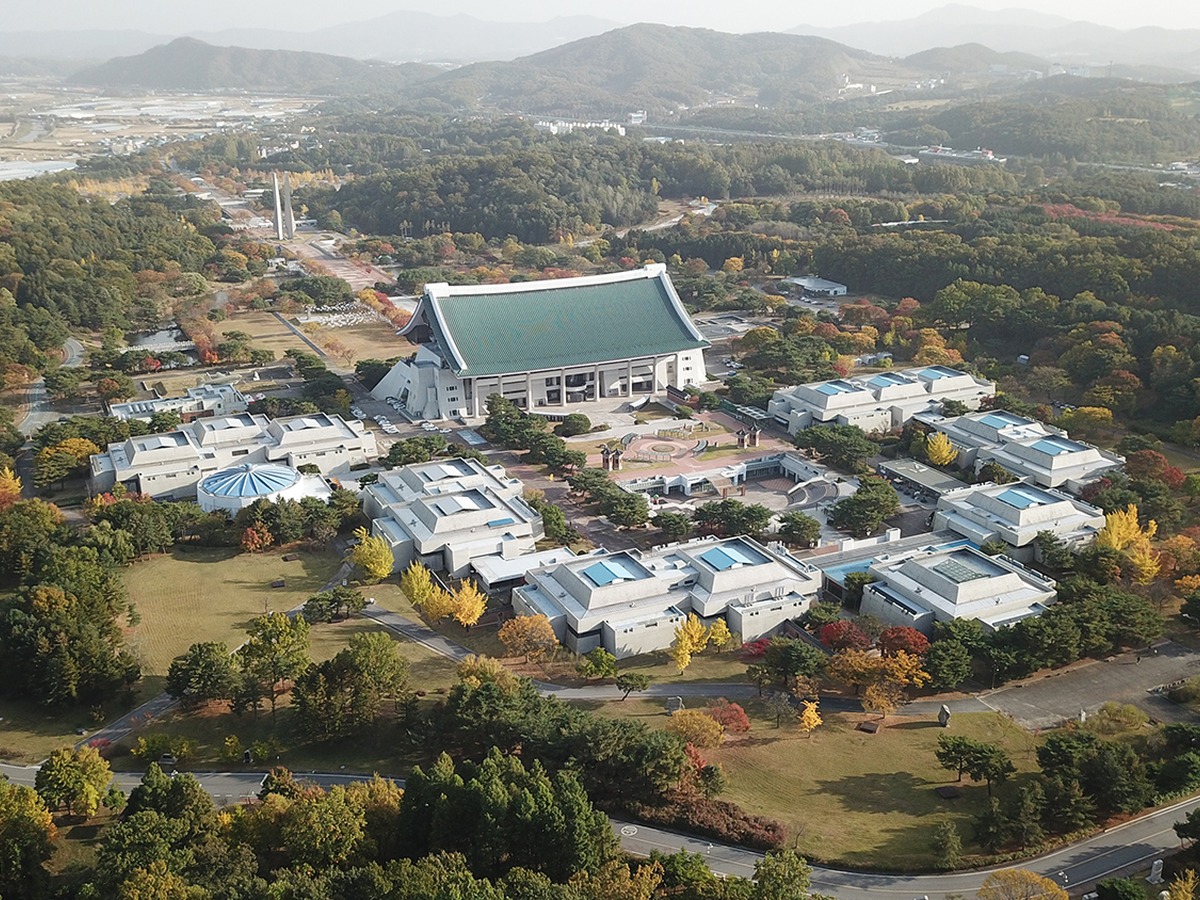
Independence Hall of Korea
Commemorative events and traffic controls around Liberation Day may differ from regular visiting days. Distinguish between exhibition tours and event participation, and leave plenty of time to get around the vast grounds in Mokcheon.
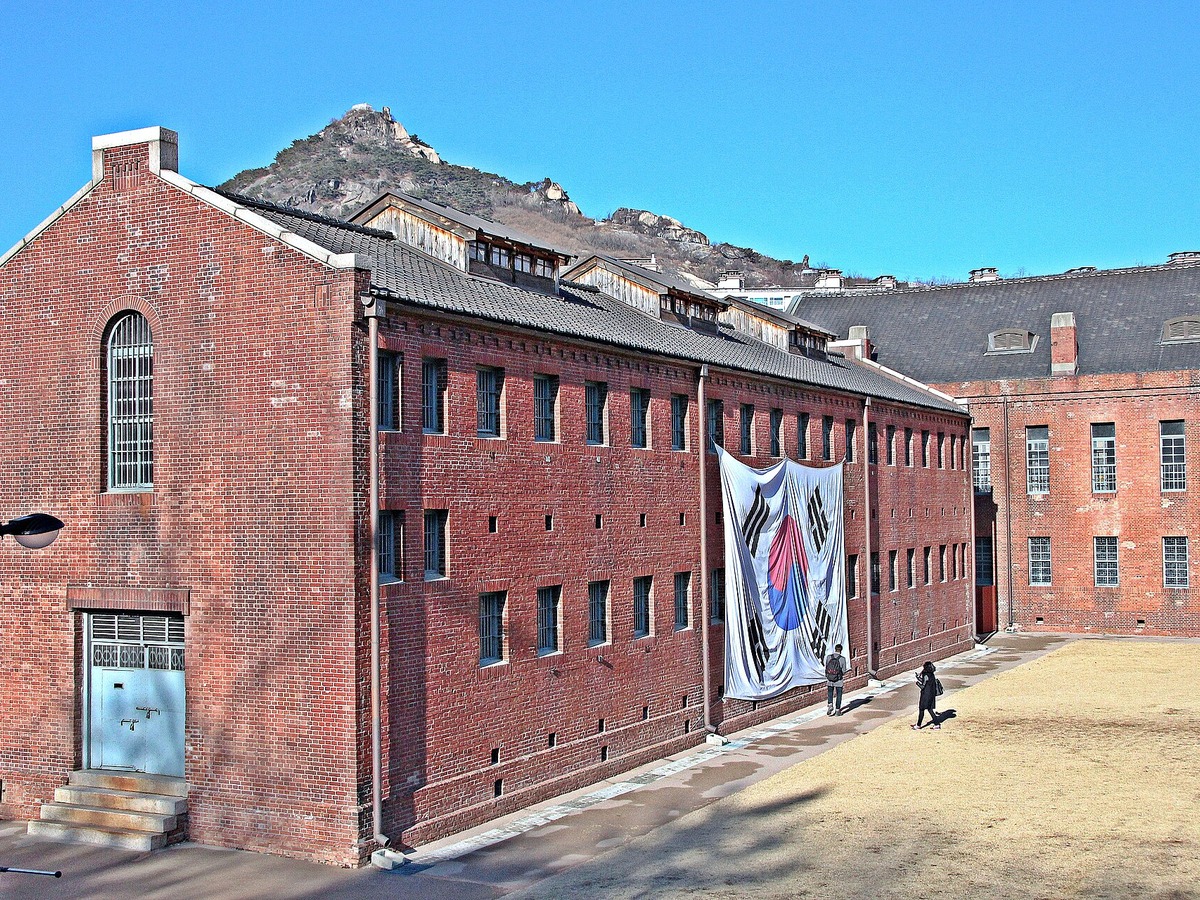
Seodaemun Prison History Hall
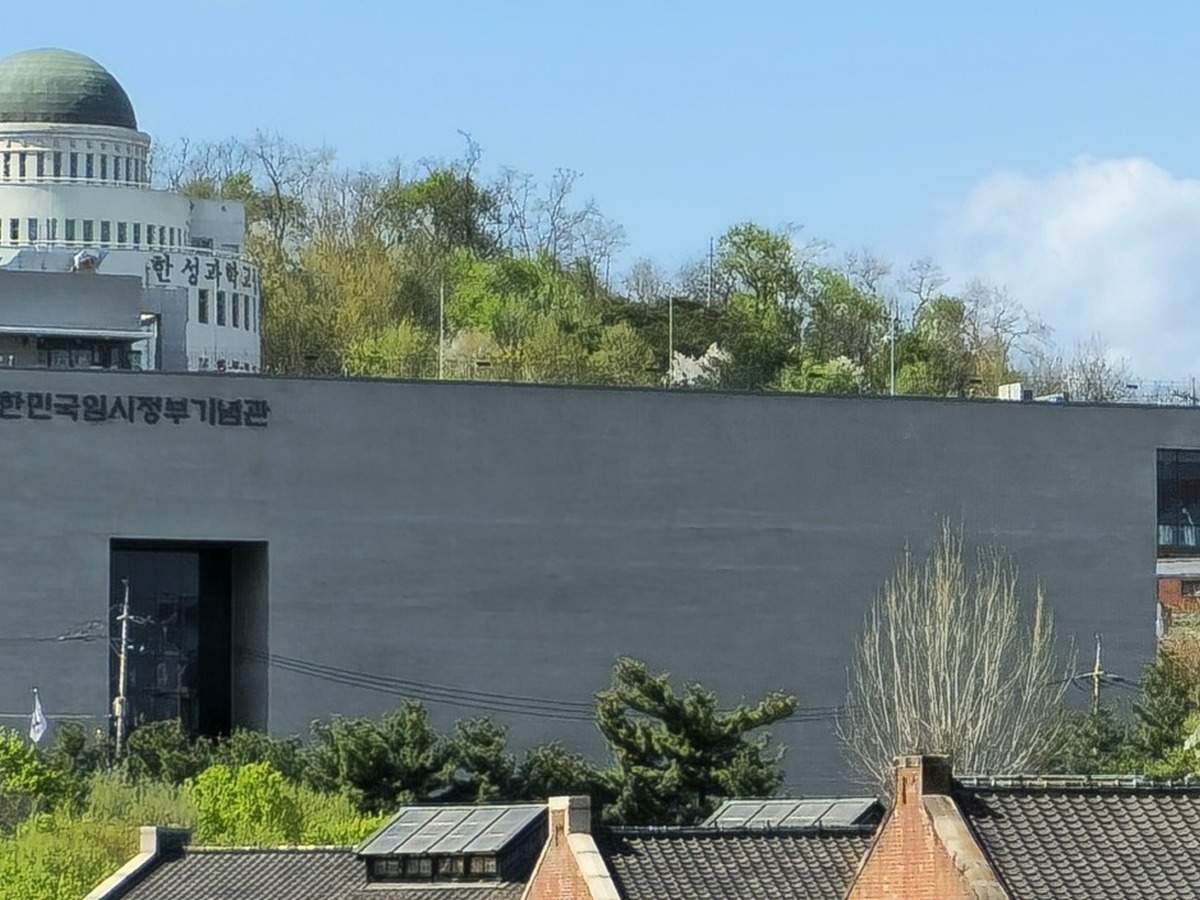
National Provisional Government Memorial Hall
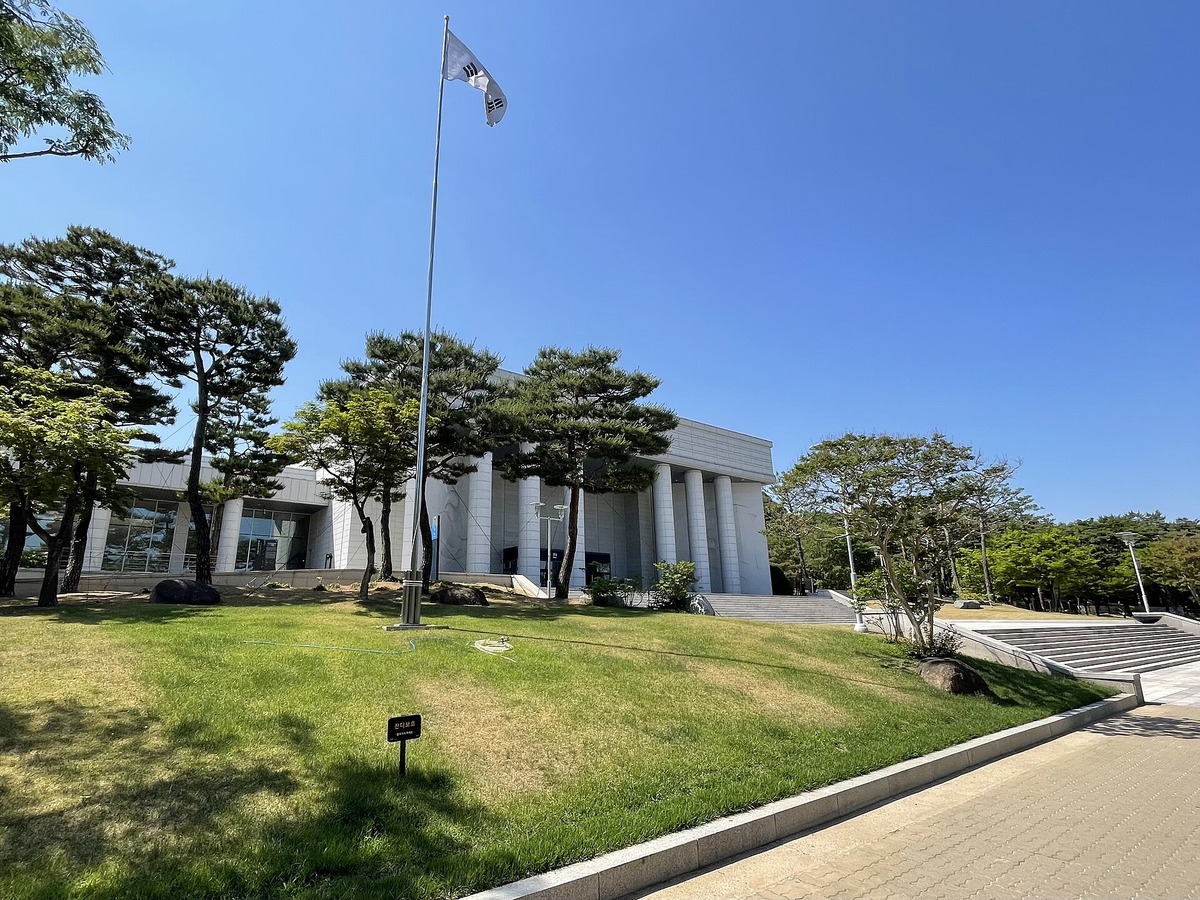
Baekbeom Kim Koo Memorial Hall
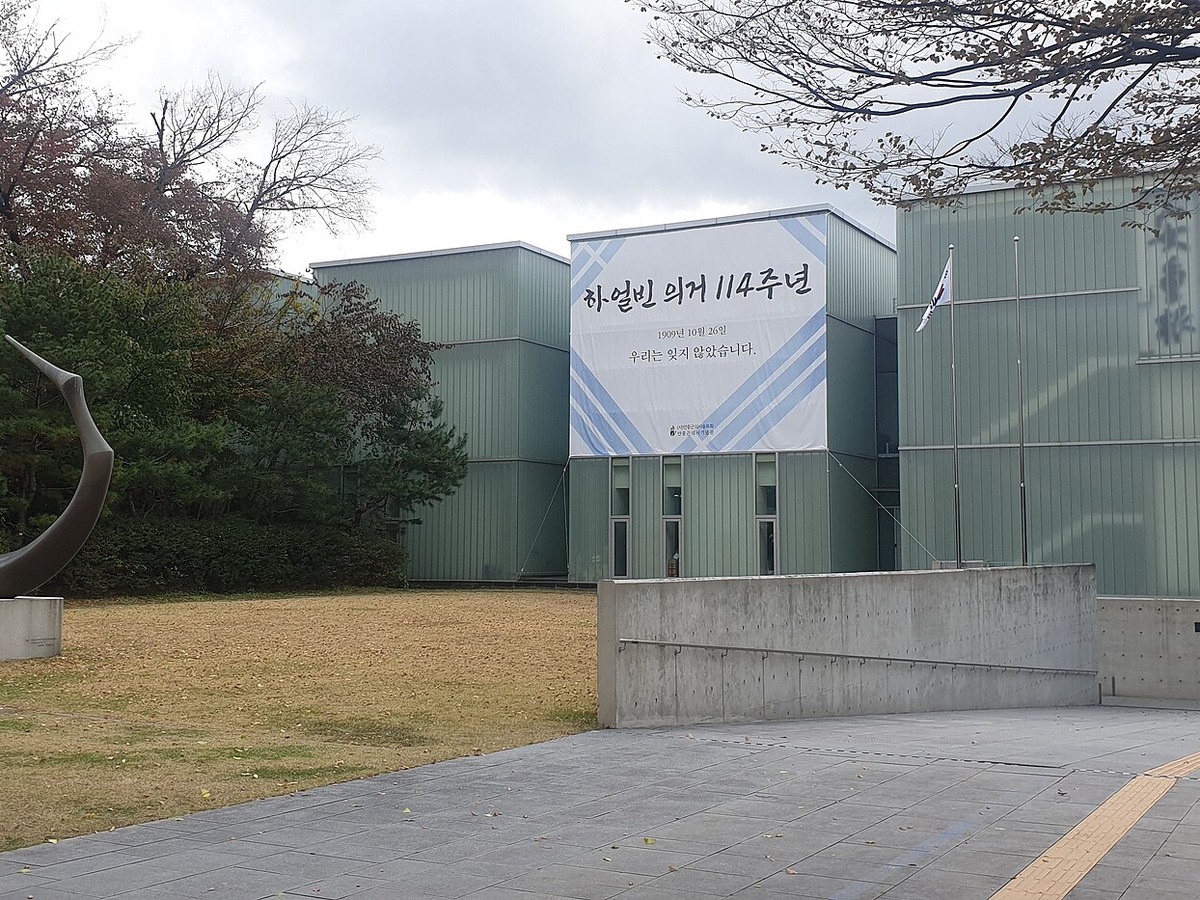
Ahn Jung-geun Memorial Hall
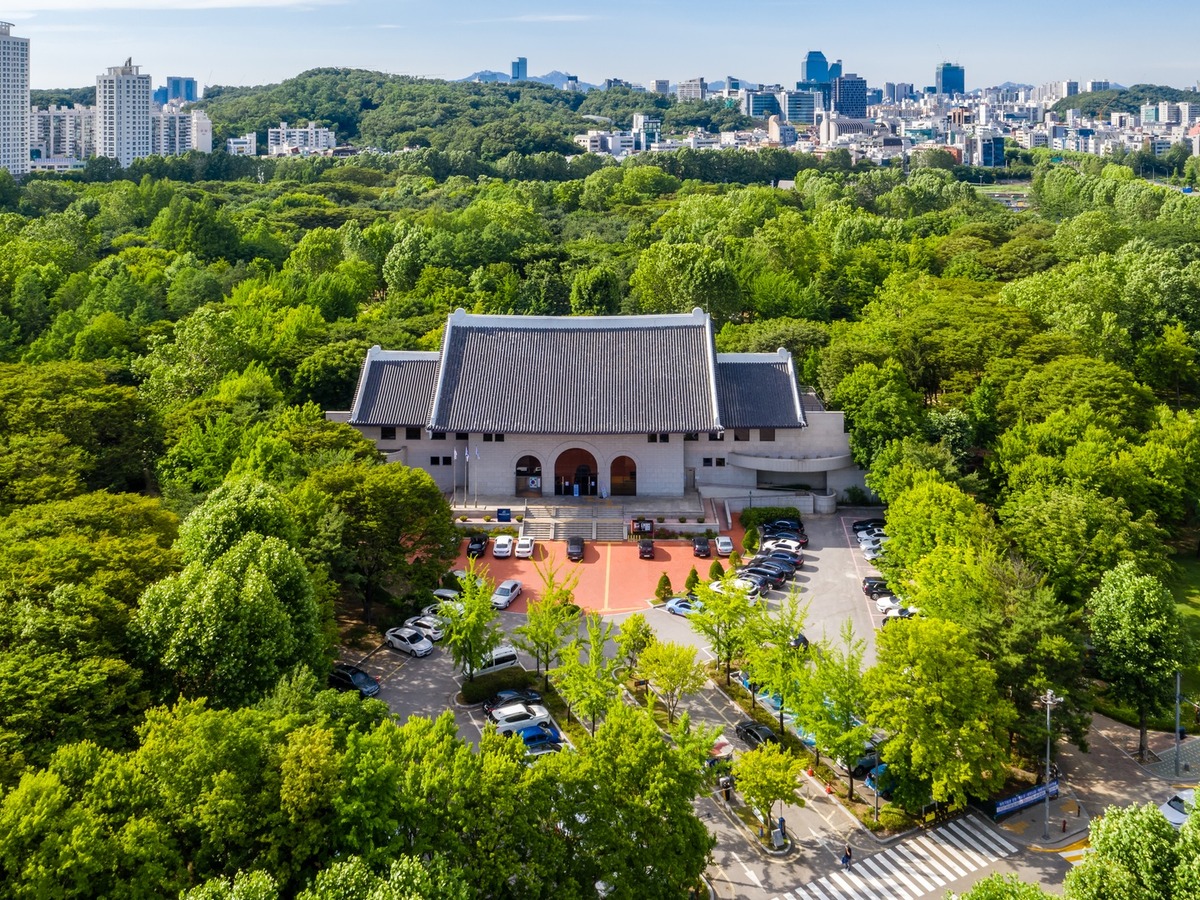
Maeheon Yun Bong-gil Memorial Hall
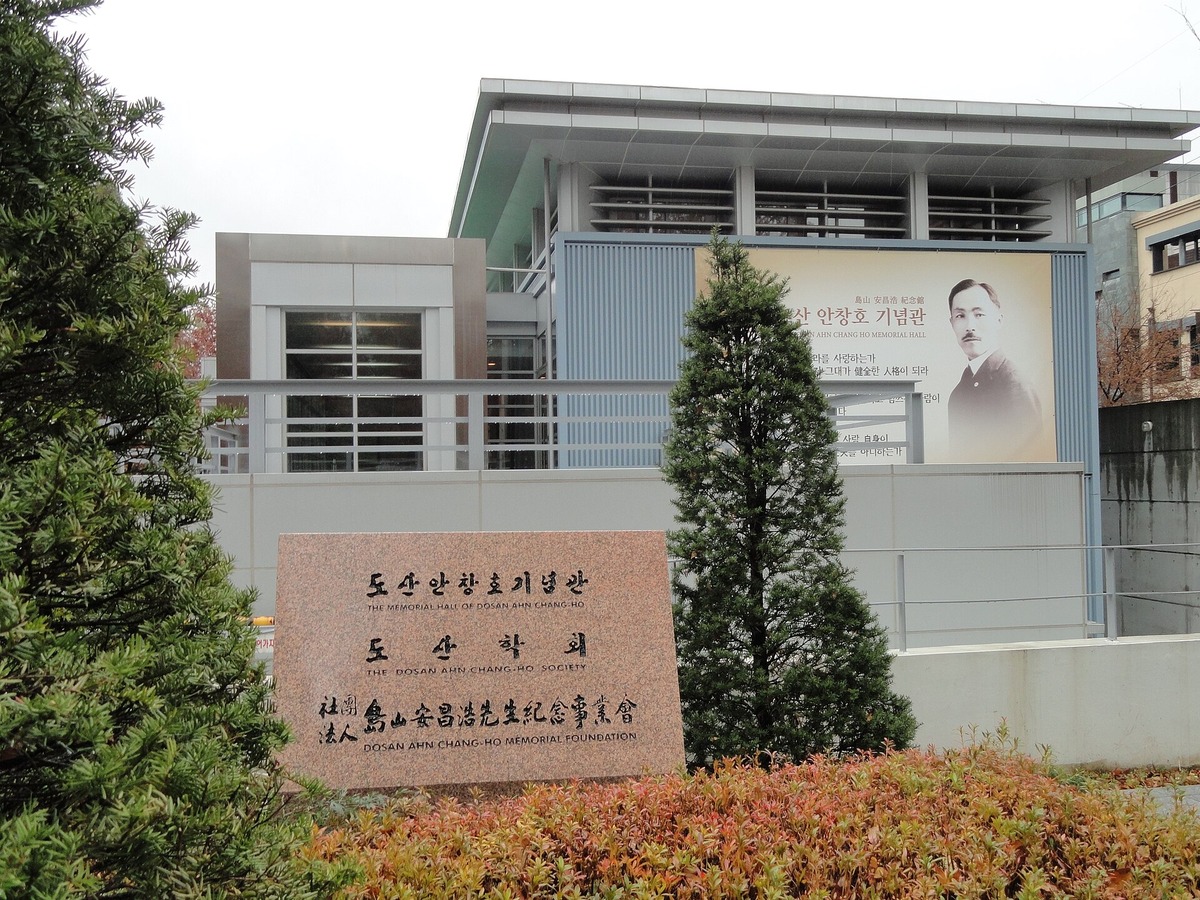
Dosan Ahn Chang-ho Memorial Hall
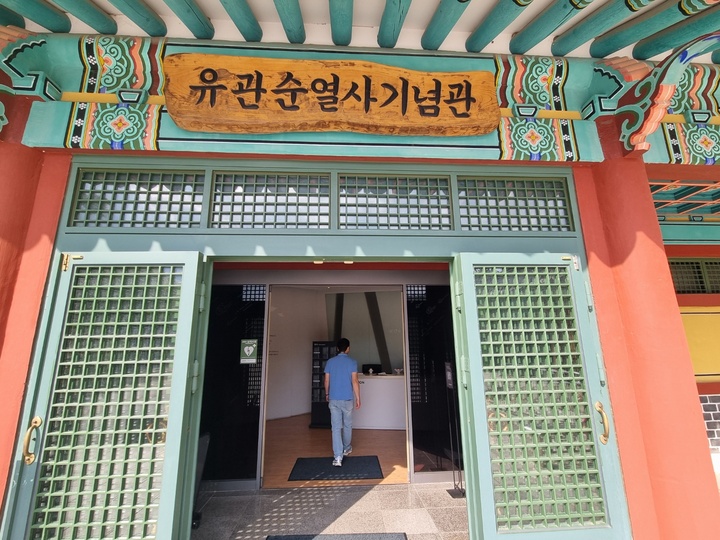
Yu Gwan-sun Memorial Hall
If you continue on to her birthplace and Aunae Market, you'll need a separate route for each. Rather than focusing only on her age, plan a visit that looks at the records of the time and the people who acted with her, and you'll gain a more concrete understanding of what Liberation Day means.
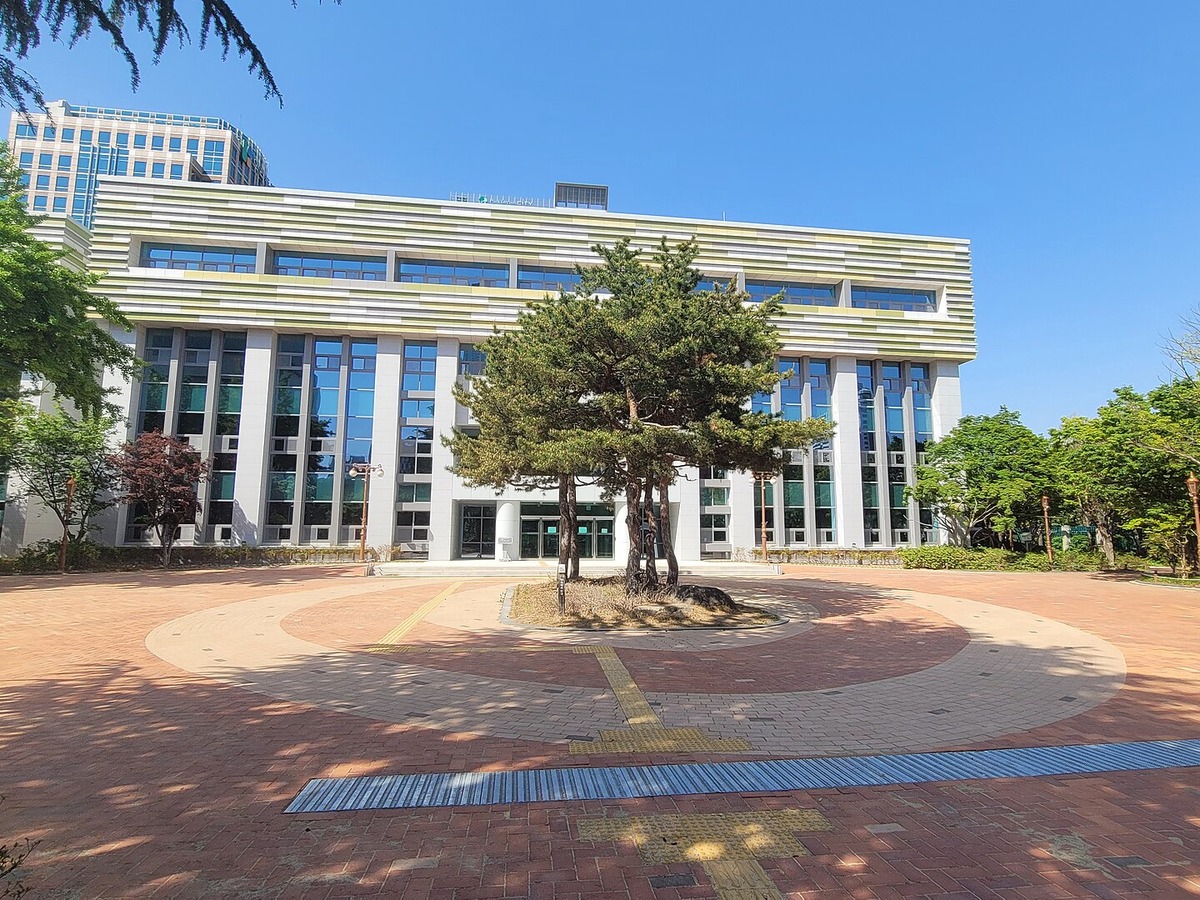
National Debt Repayment Movement Memorial Hall
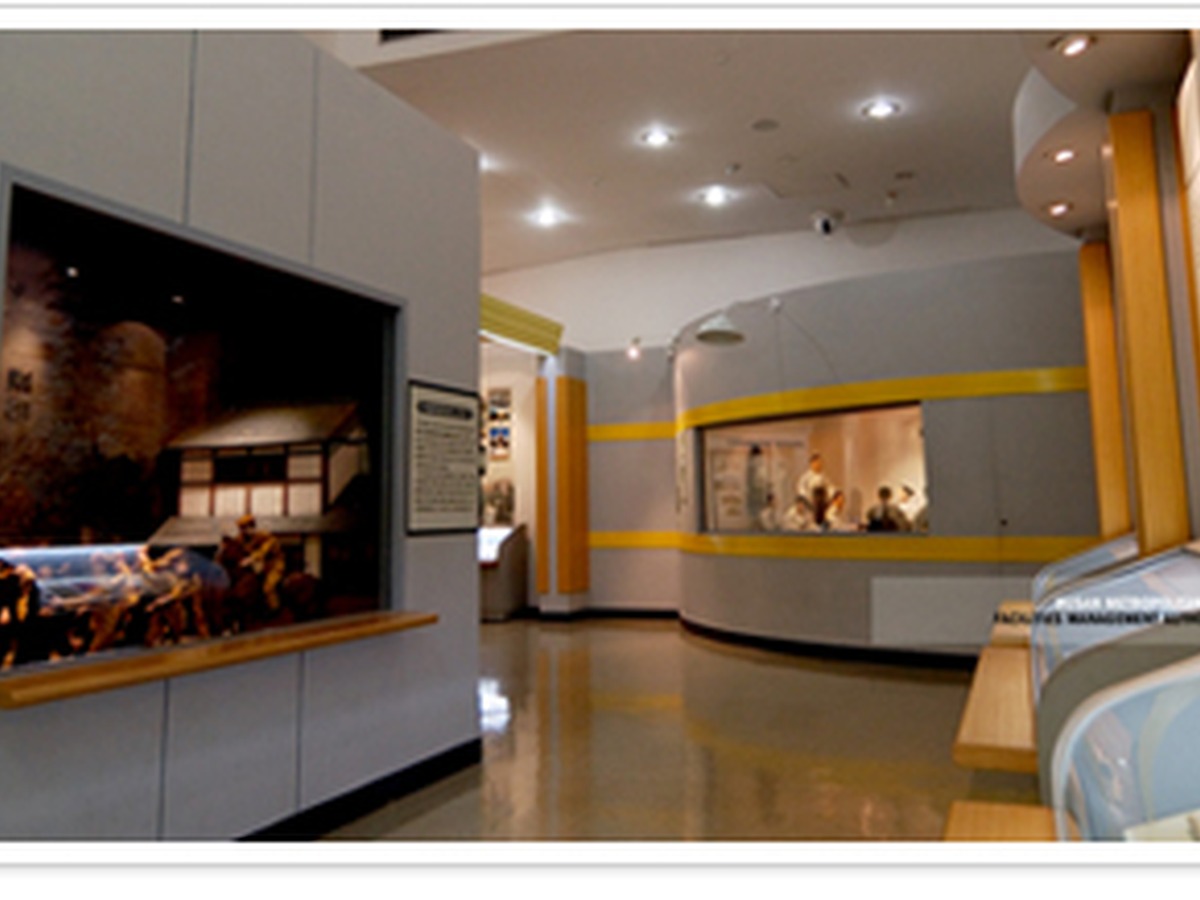
Busan Liberation Memorial Hall
The sites of the independence movement across the country do not present a single answer but rather reflect various forms of resistance and solidarity. By examining the provisional government, violent struggles, education, enlightenment, and the participation of students and women together, one can confirm that liberation was not just the result of a few famous figures. Let’s connect the people and events learned at one site to the next visiting place or reading material.
After visiting, briefly record any materials that stood out and new questions that arose; this will create a personal historical map that extends into the next Liberation Day. When visiting memorial spaces, maintain silence and follow photography rules, and explain any shocking content to children in advance. Since operating hours and exhibition content may change, check the official announcements before setting off, and ensure adequate viewing time. Keeping brochures and official exhibition pages of the places visited will also help compare with other regions' independence movement sites in the future.
As part of the Coupang Partners program, this post may earn a commission from qualifying purchases.
Comments 0
Log in to leave a comment.
Be the first to comment.
How about these lists?


You might also like


Not ready to stop here?
Wondering what to read next is the biggest waste of time.
Let the dice decide — you won't know what pops up until you roll.
If you don't press it… won't you wonder forever? 👀
