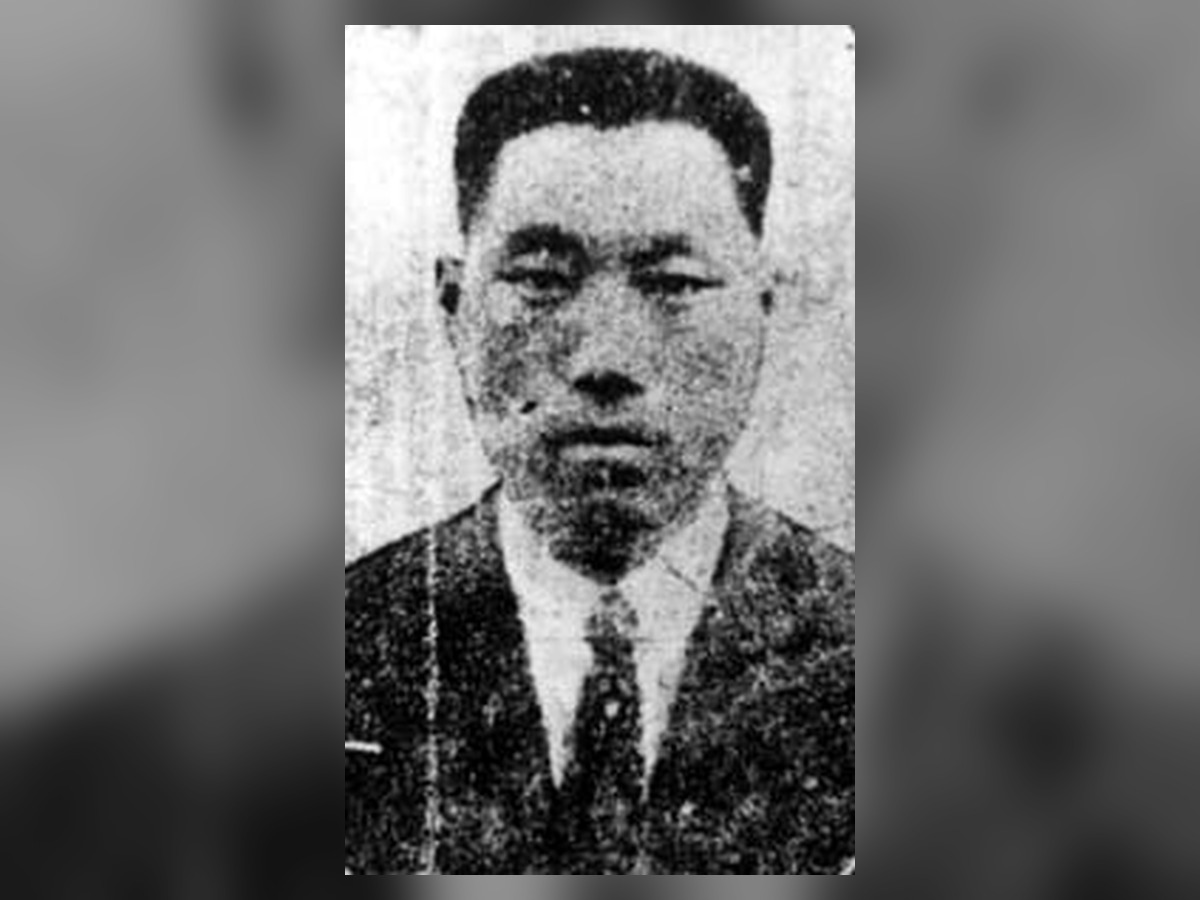
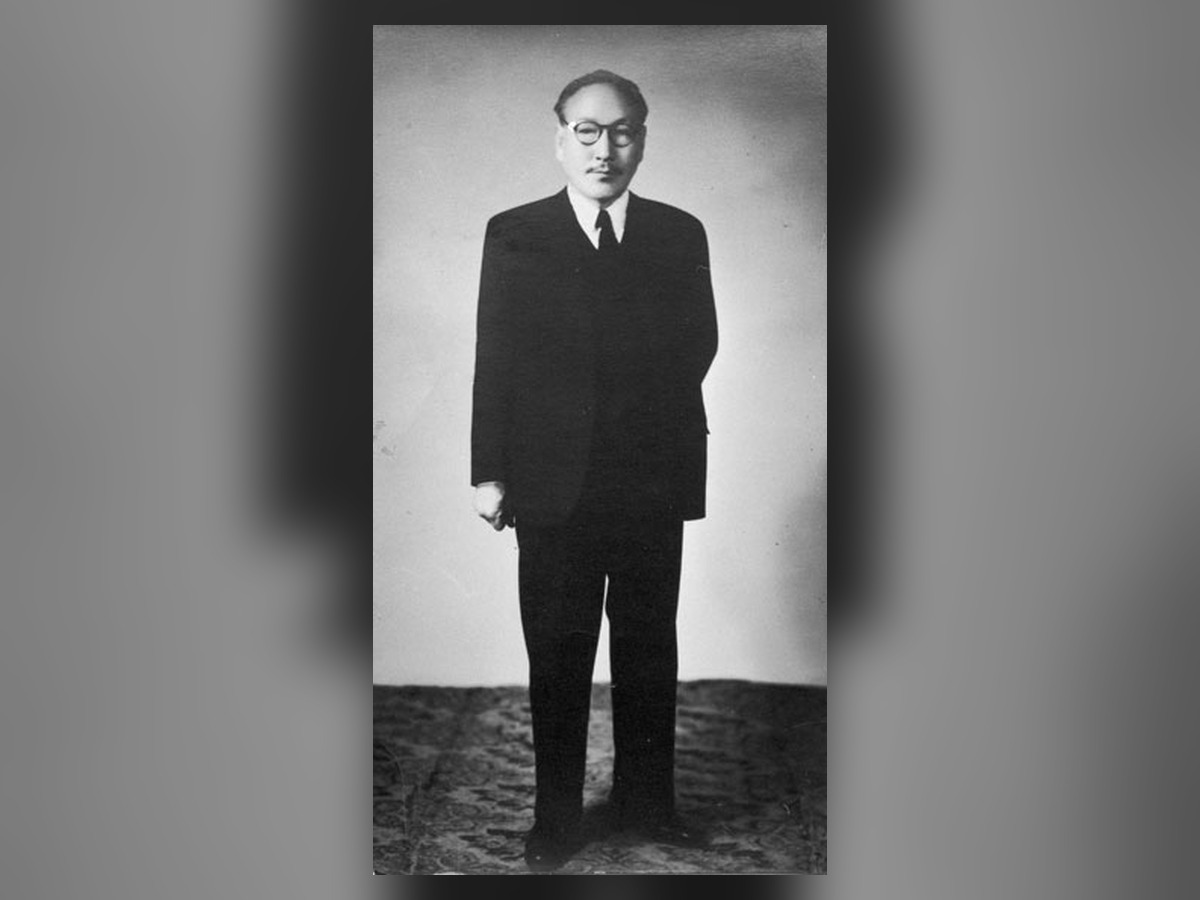
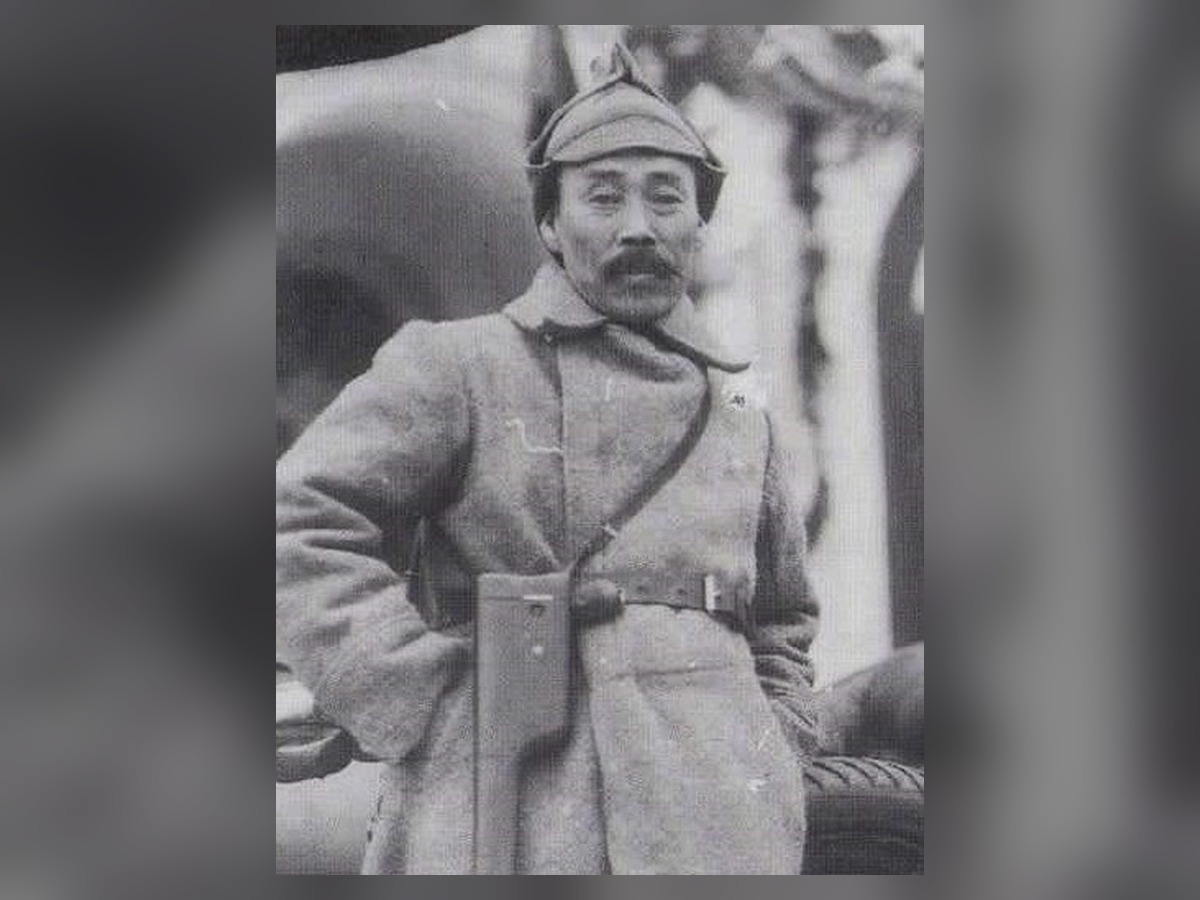
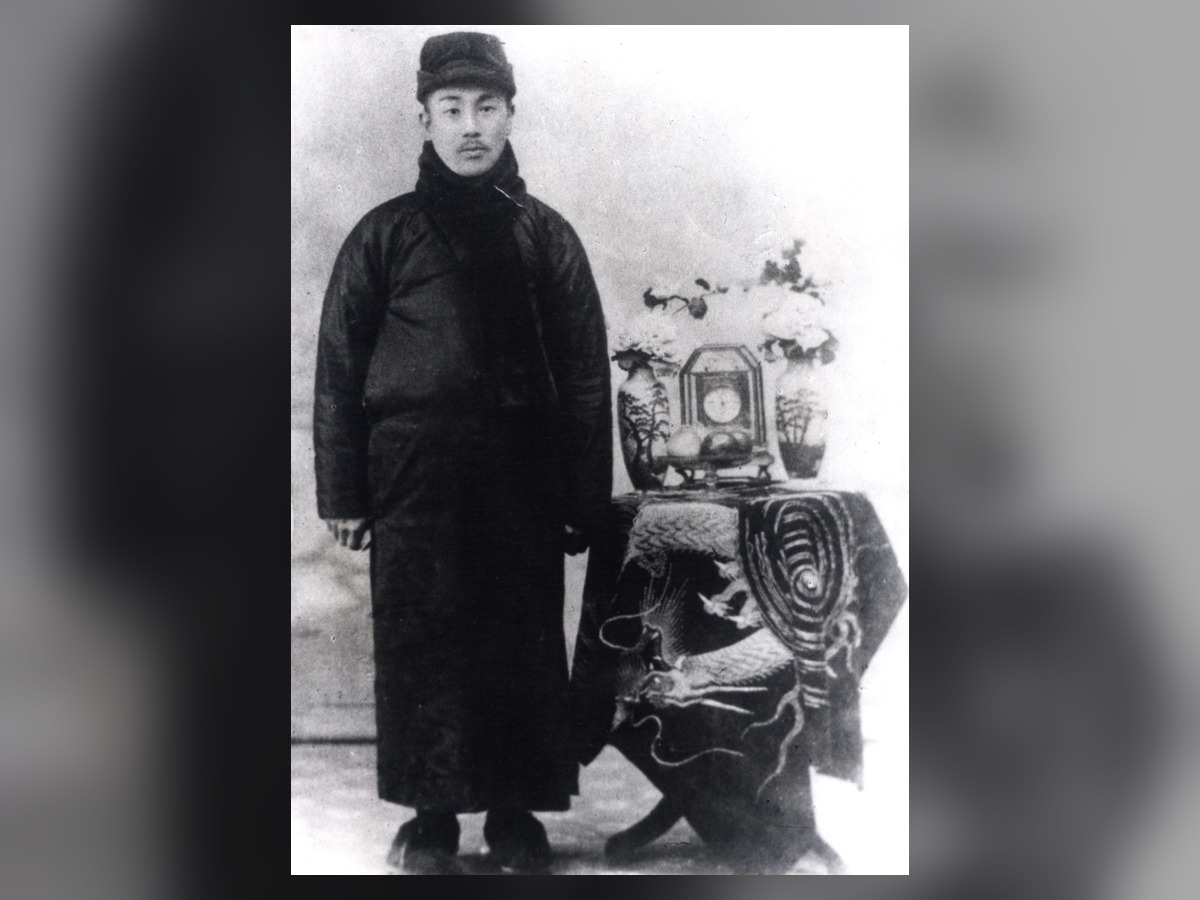
Independence Activists Remembered Through Names and Lives
Collection History 2026.08.10

Independence Activists Remembered Through Names and Lives

The Different Paths of Independence Movements Connected by Armed Struggle, Diplomacy, Education, Organization, and Ideology

The independence movement was not just characterized by armed struggle. There were individuals who prepared for national sovereignty recovery from different positions, engaging in activities such as operating the provisional government, education and organization, diplomacy and ideology, women's movements, and violent resistance. This list selects figures who had different methods of action alongside familiar names, aiming to examine not only their representative incidents but also the context behind their choices.

When remembering the contributions of individuals, it is essential to read not just a singular heroic scene but also to consider whom they allied with, what they prepared for, and what kind of society they dreamed of. Confirm basic facts through the digital archives of the Ministry of Patriots and Veterans Affairs and the Independence Hall, and compare materials of varying nature like memoirs and trial records. Observing the conflicts and limitations faced by people living in the same era will provide a more nuanced view of history. Marking the regions of their activities on a map will naturally reveal the international scope of the independence movement connecting Korea, Manchuria, Primorsky Krai, China, and Japan.
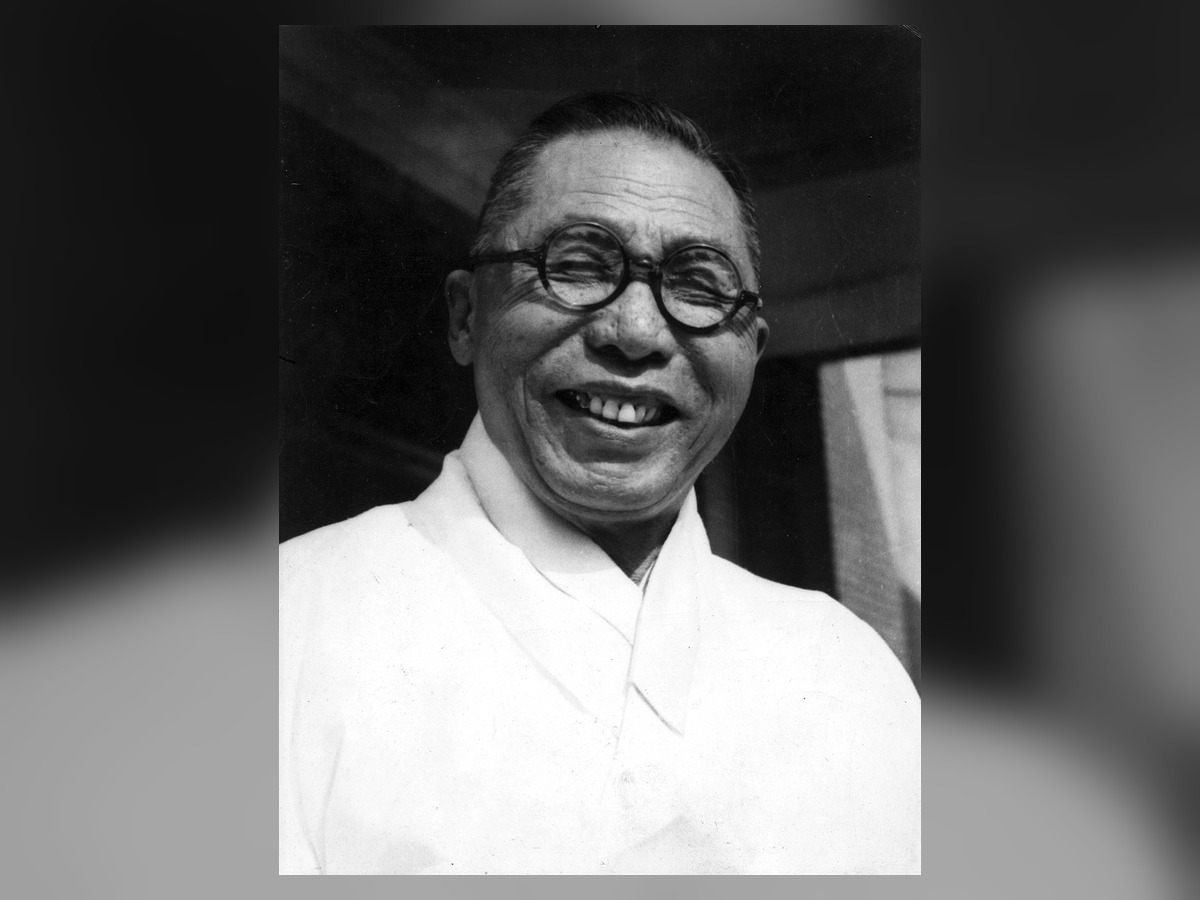
Kim Gu
Kim Gu

Kim Gu (김구) was an independence activist who led the Provisional Government of the Republic of Korea and worked towards the establishment of a unified government after liberation. When examining this entry, read about the changes in the Provisional Government alongside the 'Baekbeom Ilji' (백범일지) and concepts for a cultural nation. Avoid being confined to fragmented heroic tales or commemorative phrases; connecting the historical context of the time, the people who acted together, and the subsequent impacts will make the meaning of Liberation Day clearer. Do not reduce it to just one event or append unverified anecdotes as facts. Confirm the details of exhibitions, works, and records through the operating institutions and official materials, and it's beneficial to read sources from differing perspectives together.
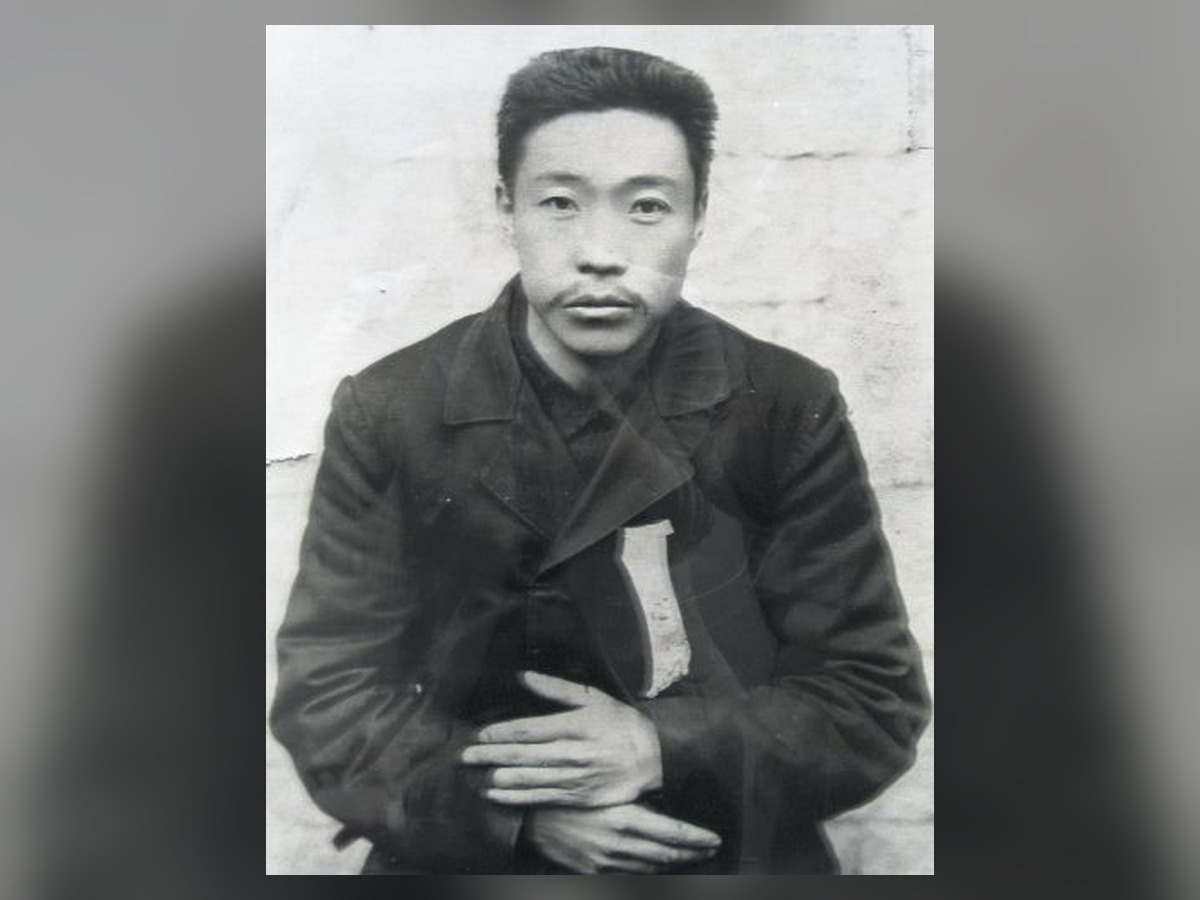
Ahn Jung-geun

Ahn Jung-geun

An Chung-gun (안중근) was an independence activist who, after engaging in Righteous Army activities, assassinated Ito Hirobumi in Harbin and developed the concept of a Peace for the East while in prison. When examining this entry, look at the act of his mission alongside the trial records and peace proposals without separating them. Avoid being confined to fragmented heroic tales or commemorative phrases; connecting the historical context of the time, the people who acted together, and the subsequent impacts will make the meaning of Liberation Day clearer. Do not reduce it to just one event or append unverified anecdotes as facts. Confirm the details of exhibitions, works, and records through the operating institutions and official materials, and it's beneficial to read sources from differing perspectives together.
Yu Gwan-Soon

Yu Gwan-Soon

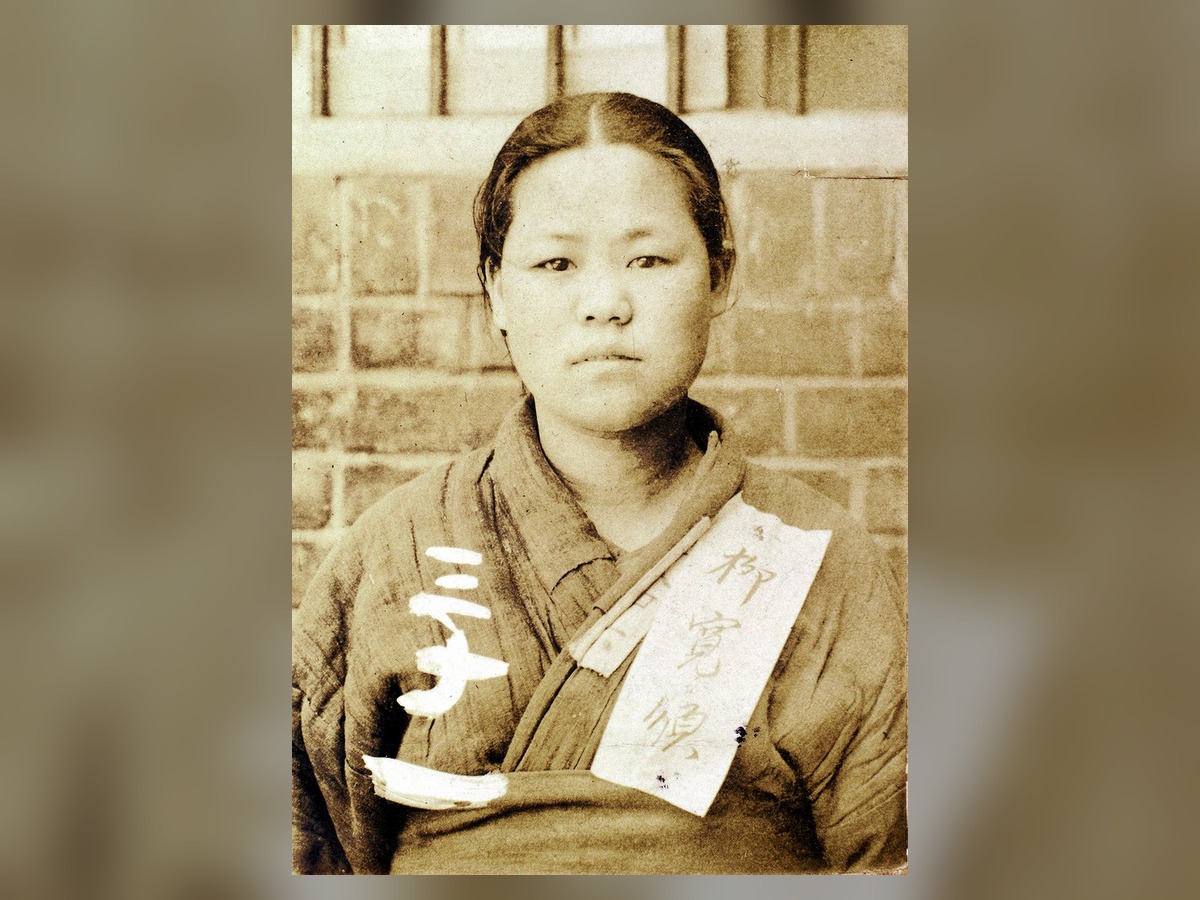
Yu Gwan-sun (유관순) was an independence activist who participated in the March 1st Movement in 1919 and maintained her will for independence even while in prison. When examining this entry, connect her personal courage with the March 1st movement of her family and local residents. Avoid being confined to fragmented heroic tales or commemorative phrases; connecting the historical context of the time, the people who acted together, and the subsequent impacts will make the meaning of Liberation Day clearer. Do not reduce it to just one event or append unverified anecdotes as facts. Confirm the details of exhibitions, works, and records through the operating institutions and official materials, and it's beneficial to read sources from differing perspectives together.
Yun Bong-Gil

Yun Bong-Gil

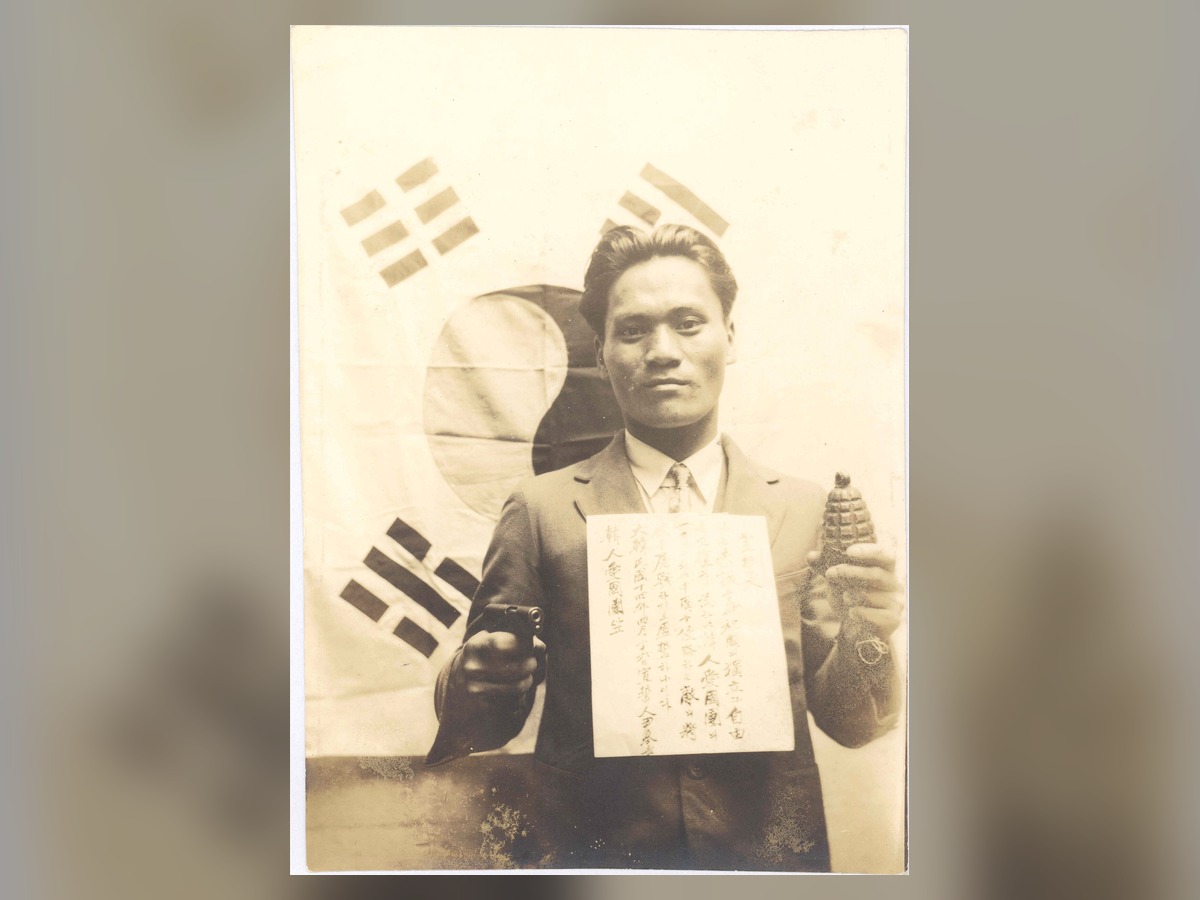
Yoon Bong-gil (윤봉길) was an independence activist who conducted rural enlightenment campaigns and executed the Hongkou Park incident in Shanghai in 1932. When examining this entry, look at educational activities prior to the incident and the international repercussions afterward in chronological order. Avoid being confined to fragmented heroic tales or commemorative phrases; connecting the historical context of the time, the people who acted together, and the subsequent impacts will make the meaning of Liberation Day clearer. Do not reduce it to just one event or append unverified anecdotes as facts. Confirm the details of exhibitions, works, and records through the operating institutions and official materials, and it's beneficial to read sources from differing perspectives together.
An Chang-Ho

An Chang-Ho

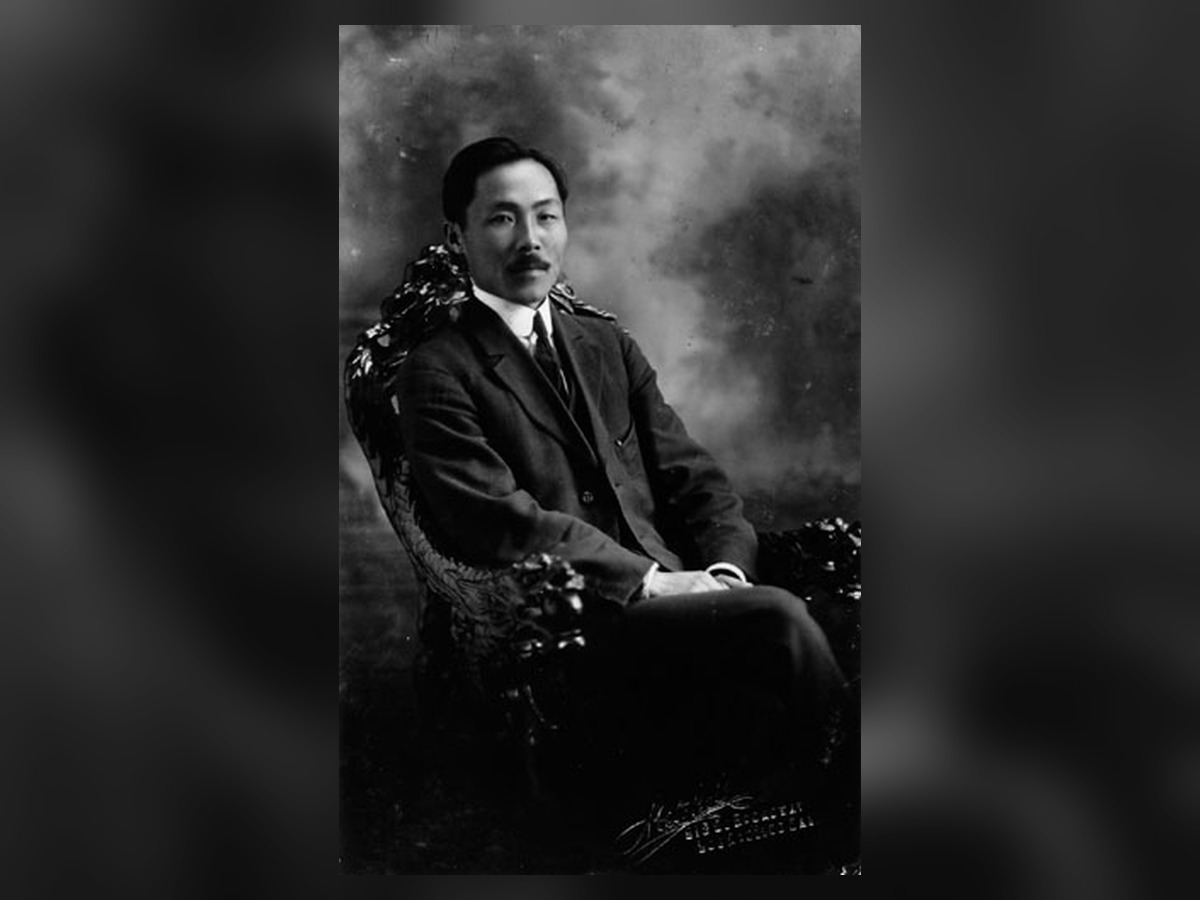
An Chang-ho (안창호) was an independence activist who aimed to build long-term national capacity through education, industry, and organization movements. When examining this entry, investigate how the activities of the Shinminhoe (신민회), heungsadan (흥사단), and the Provisional Government interconnect. Avoid being confined to fragmented heroic tales or commemorative phrases; connecting the historical context of the time, the people who acted together, and the subsequent impacts will make the meaning of Liberation Day clearer. Do not reduce it to just one event or append unverified anecdotes as facts. Confirm the details of exhibitions, works, and records through the operating institutions and official materials, and it's beneficial to read sources from differing perspectives together.
Kim Maria

Kim Maria

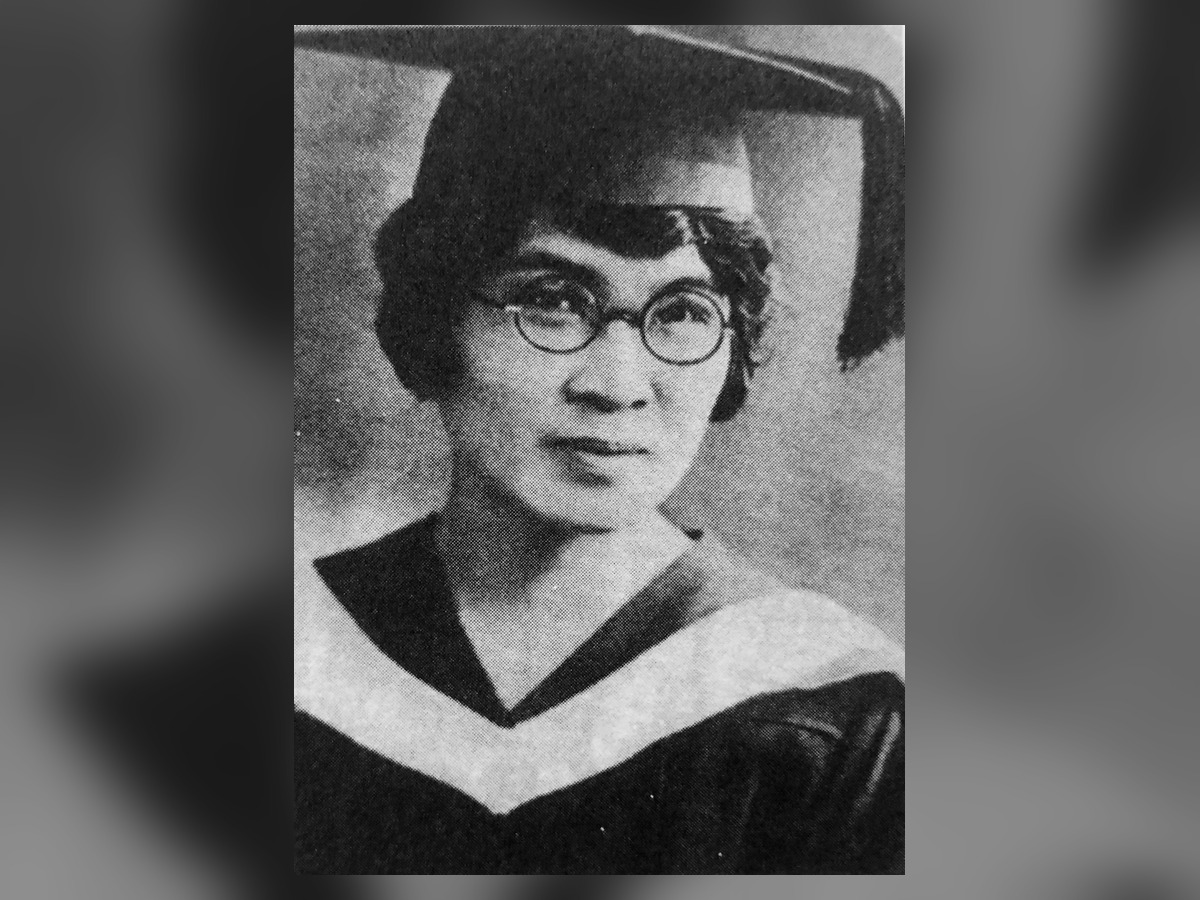
Kim Maria (김마리아) was an independence activist who organized the Korean Patriotic Women’s Association and worked for women's education and the independence movement. When examining this entry, observe how women's organizations and overseas study networks expanded the movement. Avoid being confined to fragmented heroic tales or commemorative phrases; connecting the historical context of the time, the people who acted together, and the subsequent impacts will make the meaning of Liberation Day clearer. Do not reduce it to just one event or append unverified anecdotes as facts. Confirm the details of exhibitions, works, and records through the operating institutions and official materials, and it's beneficial to read sources from differing perspectives together.
Na Seok-Ju

Na Seok-Ju

Na Seok-joo (나석주) was an independence activist who conducted righteous struggles targeting colonial economic exploitation institutions. When examining this entry, check the background of righteous struggles in the 1920s alongside the roles of the Sangyung Bank (식산은행) and the Dongyang Cheok Sik Joint-stock Company (동양척식주식회사). Avoid being confined to fragmented heroic tales or commemorative phrases; connecting the historical context of the time, the people who acted together, and the subsequent impacts will make the meaning of Liberation Day clearer. Do not reduce it to just one event or append unverified anecdotes as facts. Confirm the details of exhibitions, works, and records through the operating institutions and official materials, and it's beneficial to read sources from differing perspectives together.
Jo So-Ang

Jo So-Ang

Jo So-ang (조소앙) was an independence activist who established the political theory of the Provisional Government of Korea and the Three Principles of the People (삼균주의). When examining this entry, read his visions about what kind of nation would be built after independence. Avoid being confined to fragmented heroic tales or commemorative phrases; connecting the historical context of the time, the people who acted together, and the subsequent impacts will make the meaning of Liberation Day clearer. Do not reduce it to just one event or append unverified anecdotes as facts. Confirm the details of exhibitions, works, and records through the operating institutions and official materials, and it's beneficial to read sources from differing perspectives together.
Hong Beom-Do

Hong Beom-Do

Hong Beom-do (홍범도) was an independence activist who led the Korean Independence Army and participated in armed resistance, including the Battle of Bongo-dong. When examining this entry, consider the movement routes between Primorsky Krai and Manchuria and the context of the alliance of independence troops on a map. Avoid being confined to fragmented heroic tales or commemorative phrases; connecting the historical context of the time, the people who acted together, and the subsequent impacts will make the meaning of Liberation Day clearer. Do not reduce it to just one event or append unverified anecdotes as facts. Confirm the details of exhibitions, works, and records through the operating institutions and official materials, and it's beneficial to read sources from differing perspectives together.
Lee Hwa-Young

Lee Hwa-Young

Lee Hoi-young (이회영) was an independence activist who disposed of his fortune to flee to Manchuria and contributed to establishing the Shinheung Military School and laying the foundation for the independence movement. When examining this entry, look at not only the decisions of one family but also the roles of education, finance, and the emigration community. Avoid being confined to fragmented heroic tales or commemorative phrases; connecting the historical context of the time, the people who acted together, and the subsequent impacts will make the meaning of Liberation Day clearer. Do not reduce it to just one event or append unverified anecdotes as facts. Confirm the details of exhibitions, works, and records through the operating institutions and official materials, and it's beneficial to read sources from differing perspectives together.

Looking at the lives of ten individuals side by side reveals that there was not just one path towards independence. Some established organizations and schools, others left behind writings and theories, while still others fought back against colonial rule with actions risking their lives. Rather than ranking individuals in competition, it's good to sketch out how their different roles interconnected to form the foundation of liberation.

For figures you find interesting, first check the periods and locations of their activities in the records of achievements, then expand your research to biographies, memorial halls, and historical materials. Commonly known short anecdotes may have unclear sources, so avoid quoting them directly. Additionally, seek out less well-known participants like women and local communities. The memory of Independence Day does not end with memorizing famous names; it continues with questioning the values they sought to uphold in today's language. By looking at each individual's writings together with their colleagues' records, you can examine how the evaluations by later generations differ from the voices of the individuals themselves.

댓글 0

로그인 후 댓글을 작성할 수 있습니다.

첫 댓글을 남겨보세요.

이런 리스트는 어때요?

이런 리스트도 추천해요

🎲

여기서 멈추기엔 아쉽잖아?

다음에 뭘 볼지 고민하는 시간이 제일 아까워.
주사위가 대신 골라줄게 — 무슨 리스트가 튀어나올지는 굴려봐야 알지.
안 누르면… 평생 궁금하지 않겠어? 👀

All menu
Login required
Log in
Categories
Language
Display mode

Drum roll… picking a list!

모하지
Use Mohazi as an app
Open it from your home screen and browse faster.
On iPhone, tap the Share button at the bottom of Safari, then choose “Add to Home Screen” to use it like an app.