Collection
History and Cultural Heritage
2026.09.21
The Place of Record Preservation that Transmits Paper and Woodblocks for Hundreds of Years
Seven Institutions Meeting Royal Records, Annals, Clan Documents, and Printing Culture
Heritage records refer to the entire system of creating, dividing and preserving materials, and restoring damaged documents rather than just an old book. The Gyujanggak and Jangseogak study royal and governmental records as well as private historical documents, while the Korea National Library of Korea preserves woodblocks and texts entrusted by clans. Jeonju Sago demonstrates through its architectural site the significance of decentralized preservation that safeguarded the Annals during wartime. The Haeinsa Temple Heritage Museum connects Buddhist records with the culture of woodblocks.
At the Cheongju Early Printing Museum, you can explore how metal type has changed the replication of records, and at the National Library of Korea, you can see how physical preservation and digital access are conducted concurrently. This list is not focused on naming famous records but is structured to observe elements like paper, ink, woodblocks, type, and storage environments. The actual public displays may vary based on preservation and exhibition rotations.
At the Cheongju Early Printing Museum, you can explore how metal type has changed the replication of records, and at the National Library of Korea, you can see how physical preservation and digital access are conducted concurrently. This list is not focused on naming famous records but is structured to observe elements like paper, ink, woodblocks, type, and storage environments. The actual public displays may vary based on preservation and exhibition rotations.
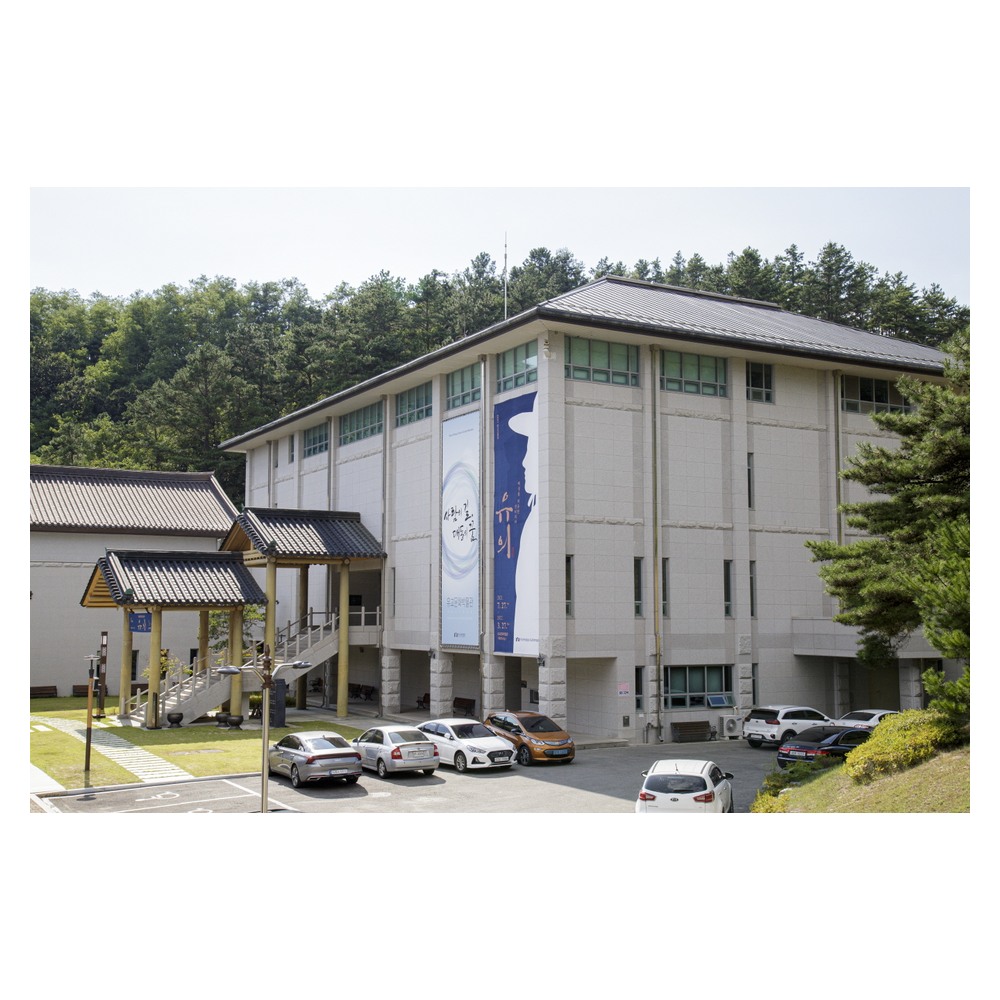
Korea Institute for Traditional Culture Confucian Culture Museum (한국국학진흥원 유교문화박물관)
Korea National Library of Korea Confucian Culture Museum
The reason for selecting the Korea National Library of Korea Confucian Culture Museum as a place for preserving records that transmit paper and woodblocks for hundreds of years is that its attributes are specifically discernible in the private record heritage preservation institution in Andong, Gyeongbuk. As a private record heritage preservation institution in Andong, Gyeongbuk, it preserves and exhibits historical documents, woodblocks, and texts entrusted by clans, serving as key observation points in the process of collecting, preserving, and translating clan records into public knowledge. Before visiting, it’s important to check the operational hours of the exhibition hall and the open program for the Jangpan-gak. Especially, examining the timelines and purposes of the informational signs regarding the process of clan records being collected, preserved, and translated into public knowledge will help prevent confusion regarding the original, restoration, and conservation stages.
When planning a visit to the Korea National Library of Korea Confucian Culture Museum, it's best to base your plans on the actual opening conditions rather than seasonal photos. Verify the operation of the exhibition hall and the public program for the Jangpan-gak. Follow cultural heritage protection lines and shooting restrictions, and it is advisable to prioritize the current order of the museum in spaces for religion, memorials, and local community living.
When planning a visit to the Korea National Library of Korea Confucian Culture Museum, it's best to base your plans on the actual opening conditions rather than seasonal photos. Verify the operation of the exhibition hall and the public program for the Jangpan-gak. Follow cultural heritage protection lines and shooting restrictions, and it is advisable to prioritize the current order of the museum in spaces for religion, memorials, and local community living.
주소 경북 안동시 도산면 퇴계로 1997
지역 경북 안동
유산 유형 민간 기록유산 보존기관
관찰 포인트 문중 기록이 수집·보존·번역되어 공공 지식이 되는 과정
방문 팁 전시관 운영과 장판각 공개 프로그램을 확인한다
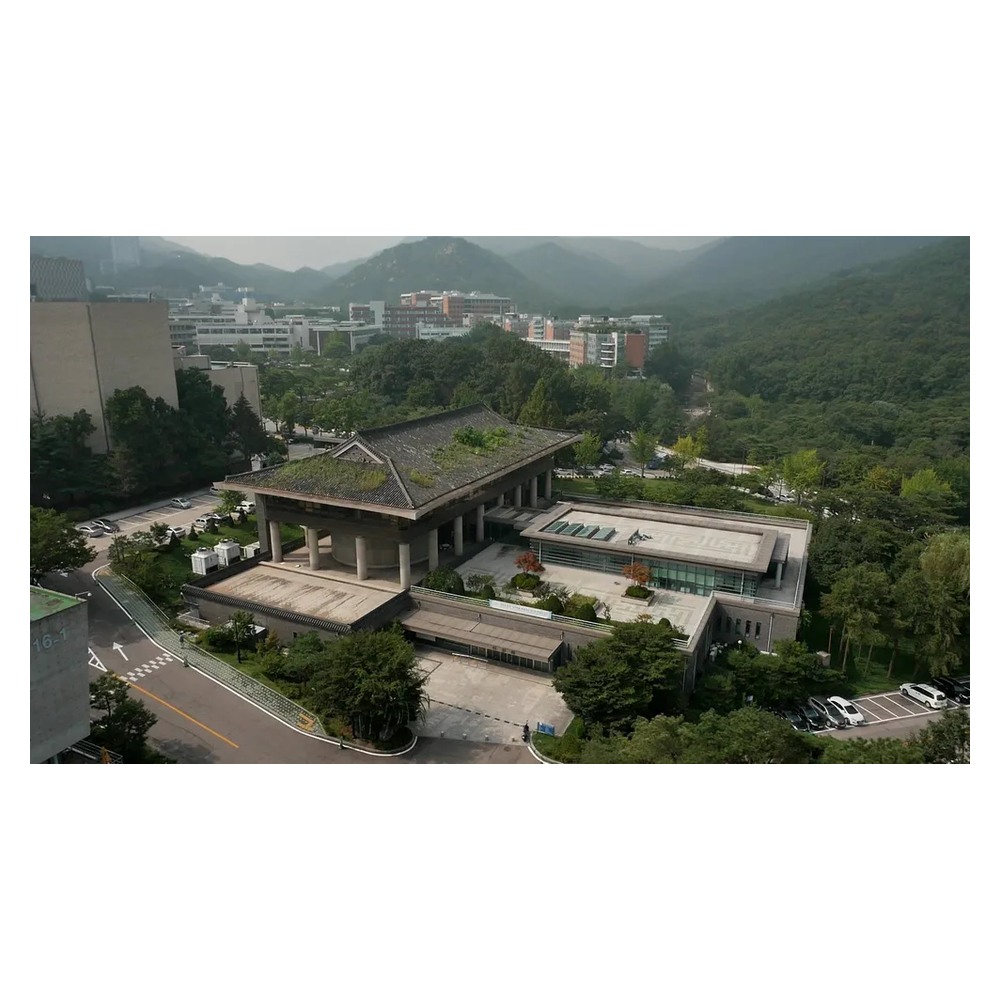
Seoul National University Kyujanggak Institute for Korean Studies (규장각한국학연구원)
Seoul National University Gyujanggak Korean Studies Institute
The Seoul National University Gyujanggak Korean Studies Institute serves as an example of how royal and state record research institutions have developed in comparison to other locations on this list. Located in the Gwanak district of Seoul, it preserves, studies, and exhibits royal documents, maps, and historical records from the Joseon dynasty. Key observation points include the purpose of creating royal documents, the nature of distribution, and the administrative functions of maps and registries. Before visiting, it’s crucial to check the operating days of the exhibition hall and the access routes on Gwanak campus. First, confirming the purpose of creating royal documents, the nature of distribution, and the administrative functions of maps and registries will help to easily distinguish between what remains and what has been restored when comparing the exhibit materials with the current landscape.
Access conditions for the Seoul National University Gyujanggak Korean Studies Institute may change due to preservation work and events, so check the operating days of the exhibition hall and access routes on Gwanak campus. If the guided tour timings match, you should participate; if not, verify the sources and dates on the official signs to differentiate from exaggerated tourist explanations.
Access conditions for the Seoul National University Gyujanggak Korean Studies Institute may change due to preservation work and events, so check the operating days of the exhibition hall and access routes on Gwanak campus. If the guided tour timings match, you should participate; if not, verify the sources and dates on the official signs to differentiate from exaggerated tourist explanations.
주소 서울 관악구 관악로 1
지역 서울 관악구
유산 유형 왕실·국가 기록 연구기관
관찰 포인트 의궤의 제작 목적과 분상처, 지도·등록류의 행정 기능
방문 팁 전시실 운영일과 관악캠퍼스 출입 동선을 확인한다
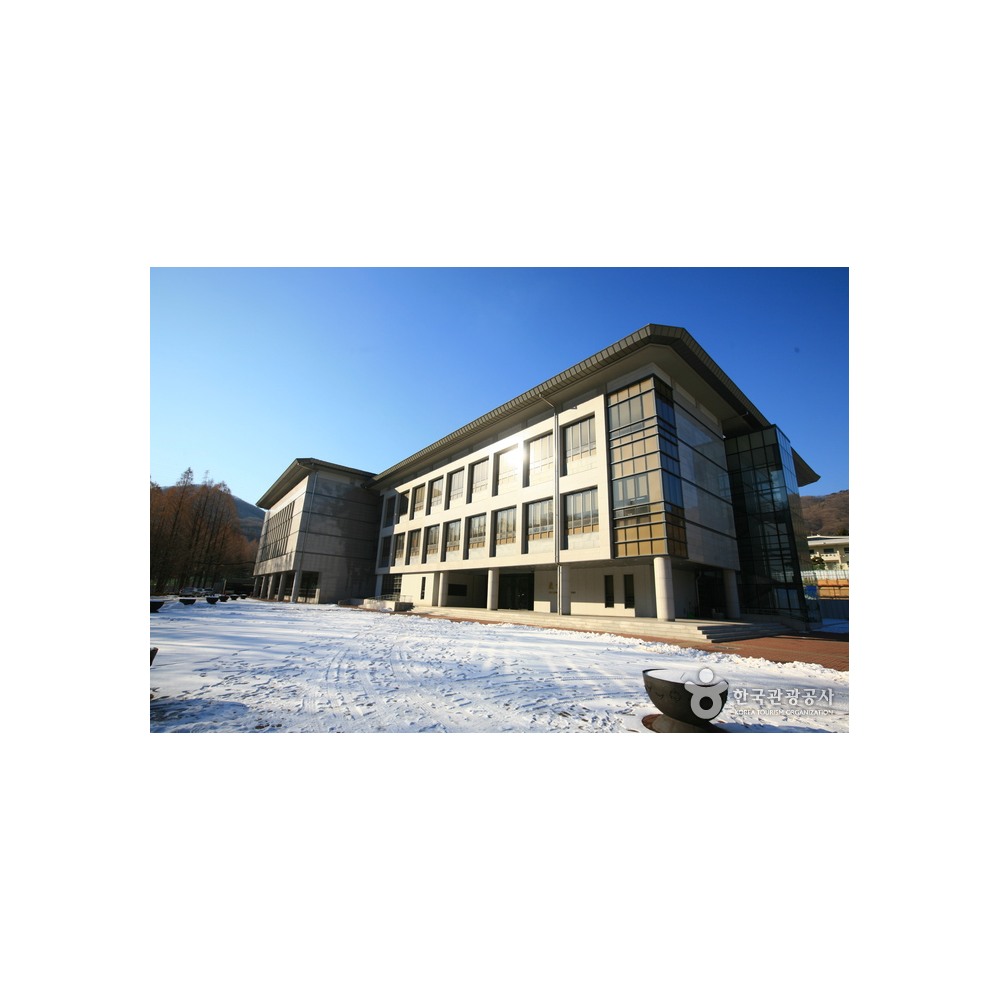
Korea University of Traditional Culture Library (장서각)
Korea University Jangseogak
At Korea University’s Jangseogak in Seongnam, Gyeonggi-do, it’s better to focus on the remaining structures and functions of the archives rather than names or representative photos. It serves as a royal and noble document preservation institution in Seongnam, Gyeonggi-do, specializing in the preservation and research of royal manuscripts and private clan materials. Key observation points include the format of royal documents and private historical records, preservation boxes, and the digitization process. Before visiting, check the reservation and access procedures for exhibitions and readings. Even a short visit can help you understand why this place is included in the list by examining the formats of royal and private documents, preservation boxes, and the digitization process.
When moving within Korea University Jangseogak, confirm the reservation and access procedures for exhibitions and readings. Differentiate areas within the building’s interior or safety conditions like walls, ancient tombs, and mountain paths, and avoid entering unpublicized spaces or handling artifacts.
When moving within Korea University Jangseogak, confirm the reservation and access procedures for exhibitions and readings. Differentiate areas within the building’s interior or safety conditions like walls, ancient tombs, and mountain paths, and avoid entering unpublicized spaces or handling artifacts.
주소 경기 성남시 분당구 하오개로 323
지역 경기 성남
유산 유형 왕실·사대부 기록 보존기관
관찰 포인트 왕실 문서와 민간 고문서의 형식·보존 상자·디지털화 과정
방문 팁 전시·열람의 예약 및 출입 절차를 확인한다
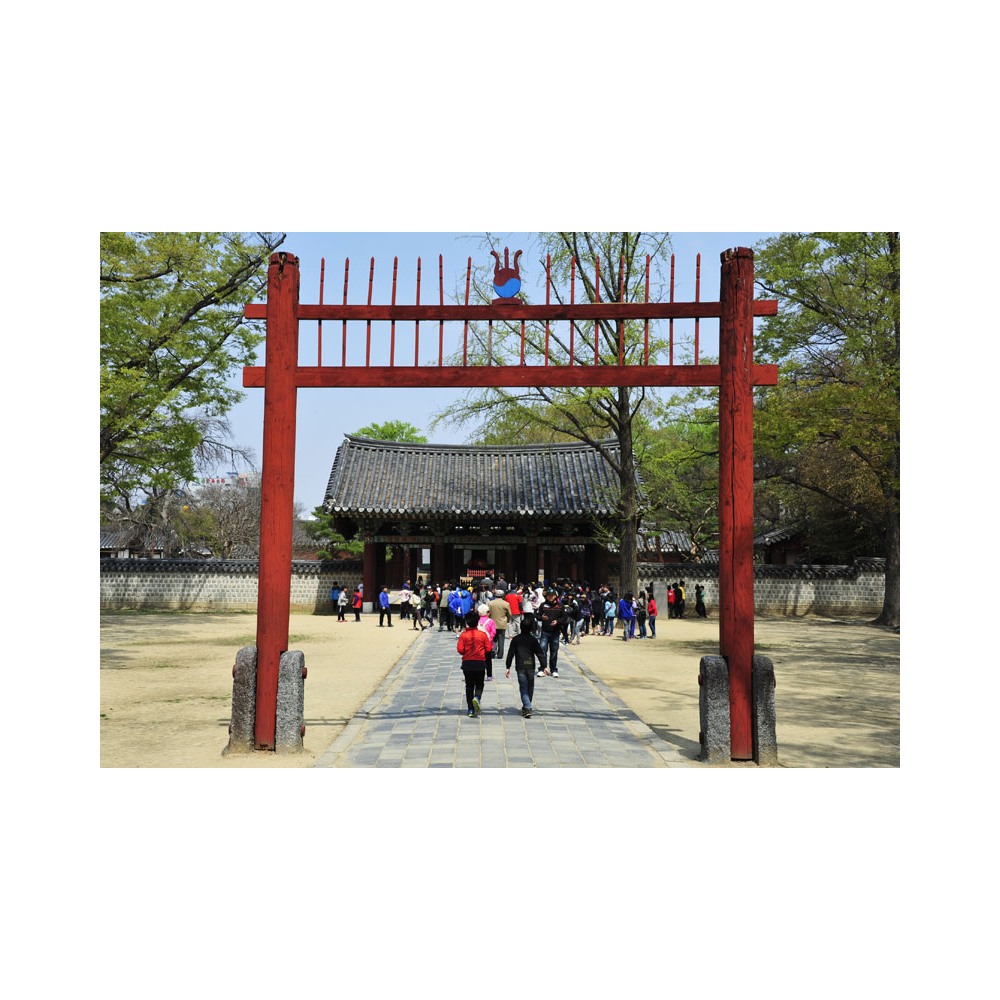
Jeonju Gyeonggijeon and Jeonju Sago
Jeonju Gyeonggijeon Jeonju Sago
In this list, Jeonju Gyeonggijeon Jeonju Sago serves as a connection point between the preserved relics of the Joseon Dynasty Annals and the actual space and materials. Located in Jeonju, Jeollabuk-do, it preserves the significance of the Jeonju Sago, which protected the Annals during the Imjin War, along with the enshrinement space of King Taejo’s portrait. Key observation points include the fireproof and moisture-proof structure of the Sago building and the relationship with the ceremony space of Gyeonggijeon. Before visiting, check the hours of closure for the portrait museum and the end of admission for Gyeonggijeon. By discovering the relationship between the fireproof and moisture-proof structure of the Sago building and the ceremonial space of Gyeonggijeon through guided explanations, you can appreciate the process of how the space was created and used in a more dimensional way rather than through fragmented events.
Before going to Jeonju Gyeonggijeon Jeonju Sago, check the official guide for any closure, reservations, and construction work. Confirm the closure of the portrait museum and the end of admission for Gyeonggijeon. Due to weather conditions like rain or freezing, or event restrictions in the area around Jeonju Gyeonggijeon Jeonju Sago, access routes may change, so it’s wise to prepare alternative paths and stay within the guidance signs.
Before going to Jeonju Gyeonggijeon Jeonju Sago, check the official guide for any closure, reservations, and construction work. Confirm the closure of the portrait museum and the end of admission for Gyeonggijeon. Due to weather conditions like rain or freezing, or event restrictions in the area around Jeonju Gyeonggijeon Jeonju Sago, access routes may change, so it’s wise to prepare alternative paths and stay within the guidance signs.
주소 전북특별자치도 전주시 완산구 태조로 44
지역 전북 전주
유산 유형 조선왕조실록 보관 유적
관찰 포인트 사고 건물의 방화·방습 구조와 경기전 의례 공간의 관계
방문 팁 어진박물관 휴관과 경기전 입장 마감을 확인한다
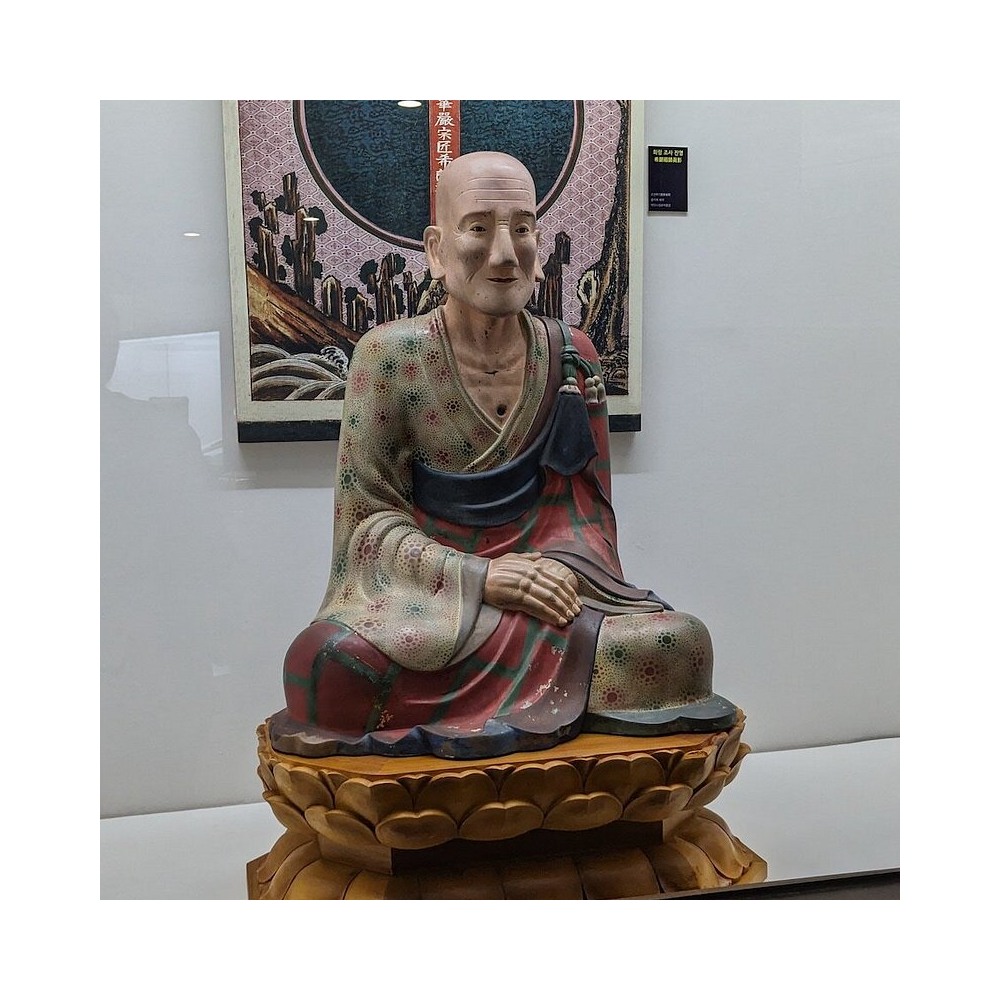
Haeinsa Temple's Cultural Property Museum
Hapcheon Haeinsa Temple Heritage Museum
When exploring the Hapcheon Haeinsa Temple Heritage Museum, it's better to follow how the entire place functions as a Buddhist records and heritage museum rather than focusing on a famous scene. This museum, located in Hapcheon, Gyeongnam, preserves Buddhist artifacts and texts from Haeinsa Temple and Gayasan Mountain and explains the background of the Tripitaka Koreana. Key observation points focus more on the tools and records surrounding the production, transcription, and preservation of woodblocks, rather than the blocks themselves. Before visiting, distinguish between entrance procedures to the temple, museum closure times, and the scope of the Tripitaka Hall's public access. By centering your attention on the tools and records surrounding production, transcription, and preservation rather than just the woodblocks, the differences among the heritage landmarks on your list become clear.
To ensure a safe and accurate viewing at Hapcheon Haeinsa Temple Heritage Museum, distinguish the entrance procedures to the temple, museum closure times, and the public access range of the Tripitaka Hall. In places where locals live or where ceremonies, prayers, or memorials take place, minimize noise and filming and respect the current uses of Hapcheon Haeinsa Temple Heritage Museum.
To ensure a safe and accurate viewing at Hapcheon Haeinsa Temple Heritage Museum, distinguish the entrance procedures to the temple, museum closure times, and the public access range of the Tripitaka Hall. In places where locals live or where ceremonies, prayers, or memorials take place, minimize noise and filming and respect the current uses of Hapcheon Haeinsa Temple Heritage Museum.
주소 경남 합천군 가야면 가야산로 1742-17
지역 경남 합천
유산 유형 불교 기록·성보 박물관
관찰 포인트 경판 자체보다 제작·인경·보존을 둘러싼 도구와 기록
방문 팁 사찰 입장과 박물관 휴관, 장경판전 공개 범위를 구분한다
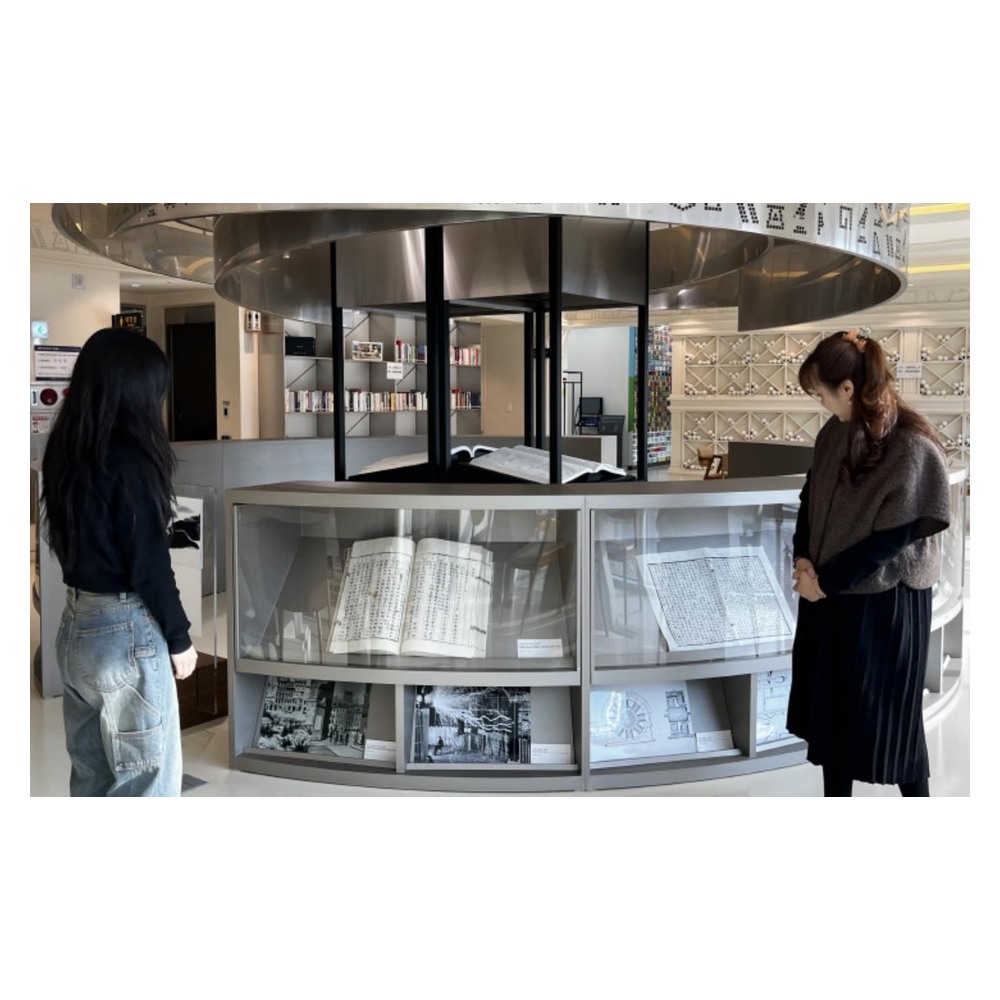
Cheongju Old Printing Museum
Cheongju Early Printing Museum
From the perspective of the seven institutions connecting royal regulations, annals, clan documents, and printing culture, the role of the Cheongju Early Printing Museum is evident. This printing record culture museum located in Cheongju, Chungbuk, showcases the development of metal type and Eastern and Western printing culture centered around the Jikji and the Heungdeok Temple site. Key observation points include type casting, typesetting, printing processes, and the distinction between original Jikji and replicas. Before visiting, also check the operational status of the modern printing exhibition hall and other annexes. When touring the museum, shifting your focus based on the processes of type casting, typesetting, printing, and the distinction between original Jikji and replicas allows for a deeper understanding of the relationships between artifacts or architectural structures and their surrounding geographical context.
Before starting your visit to the Cheongju Early Printing Museum, verify the operational status of the modern printing exhibition hall and other annexes. Don't just stay at the labeled photography spots; after making a full round along the guidance route, it is useful to reaffirm one significant structure or record.
Before starting your visit to the Cheongju Early Printing Museum, verify the operational status of the modern printing exhibition hall and other annexes. Don't just stay at the labeled photography spots; after making a full round along the guidance route, it is useful to reaffirm one significant structure or record.
주소 충북 청주시 흥덕구 직지대로 713
경험 포인트 직지 복제본과 금속활자 제작 원리 이해
지역 충북 청주
방문 전 확인 휴관일·체험 예약·전시 해설
유산 유형 인쇄 기록문화 박물관
관찰 포인트 활자 주조·조판·인쇄 공정과 직지 원본·복제본의 구분
방문 팁 근현대인쇄전시관 등 별관 운영을 함께 확인한다
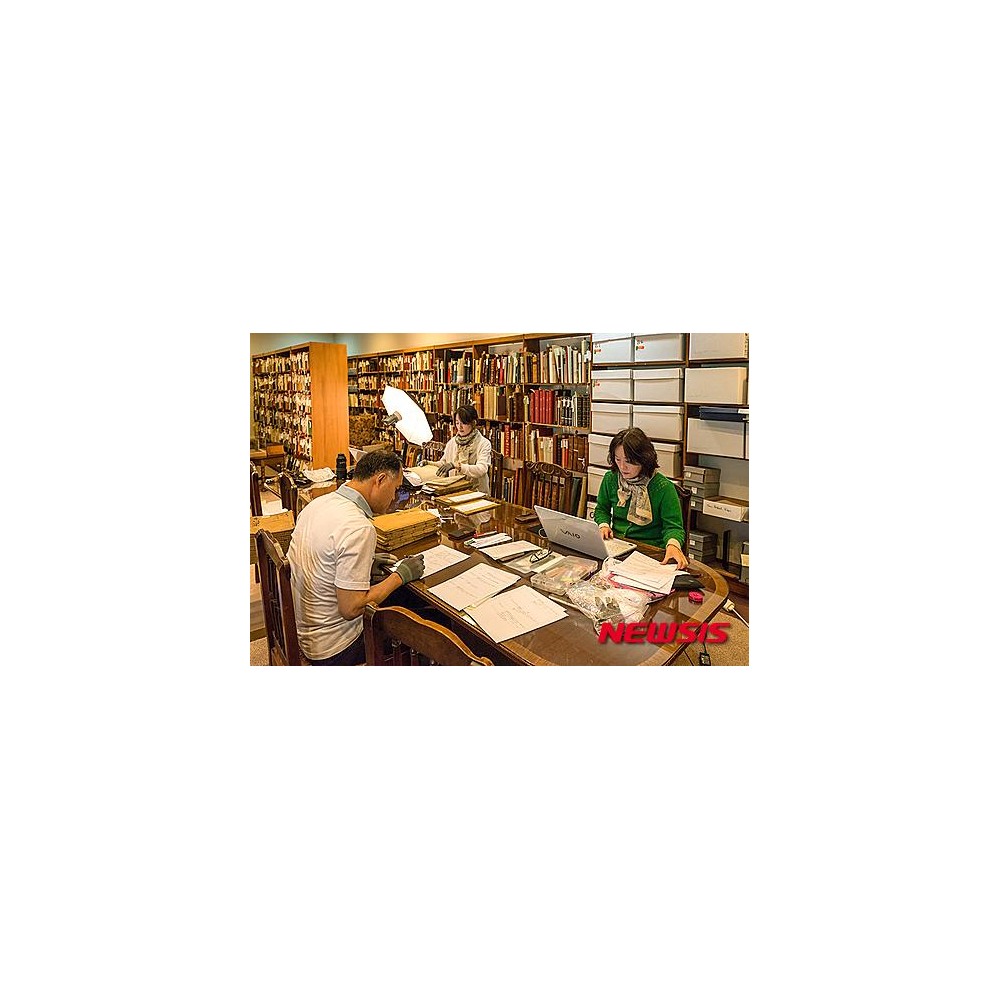
National Library of Korea Rare Books Room
The National Library of Korea Rare Books Room is an excellent national document preservation institution where you can compare historical layers in one location. Located in Seocho-gu, Seoul, it collects and preserves old books, historical maps, genealogy records, and national documents while providing digital original services. Key observation points focus on the balance between physical preservation, digital publication, and access restrictions. Before your visit, confirm the procedure for admission certificates, reservations, and operating hours of the exhibition room in advance. During your visit, it’s essential to compare the balance of physical preservation, digital publication, and access restrictions with photographs, maps, and explanatory texts.
Be sure to allocate ample time for your visit to the National Library of Korea Rare Books Room and confirm admission certificates, reading reservations, and operating hours of the exhibition room ahead of time. Taking notes on the creation dates and repair records of the explanatory panels makes it easier to spot the differences among seemingly similar heritage items, and the information will remain with you after your visit.
Be sure to allocate ample time for your visit to the National Library of Korea Rare Books Room and confirm admission certificates, reading reservations, and operating hours of the exhibition room ahead of time. Taking notes on the creation dates and repair records of the explanatory panels makes it easier to spot the differences among seemingly similar heritage items, and the information will remain with you after your visit.
주소 서울 서초구 반포대로 201
지역 서울 서초구
유산 유형 국가 문헌 보존기관
관찰 포인트 실물 보존과 디지털 공개, 열람 제한이 조화를 이루는 방식
방문 팁 이용증·열람 예약과 전시실 운영을 사전에 확인한다
Comparing the seven institutions reveals that the existence of records is not mere coincidence, but rather the result of choices made by individuals and facilities. The decentralized preservation of the Annals and royal regulations, the entrustment of clan materials, the management of temperature and humidity for woodblocks, and the digital release of original texts are methods responsive to the different risks of each era. Even without seeing the originals, one can understand the content and physical properties through high-resolution images, replicas, and the preservation process.
Professional archives may require admission passes, prior reservations, and specific purposes for viewing, unlike regular museums. Please check the regulations regarding writing tools, photography rules, and handling guidelines, and make sure to distinguish between displayed replicas and originals. By tracking not only the author of a single record but also the pathway of how it has been stored, organized, and translated, we can better understand how heritage records contribute to today's knowledge.
Professional archives may require admission passes, prior reservations, and specific purposes for viewing, unlike regular museums. Please check the regulations regarding writing tools, photography rules, and handling guidelines, and make sure to distinguish between displayed replicas and originals. By tracking not only the author of a single record but also the pathway of how it has been stored, organized, and translated, we can better understand how heritage records contribute to today's knowledge.
한눈에 보기
7개
Korea Institute for Traditional Culture Confucian Culture Museum (한국국학진흥원 유교문화박물관)
경북 안동시 도산면 퇴계로 1997 · 경북 안동 · 민간 기록유산 보존기관 · 문중 기록이 수집·보존·번역되어 공공 지식이 되는 과정 · 전시관 운영과 장판각 공개 프로그램을 확인한다
Seoul National University Kyujanggak Institute for Korean Studies (규장각한국학연구원)
서울 관악구 관악로 1 · 서울 관악구 · 왕실·국가 기록 연구기관 · 의궤의 제작 목적과 분상처, 지도·등록류의 행정 기능 · 전시실 운영일과 관악캠퍼스 출입 동선을 확인한다
Korea University of Traditional Culture Library (장서각)
경기 성남시 분당구 하오개로 323 · 경기 성남 · 왕실·사대부 기록 보존기관 · 왕실 문서와 민간 고문서의 형식·보존 상자·디지털화 과정 · 전시·열람의 예약 및 출입 절차를 확인한다
Jeonju Gyeonggijeon and Jeonju Sago
전북특별자치도 전주시 완산구 태조로 44 · 전북 전주 · 조선왕조실록 보관 유적 · 사고 건물의 방화·방습 구조와 경기전 의례 공간의 관계 · 어진박물관 휴관과 경기전 입장 마감을 확인한다
Haeinsa Temple's Cultural Property Museum
경남 합천군 가야면 가야산로 1742-17 · 경남 합천 · 불교 기록·성보 박물관 · 경판 자체보다 제작·인경·보존을 둘러싼 도구와 기록 · 사찰 입장과 박물관 휴관, 장경판전 공개 범위를 구분한다
Cheongju Old Printing Museum
충북 청주시 흥덕구 직지대로 713 · 직지 복제본과 금속활자 제작 원리 이해 · 충북 청주 · 휴관일·체험 예약·전시 해설 · 인쇄 기록문화 박물관 · 활자 주조·조판·인쇄 공정과 직지 원본·복제본의 구분 · 근현대인쇄전시관 등 별관 운영을 함께 확인한다
National Library of Korea Rare Books Room
서울 서초구 반포대로 201 · 서울 서초구 · 국가 문헌 보존기관 · 실물 보존과 디지털 공개, 열람 제한이 조화를 이루는 방식 · 이용증·열람 예약과 전시실 운영을 사전에 확인한다
위치 한눈에 보기
7곳
이 포스팅은 쿠팡 파트너스 활동의 일환으로, 이에 따른 일정액의 수수료를 제공받습니다.
댓글 0
로그인 후 댓글을 작성할 수 있습니다.
첫 댓글을 남겨보세요.
이런 리스트는 어때요?


이런 리스트도 추천해요


🎲
여기서 멈추기엔 아쉽잖아?
다음에 뭘 볼지 고민하는 시간이 제일 아까워.
주사위가 대신 골라줄게 — 무슨 리스트가 튀어나올지는 굴려봐야 알지.
안 누르면… 평생 궁금하지 않겠어? 👀