Collection
Cultural Heritage
2026.09.21
Measuring Stars and Time, Bodies and Land: The Field of Korean Science
Seven Locations Connecting Astronomy, Meteorology, Medicine, Maps, and Measurement Technologies with Actual Heritage and Exhibitions
Scientific and technological heritage is not just a list of great inventions; it serves as a record of what was measured, why it was measured, and how society utilized those results. Cheomseongdae symbolizes the astronomical and time-keeping order of the Silla royal capital, and the Sejong the Great Memorial Hall and Jang Yeong-sil Science Museum explain the measurement technologies of the Joseon era, such as sundials, water clocks, and rain gauges. At the National Meteorological Museum and the Museum of Maps, you can observe the process through which modern observations and national land surveys became standardized.
The Heo Jun Museum presents the knowledge system of Donguibogam, which categorized the human body and diseases, while the Korean Science and Civilization Museum connects astronomical, architectural, printing, and medical technologies across a long time span. This list is designed to help you distinguish between actual heritage, original and replicated items, and working models. It's essential to prioritize verifying the chronology and purpose of materials, as well as any remaining evidence, over sensational phrases like 'the world's first.'
The Heo Jun Museum presents the knowledge system of Donguibogam, which categorized the human body and diseases, while the Korean Science and Civilization Museum connects astronomical, architectural, printing, and medical technologies across a long time span. This list is designed to help you distinguish between actual heritage, original and replicated items, and working models. It's essential to prioritize verifying the chronology and purpose of materials, as well as any remaining evidence, over sensational phrases like 'the world's first.'
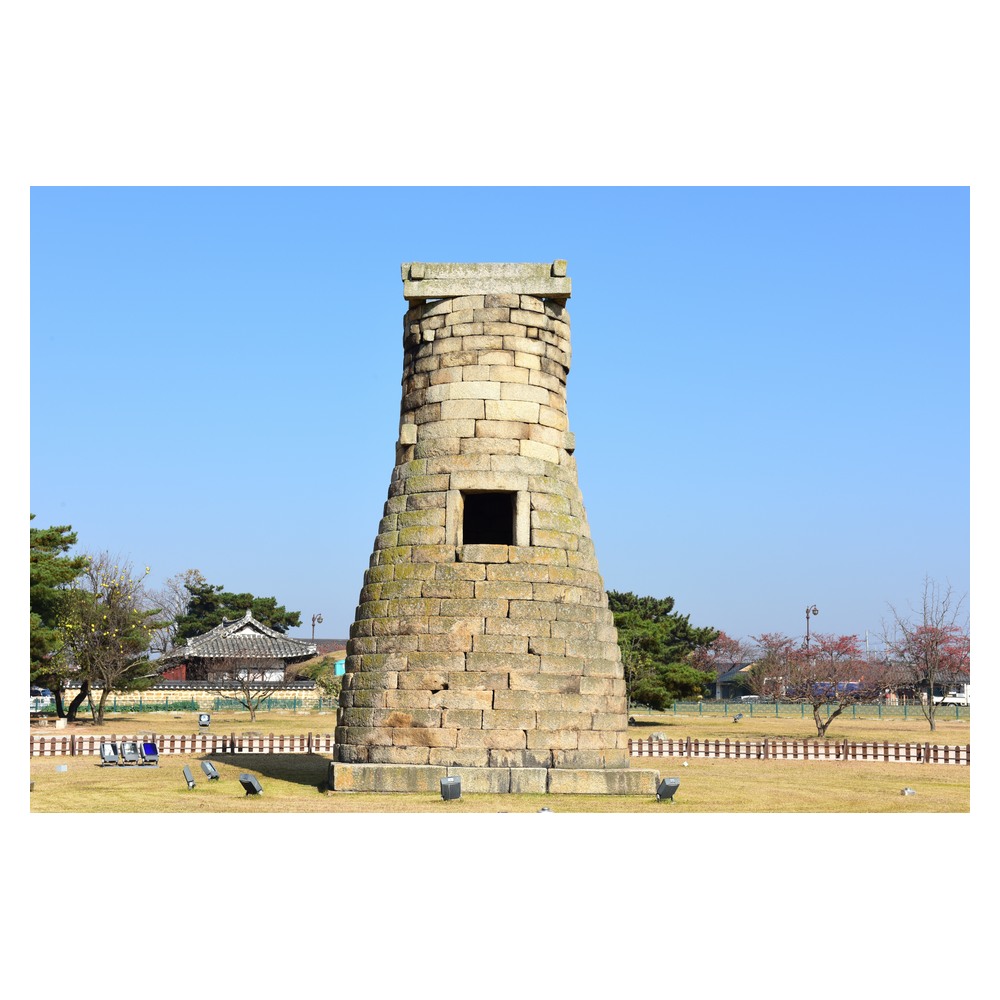
Gyeongju Cheomseongdae
Cheomseongdae in Gyeongju
Cheomseongdae in Gyeongju is a remarkable example of Silla's astronomical observation heritage, ideal for comparing historical layers in a single location. This stone structure, built during the reign of Queen Seondeok, symbolizes the astronomical and time perception of the Silla royal capital. The key observation points include the number of stones in the cylindrical body, the window positions, and the location within the wall and royal capital. Before visiting, ensure you do not cross the protection line and check the controls regarding nighttime lighting and events. During your visit, compare the number of stones, window positions, and locations with photographs, maps, and explanatory texts for a thorough understanding.
Plan ample time for observing Cheomseongdae and check for events before crossing the protection line while ensuring you observe the regulations. Taking notes on the construction date and restoration records mentioned on the explanation panels will help you differentiate between similar-looking heritages, and retain information after your visit.
Plan ample time for observing Cheomseongdae and check for events before crossing the protection line while ensuring you observe the regulations. Taking notes on the construction date and restoration records mentioned on the explanation panels will help you differentiate between similar-looking heritages, and retain information after your visit.
주소 경북 경주시 인왕동 839-1
지역 경북 경주
유산 유형 신라 천문 관측 유산
관찰 포인트 원통형 몸체의 돌 수와 창 위치, 월성·왕경 안 입지
방문 팁 보호선을 넘지 말고 야간 조명·행사 통제를 확인한다
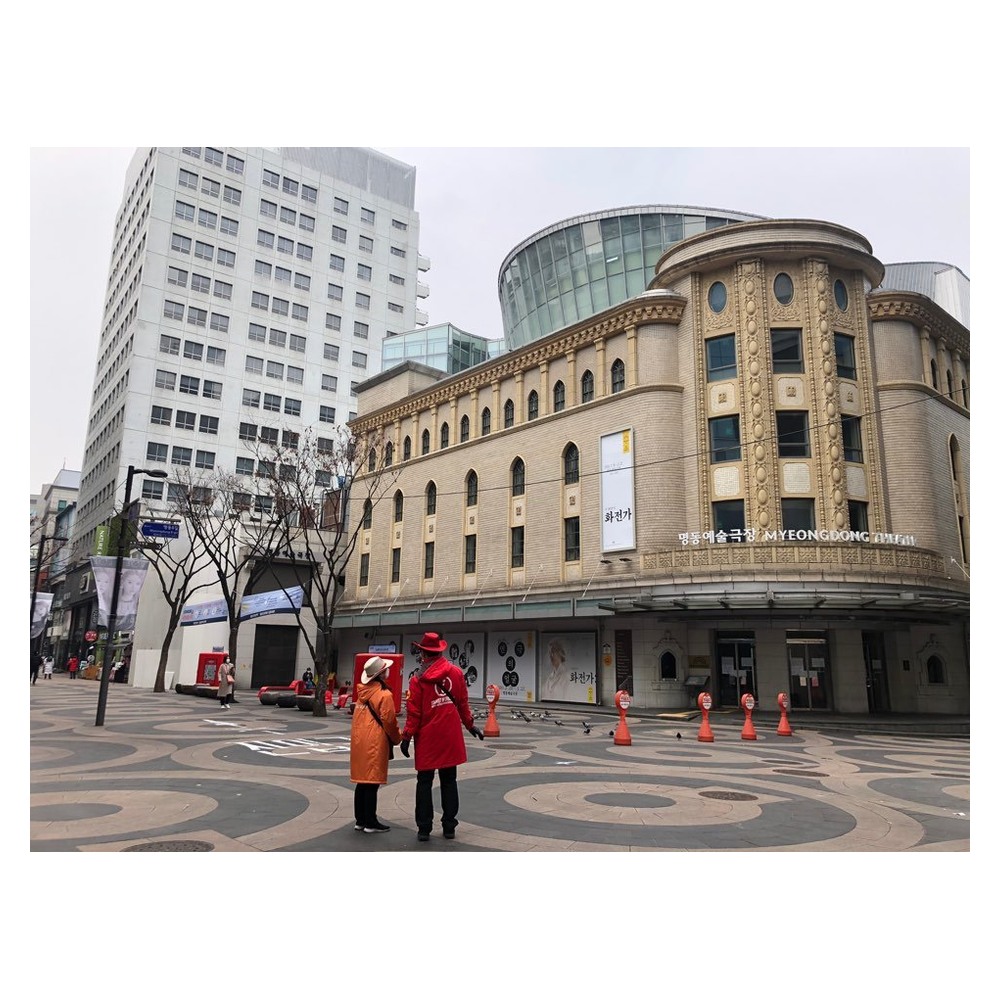
Sejong the Great Memorial Hall
The reason for selecting Sejong the Great Memorial Hall as part of the field of Korean science, which measures stars, time, bodies, and land, is that it provides a concrete reading of the characteristics of the Joseon science and script exhibition hall in Dongdaemun-gu, Seoul. This exhibition hall in Dongdaemun-gu showcases the inventions of Hangul by King Sejong, and the achievements in astronomy, agriculture, music, and surveying through artifacts and replicas. The key observation points are the relationship between restored scientific instruments such as the angbu-ilgu (sundial) and jagyeongnu (water clock) and literary records. Before visiting, you should check the days the hall is closed and look for opportunities to view the outdoor Sejong monument. Particularly, examining the relationship between the restored scientific instruments and the literary records along with the timelines and descriptions on the information panels helps avoid confusion between original, repaired, and restored segments.
When planning your visit to Sejong the Great Memorial Hall, base your plans on actual opening conditions rather than seasonal photographs. Be sure to check the days it is closed as well as opportunities to view the outdoor Sejong monument. It is a good practice to follow the guidelines for cultural heritage protection and photography restrictions while prioritizing the current order of the memorial hall over religious, memorial, and local living spaces.
When planning your visit to Sejong the Great Memorial Hall, base your plans on actual opening conditions rather than seasonal photographs. Be sure to check the days it is closed as well as opportunities to view the outdoor Sejong monument. It is a good practice to follow the guidelines for cultural heritage protection and photography restrictions while prioritizing the current order of the memorial hall over religious, memorial, and local living spaces.
주소 서울 동대문구 회기로 56
지역 서울 동대문구
유산 유형 조선 과학·문자 전시관
관찰 포인트 앙부일구·자격루 등 복원 과학기구와 문헌 기록의 관계
방문 팁 휴관일과 야외 세종신도비 관람을 함께 확인한다
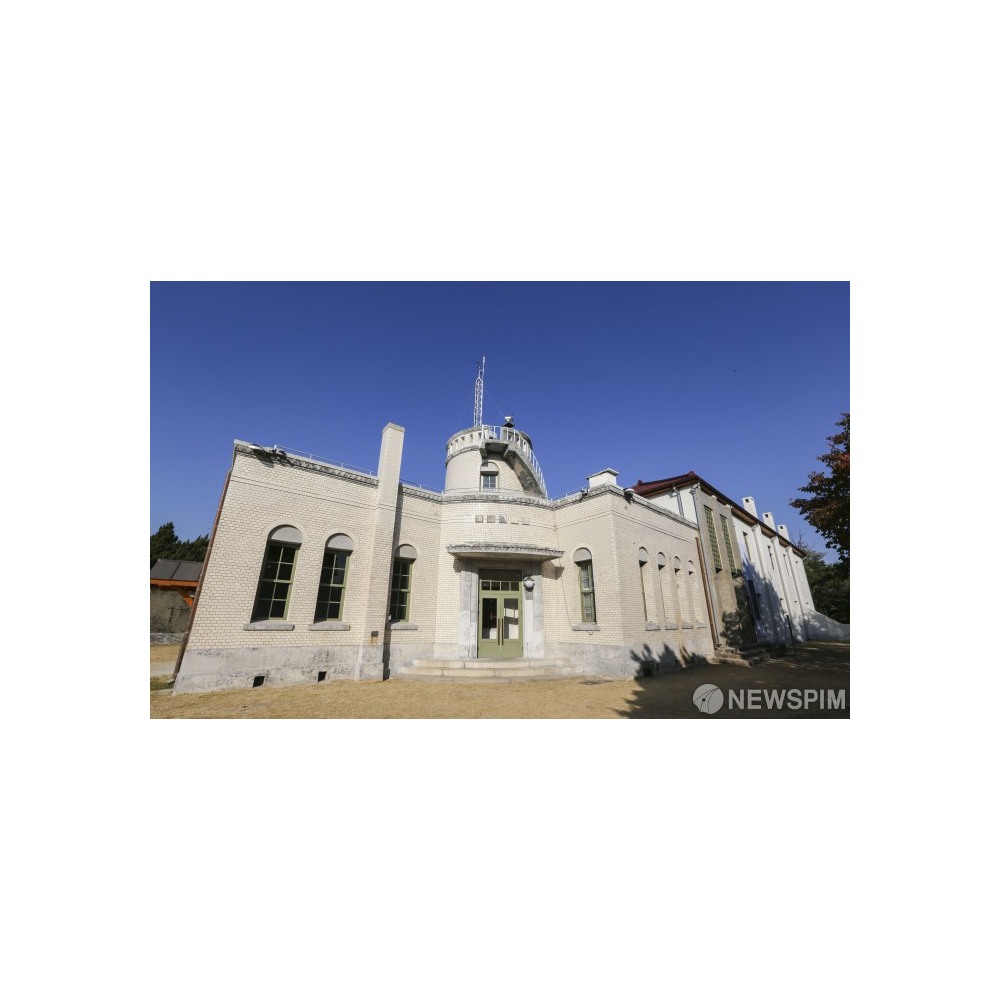
National Weather Museum
National Meteorological Museum
The National Meteorological Museum serves as a case that shows the environment in which modern meteorological observation heritage was developed compared to other sites on this list. Located in Jongno-gu, Seoul, the museum features the history of meteorological tools, records, and forecasting development from the old Gyeongseong Meteorological Observatory building. The key observation points are the exhibits connecting the observatory building to materials like self-recording devices and rain gauges. Before visiting, check whether a reservation is required and the hours for viewing outdoor observation equipment. First, confirm the exhibits linking the observatory architecture to self-recording devices and rain gauge materials, and then comparative observations between exhibited materials and the current landscape will make it easier to differentiate between what has been preserved and restored.
The conditions for using the National Meteorological Museum may vary due to preservation work and events, so check for reservations and the hours for outdoor observation equipment. If the explanation hours of the National Meteorological Museum align with your schedule, participate; if not, verify the sources and dates mentioned on the official information panels to distinguish them from exaggerated tourism explanations.
The conditions for using the National Meteorological Museum may vary due to preservation work and events, so check for reservations and the hours for outdoor observation equipment. If the explanation hours of the National Meteorological Museum align with your schedule, participate; if not, verify the sources and dates mentioned on the official information panels to distinguish them from exaggerated tourism explanations.
주소 서울 종로구 송월길 52
관람 방식 공식 안내 확인 후 방문
지역 서울 종로구
유산 유형 근대 기상관측 유산
관찰 포인트 측후소 건축과 자기기록계·측우기 자료가 연결되는 전시
방문 팁 예약제 여부와 야외 관측장비 공개 시간을 확인한다

Heo Jun Museum
At Heo Jun Museum in Gangseo-gu, Seoul, it is better to first observe the structures and uses remaining there instead of focusing solely on the names or representative photographs. This history museum of traditional medicine centers around Heo Jun and his famous work, Donguibogam, highlighting the history of Joseon medicine, medicinal materials, and home treatment culture. The critical observation point involves the editing of Donguibogam and the processes by which medical texts and herbal tools led to actual medical knowledge. Before your visit, it is essential to verify the closing days and the nearby routes to Heukgawoo Rock and the herbal garden. Even with a brief tour, understanding how the compilation of Donguibogam and the healing knowledge is connected will clarify why this place is included in the list.
During your actual visit to Heo Jun Museum, check for closing days and the routes to nearby Heukgawoo Rock and the herbal garden. Distinguish areas with different safety conditions such as the interior of the building, city walls, tombs, and mountain paths, and avoid entering non-public spaces or touching cultural relics.
During your actual visit to Heo Jun Museum, check for closing days and the routes to nearby Heukgawoo Rock and the herbal garden. Distinguish areas with different safety conditions such as the interior of the building, city walls, tombs, and mountain paths, and avoid entering non-public spaces or touching cultural relics.
주소 서울 강서구 허준로 87
지역 서울 강서구
유산 유형 한의학 역사박물관
관찰 포인트 동의보감 편찬과 의서·약재도구가 실제 진료 지식으로 이어지는 과정
방문 팁 휴관일과 인근 허가바위·약초원 동선을 확인한다
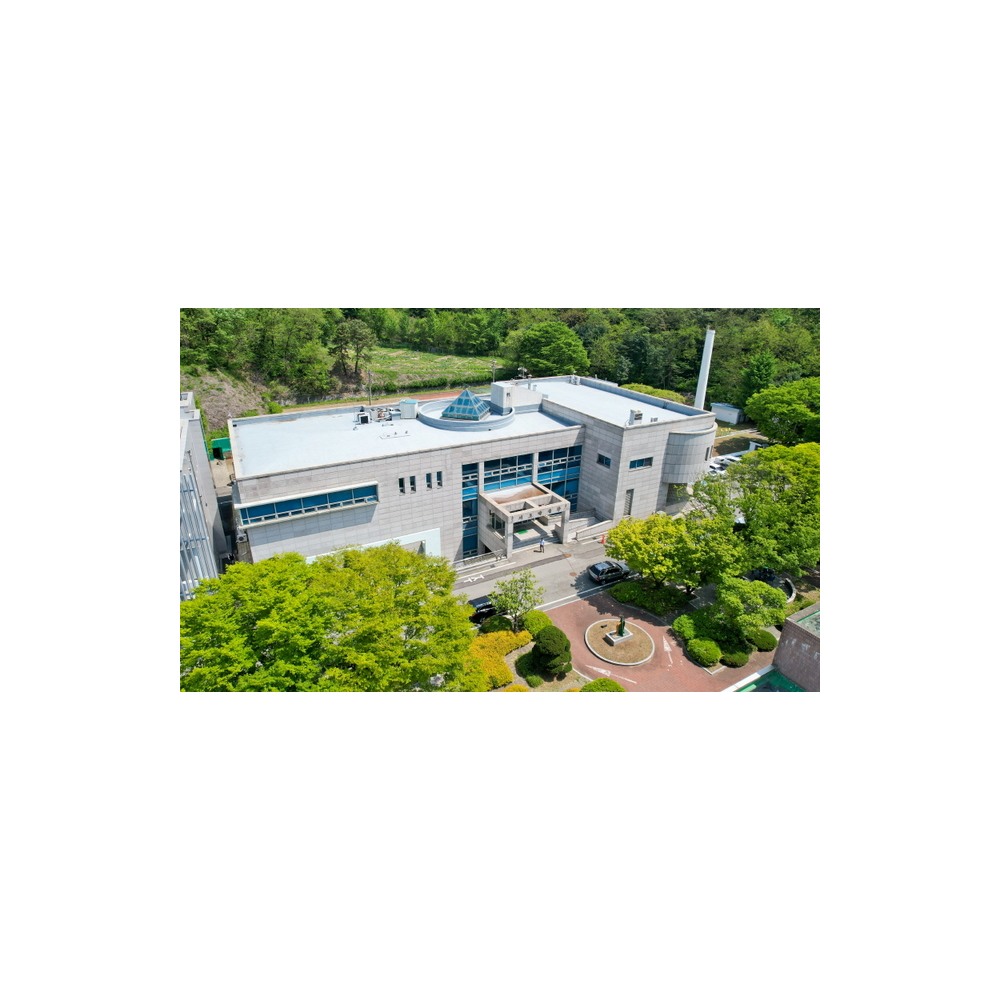
National Map Museum
National Museum of Maps
Among the locations on this list, the National Museum of Maps serves as a point that connects maps and surveying heritage with actual space and materials. This museum, located within the National Geographic Information Institute, showcases the evolution of technologies that document the land, from historical maps and surveying relics to digital spatial information. By examining the differences between the representations in historical maps and triangulation versus satellite surveying standards during on-site explanations, you can gain a more comprehensive understanding of how places were created and used beyond just fragmented events.
Before heading to the National Museum of Maps, verify details such as closing days, reservation requirements, or whether construction is ongoing via the official information. Confirm whether it operates mainly on weekdays, checks identities, and requires group reservations. Be prepared for possible changes in movement routes due to rain, ice, or event restrictions in the area around the museum, and avoid straying from the guidance signs.
Before heading to the National Museum of Maps, verify details such as closing days, reservation requirements, or whether construction is ongoing via the official information. Confirm whether it operates mainly on weekdays, checks identities, and requires group reservations. Be prepared for possible changes in movement routes due to rain, ice, or event restrictions in the area around the museum, and avoid straying from the guidance signs.
주소 경기 수원시 영통구 월드컵로 92
지역 경기 수원
유산 유형 지도·측량 박물관
관찰 포인트 고지도 표현과 삼각측량·위성측량의 기준 차이
방문 팁 평일 중심 운영 여부와 신분 확인·단체 예약을 확인한다
Asan Jang Young-sil Science Museum
Jang Yeong-sil Science Museum in Asan
When touring the Jang Yeong-sil Science Museum in Asan, follow how the whole place functions as a hands-on history-of-science center rather than focusing on one famous exhibit. This hands-on history-of-science center in Asan, South Chungcheong, takes Jang Yeong-sil's science and technology as its theme and explains the principles of water, wind, time, and astronomy through interactive exhibits. The key point to observe is how the principles of the Jagyeongnu water clock and the rain gauge connect to modern measurement technology, and before visiting, check for maintenance of the hands-on facilities and the scheduled children's program sessions. Viewing this place with how the principles of the Jagyeongnu water clock and the rain gauge connect to modern measurement technology at the center makes its difference from the other heritage sites on the list clear.
To visit the Jang Yeong-sil Science Museum in Asan safely and accurately, check for maintenance of the hands-on facilities and the scheduled children's program sessions. In places where residents live or where rituals, Buddhist services, or memorials continue, keep noise and staged photography to a minimum and respect the current use of the Jang Yeong-sil Science Museum in Asan.
To visit the Jang Yeong-sil Science Museum in Asan safely and accurately, check for maintenance of the hands-on facilities and the scheduled children's program sessions. In places where residents live or where rituals, Buddhist services, or memorials continue, keep noise and staged photography to a minimum and respect the current use of the Jang Yeong-sil Science Museum in Asan.
도로명주소 충남 아산시 실옥로 222
운영시간 11~2월 10:00–17:00(입장마감 16:00) / 3~10월 10:00–18:00(입장마감 17:00) · 월·신정·설/추석 전날/당일 휴관 · 월 공휴일이면 익일 휴관
전화 041-903-5594
지역 충남 아산
유산 유형 과학사 체험관
관찰 포인트 자격루·측우기 원리가 현대 측정 기술과 연결되는 방식
방문 팁 체험시설 점검과 어린이 회차 프로그램을 확인한다
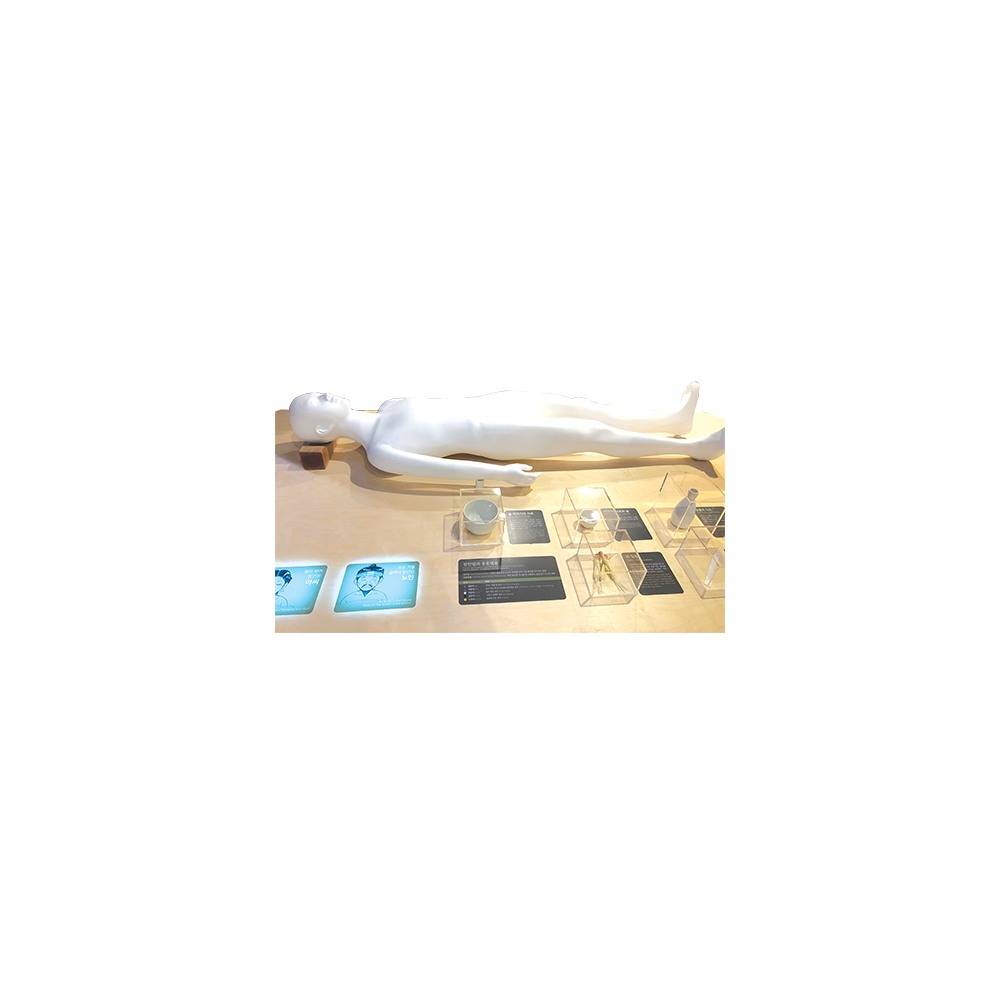
National Gwacheon Science Museum Korean Science Civilization Hall
Korean Science and Civilization Museum at the National Gwacheon Science Museum
From the perspective of connecting astronomy, meteorology, medicine, maps, and measurement technologies with actual heritage and exhibitions, the role of the Korean Science and Civilization Museum at the National Gwacheon Science Museum is clear. This exhibition hall in Gwacheon, Gyeonggi Province, integrates Korea's achievements in astronomy, printing, architecture, and medicine through replicas and working models. The key observation point is the comparison of technologies from different eras as problem-solving approaches in their exhibits. Before visiting, distinguish between permanent hall closures and experiences requiring reservations or fees. Moving through the exhibits based on comparisons of technologies as problem-solving methods helps you grasp the relationships between artifacts or buildings and the surrounding geography.
Before starting your visit at the Korean Science and Civilization Museum, clarify the closure of the permanent halls and distinguish experiences requiring reservations and paid exhibitions. Instead of lingering only at the primary photography spots, follow the guidance route for a full round and then review one significant structure or record again for a more rewarding experience.
Before starting your visit at the Korean Science and Civilization Museum, clarify the closure of the permanent halls and distinguish experiences requiring reservations and paid exhibitions. Instead of lingering only at the primary photography spots, follow the guidance route for a full round and then review one significant structure or record again for a more rewarding experience.
주소 경기 과천시 상하벌로 110
지역 경기 과천
유산 유형 과학기술사 전시관
관찰 포인트 서로 다른 시대의 기술을 문제 해결 방식으로 비교하는 전시
방문 팁 상설관 휴관과 체험 예약·유료 전시를 구분한다
By examining these seven sites together, you can see that science is not merely the result of a single genius's sudden brilliance, but a collaborative process involving observers, technicians, administrators, and record-keeping systems. Astronomy and meteorology connect with agriculture, calendars, and national administration; maps and surveying relate to land, transportation, and defense; and medicine ties into everyday ailments and public care. By observing how restoration tools work in practice, you come to realize that the principles last longer than their forms.
Do not mistake the replicas in the exhibition for the originals, and check the information on the description panels, including the provenance and restoration basis. When experiencing outdoor heritage, follow the prescribed methods while viewing and handling the equipment. After your visit, asking who needed a particular measurement and what units were used can help you grasp the continuity and differences between traditional technologies and modern science.
Do not mistake the replicas in the exhibition for the originals, and check the information on the description panels, including the provenance and restoration basis. When experiencing outdoor heritage, follow the prescribed methods while viewing and handling the equipment. After your visit, asking who needed a particular measurement and what units were used can help you grasp the continuity and differences between traditional technologies and modern science.
At a glance
7 items
Gyeongju Cheomseongdae
경북 경주시 인왕동 839-1경북 경주신라 천문 관측 유산
Sejong the Great Memorial Hall
서울 동대문구 회기로 56서울 동대문구조선 과학·문자 전시관
National Weather Museum
서울 종로구 송월길 52공식 안내 확인 후 방문서울 종로구
Heo Jun Museum
서울 강서구 허준로 87서울 강서구한의학 역사박물관
National Map Museum
경기 수원지도·측량 박물관
Asan Jang Young-sil Science Museum
충남 아산시 실옥로 222041-903-5594충남 아산
National Gwacheon Science Museum Korean Science Civilization Hall
경기 과천시 상하벌로 110경기 과천과학기술사 전시관
Locations at a glance
7 places
As part of the Coupang Partners program, this post may earn a commission from qualifying purchases.
Comments 0
Log in to leave a comment.
Be the first to comment.
How about these lists?


You might also like


🎲
Not ready to stop here?
Wondering what to read next is the biggest waste of time.
Let the dice decide — you won't know what pops up until you roll.
If you don't press it… won't you wonder forever? 👀