
Collection
Indoor Plants
2026.07.14
A Collection of Care Tips for Growing Hydrangeas at Home
Basic care for keeping potted hydrangeas healthy for a long time, from watering and sunlight to repotting and pruning
Hydrangeas are known as plants that love water because of their large flowers and broad leaves, but watering them often isn't enough to keep them healthy. Drainage in the pot, morning sun and afternoon shade in midsummer, the timing of flower bud formation for each variety, and root protection in winter all need to line up for you to expect flowers again the next season. In particular, if you follow advice on changing flower color or pruning without checking the variety, you may end up with the opposite of what you wanted.
This list breaks down and explains eight problems you often run into when growing hydrangeas: watering, light, repotting, flower color, pruning, overwintering, pests and diseases, and cut flower care. It focuses on looking at the soil and the weight of the pot rather than fixed dates, and on checking the variety and soil conditions first rather than fragmentary color-changing tips from the internet. Considering the difference in environment between potted hydrangeas and garden hydrangeas also makes care decisions easier.
This list breaks down and explains eight problems you often run into when growing hydrangeas: watering, light, repotting, flower color, pruning, overwintering, pests and diseases, and cut flower care. It focuses on looking at the soil and the weight of the pot rather than fixed dates, and on checking the variety and soil conditions first rather than fragmentary color-changing tips from the internet. Considering the difference in environment between potted hydrangeas and garden hydrangeas also makes care decisions easier.
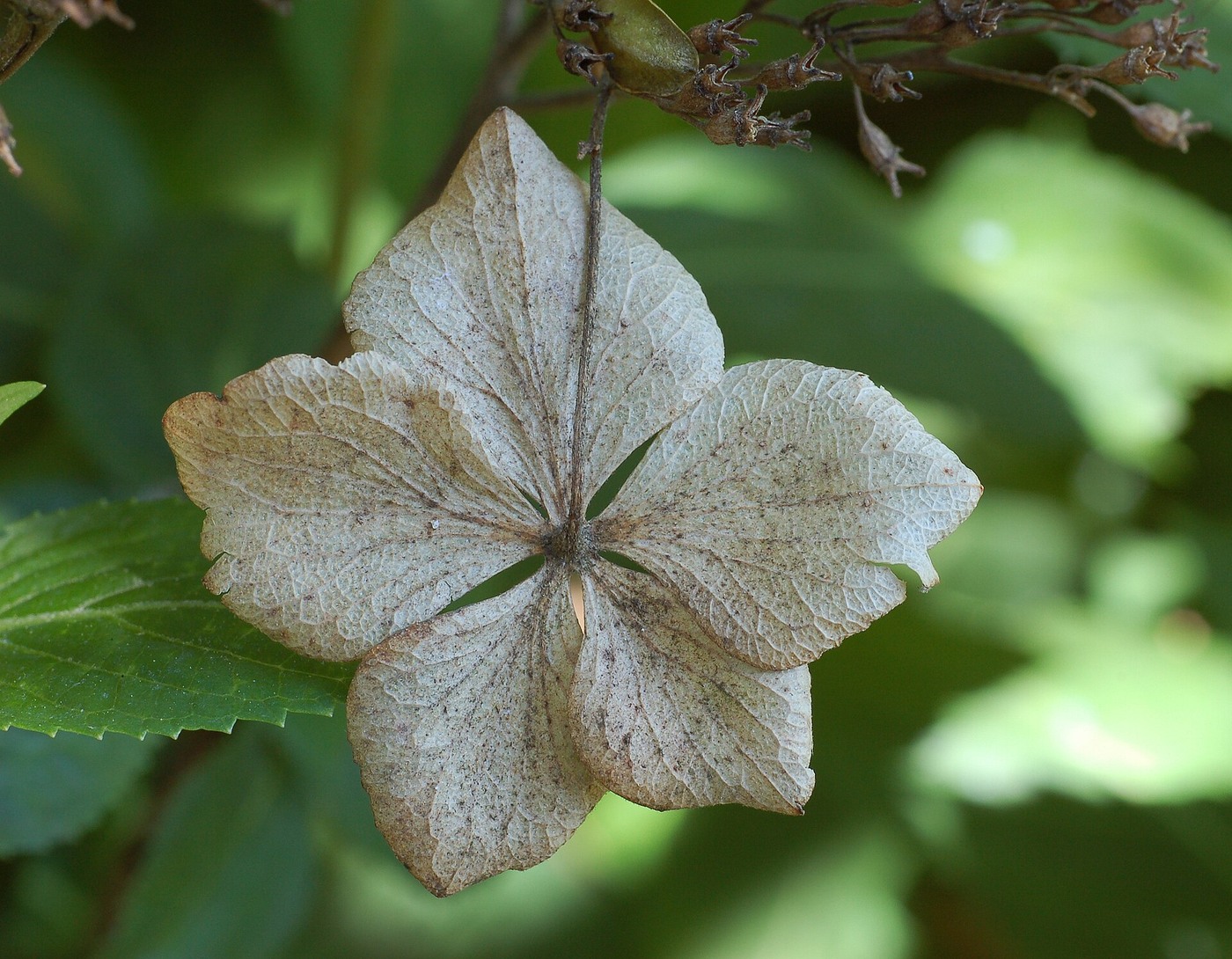
Hydrangea Watering Guidelines
Potted hydrangeas have broad leaves and high transpiration, so if the soil dries out completely during the growing season, they can droop quickly. Check both the topsoil and the weight of the pot, water in the morning so the whole root ball gets wet, and then empty the saucer. Water around when the topsoil dries, and the key is to water thoroughly while avoiding standing water. Don't keep adding water just because the leaves are drooping; if the soil is still wet, check the condition of the roots and for heat stress first.
Once you've brought it home, be careful not to overwater just because the leaves droop, and use changes in the leaves, soil, and pot weight as your observation standard. Rather than changing the environment drastically all at once, it's safer to adjust while recording how the plant responds.
Once you've brought it home, be careful not to overwater just because the leaves droop, and use changes in the leaves, soil, and pot weight as your observation standard. Rather than changing the environment drastically all at once, it's safer to adjust while recording how the plant responds.
관리 시점 겉흙이 마르기 전후
핵심 충분히 주되 물 고임 피하기
주의 잎 처짐만 보고 과하게 물주기
관찰 기준 잎·흙·화분 무게의 변화
피할 점 축 처진 잎만 보고 매번 물을 더하지 말고 흙이 젖어 있다면 뿌리 상태와 고온 스트레스를 확인한다.
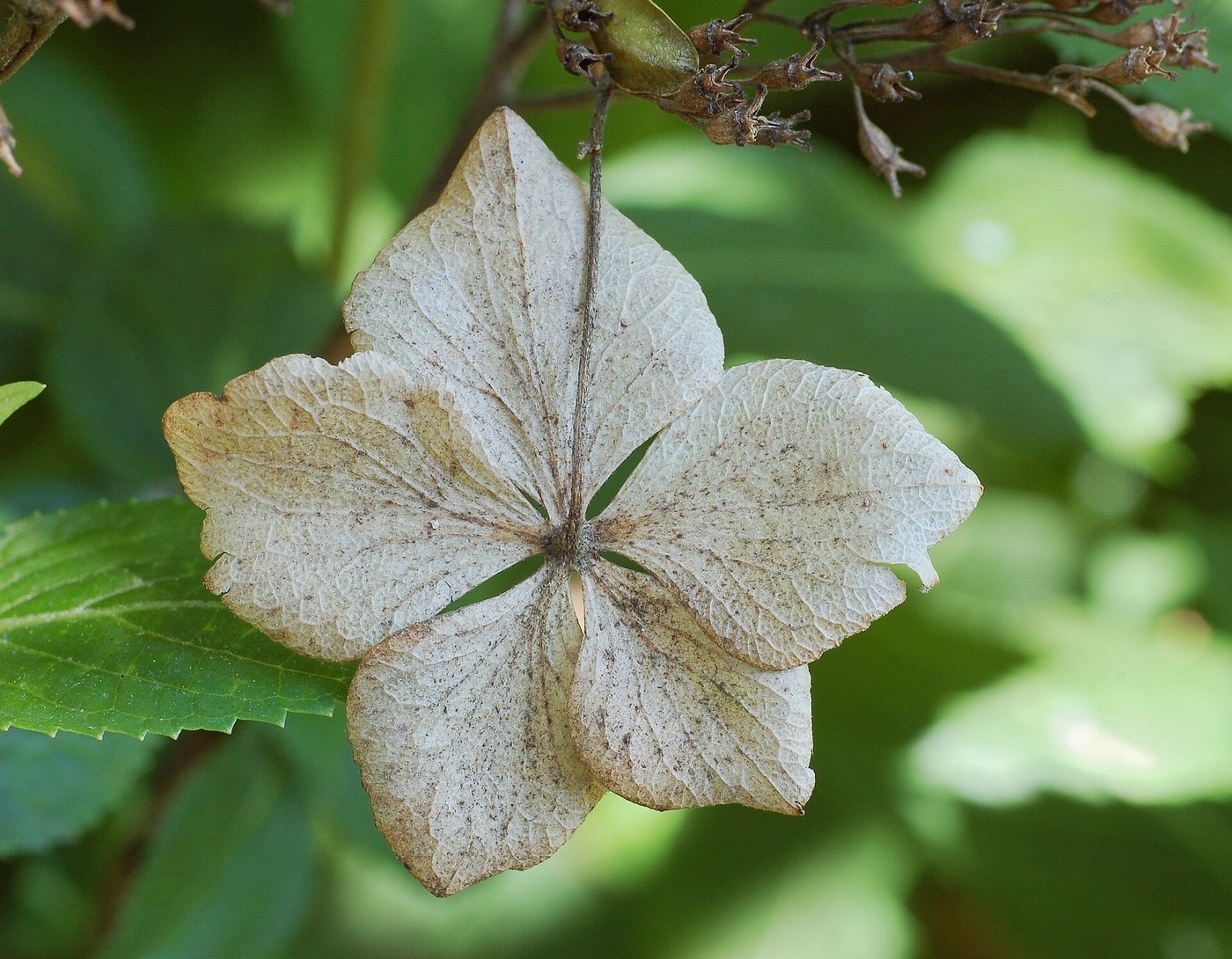
Managing Sunlight and Partial Shade for Hydrangeas
Hydrangeas need bright light, but their leaves and flowers can easily dry out in strong midsummer afternoon sun. Start in a spot that gets morning sun and afternoon partial shade, and let the plant adjust to a new environment over several days. The key is making use of morning sun, and if you check that a spot gets bright partial shade before choosing it, you can tell the difference between a spot that looks nice and a spot where the plant can thrive. Deep inside a room, however, flower buds and stems can weaken, so consider moving it closer to a window or using supplemental light.
During care, avoid long exposure to direct midday sun, and if you also watch for changes in the leaves, soil, and pot weight, it becomes easier to judge whether it's a temporary change or a sign that the environment doesn't suit the plant. Comparing changes over several days is more useful than relying on a single number.
During care, avoid long exposure to direct midday sun, and if you also watch for changes in the leaves, soil, and pot weight, it becomes easier to judge whether it's a temporary change or a sign that the environment doesn't suit the plant. Comparing changes over several days is more useful than relying on a single number.
권장 환경 밝은 반그늘
핵심 오전 햇빛 활용
주의 한낮 직사광선 장시간 노출
관찰 기준 잎·흙·화분 무게의 변화
피할 점 실내 깊숙한 곳에서는 꽃눈과 줄기가 약해질 수 있어 창과의 거리를 줄이거나 보조광을 검토한다.
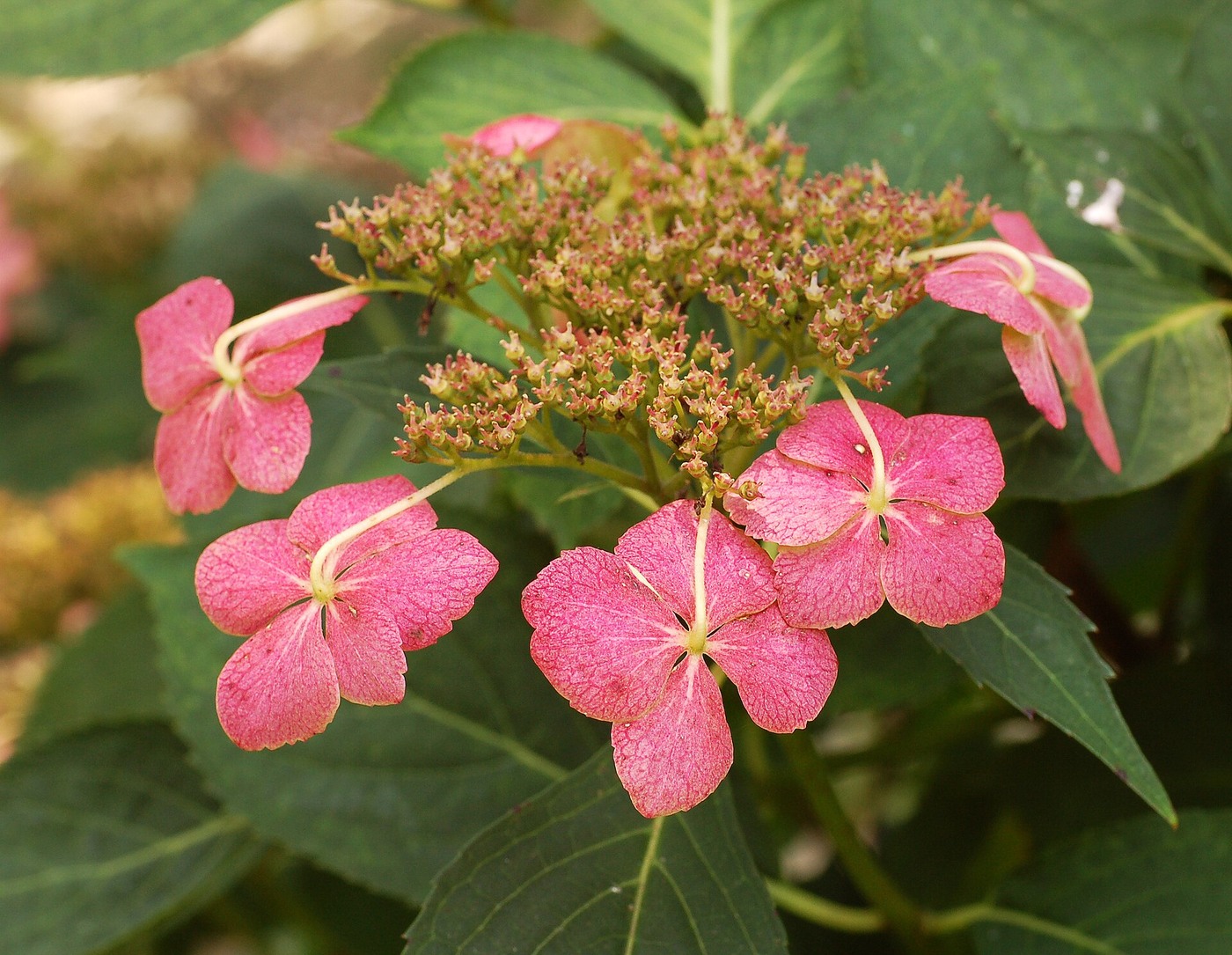
Repotting Hydrangeas and Well-Draining Soil
Potting soil should be mixed with drainage material so that it holds water while still leaving air around the roots. When the roots fill the pot, move the plant to a pot one size larger with drainage holes, and don't loosen the existing root ball too much. Repot in spring or after flowering, and avoid a pot that's too large, since it can lead to overwatering. Avoid frequent repotting while the plant is in full bloom, and cut back on direct sunlight and strong fertilizer for a while after the work.
Choose soil with a balance between drainage and water retention in mind, and check for changes in the leaves, soil, and pot weight right after repotting. The drying speed and the angle of light change with the seasons even in the same spot, so prioritize the plant's actual response over a fixed calendar.
Choose soil with a balance between drainage and water retention in mind, and check for changes in the leaves, soil, and pot weight right after repotting. The drying speed and the angle of light change with the seasons even in the same spot, so prioritize the plant's actual response over a fixed calendar.
관리 시점 봄 또는 꽃 이후
핵심 배수성과 보수성 균형
주의 너무 큰 화분으로 과습 유발
관찰 기준 잎·흙·화분 무게의 변화
피할 점 꽃이 한창일 때 잦은 분갈이를 피하고 작업 뒤 직사광과 강한 비료를 잠시 줄인다.
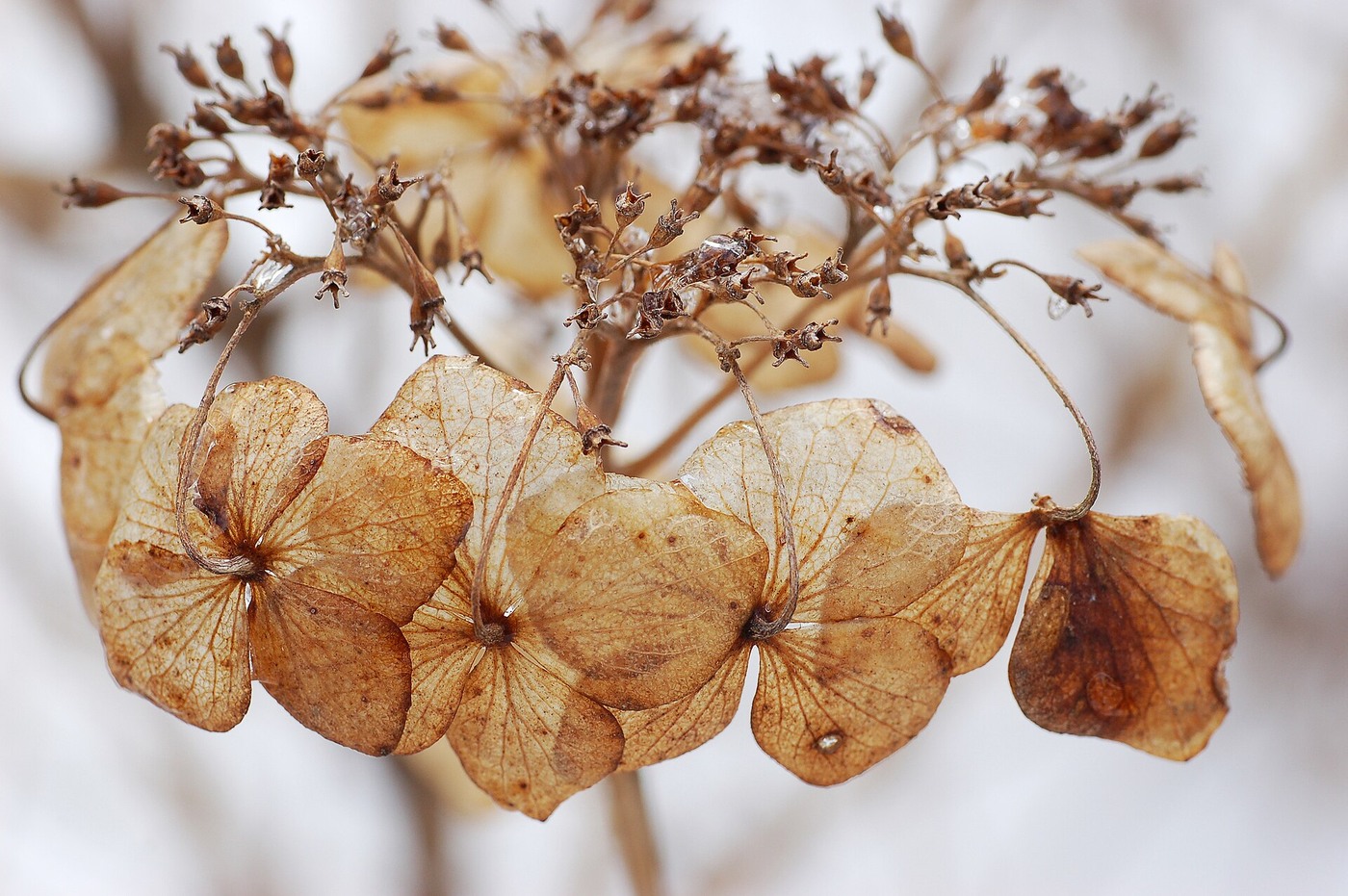
Hydrangea Flower Color and Soil Acidity
In some bigleaf hydrangea varieties, flower color can change depending on soil acidity and the availability of aluminum. First check the variety's natural color and the current soil pH, and apply proven materials slowly at the labeled amount. Flower color is influenced by both the variety and soil conditions, and some varieties, like white-flowered ones, show only limited color change, so avoid arbitrary methods like adding vinegar or nails.
Generally, blue tones appear on the acidic side and pink tones on the alkaline side, but not all varieties change. If you also watch for changes in the leaves, soil, and pot weight, you can reduce common care mistakes, and if you see a problem, before adding fertilizer or chemicals, go back over whichever of light, moisture, and temperature has changed recently.
Generally, blue tones appear on the acidic side and pink tones on the alkaline side, but not all varieties change. If you also watch for changes in the leaves, soil, and pot weight, you can reduce common care mistakes, and if you see a problem, before adding fertilizer or chemicals, go back over whichever of light, moisture, and temperature has changed recently.
핵심 품종과 토양 조건 영향
색 변화 산성 쪽 푸른 계열, 알칼리 쪽 분홍 계열
주의 모든 품종이 변하는 것은 아님
관찰 기준 잎·흙·화분 무게의 변화
피할 점 흰 꽃 품종처럼 색 변화가 제한적인 경우도 있으며 식초나 못을 임의로 넣는 방법은 피한다.
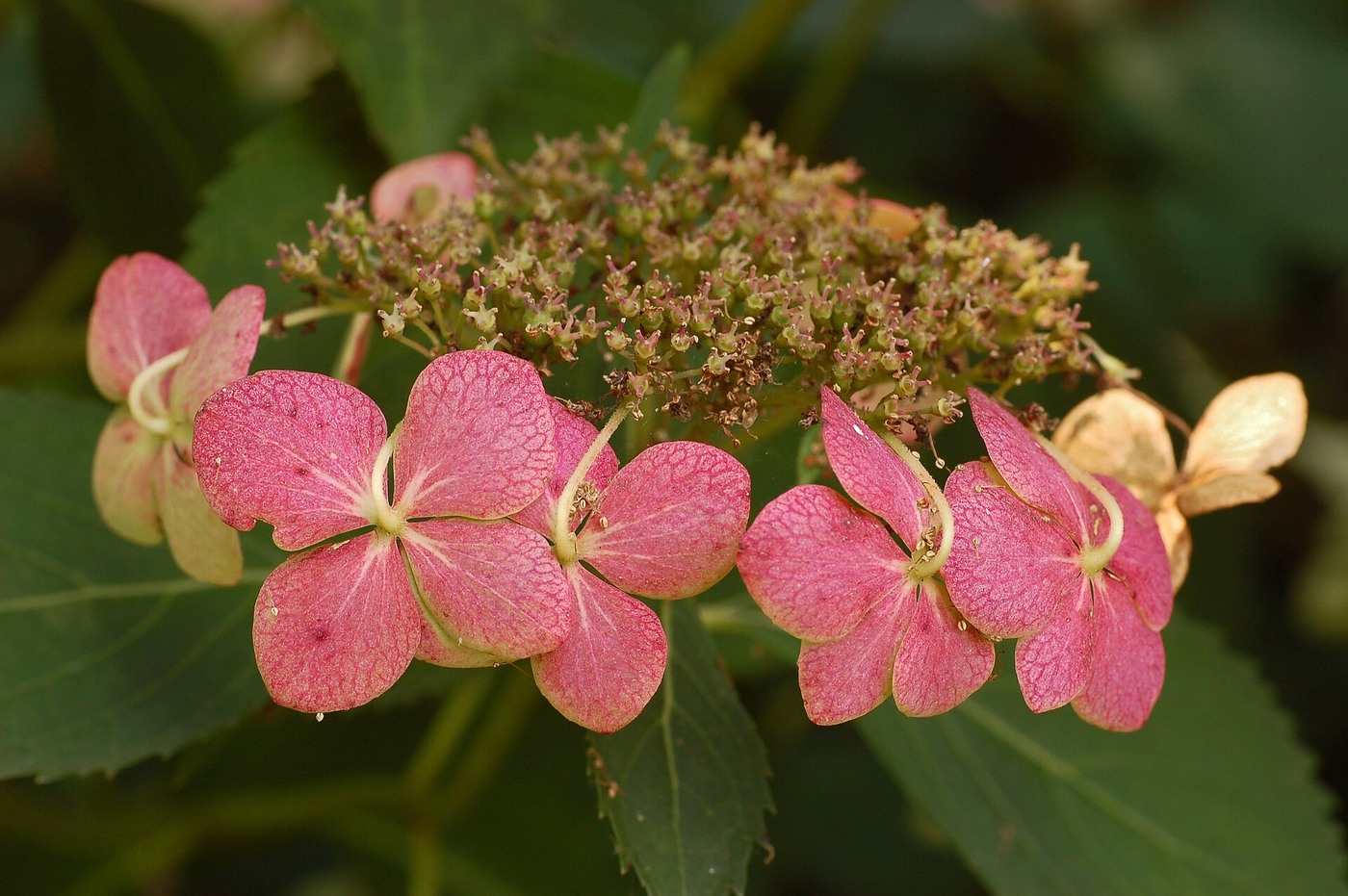
When to Prune Hydrangeas
The right time to prune a hydrangea depends on whether the variety forms flower buds on new wood or old wood. If you haven't been able to identify the variety, trim only the spent flowers and dead branches minimally and preserve the healthy buds. Avoid heavy pruning in late autumn or winter, because cutting all the stems short in winter can remove even the flower buds for the next season.
Prune after flowering once you've confirmed the variety, and check where the flower buds are before cutting. The safest approach is to start with small changes, watch the next response, and then adjust.
Prune after flowering once you've confirmed the variety, and check where the flower buds are before cutting. The safest approach is to start with small changes, watch the next response, and then adjust.
관리 시점 꽃이 진 뒤 품종별 확인
핵심 꽃눈 위치 확인
주의 늦가을·겨울 강전정
관찰 기준 잎·흙·화분 무게의 변화
피할 점 겨울에 줄기를 일괄적으로 짧게 자르면 다음 계절의 꽃눈까지 제거할 수 있다.
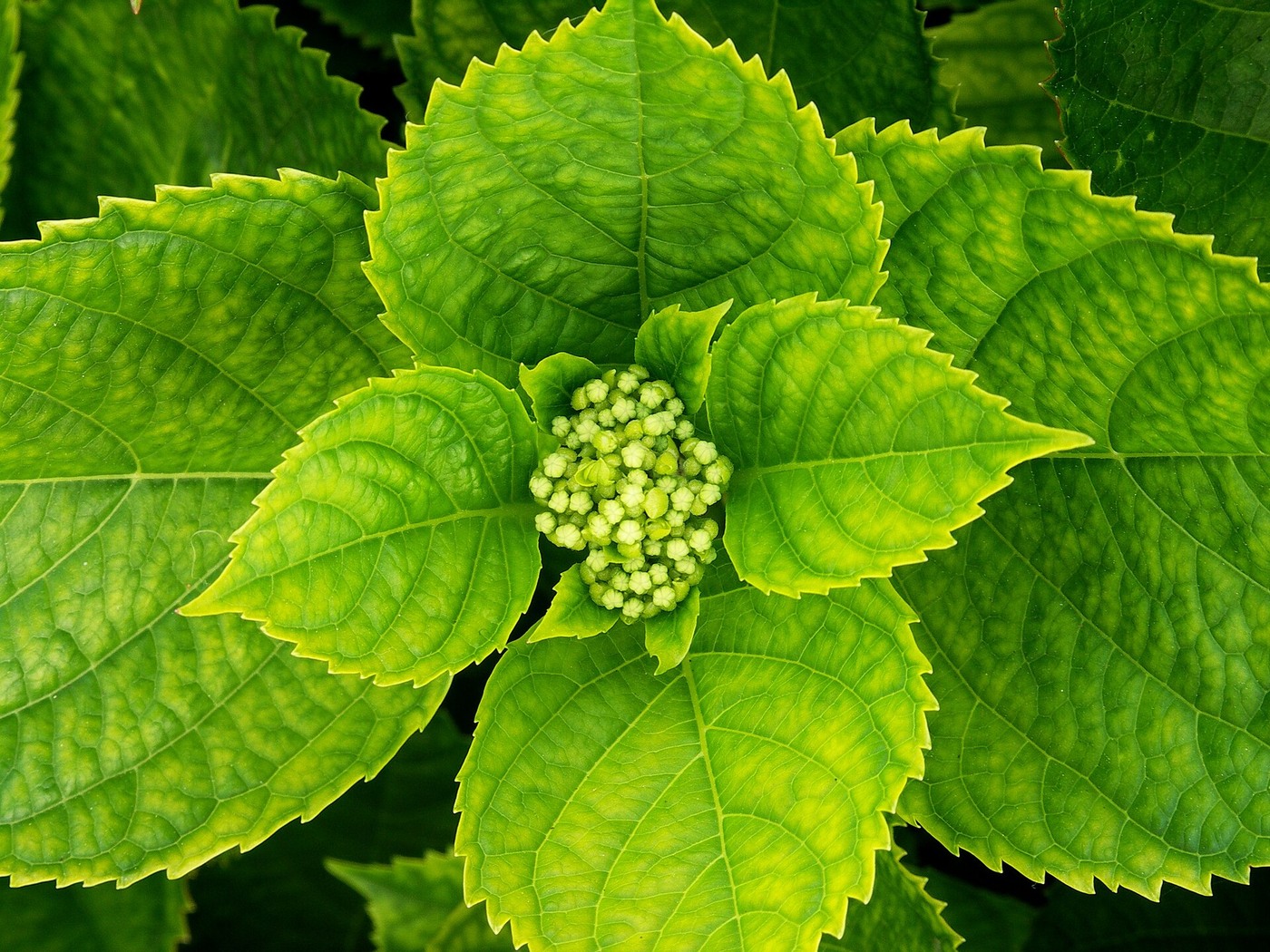
Overwintering and Winter Protection for Hydrangeas
The roots of potted hydrangeas are exposed to outside temperature changes more quickly than hydrangeas planted in the ground. In winter, the key is preventing cold damage and drying at the roots. Even after the leaves fall, make sure the soil doesn't stay completely dry for long periods, and insulate the sides of the pot so cold wind doesn't hit it directly. However, suddenly moving it to a warm, dark room can disrupt its dormancy rhythm, so consider the variety's cold hardiness together with your local climate.
If you bring it into a warm room, watch out for overwatering, and if something goes wrong, check for changes in the leaves, soil, and pot weight first. Don't change the spot and care method several times at once while the plant is adjusting to a new environment; checking causes one at a time leaves you with care standards you can repeat next season too.
If you bring it into a warm room, watch out for overwatering, and if something goes wrong, check for changes in the leaves, soil, and pot weight first. Don't change the spot and care method several times at once while the plant is adjusting to a new environment; checking causes one at a time leaves you with care standards you can repeat next season too.
관리 계절 겨울
핵심 뿌리 냉해와 건조 방지
주의 따뜻한 실내 과습
관찰 기준 잎·흙·화분 무게의 변화
피할 점 따뜻하고 어두운 실내로 갑자기 옮기면 휴면 리듬이 흐트러질 수 있어 품종의 내한성과 지역 기후를 함께 본다.
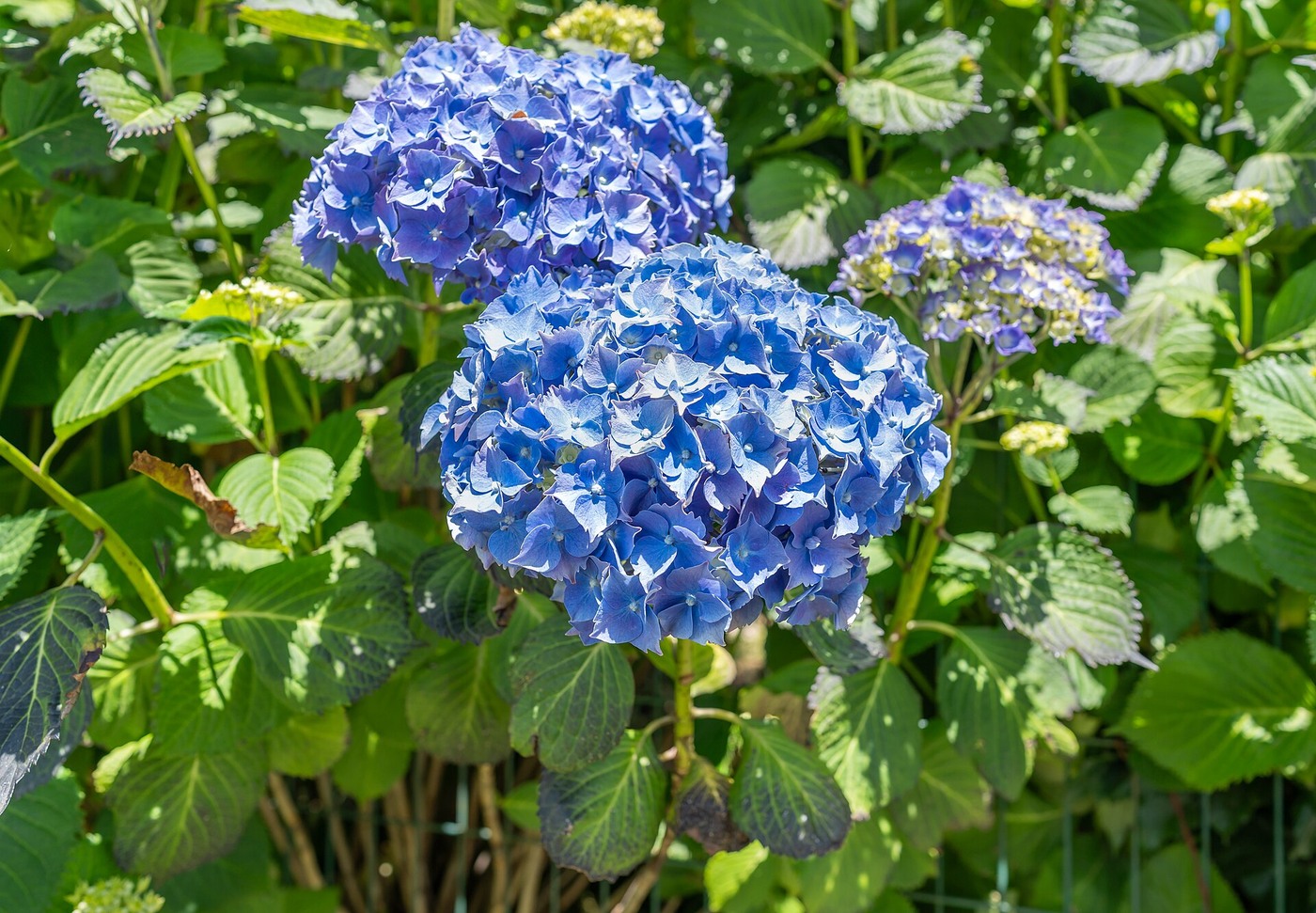
Managing Pests, Diseases, and Airflow for Hydrangeas
Dense foliage and environments that stay wet for a long time make it hard to spot problems like powdery mildew, leaf spot, and spider mites. Regularly check the undersides of the leaves and between the stems, separate infected leaves into a bag, and then disinfect your tools. The key is to keep air moving and to observe the leaves' condition steadily. Don't mix chemicals based on symptoms alone; identify the pest or disease signs first, and indoors, check the product's intended targets and ventilation instructions.
In the rainy season, be especially careful about overwatering and mold, and leave space around the plant so air can flow. The undersides of the leaves and the stems are practical clues for assessing the plant's condition, and it's more accurate to also observe the new leaves and roots that grow and how quickly the soil dries.
In the rainy season, be especially careful about overwatering and mold, and leave space around the plant so air can flow. The undersides of the leaves and the stems are practical clues for assessing the plant's condition, and it's more accurate to also observe the new leaves and roots that grow and how quickly the soil dries.
핵심 통풍과 잎 상태 관찰
주의 장마철 과습·곰팡이
확인 잎 뒷면과 줄기
관찰 기준 잎·흙·화분 무게의 변화
피할 점 증상만 보고 약제를 섞지 말고 해충과 병징을 먼저 동정하며 실내에서는 제품의 적용 대상과 환기 지침을 확인한다.
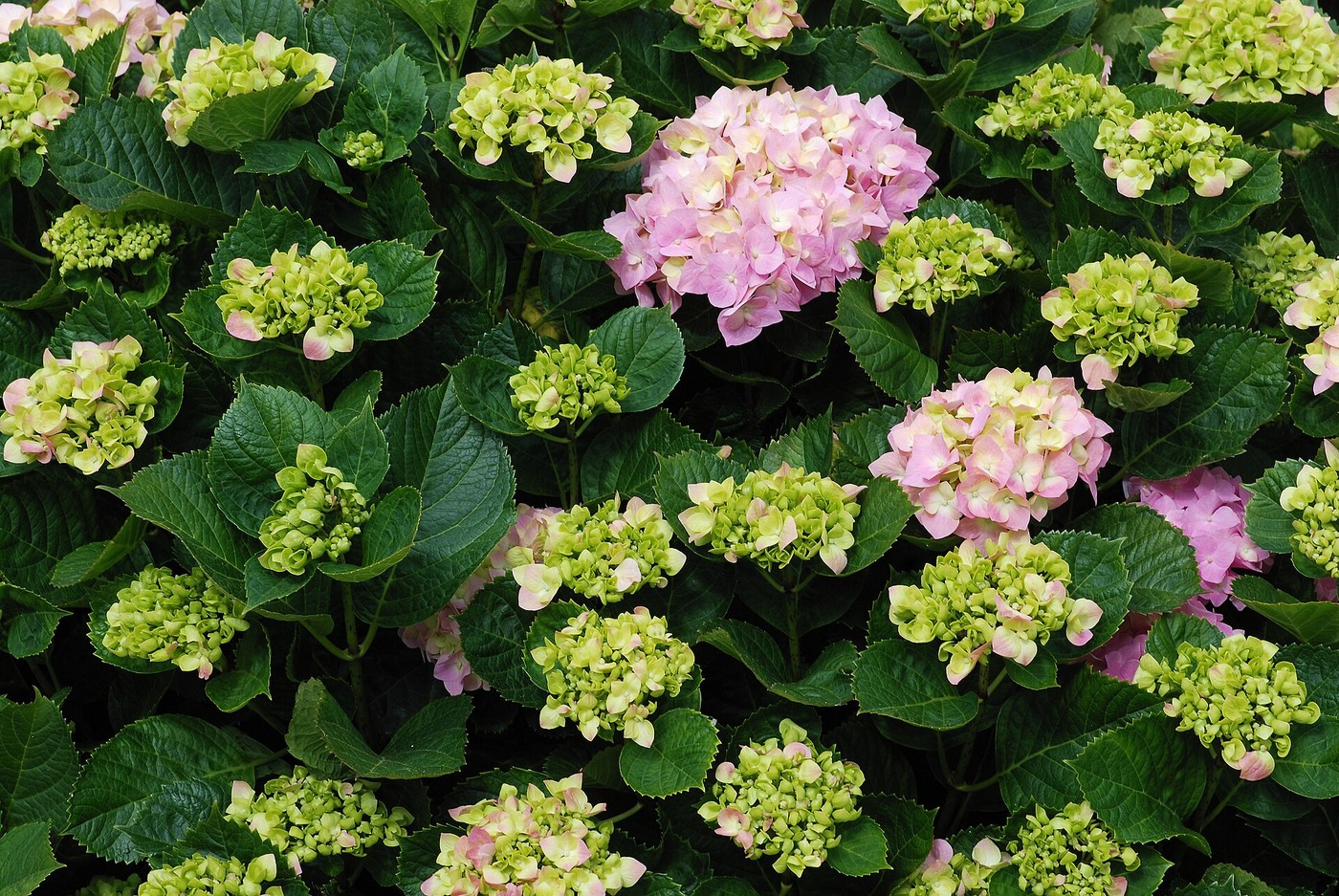
How to Keep Cut Hydrangeas Fresh Longer
Cut hydrangeas are flowers whose large flower heads, made up of many small flowers, tend to lose moisture all at once. Prepare a clean vase and water, recut the ends of the stems, remove any leaves that would sit in the water, and place them in a cool spot. The key is good water uptake and cutting the stems at an angle, and don't leave leaves in the water, since they cause rot. Avoid direct sunlight, ethylene from fruit, and heater drafts, and wash the vase and replace the water before it turns cloudy.
If you don't miss changes in the flowers and leaves, it's easier to prevent sudden damage, and when changes occur, check your records of water, light, and temperature from the past week first.
If you don't miss changes in the flowers and leaves, it's easier to prevent sudden damage, and when changes occur, check your records of water, light, and temperature from the past week first.
핵심 물올림과 줄기 사선 절단
보관 직사광선 피한 시원한 곳
주의 잎을 물에 담가 부패 유발
관찰 기준 잎·흙·화분 무게의 변화
피할 점 직사광·과일의 에틸렌·난방 바람을 피하고 물이 탁해지기 전에 화병을 씻어 새 물로 교체한다.
The most important thing in hydrangea care is changing your standards with the seasons. New growth in spring, transpiration and high heat in summer, flower buds in autumn, and dormancy in winter can't all be handled with the same watering and pruning methods. Rather than throwing the plant away as soon as the flowers fade, observe the condition of the leaves and stems, check whether the variety forms flower buds on new wood or old wood, and plan your next steps.
When a problem arises, don't add fertilizer or chemicals first; instead, check moisture around the roots, light, airflow, and recent temperature changes in turn. The roots of potted hydrangeas are easily exposed to the outside air, so be careful of both overheating in summer and freezing in winter. If your local climate and variety information are unclear, it's safer to hold off on heavy pruning or adjusting soil acidity and stabilize the plant with minimal care.
When a problem arises, don't add fertilizer or chemicals first; instead, check moisture around the roots, light, airflow, and recent temperature changes in turn. The roots of potted hydrangeas are easily exposed to the outside air, so be careful of both overheating in summer and freezing in winter. If your local climate and variety information are unclear, it's safer to hold off on heavy pruning or adjusting soil acidity and stabilize the plant with minimal care.
At a glance
8 items
Hydrangea Watering Guidelines
겉흙이 마르기 전후충분히 주되 물 고임 피하기잎 처짐만 보고 과하게 물주기
Managing Sunlight and Partial Shade for Hydrangeas
밝은 반그늘오전 햇빛 활용한낮 직사광선 장시간 노출
Repotting Hydrangeas and Well-Draining Soil
봄 또는 꽃 이후배수성과 보수성 균형너무 큰 화분으로 과습 유발
Hydrangea Flower Color and Soil Acidity
품종과 토양 조건 영향모든 품종이 변하는 것은 아님잎·흙·화분 무게의 변화
When to Prune Hydrangeas
꽃이 진 뒤 품종별 확인꽃눈 위치 확인늦가을·겨울 강전정
Overwintering and Winter Protection for Hydrangeas
겨울뿌리 냉해와 건조 방지따뜻한 실내 과습
Managing Pests, Diseases, and Airflow for Hydrangeas
통풍과 잎 상태 관찰장마철 과습·곰팡이잎 뒷면과 줄기
How to Keep Cut Hydrangeas Fresh Longer
물올림과 줄기 사선 절단직사광선 피한 시원한 곳잎을 물에 담가 부패 유발
As part of the Coupang Partners program, this post may earn a commission from qualifying purchases.
Comments 0
Log in to leave a comment.
Be the first to comment.
How about these lists?


You might also like


🎲
Not ready to stop here?
Wondering what to read next is the biggest waste of time.
Let the dice decide — you won't know what pops up until you roll.
If you don't press it… won't you wonder forever? 👀
