
Collection
Indoor Plants
2026.10.01
How to Choose Indoor Plants So Your First Pot Lasts
Getting started with houseplants using real plants that forgive watering mistakes and differences in light
When you bring home your first plant, look at the light in your home and your own daily rhythm before the pretty leaves. If you're someone who pays attention every day and you pick a plant that's sensitive to overwatering, you may end up watering it too often; if you travel often for work and choose a type that needs constantly moist soil, the leaf tips will dry out quickly. Even the phrase ‘easy to grow’ should be broken down into whether it means the plant needs little water or tolerates low light, so you can make a choice that fits your real life.
This list brings together eight plants, from drought-tolerant types like snake plant and ZZ plant to plants whose growth responses are easy to watch, like pothos and spider plant. For each item, we noted the light, watering, expected size, and cautions together, so you can compare care requirements before any ‘air purifying’ claims from sellers. If you have young children or pets at home, check a separate safety list as well.
This list brings together eight plants, from drought-tolerant types like snake plant and ZZ plant to plants whose growth responses are easy to watch, like pothos and spider plant. For each item, we noted the light, watering, expected size, and cautions together, so you can compare care requirements before any ‘air purifying’ claims from sellers. If you have young children or pets at home, check a separate safety list as well.
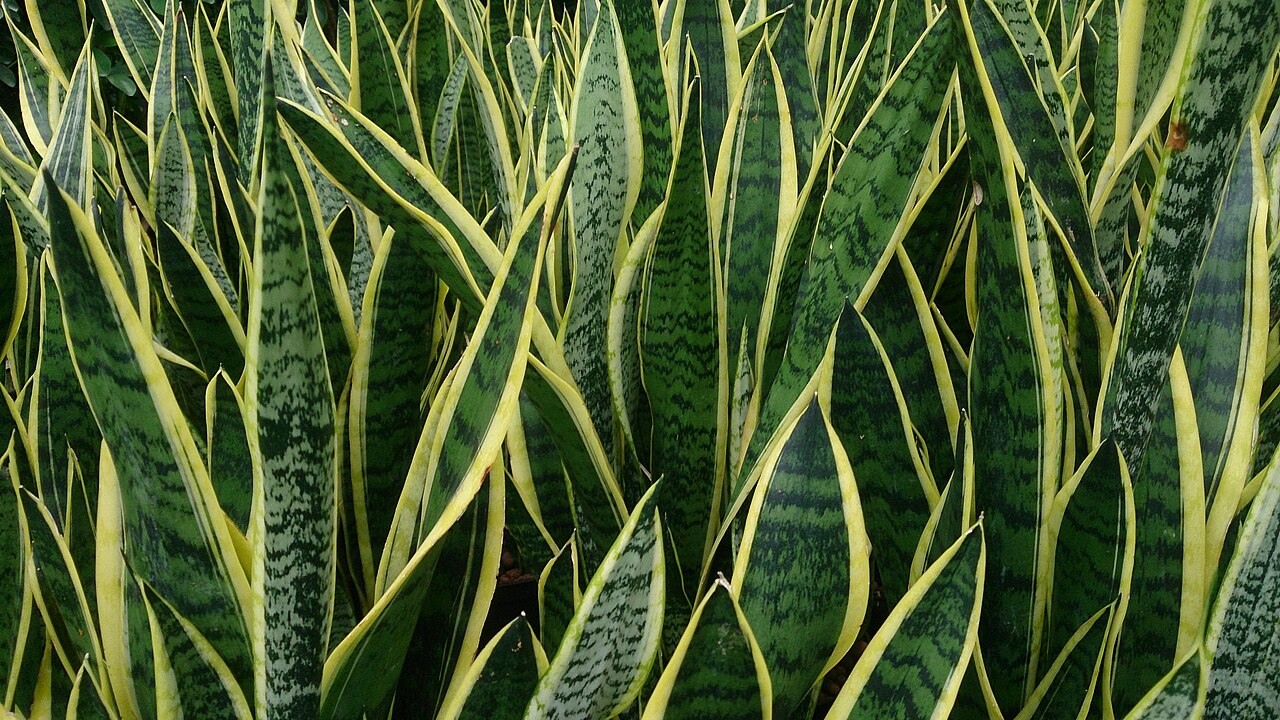
Sansevieria
Snake Plant
This is an indoor plant that stores water in its straight, sword-like leaves so it can withstand short dry spells. On this list, we judge the snake plant by whether it's easy to read changes in its condition when you bring it home as your first plant. First, know that its scientific name is ‘Dracaena trifasciata,’ and check whether you can give it the light it needs: ‘bright indirect light is best, but it tolerates relatively low light.’ The starting point for your choice is whether you can recreate these two conditions in your current home, rather than how it looks in photos.
Once it's home, use the watering guideline ‘water thoroughly after most of the soil has dried out, and empty the saucer’ as your benchmark for observation. Its expected size is ‘about 30-120cm depending on the variety,’ and the final caution is ‘avoid frequent watering in the cold season and keep pets from eating it,’ so it's safer not to change its environment drastically all at once, and to adjust while recording how it responds.
Once it's home, use the watering guideline ‘water thoroughly after most of the soil has dried out, and empty the saucer’ as your benchmark for observation. Its expected size is ‘about 30-120cm depending on the variety,’ and the final caution is ‘avoid frequent watering in the cold season and keep pets from eating it,’ so it's safer not to change its environment drastically all at once, and to adjust while recording how it responds.
학명 Dracaena trifasciata
빛 밝은 간접광이 가장 좋지만 비교적 낮은 빛도 견딤
물주기 흙 대부분이 마른 뒤 흠뻑 주고 받침 물을 비움
예상 크기 품종에 따라 약 30~120cm
주의 추운 계절의 잦은 물주기와 반려동물 섭취를 피한다
관리 정보 확인 https://plants.ces.ncsu.edu/find_a_plant/?q=Dracaena%20trifasciata
Money Tree
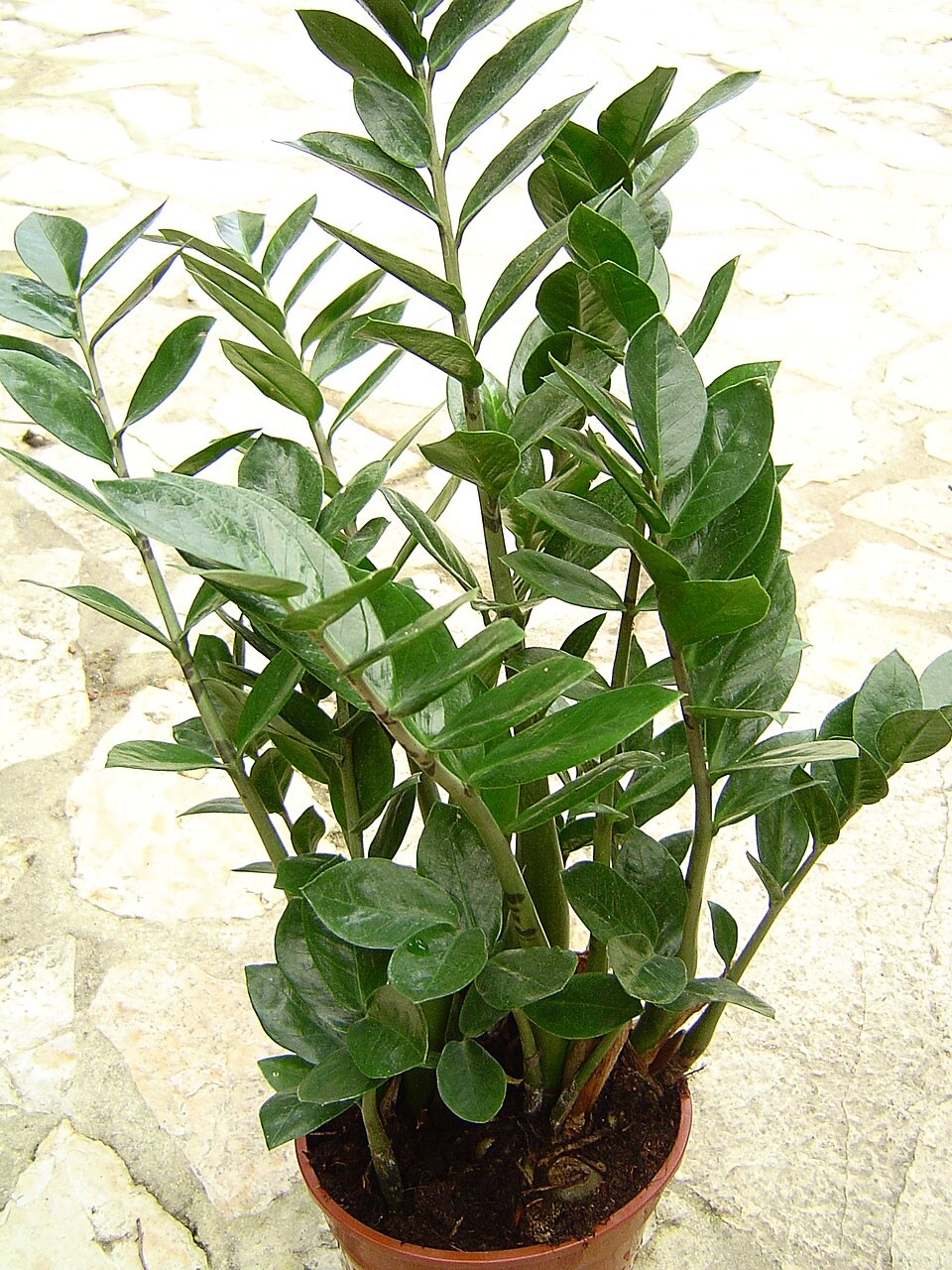
ZZ Plant
The ZZ plant stores water in its thick leaf stalks and underground stems, so it can go relatively long between waterings, and from the perspective of whether it's easy to read changes in its condition as a first plant, its light requirement, ‘medium or brighter indirect light; growth slows in low light,’ matters most. Checking its scientific name, ‘Zamioculcas zamiifolia,’ before choosing a spot helps you tell the difference between where it looks good and where the plant can actually thrive.
While caring for it, keep the caution ‘watch out for overwatering and possible irritation if eaten’ in mind first. Then, looking at the watering guideline ‘water after confirming the soil is thoroughly dry deep in the pot’ together with the expected size ‘usually around 60-90cm indoors’ makes it easier to tell whether a change is temporary or a sign that the environment isn't right. Comparing changes over several days is more useful than relying on a single number.
While caring for it, keep the caution ‘watch out for overwatering and possible irritation if eaten’ in mind first. Then, looking at the watering guideline ‘water after confirming the soil is thoroughly dry deep in the pot’ together with the expected size ‘usually around 60-90cm indoors’ makes it easier to tell whether a change is temporary or a sign that the environment isn't right. Comparing changes over several days is more useful than relying on a single number.
학명 Zamioculcas zamiifolia
빛 중간 이상의 간접광, 낮은 빛에서는 성장 느림
물주기 화분 속까지 충분히 마른 것을 확인한 뒤 급수
예상 크기 실내에서 보통 60~90cm 안팎
주의 과습과 섭취 시 자극 가능성에 주의한다
관리 정보 확인 https://plants.ces.ncsu.edu/find_a_plant/?q=Zamioculcas%20zamiifolia
Pothos
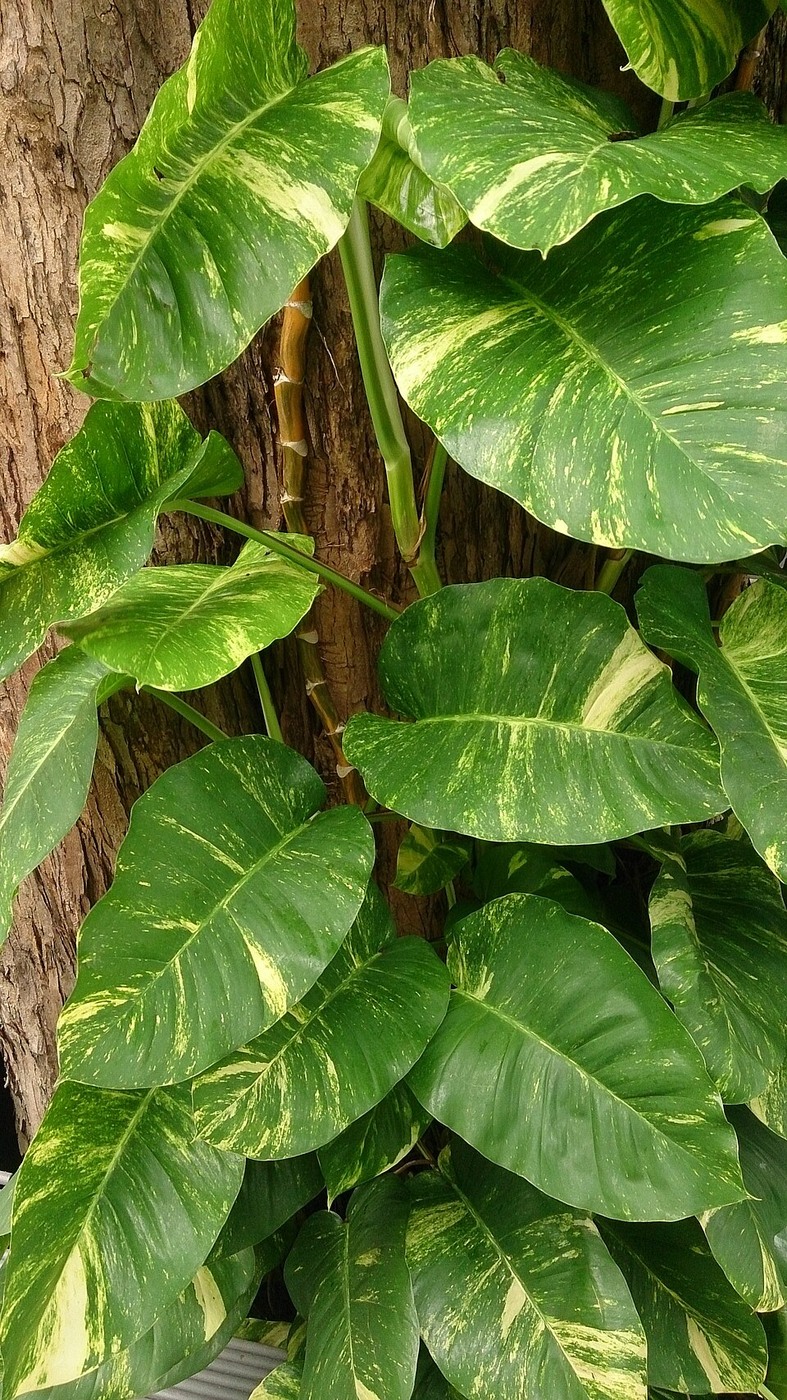
If you choose based on whether it's easy to read changes in its condition as a first plant, the strengths of pothos become clear. It's a foliage plant with trailing vines and vivid leaves that make changes in growth easy to spot. The basic details are its scientific name, ‘Epipremnum aureum,’ and the watering guideline, ‘water thoroughly when the top 2-3cm of soil is dry.’ If these two conditions aren't met, differences may show up in new growth even if the plant looks fine.
Care for it with the light condition ‘bright indirect light; green varieties also adapt to medium light,’ and factor the expected size, ‘stems can grow up to several meters depending on whether there's a support,’ into your space planning. In particular, the caution ‘keep the sap and leaves away from pets and children’ is something to check right after you buy it. As the seasons change, how fast the soil dries and the angle of the light shift even in the same spot, so prioritize the plant's actual response over a fixed calendar.
Care for it with the light condition ‘bright indirect light; green varieties also adapt to medium light,’ and factor the expected size, ‘stems can grow up to several meters depending on whether there's a support,’ into your space planning. In particular, the caution ‘keep the sap and leaves away from pets and children’ is something to check right after you buy it. As the seasons change, how fast the soil dries and the angle of the light shift even in the same spot, so prioritize the plant's actual response over a fixed calendar.
학명 Epipremnum aureum
빛 밝은 간접광, 녹색 품종은 중간 빛도 적응
물주기 겉흙 2~3cm가 마르면 충분히 급수
예상 크기 지지대 유무에 따라 줄기가 수 m까지 자람
주의 수액과 잎은 반려동물과 어린이에게 닿지 않게 한다
관리 정보 확인 https://plants.ces.ncsu.edu/find_a_plant/?q=Epipremnum%20aureum
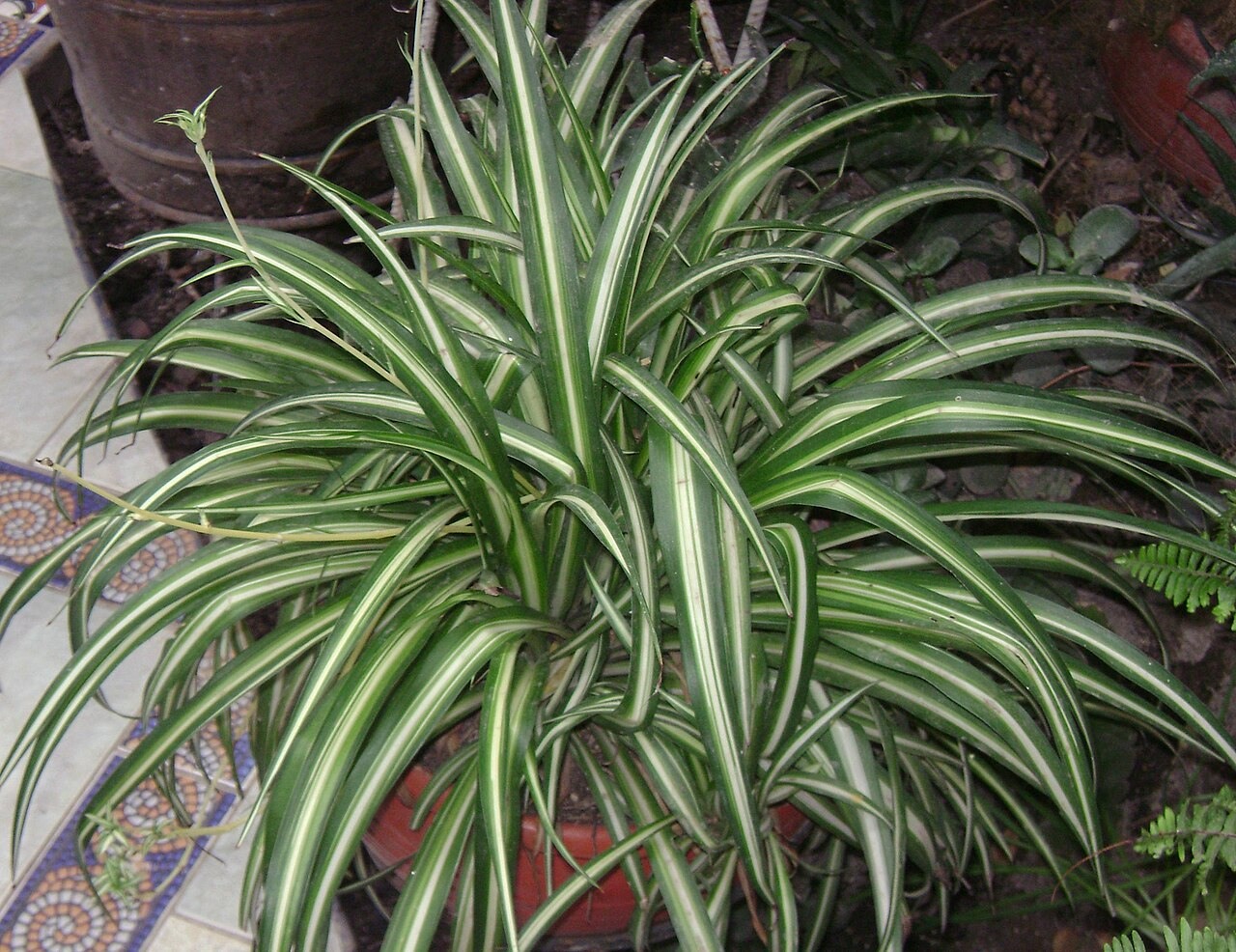
Spider Plant
This plant has long arching leaves and grows baby plantlets, making it great for beginners who want to watch propagation in action. We included the spider plant on this list because it's a good way to concretely compare whether it's easy to read changes in its condition as a first plant. When buying, first check its expected size, ‘leaves about 30-60cm long, with width expanding as plantlets grow,’ against its scientific name, ‘Chlorophytum comosum,’ to judge whether the spot and size will work.
Once it's home, use the light condition ‘bright indirect light; avoid strong midday direct sun’ as your baseline, and check every time that you're following the watering guideline ‘water when the top of the soil is dry, but don't let it sit in water for long.’ If you also remember the caution ‘when leaf tips turn brown, check water quality, dryness, and excess fertilizer together,’ you can cut down on common care mistakes. If you spot a problem, before adding fertilizer or treatments, look back at whichever of light, moisture, or temperature changed recently.
Once it's home, use the light condition ‘bright indirect light; avoid strong midday direct sun’ as your baseline, and check every time that you're following the watering guideline ‘water when the top of the soil is dry, but don't let it sit in water for long.’ If you also remember the caution ‘when leaf tips turn brown, check water quality, dryness, and excess fertilizer together,’ you can cut down on common care mistakes. If you spot a problem, before adding fertilizer or treatments, look back at whichever of light, moisture, or temperature changed recently.
학명 Chlorophytum comosum
빛 밝은 간접광, 강한 한낮 직사광은 피함
물주기 겉흙이 마르면 주되 장시간 물에 잠기지 않게 함
예상 크기 잎 길이 약 30~60cm, 폭은 자구와 함께 넓어짐
주의 잎끝 갈변은 물 성분·건조·비료 과다를 함께 점검한다
관리 정보 확인 https://plants.ces.ncsu.edu/find_a_plant/?q=Chlorophytum%20comosum
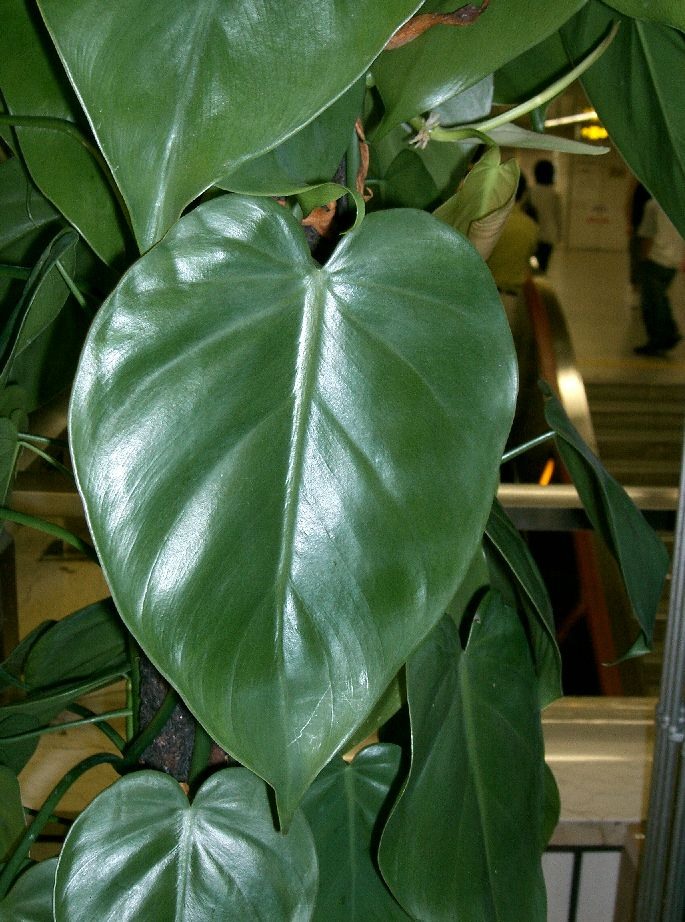
Heartleaf Philodendron
What matters with the heartleaf philodendron is whether it fits your living conditions, not flashy descriptions. It's a vining plant that puts out heart-shaped leaves and adapts to both a support pole and a hanging basket. Here, the watering guideline ‘water after the top of the soil dries, and don't let the roots stay wet’ is something to check day to day, and the caution ‘prevent it from being eaten because of the calcium oxalate in its leaves and sap’ is the line that keeps you from failing. If you also consider whether it's easy to read changes in its condition as a first plant, the difference from other candidates becomes clear.
Before placing it, check its scientific name, ‘Philodendron hederaceum,’ and before caring for it, check the light condition, ‘medium to bright indirect light,’ in that order. You also need to factor in its expected size, ‘stems can stretch over 1m even indoors,’ to plan the surrounding objects and walkways without trouble. The safest approach is to start with small changes, watch how it responds, and then adjust.
Before placing it, check its scientific name, ‘Philodendron hederaceum,’ and before caring for it, check the light condition, ‘medium to bright indirect light,’ in that order. You also need to factor in its expected size, ‘stems can stretch over 1m even indoors,’ to plan the surrounding objects and walkways without trouble. The safest approach is to start with small changes, watch how it responds, and then adjust.
학명 Philodendron hederaceum
빛 중간에서 밝은 간접광
물주기 겉흙이 마른 뒤 주고 뿌리가 계속 젖지 않게 함
예상 크기 줄기는 실내에서도 1m 이상 뻗을 수 있음
주의 잎과 수액의 칼슘옥살레이트 때문에 섭취를 막는다
관리 정보 확인 https://plants.ces.ncsu.edu/find_a_plant/?q=Philodendron%20hederaceum
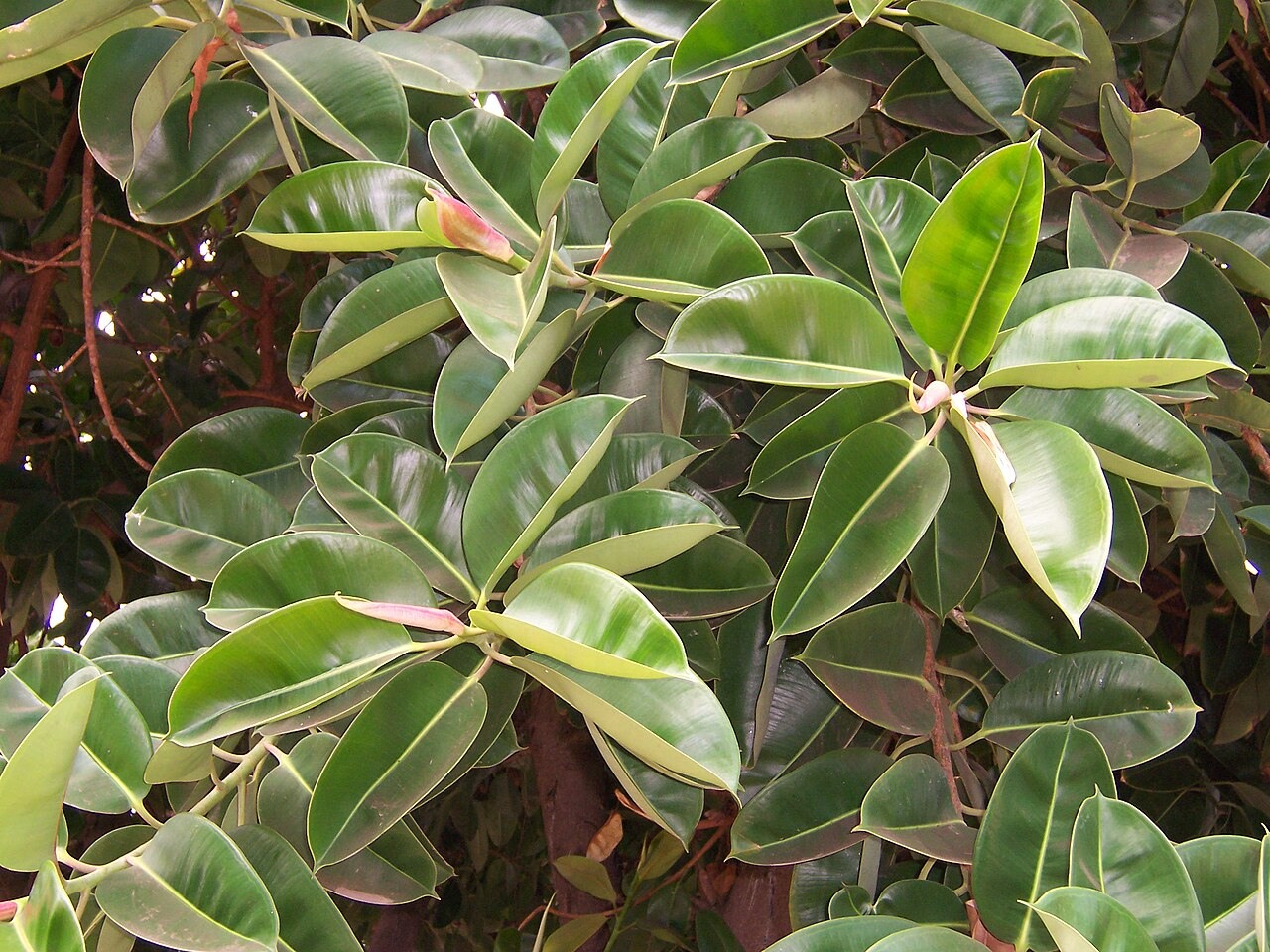
India Rubber Plant
Rubber Plant
If you're wondering whether it's easy to read changes in its condition as a first plant, look at three things with the rubber plant. First is its scientific name, ‘Ficus elastica’; second is the light condition, ‘bright indirect light; avoid sudden strong light’; and third is the expected size, ‘can grow 1-3m indoors, so pruning is needed.’ It's a woody indoor plant known for its large glossy leaves and upright stem. These conditions affect one another, so getting just one right won't give you the same results.
When observing it, use the watering guideline ‘water when several cm of the top soil are dry, and water less often in winter’ as your benchmark, and if something goes wrong, first rule out causes covered by the caution ‘sensitive to being moved and to cold drafts; avoid contact with the white sap.’ While it adjusts to a new environment, it's best not to change its spot and care routine several times at once. Checking causes one at a time leaves you with a care routine you can repeat next season, too.
When observing it, use the watering guideline ‘water when several cm of the top soil are dry, and water less often in winter’ as your benchmark, and if something goes wrong, first rule out causes covered by the caution ‘sensitive to being moved and to cold drafts; avoid contact with the white sap.’ While it adjusts to a new environment, it's best not to change its spot and care routine several times at once. Checking causes one at a time leaves you with a care routine you can repeat next season, too.
학명 Ficus elastica
빛 밝은 간접광, 갑작스러운 강광은 피함
물주기 겉흙 여러 cm가 마르면 급수하고 겨울에는 간격을 늘림
예상 크기 실내에서 1~3m까지 자랄 수 있어 전정 필요
주의 자리 이동과 찬바람에 민감하고 흰 수액 접촉을 주의한다
관리 정보 확인 https://plants.ces.ncsu.edu/find_a_plant/?q=Ficus%20elastica
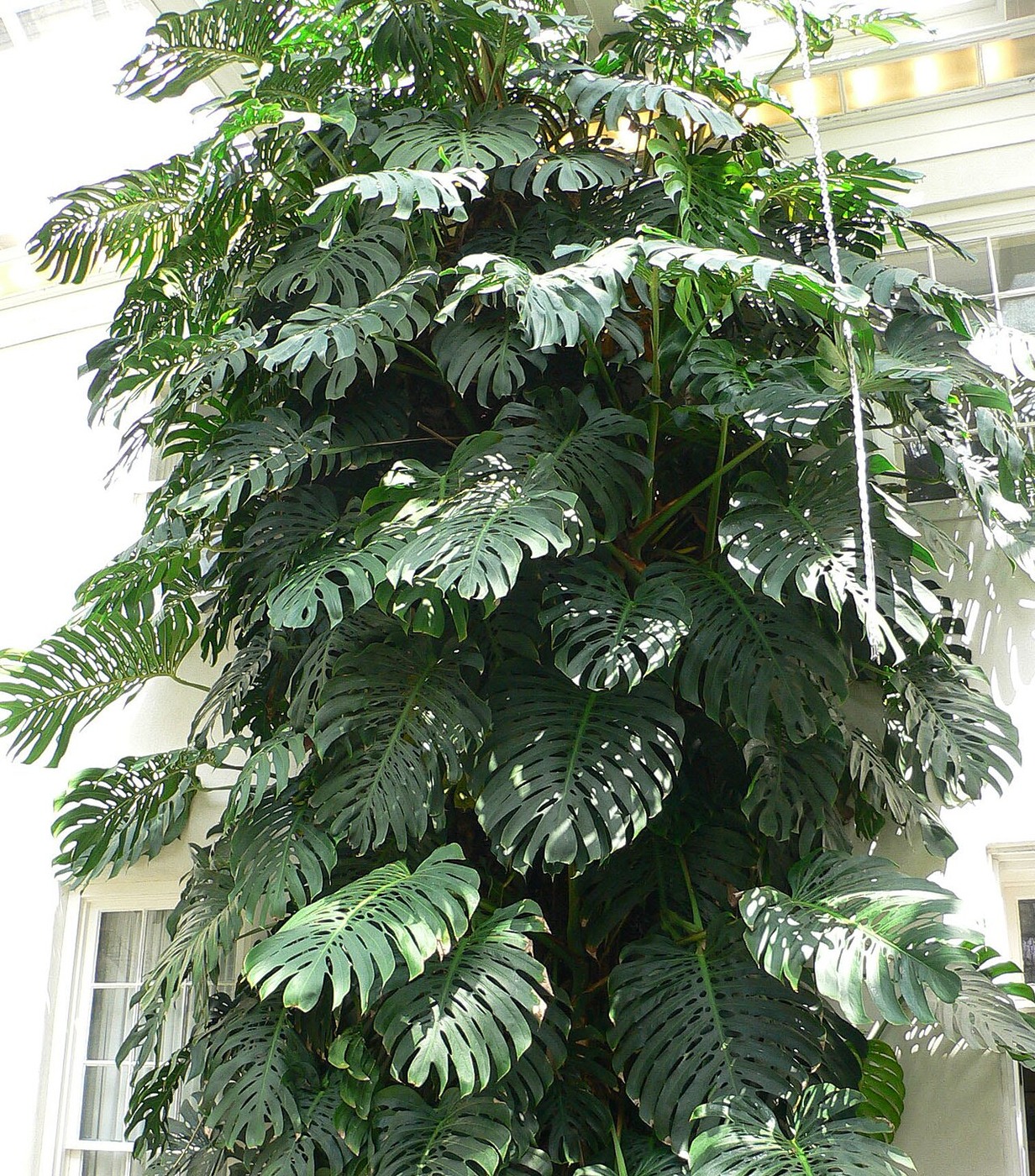
Monstera
This is a large foliage plant whose leaves develop splits and holes as it matures, making its growth fun to watch. The monstera is worth comparing when you're judging whether it's easy to read changes in its condition as a first plant. If you don't know the caution ‘keep the leaves and stems from being eaten, and don't forcibly cut the aerial roots,’ the downsides may show up before the upsides, so look at the cautions first. Next, check whether the plant behind the scientific name ‘Monstera deliciosa’ suits your home's environment.
Once it's settled, leave room for the expected size, ‘can exceed 2m indoors with a support,’ and set the light to ‘bright indirect light.’ The watering guideline ‘water thoroughly when the top of the soil is dry, and prevent overwatering with good airflow’ is a practical clue to use when assessing its condition. Watching the new leaves and roots that come in at home and how fast the soil dries is more accurate than going by the seller's photos.
Once it's settled, leave room for the expected size, ‘can exceed 2m indoors with a support,’ and set the light to ‘bright indirect light.’ The watering guideline ‘water thoroughly when the top of the soil is dry, and prevent overwatering with good airflow’ is a practical clue to use when assessing its condition. Watching the new leaves and roots that come in at home and how fast the soil dries is more accurate than going by the seller's photos.
학명 Monstera deliciosa
빛 밝은 간접광
물주기 겉흙이 마르면 충분히 주고 통풍으로 과습을 예방
예상 크기 지지대와 함께 실내에서 2m 이상 가능
주의 잎과 줄기의 섭취를 막고 공중뿌리를 무리하게 자르지 않는다
관리 정보 확인 https://plants.ces.ncsu.edu/find_a_plant/?q=Monstera%20deliciosa
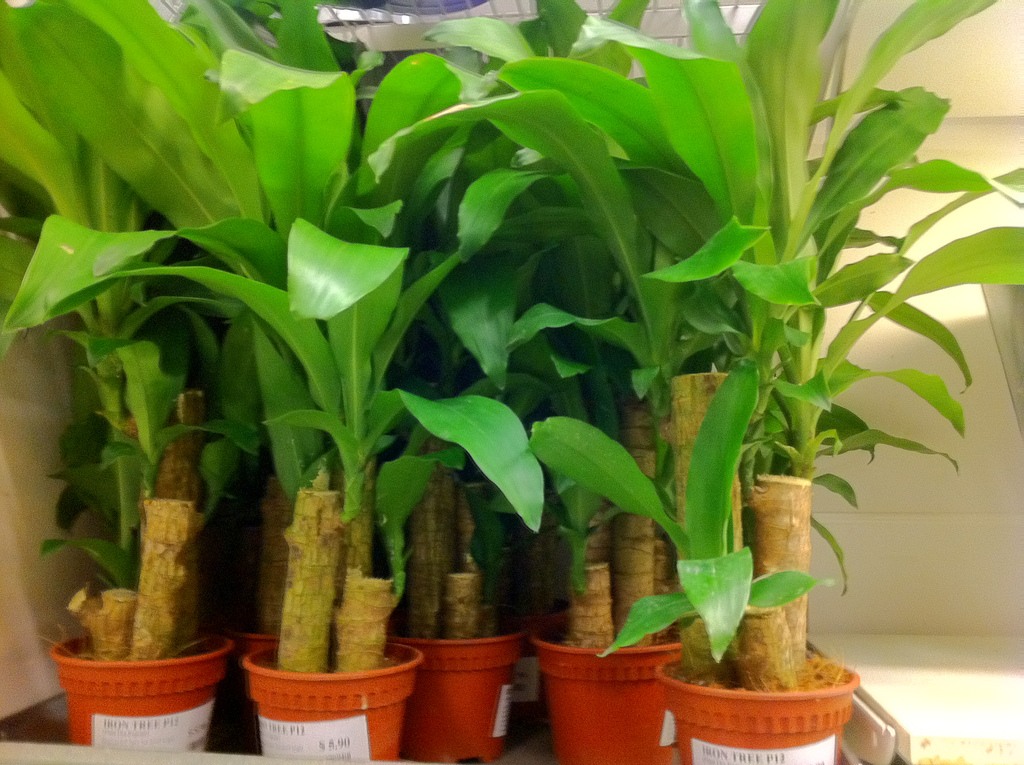
Lucky Bamboo
Corn Plant
Before choosing a corn plant, it's worth asking first whether it's easy to read changes in its condition as a first plant. It's a dracaena that sends up broad, strap-like leaves from its trunk, making it great for filling vertical space. Its expected size is ‘sold in various sizes and can grow 1-2m or more indoors,’ so if you choose a spot based only on its current size, you may need to move it later. The light condition, ‘medium to bright indirect light,’ also needs to fit your care habits.
After choosing a spot, regularly compare its scientific name, ‘Dracaena fragrans,’ and the watering guideline, ‘water after about half of the top soil has dried.’ Finally, if you don't overlook the caution ‘watch for brown leaf tips due to fluoride sensitivity, and keep pets from eating it,’ it's easier to prevent sudden damage. When changes appear, start by checking your records of water, light, and temperature from the past week.
After choosing a spot, regularly compare its scientific name, ‘Dracaena fragrans,’ and the watering guideline, ‘water after about half of the top soil has dried.’ Finally, if you don't overlook the caution ‘watch for brown leaf tips due to fluoride sensitivity, and keep pets from eating it,’ it's easier to prevent sudden damage. When changes appear, start by checking your records of water, light, and temperature from the past week.
학명 Dracaena fragrans
빛 중간에서 밝은 간접광
물주기 겉흙 절반가량이 마른 뒤 급수
예상 크기 유통 크기는 다양하며 실내에서 1~2m 이상 성장 가능
주의 불소 민감성에 따른 잎끝 갈변과 반려동물 섭취를 주의한다
관리 정보 확인 https://plants.ces.ncsu.edu/find_a_plant/?q=Dracaena%20fragrans
For a first plant, one whose changes are easy to read beats the rarest variety. Plants with firm leaves are great for learning how long to wait after the soil dries before watering, and trailing plants make it easy to tell whether they're getting enough light from their new leaves and nodes. Even when sold under the same name, variegated varieties may need brighter indirect light than green-leaved ones, so it's worth checking the exact variety name.
Instead of watering on fixed dates, check how dry the soil is with your finger or a wooden stick, and when you do water, give enough that it flows out of the drainage hole, then empty the saucer — that's the basic habit. Don't move a new plant straight into a bigger pot; check the roots and the season first. Keeping a month or two of observation notes will make it much clearer which conditions suit your home and lifestyle when you pick your next plant.
Instead of watering on fixed dates, check how dry the soil is with your finger or a wooden stick, and when you do water, give enough that it flows out of the drainage hole, then empty the saucer — that's the basic habit. Don't move a new plant straight into a bigger pot; check the roots and the season first. Keeping a month or two of observation notes will make it much clearer which conditions suit your home and lifestyle when you pick your next plant.
At a glance
8 items
As part of the Coupang Partners program, this post may earn a commission from qualifying purchases.
Comments 0
Log in to leave a comment.
Be the first to comment.
How about these lists?


You might also like


🎲
Not ready to stop here?
Wondering what to read next is the biggest waste of time.
Let the dice decide — you won't know what pops up until you roll.
If you don't press it… won't you wonder forever? 👀
