Collection
Indoor Plants
2026.10.01
Plants That Thrive Even When Far from Windows Have Their Conditions
A Guide to Room Arrangement Based on Low Light Adaptation Plants and Complete Darkness
Interpreting 'grows well in the shade' as thriving in a room without windows can lead to failures. Indoor low light is significantly darker than outdoor shade, and while it may seem bright to the human eye, it may not provide enough light for plants to photosynthesize. Low-light plants are not plants that enjoy darkness; rather, they are plants that can endure by slowing their growth in inadequate light.
This list compares plants like Aspidistra, Aglaonema, and Spathiphyllum, which relatively adapt to low light, with plants like Sansevieria and Zamioculcas that are also resistant to dryness. It explains placement based on window direction, distance from windows, leaf patterns, growth speed, and watering intervals. If new leaves are smaller, stems are elongated, or the soil remains excessively wet for too long, these are signals of light deficiency, and adjustments to their placement should be made.
This list compares plants like Aspidistra, Aglaonema, and Spathiphyllum, which relatively adapt to low light, with plants like Sansevieria and Zamioculcas that are also resistant to dryness. It explains placement based on window direction, distance from windows, leaf patterns, growth speed, and watering intervals. If new leaves are smaller, stems are elongated, or the soil remains excessively wet for too long, these are signals of light deficiency, and adjustments to their placement should be made.
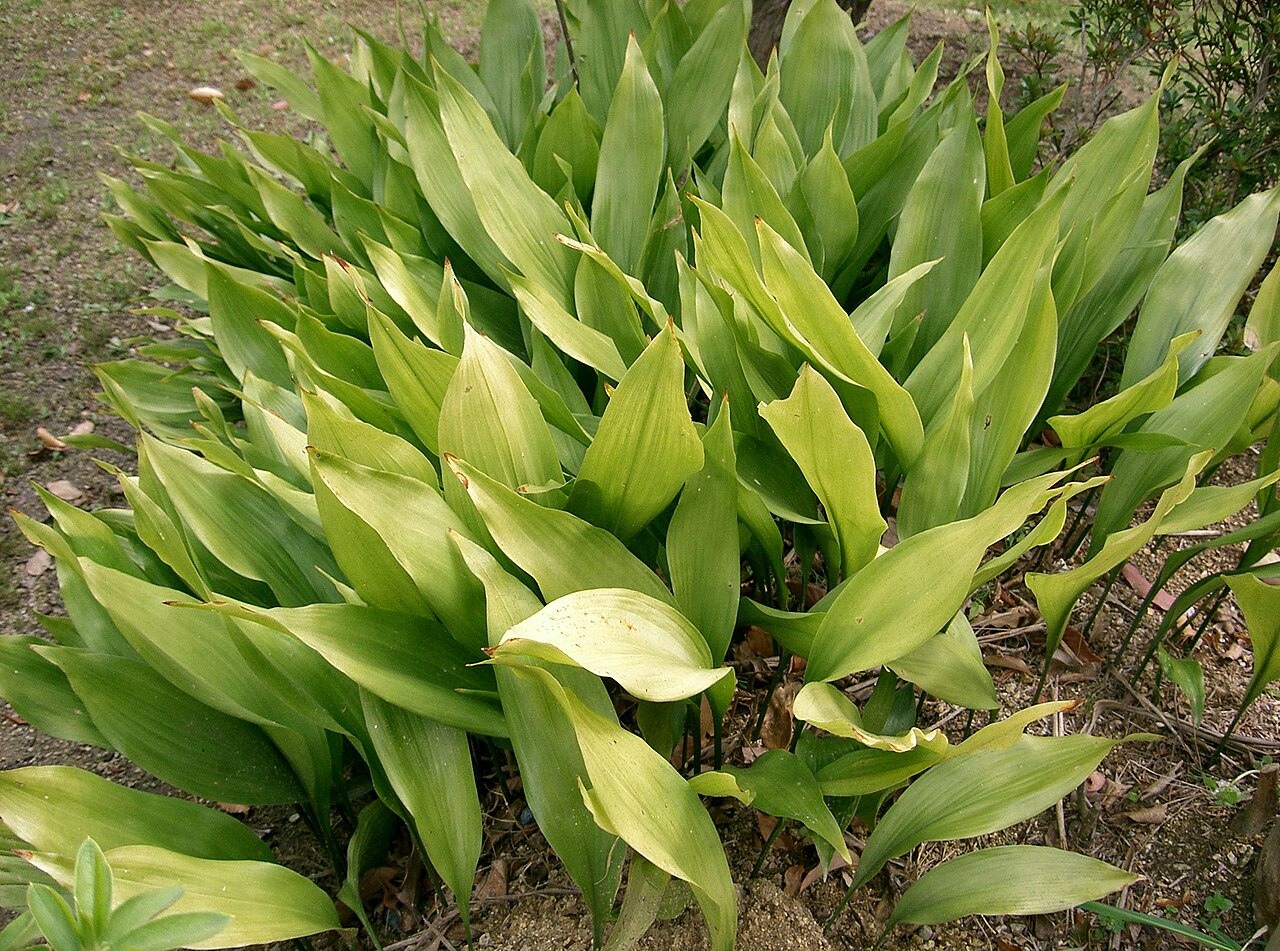
Aspidistra
This slow-growing, hardy foliage plant has dark green leaves that emerge from rhizomes. The criteria for considering Aspidistra in this list hinges on the difference between tolerating low light and growing healthily. First, understand its scientific name, 'Aspidistra elatior,' and confirm that it prefers 'low light to bright indirect light, avoiding direct sunlight.' The starting point for selection is whether you can currently replicate these two conditions at home.
After introducing it to your home, use the observation standard of 'water only after the topsoil has sufficiently dried out.' The expected size is 'approximately 60 to 90 cm, including leaves,' and the final caution is to 'especially avoid overwatering in low light and check for leaf spider mites.' Therefore, it's safer to avoid making large changes to the environment all at once and instead record responses while making adjustments.
After introducing it to your home, use the observation standard of 'water only after the topsoil has sufficiently dried out.' The expected size is 'approximately 60 to 90 cm, including leaves,' and the final caution is to 'especially avoid overwatering in low light and check for leaf spider mites.' Therefore, it's safer to avoid making large changes to the environment all at once and instead record responses while making adjustments.
학명 Aspidistra elatior
빛 낮은 빛부터 밝은 간접광, 직사광은 피함
물주기 흙 윗부분이 충분히 마른 뒤 급수
예상 크기 잎을 포함해 약 60~90cm
주의 낮은 빛에서는 특히 과습을 피하고 잎 응애를 살핀다
관리 정보 확인 https://plants.ces.ncsu.edu/find_a_plant/?q=Aspidistra%20elatior
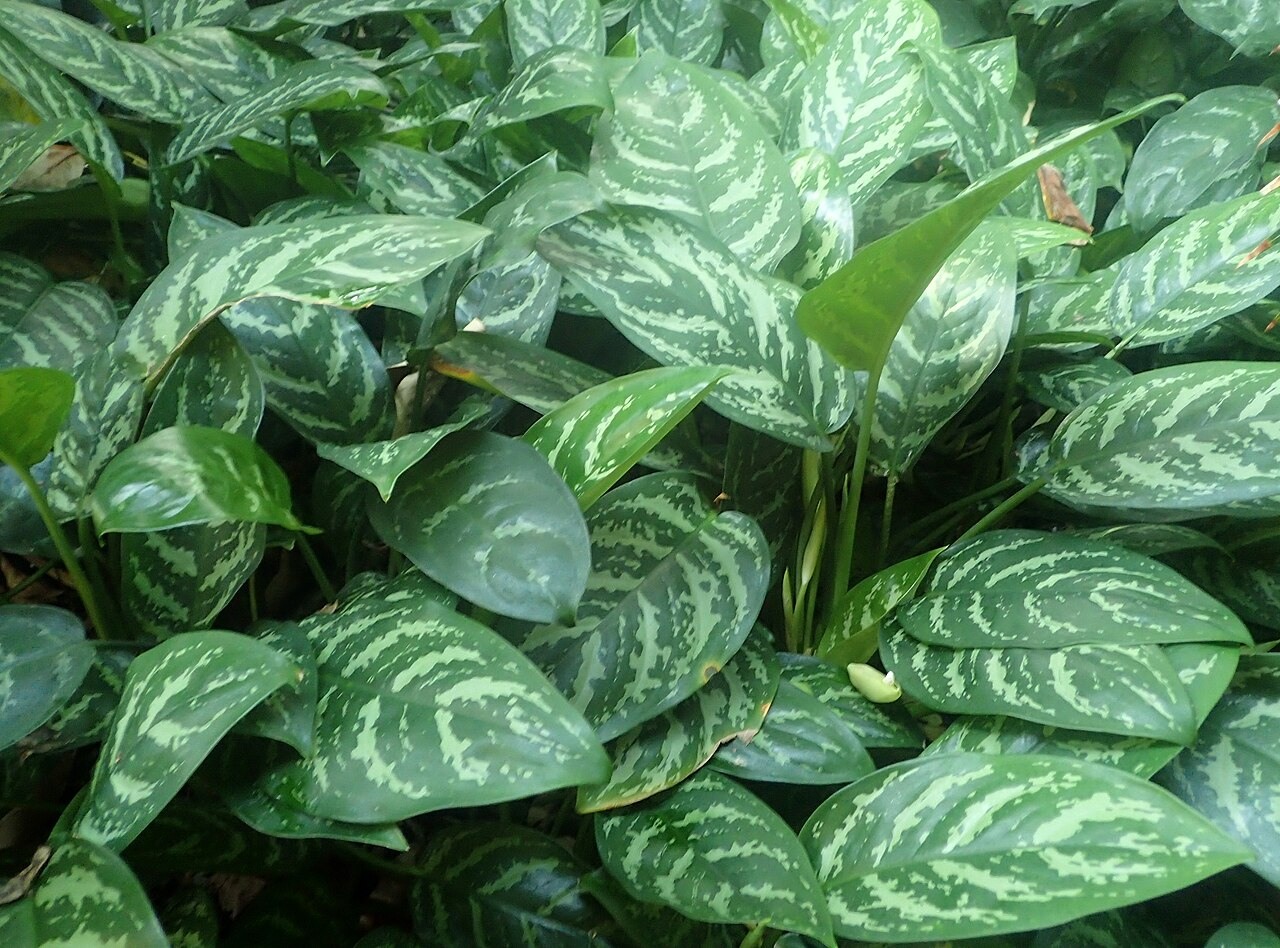
Aglaonema
Aglaonema has broad leaves and a variety of patterned types, making it a relatively adaptable plant for indoor environments. From the perspective of the difference between tolerating low light and growing healthily, it is particularly important that 'green varieties prefer medium to low indirect light, while variegated types need brighter conditions.' Before deciding on placement, check its scientific name, 'Aglaonema commutatum,' to distinguish between visually appealing locations and those where the plant will endure.
When caring for it, first avoid conditions stated as 'avoid cold drafts and low temperatures, and ensure none are ingested.' Next, consider the watering method 'water with lukewarm water once the surface soil dries,' and the expected size 'approximately 30 to 90 cm depending on the variety.' With this information, it becomes easier to discern whether changes are temporary or signals of environmental mismatch. Comparing changes over several days rather than relying on a single measurement is useful.
When caring for it, first avoid conditions stated as 'avoid cold drafts and low temperatures, and ensure none are ingested.' Next, consider the watering method 'water with lukewarm water once the surface soil dries,' and the expected size 'approximately 30 to 90 cm depending on the variety.' With this information, it becomes easier to discern whether changes are temporary or signals of environmental mismatch. Comparing changes over several days rather than relying on a single measurement is useful.
학명 Aglaonema commutatum
빛 녹색 품종은 중간 이하 간접광, 화려한 무늬는 더 밝게
물주기 겉흙이 마르면 미지근한 물로 급수
예상 크기 품종에 따라 약 30~90cm
주의 찬바람과 저온을 피하고 섭취하지 않도록 둔다
관리 정보 확인 https://plants.ces.ncsu.edu/find_a_plant/?q=Aglaonema%20commutatum
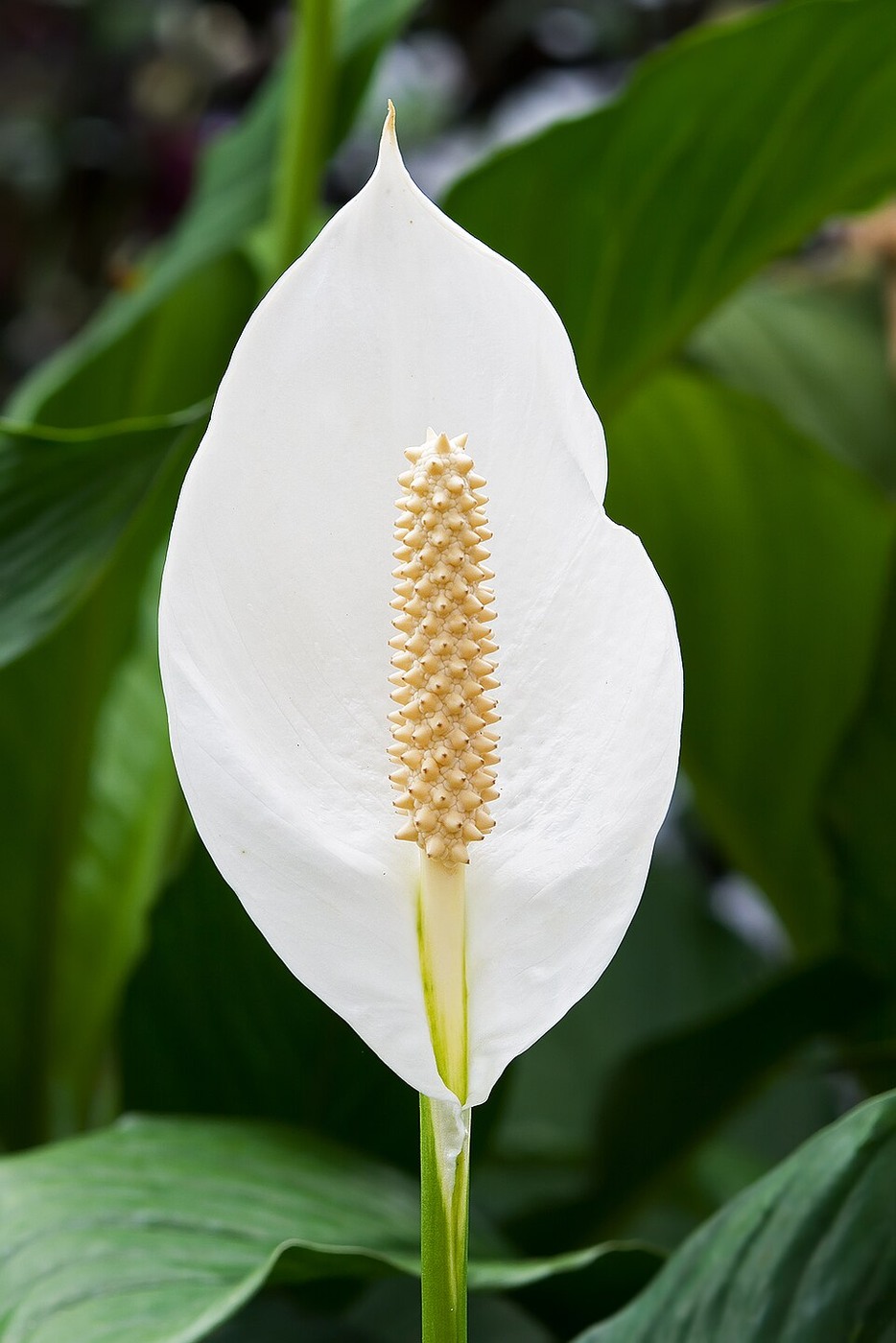
Spathiphyllum
If you focus on the differences between tolerating low light and growing healthily, the advantages of Spathiphyllum become clear. This plant features white flowers emerging from between its dark leaves, and the droopiness of the leaves shows changes in moisture levels. The basic condition is its scientific name 'Spathiphyllum,' and the watering instruction is 'water when the topsoil is slightly dry but do not keep it constantly wet.' If the two conditions of low light tolerance and healthy growth do not align, differences may appear in new growth, even if the appearance seems intact.
For light management, ensure it receives 'medium indirect light, and relatively bright light is necessary to see flowers,' and consider its expected size, which can vary from small to large varieties nearly 1 meter tall, in your spatial planning. Note that 'calcium oxalate is present, so prevent ingestion by pets and children' should be checked immediately after purchase. When considering the difference between tolerating low light and growing healthy, remember that seasonal changes can affect drying speed and light angles in the same place, so prioritize actual responses over a fixed calendar.
For light management, ensure it receives 'medium indirect light, and relatively bright light is necessary to see flowers,' and consider its expected size, which can vary from small to large varieties nearly 1 meter tall, in your spatial planning. Note that 'calcium oxalate is present, so prevent ingestion by pets and children' should be checked immediately after purchase. When considering the difference between tolerating low light and growing healthy, remember that seasonal changes can affect drying speed and light angles in the same place, so prioritize actual responses over a fixed calendar.
학명 Spathiphyllum
빛 중간 간접광, 꽃을 보려면 비교적 밝은 빛 필요
물주기 겉흙이 살짝 마르면 주되 계속 축축하게 두지 않음
예상 크기 소형부터 1m 가까운 대형 품종까지 다양
주의 칼슘옥살레이트가 있어 반려동물과 어린이의 섭취를 막는다
관리 정보 확인 https://plants.ces.ncsu.edu/find_a_plant/?q=Spathiphyllum
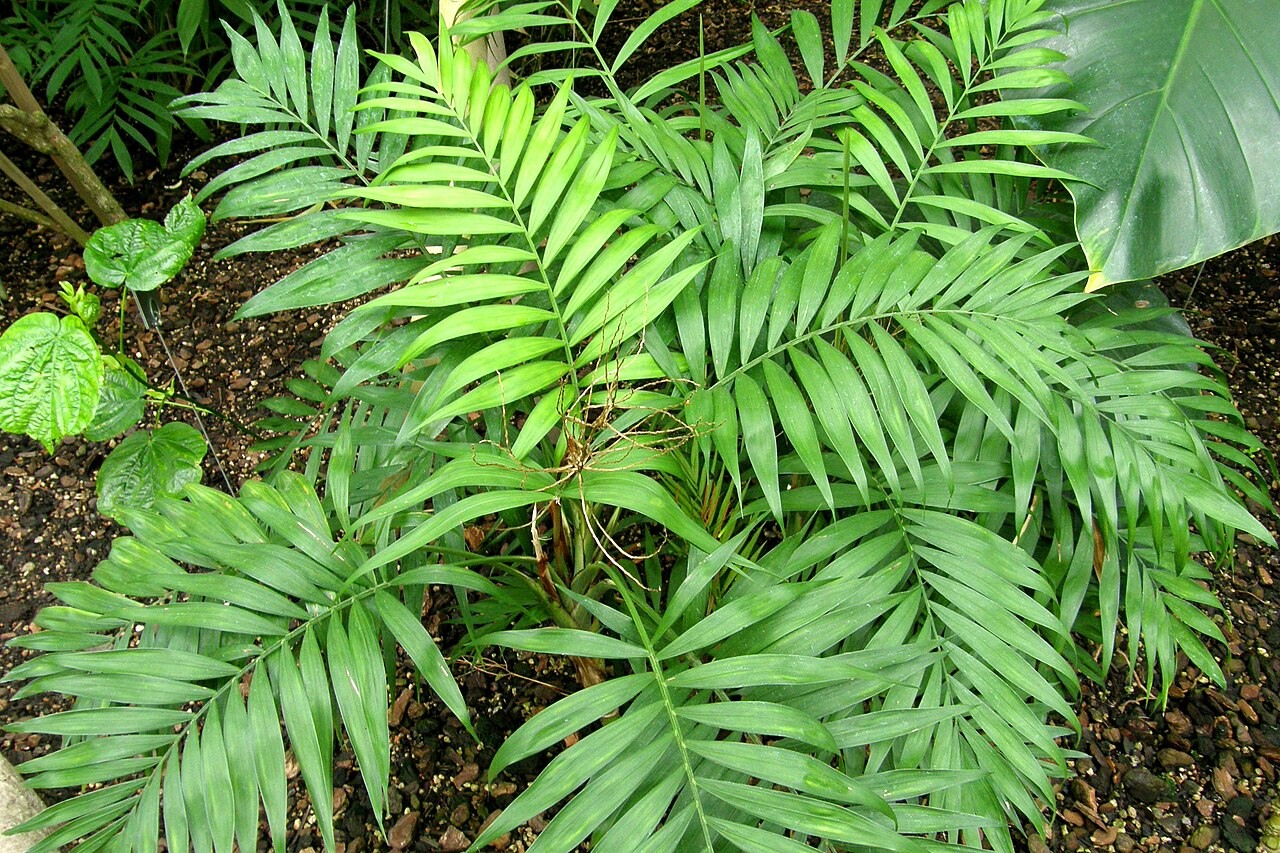
Table Palm
Chamaedorea (Table Palm)
This small palm creates a soft silhouette with its slender stems and feather-like leaves. The reason for including Chamaedorea in this list is that it offers a clear comparison between the difference in tolerating low light and growing healthily. At the purchase stage, assess the expected size, which is 'generally 60 to 180 cm indoors,' alongside its scientific name 'Chamaedorea elegans' to determine whether the spot and size are appropriate.
Upon bringing it home, base its light requirement on 'medium to low indirect light,' and confirm for each watering that 'water only when the surface soil is dry and ensure the roots do not sit in water.' Remembering the warning about 'dry air can lead to spider mites and leaf tip browning' can help reduce common care mistakes. In considering the difference between tolerating low light and healthy growth, if issues arise, examine light, moisture, and temperature changes one by one before adding fertilizers or treatments.
Upon bringing it home, base its light requirement on 'medium to low indirect light,' and confirm for each watering that 'water only when the surface soil is dry and ensure the roots do not sit in water.' Remembering the warning about 'dry air can lead to spider mites and leaf tip browning' can help reduce common care mistakes. In considering the difference between tolerating low light and healthy growth, if issues arise, examine light, moisture, and temperature changes one by one before adding fertilizers or treatments.
학명 Chamaedorea elegans
빛 중간 이하의 간접광
물주기 겉흙이 마르면 주고 뿌리가 물에 잠기지 않게 함
예상 크기 실내에서 대체로 60~180cm
주의 건조한 공기에서는 응애와 잎끝 마름을 관찰한다
관리 정보 확인 https://plants.ces.ncsu.edu/find_a_plant/?q=Chamaedorea%20elegans
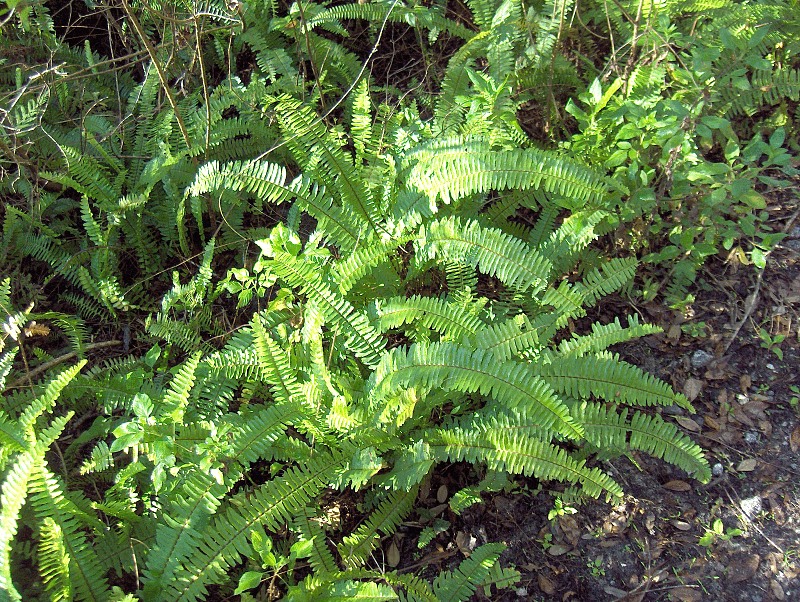
Boston Fern
The key to Boston Fern lies in matching its life conditions rather than grand descriptions. This fern features arching leaves that provide a lush appearance and suits low direct light environments. Here, the watering method, 'do not allow the soil to become completely dry but ensure proper drainage,' is a routine item to confirm, and the cautionary note, 'if dry, leaves will quickly brown, so avoid heating drafts,' serves as a boundary to avoid failures. Considering the difference between low light tolerance and healthy growth further clarifies its distinctions from other options.
Before placement, check its scientific name 'Nephrolepis exaltata,' and confirm its light requirement to be 'medium indirect light while avoiding strong direct sunlight.' Incorporate its expected size of 'approximately 60 to 120 cm spread,' so you can define surrounding items and pathways without inconvenience. When evaluating the difference between low light tolerance and healthy growth, apply small changes first and observe responses before adjusting further.
Before placement, check its scientific name 'Nephrolepis exaltata,' and confirm its light requirement to be 'medium indirect light while avoiding strong direct sunlight.' Incorporate its expected size of 'approximately 60 to 120 cm spread,' so you can define surrounding items and pathways without inconvenience. When evaluating the difference between low light tolerance and healthy growth, apply small changes first and observe responses before adjusting further.
학명 Nephrolepis exaltata
빛 중간 간접광, 강한 직사광은 피함
물주기 흙을 완전히 바싹 말리지 않되 배수는 유지
예상 크기 잎이 사방으로 약 60~120cm 퍼질 수 있음
주의 건조하면 잎이 빠르게 갈변하므로 난방기 바람을 피한다
관리 정보 확인 https://plants.ces.ncsu.edu/find_a_plant/?q=Nephrolepis%20exaltata
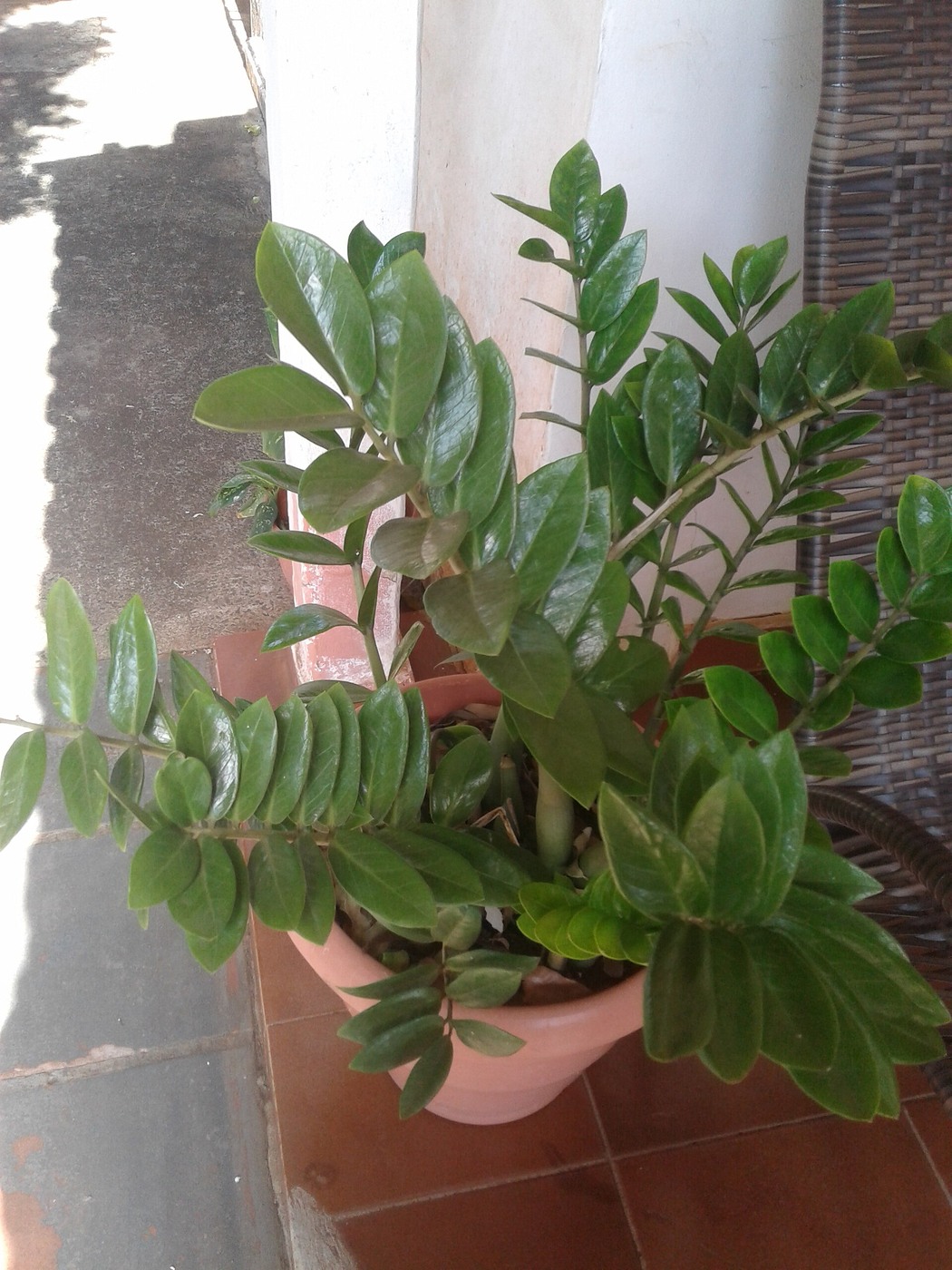
Money Tree
Zamioculcas (ZZ Plant)
If you are wondering about the difference between low light tolerance and healthy growth conditions, consider three aspects with Zamioculcas. Firstly, its scientific name 'Zamioculcas zamiifolia'; secondly, for light, 'while it withstands low light, it grows healthier in brighter indirect light'; and thirdly, the expected size, 'generally 60 to 90 cm.' Although it maintains its appearance in low light, its growth rate greatly slows down. In considering the difference between low light tolerance and conditions for healthy growth, these factors influence one another, meaning hitting just one condition won't yield the same result.
When observing, base your watering on 'check that the entire soil is dry before watering,' and exclude notes like 'in darker areas, reduce the watering frequency and prevent overwatering.' When addressing the difference between low light tolerance and healthy growth, avoid frequently changing both the placement and care methods during the adjustment to a new environment. Understanding this difference also helps identify the causes, leaving behind management standards that can be replicated in the following seasons.
When observing, base your watering on 'check that the entire soil is dry before watering,' and exclude notes like 'in darker areas, reduce the watering frequency and prevent overwatering.' When addressing the difference between low light tolerance and healthy growth, avoid frequently changing both the placement and care methods during the adjustment to a new environment. Understanding this difference also helps identify the causes, leaving behind management standards that can be replicated in the following seasons.
학명 Zamioculcas zamiifolia
빛 낮은 빛을 견디지만 밝은 간접광에서 더 건강하게 성장
물주기 흙 전체가 마른 것을 확인한 뒤 급수
예상 크기 대체로 60~90cm
주의 어두운 자리일수록 물주기 횟수를 줄이고 섭취를 막는다
관리 정보 확인 https://plants.ces.ncsu.edu/find_a_plant/?q=Zamioculcas%20zamiifolia
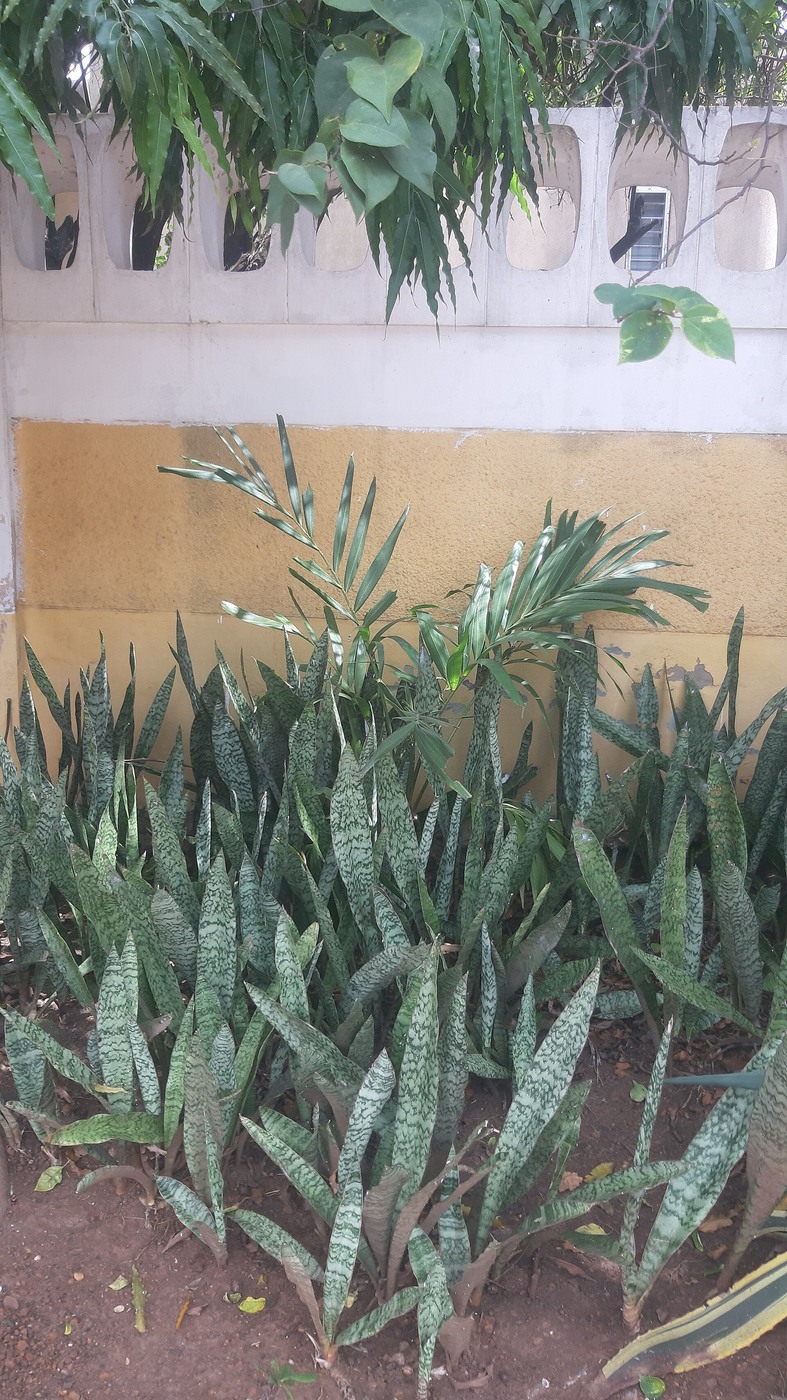
Sansevieria
With its upright leaves, Sansevieria takes up minimal floor space and can easily be placed in dimly lit rooms. It provides a comparative value when assessing the difference between low light tolerance and healthy growth. Ignoring the caution of 'avoid cold and wet soil combination, and prevent ingestion by pets' could lead to discomfort outweighing its benefits, so it’s wise to prioritize this first. Then, check its scientific name 'Dracaena trifasciata' to see if it fits your home environment.
During maintenance, consider the expected size of 'approximately 30 to 120 cm' while leaving some space, and aim for light conditions of 'tolerating low light but recommending bright indirect light.' The watering guideline 'water after the soil has sufficiently dried out' will serve as a practical clue when evaluating its condition. Observing the new leaves, root growth, and drying speed at home provides a more accurate measure of the difference between low light tolerance and healthy growth than relying solely on purchase photos.
During maintenance, consider the expected size of 'approximately 30 to 120 cm' while leaving some space, and aim for light conditions of 'tolerating low light but recommending bright indirect light.' The watering guideline 'water after the soil has sufficiently dried out' will serve as a practical clue when evaluating its condition. Observing the new leaves, root growth, and drying speed at home provides a more accurate measure of the difference between low light tolerance and healthy growth than relying solely on purchase photos.
학명 Dracaena trifasciata
빛 낮은 빛을 견디지만 밝은 간접광 권장
물주기 용토가 충분히 마른 뒤 급수
예상 크기 약 30~120cm
주의 저온과 젖은 흙의 조합을 피하고 반려동물 섭취를 막는다
관리 정보 확인 https://plants.ces.ncsu.edu/find_a_plant/?q=Dracaena%20trifasciata
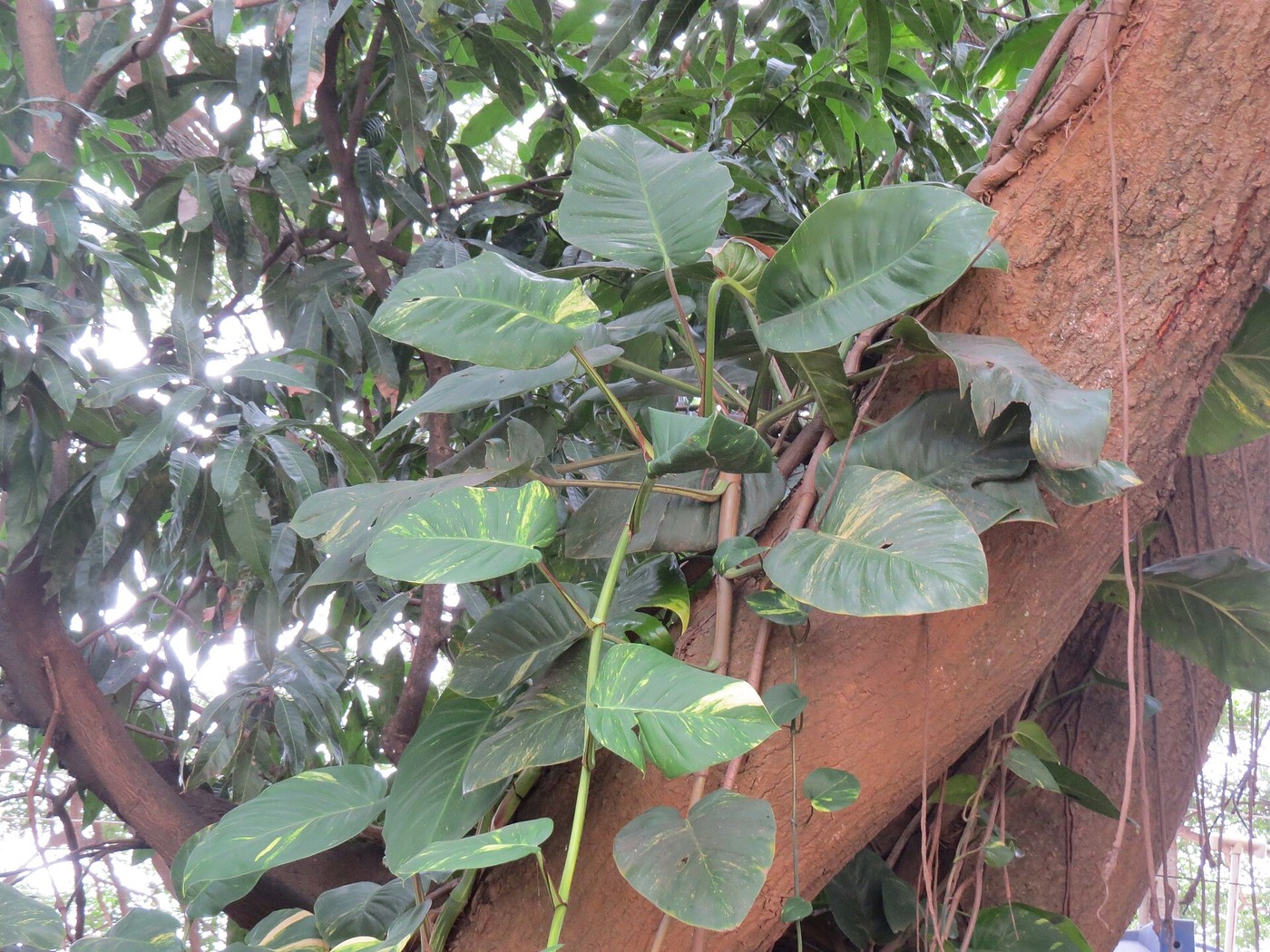
Pothos
Epipremnum (Pothos)
Before selecting Epipremnum, pose the question about the difference between low light tolerance and healthy growth conditions. This vining plant demonstrates light deficiency relatively well through vine length and leaf spacing. Its expected size of 'vines easily exceed 1 meter in length' suggests that if you make placement decisions based solely on current size, a relocation may later be needed. The difference between low light tolerance and healthy growth conditions requires that light 'should be medium indirect light, as lower light could reduce patterns and leaf size' match your care habits.
After determining the placement or usage, frequently compare its scientific name 'Epipremnum aureum' with watering instructions, which state 'water after the topsoil dries out.' Lastly, heed the caution that 'if the spacing between nodes lengthens, move it to a brighter area and prevent ingestion,' to prevent sudden damage. When considering the difference in light tolerance and healthy growth conditions, check the recent week's records of water, light, and temperature following any changes.
After determining the placement or usage, frequently compare its scientific name 'Epipremnum aureum' with watering instructions, which state 'water after the topsoil dries out.' Lastly, heed the caution that 'if the spacing between nodes lengthens, move it to a brighter area and prevent ingestion,' to prevent sudden damage. When considering the difference in light tolerance and healthy growth conditions, check the recent week's records of water, light, and temperature following any changes.
학명 Epipremnum aureum
빛 중간 간접광, 낮은 빛에서는 무늬와 잎 크기 감소 가능
물주기 겉흙이 마른 뒤 급수
예상 크기 덩굴은 1m 이상 쉽게 뻗음
주의 마디 간격이 길어지면 더 밝은 곳으로 옮기고 섭취를 막는다
관리 정보 확인 https://plants.ces.ncsu.edu/find_a_plant/?q=Epipremnum%20aureum
In low-light spaces, plants grow slowly, so watering on the same schedule as bright windows increases the risk of overwatering. Check the weight of the pot when lifted and the moisture level in the soil, and during weak light in winter, extend the watering intervals. Remember that varieties with many patterns may require brighter locations than solid green varieties due to their lower chlorophyll area.
If the room is too dark to read a book during the day, it might be more practical to supplement with grow lights or alternate periods in brighter locations rather than changing the type of plants. However, frequently changing the environment can also cause stress, so transitions should be gradual. Simple care, like dusting leaves and removing objects blocking windows, can significantly increase the light reaching the leaves.
If the room is too dark to read a book during the day, it might be more practical to supplement with grow lights or alternate periods in brighter locations rather than changing the type of plants. However, frequently changing the environment can also cause stress, so transitions should be gradual. Simple care, like dusting leaves and removing objects blocking windows, can significantly increase the light reaching the leaves.
한눈에 보기
8개
Aspidistra
Aspidistra elatior · 낮은 빛부터 밝은 간접광, 직사광은 피함 · 흙 윗부분이 충분히 마른 뒤 급수 · 잎을 포함해 약 60~90cm · 낮은 빛에서는 특히 과습을 피하고 잎 응애를 살핀다 · https://plants.ces.ncsu.edu/find_a_plant/?q=Aspidistra%20elatior
Aglaonema
Aglaonema commutatum · 녹색 품종은 중간 이하 간접광, 화려한 무늬는 더 밝게 · 겉흙이 마르면 미지근한 물로 급수 · 품종에 따라 약 30~90cm · 찬바람과 저온을 피하고 섭취하지 않도록 둔다 · https://plants.ces.ncsu.edu/find_a_plant/?q=Aglaonema%20commutatum
Spathiphyllum
Spathiphyllum · 중간 간접광, 꽃을 보려면 비교적 밝은 빛 필요 · 겉흙이 살짝 마르면 주되 계속 축축하게 두지 않음 · 소형부터 1m 가까운 대형 품종까지 다양 · 칼슘옥살레이트가 있어 반려동물과 어린이의 섭취를 막는다 · https://plants.ces.ncsu.edu/find_a_plant/?q=Spathiphyllum
Table Palm
Chamaedorea elegans · 중간 이하의 간접광 · 겉흙이 마르면 주고 뿌리가 물에 잠기지 않게 함 · 실내에서 대체로 60~180cm · 건조한 공기에서는 응애와 잎끝 마름을 관찰한다 · https://plants.ces.ncsu.edu/find_a_plant/?q=Chamaedorea%20elegans
Boston Fern
Nephrolepis exaltata · 중간 간접광, 강한 직사광은 피함 · 흙을 완전히 바싹 말리지 않되 배수는 유지 · 잎이 사방으로 약 60~120cm 퍼질 수 있음 · 건조하면 잎이 빠르게 갈변하므로 난방기 바람을 피한다 · https://plants.ces.ncsu.edu/find_a_plant/?q=Nephrolepis%20exaltata
Money Tree
Zamioculcas zamiifolia · 낮은 빛을 견디지만 밝은 간접광에서 더 건강하게 성장 · 흙 전체가 마른 것을 확인한 뒤 급수 · 대체로 60~90cm · 어두운 자리일수록 물주기 횟수를 줄이고 섭취를 막는다 · https://plants.ces.ncsu.edu/find_a_plant/?q=Zamioculcas%20zamiifolia
Sansevieria
Dracaena trifasciata · 낮은 빛을 견디지만 밝은 간접광 권장 · 용토가 충분히 마른 뒤 급수 · 약 30~120cm · 저온과 젖은 흙의 조합을 피하고 반려동물 섭취를 막는다 · https://plants.ces.ncsu.edu/find_a_plant/?q=Dracaena%20trifasciata
Pothos
Epipremnum aureum · 중간 간접광, 낮은 빛에서는 무늬와 잎 크기 감소 가능 · 겉흙이 마른 뒤 급수 · 덩굴은 1m 이상 쉽게 뻗음 · 마디 간격이 길어지면 더 밝은 곳으로 옮기고 섭취를 막는다 · https://plants.ces.ncsu.edu/find_a_plant/?q=Epipremnum%20aureum
이 포스팅은 쿠팡 파트너스 활동의 일환으로, 이에 따른 일정액의 수수료를 제공받습니다.
댓글 0
로그인 후 댓글을 작성할 수 있습니다.
첫 댓글을 남겨보세요.
이런 리스트는 어때요?


이런 리스트도 추천해요


🎲
여기서 멈추기엔 아쉽잖아?
다음에 뭘 볼지 고민하는 시간이 제일 아까워.
주사위가 대신 골라줄게 — 무슨 리스트가 튀어나올지는 굴려봐야 알지.
안 누르면… 평생 궁금하지 않겠어? 👀