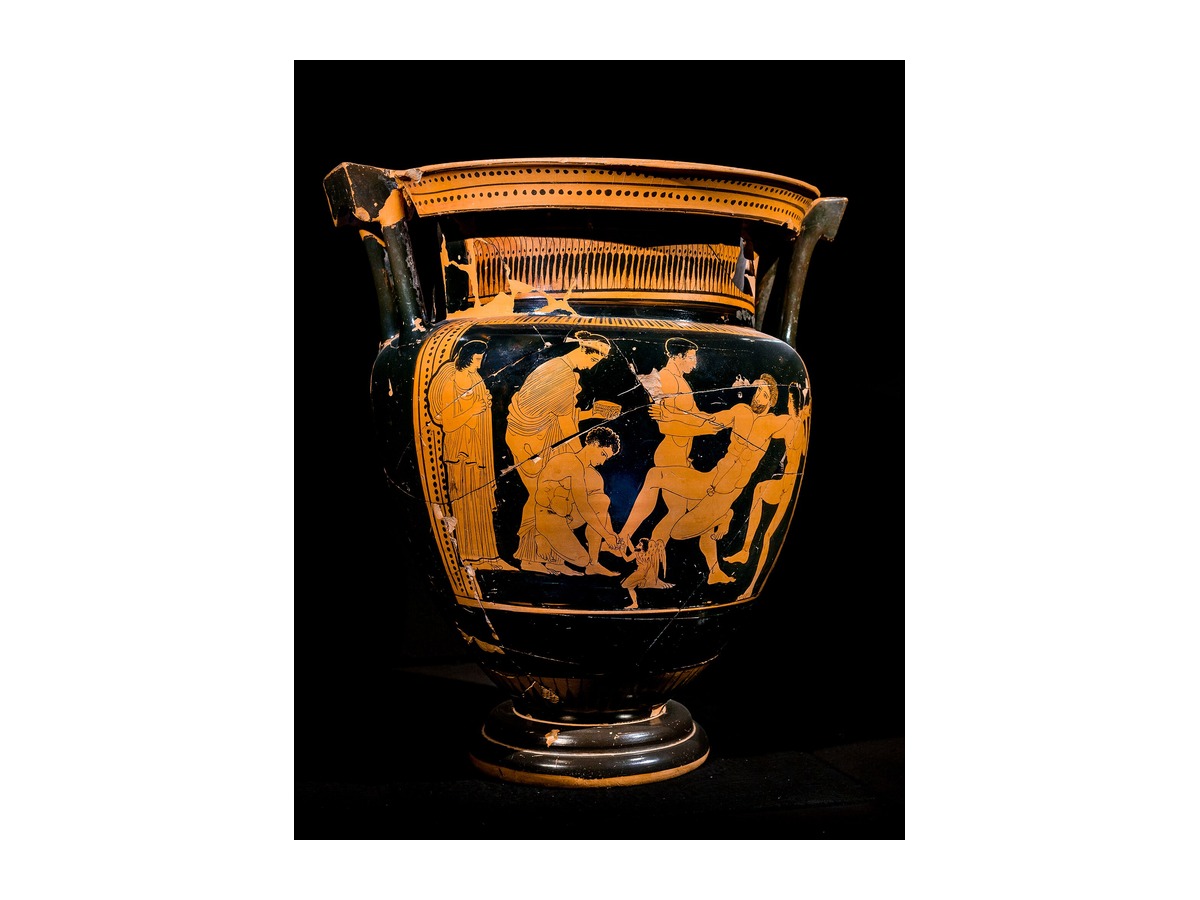
Monsters from Mythology Remembered Longer than Heroes
Collection Literature 2026.08.05

Monsters from Mythology Remembered Longer than Heroes

An Introduction to Monsters Through Their Birth Stories and Encounters with Heroes

Monsters in Greek mythology are not merely obstacles for heroes to defeat. Cerberus upholds the order of the underworld, the Colchian dragon protects the Golden Fleece, and Talos prevents ships from approaching Crete. While they may pose a threat to some, they are also guardians of the boundaries and treasures they oversee. The functional roles reveal complexities beyond a simple good versus evil dichotomy. This article compares the names and contexts of events from Medusa to Harpyia.

The lineage and appearances of monsters are not fixed. The list of children of Echidna and Typhon varies among authors, and the story of Medusa as a once beautiful human who transformed is more widely known from later Roman poet Ovid than from early Greek sources. The Sphinx also appears differently in Egyptian and Greek cultures in terms of appearance, gender, and symbolism. It’s essential not to assume that the most familiar versions are the only stories from any period.

This list collects twelve monsters, excluding Polyphemus, Sirens, Scylla, and Charybdis already covered in the Odyssey. Instead of focusing solely on terrifying appearances, it explains what these monsters guarded, which heroes they faced, and how their stories have changed over time. By distinguishing between images in popular culture and ancient sources, even well-known monsters can take on entirely different narratives. We will examine the role of original texts separately from the images added by later cultures.
Medusa
Medusa

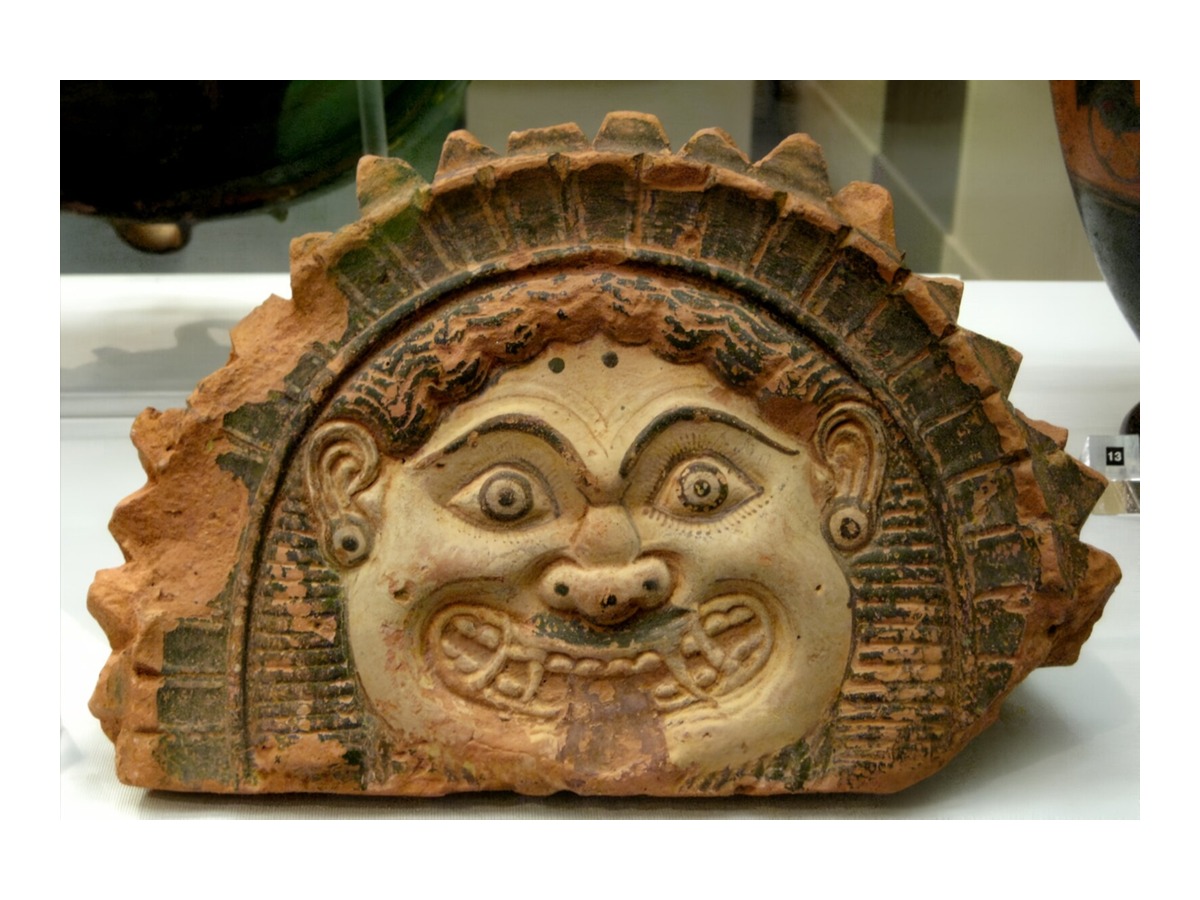
Medusa is the only one of the three Gorgon sisters who can die, as she has her head severed by Perseus. In early Greek sources, she is depicted as a member of a monster family, but later accounts by Ovid describe her as a woman transformed after the incident in Poseidon’s temple. The idea that she was beautiful from the start is not made a universal truth across ages.
Minotaur

Minotaur

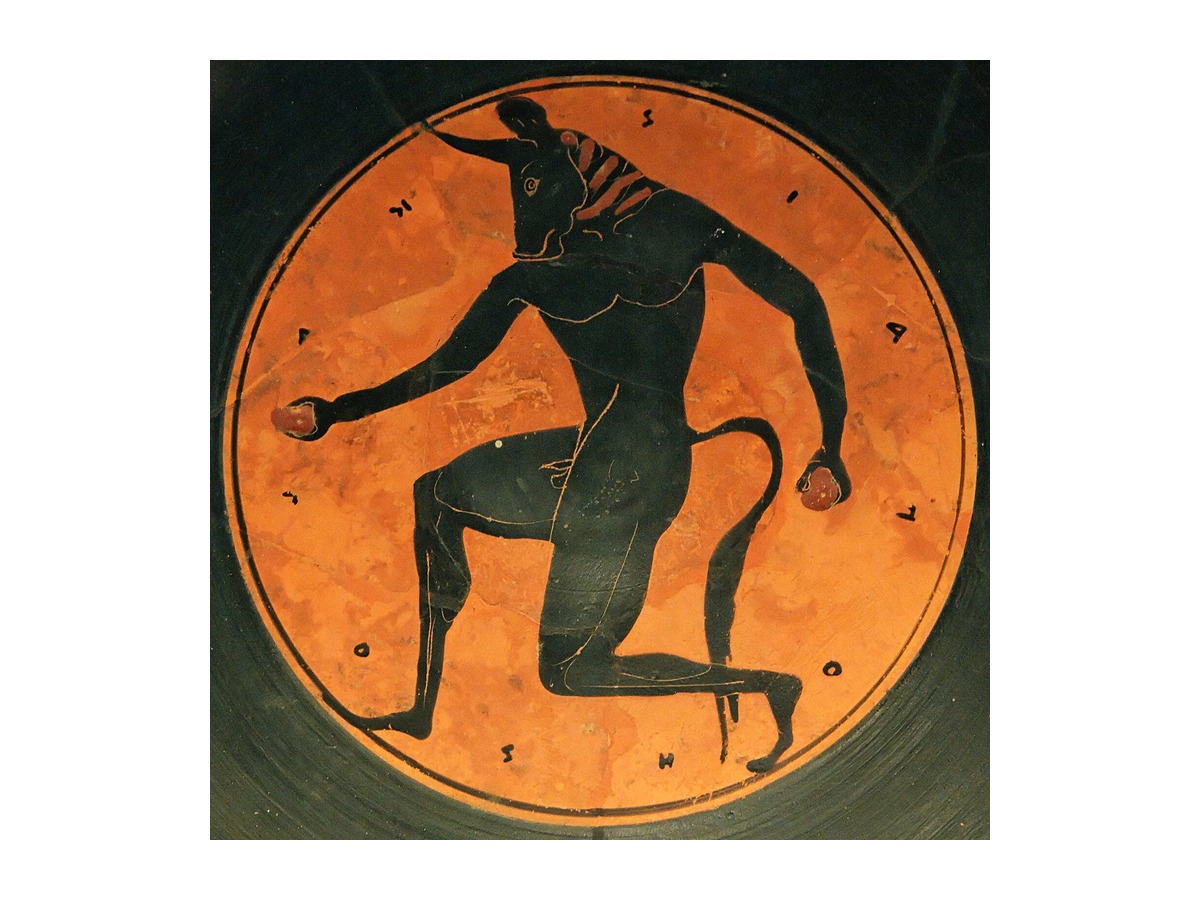
The Minotaur, a creature with a human body and a bull's head, is imprisoned in the labyrinth by King Minos of Crete. Athenian youths are sent as sacrifices, and Theseus defeats it using the thread from Ariadne. This reflects not just the monster’s appearance but also the violence created by the king’s secrets and the sacrificial system.
The Lernaean Hydra

The Lernaean Hydra

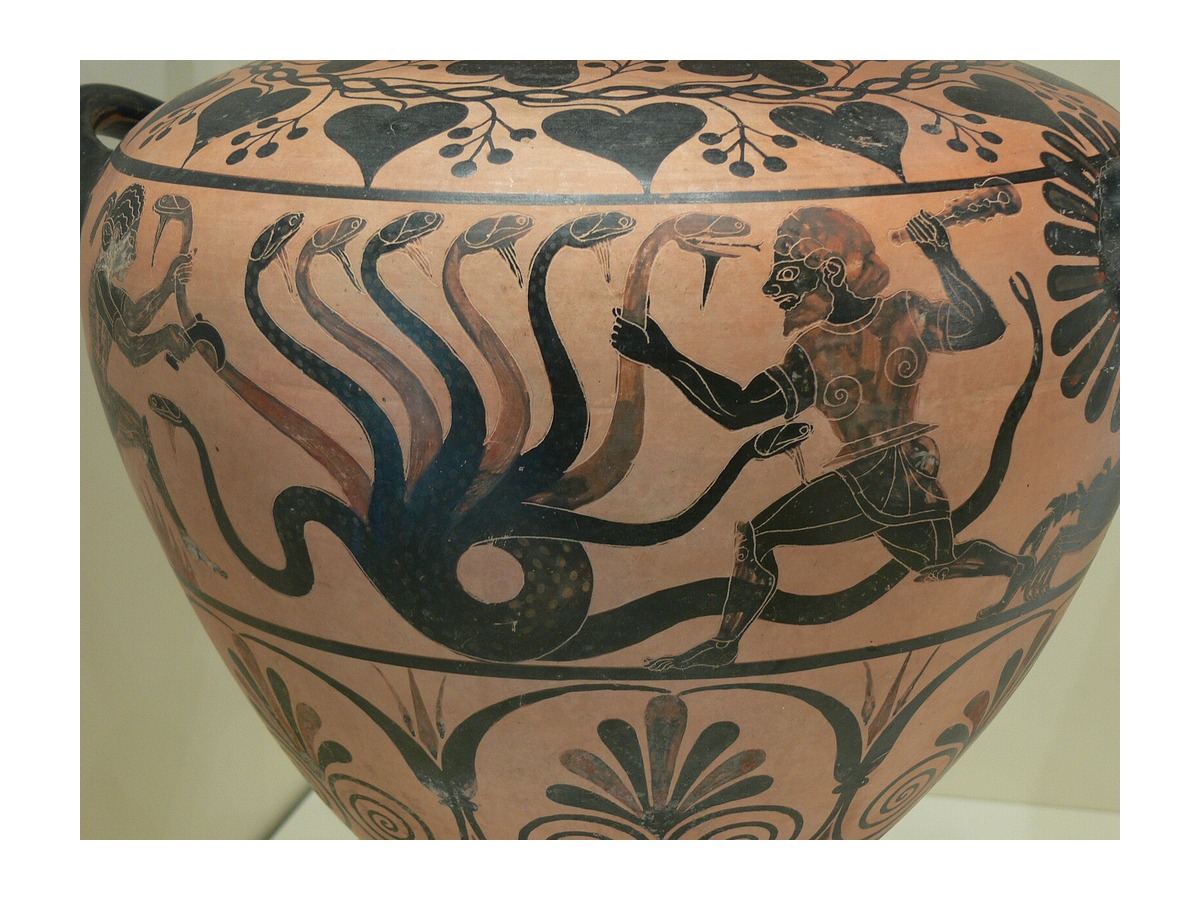
The Hydra is a water serpent with multiple heads that makes Heracles's task difficult because when one head is cut off, two more grow back. His nephew Iolaus helps by cauterizing the necks to prevent regeneration, while Heracles uses the creature's venom on his arrows. This narrative connects collaboration and the lingering effects of poison, rather than being just a solitary hero’s tale.
Cerberus

Cerberus

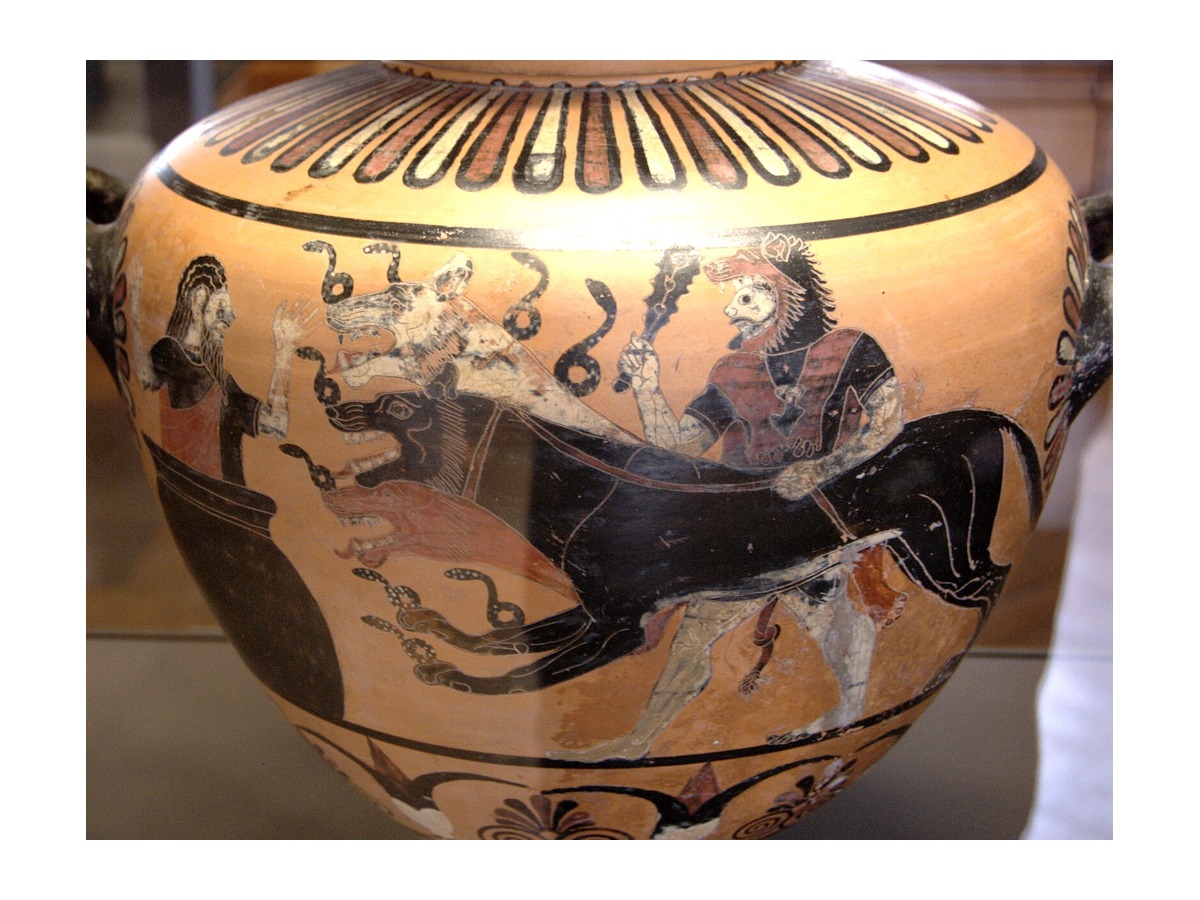
Cerberus is depicted with multiple heads and a snake tail, acting as the guardian of the underworld to prevent the dead from escaping. In his final task, Heracles overpowers Cerberus without weapons and brings it back to the surface before returning it. Its function as a guardian of the underworld is more important than being merely an evil monster.
Chimera

Chimera

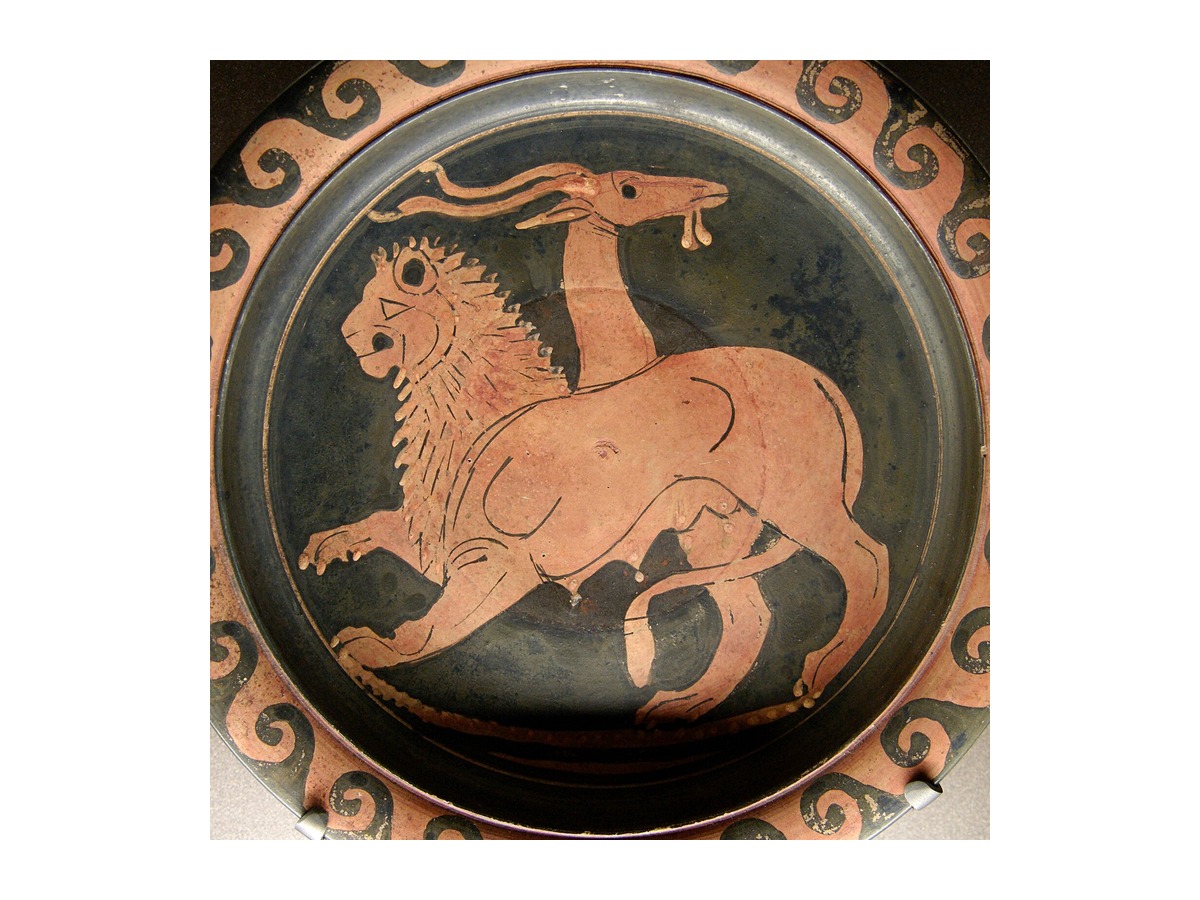
The Chimera is a fire-breathing monster with the body of a lion, a goat’s head, and a snake for a tail that threatens Lycia. Later explanations tell of Bellerophon riding Pegasus and defeating it with a lead-tipped spear from the sky. The details of its appearance and methods of defeat vary across different sources, leading to distinctions between the main narratives.
The Sphinx

The Sphinx

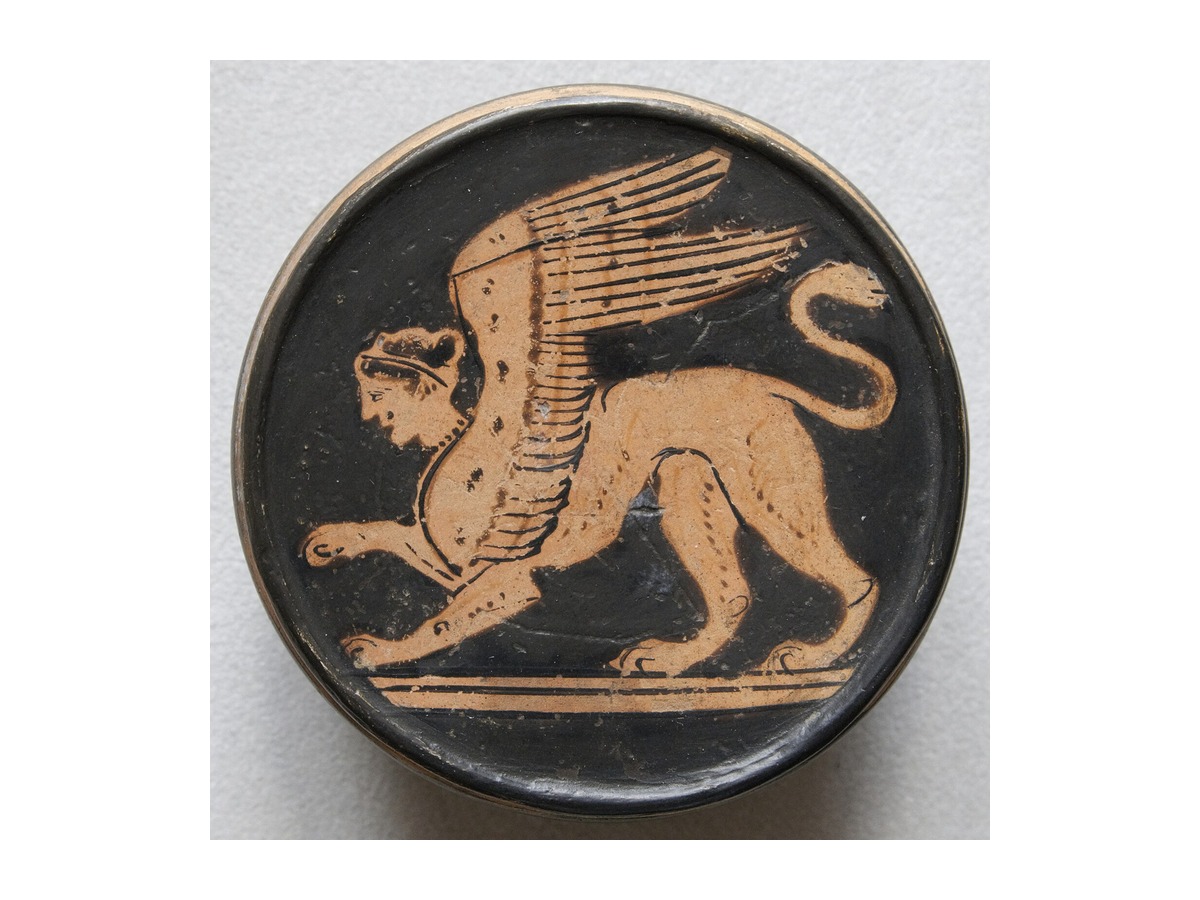
The Sphinx of Thebes is depicted as a creature with a woman's head and a lion's body, posing riddles to people and killing them if they cannot answer. When Oedipus correctly answers the riddle about human life, she either kills herself or falls. Egyptian and Greek stories, genders, and functions should not be conflated as the same entity.
Echidna

Echidna

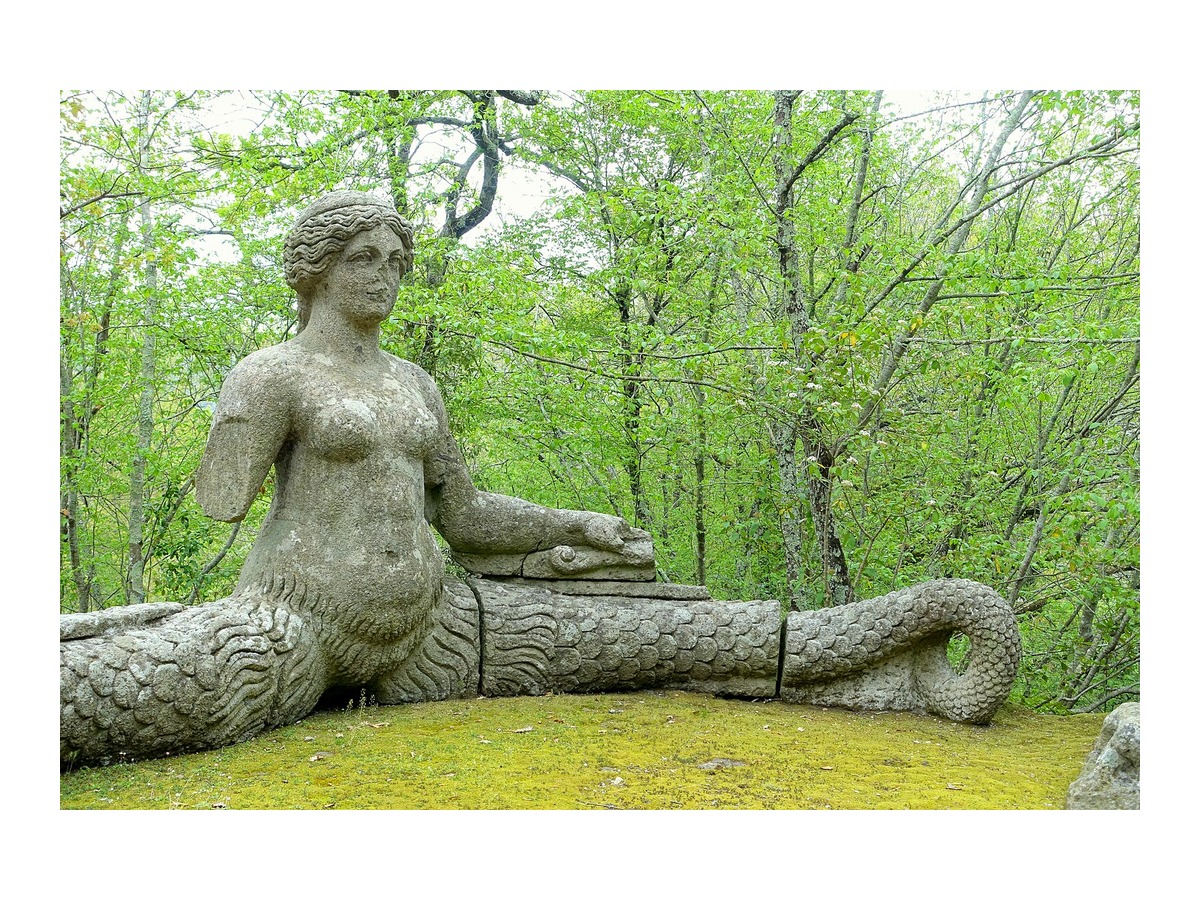
Echidna is described as having a female upper body and a serpent lower body, and she is said to be the mother of many monsters, including Cerberus, Hydra, and Chimera, along with Typhon. The lists of parents and children vary according to Hesiod, Apollodorus, and Hyginus. Instead of viewing a single fixed lineage, one should observe the changes in how monster families are viewed.
Typhon

Typhon

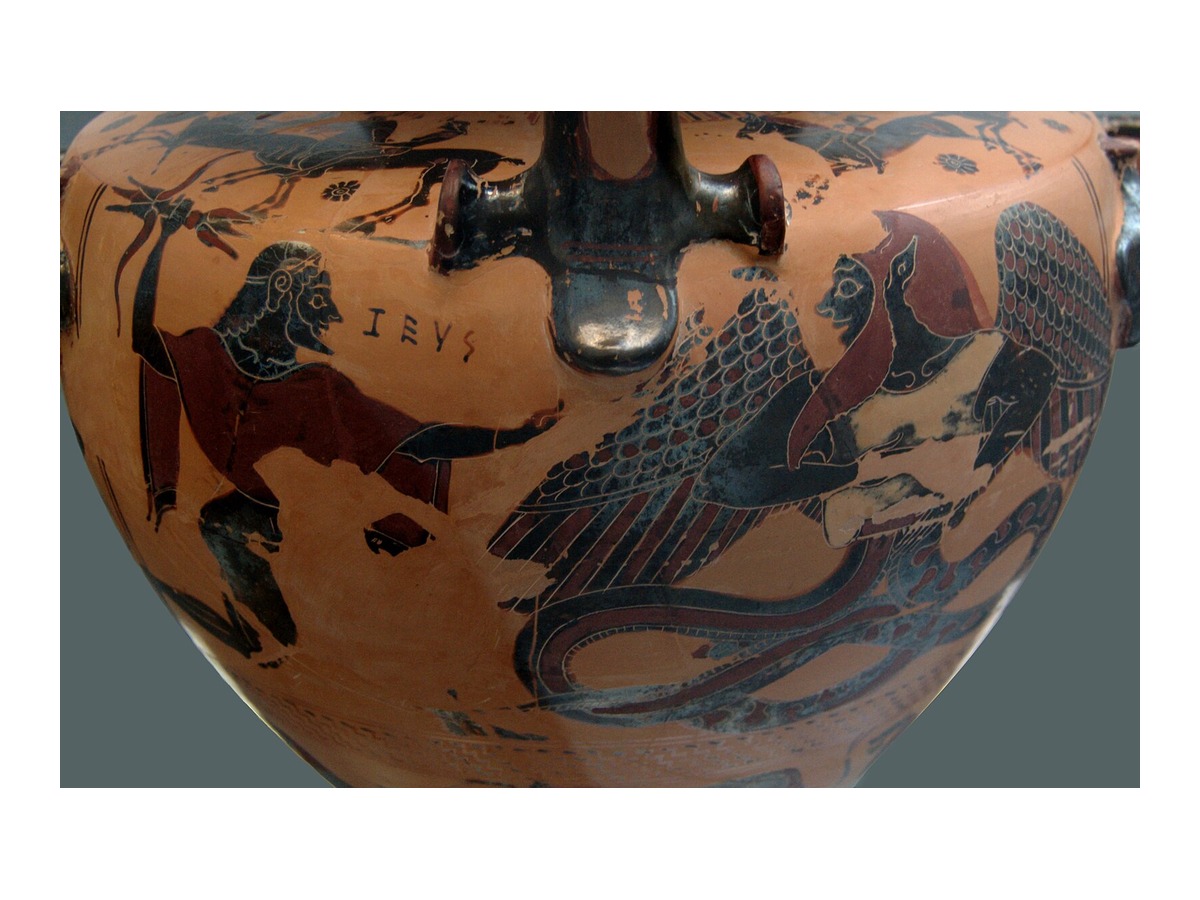
Typhon, described as a gigantic storm and fire monster and a child of Gaia and Tartarus, challenges Zeus’s rule. He is depicted with a hundred snake heads or various voices and becomes the ancestor of many monsters with Echidna. We read the differences in lineage and form between Hesiod's accounts and later myths.
The Nemean Lion

The Nemean Lion

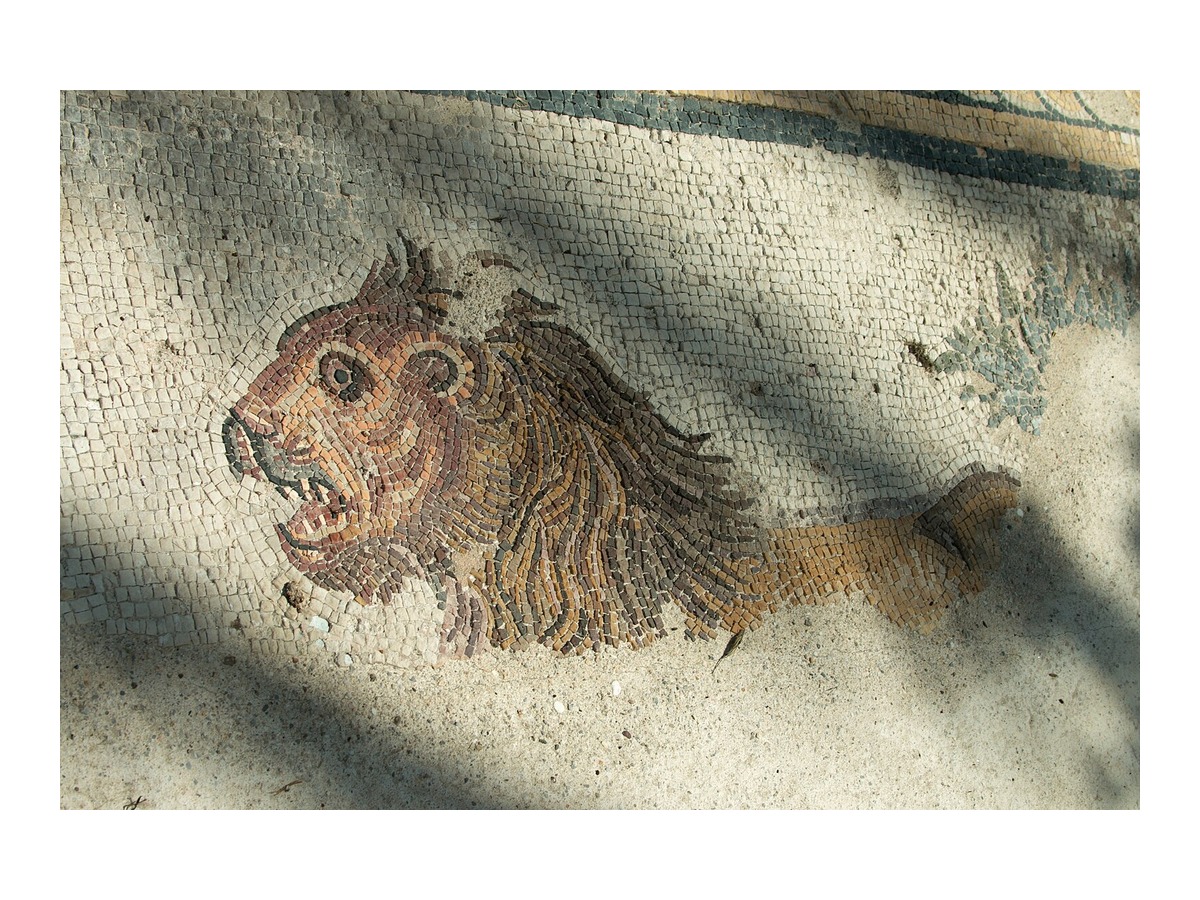
The Nemean Lion has impenetrable skin and is defeated by Heracles, who chokes it to complete his first task. He then skins the lion with its own claws and wears the hide like armor. The story behind the lion's skin, which became a symbol of the hero, includes themes of destruction and trophy-taking.
The Dragon of Colchis

The Dragon of Colchis

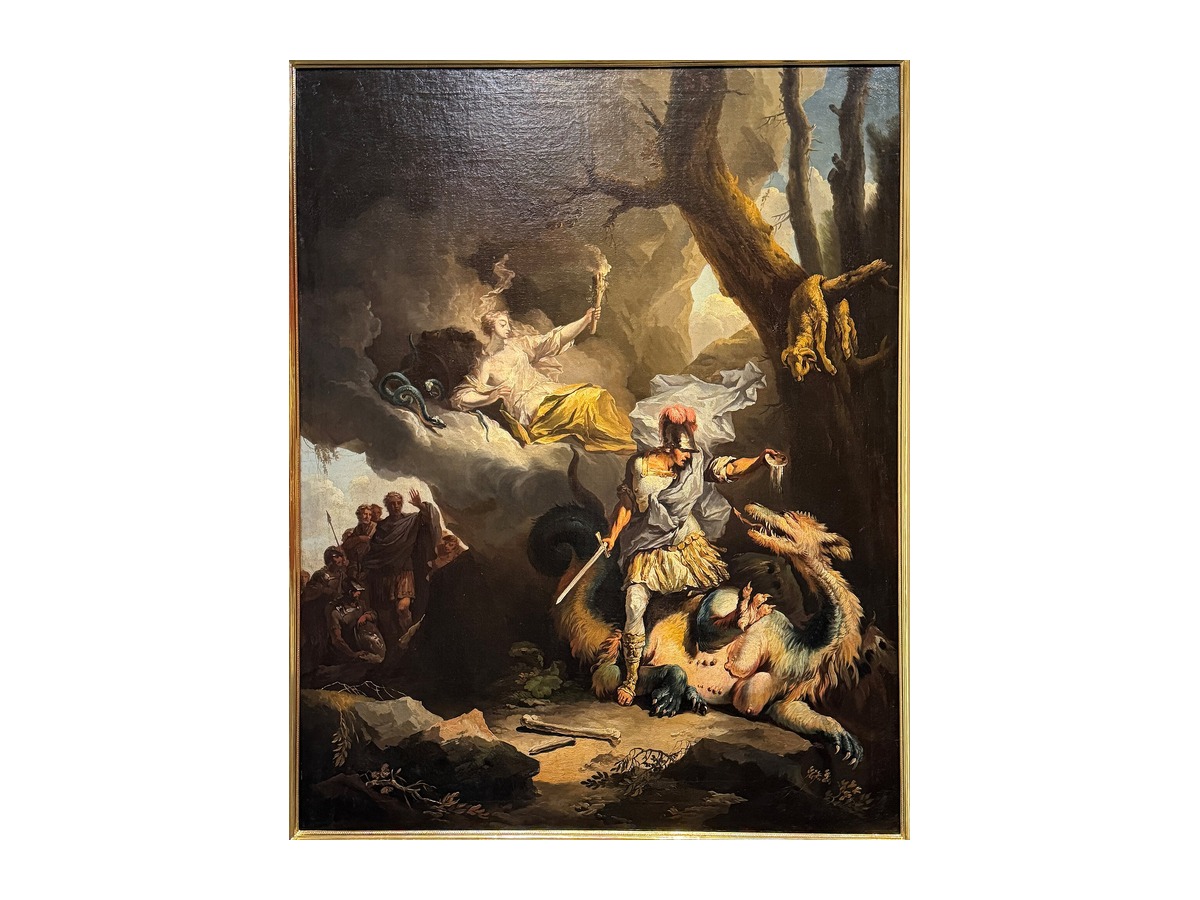
The Colchian dragon is a massive serpent that guards the Golden Fleece in Ares’ grove without letting it sleep. Jason, rather than fighting alone, takes the fleece when Medea tranquilizes the dragon with her magic or spells. If we describe Jason's achievement in obtaining the Golden Fleece as solely his bravery, we erase Medea's role.
Talos

Talos

Talos is a giant made of bronze who patrols the island of Crete and hurls rocks at approaching ships. His weakness lies in a nail in his ankle or a vein, and legends say he was defeated through Medea's magic or attacks from the Argonauts. While he is referred to as an ancient automaton, we should not directly project the modern concept of robots onto him.
Harpies

Harpies

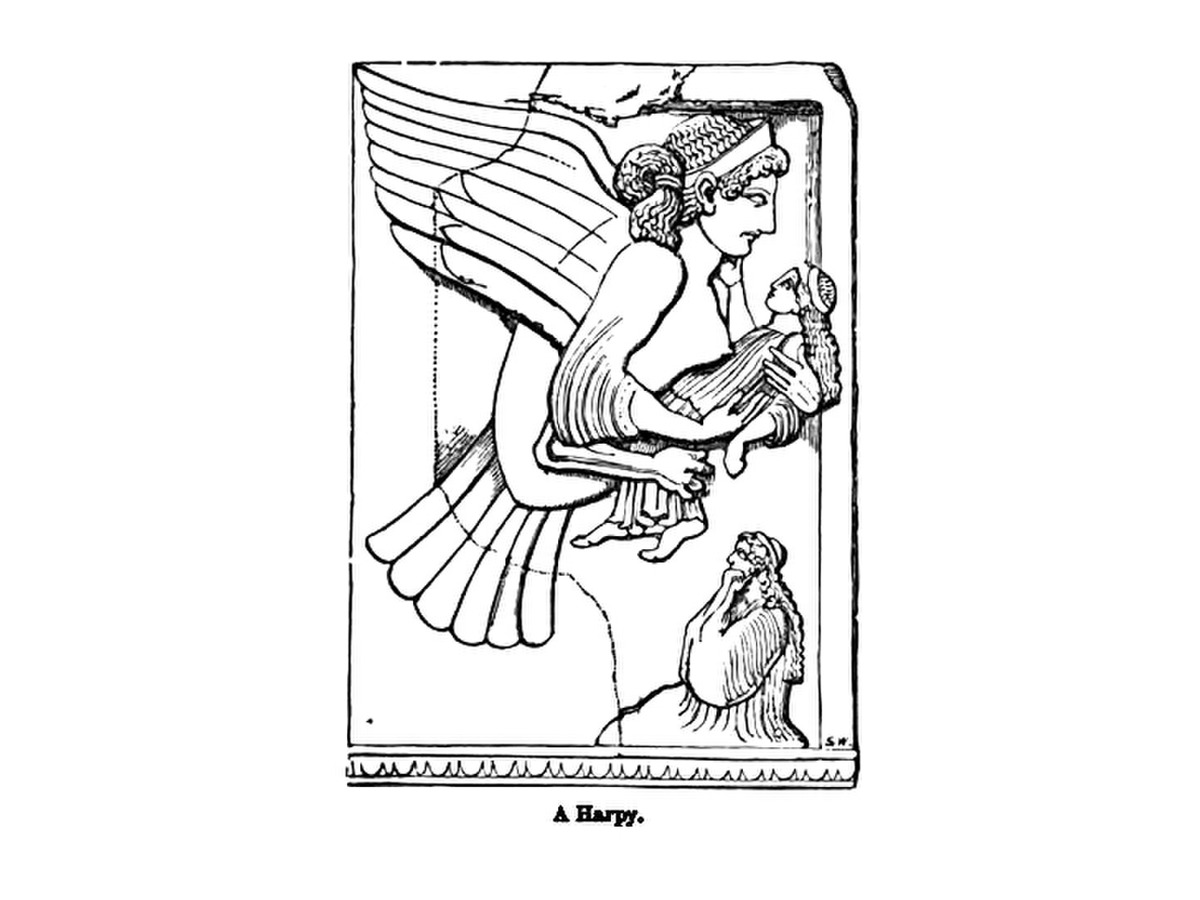
The Harpyia is depicted as a wind spirit or raider with the face of a woman and the body of a bird, famous for stealing and defiling the food of Phineas. The sons of Boreas from the Argonauts pursue her, but the outcomes vary in different versions, ranging from killing to driving her away. We view her functions of wind and divine punishment beyond the simplified image of a witch in later narratives.

Following the narratives of monsters reveals how the perspectives of victors shape their names and images. The Minotaur was confined in a labyrinth to hide the secrets of the House of Minos, and the head of Medusa was used as a weapon and decoration on Athena’s shield even after her death. If we only focus on scenes where monsters are defeated, we risk overlooking the conditions under which they were created. This examination will separate the roles of original texts from the images contributed by later culture.

When looking at lineages, it’s advisable not to believe in a single, fixed family tree as the ultimate truth. The children of Typhon and Echidna presented by Hesiod, Apollodorus, and Hyginus differ, and the number of heads or ways to defeat monsters may vary as well. If we consider the era and purpose of the sources, these discrepancies can instead be read as traces of myths evolving over time. It’s crucial not to assume that the most familiar versions represent the only stories from any period.

When encountering monsters again, we can ask three questions: What did they guard or prohibit? With whose help did the hero succeed? What new characteristics have subsequent illustrations and films emphasized? These questions transform monsters from mere symbols of fear into entities imbued with meanings of boundaries, power, and exclusion. The reason they have persisted longer than heroes lies in that very complexity. This article compares the names and contexts of events from Medusa to Harpyia.

댓글 0

로그인 후 댓글을 작성할 수 있습니다.

첫 댓글을 남겨보세요.

이런 리스트는 어때요?

이런 리스트도 추천해요

🎲

여기서 멈추기엔 아쉽잖아?

다음에 뭘 볼지 고민하는 시간이 제일 아까워.
주사위가 대신 골라줄게 — 무슨 리스트가 튀어나올지는 굴려봐야 알지.
안 누르면… 평생 궁금하지 않겠어? 👀

All menu
Login required
Log in
Categories
Language
Display mode

Drum roll… picking a list!

모하지
Use Mohazi as an app
Open it from your home screen and browse faster.
On iPhone, tap the Share button at the bottom of Safari, then choose “Add to Home Screen” to use it like an app.