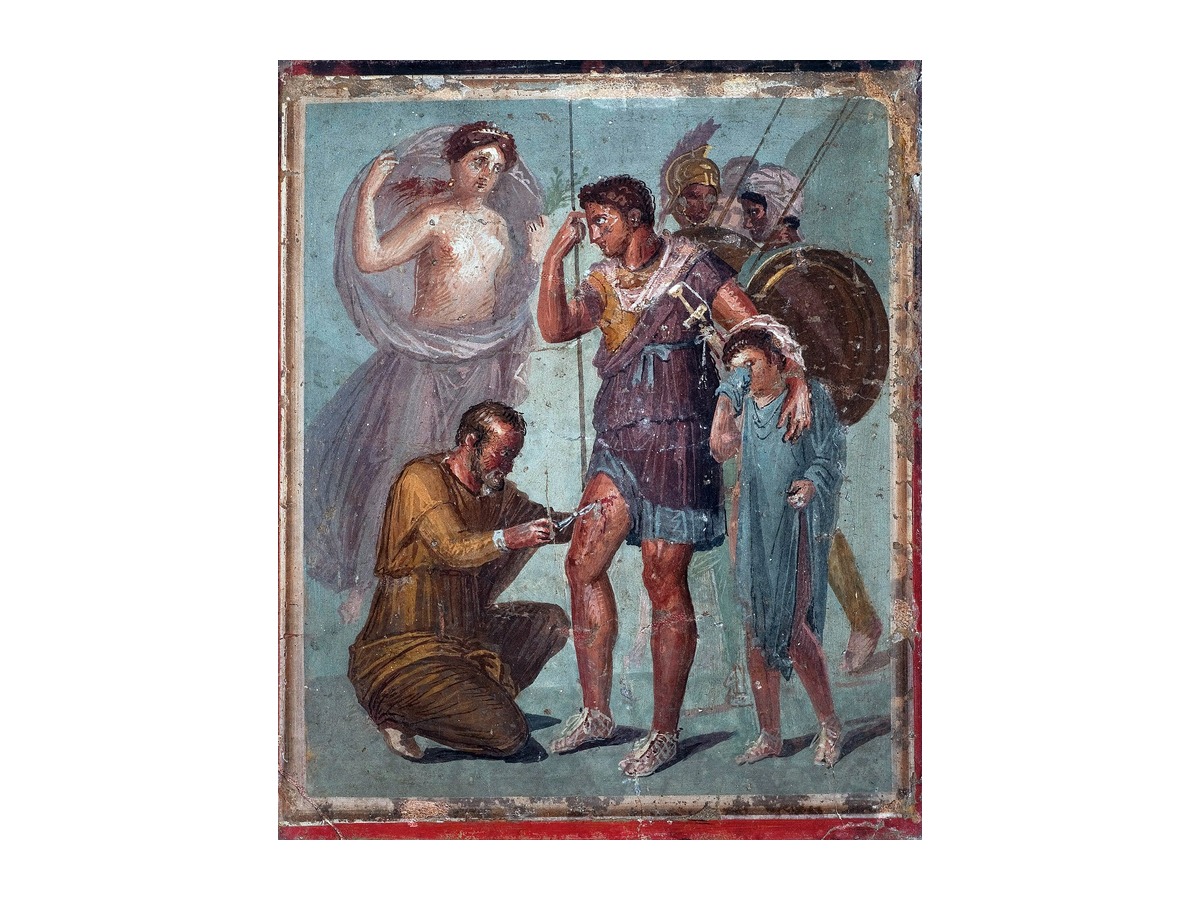
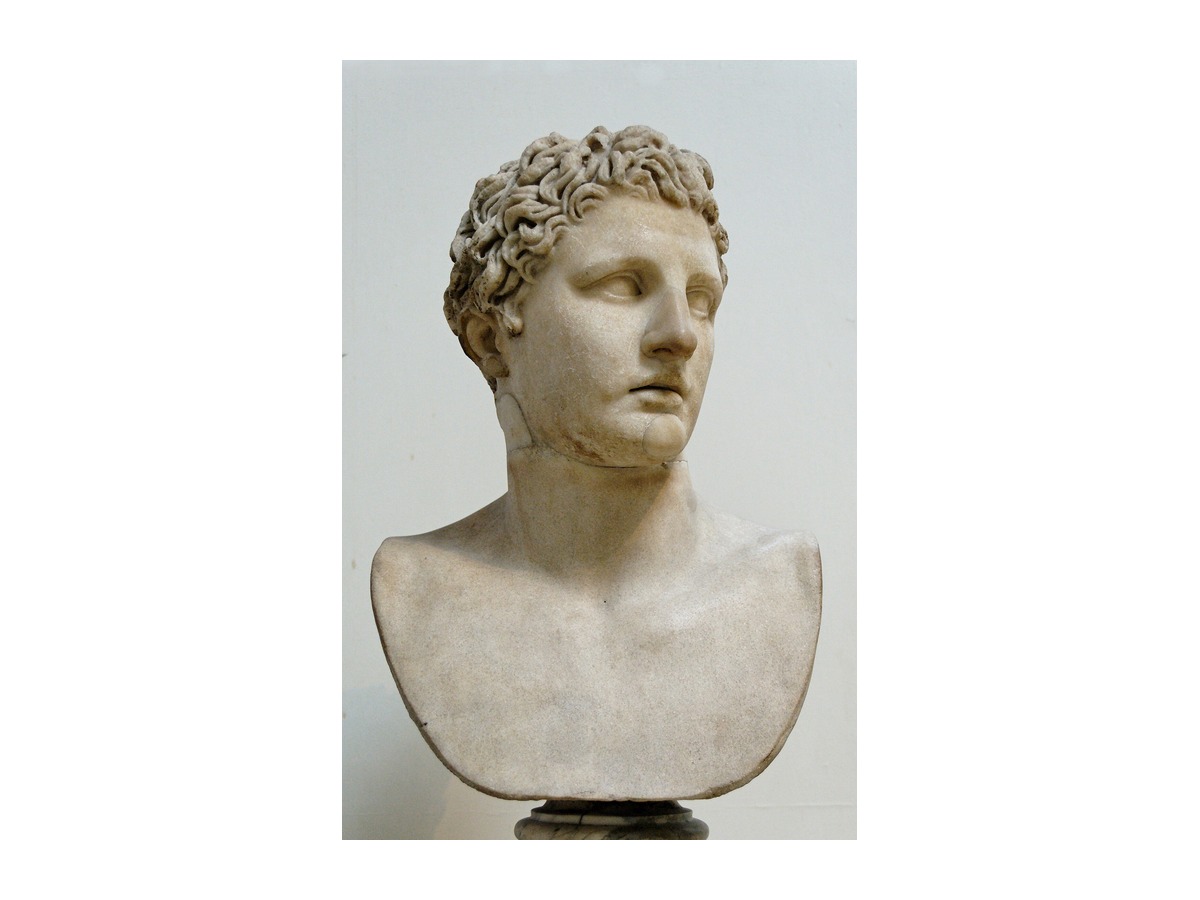
Greek Heroes Who Walked Between Divine Help and Curse
Collection Literature 2026.08.04

Greek Heroes Who Walked Between Divine Help and Curse

Heroic Tales of Success, Helpers, Hubris, and Failure

The heroes of Greek mythology do not accomplish their tasks solely through innate strength. Perseus uses the shield, shoes, and bag given by gods and nymphs, while Jason relies on Medea's knowledge and magic. Bellerophon needs Pegasus, and Theseus would have found it difficult to escape the labyrinth without Ariadne's thread. Removing the helper erases half of the hero's story. We compare the names and contexts of events from Heracles to Meleager.

The choices following success are also important. Theseus kills the Minotaur but leaves an irreversible wound on Ariadne and his father. After obtaining the Golden Fleece, Jason abandons Medea, and Bellerophon falls after attempting to ascend to Olympus. A hero's abilities and character are not the same, and the completion of a task does not guarantee a happy ending. We do not assume that the most familiar version is the sole story of all time.

This list introduces notable heroes, excluding Odysseus, by dividing them into tasks, helpers, mistakes, and outcomes. It also examines how cities and states connect heroes to their origins without automatically justifying violence and plunder as courage. This is structured to read as a narrative that emphasizes human limits and choices rather than perfect role models. We explore the roles of the original texts and the images added by later cultures.
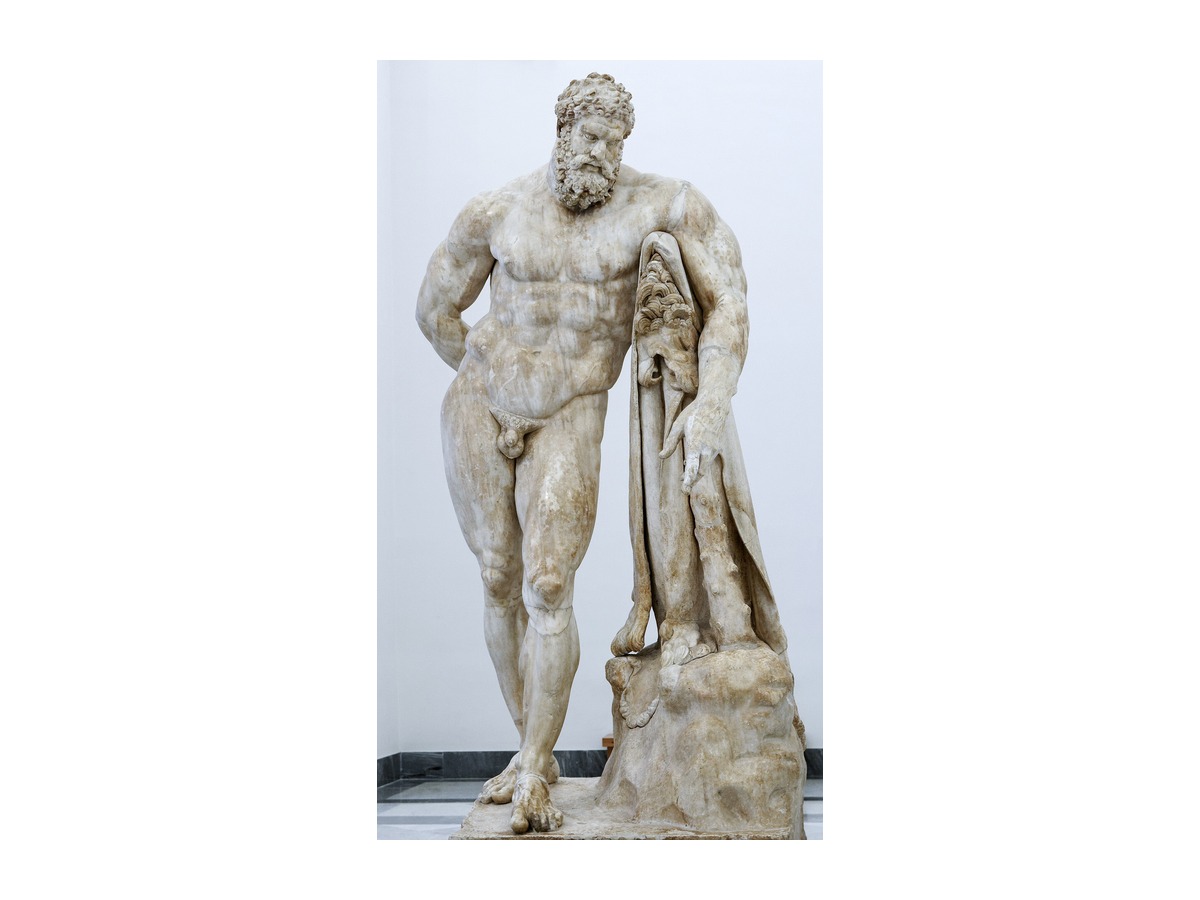
Hercules
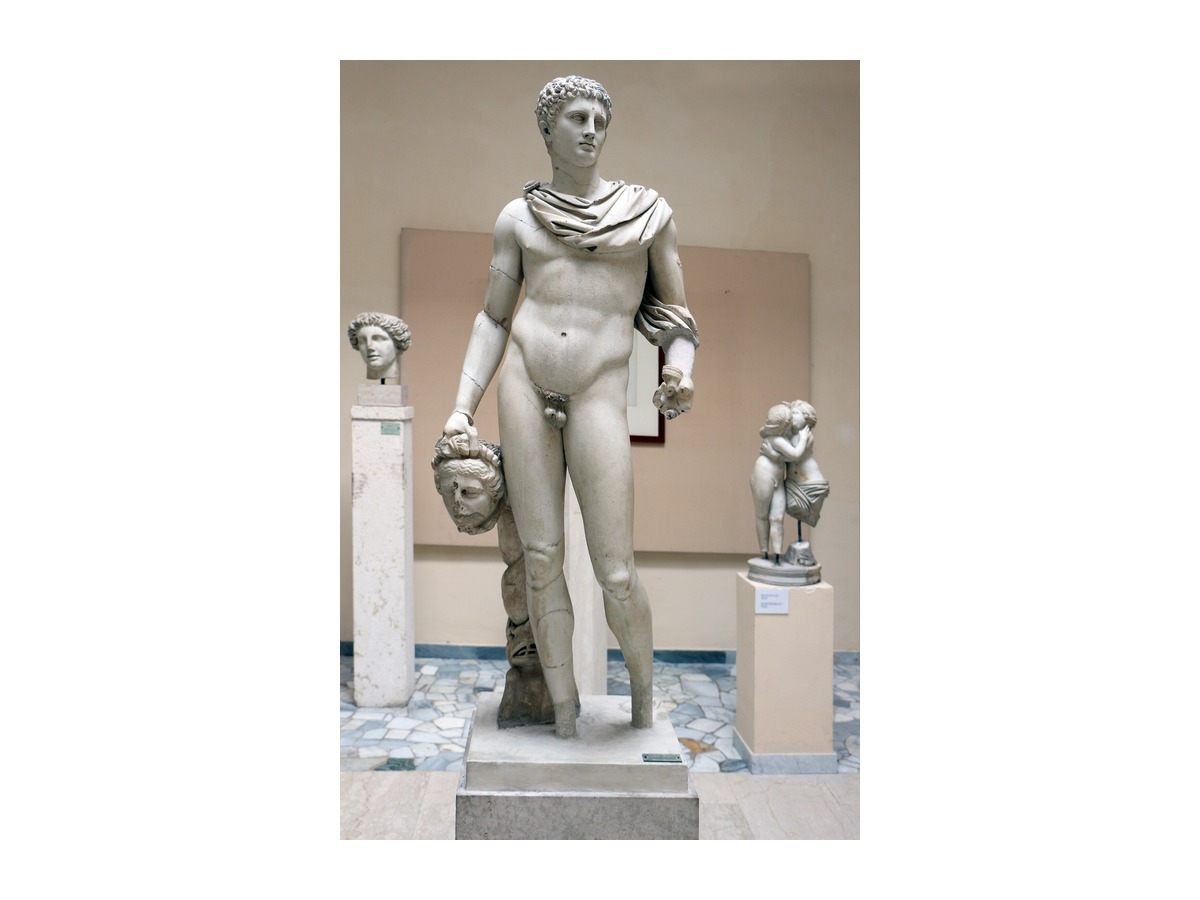
Hercules

Heracles is a hero who, after killing his family in a fit of madness, performs twelve labors to atone. He suppresses threats such as the Hydra, the Nemean Lion, and Cerberus, but also creates new tragedies through rage and violence. He is widely worshipped in Rome as Hercules and has become a symbol of strength and overcoming adversity. To truly understand the hero's image, we must look at both his successes and the damages caused.
Perseus

Perseus

Perseus receives the command to bring back Medusa's head and uses the tools provided by Athena, Hermes, and the nymphs to accomplish his task. On his way back, he saves Andromeda, but the story of Medusa is interpreted differently over time as a tale of monster slaying and the sacrifice of women. We view victory not as solely a personal ability but consider the differences in assistance and traditions.
Theseus

Theseus

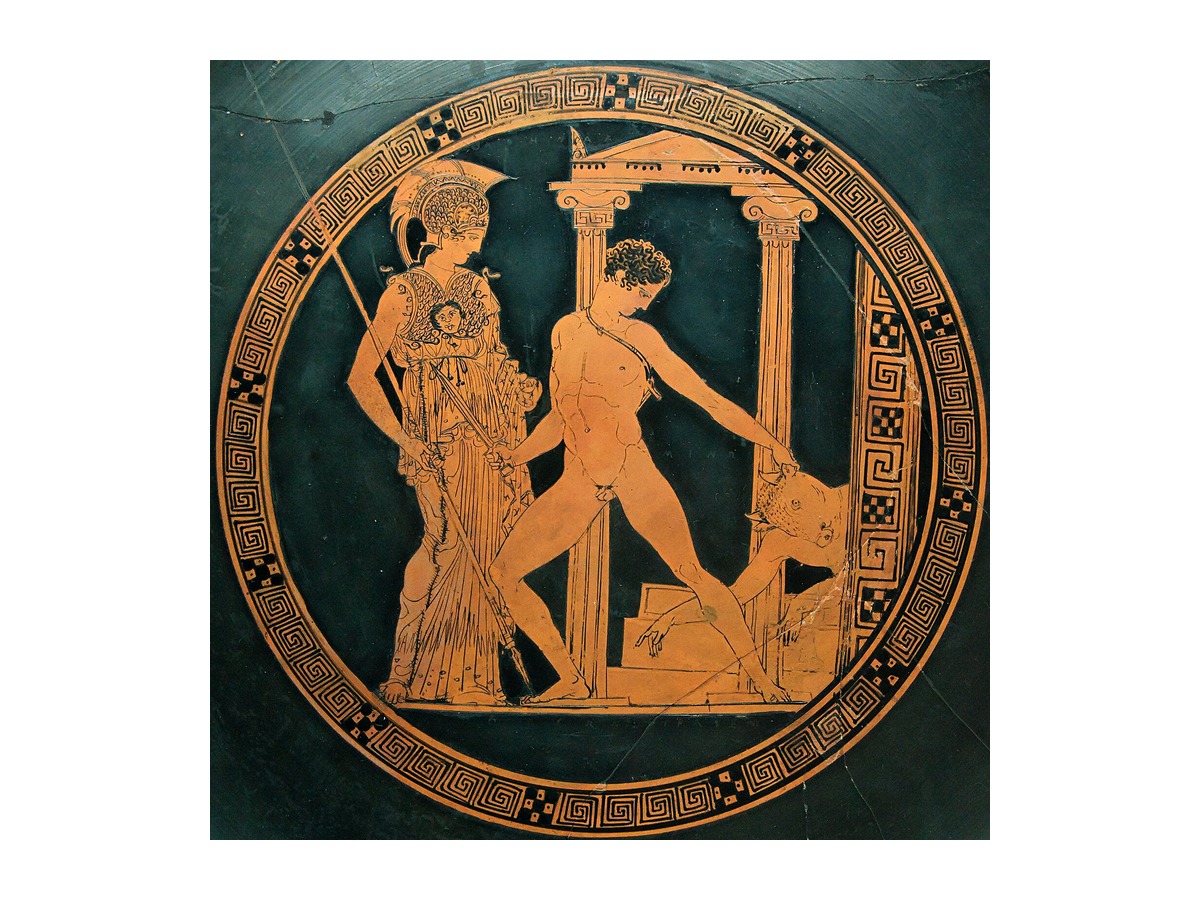
Theseus uses Ariadne's thread to kill the Minotaur in the maze and becomes the hero of Athens. However, on his way back, he forgets to keep his promise to raise white sails and leaves Ariadne behind, leading to the death of his father Aegeus. We examine both the glory of the city hero and his personal relationships' failures. We examine both the glory of the city hero and his personal relationships' failures.
Jason

Jason

Jason leads the Argonauts to retrieve the Golden Fleece to reclaim his usurped throne. Completing the task would have been difficult without Medea’s magic and betrayal, but tragedy begins when he abandons her upon their return. We evaluate the choice made by the expedition leader by separating his fame and the use of his helper.
Atalanta

Atalanta

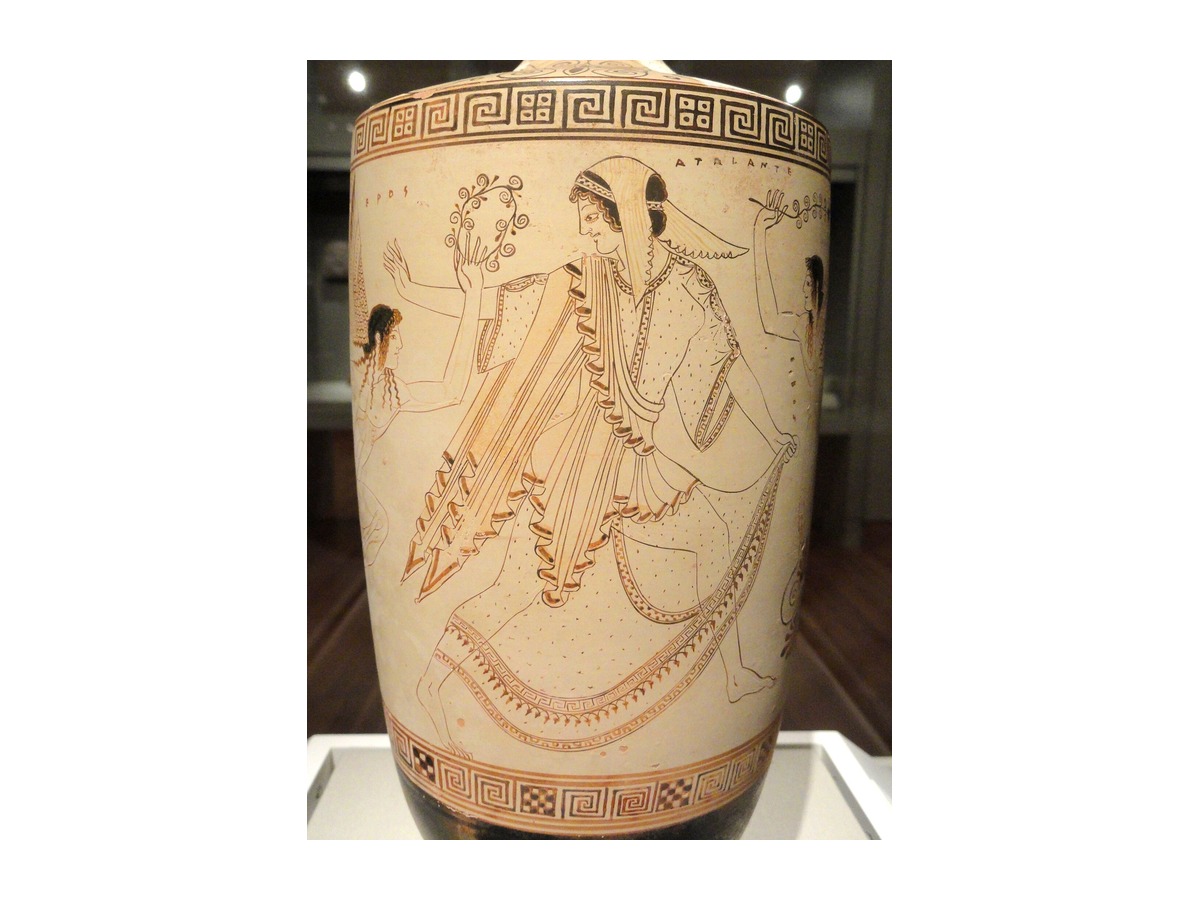
Atalanta is an exceptional hunter and runner who appears in the hunt for the Calydonian Boar and the Argonauts' adventure. To avoid marriage, she declares that she will only accept as a spouse the one who can beat her in a race, but Hippomenes wins with Aphrodite's golden apples. We explore the abilities of the female hero and the controlling structure surrounding marriage.
Orpheus

Orpheus

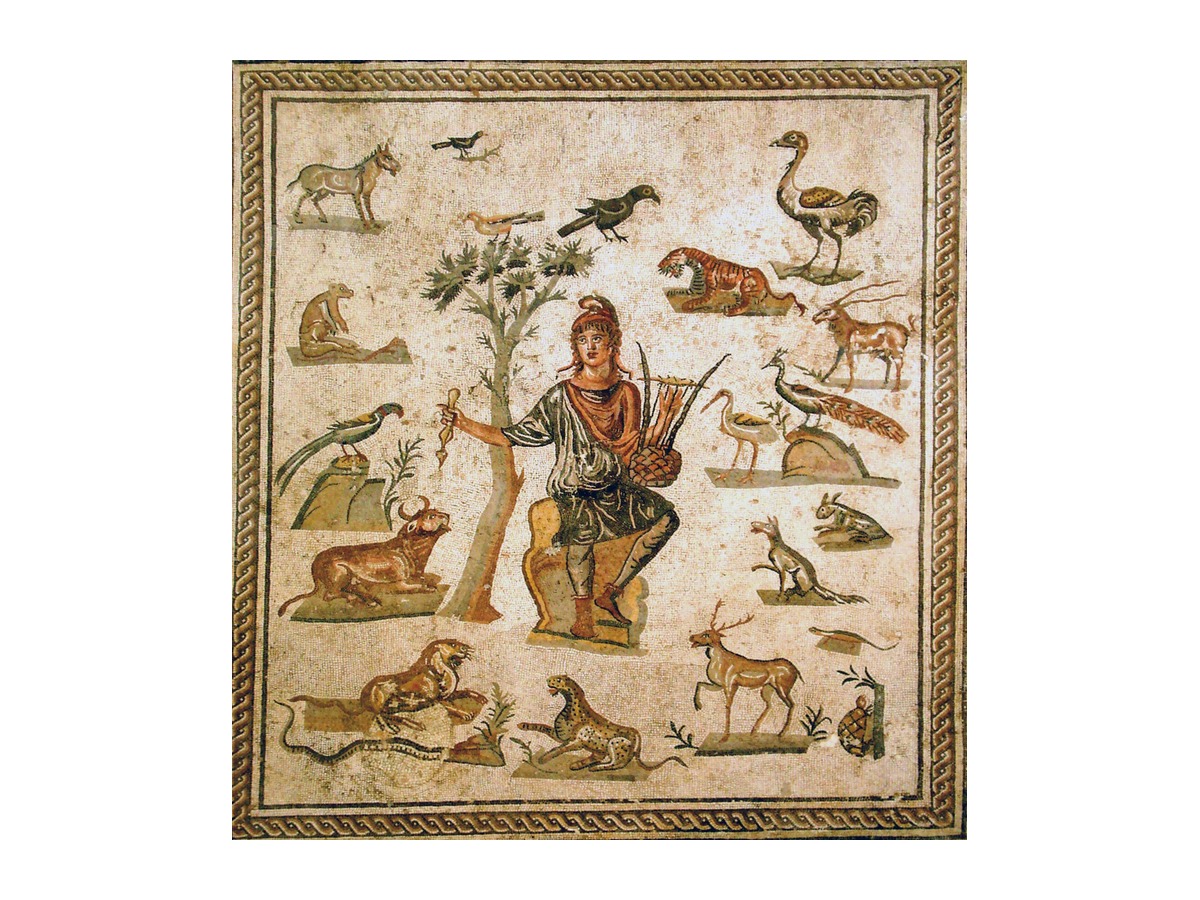
Orpheus is a poet who moves nature and even the deities of the underworld with his music; he descends to Hades to bring back his deceased wife Eurydice. However, he fails to keep the condition of not looking back, losing her once again. We see not only the greatness of love but also the themes of distrust, anxiety, and irreversible choices.
Bellerophon

Bellerophon

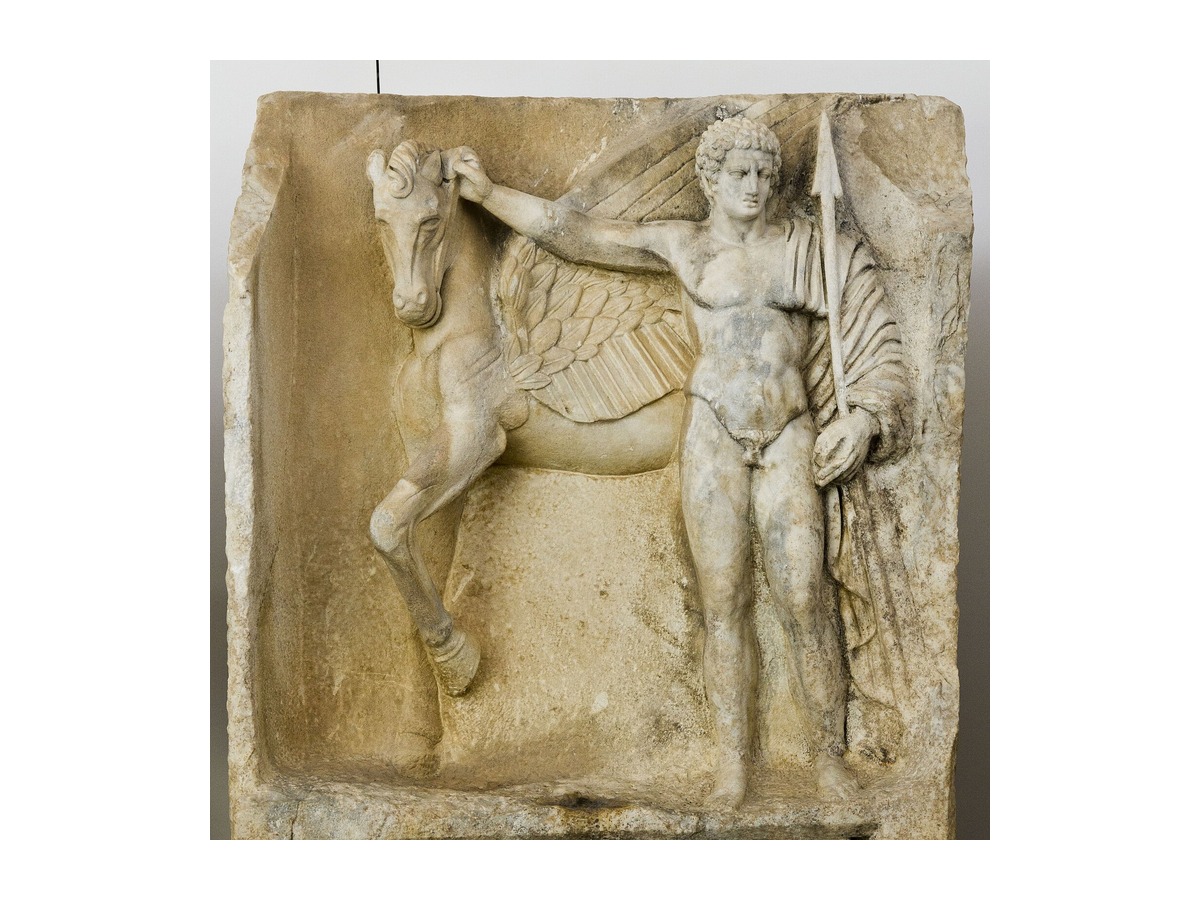
Bellerophon, with the help of the winged horse Pegasus, defeats the fire-breathing Chimera and wins numerous battles. However, his hubris in attempting to fly to Olympus leads to his downfall and wandering. The desire for ascension following monster-slaying serves as a cautionary tale in the hero's narrative.
Cadmus

Cadmus

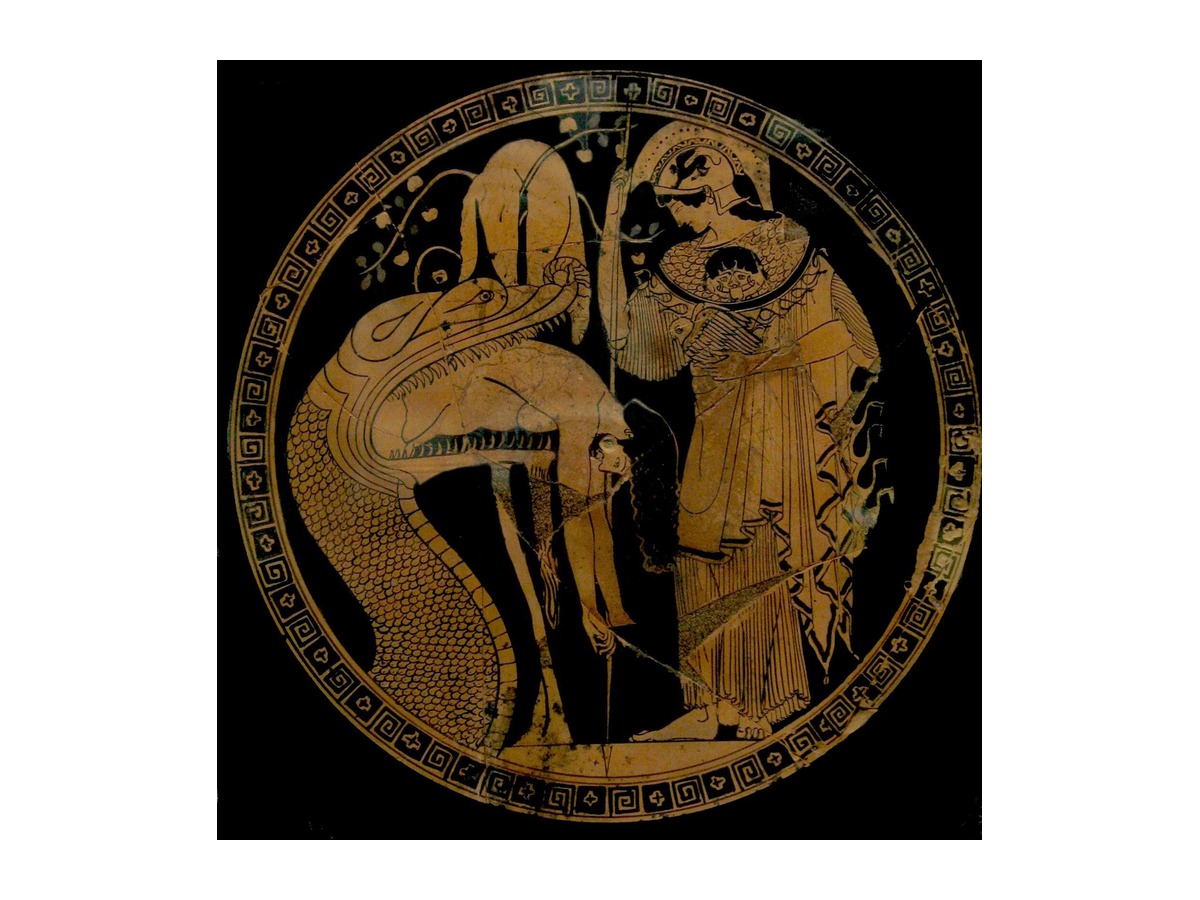
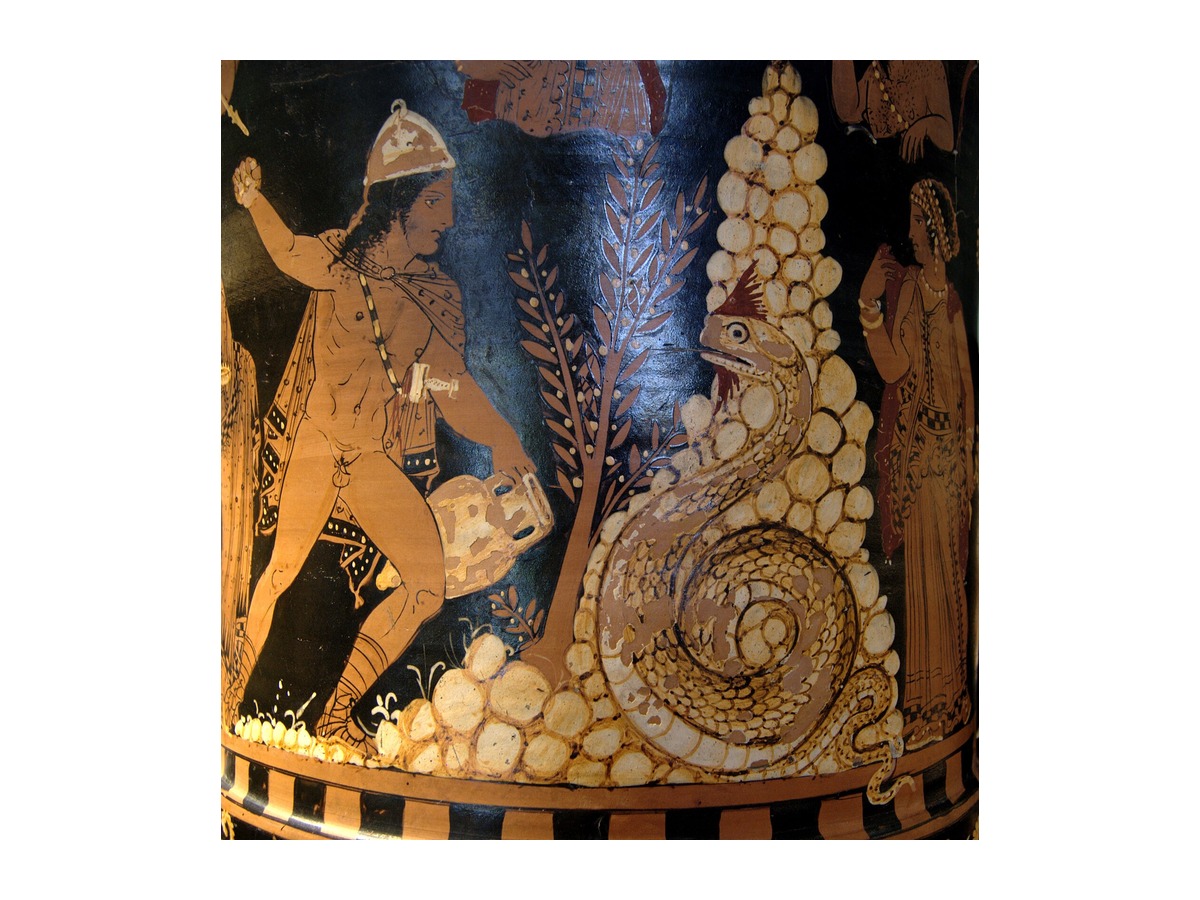
Cadmus searches for his missing sister Europa, builds Thebes according to a prophecy, and slays a dragon. He then sows the dragon's teeth into the ground, birthing armed Spartoi. However, since the dragon is connected to Ares, a long tragedy ensues for his family. The achievements of the city-building hero rest on a foundation of violence and curse.
Oedipus

Oedipus

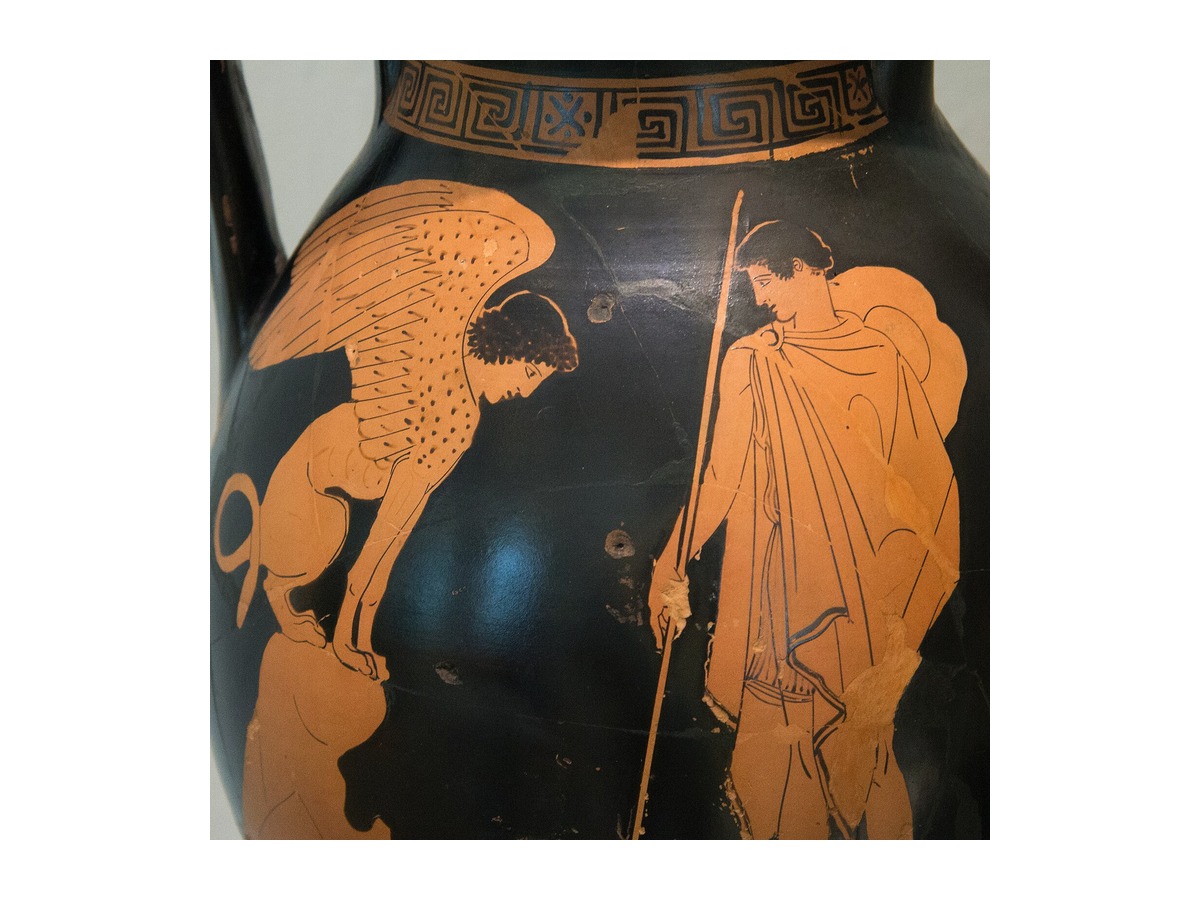
Oedipus solves the Sphinx's riddle to save Thebes but unwittingly fulfills a prophecy that he will kill his father and marry his mother. The family's choices to avoid the truth combined with his relentless pursuit of the cause create a tragedy. We center the reading around the price of knowledge and responsibility rather than just the victory over the riddle.
Achilles

Achilles

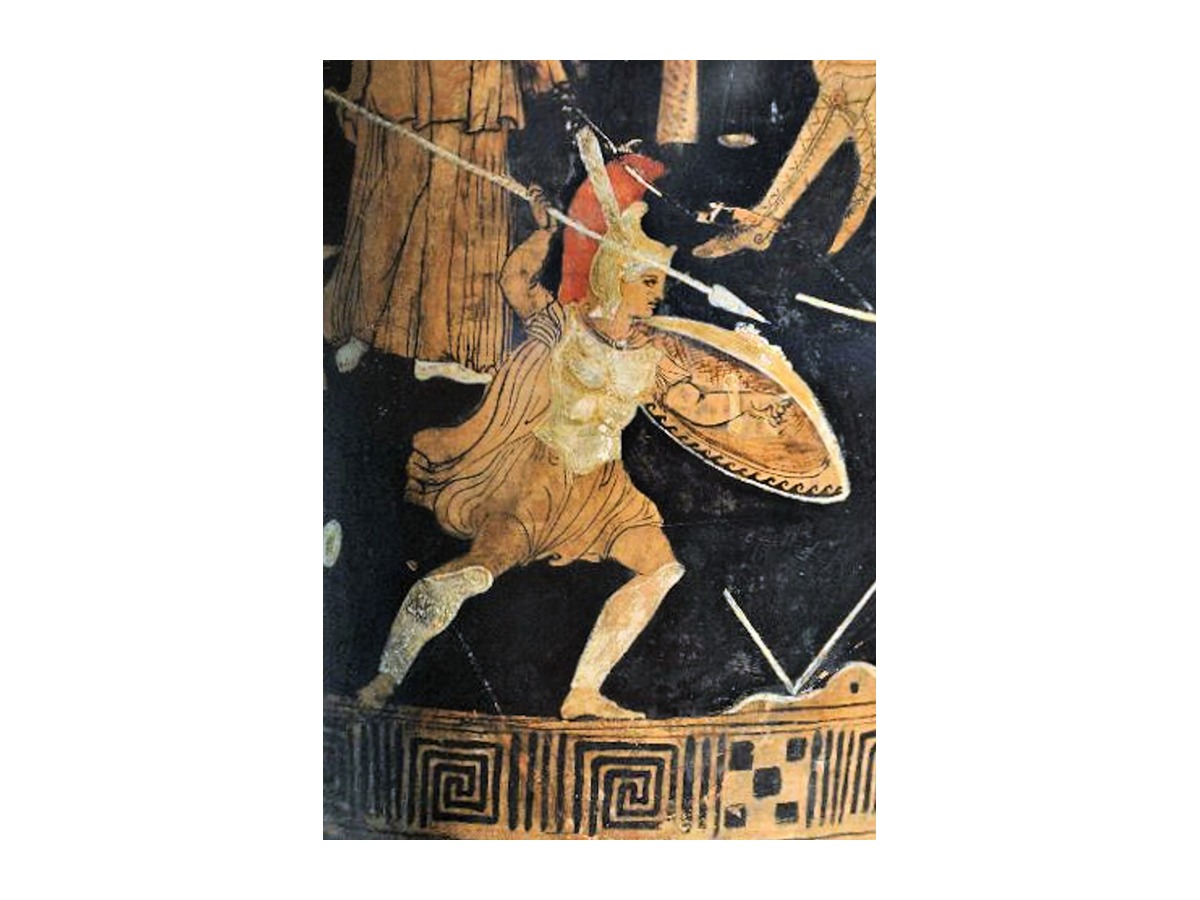
Achilles is the central hero of the Iliad, possessing overwhelming combat abilities, but he refuses to fight due to a conflict with Agamemnon. After the death of Patroclus, he returns to kill Hector and desecrates his body, regaining his humanity in front of Priam's mourning. Bravery, rage, loss, and compassion collide in the same individual.
Aeneas

Aeneas

Aeneas escapes the fall of Troy, taking his father and son with him to seek a new home. In Virgil's Aeneid, he expands to be the ancestor of Roman origins. Choosing fate and national duty over personal love leads to the tragedy of Dido. We differentiate between the characters of Greek war heroes and the heroes of Roman foundation.
Meleager

Meleager

Meleager leads the hunt for the Calydonian Boar and attempts to give the hide to Atalanta for successful first strikes, but he becomes embroiled in family conflict. In a tradition where his life is linked to the firewood of the hearth, he dies due to his mother Althaea’s choice. We observe the transformation process of heroic hunting into a clash of family, honor, and gender roles.

When the stories of heroes are placed side by side, there are many scenes where relationships outweigh strength and wisdom in determining outcomes. Heracles needs Iolaus, Perseus needs Athena and Hermes, and Jason needs Medea and his Argonaut companions. If only the name of the victor remains, those who provided help and shared risks easily get pushed to the background. We explore the roles of the original texts and the images added by later cultures. We explore the roles of the original texts and the images added by later cultures.

A hero's flaws often form the core of the story rather than being blemishes added by later generations. Achilles' rage, Bellerophon's hubris, Theseus' forgetfulness, and Oedipus' pursuit of truth create their own greatness and catastrophes. Instead of separating success and failure with scores, let’s observe how the same character can produce different outcomes under various circumstances. We do not assume that the most familiar version is the sole story of all time. We do not assume that the most familiar version is the sole story of all time.

When reading mythology again, it can be helpful to jot down ‘what was achieved’ alongside ‘whose help was received and who paid the price’. Behind significant achievements like the founding of cities, monster defeats, and the restoration of thrones lies the loss of family and helpers. By adding that question, ancient hero tales transform from mere lists of victories into stories that examine responsibilities and memories. We compare the names and contexts of events from Heracles to Meleager.

댓글 0

로그인 후 댓글을 작성할 수 있습니다.

첫 댓글을 남겨보세요.

이런 리스트는 어때요?

이런 리스트도 추천해요

🎲

여기서 멈추기엔 아쉽잖아?

다음에 뭘 볼지 고민하는 시간이 제일 아까워.
주사위가 대신 골라줄게 — 무슨 리스트가 튀어나올지는 굴려봐야 알지.
안 누르면… 평생 궁금하지 않겠어? 👀

All menu
Login required
Log in
Categories
Language
Display mode

Drum roll… picking a list!

모하지
Use Mohazi as an app
Open it from your home screen and browse faster.
On iPhone, tap the Share button at the bottom of Safari, then choose “Add to Home Screen” to use it like an app.