Greek and Roman Myths in the Names of Constellations and Planets
A celestial story that distinguishes the mythological naming background from IAU constellations and NASA planet information
The night sky is filled with constellations named after mythological figures like Andromeda, Perseus, and Cassiopeia. However, constellations are not clusters of stars that are physically close together; they are regions of the sky defined from the perspective of Earth. The International Astronomical Union (IAU) uses 88 official constellations and boundaries, and mythological depictions serve as cultural interpretations to remember and narrate those areas. This piece compares the names and contexts of events from Andromeda to the planet Neptune.
Planet names also carry the legacy of Roman gods. Mercury, Venus, Mars, Jupiter, Saturn, and Neptune are linked to Mercurius, Venus, Mars, Jupiter, Saturnus, and Neptunus, respectively. The brightness, color, and motion of planets influenced the choice of names, but the characteristics of the deity do not explain the scientific reasons behind the planet's atmosphere, orbit, and surface. It does not assert that the most familiar version is the only story from all times.
This list explains nine official constellations and six planets, dividing them by mythological naming background and astronomical classification. The interpretations of astrology and observational science are kept separate. While enjoying the stories of constellations, this guide places two types of knowledge side by side, allowing you to confirm the actual distances and physical properties of celestial bodies through IAU and NASA materials. It explores the role of original texts and the images later cultures added.
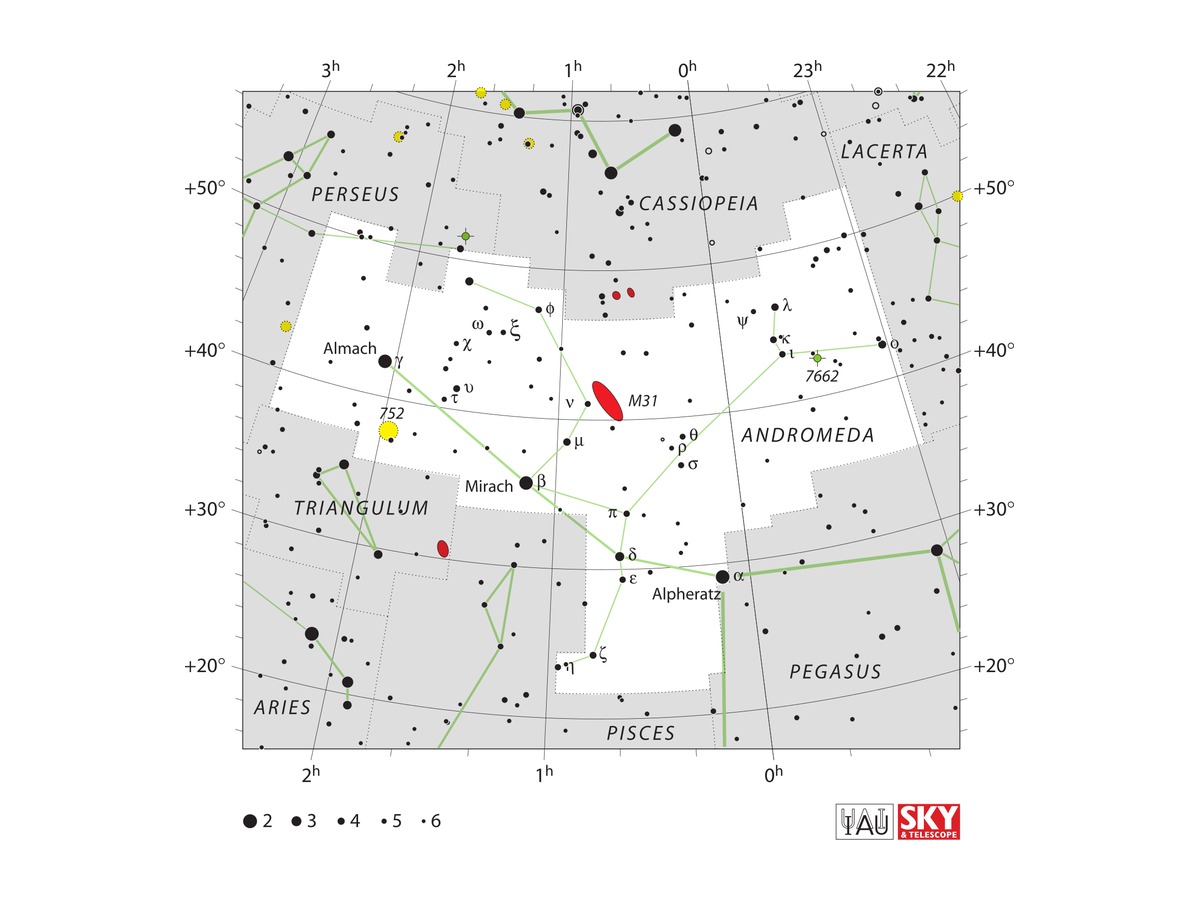
Andromeda (안드로메다자리)
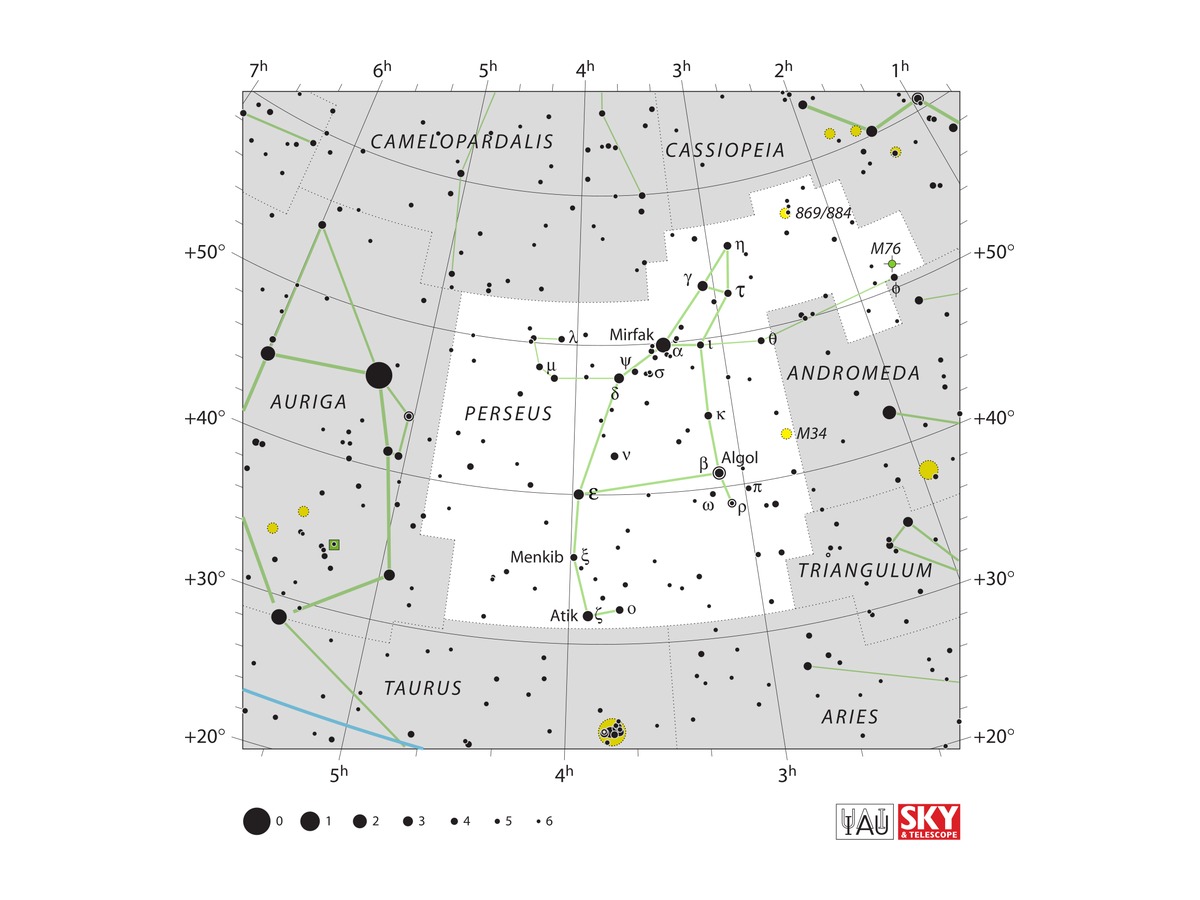
Perseus (페르세우스자리)
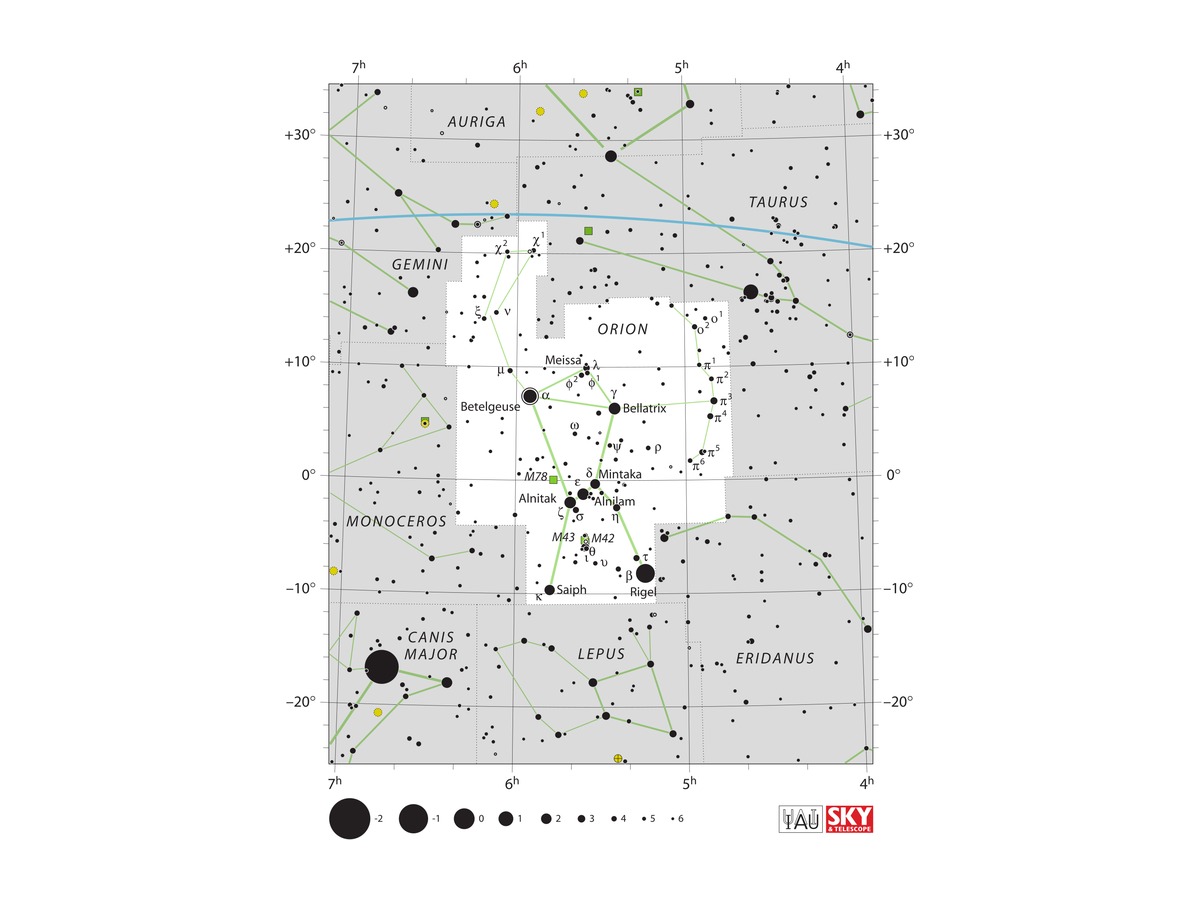
Orion (오리온자리)
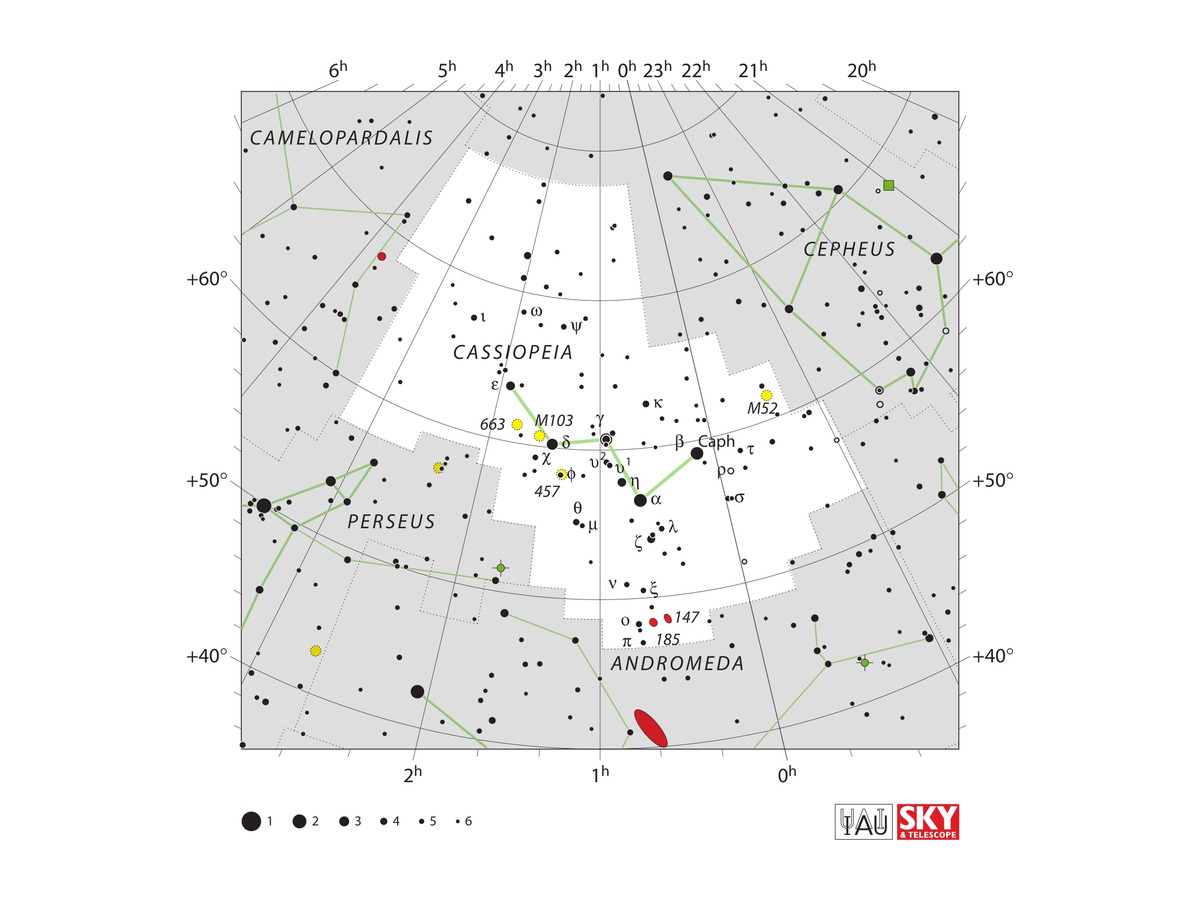
Cassiopeia (카시오페이아자리)
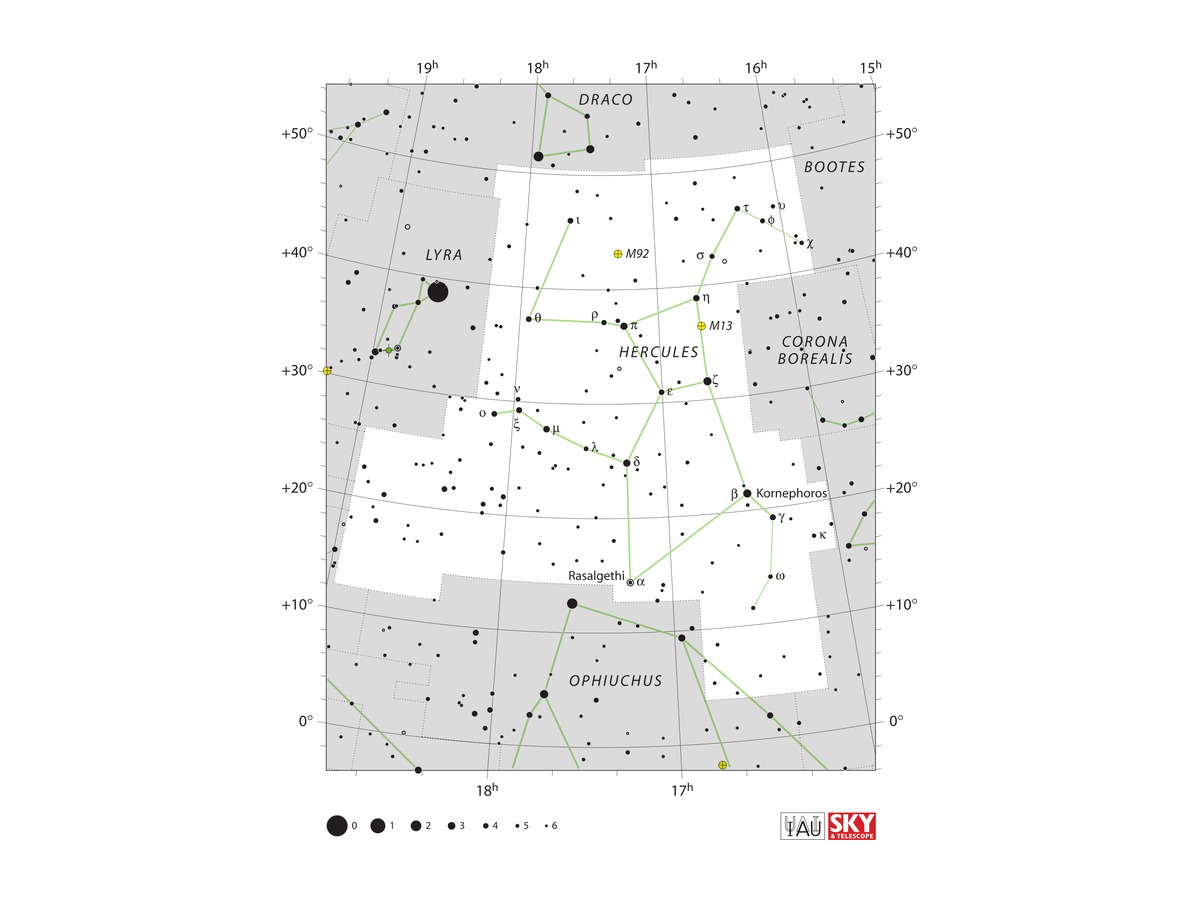
Hercules (헤라클레스자리)
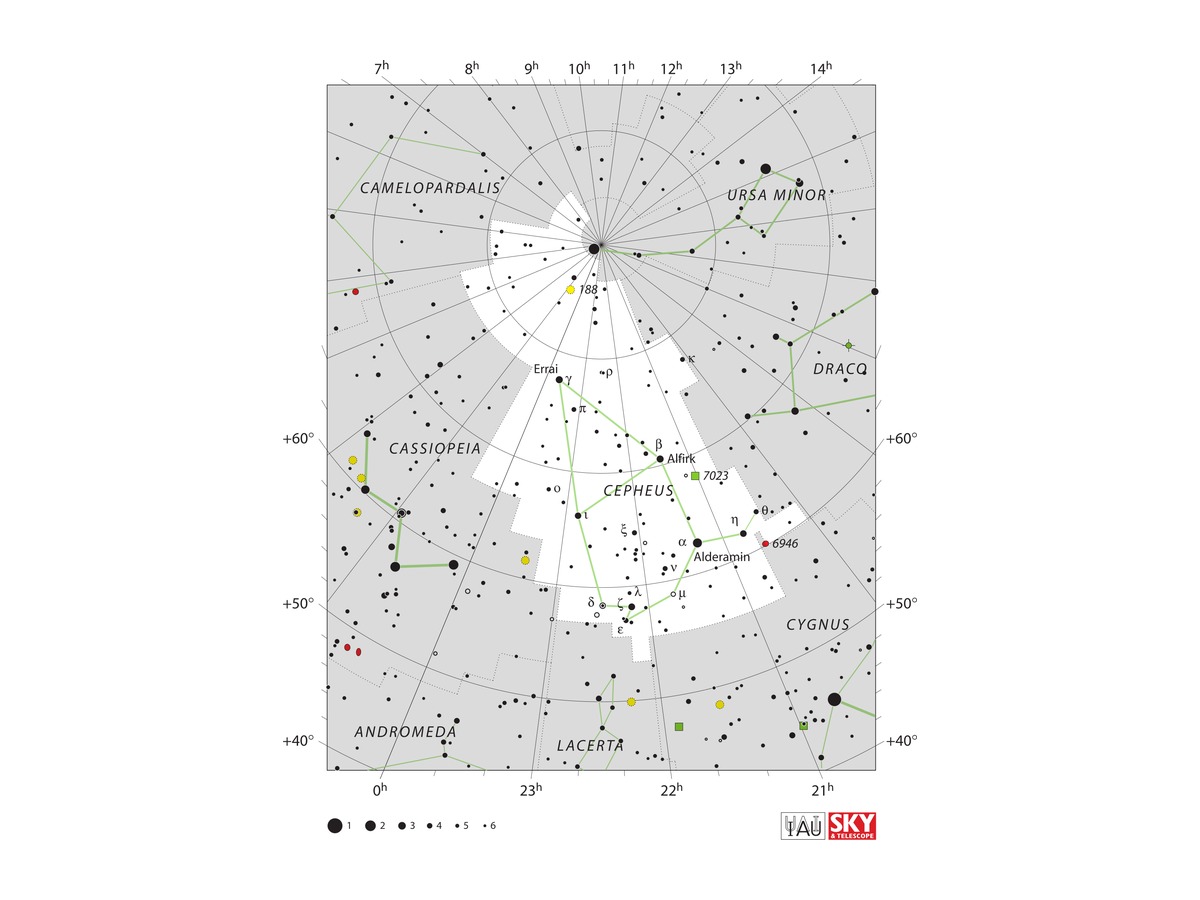
Cepheus (케페우스자리)
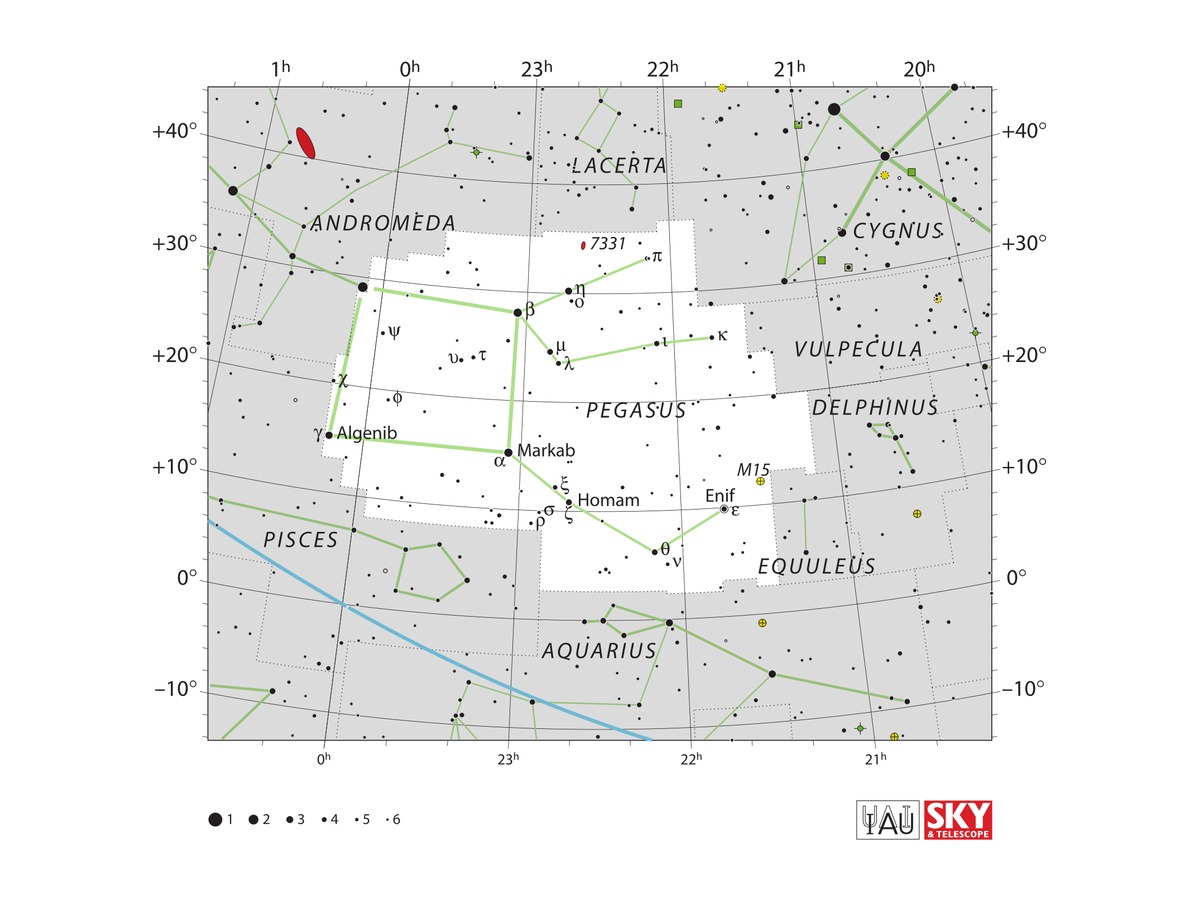
Pegasus (페가수스자리)
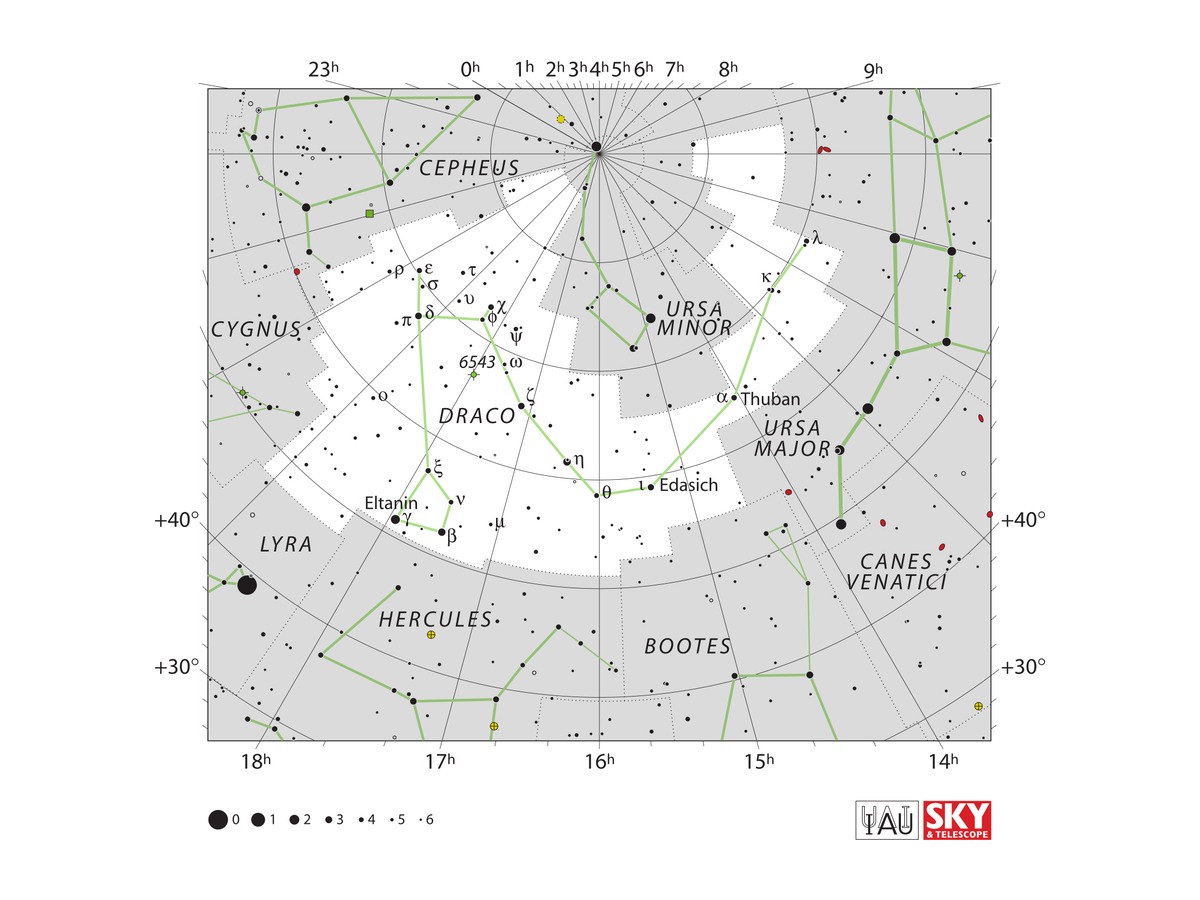
Draco (용자리)
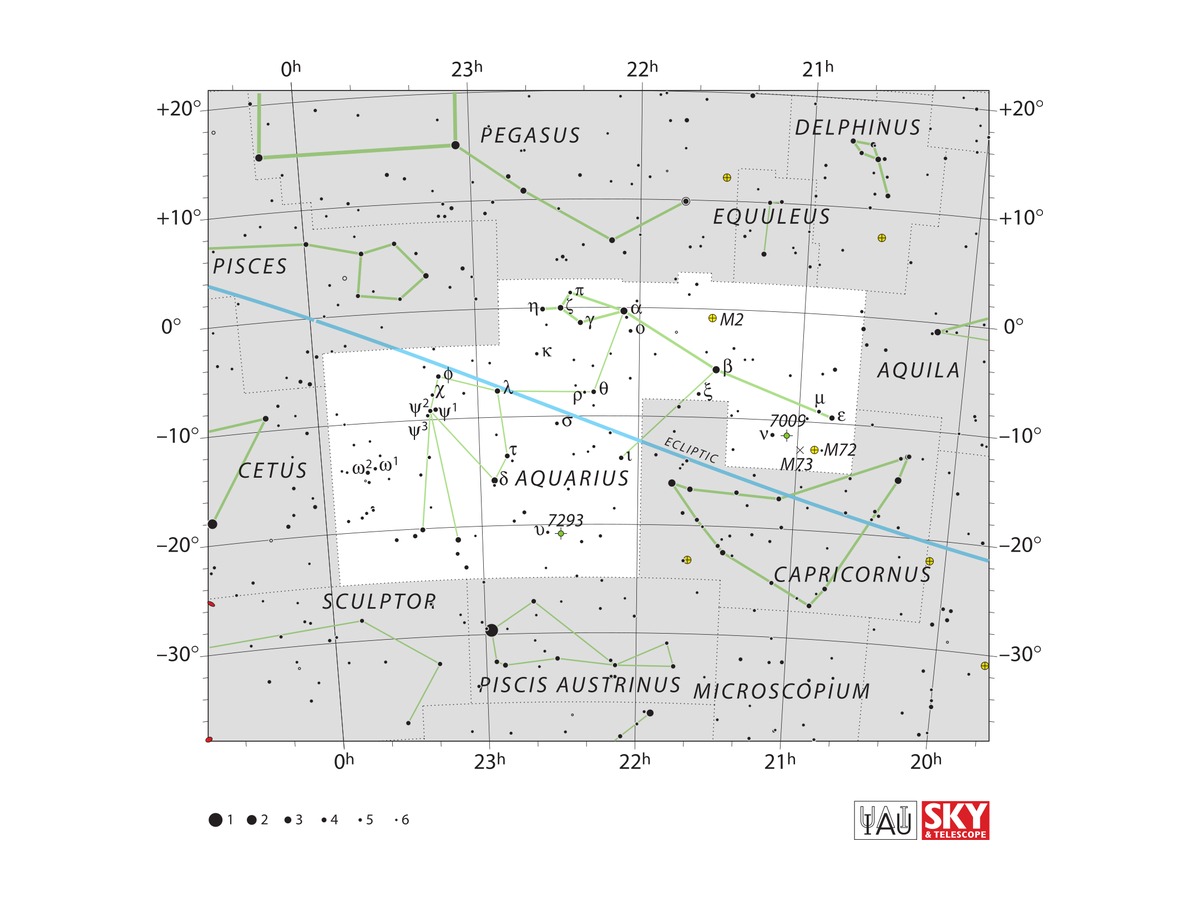
Aquarius (물병자리)
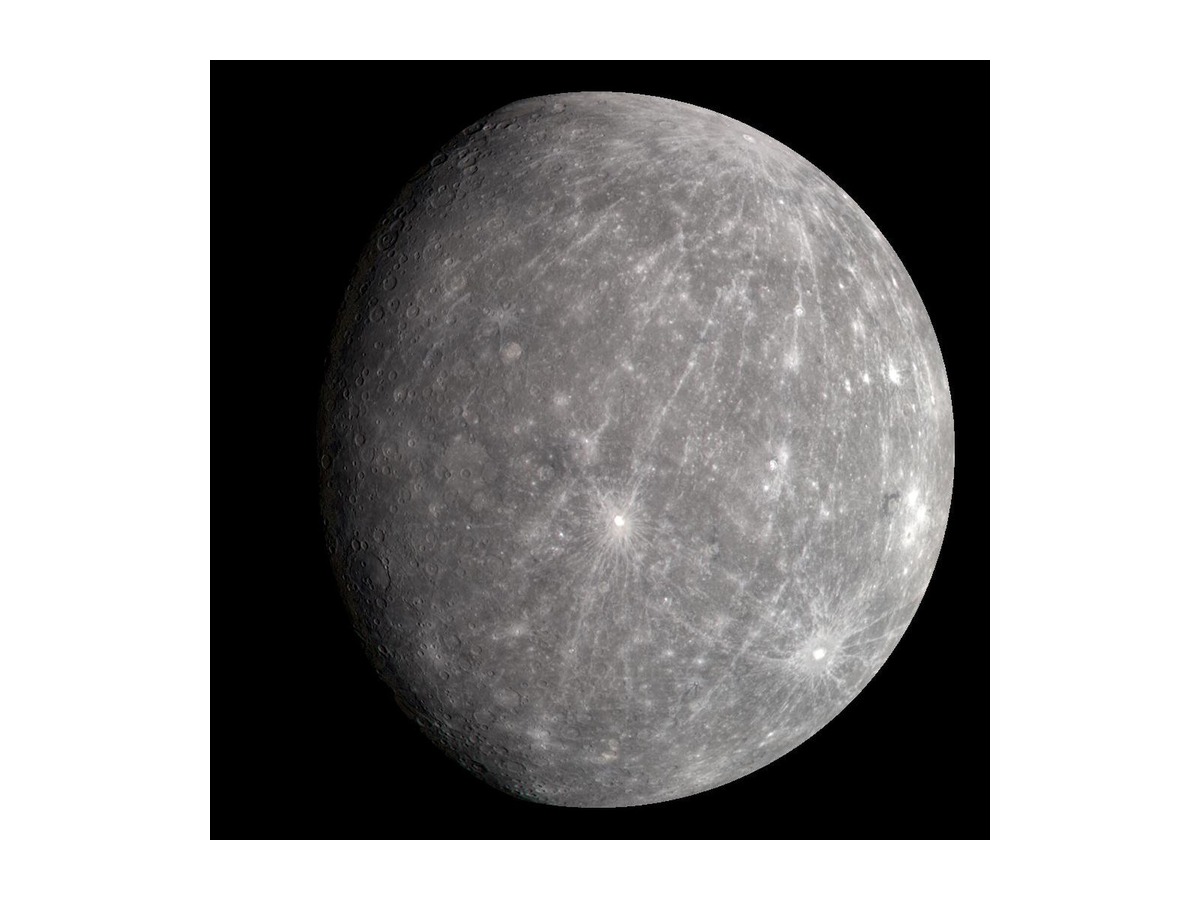
Mercury (수성)
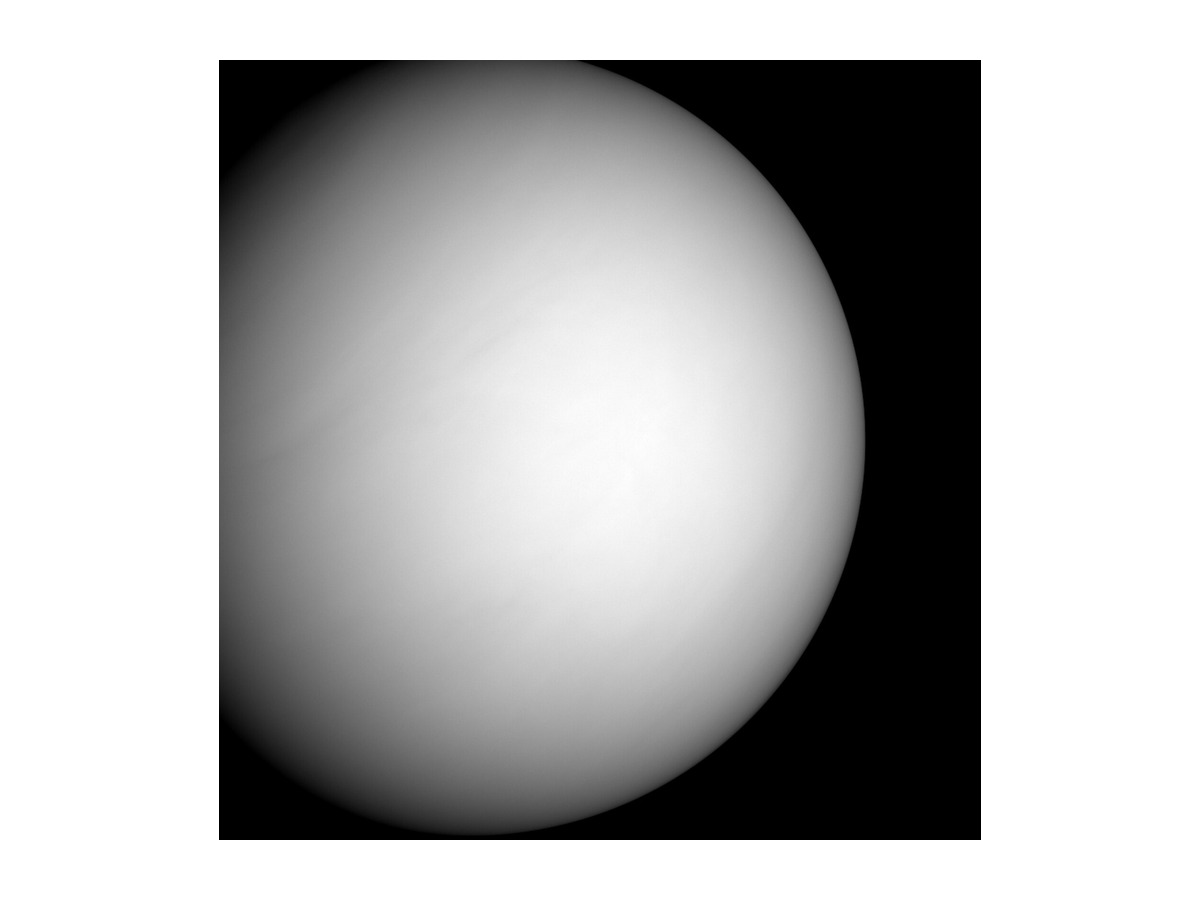
Venus (금성)
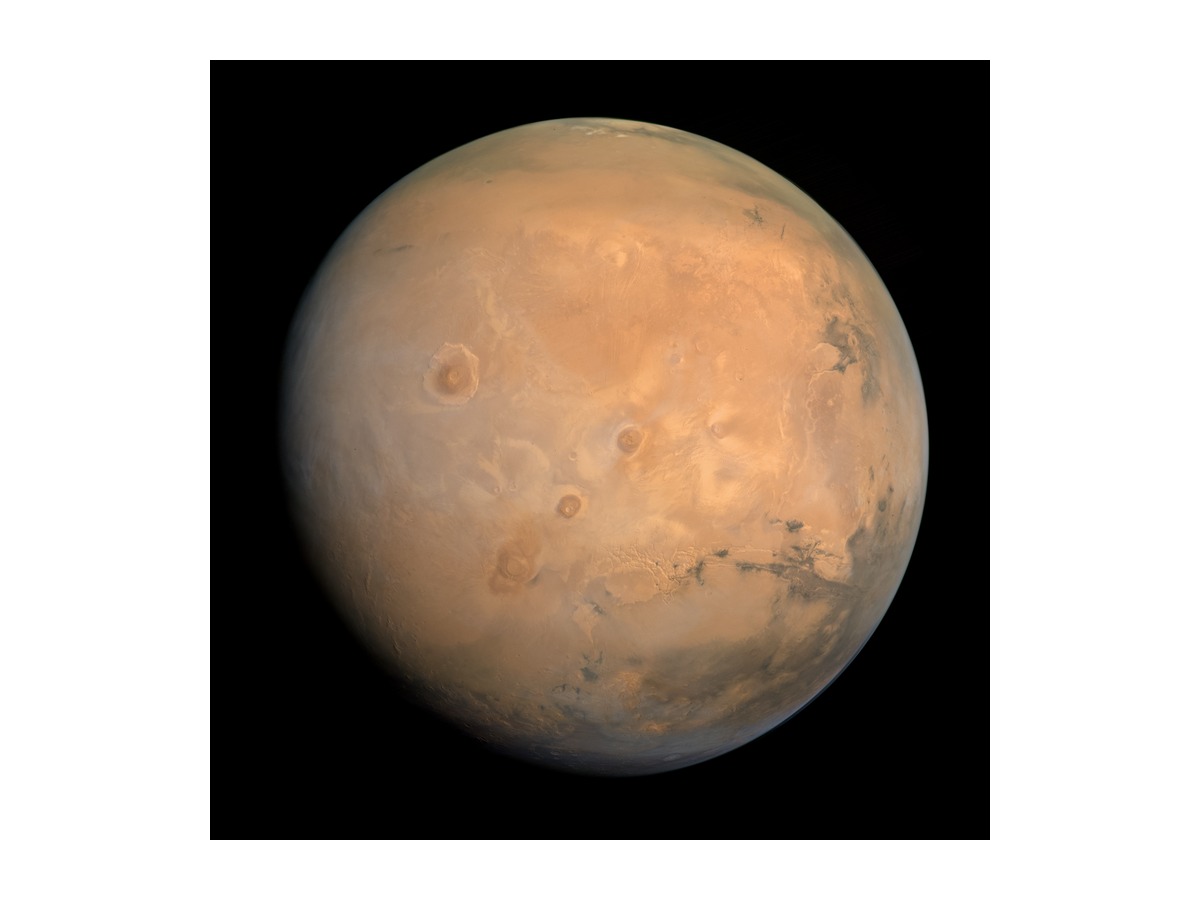
Mars (화성)
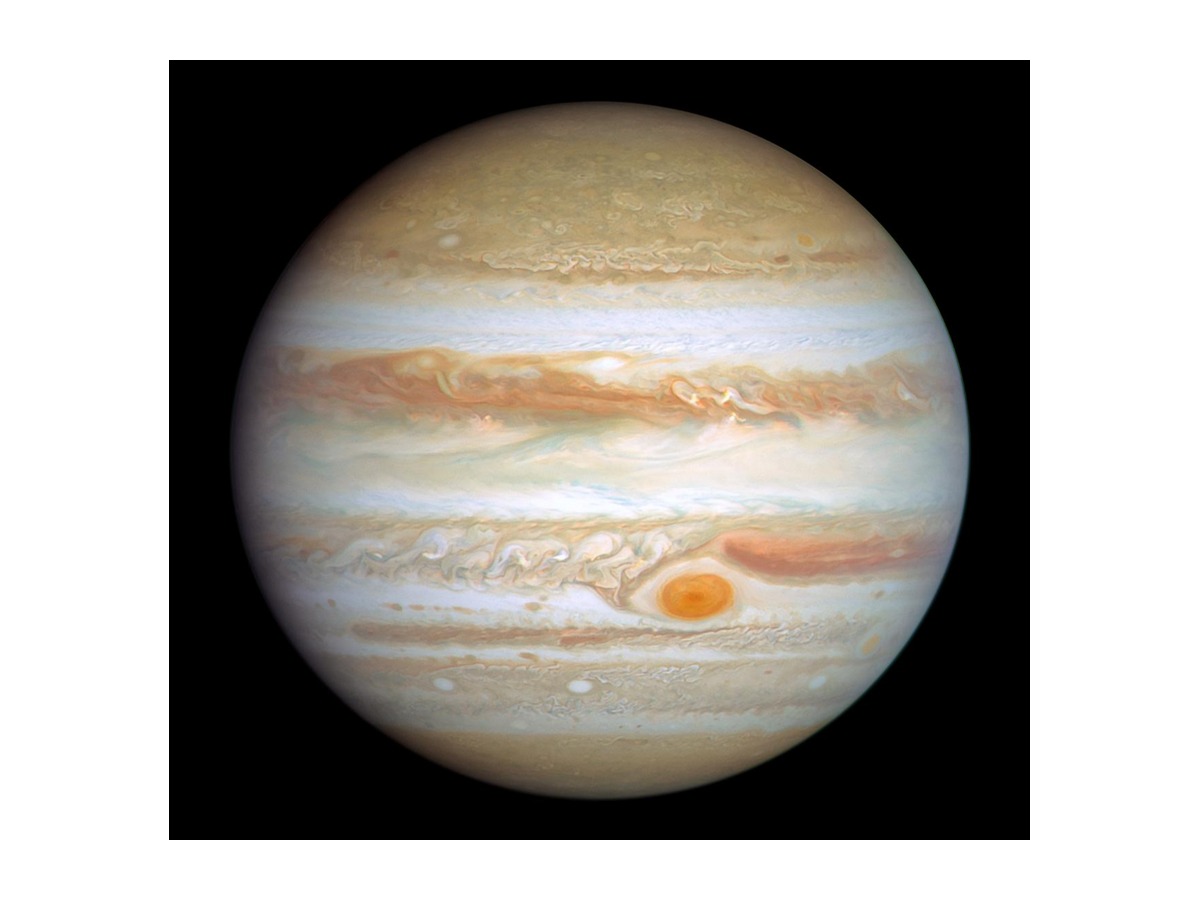
Jupiter (목성)
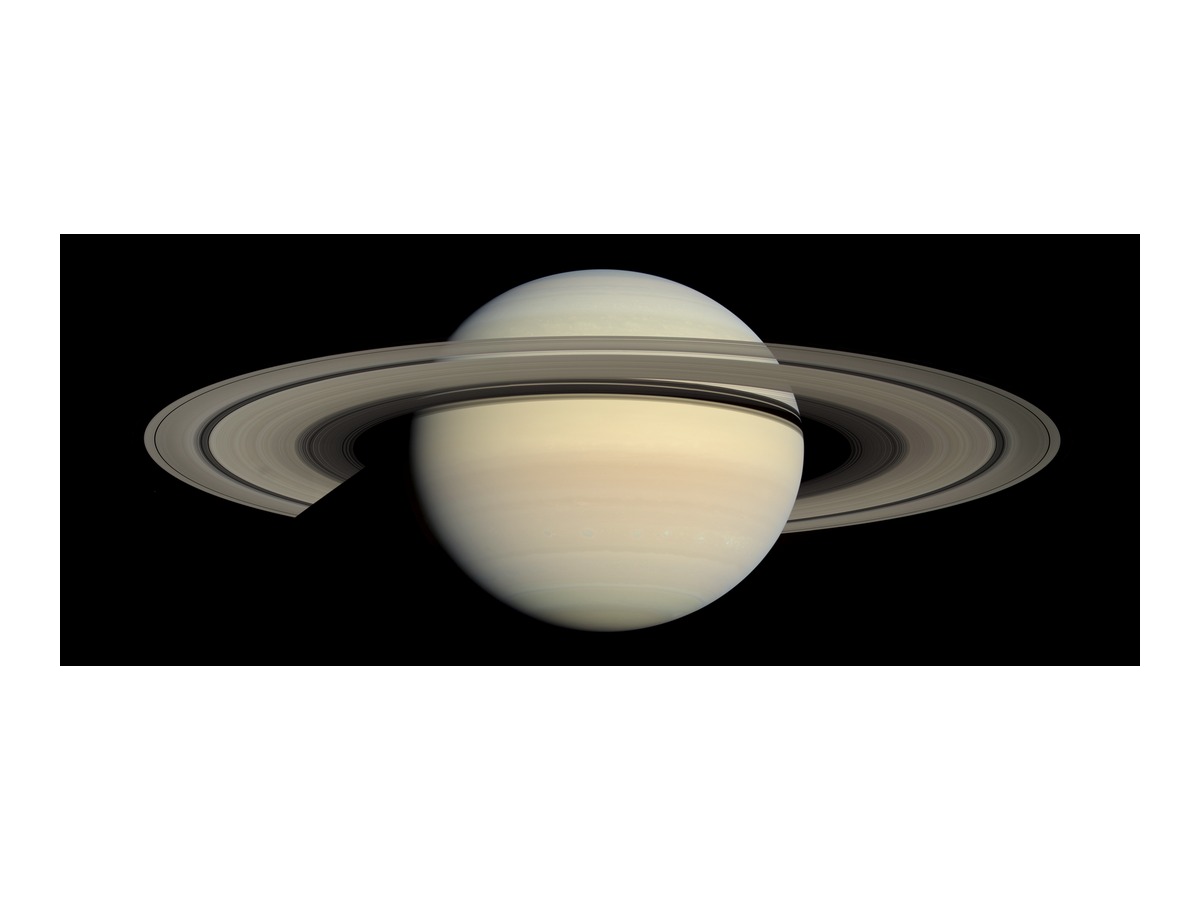
Saturn
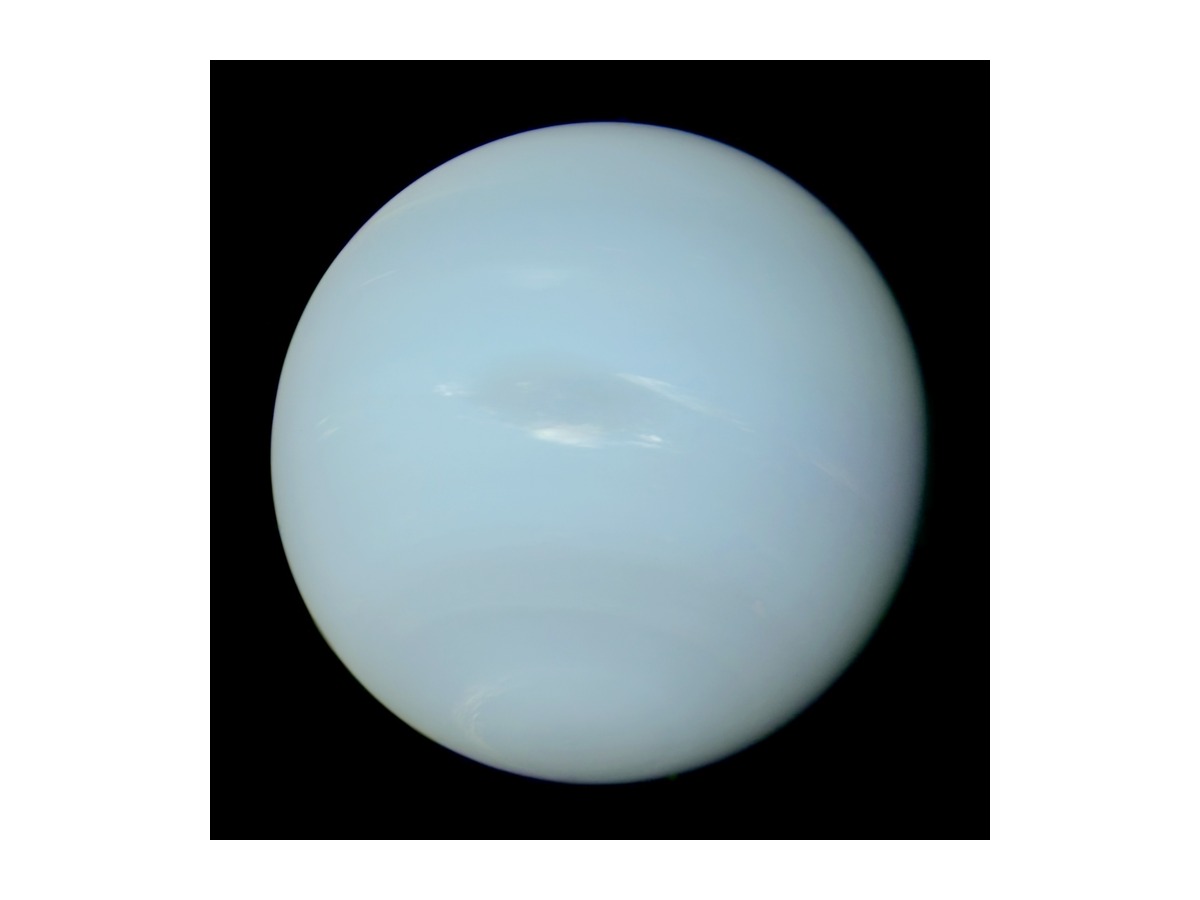
Neptune
Once you understand the names of constellations and planets, the night sky can appear as a vast mythical picture. However, just because Andromeda and Cepheus are neighbors in the sky doesn't mean the stars are actually close together as a family. Constellations are a promise that divides observation directions, and each star has different distances and properties. Stories help us remember locations but do not replace physical relationships. It explores the role of original texts and the images that later cultures added. It explores the role of original texts and the images that later cultures added.
Planets also need to distinguish between names and characteristics. Mars' red color evokes the war god Mars, but the cause of that color is studied through surface materials. The reason Neptune appears blue is also not just because Neptunus is the god of the sea. Mythology is a cultural history where humans assign meaning to unfamiliar celestial bodies, while planetary science explains that world through observation and calculation. It does not assert that the most familiar version is the only story from all times.
Next time you look at an astronomical app or star map, try to check the official names, mythological stories, and actual observational information in three separate columns. It would be beneficial to examine whether the same name is in the Roman or Greek form and if there are multiple traditions of constellations. By distinguishing the roles of science and mythology without putting them in competition, the night sky becomes a measurable universe while also a cultural space that remembers ancient stories. This piece compares the names and contexts of events from Andromeda to the planet Neptune.
이 포스팅은 쿠팡 파트너스 활동의 일환으로, 이에 따른 일정액의 수수료를 제공받습니다.
댓글 0
로그인 후 댓글을 작성할 수 있습니다.
첫 댓글을 남겨보세요.
이런 리스트는 어때요?


이런 리스트도 추천해요


여기서 멈추기엔 아쉽잖아?
다음에 뭘 볼지 고민하는 시간이 제일 아까워.
주사위가 대신 골라줄게 — 무슨 리스트가 튀어나올지는 굴려봐야 알지.
안 누르면… 평생 궁금하지 않겠어? 👀