Collection
Jazz
2026.09.17
Classic Jazz Organ Albums That Drive the Bass and Harmony
A Collection of Albums Bridging Blues, Soul Jazz, and Post-Bop
The Hammond organ can play melodies and harmonies with its right hand while taking on the bass role with its left hand and pedals, creating a rich sound even in small ensembles. The organ trio, combining guitar and drums, incorporated the sensibilities of church music, blues, and rhythm & blues into jazz improvisation. Jimmy Smith's explosive lines and Larry Young's open harmonies explore different possibilities of the same instrument.
This list selects eight albums that center around the organ, arranged to connect the joy of soul jazz with modal and post-bop. It explains how the pedal bass substitutes the role of a real bassist and how long notes create harmonies behind the guitar and saxophone. Initially following the low bass created by the feet and then listening to the right-hand solo allows for an easy grasp of the structure where one person manages multiple layers.
This list selects eight albums that center around the organ, arranged to connect the joy of soul jazz with modal and post-bop. It explains how the pedal bass substitutes the role of a real bassist and how long notes create harmonies behind the guitar and saxophone. Initially following the low bass created by the feet and then listening to the right-hand solo allows for an easy grasp of the structure where one person manages multiple layers.
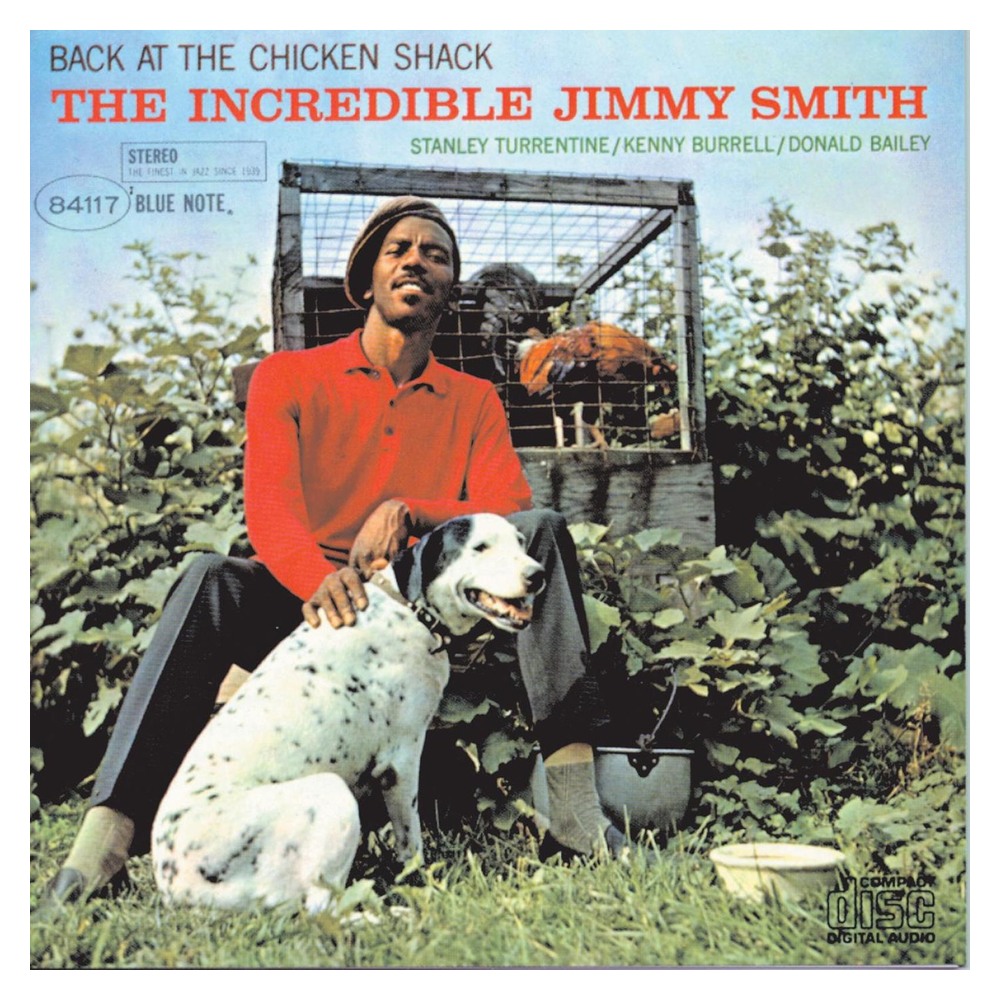
Back at the Chicken Shack
'Back at the Chicken Shack' centers on the style of 'soul jazz organ.' Listen to how the pedal bass maintains a steady pace while the right-hand solo plays rhythm back and forth.
The artist of 'Back at the Chicken Shack' is Jimmy Smith, initially released in 1963, and the label is Blue Note. The reissue of 'Back at the Chicken Shack' may have bonus tracks or different mastering, so it's advisable to check the original track order and credits.
The artist of 'Back at the Chicken Shack' is Jimmy Smith, initially released in 1963, and the label is Blue Note. The reissue of 'Back at the Chicken Shack' may have bonus tracks or different mastering, so it's advisable to check the original track order and credits.
아티스트 Jimmy Smith
발표 연도 1963
레이블 Blue Note
스타일 소울 재즈·오르간
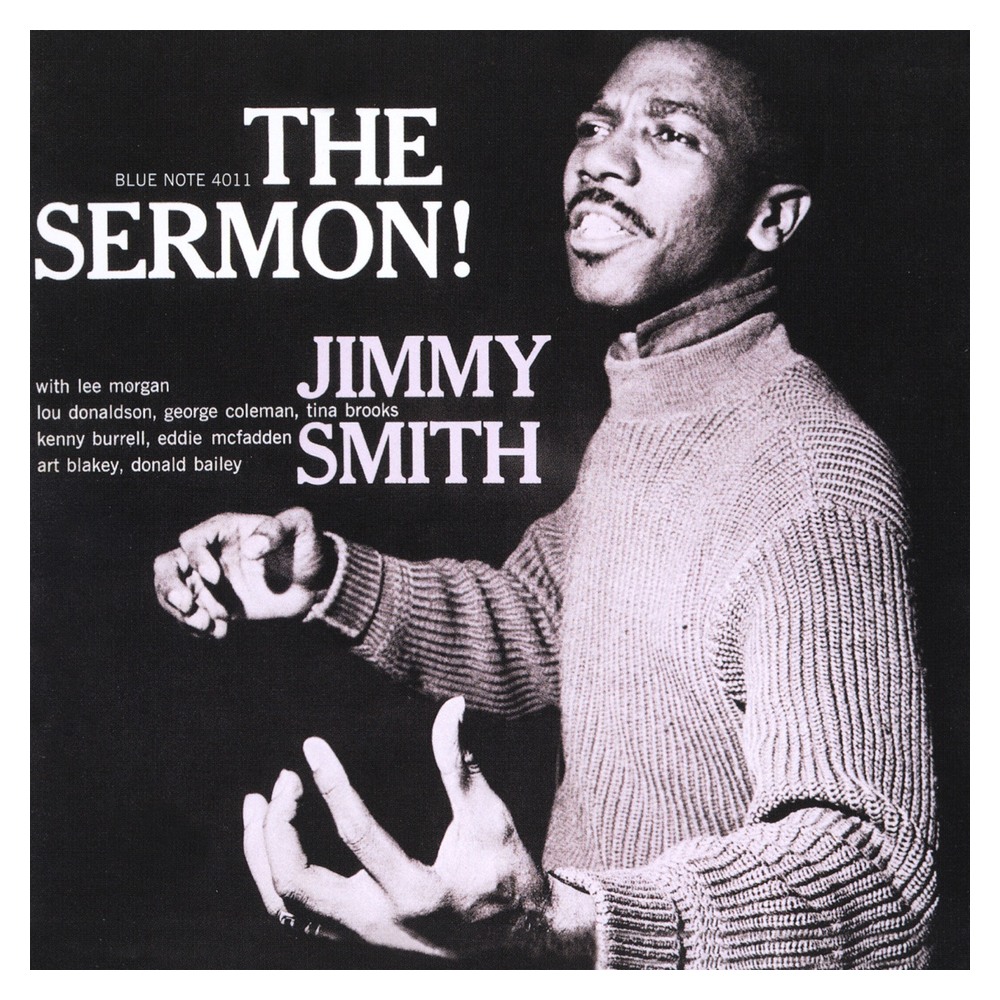
The Sermon!
'The Sermon!' centers on the style of 'organ jam session.' Even with changing musicians, let's see if the bass and harmony of the organ keep the jam session's core intact.
The artist of 'The Sermon!' is Jimmy Smith, initially released in 1959, and the label is Blue Note. The reissue of 'The Sermon!' may have bonus tracks or different mastering, so it's advisable to check the original track order and credits.
The artist of 'The Sermon!' is Jimmy Smith, initially released in 1959, and the label is Blue Note. The reissue of 'The Sermon!' may have bonus tracks or different mastering, so it's advisable to check the original track order and credits.
아티스트 Jimmy Smith
발표 연도 1959
레이블 Blue Note
스타일 오르간 잼 세션
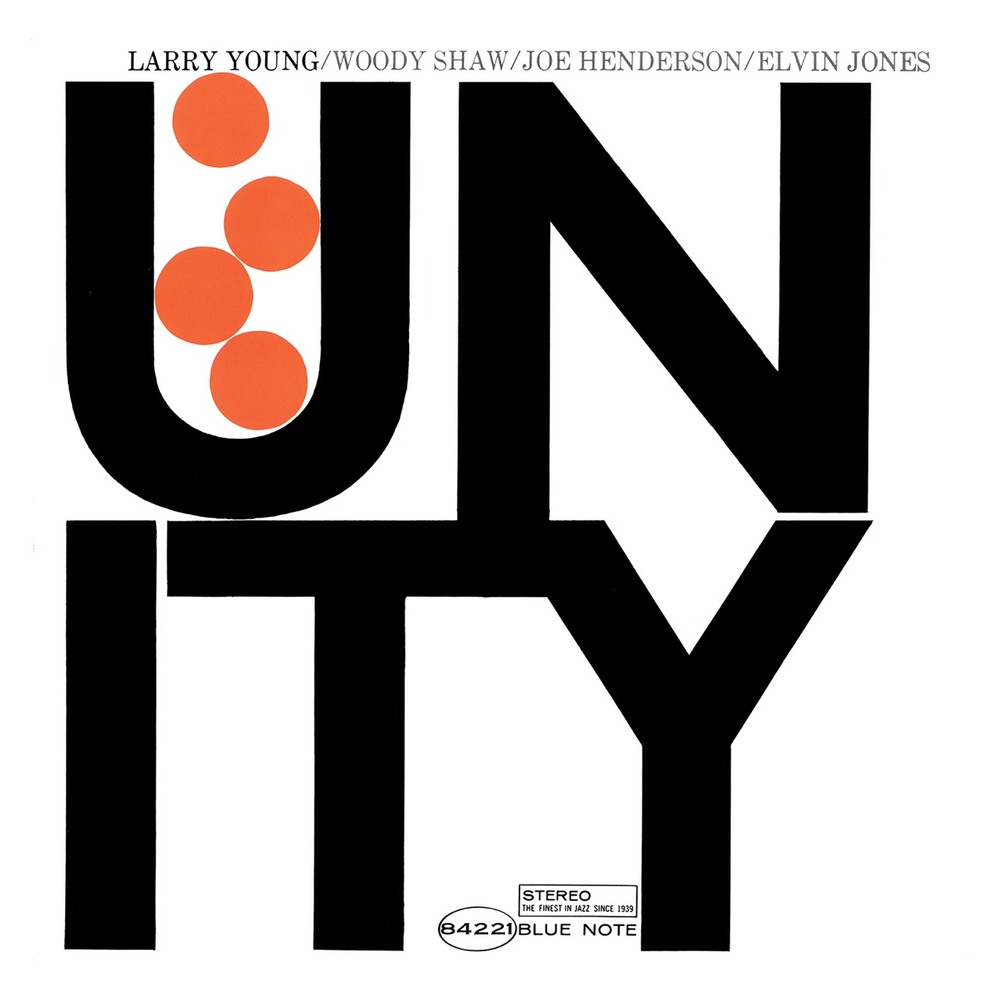
Unity
'Unity' centers on the style of 'modal post-bop organ.' Listen to how open harmonies and long sustained notes provide space for brass solos instead of traditional blues riffs.
The artist of 'Unity' is Larry Young, initially released in 1966, and the label is Blue Note. The reissue of 'Unity' may have bonus tracks or different mastering, so it's advisable to check the original track order and credits.
The artist of 'Unity' is Larry Young, initially released in 1966, and the label is Blue Note. The reissue of 'Unity' may have bonus tracks or different mastering, so it's advisable to check the original track order and credits.
아티스트 Larry Young
발표 연도 1966
레이블 Blue Note
스타일 모달·포스트 밥 오르간
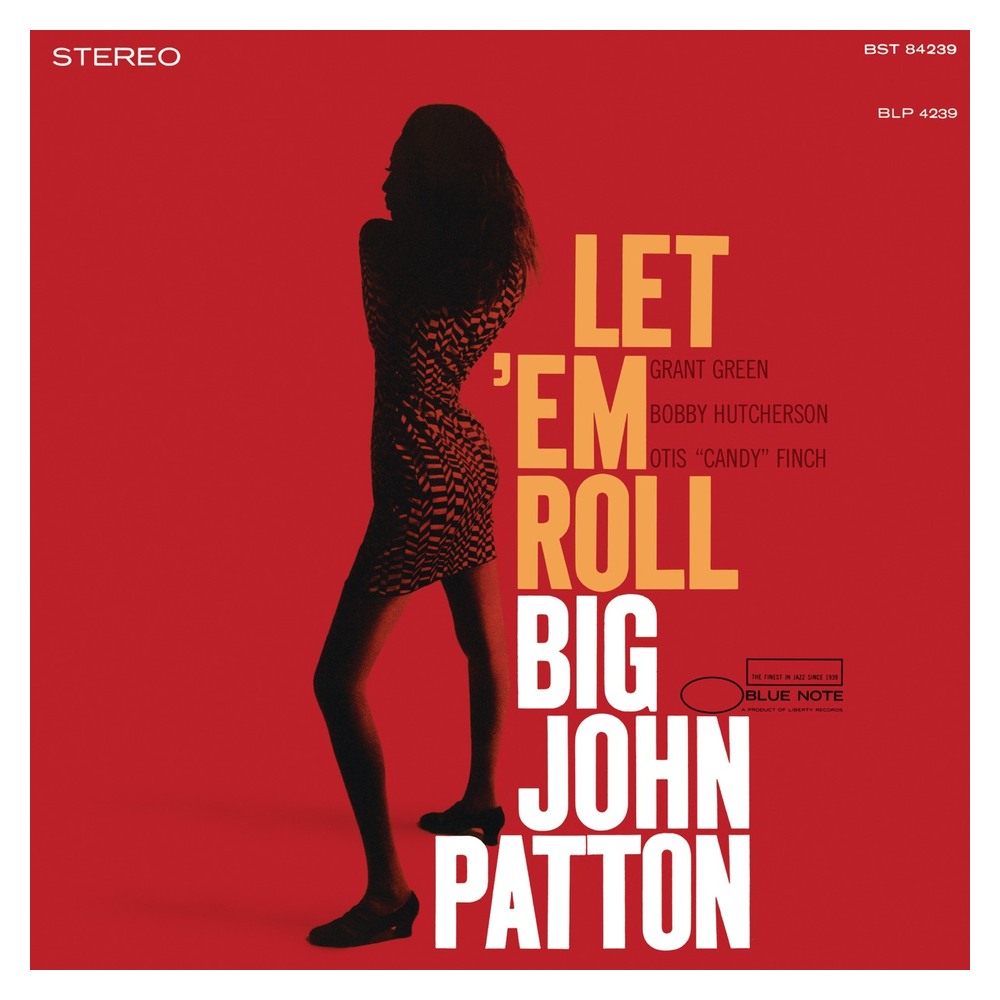
Let 'Em Roll
'Let 'Em Roll' centers on the style of 'soul jazz.' It's a good idea to check how the three chord instruments alternate between short riffs and melodies without filling all at once.
The artist of 'Let 'Em Roll' is Big John Patton, initially released in 1966, and the label is Blue Note. The reissue of 'Let 'Em Roll' may have bonus tracks or different mastering, so it's advisable to check the original track order and credits.
The artist of 'Let 'Em Roll' is Big John Patton, initially released in 1966, and the label is Blue Note. The reissue of 'Let 'Em Roll' may have bonus tracks or different mastering, so it's advisable to check the original track order and credits.
아티스트 Big John Patton
발표 연도 1966
레이블 Blue Note
스타일 소울 재즈
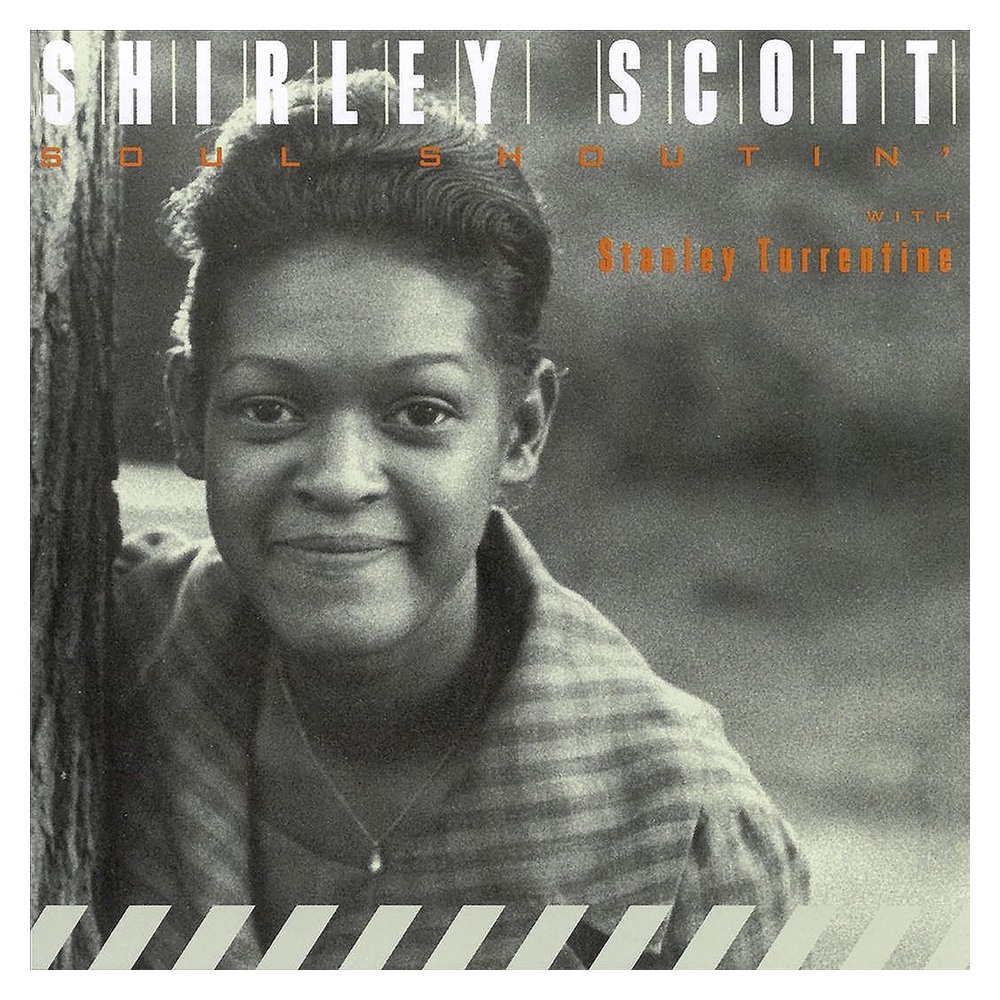
Soul Shoutin'
'Soul Shoutin'' centers on the style of 'soul jazz organ.' Follow how the strong chords of the organ and the long notes of the saxophone respond to each other, elevating the energy of the piece.
The artist of 'Soul Shoutin'' is Shirley Scott, initially released in 1964, and the label is Prestige. The reissue of 'Soul Shoutin'' may have bonus tracks or different mastering, so it's advisable to check the original track order and credits.
The artist of 'Soul Shoutin'' is Shirley Scott, initially released in 1964, and the label is Prestige. The reissue of 'Soul Shoutin'' may have bonus tracks or different mastering, so it's advisable to check the original track order and credits.
아티스트 Shirley Scott
발표 연도 1964
레이블 Prestige
스타일 소울 재즈·오르간
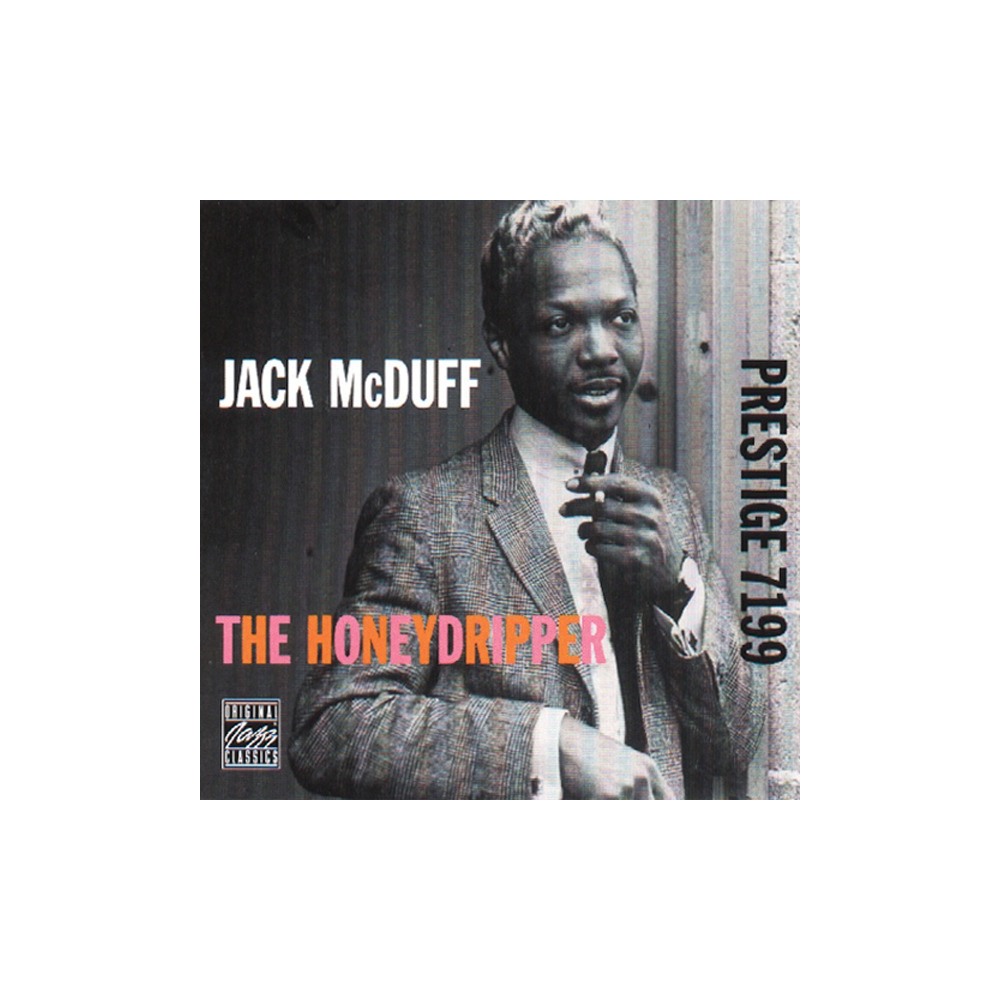
The Honeydripper
'The Honeydripper' centers on the style of 'organ soul jazz.' Let's listen to the organ switching between maintaining a bass line with its feet while changing harmonies and solos simultaneously.
The artist of 'The Honeydripper' is Jack McDuff, initially released in 1961, and the label is Prestige. The reissue of 'The Honeydripper' may have bonus tracks or different mastering, so it's advisable to check the original track order and credits.
The artist of 'The Honeydripper' is Jack McDuff, initially released in 1961, and the label is Prestige. The reissue of 'The Honeydripper' may have bonus tracks or different mastering, so it's advisable to check the original track order and credits.
아티스트 Jack McDuff
발표 연도 1961
레이블 Prestige
스타일 오르간 소울 재즈
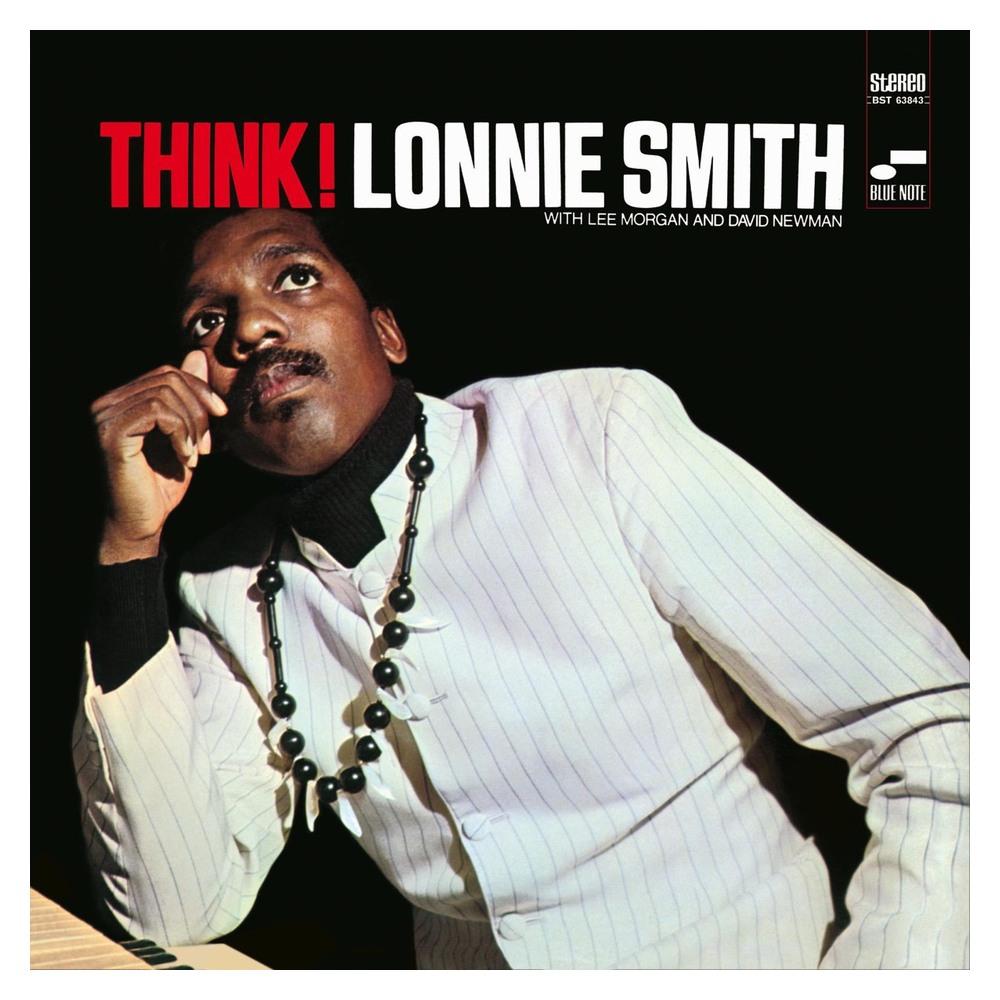
Think!
'Think!' centers on the style of 'funky soul jazz.' Focus on the sections where the short, repeating organ riffs interlock with the drums to create the overall drive of the piece.
The artist of 'Think!' is Lonnie Smith, initially released in 1969, and the label is Blue Note. The reissue of 'Think!' may have bonus tracks or different mastering, so it's advisable to check the original track order and credits.
The artist of 'Think!' is Lonnie Smith, initially released in 1969, and the label is Blue Note. The reissue of 'Think!' may have bonus tracks or different mastering, so it's advisable to check the original track order and credits.
아티스트 Lonnie Smith
발표 연도 1969
레이블 Blue Note
스타일 펑키 소울 재즈
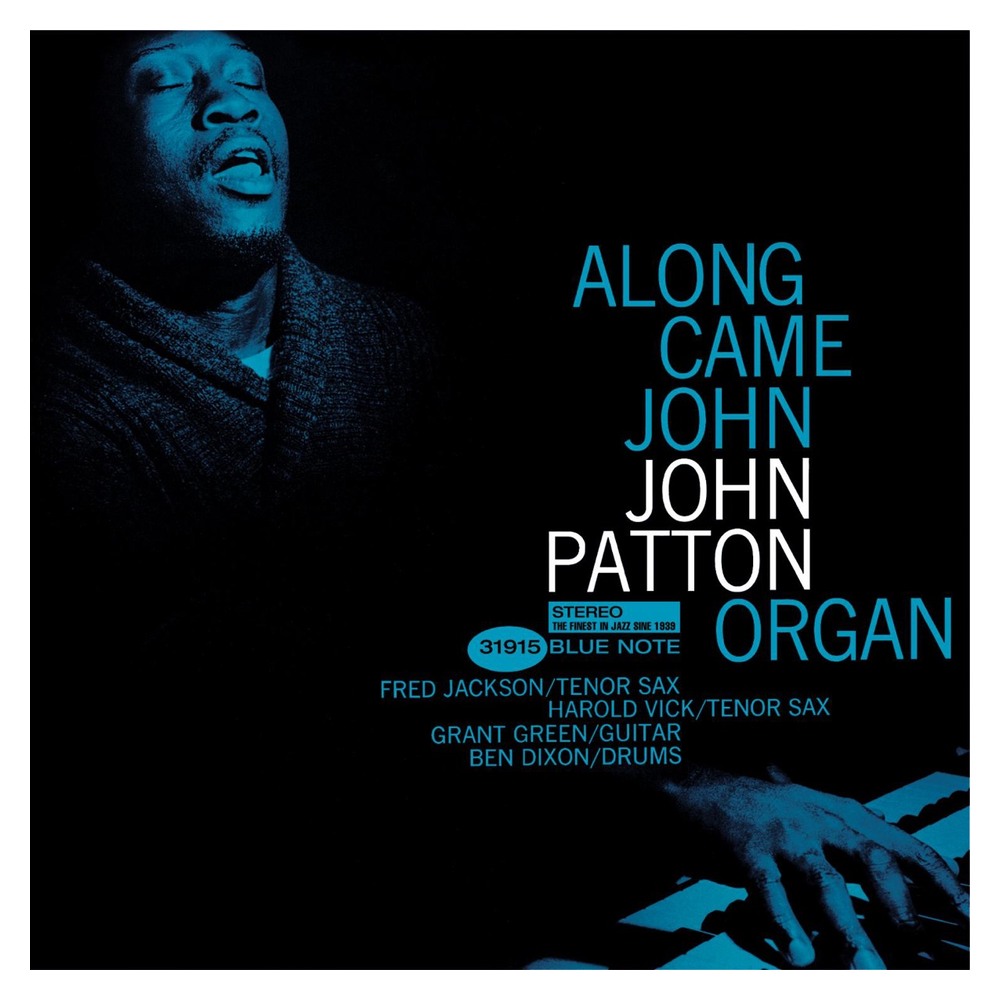
Along Came John
'Along Came John' centers on the style of 'hard bop organ.' Listen for the process where the organ moves through low bass, mid-range harmonies, and high solos sequentially.
The artist of 'Along Came John' is Big John Patton, initially released in 1963, and the label is Blue Note. The reissue of 'Along Came John' may have bonus tracks or different mastering, so it's advisable to check the original track order and credits.
The artist of 'Along Came John' is Big John Patton, initially released in 1963, and the label is Blue Note. The reissue of 'Along Came John' may have bonus tracks or different mastering, so it's advisable to check the original track order and credits.
아티스트 Big John Patton
발표 연도 1963
레이블 Blue Note
스타일 하드 밥·오르간
Jimmy Smith's two albums showcase the speed and blues vernacular of organ jazz, while Jack McDuff and Shirley Scott deliver the direct rhythms of soul jazz. Big John Patton's work clearly outlines the roles shared between the guitar, brass instruments, and organ. Lonnie Smith's 'Think!' brings a funky flow, and Larry Young's 'Unity' expands the organ's role from simple blues accompaniment to a complex post-bop ensemble.
In organ records, a pronounced bass sound doesn't necessarily mean the bass player was involved. It's best to check the credits for instrumentation and pedal use, and listen to how the organ's sustained notes fill in the spaces left by the drums. In trios featuring guitar, it's also essential to note when the two instruments pause to avoid overlapping chord accompaniments. If you enjoy a performance, following it up with a live album can help you better appreciate the differences created by the rotating speaker and the room's resonance.
In organ records, a pronounced bass sound doesn't necessarily mean the bass player was involved. It's best to check the credits for instrumentation and pedal use, and listen to how the organ's sustained notes fill in the spaces left by the drums. In trios featuring guitar, it's also essential to note when the two instruments pause to avoid overlapping chord accompaniments. If you enjoy a performance, following it up with a live album can help you better appreciate the differences created by the rotating speaker and the room's resonance.
한눈에 보기
8개
Back at the Chicken Shack
Jimmy Smith · 1963 · Blue Note · 소울 재즈·오르간
The Sermon!
Jimmy Smith · 1959 · Blue Note · 오르간 잼 세션
Unity
Larry Young · 1966 · Blue Note · 모달·포스트 밥 오르간
Let 'Em Roll
Big John Patton · 1966 · Blue Note · 소울 재즈
Soul Shoutin'
Shirley Scott · 1964 · Prestige · 소울 재즈·오르간
The Honeydripper
Jack McDuff · 1961 · Prestige · 오르간 소울 재즈
Think!
Lonnie Smith · 1969 · Blue Note · 펑키 소울 재즈
Along Came John
Big John Patton · 1963 · Blue Note · 하드 밥·오르간
이 포스팅은 쿠팡 파트너스 활동의 일환으로, 이에 따른 일정액의 수수료를 제공받습니다.
댓글 0
로그인 후 댓글을 작성할 수 있습니다.
첫 댓글을 남겨보세요.
이런 리스트는 어때요?


이런 리스트도 추천해요


🎲
여기서 멈추기엔 아쉽잖아?
다음에 뭘 볼지 고민하는 시간이 제일 아까워.
주사위가 대신 골라줄게 — 무슨 리스트가 튀어나올지는 굴려봐야 알지.
안 누르면… 평생 궁금하지 않겠어? 👀