Collection
Jazz
2026.09.17
Classic Free Jazz Albums Where New Order Emerges as Rules Break Down
A Collection of Collective Improvisation, Tone Exploration, and Avant-Garde Realities
Free jazz cannot simply be described as music where everyone plays without rules. Instead of sticking to predetermined chords and rhythms, musicians use tone, repetition, silence, and their reactions to others to create a new order. The way freedom is expressed varies, from Ornette Coleman's lyrical melodies to Cecil Taylor's percussive piano and Albert Ayler's raw anthems.
This list introduces eight key approaches in free jazz and avant-garde. Starting from a relatively clear melodic point, it gradually expands into collective improvisation, solo saxophones, and extreme ensembles. Rather than trying to grasp every flow from the beginning, look for recurring sounds, the moment another instrument responds to someone's play, and points where the intensity shifts suddenly to reveal the structure within unfamiliar music.
This list introduces eight key approaches in free jazz and avant-garde. Starting from a relatively clear melodic point, it gradually expands into collective improvisation, solo saxophones, and extreme ensembles. Rather than trying to grasp every flow from the beginning, look for recurring sounds, the moment another instrument responds to someone's play, and points where the intensity shifts suddenly to reveal the structure within unfamiliar music.
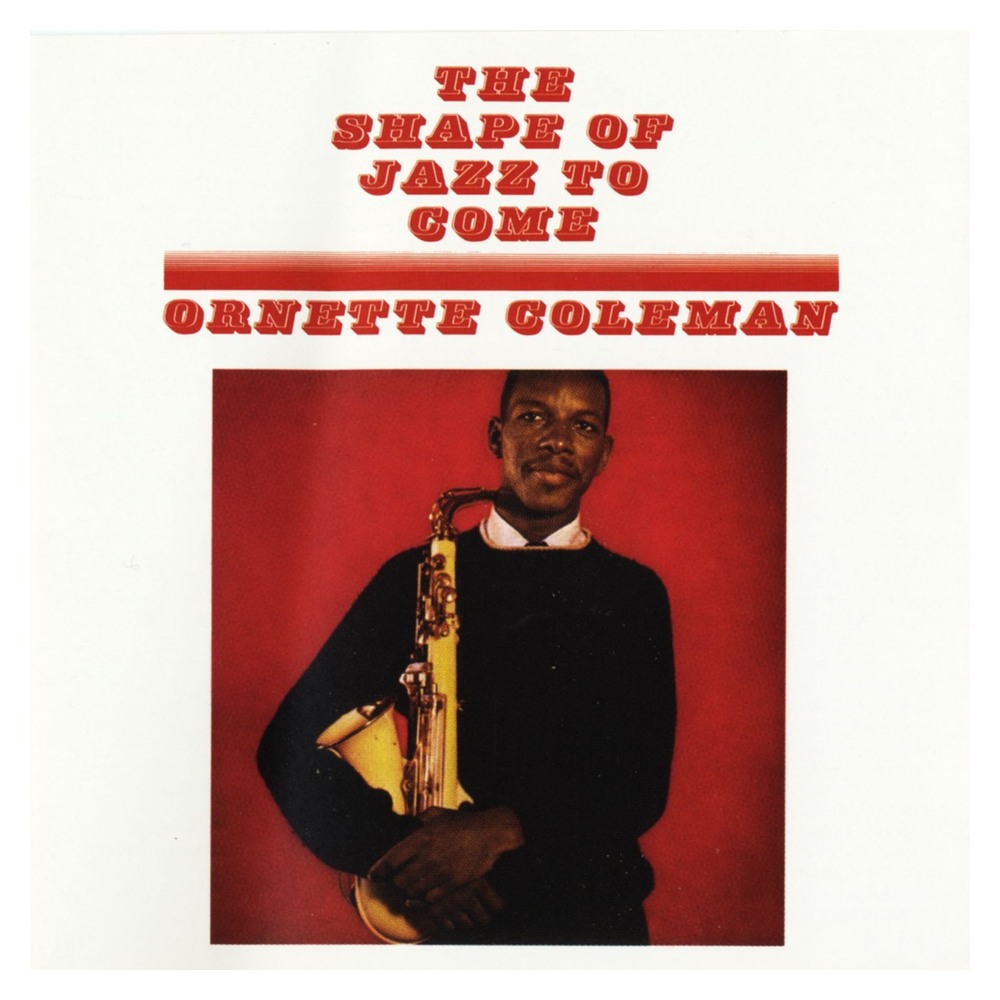
The Shape of Jazz to Come
The central style of 'The Shape of Jazz to Come' is 'free jazz quartet.' Let's follow the conversation between the alto saxophone and trumpet to see how the contours and emotions of the melody are maintained even after the theme ends.
The artist of 'The Shape of Jazz to Come' is Ornette Coleman, first released in 1959, and the label is Atlantic. Keep in mind that reissues of 'The Shape of Jazz to Come' may have bonus tracks or different masters, so it's good to check the original track order and credits as well.
The artist of 'The Shape of Jazz to Come' is Ornette Coleman, first released in 1959, and the label is Atlantic. Keep in mind that reissues of 'The Shape of Jazz to Come' may have bonus tracks or different masters, so it's good to check the original track order and credits as well.
아티스트 Ornette Coleman
발표 연도 1959
레이블 Atlantic
스타일 프리 재즈·콰르텟
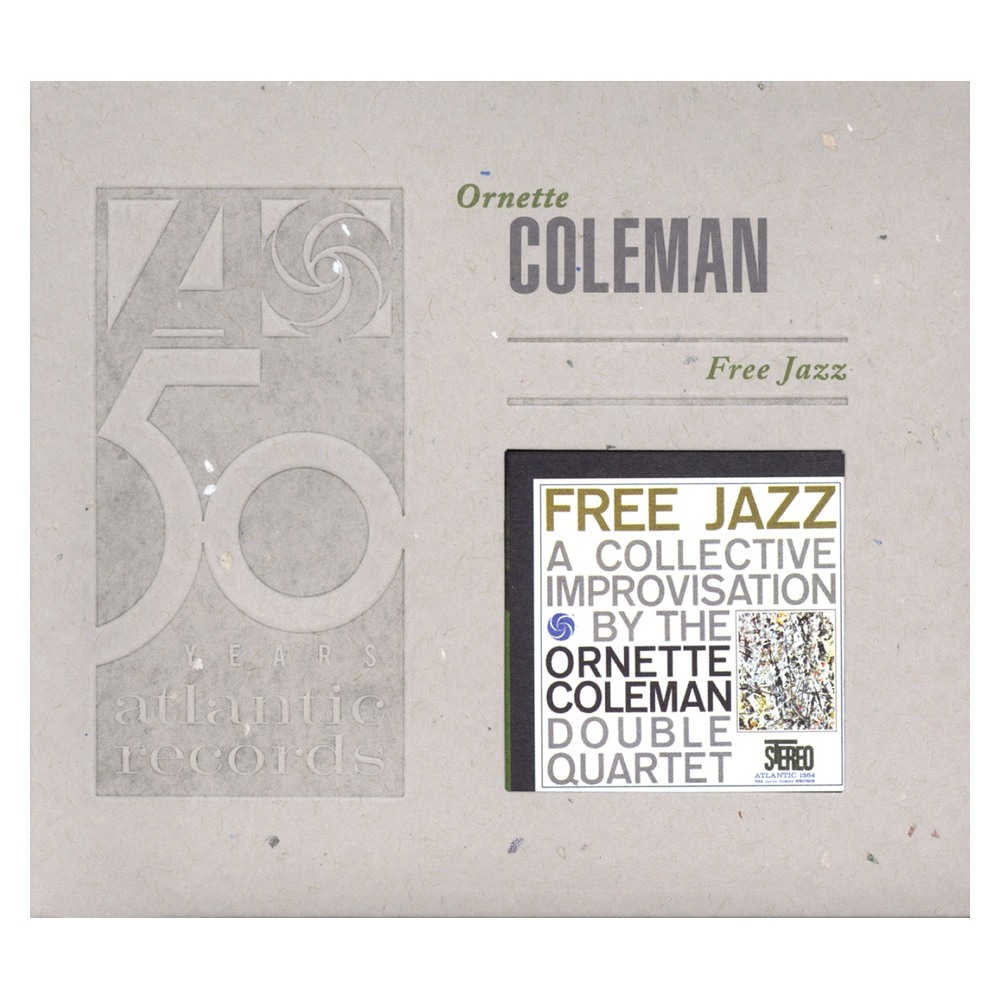
Free Jazz
The central style of 'Free Jazz' is 'collective improvisation.' Instead of chasing all instruments at once, try separating the rhythm section on one channel and the brass response to listen more distinctly.
The artist of 'Free Jazz' is Ornette Coleman Double Quartet, first released in 1961, and the label is Atlantic. Keep in mind that reissues of 'Free Jazz' may have bonus tracks or different masters, so it's good to check the original track order and credits as well.
The artist of 'Free Jazz' is Ornette Coleman Double Quartet, first released in 1961, and the label is Atlantic. Keep in mind that reissues of 'Free Jazz' may have bonus tracks or different masters, so it's good to check the original track order and credits as well.
아티스트 Ornette Coleman Double Quartet
발표 연도 1961
레이블 Atlantic
스타일 집단 즉흥
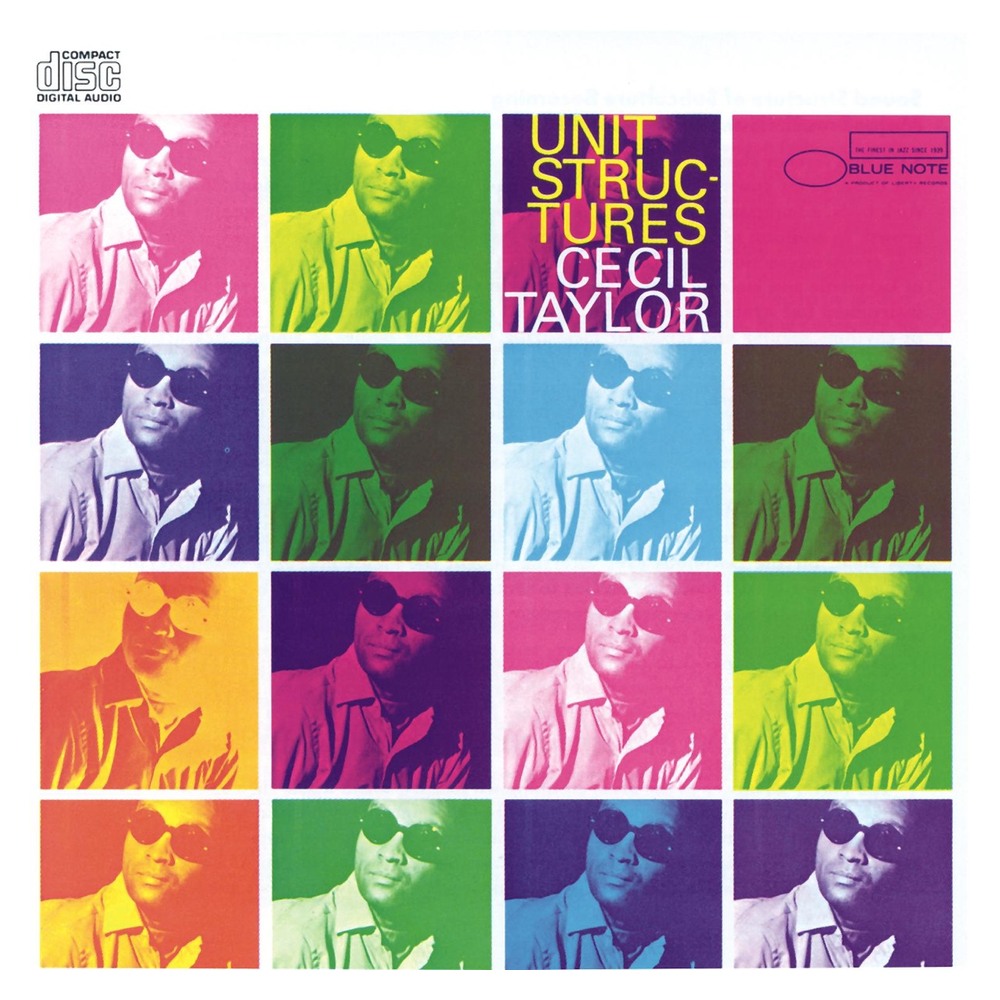
Unit Structures
The central style of 'Unit Structures' is 'avant-garde piano.' Let's look at how short rhythmic cells repeat and collide between the piano and brass instruments.
The artist of 'Unit Structures' is Cecil Taylor, first released in 1966, and the label is Blue Note. Keep in mind that reissues of 'Unit Structures' may have bonus tracks or different masters, so it's good to check the original track order and credits as well.
The artist of 'Unit Structures' is Cecil Taylor, first released in 1966, and the label is Blue Note. Keep in mind that reissues of 'Unit Structures' may have bonus tracks or different masters, so it's good to check the original track order and credits as well.
아티스트 Cecil Taylor
발표 연도 1966
레이블 Blue Note
스타일 아방가르드·피아노
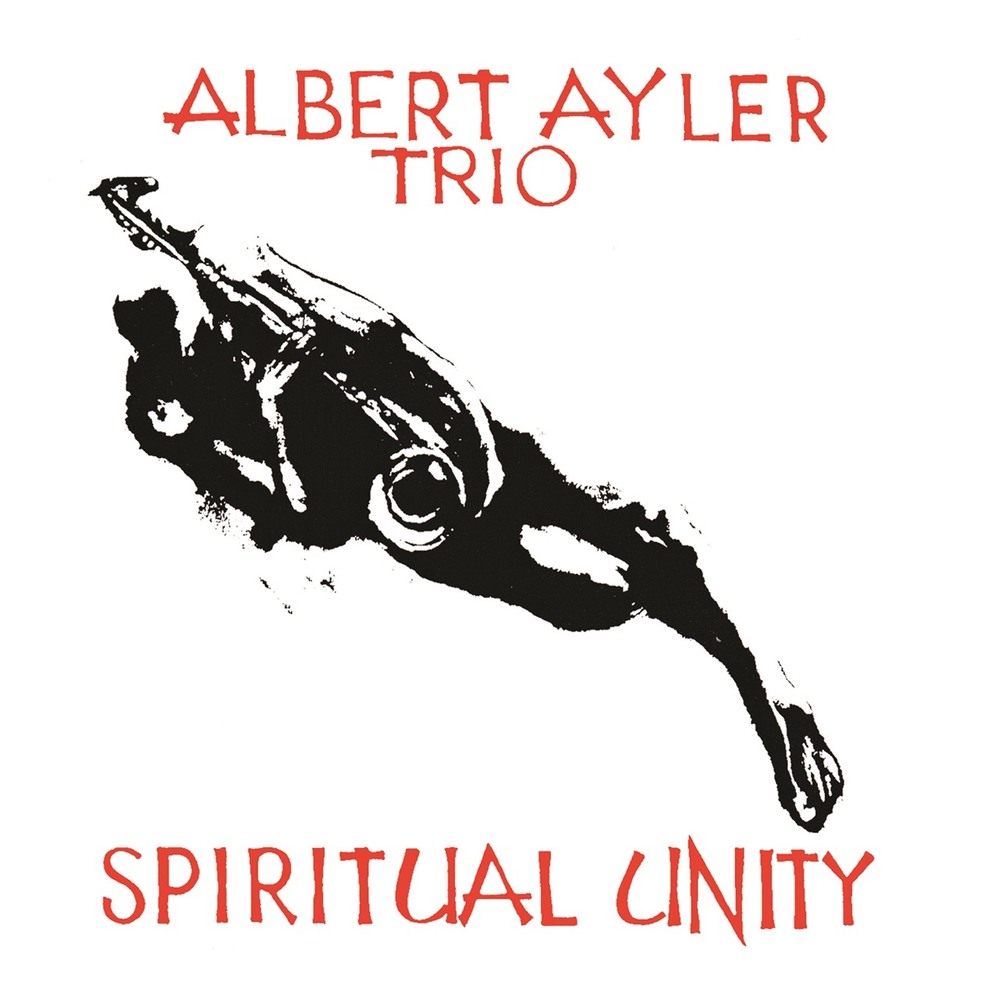
Spiritual Unity
The central style of 'Spiritual Unity' is 'free jazz spiritual improvisation.' Let's listen to how a theme that sounds like a familiar march is deconstructed with vibrato and overtone excesses.
The artist of 'Spiritual Unity' is Albert Ayler Trio, first released in 1965, and the label is ESP-Disk. Keep in mind that reissues of 'Spiritual Unity' may have bonus tracks or different masters, so it's good to check the original track order and credits as well.
The artist of 'Spiritual Unity' is Albert Ayler Trio, first released in 1965, and the label is ESP-Disk. Keep in mind that reissues of 'Spiritual Unity' may have bonus tracks or different masters, so it's good to check the original track order and credits as well.
아티스트 Albert Ayler Trio
발표 연도 1965
레이블 ESP-Disk
스타일 프리 재즈·영적 즉흥
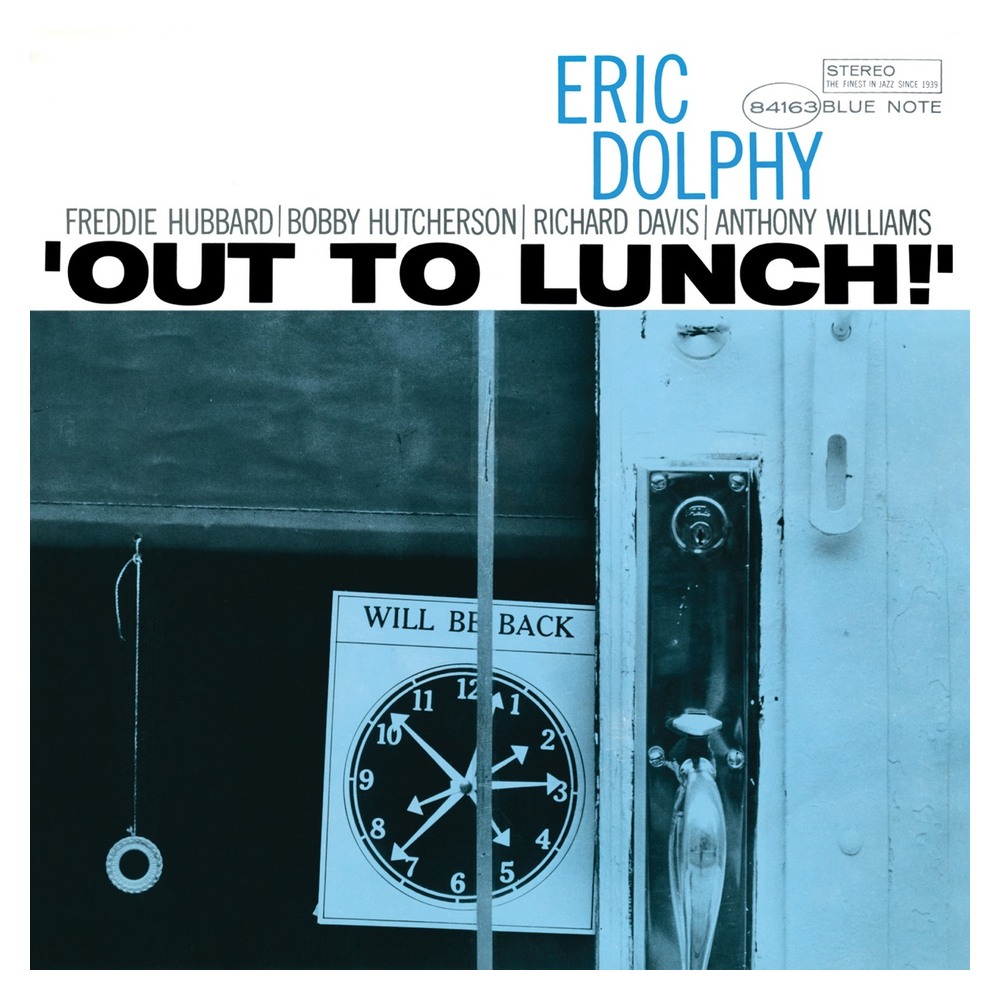
Out to Lunch!
The central style of 'Out to Lunch!' is 'avant-garde post-bop.' Even in sections that seem to wobble rhythmically, let's locate the reference point shared between the bass and drums.
The artist of 'Out to Lunch!' is Eric Dolphy, first released in 1964, and the label is Blue Note. Keep in mind that reissues of 'Out to Lunch!' may have bonus tracks or different masters, so it's good to check the original track order and credits as well.
The artist of 'Out to Lunch!' is Eric Dolphy, first released in 1964, and the label is Blue Note. Keep in mind that reissues of 'Out to Lunch!' may have bonus tracks or different masters, so it's good to check the original track order and credits as well.
아티스트 Eric Dolphy
발표 연도 1964
레이블 Blue Note
스타일 아방가르드·포스트 밥
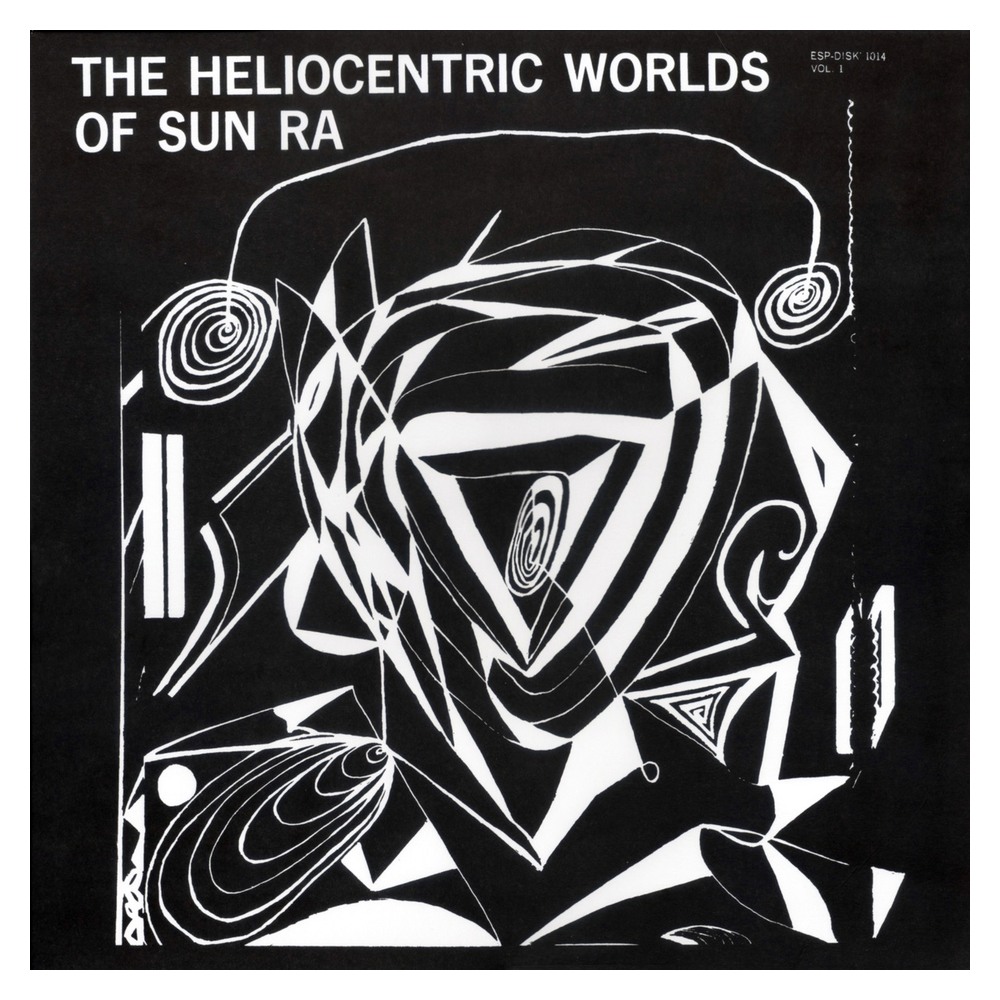
The Heliocentric Worlds of Sun Ra, Volume One
The central style of 'The Heliocentric Worlds of Sun Ra, Volume One' is 'avant-garde large ensemble.' Let's appreciate how different clusters of tone appear and disappear rather than individual solos.
The artist of 'The Heliocentric Worlds of Sun Ra, Volume One' is Sun Ra, first released in 1965, and the label is ESP-Disk. Keep in mind that reissues of 'The Heliocentric Worlds of Sun Ra, Volume One' may have bonus tracks or different masters, so it's good to check the original track order and credits as well.
The artist of 'The Heliocentric Worlds of Sun Ra, Volume One' is Sun Ra, first released in 1965, and the label is ESP-Disk. Keep in mind that reissues of 'The Heliocentric Worlds of Sun Ra, Volume One' may have bonus tracks or different masters, so it's good to check the original track order and credits as well.
아티스트 Sun Ra
발표 연도 1965
레이블 ESP-Disk
스타일 아방가르드·대편성

Machine Gun
The central style of 'Machine Gun' is 'European free jazz.' It's good to find moments where the instrumental groups rotate and the rhythm aligns briefly even at high-intensity peaks.
The artist of 'Machine Gun' is The Peter Brötzmann Octet, first released in 1968, and the label is FMP. Keep in mind that reissues of 'Machine Gun' may have bonus tracks or different masters, so it's good to check the original track order and credits as well.
The artist of 'Machine Gun' is The Peter Brötzmann Octet, first released in 1968, and the label is FMP. Keep in mind that reissues of 'Machine Gun' may have bonus tracks or different masters, so it's good to check the original track order and credits as well.
아티스트 The Peter Brötzmann Octet
발표 연도 1968
레이블 FMP
스타일 유럽 프리 재즈
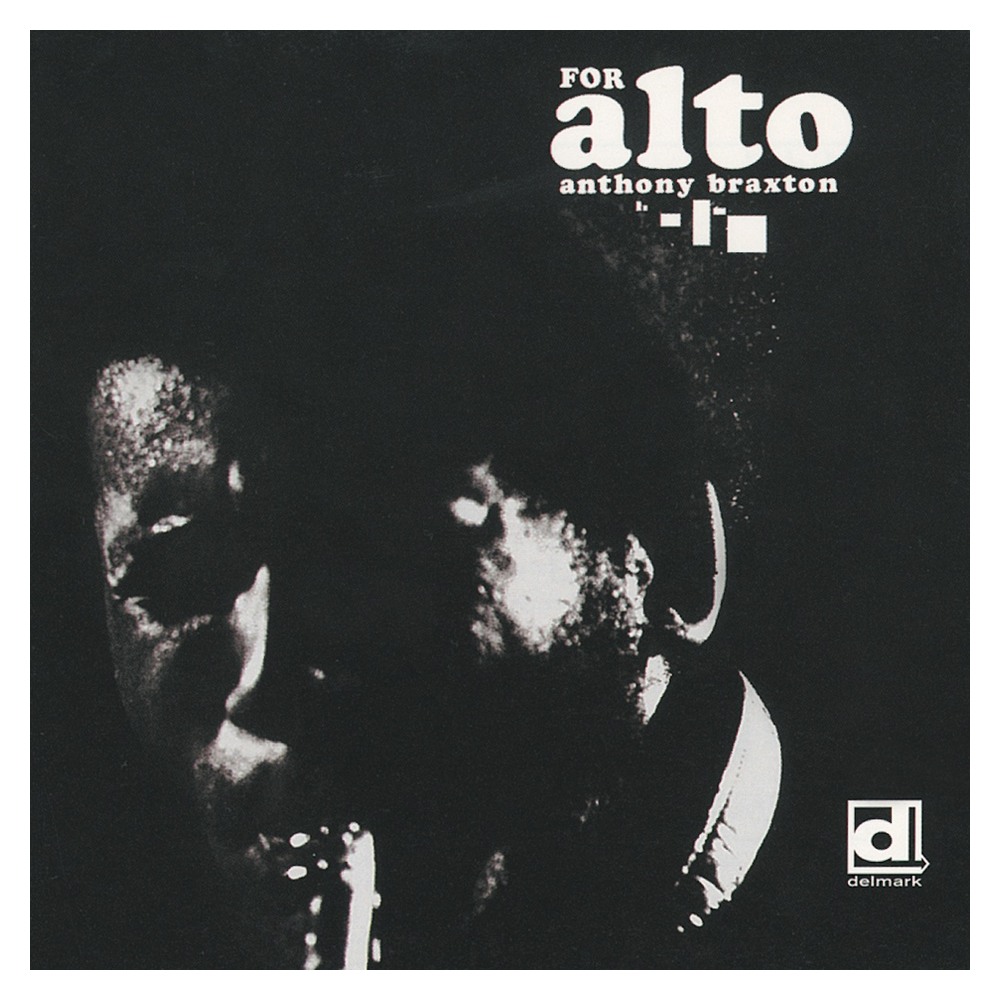
For Alto
The central style of 'For Alto' is 'unaccompanied alto saxophone.' Let's follow the form created by texture, silence, and repeated gestures rather than pitch, track by track.
The artist of 'For Alto' is Anthony Braxton, first released in 1971, and the label is Delmark. Keep in mind that reissues of 'For Alto' may have bonus tracks or different masters, so it's good to check the original track order and credits as well.
The artist of 'For Alto' is Anthony Braxton, first released in 1971, and the label is Delmark. Keep in mind that reissues of 'For Alto' may have bonus tracks or different masters, so it's good to check the original track order and credits as well.
아티스트 Anthony Braxton
발표 연도 1971
레이블 Delmark
스타일 무반주 알토 색소폰
For beginners, starting with the clearly melodic 'The Shape of Jazz to Come' and the compositionally structured 'Out to Lunch!' can be relatively easier. 'Free Jazz' and 'Spiritual Unity' demonstrate how collective improvisation moves with differing densities. Cecil Taylor treats the piano like a percussion instrument and combines the tone of the 'line' with cosmic concepts. 'Machine Gun' and 'For Alto' push the limits of the saxophone through extremes of intensity and solo performance.
Rather than playing free jazz like background music, it's better to listen to it in short focuses, track by track. Appreciate it based on texture, breathing, and changes in energy rather than melody, and make a note of the uncomfortable-sounding points. By checking the instrumentation and musician relationships at the time of the recording, it becomes clear that free improvisation is a collaborative risk-taking rather than an individual's monologue. Comparing works you enjoy with earlier hard bop or blues albums from the same artist can help you understand the spectrum of change.
Rather than playing free jazz like background music, it's better to listen to it in short focuses, track by track. Appreciate it based on texture, breathing, and changes in energy rather than melody, and make a note of the uncomfortable-sounding points. By checking the instrumentation and musician relationships at the time of the recording, it becomes clear that free improvisation is a collaborative risk-taking rather than an individual's monologue. Comparing works you enjoy with earlier hard bop or blues albums from the same artist can help you understand the spectrum of change.
한눈에 보기
8개
The Shape of Jazz to Come
Ornette Coleman · 1959 · Atlantic · 프리 재즈·콰르텟
Free Jazz
Ornette Coleman Double Quartet · 1961 · Atlantic · 집단 즉흥
Unit Structures
Cecil Taylor · 1966 · Blue Note · 아방가르드·피아노
Spiritual Unity
Albert Ayler Trio · 1965 · ESP-Disk · 프리 재즈·영적 즉흥
Out to Lunch!
Eric Dolphy · 1964 · Blue Note · 아방가르드·포스트 밥
The Heliocentric Worlds of Sun Ra, Volume One
Sun Ra · 1965 · ESP-Disk · 아방가르드·대편성
Machine Gun
The Peter Brötzmann Octet · 1968 · FMP · 유럽 프리 재즈
For Alto
Anthony Braxton · 1971 · Delmark · 무반주 알토 색소폰
이 포스팅은 쿠팡 파트너스 활동의 일환으로, 이에 따른 일정액의 수수료를 제공받습니다.
댓글 0
로그인 후 댓글을 작성할 수 있습니다.
첫 댓글을 남겨보세요.
이런 리스트는 어때요?


이런 리스트도 추천해요


🎲
여기서 멈추기엔 아쉽잖아?
다음에 뭘 볼지 고민하는 시간이 제일 아까워.
주사위가 대신 골라줄게 — 무슨 리스트가 튀어나올지는 굴려봐야 알지.
안 누르면… 평생 궁금하지 않겠어? 👀