Collection
Jazz
2026.09.17
The Resonance of Metal Keys Filling the Space: Vibraphone Jazz
Real Albums Connecting Swing, Hard Bop, Latin, and Modern Jazz
The vibraphone sounds like a clear bell, but depending on how the pedal and mallet are used, it can produce sounds ranging from short, sharp hits to long, resonating harmonies. Like a piano, it stacks chords, and like a wind instrument, it plays melodies, while adjusting its space when meeting with guitars or saxophones to avoid overlapping sounds. Milt Jackson's blues sensibility and Gary Burton's four-mallet performances showcase entirely different roles of the same instrument.
This list curates eight albums where the vibraphone leads the way, connecting modern jazz quartets, hard bop, Latin jazz, and contemporary compositions. In your first listen, try to distinguish between how long each note resonates rather than the pitch, whether it fills chords behind a solo or leads the melody. When the drum cymbals and tones become similar, it's also a great listening point to notice how the two instruments avoid conflict.
This list curates eight albums where the vibraphone leads the way, connecting modern jazz quartets, hard bop, Latin jazz, and contemporary compositions. In your first listen, try to distinguish between how long each note resonates rather than the pitch, whether it fills chords behind a solo or leads the melody. When the drum cymbals and tones become similar, it's also a great listening point to notice how the two instruments avoid conflict.
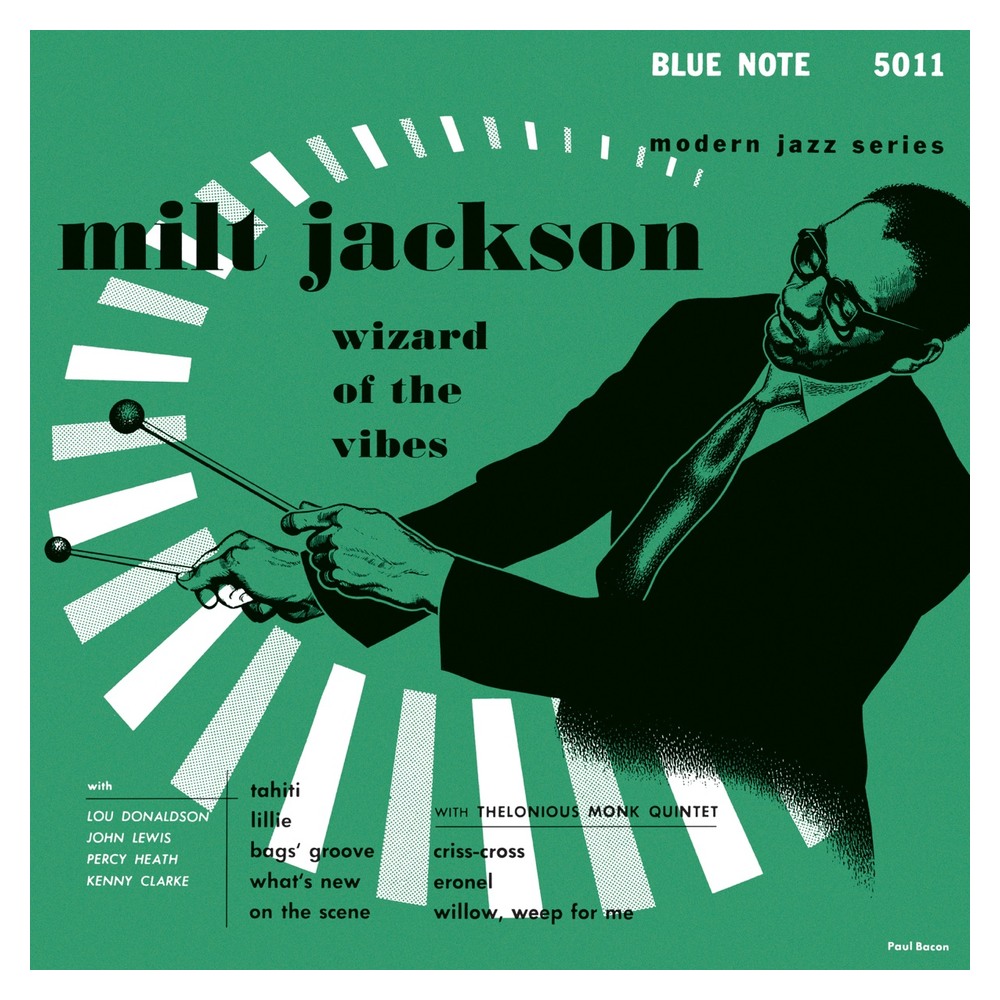
Wizard of the Vibes
The central style of 《Wizard of the Vibes》 is ‘Bebop·Blues’. Let's listen to how the long-resonating sounds after the firm hits balance with the short phrases of the wind instruments.
The artist of 《Wizard of the Vibes》 is Milt Jackson, first released in 1952, under the label Blue Note. The reissue of 《Wizard of the Vibes》 may have bonus tracks or different masters, so it's advisable to check the original order and credits.
The artist of 《Wizard of the Vibes》 is Milt Jackson, first released in 1952, under the label Blue Note. The reissue of 《Wizard of the Vibes》 may have bonus tracks or different masters, so it's advisable to check the original order and credits.
아티스트 Milt Jackson
발표 연도 1952
레이블 Blue Note
스타일 비밥·블루스
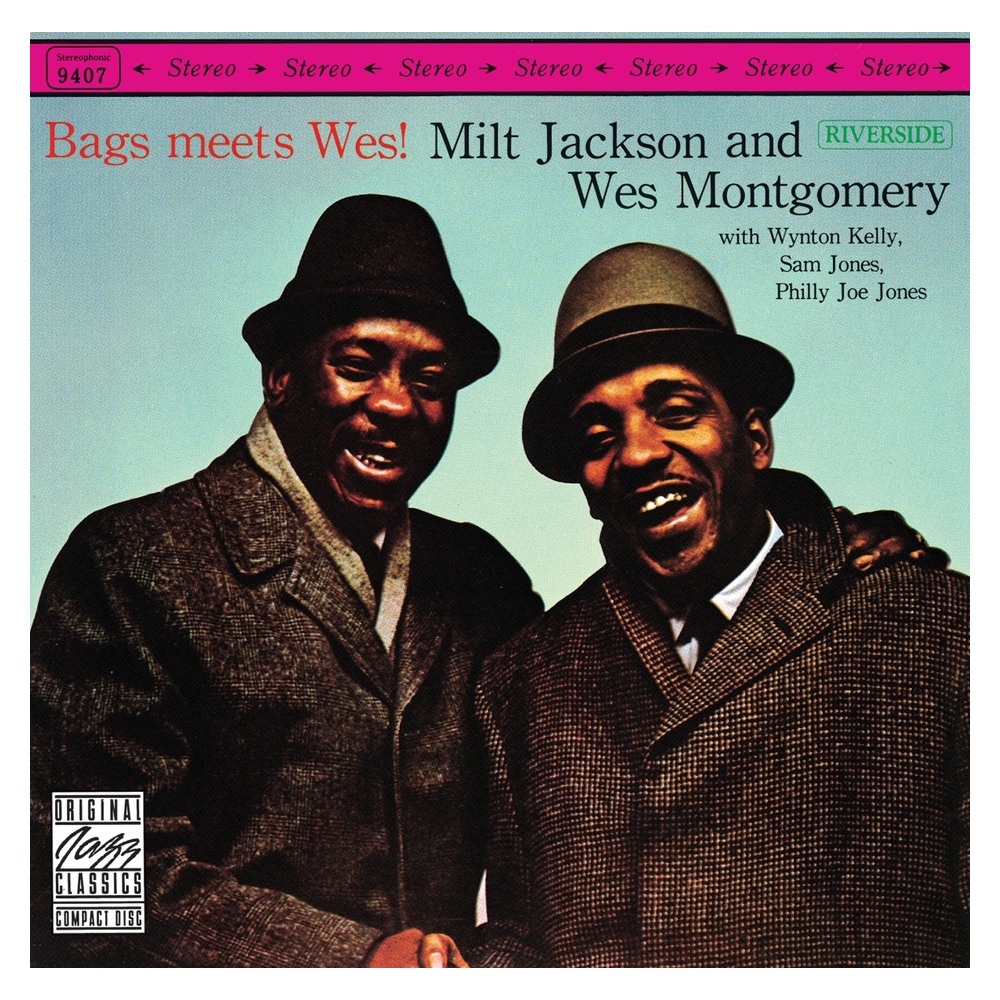
Bags Meets Wes!
The central style of 《Bags Meets Wes!》 is ‘Vibraphone·Jazz Guitar’. Let's observe how the vibraphone's long reverb interacts with the guitar's octave melody, giving each other space in the same range.
The artists of 《Bags Meets Wes!》 are Milt Jackson and Wes Montgomery, first released in 1962, under the label Riverside. The reissue of 《Bags Meets Wes!》 may have bonus tracks or different masters, so it's advisable to check the original order and credits.
The artists of 《Bags Meets Wes!》 are Milt Jackson and Wes Montgomery, first released in 1962, under the label Riverside. The reissue of 《Bags Meets Wes!》 may have bonus tracks or different masters, so it's advisable to check the original order and credits.
아티스트 Milt Jackson and Wes Montgomery
발표 연도 1962
레이블 Riverside
스타일 비브라폰·재즈 기타
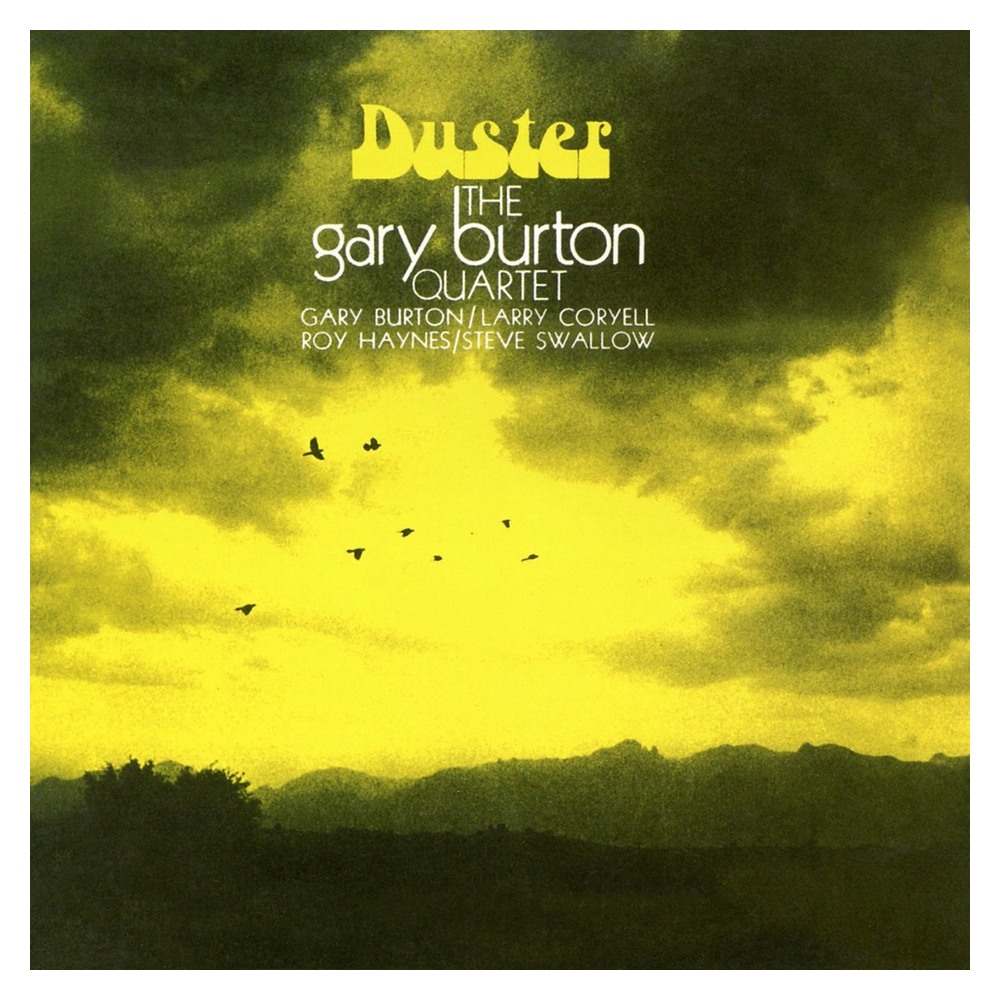
Duster
The central style of 《Duster》 is ‘Country·Jazz Rock’. Let's listen to the choice of registers made by the guitar and bass when the vibraphone creates broad harmonies instead of simple solo lines.
The artist of 《Duster》 is Gary Burton, first released in 1967, under the label RCA Victor. The reissue of 《Duster》 may have bonus tracks or different masters, so it's advisable to check the original order and credits.
The artist of 《Duster》 is Gary Burton, first released in 1967, under the label RCA Victor. The reissue of 《Duster》 may have bonus tracks or different masters, so it's advisable to check the original order and credits.
아티스트 Gary Burton
발표 연도 1967
레이블 RCA Victor
스타일 컨트리·재즈 록
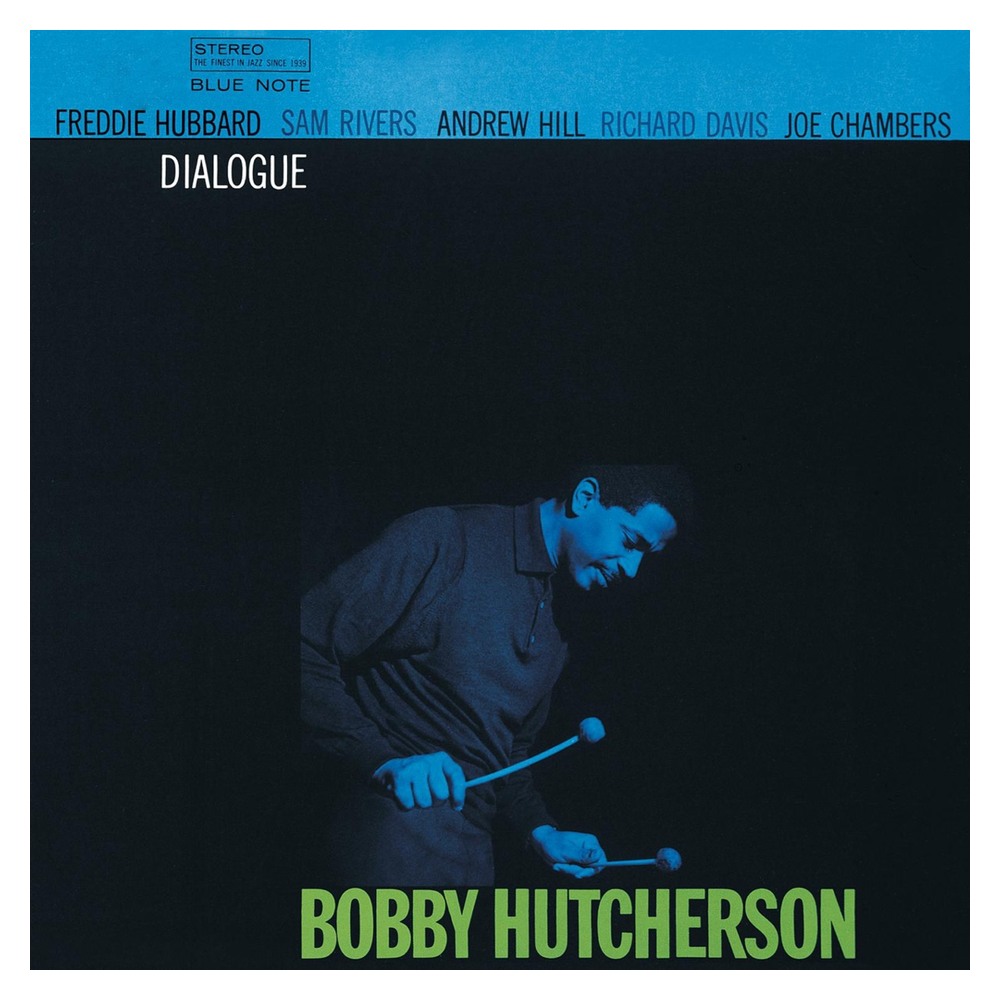
Dialogue
The central style of 《Dialogue》 is ‘Post Bop·Avant-garde’. Let’s follow the moments when the repeating patterns of the vibraphone provide focus to the band as the structure of the piece shifts.
The artist of 《Dialogue》 is Bobby Hutcherson, first released in 1965, under the label Blue Note. The reissue of 《Dialogue》 may have bonus tracks or different masters, so it's advisable to check the original order and credits.
The artist of 《Dialogue》 is Bobby Hutcherson, first released in 1965, under the label Blue Note. The reissue of 《Dialogue》 may have bonus tracks or different masters, so it's advisable to check the original order and credits.
아티스트 Bobby Hutcherson
발표 연도 1965
레이블 Blue Note
스타일 포스트 밥·아방가르드
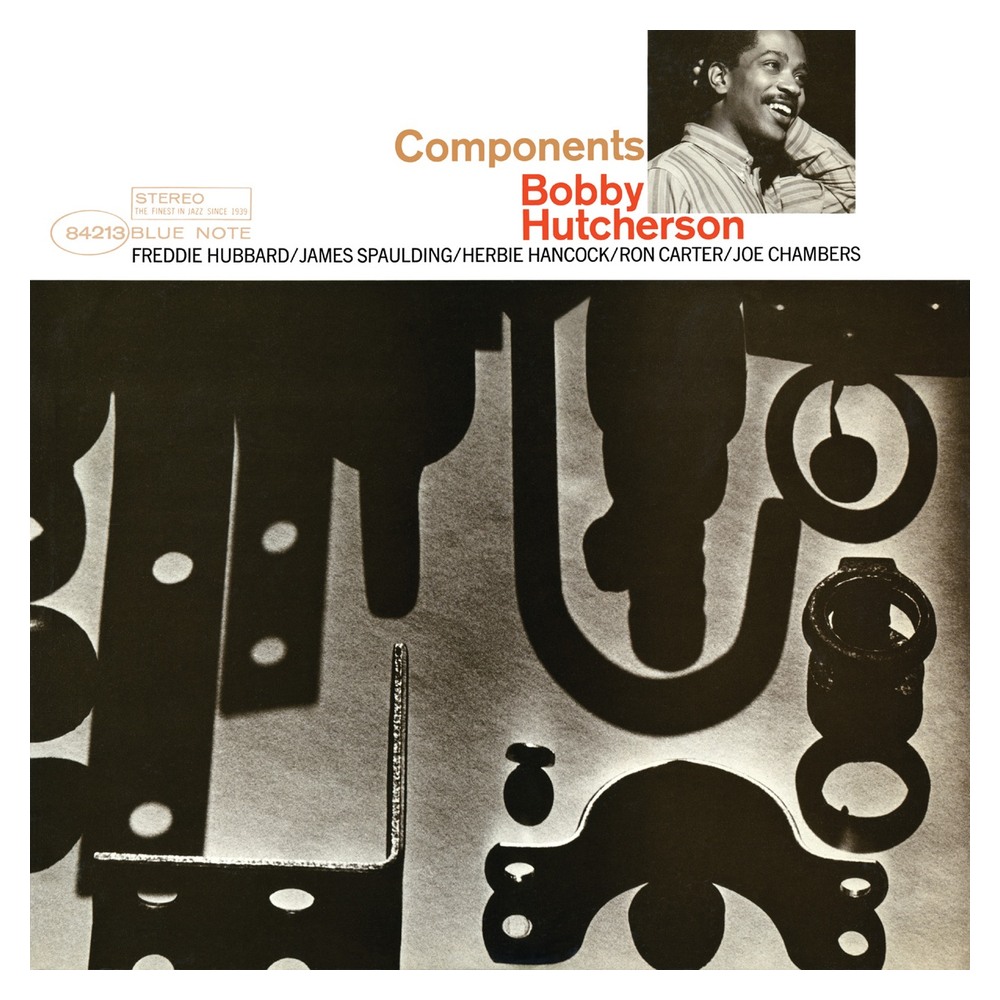
Components
The central style of 《Components》 is ‘Post Bop·Free Jazz’. Let’s compare how the same vibraphone tones function differently in intricate themes versus open improvisation.
The artist of 《Components》 is Bobby Hutcherson, first released in 1966, under the label Blue Note. The reissue of 《Components》 may have bonus tracks or different masters, so it's advisable to check the original order and credits.
The artist of 《Components》 is Bobby Hutcherson, first released in 1966, under the label Blue Note. The reissue of 《Components》 may have bonus tracks or different masters, so it's advisable to check the original order and credits.
아티스트 Bobby Hutcherson
발표 연도 1966
레이블 Blue Note
스타일 포스트 밥·프리 재즈
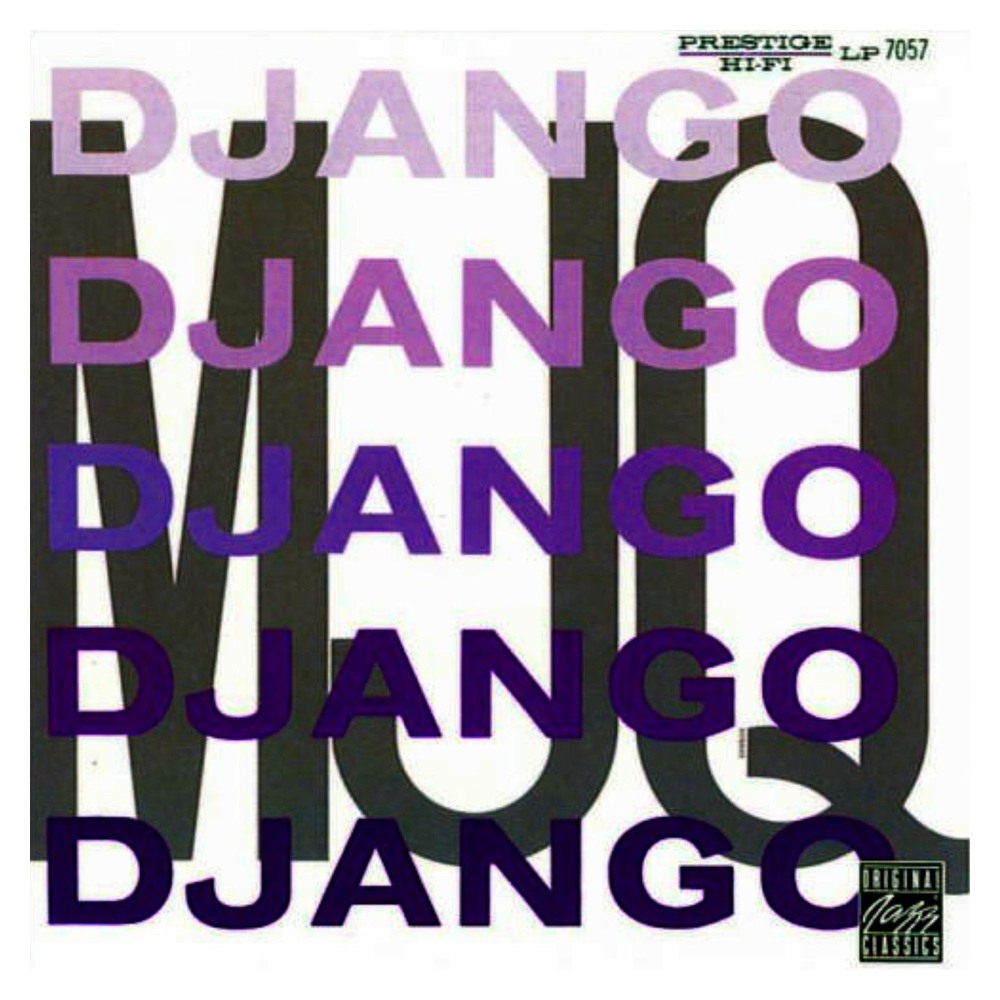
Django
The central style of 《Django》 is ‘Cool Jazz·Third Stream’. It’s nice to hear the order in which the two harmony instruments alternate between melody and accompaniment without filling the space at the same time.
The artist of 《Django》 is The Modern Jazz Quartet, first released in 1956, under the label Prestige. The reissue of 《Django》 may have bonus tracks or different masters, so it's advisable to check the original order and credits.
The artist of 《Django》 is The Modern Jazz Quartet, first released in 1956, under the label Prestige. The reissue of 《Django》 may have bonus tracks or different masters, so it's advisable to check the original order and credits.
아티스트 The Modern Jazz Quartet
발표 연도 1956
레이블 Prestige
스타일 쿨 재즈·서드 스트림
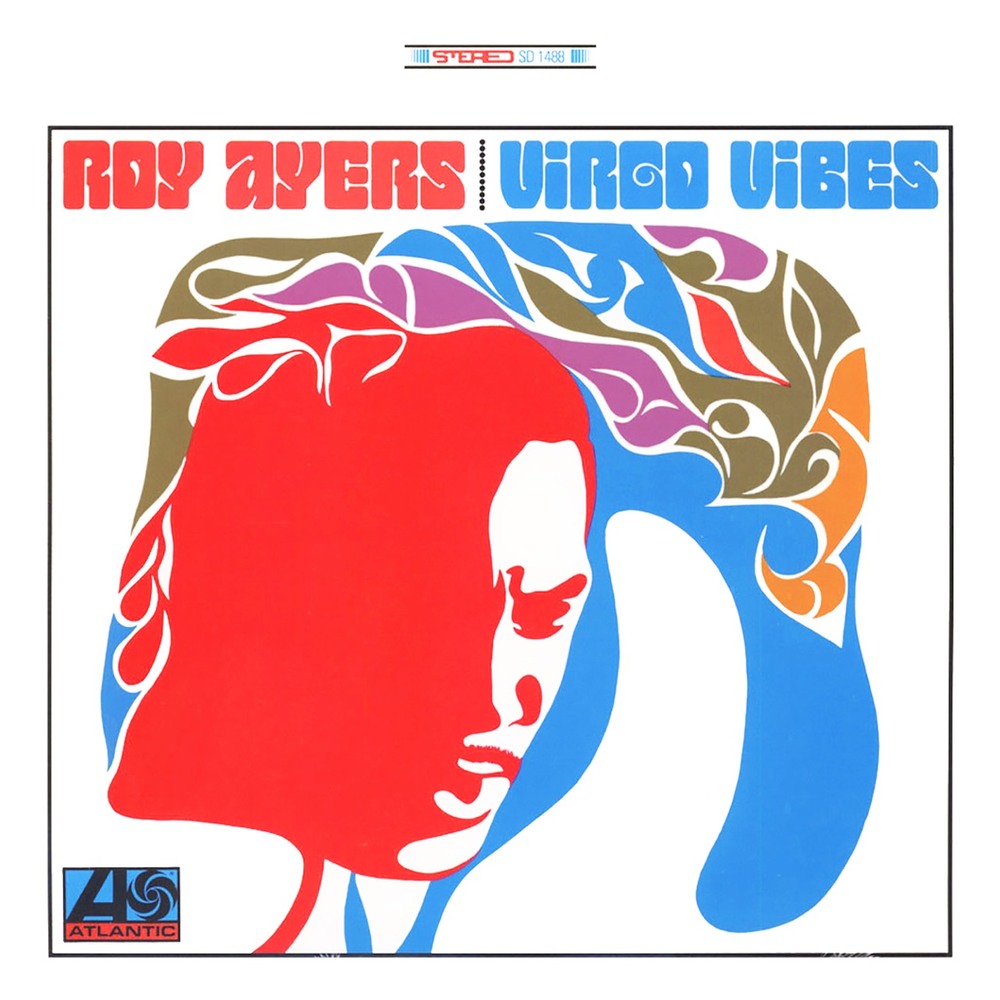
Virgo Vibes
The central style of 《Virgo Vibes》 is ‘Soul Jazz·Vibraphone’. Let’s follow the playful mallet performances that carry the melodies and the light groove of the rhythm section together.
The artist of 《Virgo Vibes》 is Roy Ayers, first released in 1967, under the label Atlantic. The reissue of 《Virgo Vibes》 may have bonus tracks or different masters, so it's advisable to check the original order and credits.
The artist of 《Virgo Vibes》 is Roy Ayers, first released in 1967, under the label Atlantic. The reissue of 《Virgo Vibes》 may have bonus tracks or different masters, so it's advisable to check the original order and credits.
아티스트 Roy Ayers
발표 연도 1967
레이블 Atlantic
스타일 소울 재즈·비브라폰
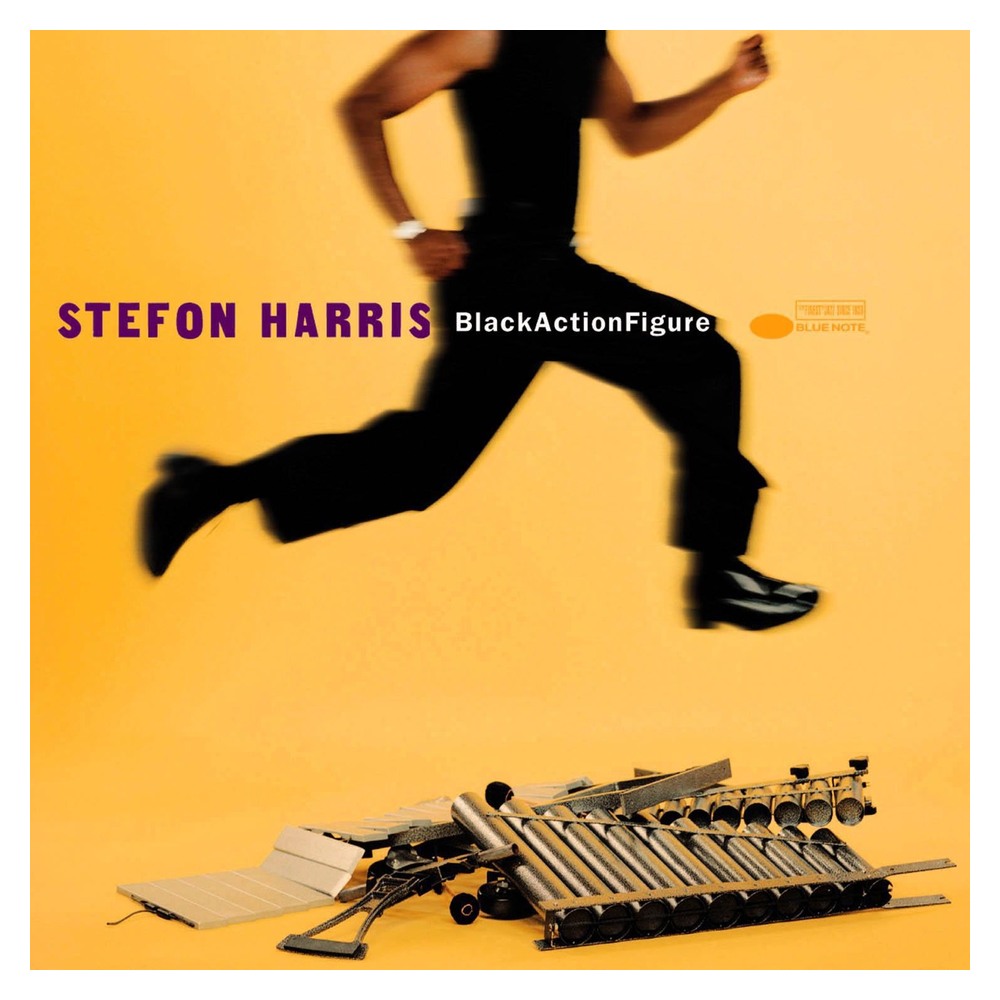
Black Action Figure
The central style of 《Black Action Figure》 is ‘Modern Vibraphone Jazz’. Let’s explore the points where the percussion-based keys take on both melody and rhythm, changing the direction of the ensemble.
The artist of 《Black Action Figure》 is Stefon Harris, first released in 1999, under the label Blue Note. The reissue of 《Black Action Figure》 may have bonus tracks or different masters, so it's advisable to check the original order and credits.
The artist of 《Black Action Figure》 is Stefon Harris, first released in 1999, under the label Blue Note. The reissue of 《Black Action Figure》 may have bonus tracks or different masters, so it's advisable to check the original order and credits.
아티스트 Stefon Harris
발표 연도 1999
레이블 Blue Note
스타일 현대 비브라폰 재즈
The blues-inspired start can be heard in 《Wizard of the Vibes》 and 《Bags Meets Wes!》, while the chamber-like balance is present in the modern jazz quartet's 《Django》. Bobby Hutcherson's two albums demonstrate how the vibraphone interacts with complex compositions and free improvisation. Gary Burton combines four-mallet harmonies with guitar, Roy Ayers brings in a soulful feel, and Stefon Harris extends modern rhythms and compositions.
When listening to vibraphone albums, if the high frequencies of the playback device are overly emphasized, the attack sounds can come off as sharp. Try lowering the volume slightly and listening to the reverb along with the bass distance. Even with the same performer, the density of harmonies can change based on the number of mallets and instrumentation, so it's a good idea to check the credits. Paying attention to how the vibraphone leaves certain notes after finishing a solo can make its role even clearer.
When listening to vibraphone albums, if the high frequencies of the playback device are overly emphasized, the attack sounds can come off as sharp. Try lowering the volume slightly and listening to the reverb along with the bass distance. Even with the same performer, the density of harmonies can change based on the number of mallets and instrumentation, so it's a good idea to check the credits. Paying attention to how the vibraphone leaves certain notes after finishing a solo can make its role even clearer.
At a glance
8 items
Wizard of the Vibes
Milt Jackson1952Blue Note
Bags Meets Wes!
1962Riverside비브라폰·재즈 기타
Duster
Gary Burton1967RCA Victor
Dialogue
Bobby Hutcherson1965Blue Note
Components
Bobby Hutcherson1966Blue Note
Django
1956Prestige쿨 재즈·서드 스트림
Virgo Vibes
Roy Ayers1967Atlantic
Black Action Figure
Stefon Harris1999Blue Note
As part of the Coupang Partners program, this post may earn a commission from qualifying purchases.
Comments 0
Log in to leave a comment.
Be the first to comment.
How about these lists?


You might also like


🎲
Not ready to stop here?
Wondering what to read next is the biggest waste of time.
Let the dice decide — you won't know what pops up until you roll.
If you don't press it… won't you wonder forever? 👀