Collection
Indoor Plants
2026.10.02
Bringing Flowers into Rooms That Only Had Leaves: Companion Plants
Real indoor flowering plants that need light, temperature, and dormancy conditions for blooming
Indoor flowering plants need to be appealing in terms of leaves and shape during the non-flowering period to create a long-lasting companionship. Although the plants may be full of blooms when sold from the greenhouse, insufficient light at home can prevent the next flower buds from forming. Some plants also require conditions like night temperature, short days, or dormancy. Instead of just focusing on the notion of 'year-round flowering,' we should differentiate how long a bloom lasts and the environmental needs for reblooming.
This list includes eight species like Anthurium, Kalanchoe, Cyclamen, Gardenia, Begonia, Hibiscus, Arabian Jasmine, and Guzmania, which allow you to enjoy flowers or spectacular bracts indoors. I've included necessary light and water, expected size, post-bloom care, and toxicity warnings. To ensure you can enjoy the flowers for a long time, check if the direction of light and indoor temperature match the blooming cycle of the respective plant before over-fertilizing.
This list includes eight species like Anthurium, Kalanchoe, Cyclamen, Gardenia, Begonia, Hibiscus, Arabian Jasmine, and Guzmania, which allow you to enjoy flowers or spectacular bracts indoors. I've included necessary light and water, expected size, post-bloom care, and toxicity warnings. To ensure you can enjoy the flowers for a long time, check if the direction of light and indoor temperature match the blooming cycle of the respective plant before over-fertilizing.
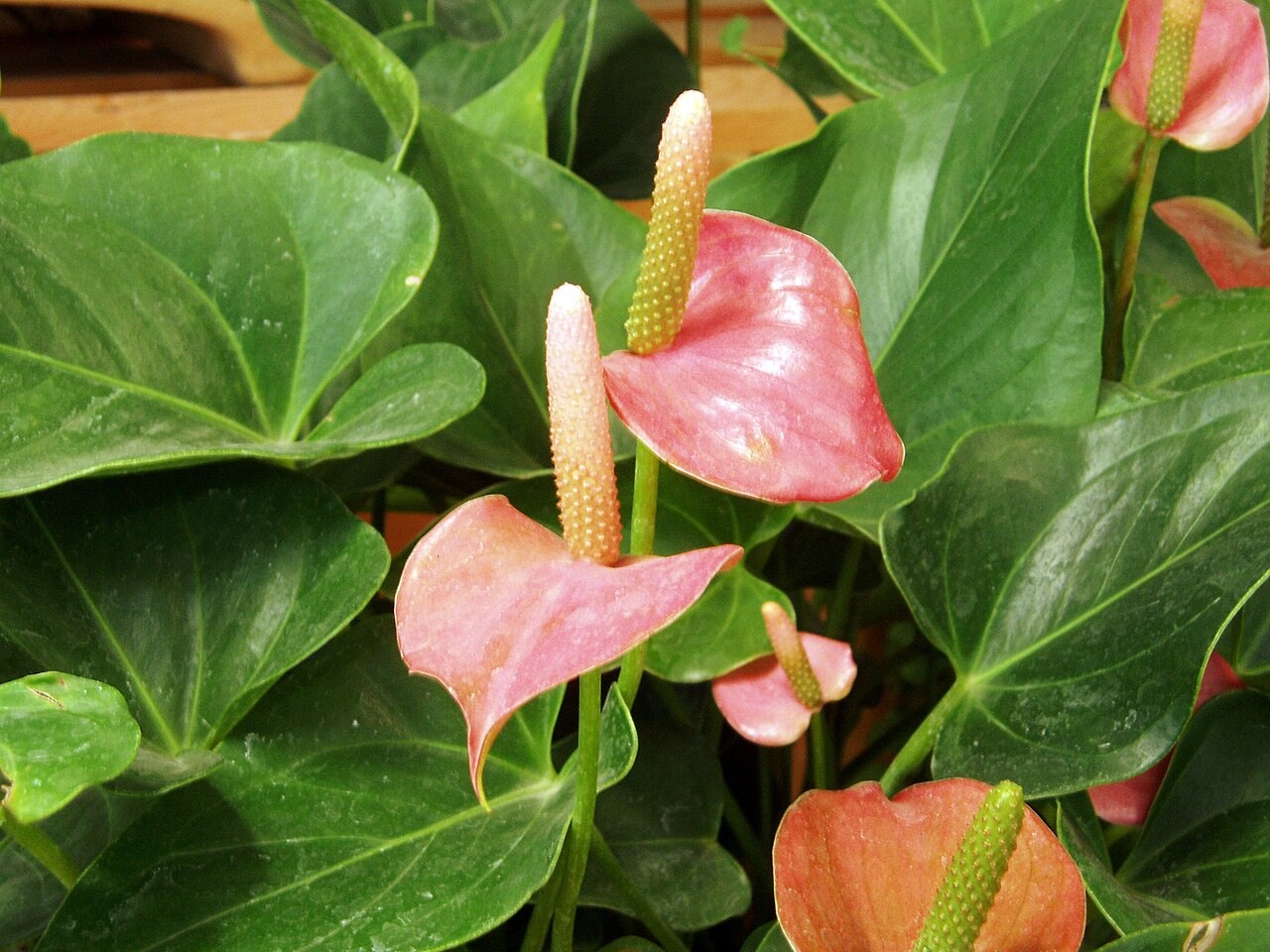
Anthurium andraeanum
A plant that brings out striking red or pink bracts between its glossy leaves. The criteria for viewing Anthurium andraeanum in this list is whether you can continue enjoying the leaves and shape even after the flowers fade. First, understand the scientific name 'Anthurium andraeanum', and make sure the light is 'bright indirect light'. The starting point for choosing should be whether you can reproduce these two conditions at home currently after the flowers wilt.
Once you bring it home, use the observation criteria of 'water when the surface soil starts to dry and maintain ventilation.' The expected size is generally '40-80 cm', and the final key topic is 'enjoying the long-lasting bracts and leaves together', so it's safer to avoid making drastic changes to the environment all at once and instead record reactions while adjusting gradually.
Once you bring it home, use the observation criteria of 'water when the surface soil starts to dry and maintain ventilation.' The expected size is generally '40-80 cm', and the final key topic is 'enjoying the long-lasting bracts and leaves together', so it's safer to avoid making drastic changes to the environment all at once and instead record reactions while adjusting gradually.
학명 Anthurium andraeanum
빛 밝은 간접광
물주기 겉흙이 마르기 시작하면 급수하고 통풍 유지
예상 크기 대체로 40~80cm
주제별 핵심 오래 유지되는 포엽과 잎을 함께 감상하기
관리 정보 확인 https://plants.ces.ncsu.edu/find_a_plant/?q=Anthurium%20andraeanum
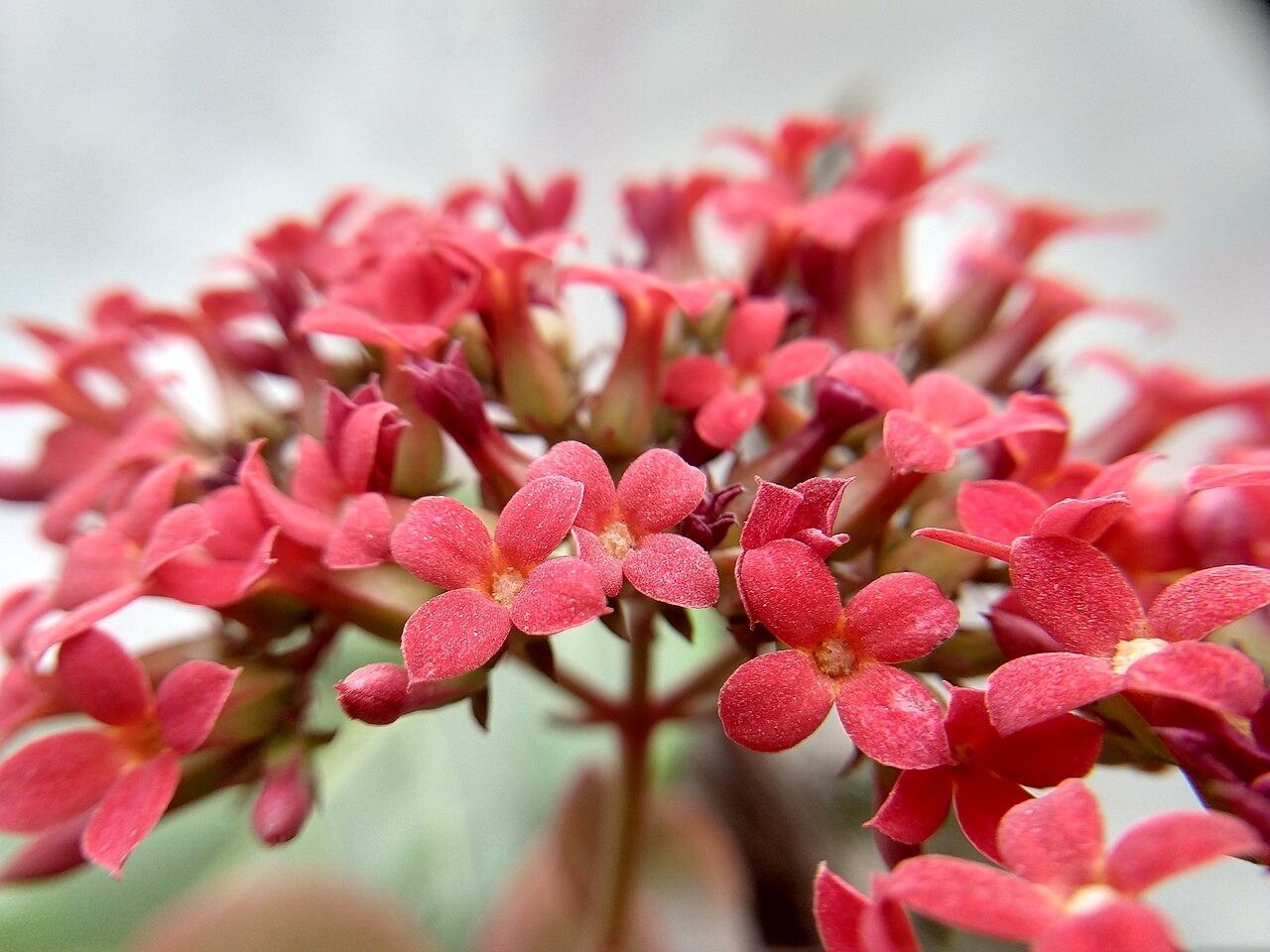
Kalanchoe
Kalanchoe is a single plant that produces clusters of small flowers atop its succulent leaves. When determining if you can continue enjoying the leaves and shape after it blooms, 'very bright light and adapted weak direct sunlight' is particularly important. Before deciding where to place it, check its scientific name 'Kalanchoe blossfeldiana' to differentiate between visually appealing locations and those the plant can endure.
During care, it's best to first avoid the key topic noted 'enjoying vibrant bloom clusters from a small pot.' Next, looking at the watering guidelines 'water after the soil mix has completely dried' and the expected size of 'about 20-45 cm' makes it easier to judge whether a temporary change or environmental mismatch signals trouble. Comparing several days of change rather than one single measurement could be useful.
During care, it's best to first avoid the key topic noted 'enjoying vibrant bloom clusters from a small pot.' Next, looking at the watering guidelines 'water after the soil mix has completely dried' and the expected size of 'about 20-45 cm' makes it easier to judge whether a temporary change or environmental mismatch signals trouble. Comparing several days of change rather than one single measurement could be useful.
학명 Kalanchoe blossfeldiana
빛 매우 밝은 빛과 적응된 약한 직사광
물주기 용토가 충분히 마른 뒤 급수
예상 크기 약 20~45cm
주제별 핵심 작은 화분에서 선명한 꽃송이 감상
관리 정보 확인 https://plants.ces.ncsu.edu/find_a_plant/?q=Kalanchoe%20blossfeldiana
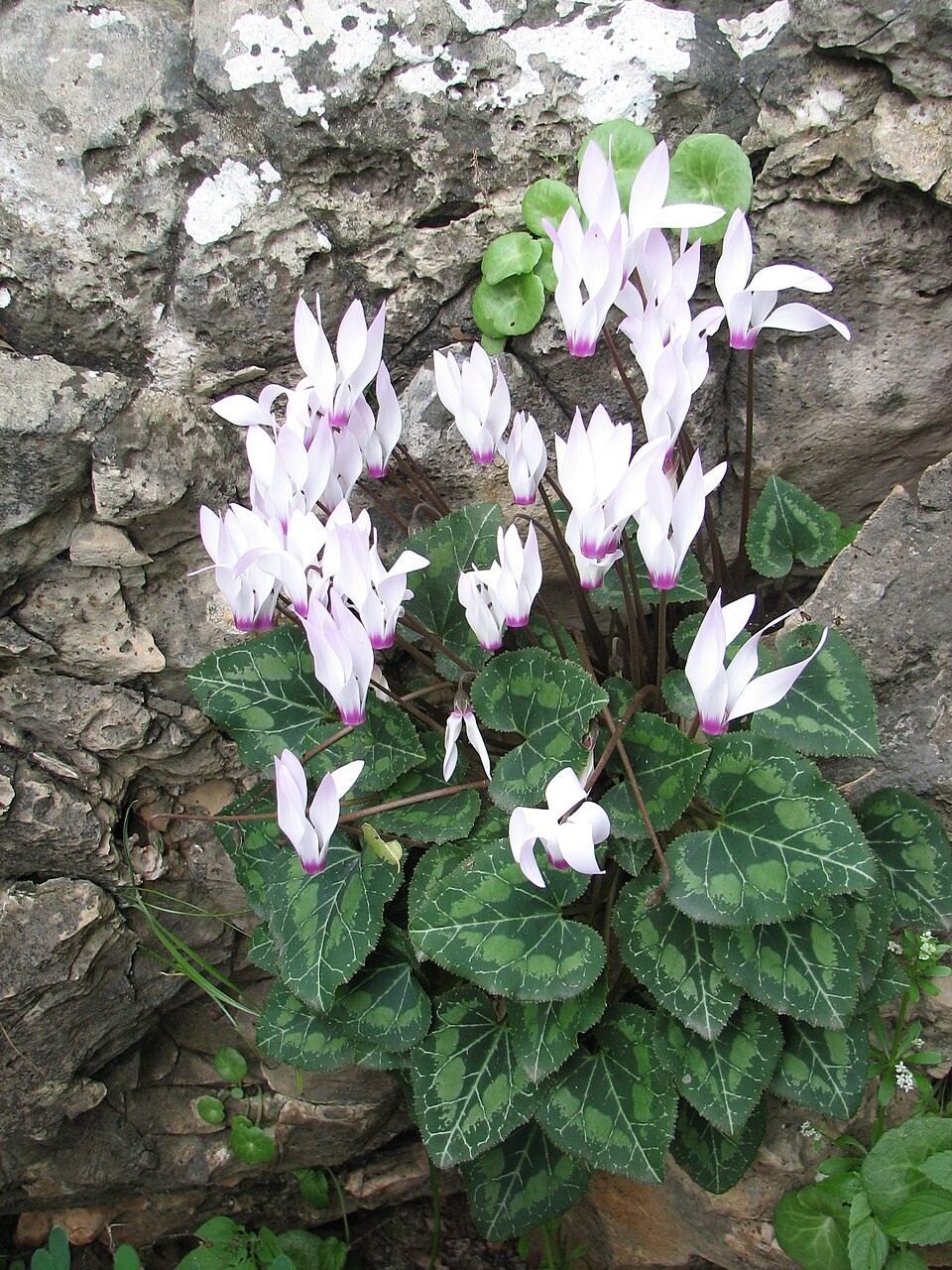
Cyclamen
If you focus on whether you can keep enjoying the leaves and shape after the flowers wilt, the advantages of Cyclamen become clear. This is a bulbous plant that showcases backward-curving petals over patterned leaves in cooler seasons. Basic conditions include the scientific name 'Cyclamen persicum', and watering guidelines involve 'watering from the edges or bottom, ensuring no water pools at the bulb center.' If you can't continue enjoying the leaves and shape after the flowers wilt, the mismatch in conditions might show in new growth despite appearances looking fine.
Manage it under 'bright indirect light', and reflect on the expected size of 'about 15-30 cm' in your space planning. Especially, the key topic of 'enjoying cold-season flowers and patterned leaves' is something to check right after purchase. Whether you can continue enjoying the leaves and shape after flowering also varies as the season changes, affecting dryness and light angles even in the same spot, so actual reactions should take precedence over fixed schedules.
Manage it under 'bright indirect light', and reflect on the expected size of 'about 15-30 cm' in your space planning. Especially, the key topic of 'enjoying cold-season flowers and patterned leaves' is something to check right after purchase. Whether you can continue enjoying the leaves and shape after flowering also varies as the season changes, affecting dryness and light angles even in the same spot, so actual reactions should take precedence over fixed schedules.
학명 Cyclamen persicum
빛 밝은 간접광
물주기 구근 중심에 물이 고이지 않게 가장자리 또는 저면 급수
예상 크기 약 15~30cm
주제별 핵심 서늘한 계절의 꽃과 무늬 잎 감상
관리 정보 확인 https://plants.ces.ncsu.edu/find_a_plant/?q=Cyclamen%20persicum
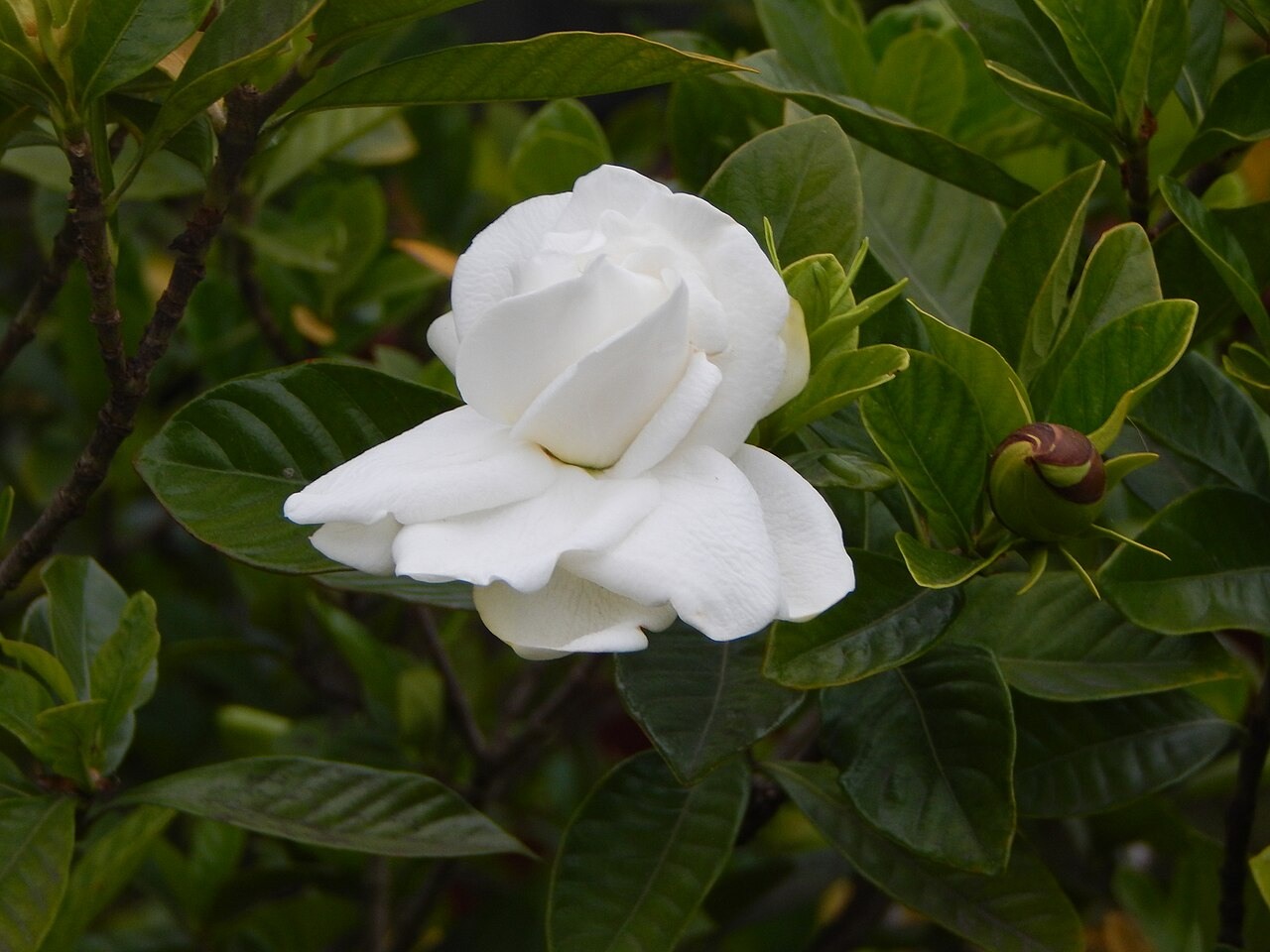
Gardenia
An evergreen shrub with fragrant white flowers and glossy leaves. The reason for including Gardenia in this list is that it offers a clear comparison on whether you can continue enjoying the leaves and shape after the blooms fade. During the purchasing stage, compare the expected size of 'about 60-150 cm in indoor pots' with the scientific name 'Gardenia jasminoides' to see if the space and size are suitable.
Once it's in your home, you should base light on 'very bright indirect light and soft sunlight', and check the watering, making sure the 'acidic soil mix remains evenly moist but drains well.' Keeping in mind the key topic of 'enjoying fragrant white flowers up close' can minimize common care mistakes. If issues arise where you can't continue enjoying the leaves and shape after flowering, review the recent changes concerning light, moisture, and temperature before adding fertilizers or treatments.
Once it's in your home, you should base light on 'very bright indirect light and soft sunlight', and check the watering, making sure the 'acidic soil mix remains evenly moist but drains well.' Keeping in mind the key topic of 'enjoying fragrant white flowers up close' can minimize common care mistakes. If issues arise where you can't continue enjoying the leaves and shape after flowering, review the recent changes concerning light, moisture, and temperature before adding fertilizers or treatments.
학명 Gardenia jasminoides
빛 매우 밝은 간접광과 부드러운 햇빛
물주기 산성 용토를 고르게 촉촉하게 유지하되 배수 필요
예상 크기 실내 화분에서 약 60~150cm
주제별 핵심 향이 있는 흰 꽃을 가까이에서 감상하기
관리 정보 확인 https://plants.ces.ncsu.edu/find_a_plant/?q=Gardenia%20jasminoides
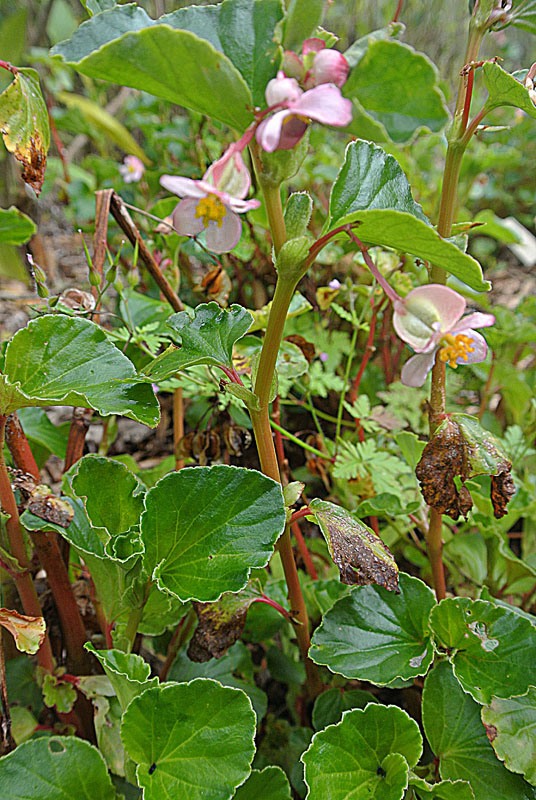
Begonia semperflorens
Begonia
The core of Begonia is about matching lifestyle conditions rather than flashy descriptions. This type has round leaves and small flowers that continuously bloom. At this point, the watering guidelines of 'water while avoiding the leaves and stems when the topsoil dries out' should be routinely checked, and the key topic of 'enjoying the small flowers and leaf colors together' serves as a boundary to avoid failures. Considering whether you can keep enjoying the leaves and shape after the bloom fades will highlight differences from other candidates more clearly.
Before placement, check the scientific name 'Begonia cucullata', and before use or care, inspect light 'bright indirect light and soft morning sunlight' sequentially. The expected size of 'generally 20-45 cm' should also be factored in so you can efficiently decide around nearby items and pathways. To see if you can continue enjoying the leaves and shape after blooming, the safest method is to apply small changes first, observe the next reactions, and then adjust.
Before placement, check the scientific name 'Begonia cucullata', and before use or care, inspect light 'bright indirect light and soft morning sunlight' sequentially. The expected size of 'generally 20-45 cm' should also be factored in so you can efficiently decide around nearby items and pathways. To see if you can continue enjoying the leaves and shape after blooming, the safest method is to apply small changes first, observe the next reactions, and then adjust.
학명 Begonia cucullata
빛 밝은 간접광과 부드러운 오전 햇빛
물주기 겉흙이 마르면 잎과 줄기 중심을 피해 급수
예상 크기 대체로 20~45cm
주제별 핵심 작은 꽃과 잎 색을 함께 감상하기
관리 정보 확인 https://plants.ces.ncsu.edu/find_a_plant/?q=Begonia%20cucullata
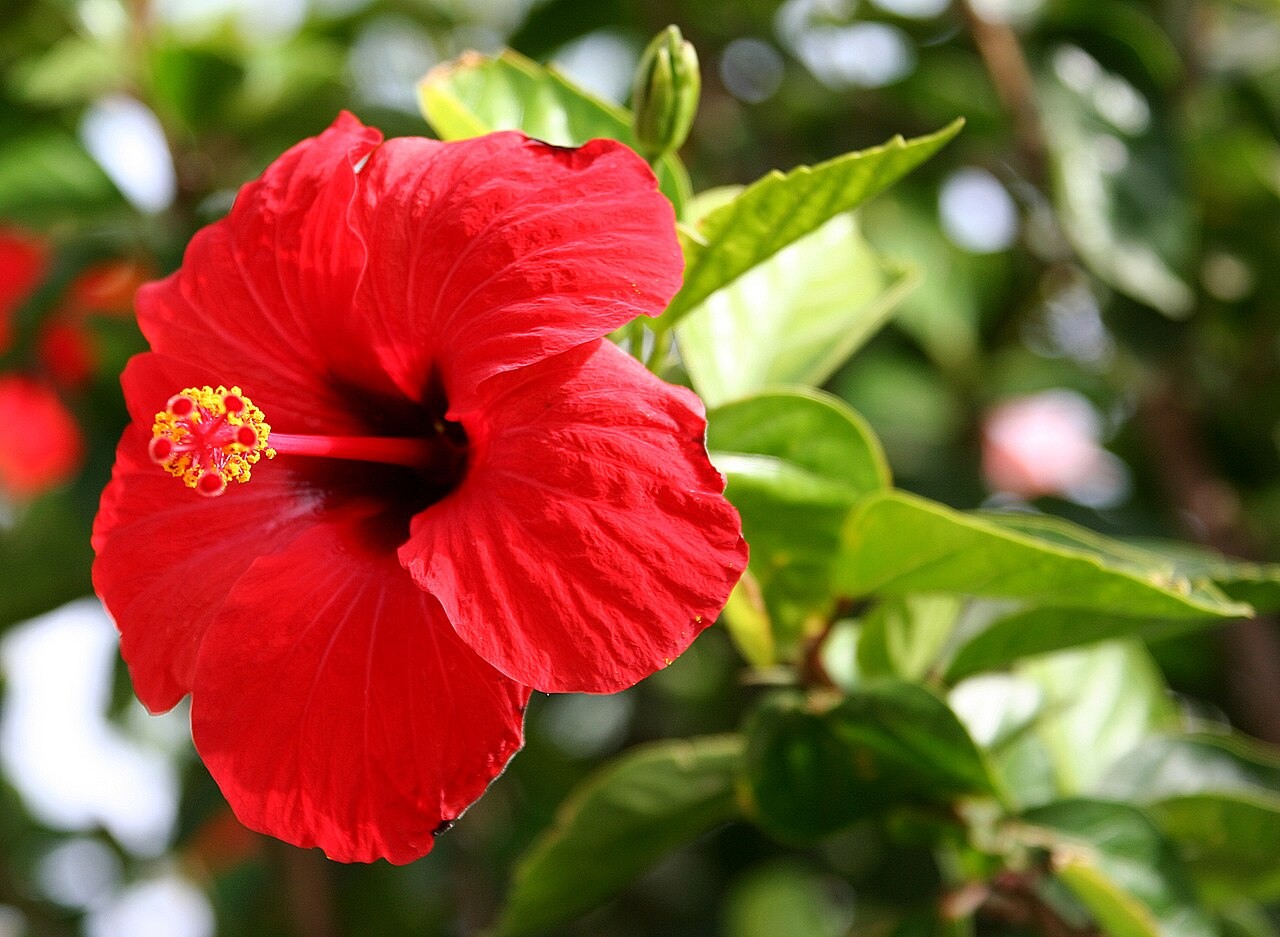
Hibiscus
If you're curious about whether you can continue enjoying the leaves and shape after the blooms fade, let's look at Hibiscus with three criteria. First is the scientific name 'Hibiscus rosa-sinensis', second is light, 'very bright light with ample direct sunlight', and third is the expected size, 'capable of over 1-2 m even in pots'. This tropical evergreen shrub produces large, vibrant trumpet-shaped flowers. If you can't continue enjoying the leaves and shape after the flowers wilt, remember that these conditions influence one another; just meeting one won't guarantee the same outcome as the others.
Use 'water well when the topsoil is dry during the growing season' as your observation criteria, and if problems arise, prioritize eliminating the core topic 'enjoying impressive large flowers even when days are short.' When considering whether you can continue enjoying the leaves and shape after flowering, refrain from frequently changing both the placement and care methods during the plant's adjustment to the new environment. It's crucial to check the causes one by one so you can establish manageable standards for the next season.
Use 'water well when the topsoil is dry during the growing season' as your observation criteria, and if problems arise, prioritize eliminating the core topic 'enjoying impressive large flowers even when days are short.' When considering whether you can continue enjoying the leaves and shape after flowering, refrain from frequently changing both the placement and care methods during the plant's adjustment to the new environment. It's crucial to check the causes one by one so you can establish manageable standards for the next season.
학명 Hibiscus rosa-sinensis
빛 매우 밝은 빛과 충분한 직사광
물주기 생육기에는 겉흙이 마르면 충분히 급수
예상 크기 화분에서도 1~2m 이상 가능
주제별 핵심 하루가 짧아도 시선을 끄는 큰 꽃 감상
관리 정보 확인 https://plants.ces.ncsu.edu/find_a_plant/?q=Hibiscus%20rosa-sinensis
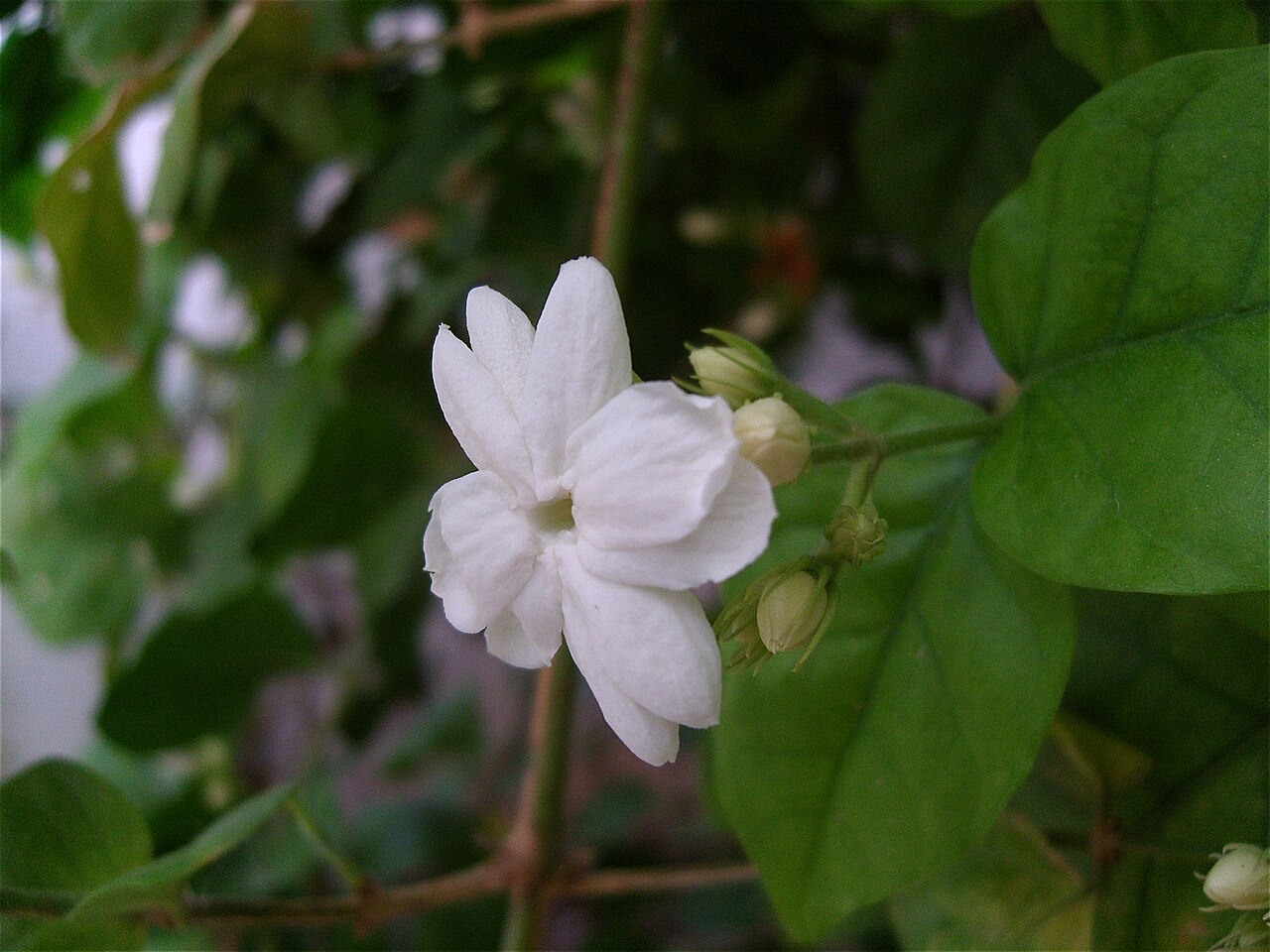
Arabian Jasmine
A climbing or shrub type of jasmine that produces small fragrant white flowers. Arabian Jasmine is valuable to assess whether you can continue enjoying the leaves and shape after the flowers wilt. Be aware that if you're not familiar with the key topic 'enjoying the floral fragrance in the evening', inconveniences may emerge before its advantages. Next, verify if the scientific name 'Jasminum sambac' fits your home environment.
When maintaining it, allow some space considering the expected size of 'over 1 m depending on support and pruning,' and match the light to 'very bright light with some direct sunlight.' The watering guideline 'water when the surface soil has dried and avoid complete dryness during flower bud periods' is a practical clue for evaluating conditions. To determine whether you can continue enjoying the leaves and shape after flowering, it's more accurate to observe new leaves and roots, and the drying speed at home rather than relying solely on the images sold.
When maintaining it, allow some space considering the expected size of 'over 1 m depending on support and pruning,' and match the light to 'very bright light with some direct sunlight.' The watering guideline 'water when the surface soil has dried and avoid complete dryness during flower bud periods' is a practical clue for evaluating conditions. To determine whether you can continue enjoying the leaves and shape after flowering, it's more accurate to observe new leaves and roots, and the drying speed at home rather than relying solely on the images sold.
학명 Jasminum sambac
빛 매우 밝은 빛과 일부 직사광
물주기 겉흙이 마르면 급수하고 꽃눈 시기에 완전 건조를 피함
예상 크기 지지대와 전정에 따라 1m 이상 가능
주제별 핵심 저녁에도 이어지는 꽃 향 감상
관리 정보 확인 https://plants.ces.ncsu.edu/find_a_plant/?q=Jasminum%20sambac
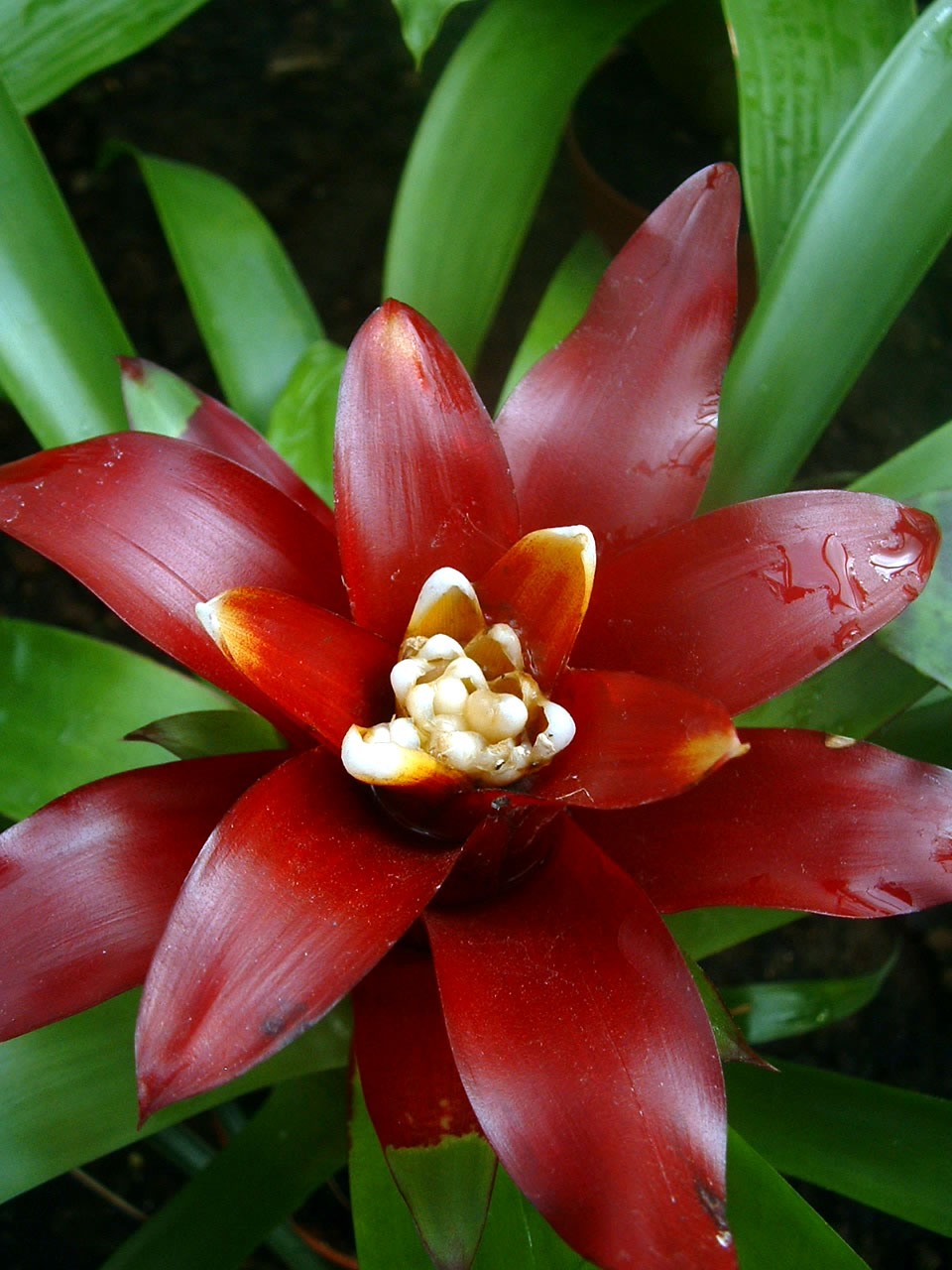
Guzmania lingulata
Before choosing Guzmania lingulata, let's pose the question of whether you can continue enjoying the leaves and shape after the flowers wilt. It's a tank-forming bromeliad with red or orange bracts rising from the center. The expected size of 'about 30-60 cm' means that simply checking the current size before placement might necessitate later relocations. For continuing enjoyment of leaves and shape after blooming, 'bright indirect light' should align with your care habits.
After deciding on the location or usage, periodically compare the scientific name 'Guzmania lingulata' with the watering guideline 'regularly change the rosette water and ensure the root soil isn't overly wet'. Finally, ensuring you don't miss the key topic of 'appreciating the long-lasting beautiful bracts' can help you prevent unexpected damage. If there's a change in whether you can continue enjoying the leaves and shape after blooming, start by checking the records of water, light, and temperature from the past week.
After deciding on the location or usage, periodically compare the scientific name 'Guzmania lingulata' with the watering guideline 'regularly change the rosette water and ensure the root soil isn't overly wet'. Finally, ensuring you don't miss the key topic of 'appreciating the long-lasting beautiful bracts' can help you prevent unexpected damage. If there's a change in whether you can continue enjoying the leaves and shape after blooming, start by checking the records of water, light, and temperature from the past week.
학명 Guzmania lingulata
빛 밝은 간접광
물주기 로제트 물은 정기적으로 교체하고 뿌리 용토는 과습하지 않게 함
예상 크기 약 30~60cm
주제별 핵심 오래 유지되는 화려한 포엽 감상
관리 정보 확인 https://plants.ces.ncsu.edu/find_a_plant/?q=Guzmania%20lingulata
After the flowers have wilted, the care requirements change for each plant. Kalanchoe is influenced by shorter days for flower bud formation, Cyclamen may show dormancy in hot times, and Guzmania, a bromeliad, will produce offsets after one rosette blooms. Rather than cutting all flower stalks the same way, it's important to understand each species' lifecycle to avoid missing the next growth phase.
Indoor flowering plants may drop petals and stamens, so it's best to avoid placing them on tables or pet feeding areas. Strongly scented plants like Gardenia or Jasmine may be uncomfortable in small rooms, so consider ventilation as well. When the plants are not blooming, rather than dramatically increasing fertilizer, check the light, root condition, temperature, and season one by one, ensuring any toxic varieties are kept in safe spots away from children and pets.
Indoor flowering plants may drop petals and stamens, so it's best to avoid placing them on tables or pet feeding areas. Strongly scented plants like Gardenia or Jasmine may be uncomfortable in small rooms, so consider ventilation as well. When the plants are not blooming, rather than dramatically increasing fertilizer, check the light, root condition, temperature, and season one by one, ensuring any toxic varieties are kept in safe spots away from children and pets.
At a glance
8 items
As part of the Coupang Partners program, this post may earn a commission from qualifying purchases.
Comments 0
Log in to leave a comment.
Be the first to comment.
How about these lists?


You might also like


🎲
Not ready to stop here?
Wondering what to read next is the biggest waste of time.
Let the dice decide — you won't know what pops up until you roll.
If you don't press it… won't you wonder forever? 👀