Collection
Historical Content
2026.08.17
A Work Depicting a Family Stripped of Name and Genealogy
Movies and Books Exploring Family Identity Shaken by Name Changes, Language, and Migration
The practice of name changes (changssi gaemyeong) was not just a simple administrative procedure but a colonial governance effort to align family, ancestors, and community relationships with the Japanese household registration system. Some complied for their livelihood, while others resisted to the end, and families that migrated to Japan continued to face complex choices between names and nationalities even after liberation. This work shows these pressures through individual experiences.
This list collects actual films, dramas, and novels that depict family identity shaken by name changes, genealogy, language, and migration. It refrains from dividing pro-Japanese and resistance activities along bloodline lines and instead examines the conditions and actions of the characters. It distinguishes between works dealing with real historical figures and fictional families and is structured to lead to a discussion of actual records like the name change system and the Chosun Language Society incident for further verification after appreciation.
This list collects actual films, dramas, and novels that depict family identity shaken by name changes, genealogy, language, and migration. It refrains from dividing pro-Japanese and resistance activities along bloodline lines and instead examines the conditions and actions of the characters. It distinguishes between works dealing with real historical figures and fictional families and is structured to lead to a discussion of actual records like the name change system and the Chosun Language Society incident for further verification after appreciation.
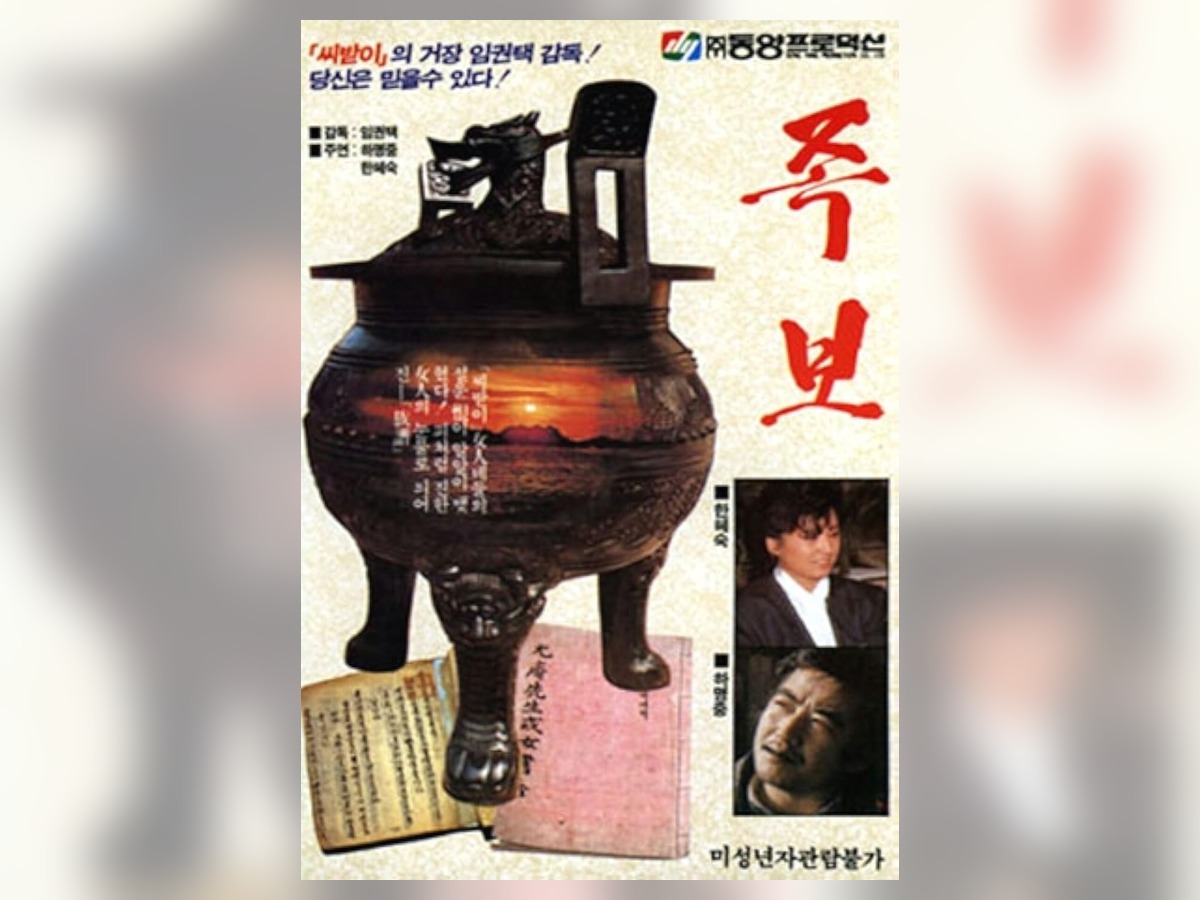
Jokbo
Genealogy
Genealogy (Jogbo) is a film directed by Im Kwon-taek from 1978 that deals with the Seol family facing enforced name changes and the Japanese officials overseeing them. The core reason to explore this material is that names and genealogies transcend individual notation and represent the memories of ancestors and the community. It distinguishes between the colonial policies and fictional character conflicts and verifies the actual implementation processes of the name change system at that time. Since pro-Japanese sentiment and independence movements cannot be judged solely by surnames or bloodlines, the work separates fiction from reality, requiring verification of the creating institutions, scope of application, and original text sources of legal and historical materials. Rather than speculating about the privacy of current descendants or participants, focusing on the actions and systems of that time, and the publicly available commemorative activities allows us to connect family stories to a study of modern history rather than sensationalized stigmas.
자료 유형 1978년 임권택 감독 영화
다루는 내용 창씨개명을 강요받는 설씨 문중과 일본인 관리
살펴볼 점 이름과 족보가 개인 표기를 넘어 조상과 공동체의 기억이라는 점
정보 구분 식민 정책과 허구 인물의 갈등을 구분하고 당시 창씨개명 제도의 실제 시행 과정을 함께 확인한다.
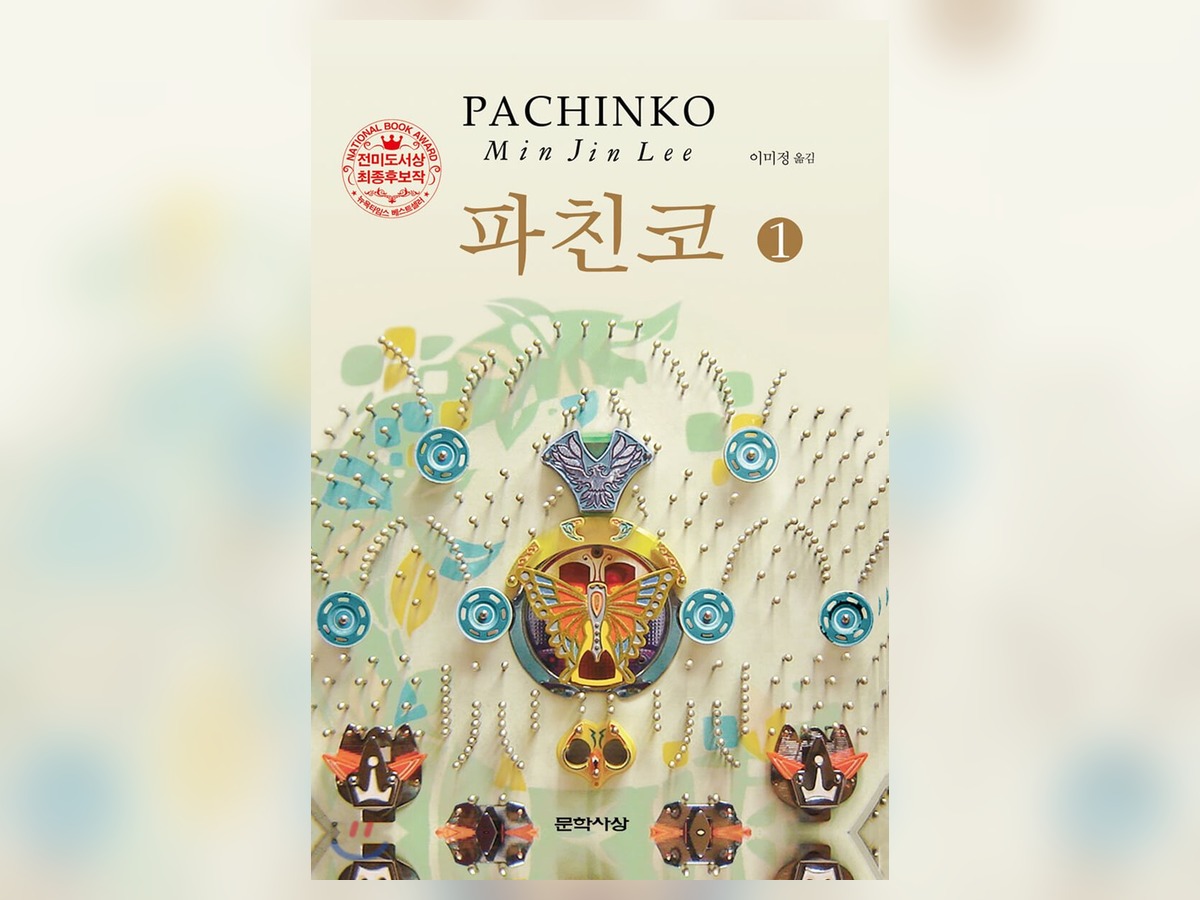
Pachinko
Pachinko is a novel by Lee Min-jin that traces the four generations of the Sunja family from Korea to Japan during the Japanese occupation. The key reason to explore this material is the way family continues to convey memory despite changes in nationality, name, and language. It does not generalize the narrative as merely an account of a family with complex experiences as Zainichi Koreans. Since pro-Japanese sentiment and independence movements cannot be judged solely by surnames or bloodlines, the work separates fiction from reality and requires verification of the creating institutions, scope of application, and original text sources of legal and historical materials. Furthermore, focusing on the actions and systems of that time, and the publicly available commemorative activities allows us to connect family stories to a study of modern history rather than sensationalized stigmas.
자료 유형 이민진 장편소설
다루는 내용 일제강점기 조선에서 일본으로 이어지는 선자 가족 4대
살펴볼 점 국적·이름·언어가 바뀌어도 가족이 기억을 전하는 방식
정보 구분 재일조선인 가족의 복합적 경험을 한 가문의 서사로만 일반화하지 않는다.
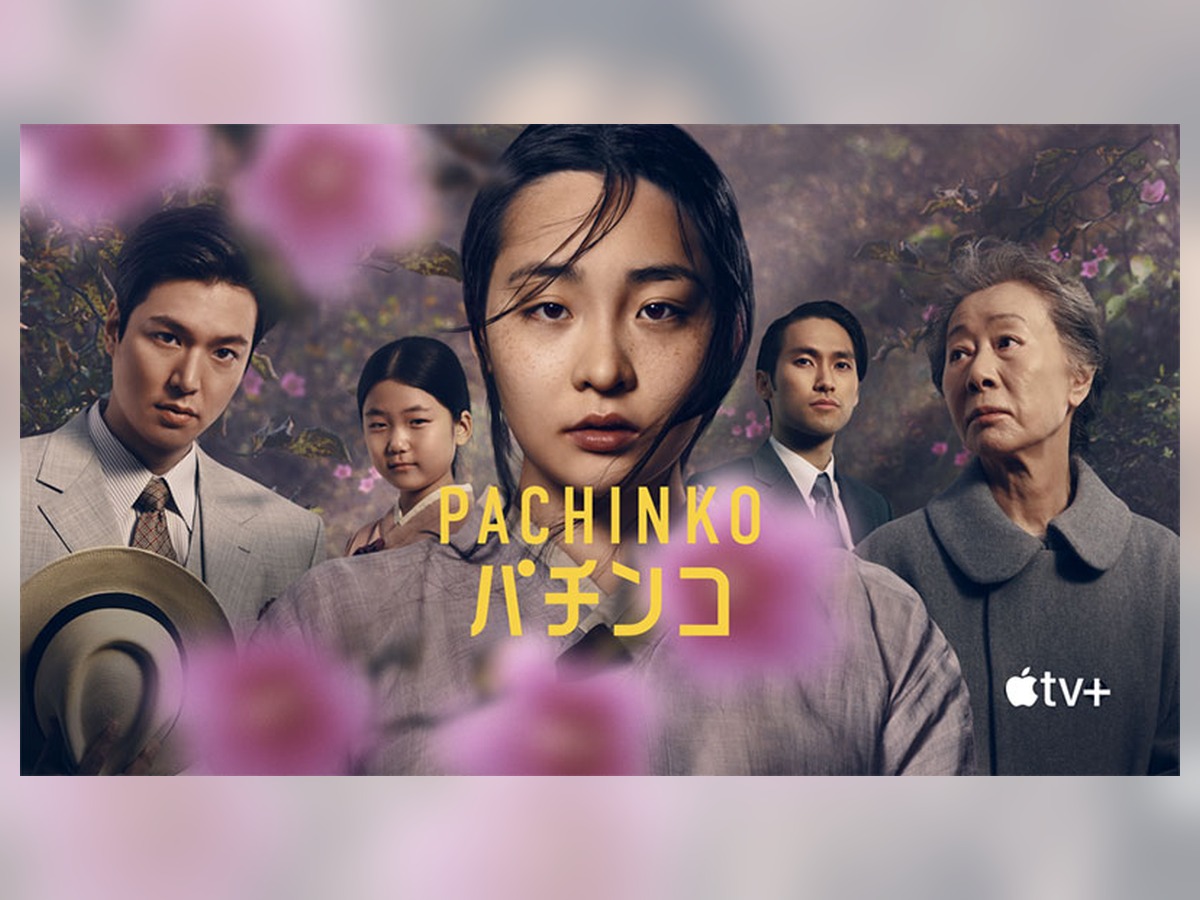
Pachinko
Pachinko is an Apple TV+ drama that deals with the Zainichi family from Sunja to Solomon. The generational changes in identity between Korean names and Japanese social life is the core reason to explore this material. It examines the differences between the original work and adaptation without linking the actors’ real-life family histories to the families in the story. Since pro-Japanese sentiment and independence movements cannot be judged solely by surnames or bloodlines, the work separates fiction from reality and requires verification of the creating institutions, scope of application, and original text sources of legal and historical materials. By concentrating on the actions and systems of that time, and the publicly available commemorative activities, we can see family stories in the context of studying modern history rather than sensationalized stigmas.
자료 유형 Apple TV+ 드라마
다루는 내용 선자와 솔로몬으로 이어지는 재일 가족
살펴볼 점 한국 이름과 일본식 사회생활 사이에서 세대마다 달라지는 정체성
정보 구분 원작과 영상 각색의 차이를 살피고 배우의 실제 가족사와 극 중 가문을 연결하지 않는다.
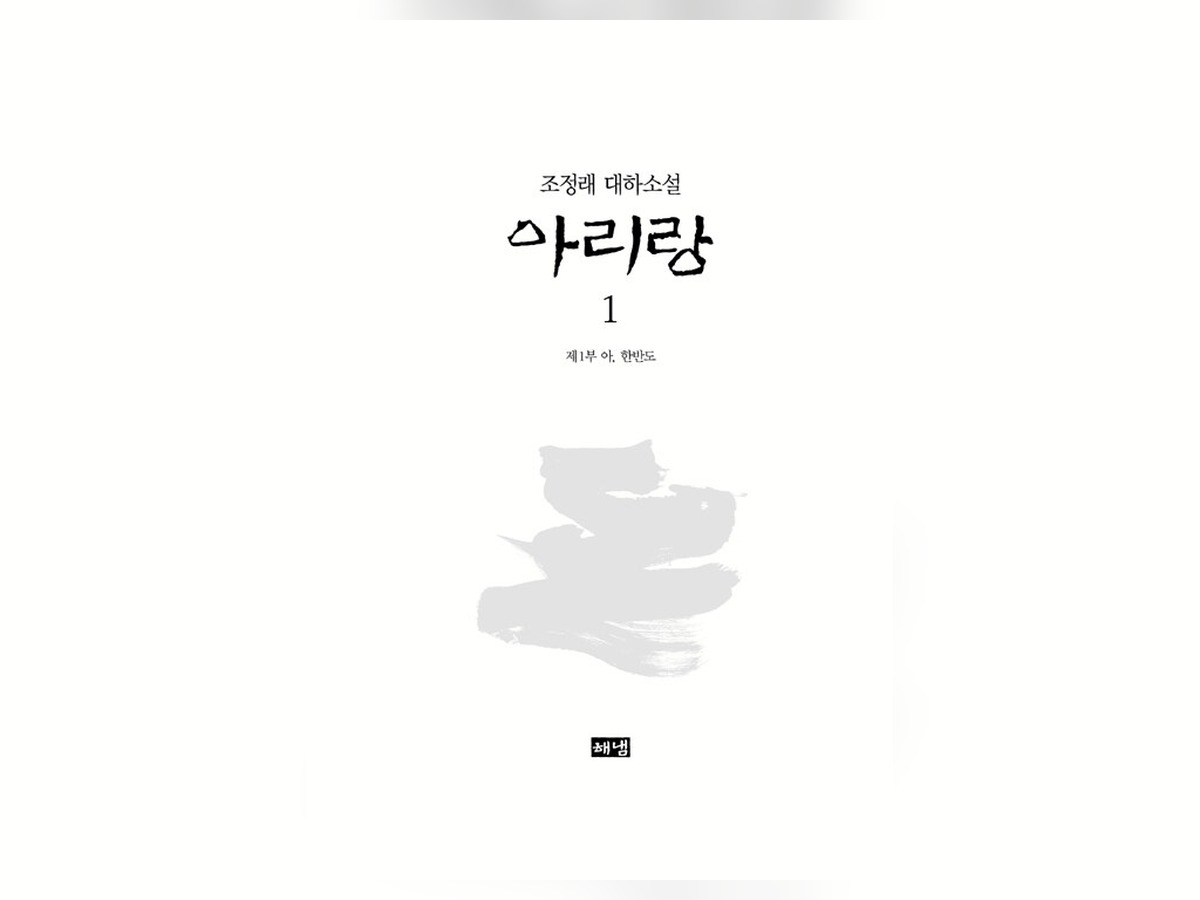
Arirang
Arirang is a sprawling novel by Jo Jeong-rae that deals with various Korean families divided by exploitation and migration. The process of individuals who lost their land, names, and hometowns splitting into paths of collaboration and resistance is the core reason to explore this material. Since it is a novel that blends fictional characters with real events, specific judgments about pro-Japanese actions are supplemented by public records. Pro-Japanese sentiment and independence movements cannot be judged solely by surnames or bloodlines; the work separates fiction from reality and requires verification of the creating institutions, scope of application, and original text sources of legal and historical materials. By focusing on the actions and systems of that time and the publicly available commemorative activities, we can connect family stories to a study of modern history rather than sensationalized stigmas.
자료 유형 조정래 대하소설
다루는 내용 수탈과 이주를 겪으며 갈라지는 여러 조선인 가족
살펴볼 점 토지·이름·고향을 빼앗긴 사람들이 협력과 저항의 길로 나뉘는 과정
정보 구분 허구 인물과 실존 사건이 섞인 소설이므로 구체적 친일 행위 판단은 공적 기록으로 보완한다.
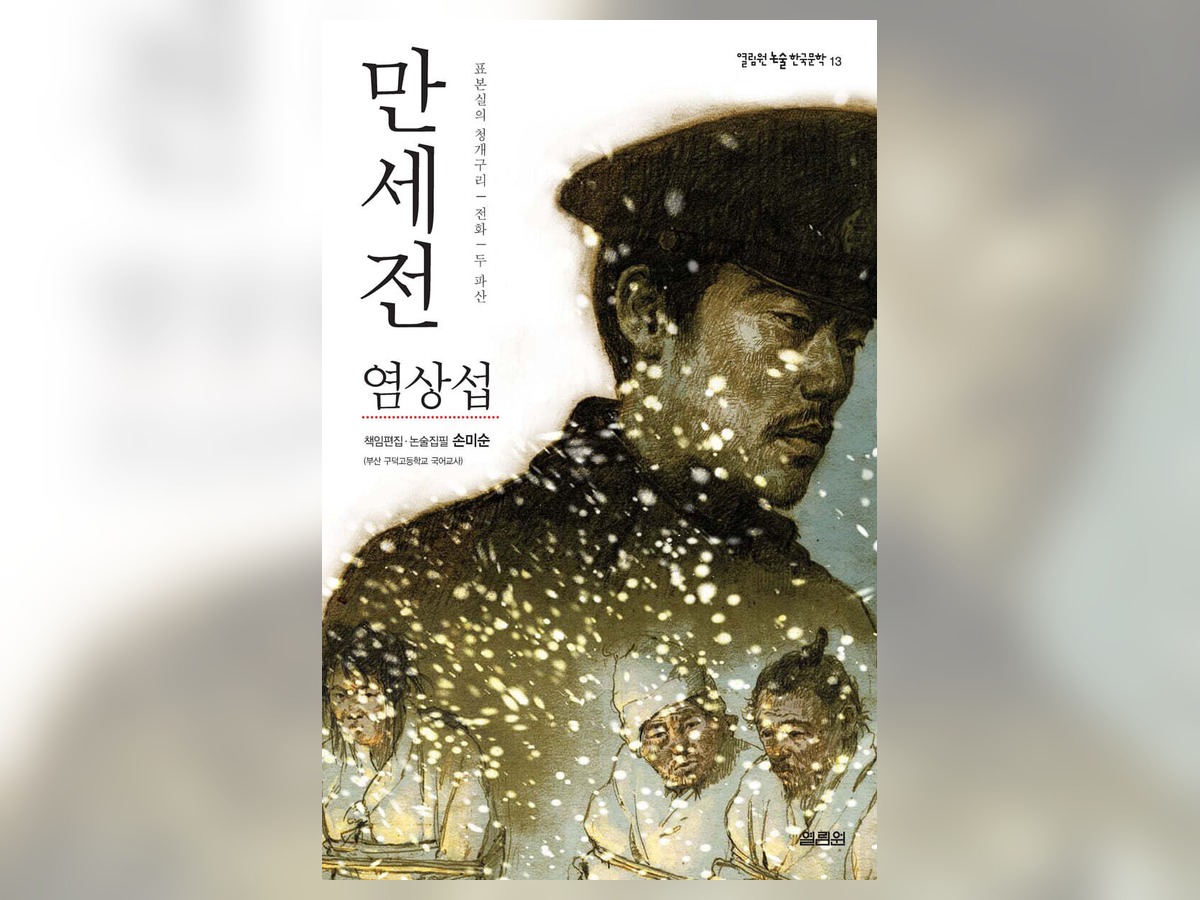
Mansaetjeon
Before the Dawn
Before the Dawn is a novella by Yeom Sang-seop that portrays Yi In-hwa returning home for his family's funeral during colonial Korea. The perspective of a modern-educated individual observing the stifling family and colonial realities is the key reason to explore this material. The cynicism present in the work is not simply reduced to the political stance of the writer or the entire family. Since pro-Japanese sentiment and independence movements cannot be judged solely by surnames or bloodlines, the work separates fiction from reality and requires verification of the creating institutions, scope of application, and original text sources of legal and historical materials. By concentrating on the actions and systems of that time, and the publicly available commemorative activities, we can see family tales as a study of modern history instead of sensationalized stigmas.
자료 유형 염상섭 중편소설
다루는 내용 식민지 조선의 가족 장례를 위해 귀국하는 이인화
살펴볼 점 근대 교육을 받은 개인이 집안과 식민 현실의 답답함을 바라보는 시선
정보 구분 작품 속 냉소를 작가나 특정 집안 전체의 정치적 입장으로 단순 환원하지 않는다.
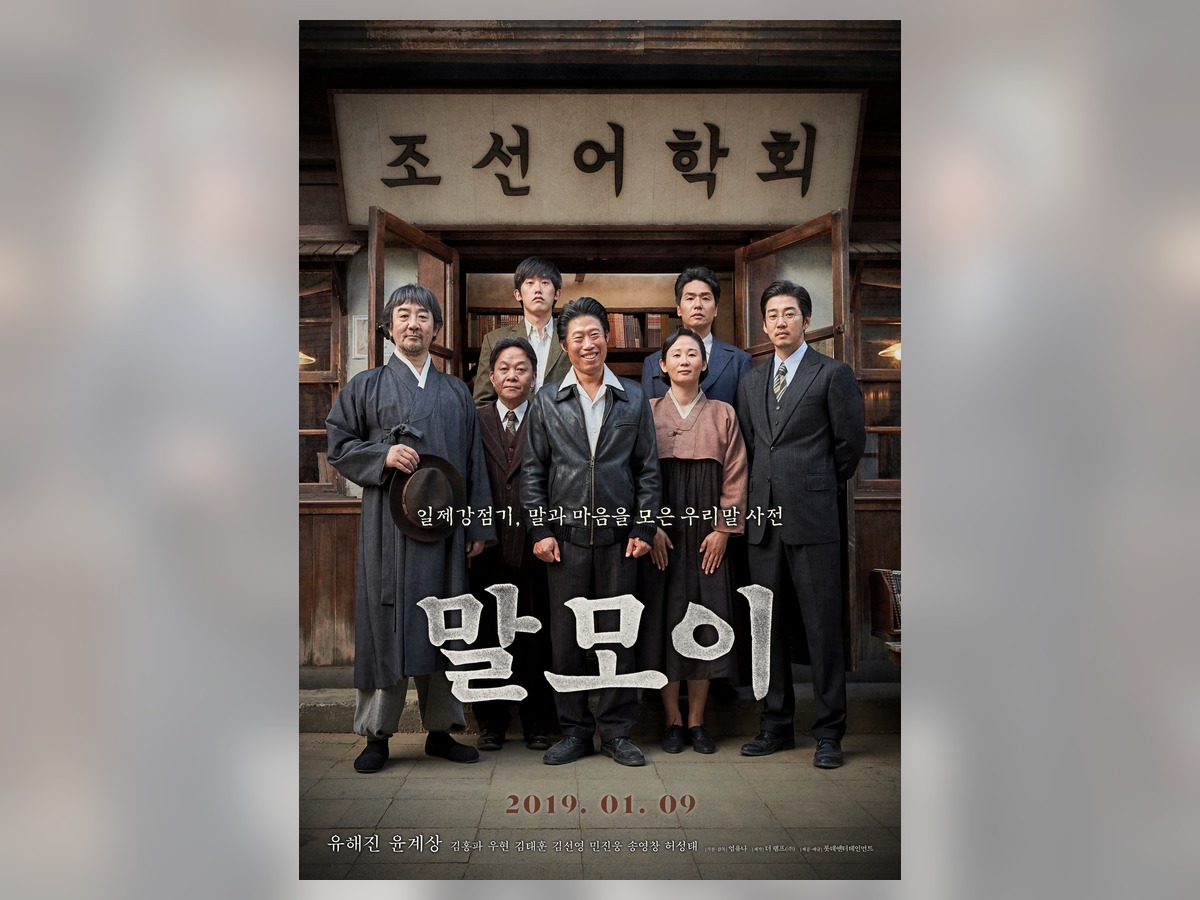
Malmooi
Malmoe: The Secret Mission
Malmoe: The Secret Mission is a 2019 film that deals with the Chosun Language Society members and their families attempting to create a Korean dictionary. The process in which names and language become tools for preserving identity and memory under colonial rule is the core reason to explore this material. Since it is a fictional narrative inspired by the real Chosun Language Society incident, it does not translate the biographies of the characters into facts. Pro-Japanese sentiment and independence movements cannot be judged solely by surnames or bloodlines, and the work separates fiction from reality while requiring verification of the creating institutions, scope of application, and original text sources of legal and historical materials. Rather than speculating about the privacy of current descendants or participants, focusing on the actions and systems of that time and the publicly available commemorative activities allows us to connect family stories to a study of modern history rather than sensationalized stigmas.
자료 유형 2019년 영화
다루는 내용 우리말 사전을 만들려는 조선어학회 사람들과 가족
살펴볼 점 이름과 말이 식민 통치 속에서 정체성과 기억을 지키는 도구가 되는 과정
정보 구분 실제 조선어학회 사건에서 영감을 받은 허구 서사이므로 등장인물의 전기를 사실로 옮기지 않는다.
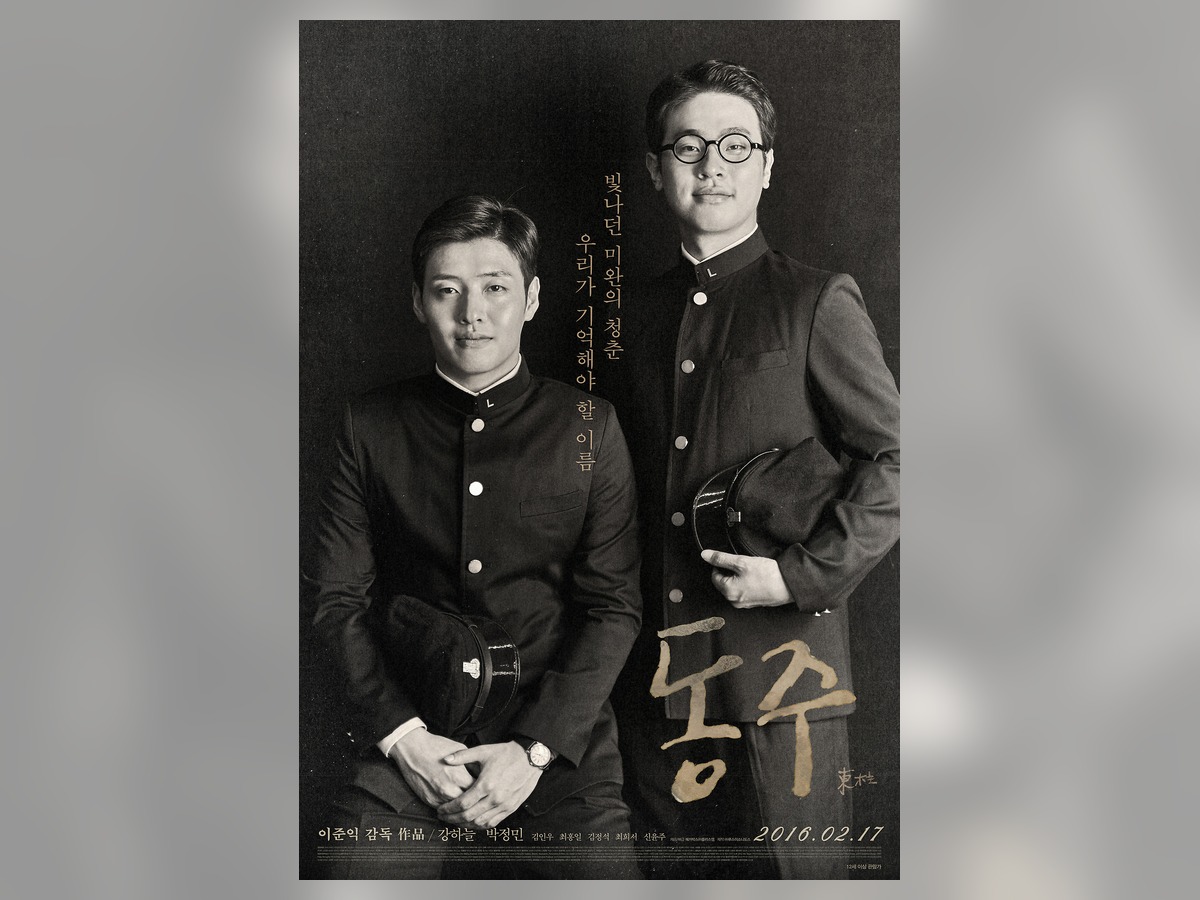
Dongju
Dongju is a 2016 film that portrays the hopes of two youths, Yun Dong-ju and Song Mong-kyu, and their families. The struggles to maintain their selves through poetry and actions amidst Japanese-style naming and colonial university life is the core reason to explore this material. Since the film handles real figures, it is essential to distinguish the movie's dialogue and scenes from diaries, trial records, and biographies. Pro-Japanese sentiment and independence movements cannot be judged solely by surnames or bloodlines, and the work separates fiction from reality while requiring verification of the creating institutions, scope of application, and original text sources of legal and historical materials. Rather than making assumptions about the privacy of current descendants or participants, focusing on the actions and systems of that time and the publicly available commemorative activities allows us to connect family stories to a study of modern history rather than sensationalized stigmas.
자료 유형 2016년 영화
다루는 내용 윤동주와 송몽규, 두 청년과 가족의 기대
살펴볼 점 일본식 이름과 식민지 대학 생활 속에서 시와 행동으로 자신을 지키려는 고민
정보 구분 실존 인물을 다루므로 영화의 대사·장면과 일기·재판기록·전기를 구분해 확인한다.
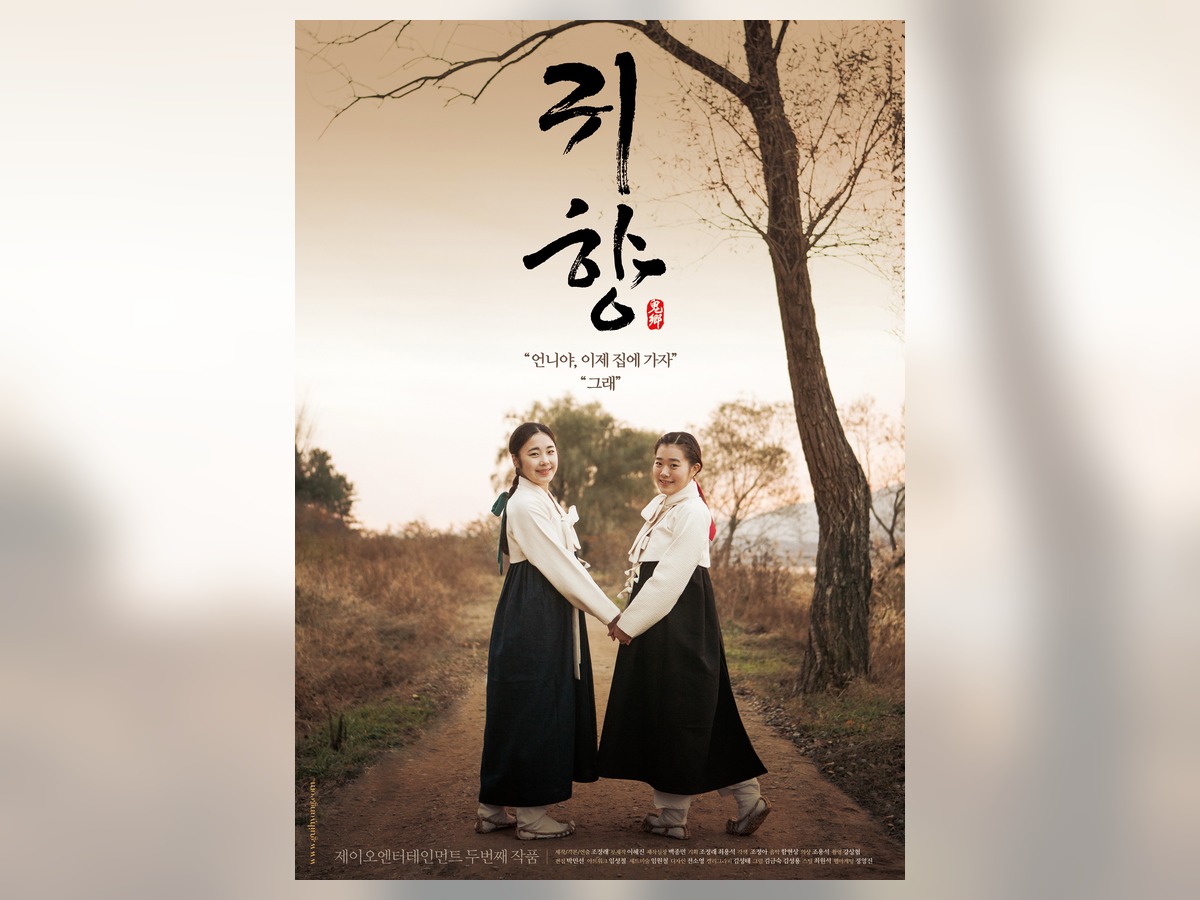
The Return
The Way Home
The Way Home is a 2016 film that addresses the memories of a comfort woman and her family in her hometown. The ways in which the descendants remember and invoke the dignity of a victim whose real name and hometown were taken from her is the core reason to explore this material. It’s important to prioritize official testimonies and victim-centered records instead of consuming the facts of victimization as sensational family tragedies. Since pro-Japanese sentiment and independence movements cannot be judged solely by surnames or bloodlines, the work separates fiction from reality while requiring verification of the creating institutions, scope of application, and original text sources of legal and historical materials. By focusing on the actions and systems of that time and the publicly available commemorative activities, we can connect family stories to a study of modern history rather than sensationalized stigmas.
자료 유형 2016년 영화
다루는 내용 일본군 위안부 피해 소녀와 고향의 가족 기억
살펴볼 점 본명과 고향을 빼앗긴 피해자의 존엄을 후대가 기억하고 불러내는 방식
정보 구분 피해 사실을 자극적인 가족 비극으로 소비하지 말고 공식 증언과 피해자 중심 기록을 우선한다.
Discovering a Japanese-style name from the colonial period does not automatically mean that the person willingly collaborated with pro-Japanese sentiment. The extent to which name changes were enforced varied across schools, workplaces, rationing, and administration, and responses differed even within the same family. Conversely, it is also important not to overlook specific acts of active collaboration with power merely because of the pressure imposed. Names and actions must be verified separately.
While the families depicted in the works help us understand the pressures of the times, they do not replace the actual genealogies. Let’s avoid making assumptions about the actors' surnames, roles, and current descendants. By starting from the emotions shown in novels and films and looking into that period's household registration documents, legislation, trial records, and victim testimonies, we can gain a more nuanced view of an individual's choices. The history surrounding names should become a study not of who belongs to which family, but of how colonial rule changed lives.
While the families depicted in the works help us understand the pressures of the times, they do not replace the actual genealogies. Let’s avoid making assumptions about the actors' surnames, roles, and current descendants. By starting from the emotions shown in novels and films and looking into that period's household registration documents, legislation, trial records, and victim testimonies, we can gain a more nuanced view of an individual's choices. The history surrounding names should become a study not of who belongs to which family, but of how colonial rule changed lives.
한눈에 보기
8개
Jokbo
1978년 임권택 감독 영화 · 창씨개명을 강요받는 설씨 문중과 일본인 관리 · 이름과 족보가 개인 표기를 넘어 조상과 공동체의 기억이라는 점 · 식민 정책과 허구 인물의 갈등을 구분하고 당시 창씨개명 제도의 실제 시행 과정을 함께 확인한다.
Pachinko
이민진 장편소설 · 일제강점기 조선에서 일본으로 이어지는 선자 가족 4대 · 국적·이름·언어가 바뀌어도 가족이 기억을 전하는 방식 · 재일조선인 가족의 복합적 경험을 한 가문의 서사로만 일반화하지 않는다.
Pachinko
Apple TV+ 드라마 · 선자와 솔로몬으로 이어지는 재일 가족 · 한국 이름과 일본식 사회생활 사이에서 세대마다 달라지는 정체성 · 원작과 영상 각색의 차이를 살피고 배우의 실제 가족사와 극 중 가문을 연결하지 않는다.
Arirang
조정래 대하소설 · 수탈과 이주를 겪으며 갈라지는 여러 조선인 가족 · 토지·이름·고향을 빼앗긴 사람들이 협력과 저항의 길로 나뉘는 과정 · 허구 인물과 실존 사건이 섞인 소설이므로 구체적 친일 행위 판단은 공적 기록으로 보완한다.
Mansaetjeon
염상섭 중편소설 · 식민지 조선의 가족 장례를 위해 귀국하는 이인화 · 근대 교육을 받은 개인이 집안과 식민 현실의 답답함을 바라보는 시선 · 작품 속 냉소를 작가나 특정 집안 전체의 정치적 입장으로 단순 환원하지 않는다.
Malmooi
2019년 영화 · 우리말 사전을 만들려는 조선어학회 사람들과 가족 · 이름과 말이 식민 통치 속에서 정체성과 기억을 지키는 도구가 되는 과정 · 실제 조선어학회 사건에서 영감을 받은 허구 서사이므로 등장인물의 전기를 사실로 옮기지 않는다.
Dongju
2016년 영화 · 윤동주와 송몽규, 두 청년과 가족의 기대 · 일본식 이름과 식민지 대학 생활 속에서 시와 행동으로 자신을 지키려는 고민 · 실존 인물을 다루므로 영화의 대사·장면과 일기·재판기록·전기를 구분해 확인한다.
The Return
2016년 영화 · 일본군 위안부 피해 소녀와 고향의 가족 기억 · 본명과 고향을 빼앗긴 피해자의 존엄을 후대가 기억하고 불러내는 방식 · 피해 사실을 자극적인 가족 비극으로 소비하지 말고 공식 증언과 피해자 중심 기록을 우선한다.
이 포스팅은 쿠팡 파트너스 활동의 일환으로, 이에 따른 일정액의 수수료를 제공받습니다.
댓글 0
로그인 후 댓글을 작성할 수 있습니다.
첫 댓글을 남겨보세요.
이런 리스트는 어때요?


이런 리스트도 추천해요



🎲
여기서 멈추기엔 아쉽잖아?
다음에 뭘 볼지 고민하는 시간이 제일 아까워.
주사위가 대신 골라줄게 — 무슨 리스트가 튀어나올지는 굴려봐야 알지.
안 누르면… 평생 궁금하지 않겠어? 👀