
Rock Electric Guitars for Gritty Riffs and Clear Solos
A guide comparing rock riffs, solos, and clean switching across humbuckers, HSS, P-90s, and various body types
When choosing a rock guitar, thick humbuckers may look like the obvious answer, but in real songs you often move between gritty riffs, clear solos, and clean arpeggios. HSS, HH, P-90s, and coil splitting don’t just differ in output; they give you different options for picking definition, midrange, and how the guitar responds when you roll back the volume. Structural differences among the Les Paul, Stratocaster, and PRS families also affect playing posture and phrasing.
This list compares actual current models that can be used widely, from classic rock to alternative and modern hard rock. It looks at how short and long scales, fixed bridges and tremolos, and 22 and 24 frets feel for chord riffs, bends, and solos in the upper positions. Whether you can create the contrast you want with your own amp and pedals matters more than the fact that a famous guitarist used it.
The same guitar produces completely different rock tones depending on amp gain, speakers, strings, and picking position. So rather than labeling products as genre-specific, they were selected based on how well the core of the riff and the clarity of the solo hold up when you switch pickups and adjust the guitar’s volume and tone.
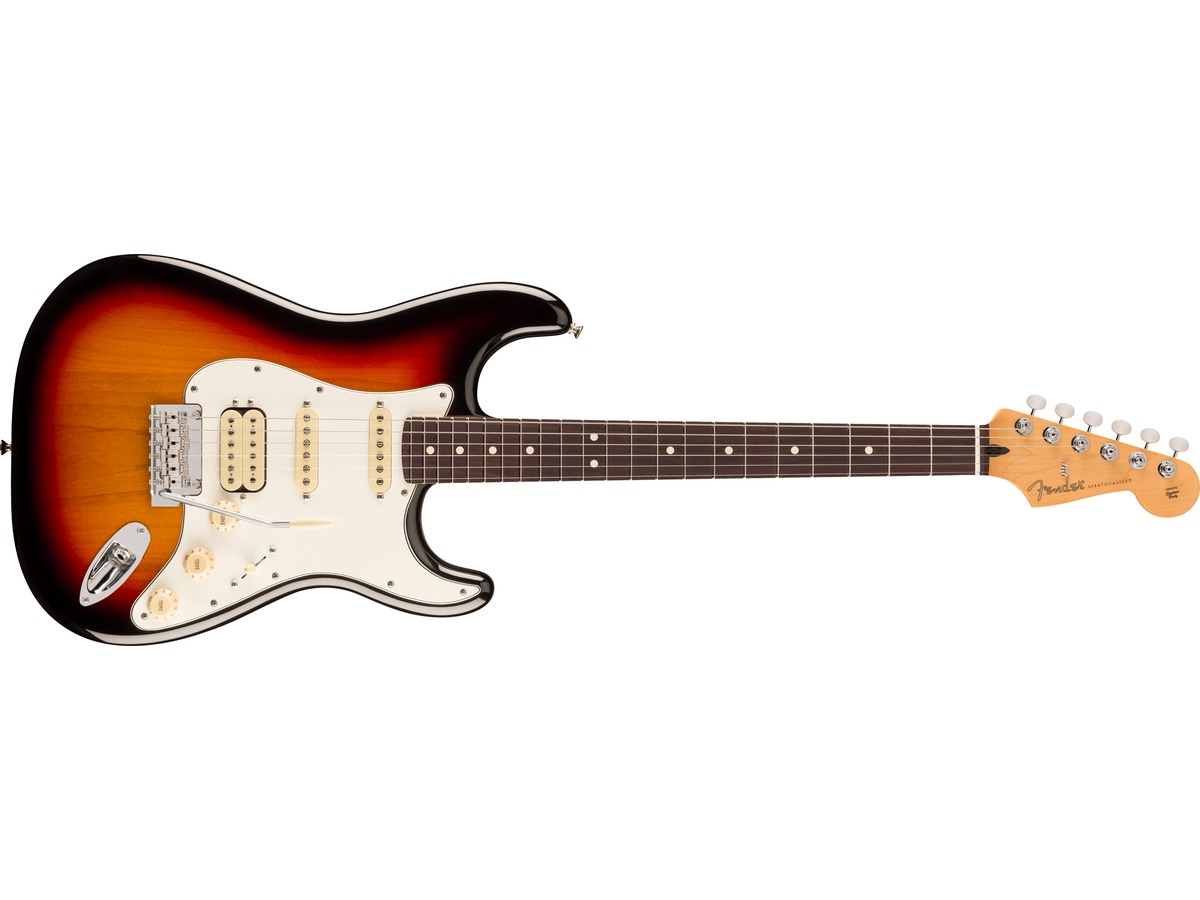
Fender Player II Stratocaster HSS
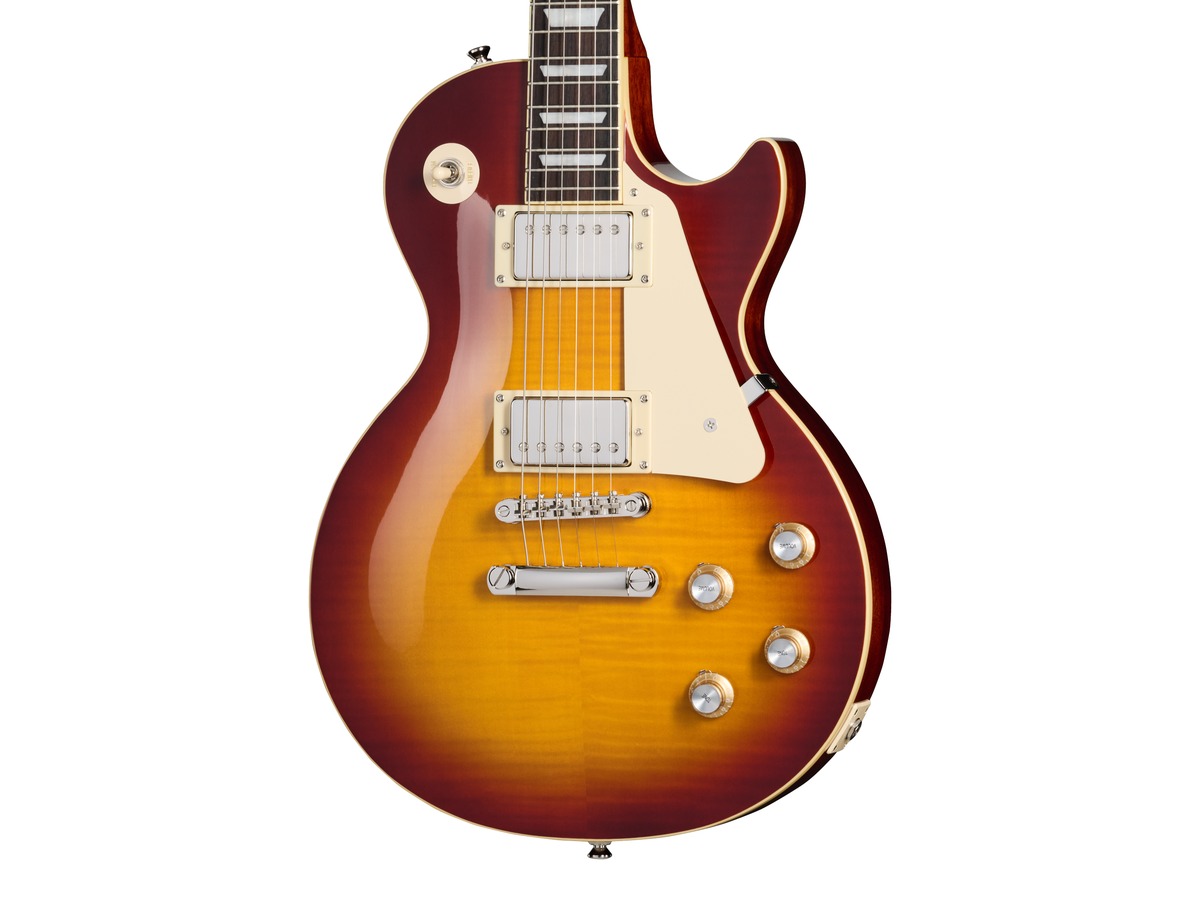
Epiphone Les Paul Standard 60s
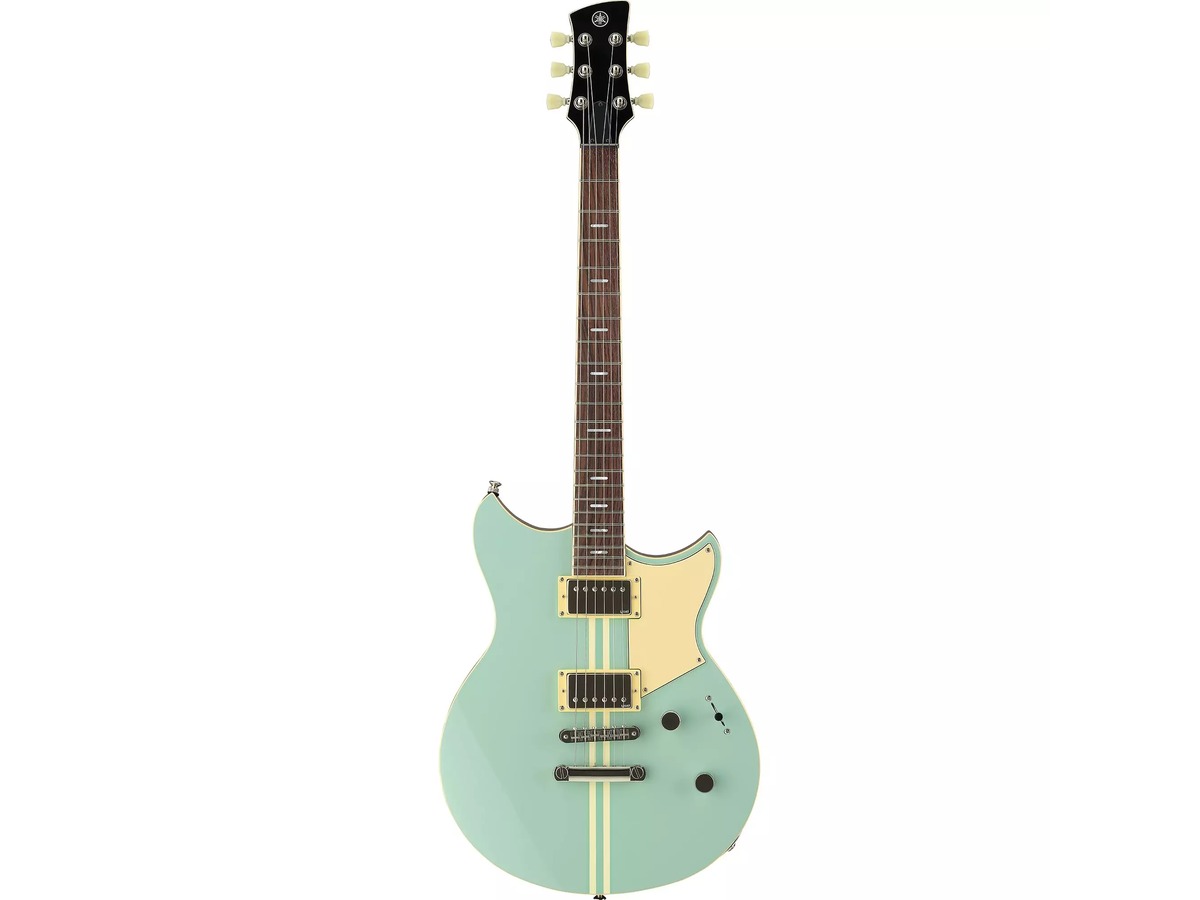
Yamaha Revstar Standard RSS20
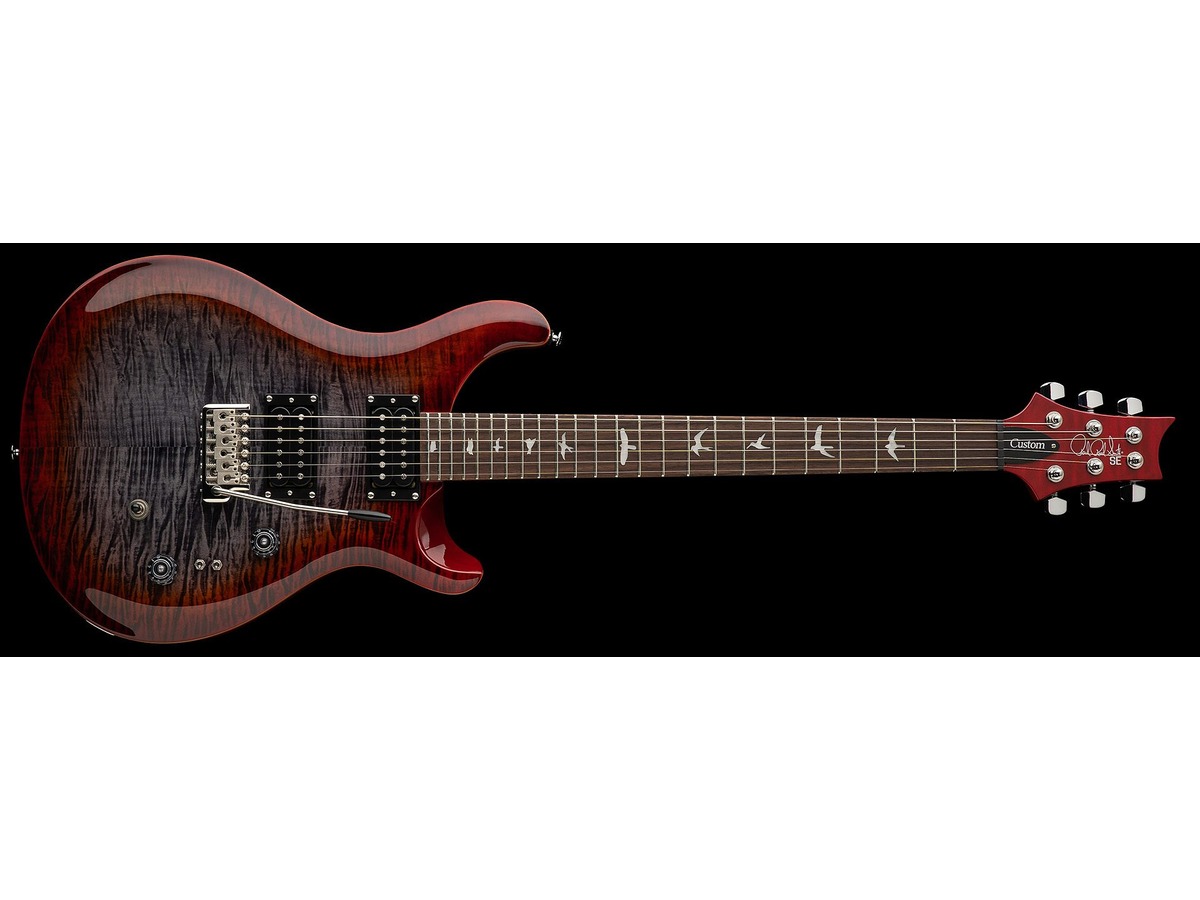
PRS SE Custom 24-08
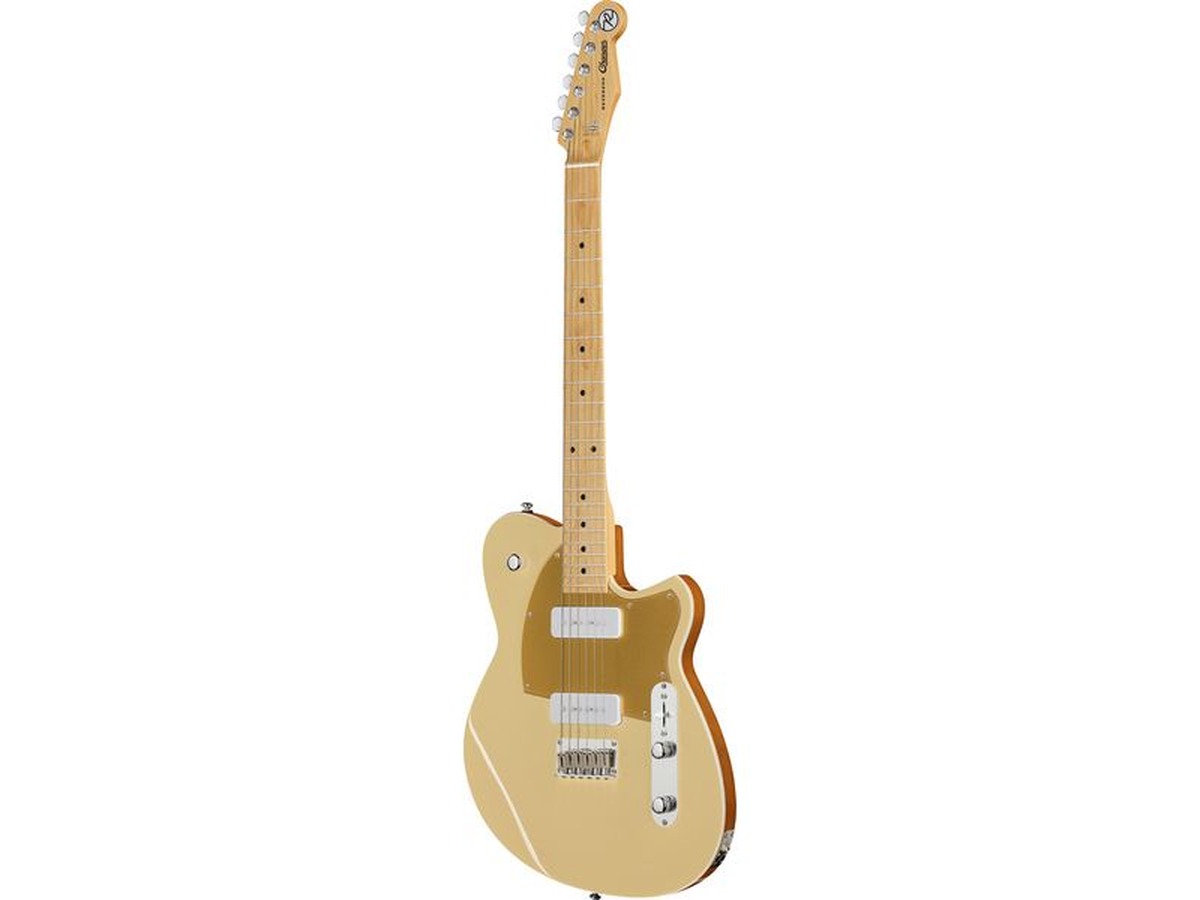
Reverend Charger 290
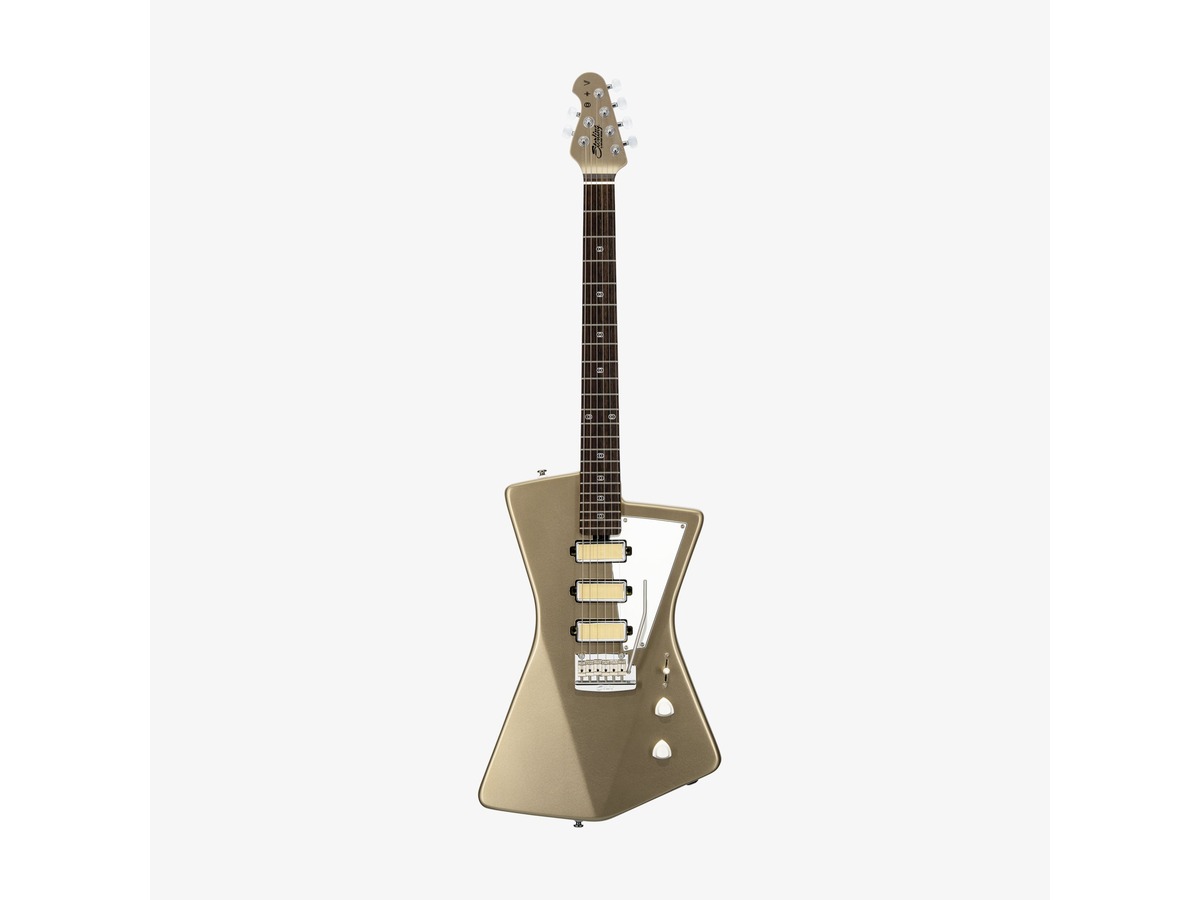
Sterling by Music Man St. Vincent Goldie
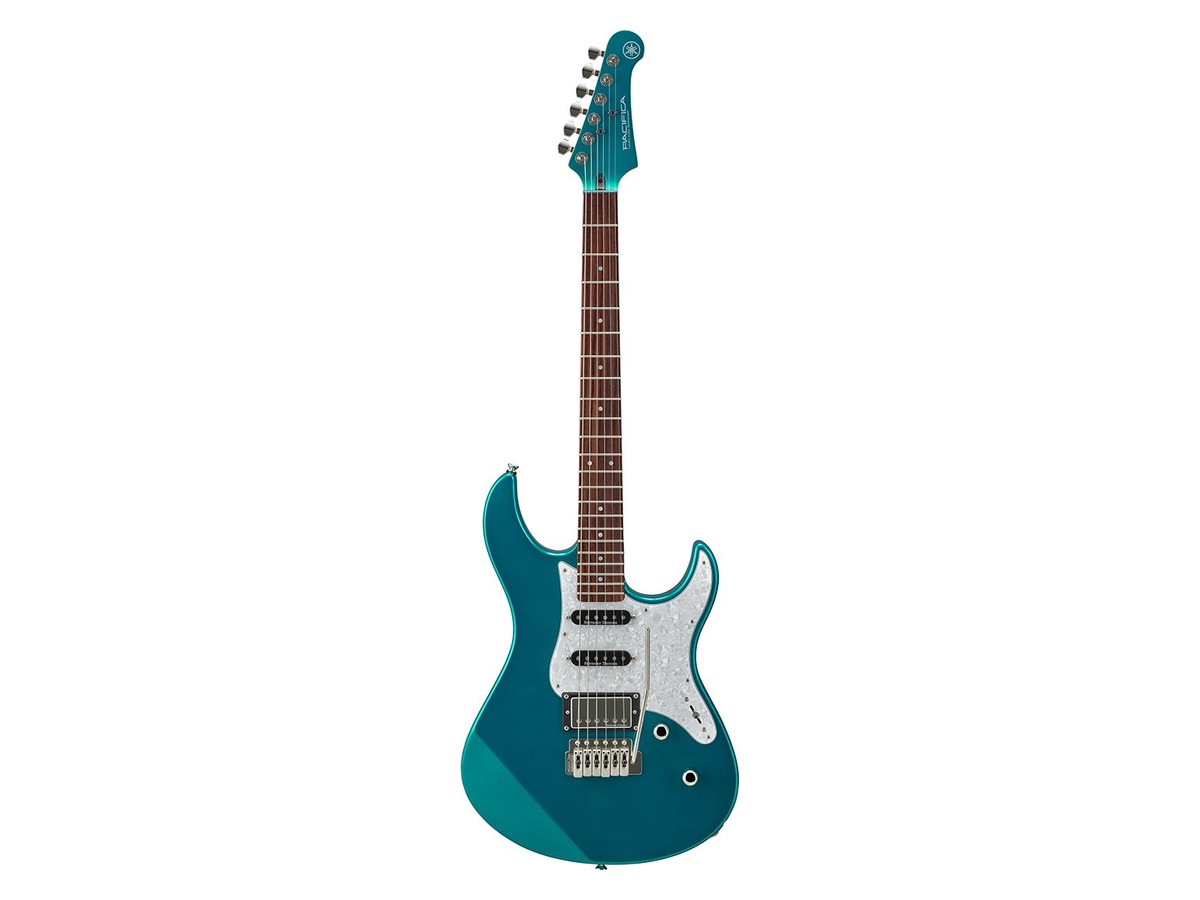
Yamaha Pacifica PAC612VIIX
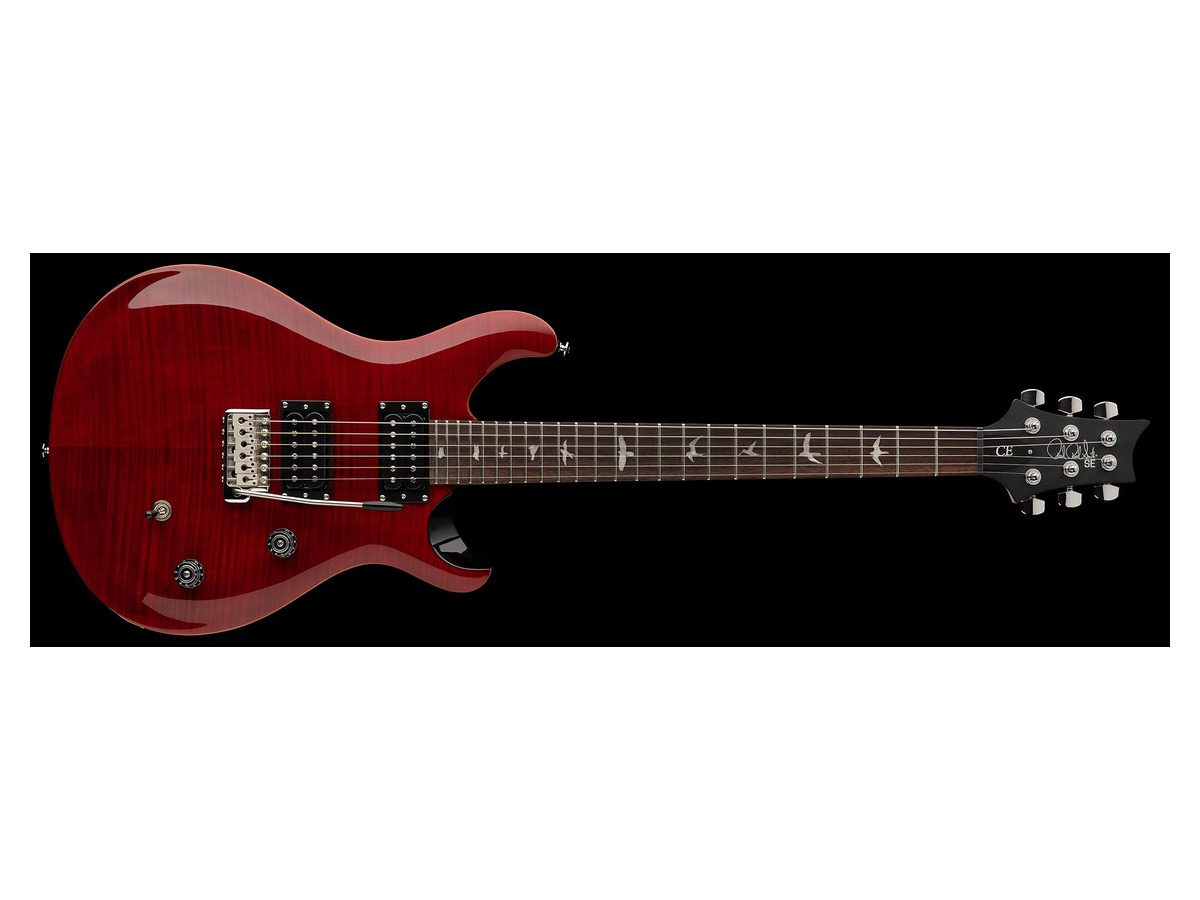
PRS SE CE 24
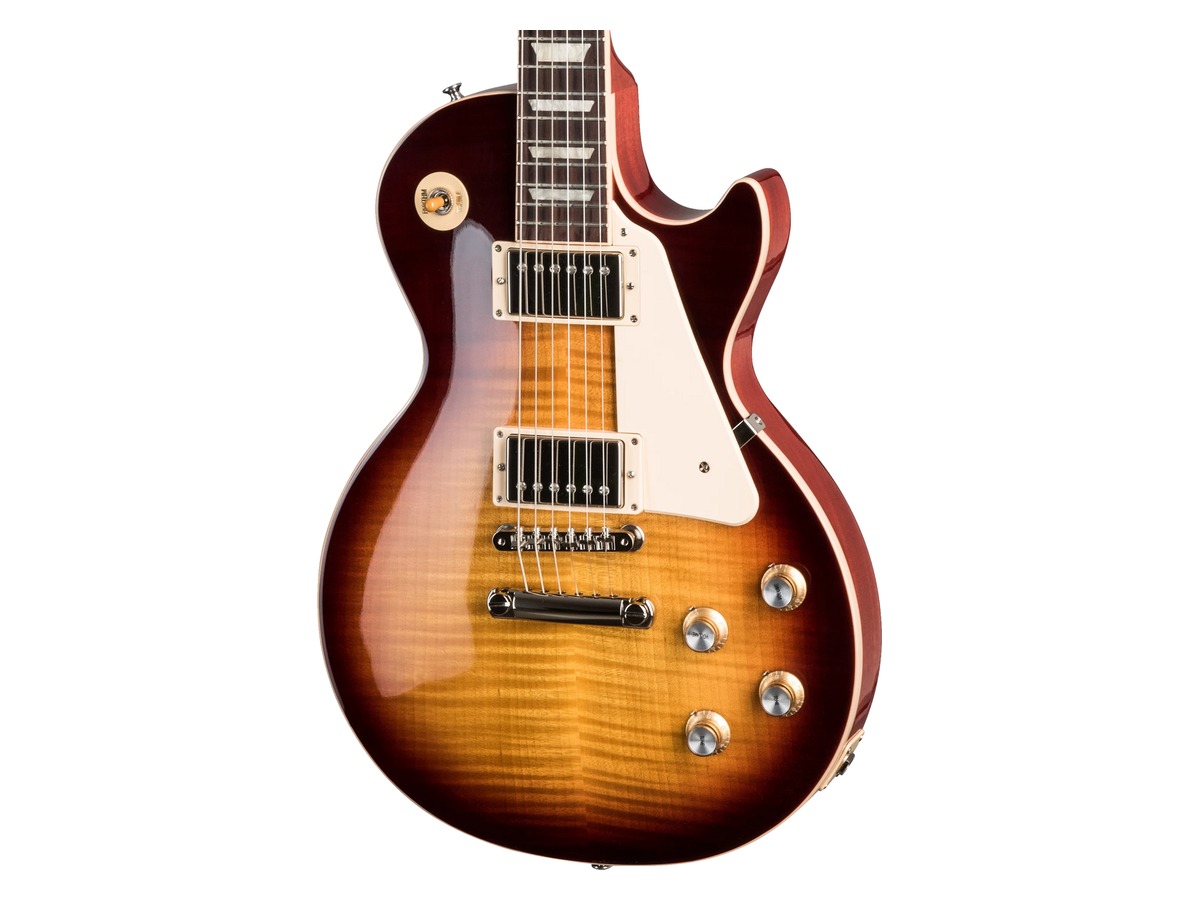
Gibson Les Paul Standard 60s
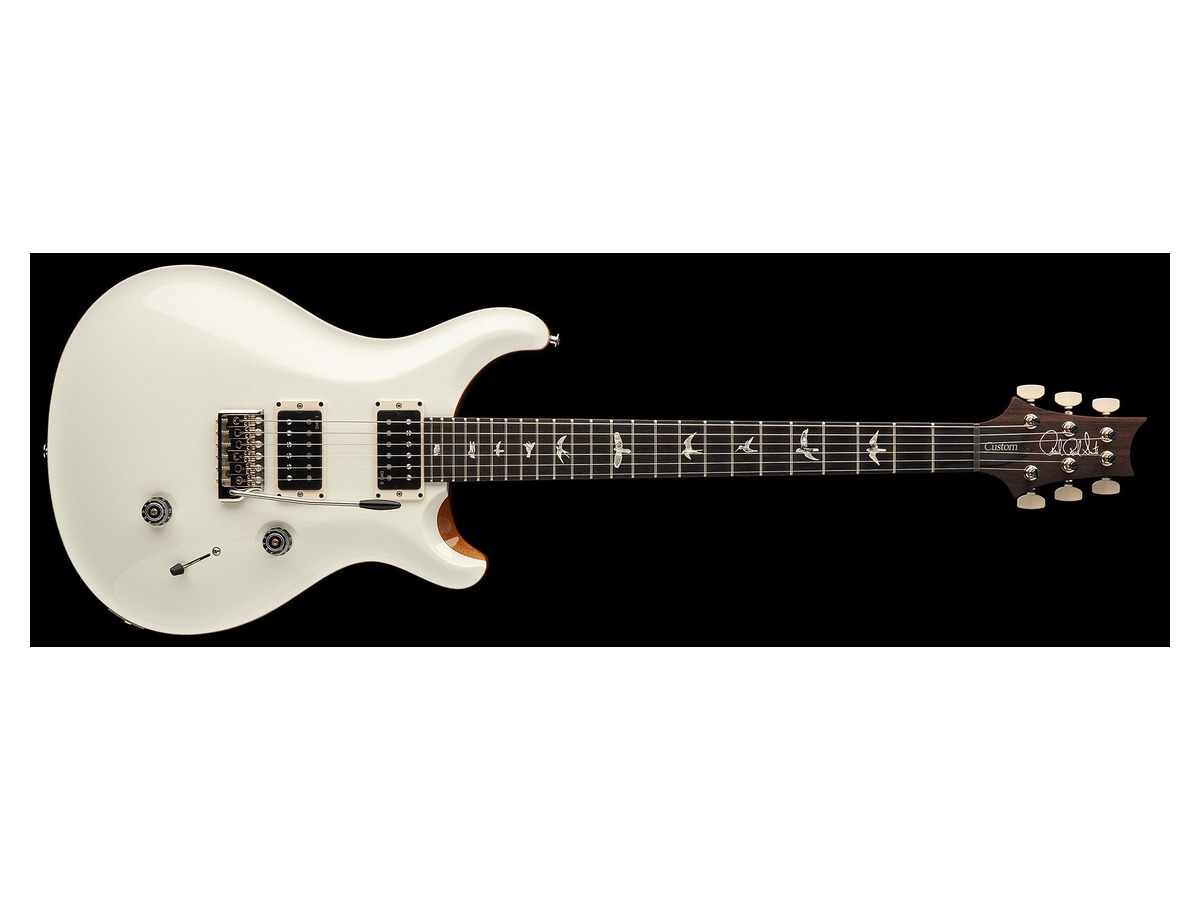
PRS Core Custom 24
When making your final choice for a rock electric guitar, be sure not to listen only to the strongest drive tone; compare clean, crunch, and lead tones at the same volume sequentially. Even if the bridge pickup's riff is solid, the neck pickup's solo can be overly muddy, or high frequencies may drop off sharply when the volume is lowered. It’s better to set the pickup height and amp EQ similarly, and check how much separation remains between chords and single notes, as well as the dynamics of your picking.
The scale, bridge, and neck shape affect not only sound but also tuning and hand fatigue during performances. If you frequently use strong bending and tremolo, consider the return stability and setup burden, and if rhythm is a major factor, ensure that the bridge and controls don't obstruct your hands while palm muting. Don't judge guitar weight and strap balance by model name alone; it's best to evaluate by actually playing a specific unit standing up.
Finally, try recording a song that includes the riffs, open chords, octaves, and short solos you play frequently in succession. When listening alone, having good tonal contours within a backing track with drums and bass is a more practical standard than just volume. A rock electric guitar that allows for quick transitions across multiple gain stages to reach the desired tone and feels natural to play will be one you enjoy for a long time.
As part of the Coupang Partners program, this post may earn a commission from qualifying purchases.
Comments 0
Log in to leave a comment.
Be the first to comment.
How about these lists?


You might also like


Not ready to stop here?
Wondering what to read next is the biggest waste of time.
Let the dice decide — you won't know what pops up until you roll.
If you don't press it… won't you wonder forever? 👀
