Metal Electric Guitar That Withstands Low Tuning and High Gain
A guide to choosing metal guitars with long scale, 24 frets, high-output pickups, and bridge structure
Metal guitars are not determined solely by high-output pickups and sharp designs. A scale that maintains string tension in low tunings, pickups and amp settings that do not muffle fast riffs, and a bridge that supports palm muting stably while ensuring access to high frets must function together. From solid body 6-string guitars to headless and 24-fret superstrats, different structures provide different answers regarding playing style and maintenance difficulty.
With strong gain, even small noise and unnecessary bass can increase, so merely having high output does not guarantee a clear tone. Passive and active/multi-voice pickups, as well as coil splitting, can widen the range between riffs and clean parts. A fixed bridge makes string changes and tuning adjustments relatively simple, while a double-locking tremolo requires more time for setup instead of bold arm use.
This list compares actual models with confirmed official specifications using scale, pickups, bridge, and number of frets. Not everyone using low tuning will find the same string gauge suitable, and settings will vary based on picking strength and desired tension. Test quick single-note riffs, open-string palm muting, and wide chord voicings on the same amp to find a guitar that keeps your playing clear.
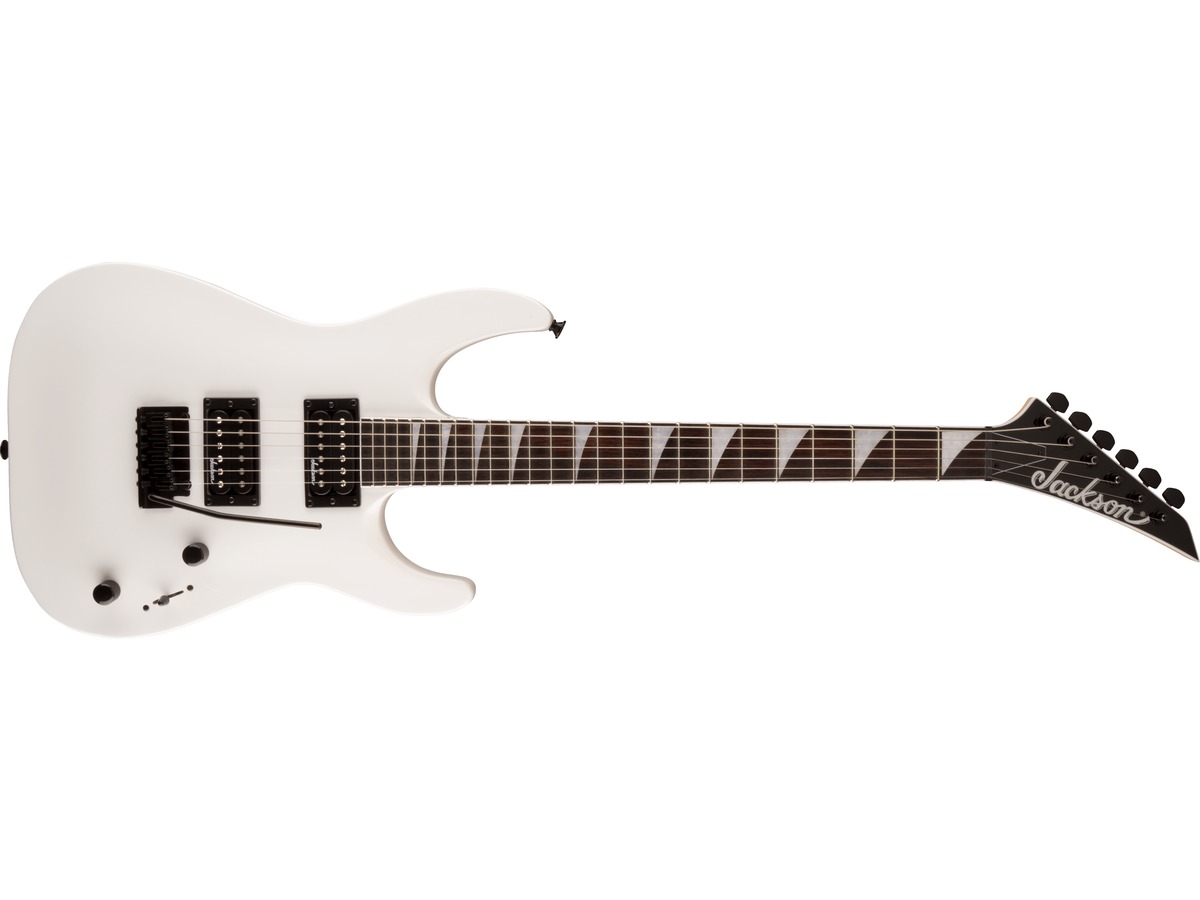
Jackson JS Series Dinky Arch Top JS22
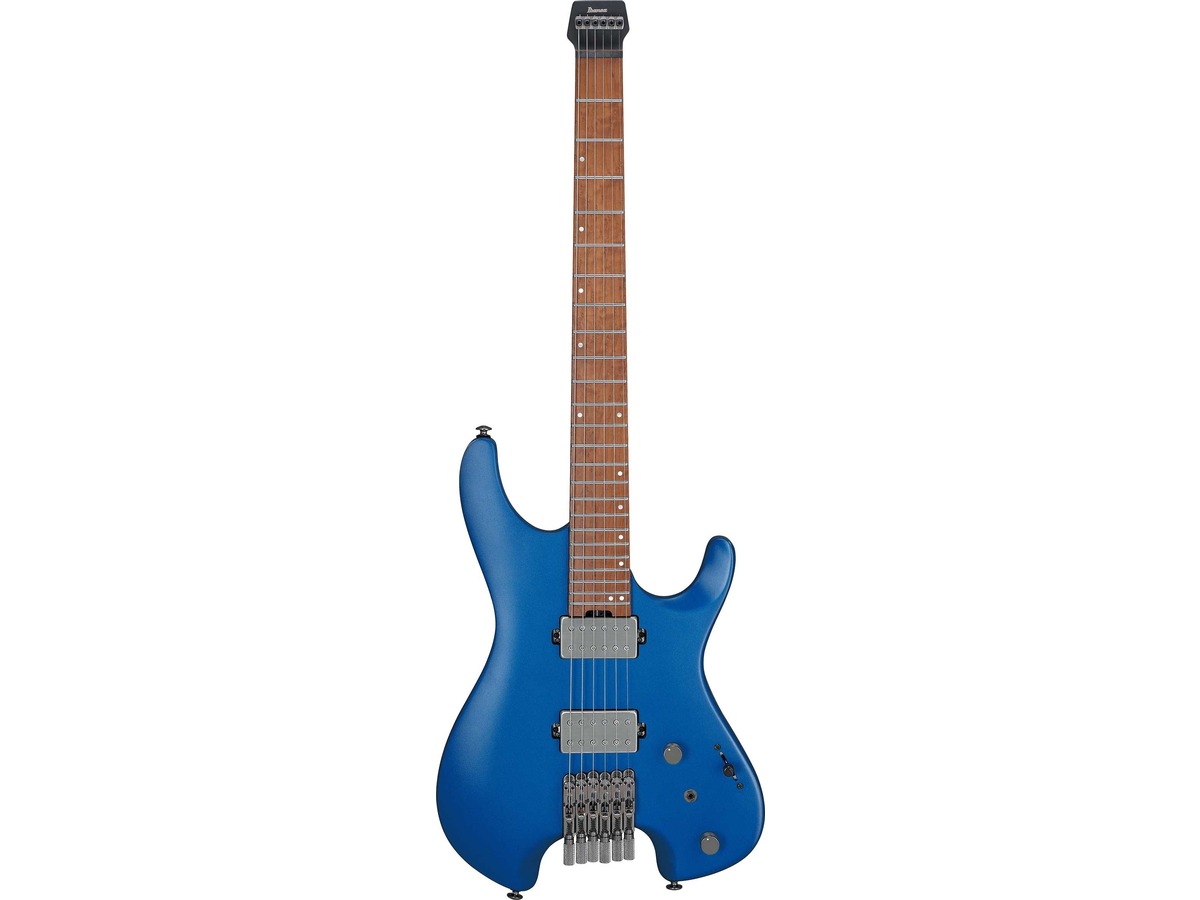
Ibanez Q52
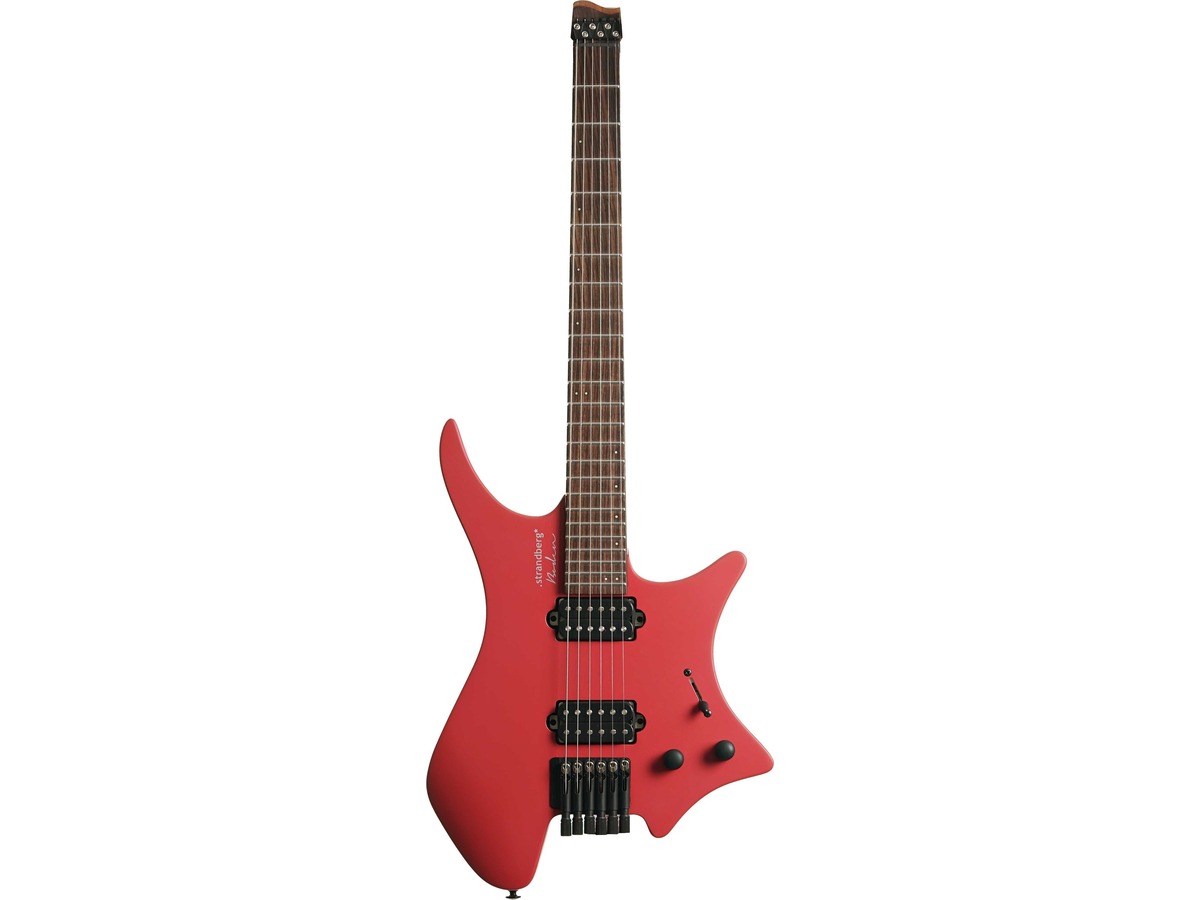
Strandberg Boden Essential 6
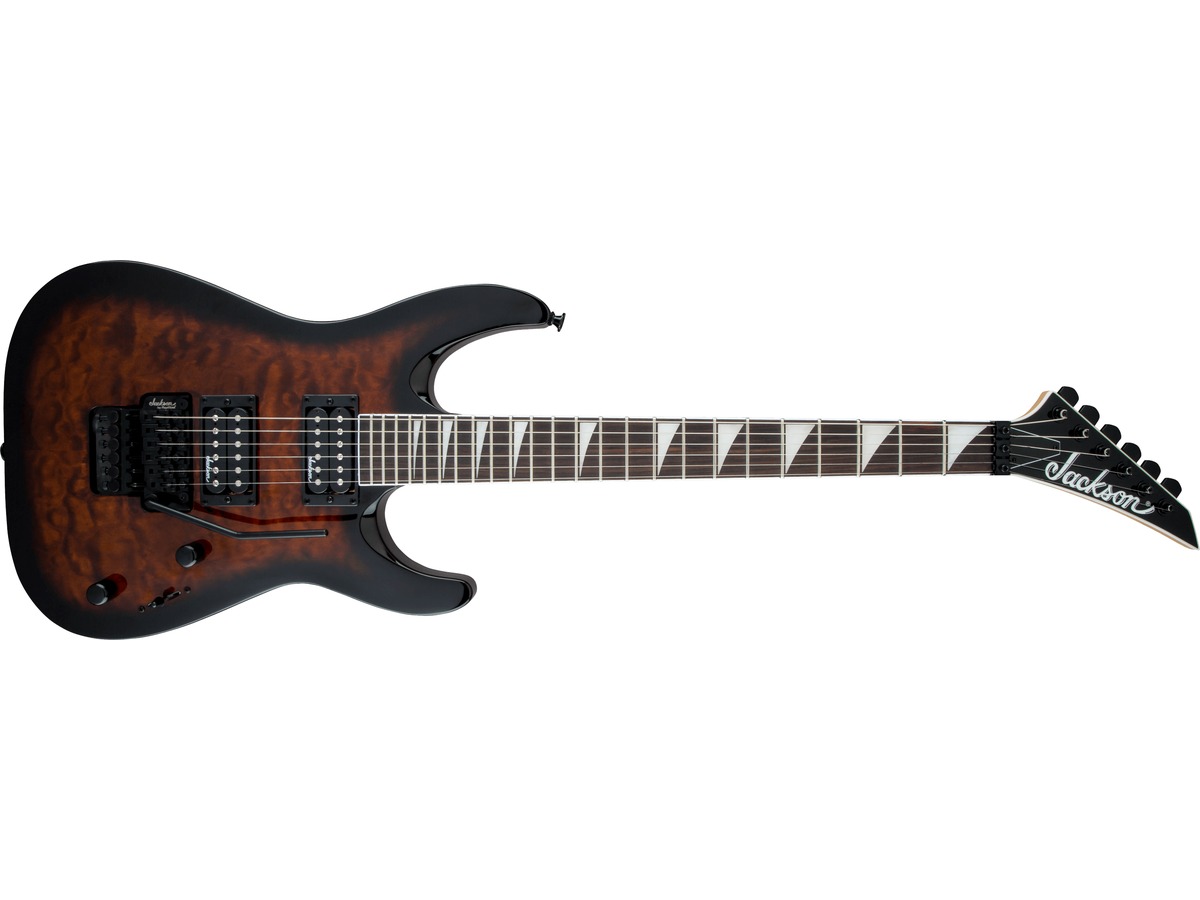
Jackson JS Series Dinky JS32Q DKA
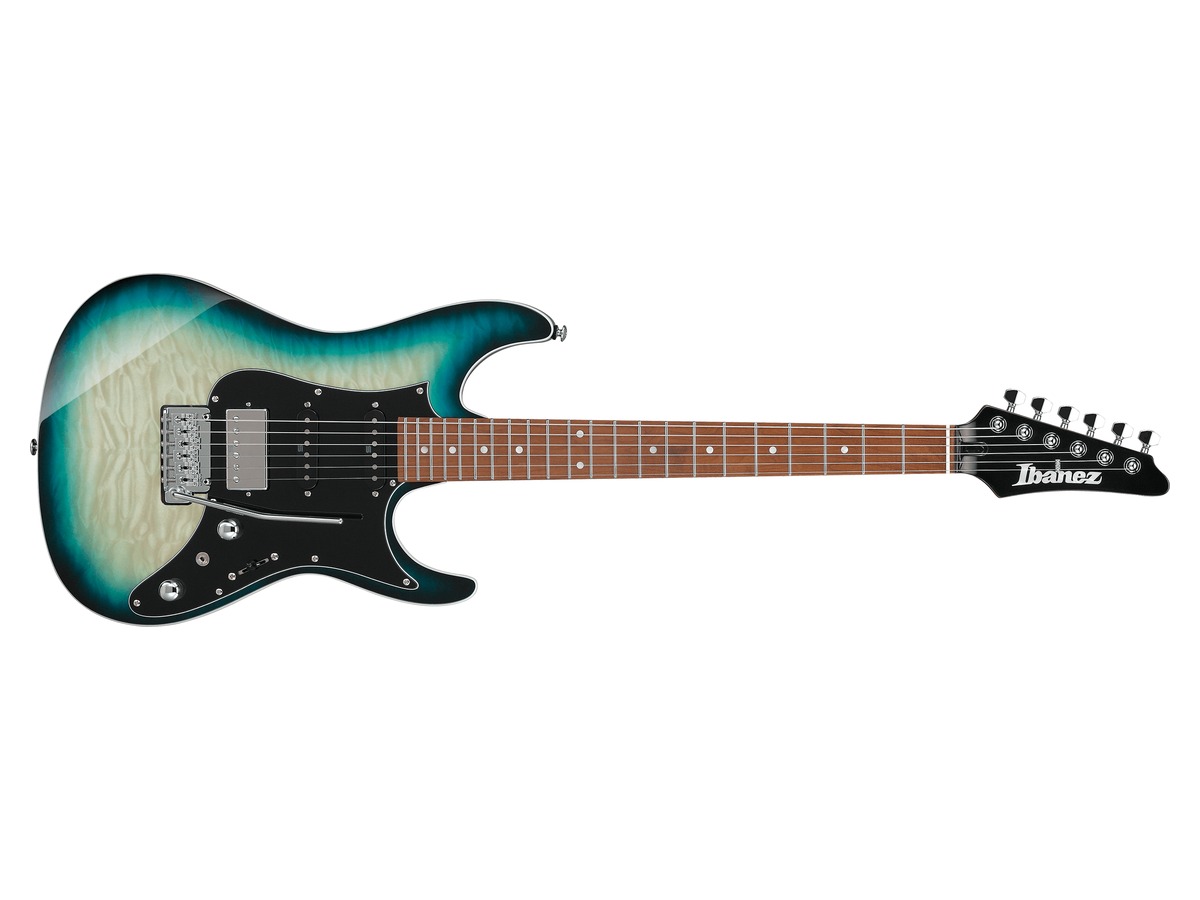
Ibanez Premium AZ24P1QM
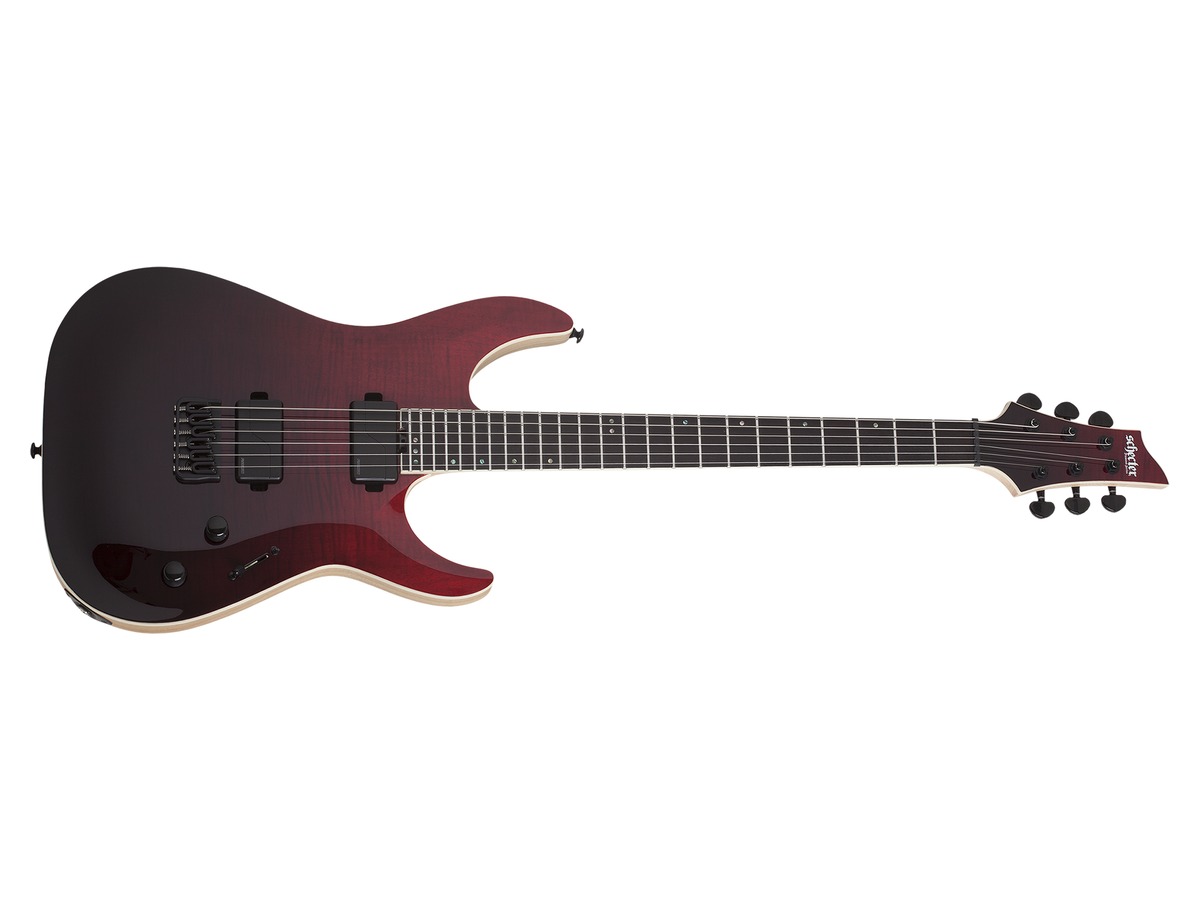
Schecter C-1 SLS Elite
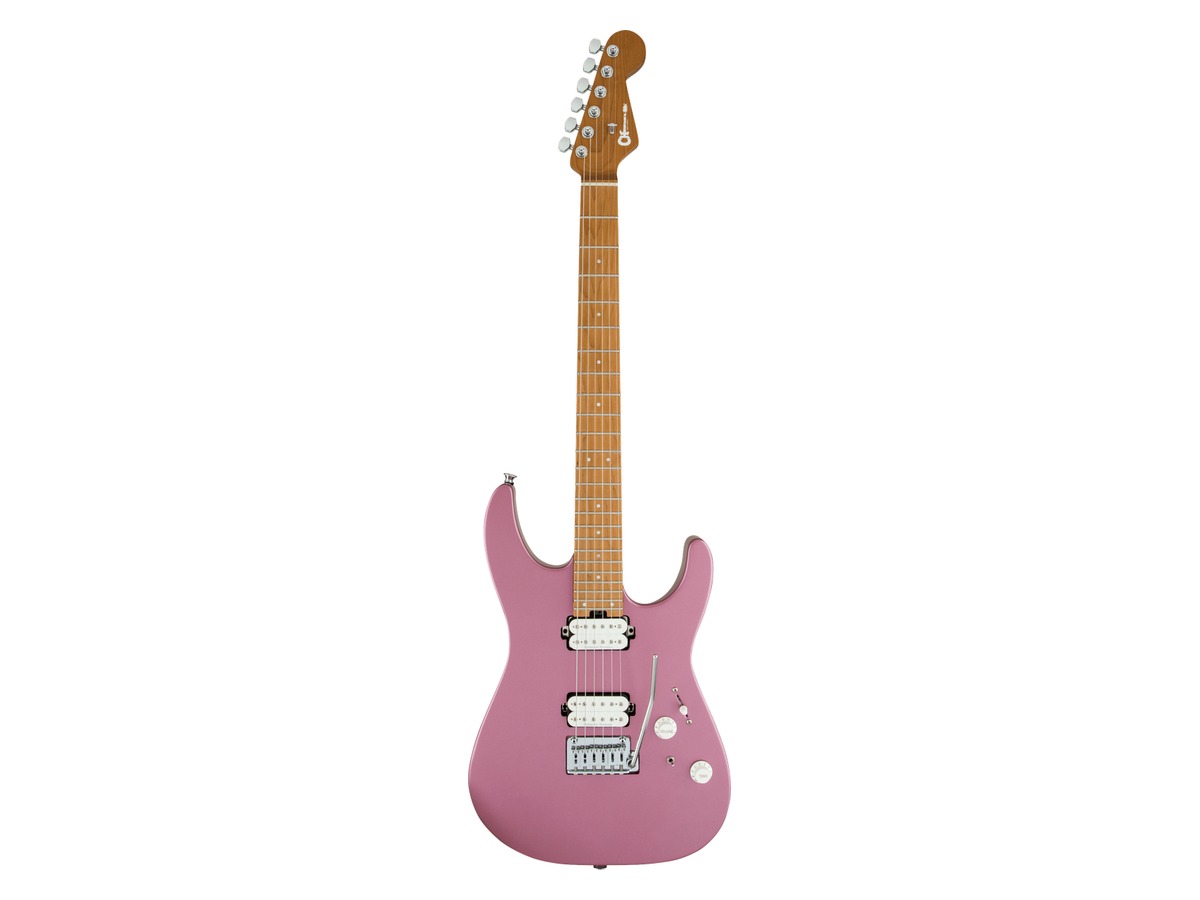
Charvel Pro-Mod DK24 HH 2PT CM
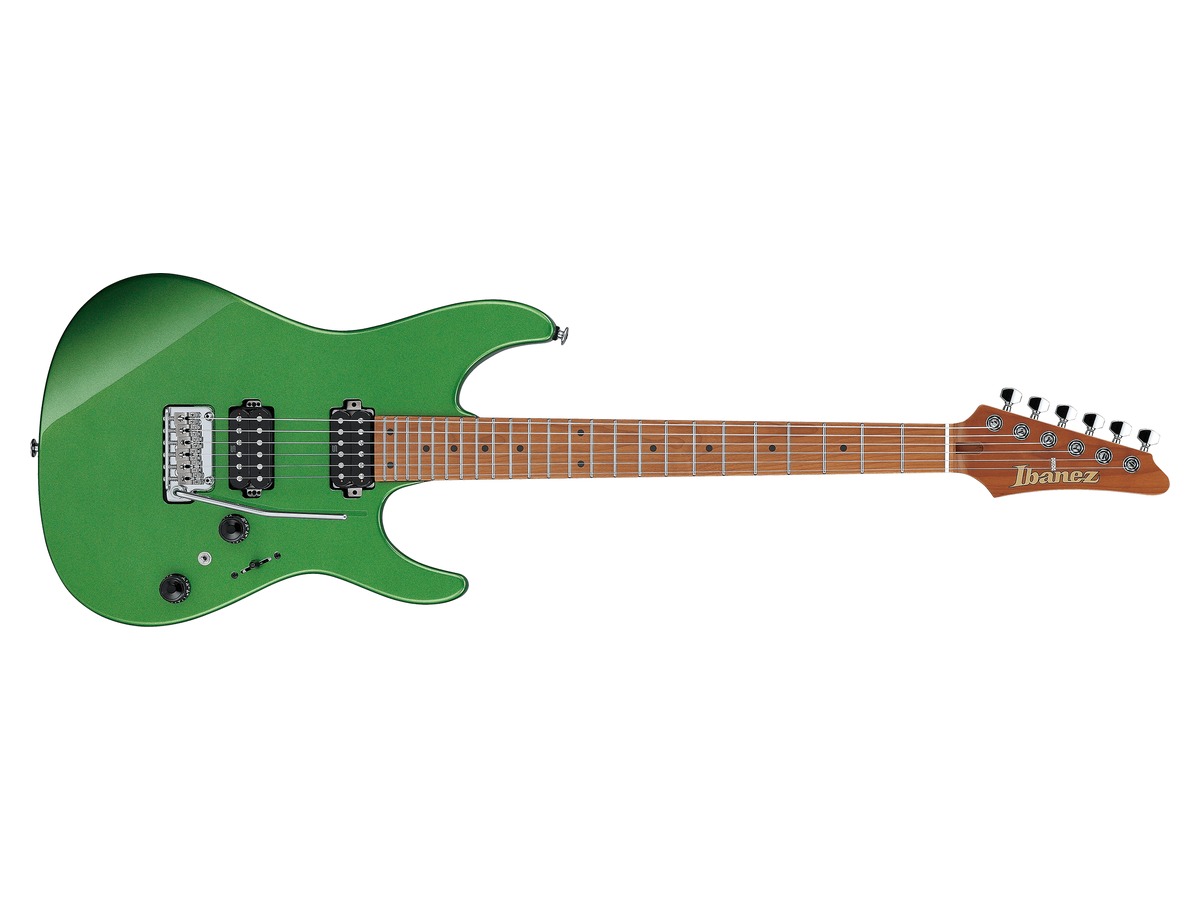
Ibanez Prestige AZ2402
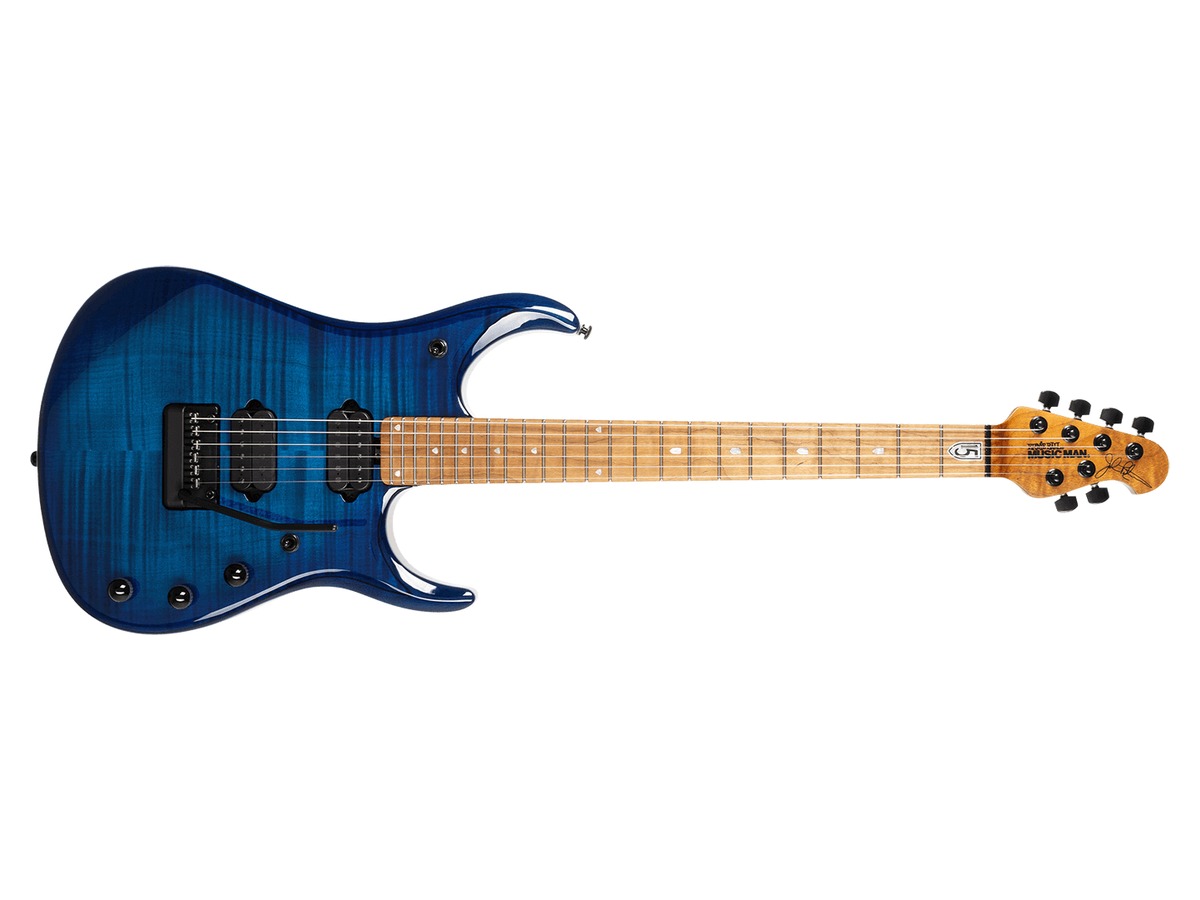
Ernie Ball Music Man JP15
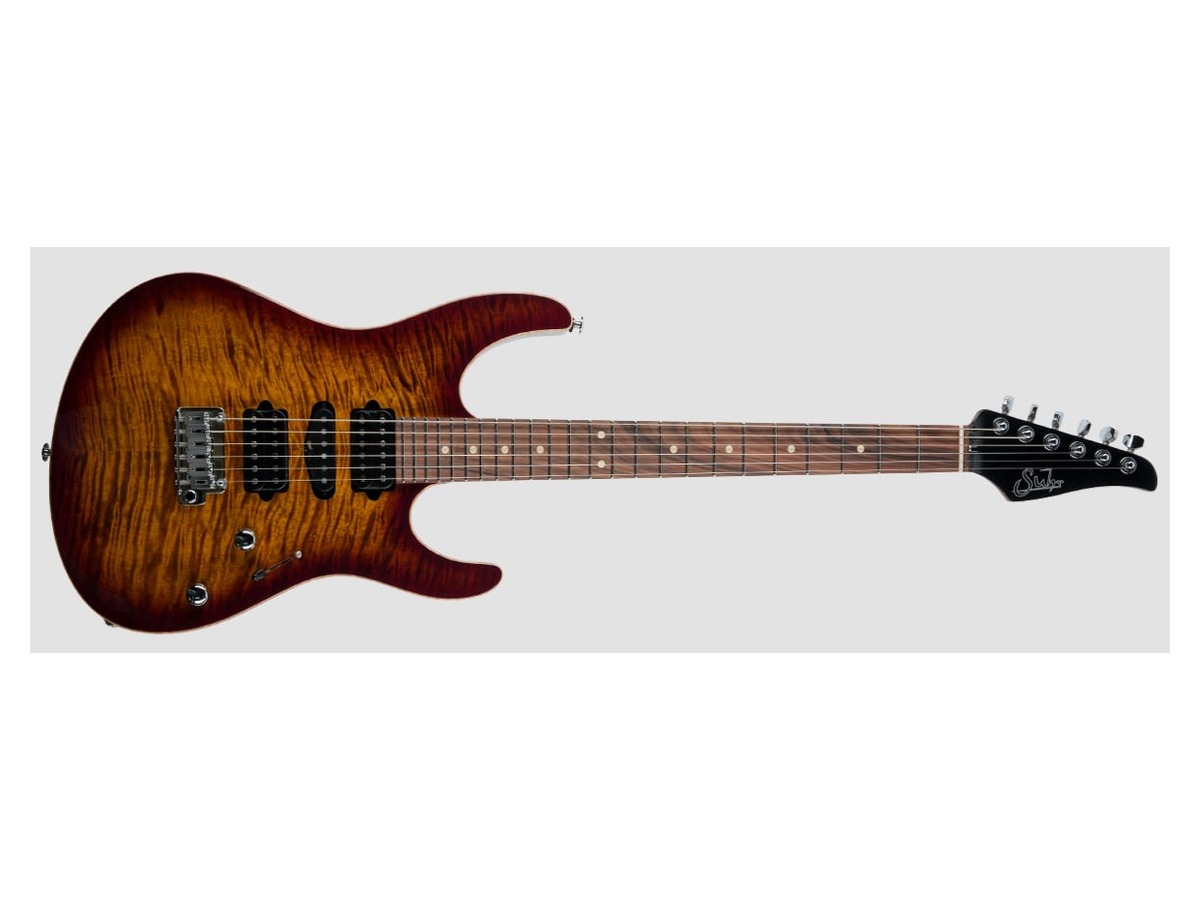
Suhr Modern Plus
When trying out a metal guitar, compare them first at settings where noise and compression aren’t excessive, rather than cranking the gain to the max. Playing open-string palm mutes, fast sixteenth notes, and two- or three-string chords in turn makes it easy to hear where the low end smears and how well each string separates. Differences in pickup output can be partly compensated for with amp input and pedal boosts, so look at the guitar’s own attack, the response you feel in your hands, and how useful the controls are.
If you plan to downtune, tell the shop your target tuning and string gauge, and check the nut slots, neck relief, and range of intonation adjustment. A long scale can help with tension but may increase the stretch for your hand, and headless designs and thin necks aren’t comfortable for everyone either.
For the final choice, it’s good to check not only heavy riffs but also clean intros, crunch with the volume rolled back, and solos at the upper frets in succession. In a band mix, a tidy midrange and consistent attack can be more useful than a low end that sounds rich when you listen alone. A good metal electric guitar is a model that keeps its setup easily in your tuning, lets your hands and shoulders hold up during long, fast playing, and allows the noise control you need.
As part of the Coupang Partners program, this post may earn a commission from qualifying purchases.
Comments 0
Log in to leave a comment.
Be the first to comment.
How about these lists?


You might also like


Not ready to stop here?
Wondering what to read next is the biggest waste of time.
Let the dice decide — you won't know what pops up until you roll.
If you don't press it… won't you wonder forever? 👀