
Blues Electric Guitar That Highlights the Nuance of Your Fingertips
A blues guide comparing bending and picking dynamics with single coils, P-90s, and vintage output humbuckers.
The appeal of a blues guitar lies not in lots of gain but in how naturally your fingertip dynamics, bends, and vibrato come through in the sound. Stratocaster and Telecaster single coils, P-90s, and Les Paul-style humbuckers differ not only in noise and output but in midrange density, attack, and how they change when you roll back the guitar's volume.
A shorter scale can make bending feel easier and a longer scale can provide a crisp attack and string tension, but action and string gauge have a big effect on how it actually feels. Tremolo, hardtail, and Tune-O-Matic bridges also make a difference in where you rest your right hand and how you express pitch. Rather than choosing based only on a vintage look or a famous player's choice, you should move the volume and tone controls yourself through the same amp.
This list compares actual current models, divided into single-coil, HSS, P-90, and humbucker configurations. Check whether soft picking gets buried in a clean tone, whether the notes break up naturally when you dig in on a crunch setting, and whether single notes on the neck pickup get too muddy. A guitar that keeps the small changes in your hand in the sound as you sustain a single note better conveys the character of your blues playing.
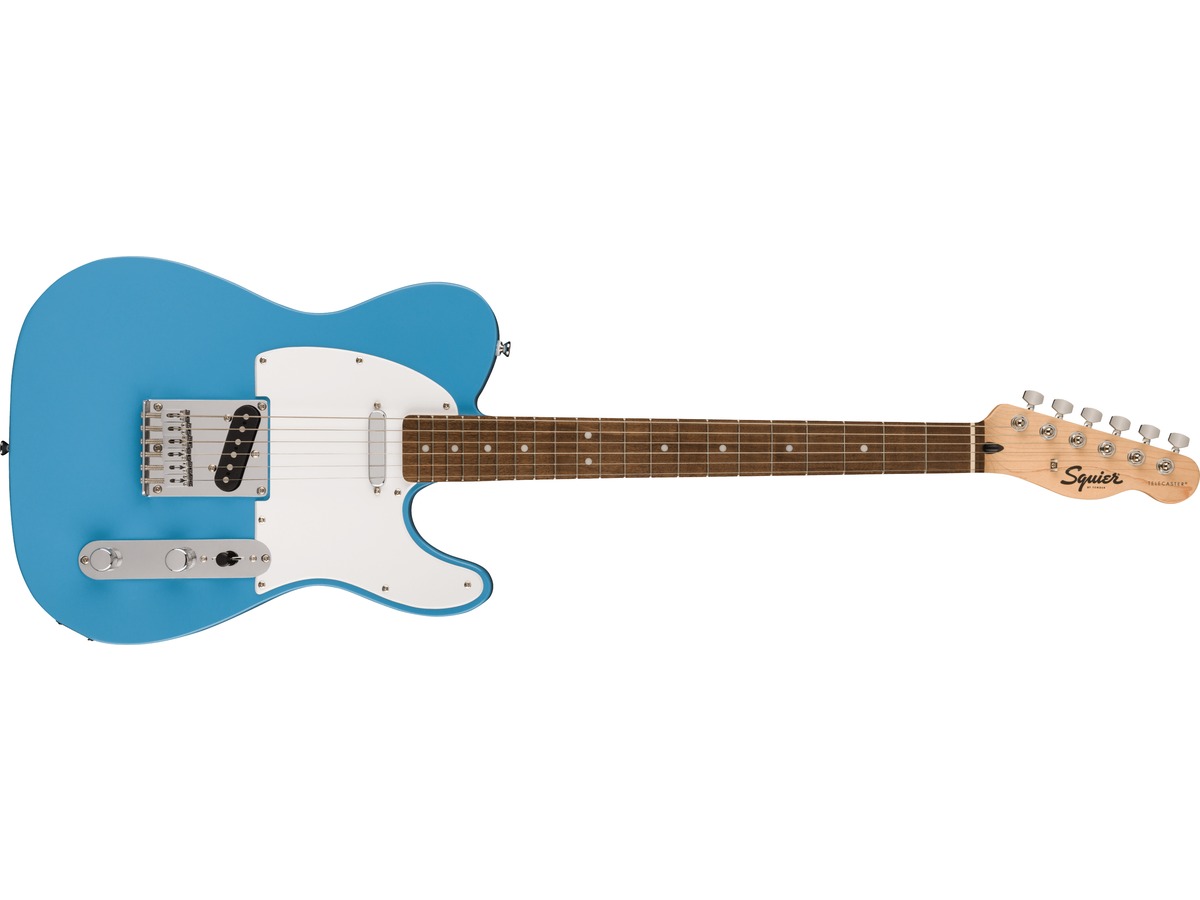
Squier Sonic Telecaster
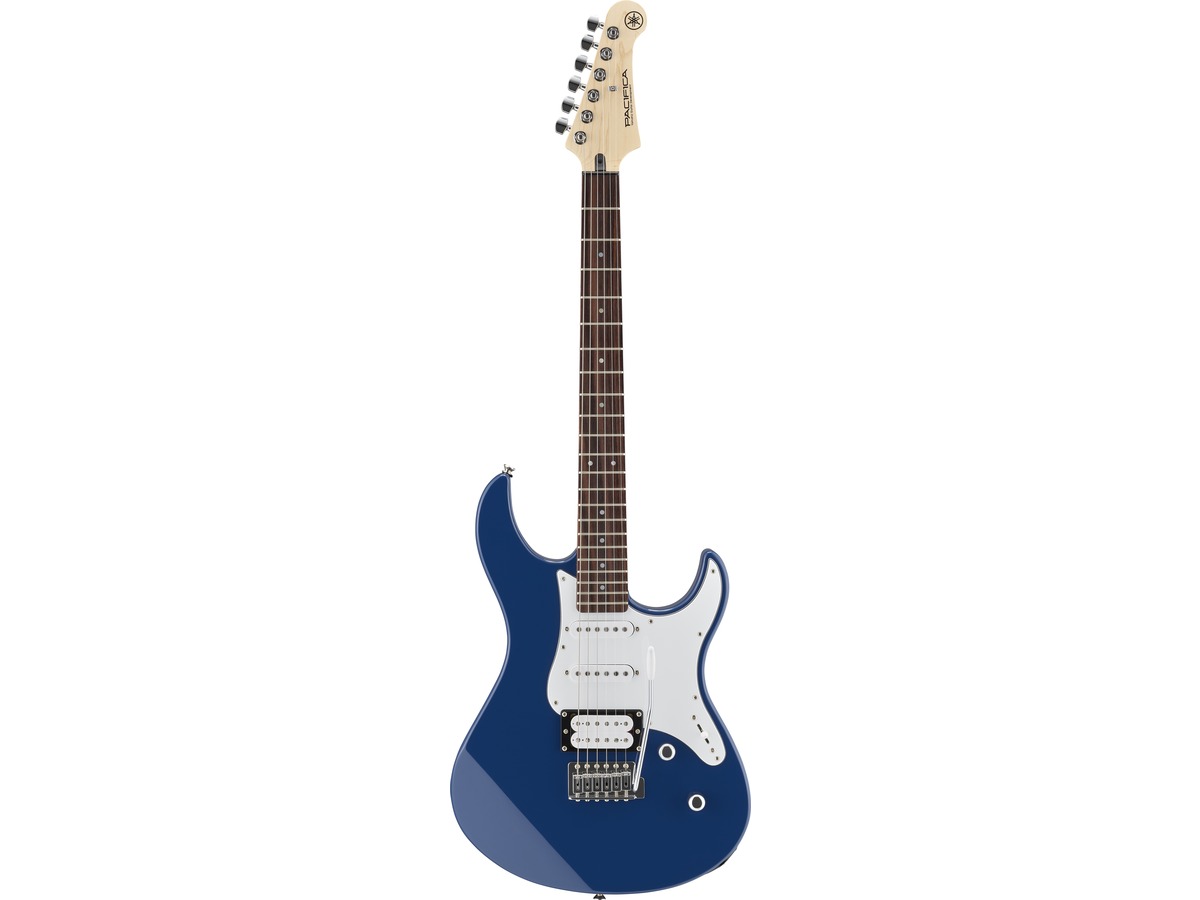
Yamaha Pacifica PAC112V
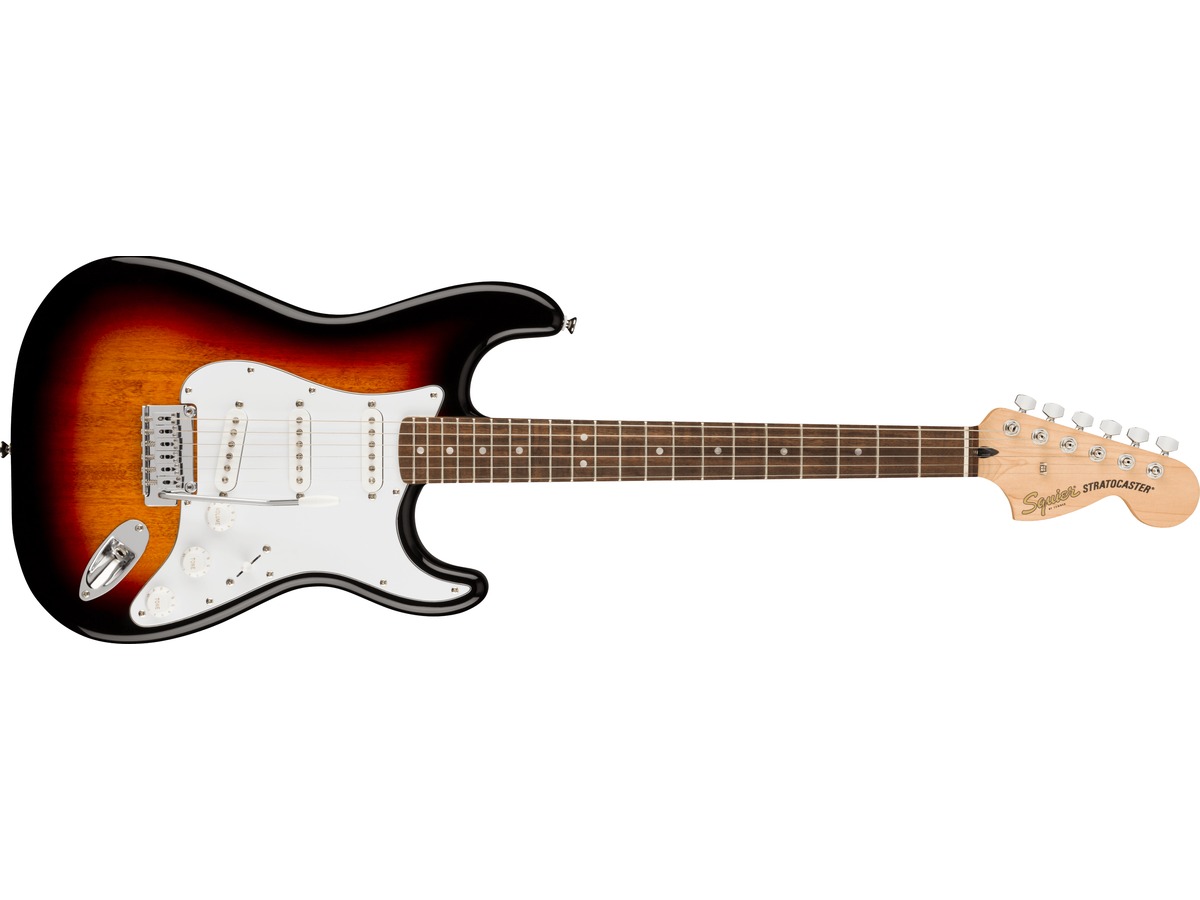
Squier Affinity Series Stratocaster
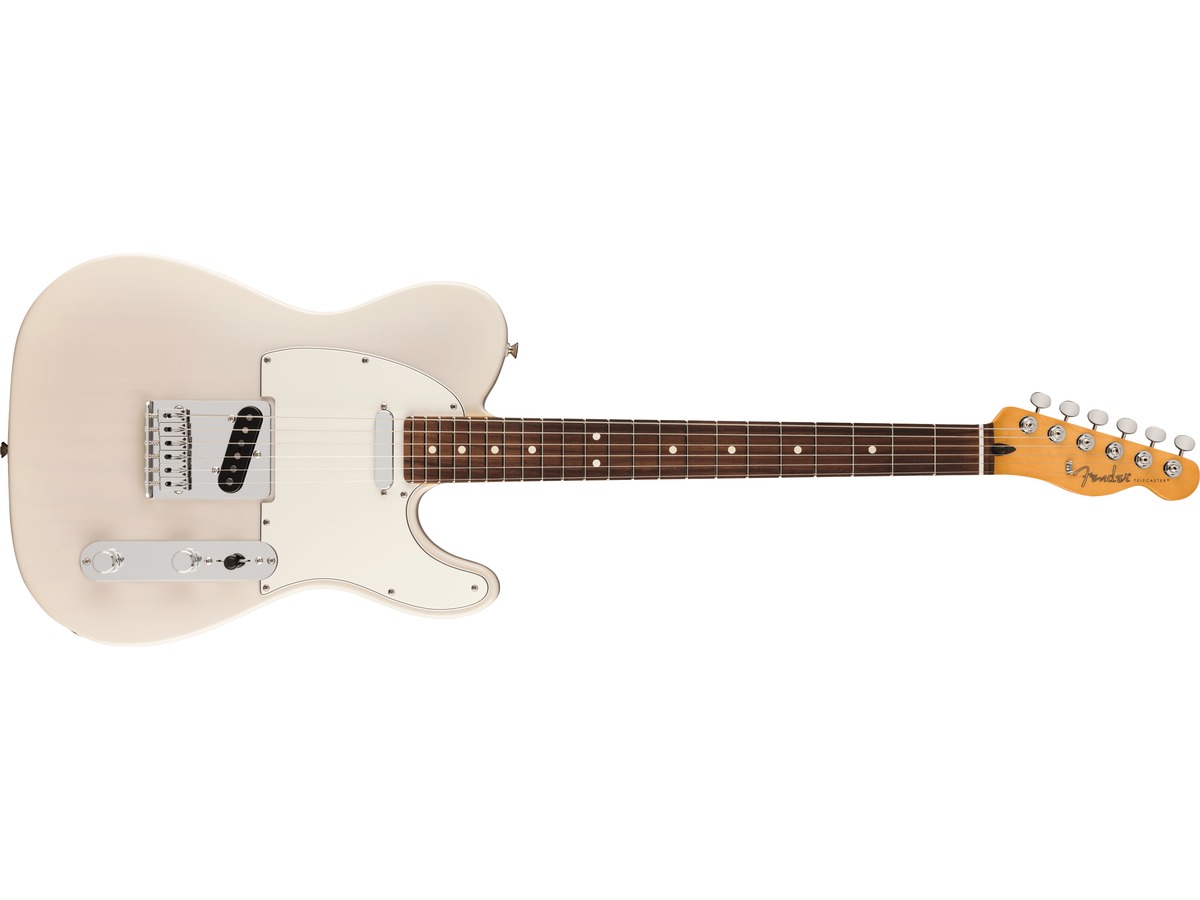
Fender Player II Telecaster
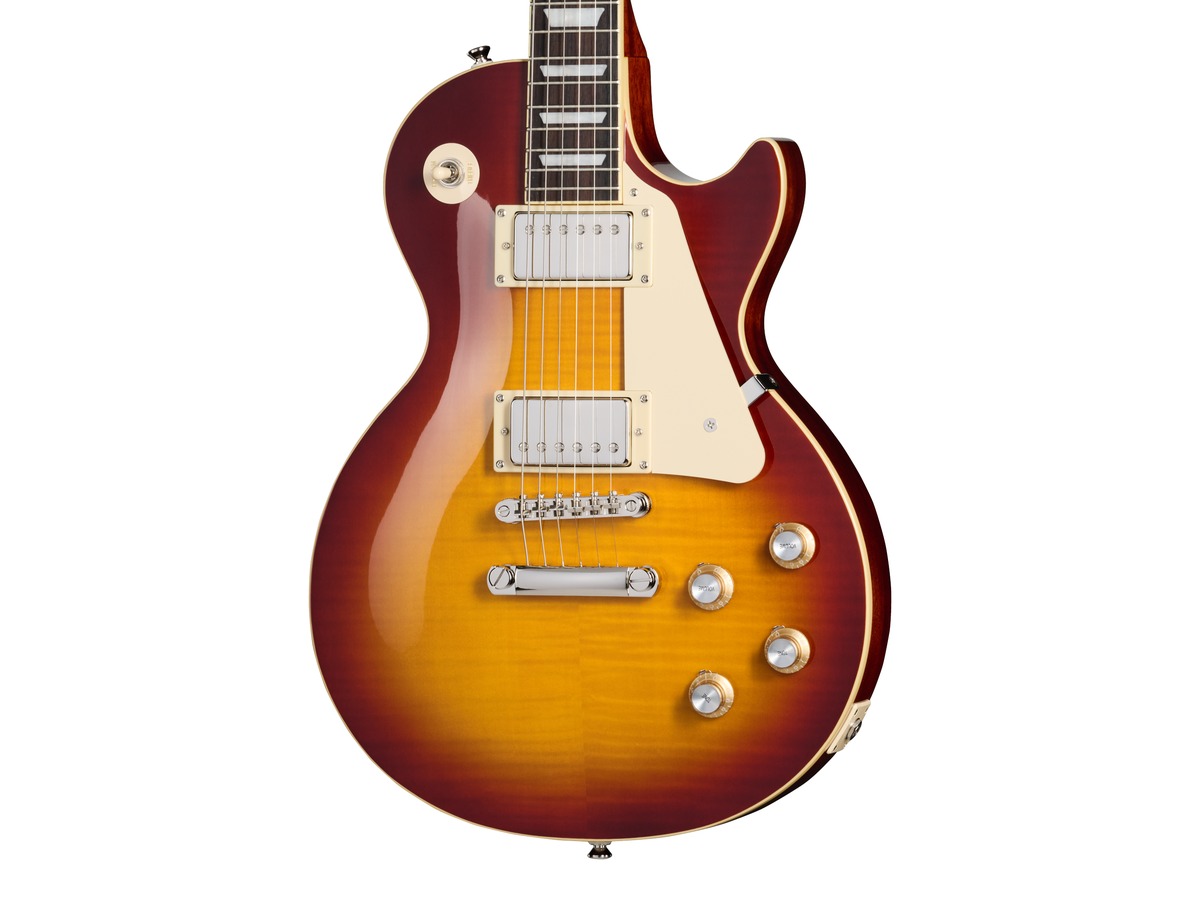
Epiphone Les Paul Standard 60s
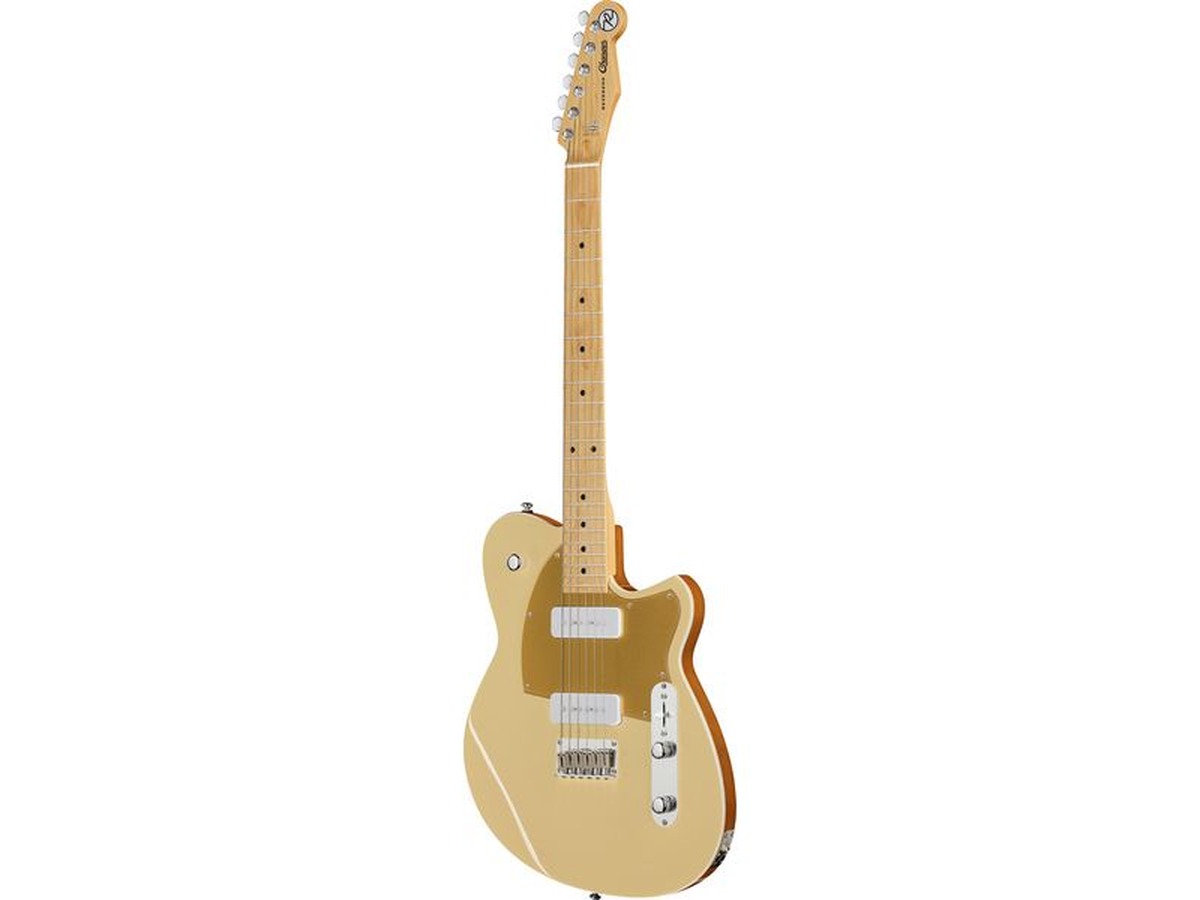
Reverend Charger 290
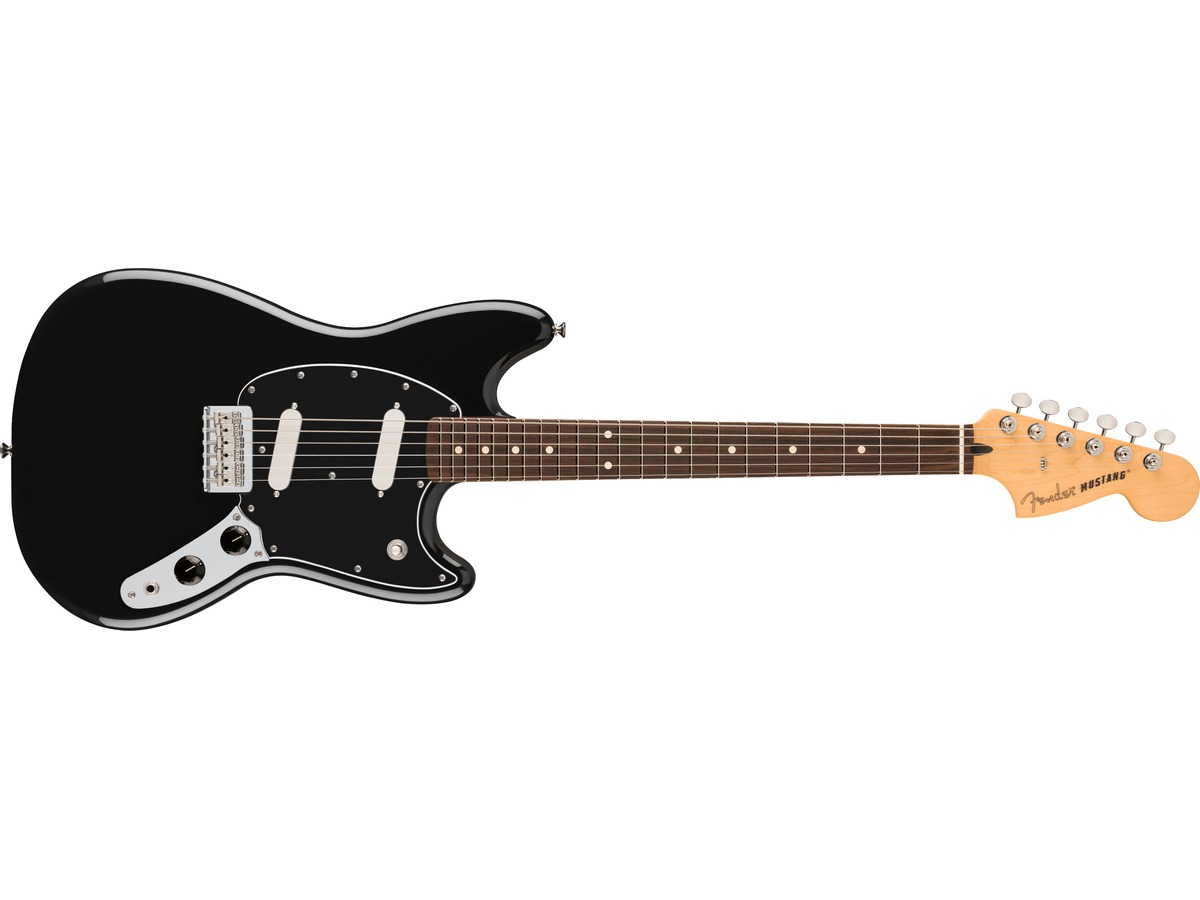
Fender Player II Mustang
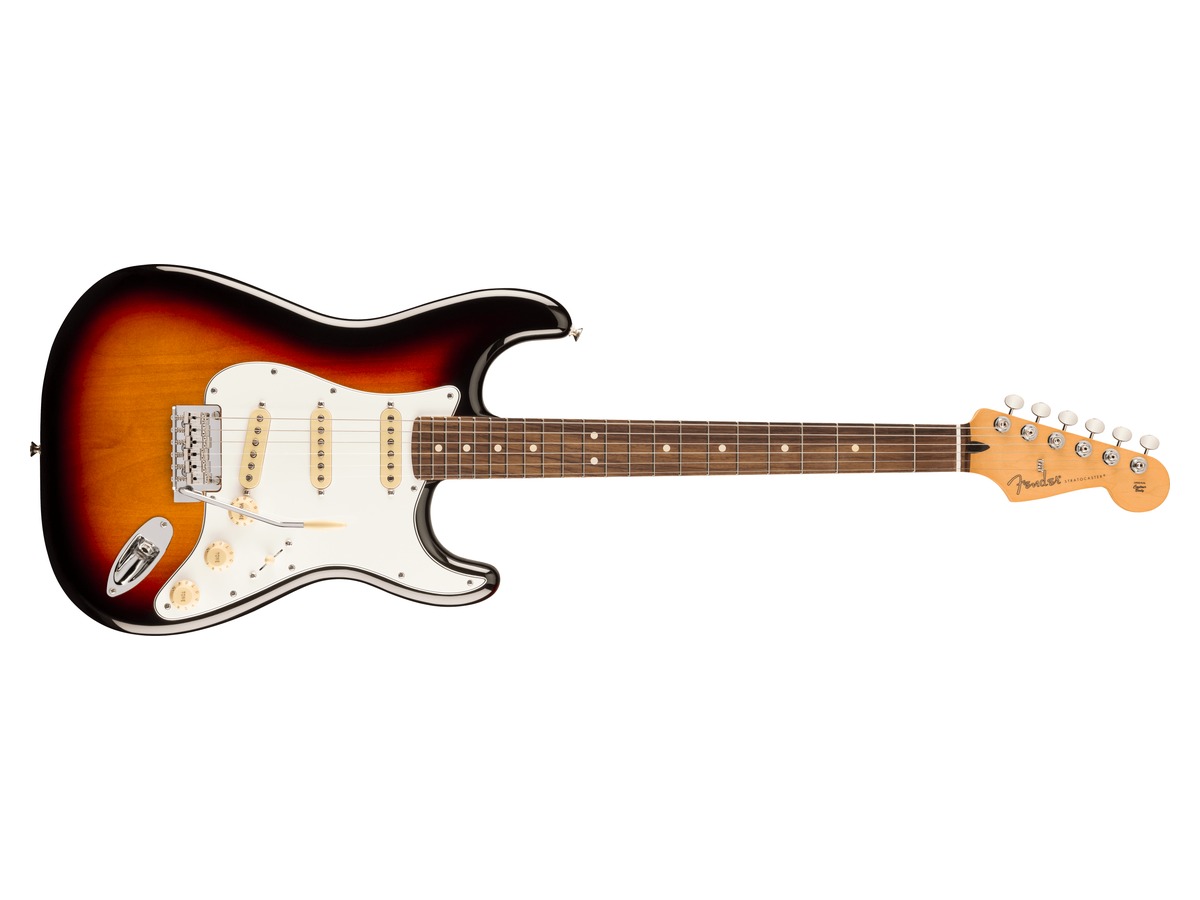
Fender Player II Stratocaster
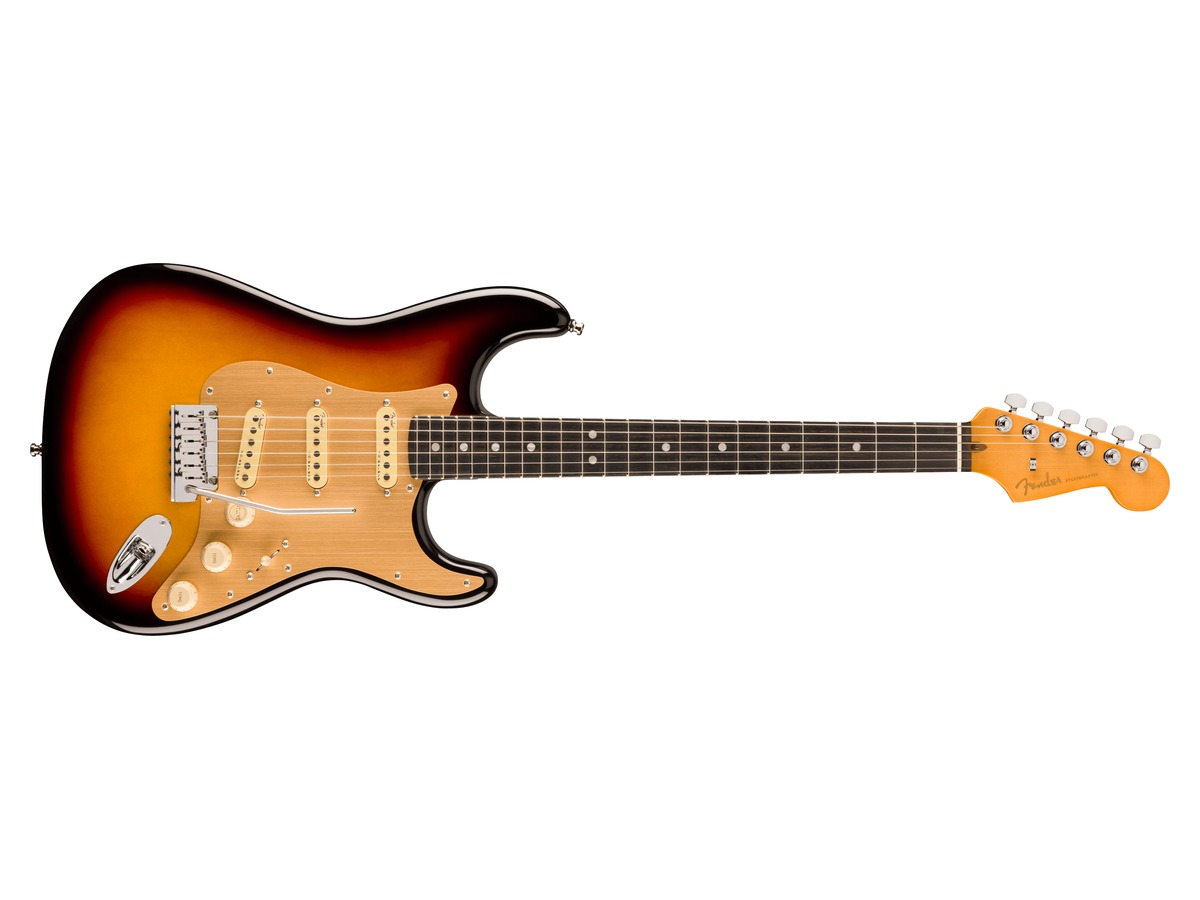
Fender American Ultra II Stratocaster
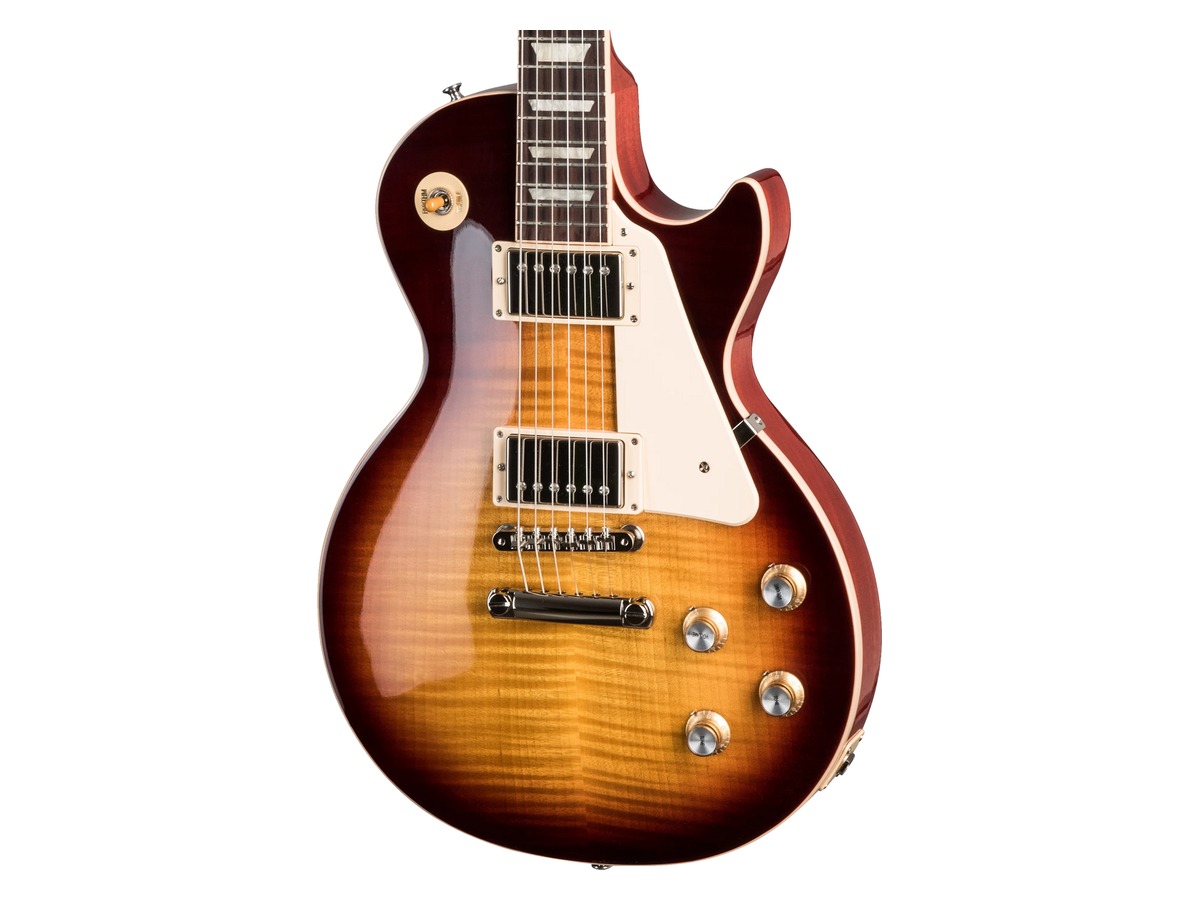
Gibson Les Paul Standard 60s
With blues electric guitars, it's important to directly observe the interaction between the guitar and amp rather than focusing solely on flashy specifications. Start with a clean amp, gradually increase the volume, and toggle the guitar’s volume while repeating the same phrase. The noise of single coils, the compression of humbuckers, and the midrange of P-90s are not fixed; they will react differently depending on the performance space, pedals, and band configuration.
If bending and vibrato are central, you should consider not only the scale but also the size of the frets, the curvature of the fretboard, the string height, and the condition of the nut. A lower action isn’t always more comfortable, and strong picking can lead to buzzing or muted notes during bending. Don't just sit to test; use a strap to check the wrist angle and balance of the guitar, and whether the volume and tone knobs are easily accessible while playing.
Finally, try recording a flow with shuffle rhythms, double stops, soft single notes, and large bends. The intent behind the attack and the decay of notes may prove to be a more important criterion than the length of sustained tones. A good blues electric guitar is one that allows your touch to be heard over one that merely looks like a replica from a certain era, and makes you want to keep playing with minimal adjustments from clean to crunch.
As part of the Coupang Partners program, this post may earn a commission from qualifying purchases.
Comments 0
Log in to leave a comment.
Be the first to comment.
How about these lists?


You might also like


Not ready to stop here?
Wondering what to read next is the biggest waste of time.
Let the dice decide — you won't know what pops up until you roll.
If you don't press it… won't you wonder forever? 👀
