Collection
France
2026.09.14
The Island and Bridges of Paris: Experience the Seine Up Close
Reading Paris from the water, from the western end of Île de la Cité to the modern footbridge
Traveling along the Seine becomes multidimensional when you walk along the edges of its islands and across bridges at varying heights. This exploration looks at how the river separates and connects the city, from the low waters of Place Bergalangs, the residential docks of Île Saint-Louis, the decorative Pont Alexandre III, to the modern footbridge to the east.
Depending on the river's water level and ongoing constructions or events, the lower walking paths may suddenly close. Even if the map indicates proximity, you'll need to find staircases to detour between the bridges and riverbanks, so allow for extra travel time. After sunset, use the well-lit upper roads without climbing the railings or obstructing bike paths. Checking the official guides before your visit increases the accuracy of your itinerary.
Depending on the river's water level and ongoing constructions or events, the lower walking paths may suddenly close. Even if the map indicates proximity, you'll need to find staircases to detour between the bridges and riverbanks, so allow for extra travel time. After sunset, use the well-lit upper roads without climbing the railings or obstructing bike paths. Checking the official guides before your visit increases the accuracy of your itinerary.
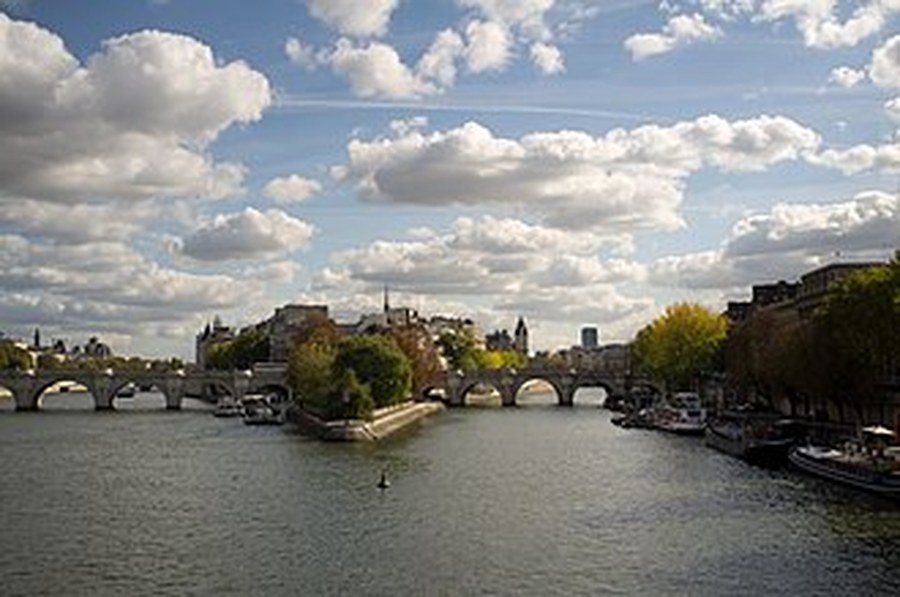
Square du Vert-Galant on Île de la Cité
Place Bergalangs on Île de la Cité
The first highlight to see at Place Bergalangs on Île de la Cité is the view of two waterways of the Seine and the bridges from the western end of the island, all at a low vantage point. The triangular green space beneath the Pont Neuf offers a peaceful retreat right in the heart of the city. Rather than just verifying the name, take a look at the overall structure from the entrance, and by examining the intricate decorations and current usage step by step, you can easily understand how the past and present overlap here. Walking around the nearby alleys and squares will naturally reveal the role this place plays in the living environment of Paris 1er.
Before your visit, please adhere to access controls when the water level is high and avoid approaching beyond the railings. Operating hours, closed days, admission fees, and booking methods can change according to the season and events, so always refer to the latest announcements from the official website or operating authority. If you only rely on coordinates, you might end up at a distant entry among several entrances, so it's good to check the nearest subway station, actual entrance, and the presence of stairs or elevators. During busy hours, keep your belongings in front of you and be considerate of the locals and pedestrians.
For photos, capture the Pont des Arts and the boat together at the edge of the trees. Instead of simply replicating a famous shot, take a moment to observe the light and flow of people to choose your unique perspective. In shops, markets, and exhibition spaces, avoid capturing the faces of staff and other visitors closely and adhere to rules regarding photography bans, flash, and tripods. If the weather is bad or certain areas are closed, it's safer and more meaningful to document the connection between surrounding streets and architecture without crossing boundaries.
지역 Paris 1er
장소 유형 강변 공원
방문 전 확인 강 수위가 높을 때 출입 통제를 따르고 난간 밖으로 접근하지 않는다.
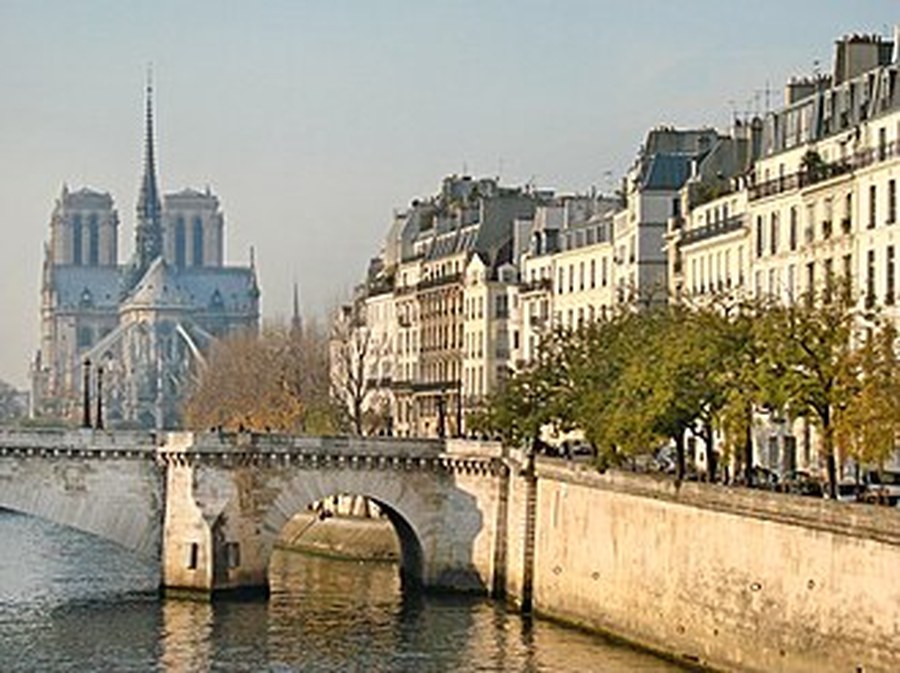
Île Saint-Louis
The first highlight to see on Île Saint-Louis is how the 17th-century mansions and quiet docks create a more tranquil Seine walk compared to Île de la Cité. The residential streets, shops, and riverbanks of this small island preserve a sense of life in the heart of Paris. Rather than just verifying the name, take a look at the overall structure from the entrance, and by examining the intricate decorations and current usage step by step, you can easily understand how the past and present overlap. Walking around the nearby alleys and squares will naturally reveal the role this place plays in the living environment of Paris 4e.
Before your visit, be careful not to block residential entrances and check the water level and slipperiness of the riverbank stairs. Operating hours, closed days, admission fees, and booking methods can change according to the season and events, so always refer to the latest announcements from the official website or operating authority. If you only rely on coordinates, you might end up at a distant entry among several entrances, so it's good to check the nearest subway station, actual entrance, and the presence of stairs or elevators. During busy hours, keep your belongings in front of you and be considerate of the locals and pedestrians.
For photos, capture the stone walls, trees, and the Marais across the river from the docks. Instead of simply replicating a famous shot, take a moment to observe the light and flow of people to choose your unique perspective. In shops, markets, and exhibition spaces, avoid capturing the faces of staff and other visitors closely and adhere to rules regarding photography bans, flash, and tripods. If the weather is bad or certain areas are closed, it's safer and more meaningful to document the connection between surrounding streets and architecture without crossing boundaries.
지역 Paris 4e
장소 유형 역사 지구·섬
방문 전 확인 주거 출입구를 막지 말고 강변 계단의 수위와 미끄럼을 확인한다.
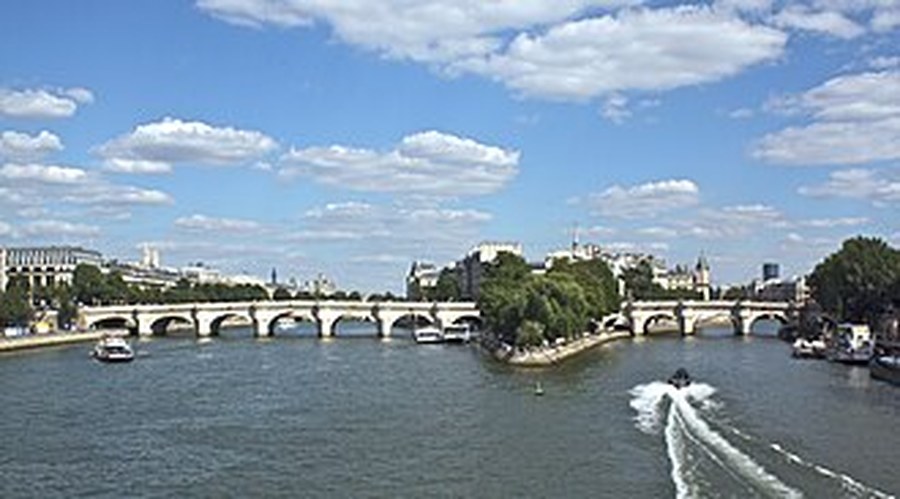
Pont Neuf
The first highlight to see at Pont Neuf is how its stone arches and the end of Île de la Cité showcase the majesty of the oldest existing bridge in Paris. Although its name means 'New Bridge', it comes from the re-design without buildings on top of the bridge at that time. Rather than just verifying the name, take a look at the overall structure from the entrance, and by examining the intricate decorations and current usage step by step, you can easily understand how the past and present overlap. Walking around the nearby alleys and squares will naturally reveal the role this place plays in the living environment of Paris 1er and 6e.
Before your visit, stop only in walking areas as vehicles and bicycles can appear closer than they are. Operating hours, closed days, admission fees, and booking methods can change according to the season and events, so always refer to the latest announcements from the official website or operating authority. If you only rely on coordinates, you might end up at a distant entry among several entrances, so it's good to check the nearest subway station, actual entrance, and the presence of stairs or elevators. During busy hours, keep your belongings in front of you and be considerate of the locals and pedestrians.
For photos, capture several arches and the equestrian statues along the riverbank. Instead of simply replicating a famous shot, take a moment to observe the light and flow of people to choose your unique perspective. In shops, markets, and exhibition spaces, avoid capturing the faces of staff and other visitors closely and adhere to rules regarding photography bans, flash, and tripods. If the weather is bad or certain areas are closed, it's safer and more meaningful to document the connection between surrounding streets and architecture without crossing boundaries.
지역 Paris 1er·6e
장소 유형 역사 교량
방문 전 확인 차량과 자전거가 가까워 보행 구역 안에서만 멈춘다.
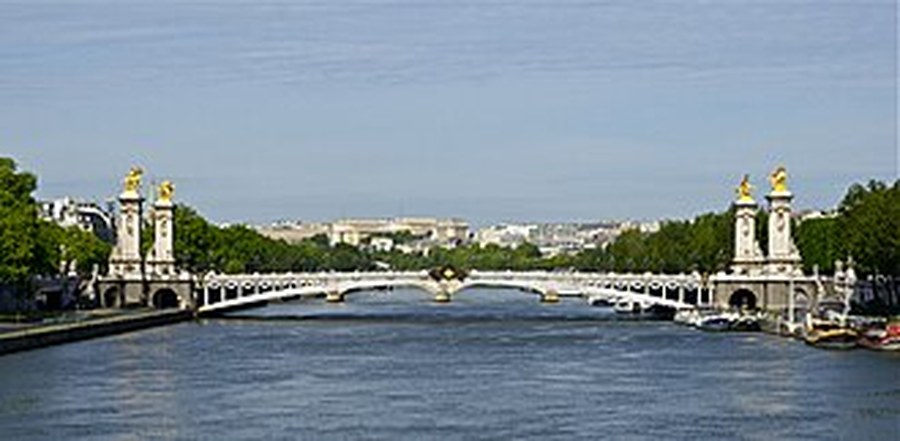
Pont Alexandre III
The first highlight to see at Pont Alexandre III is how the golden sculptures and low arches create a magnificent axis between Les Invalides and the Grand Palais. The ornate art and the symbolism of French-Russian diplomacy from the 1900 Universal Exposition period merge here. Rather than just verifying the name, take a look at the overall structure from the entrance, and by examining the intricate decorations and current usage step by step, you can easily understand how the past and present overlap. Walking around the nearby alleys and squares will naturally reveal the role this place plays in the living environment of Paris 7e and 8e.
Before your visit, be mindful of vehicle and bicycle traffic and any event controls. Operating hours, closed days, admission fees, and booking methods can change according to the season and events, so always refer to the latest announcements from the official website or operating authority. If you only rely on coordinates, you might end up at a distant entry among several entrances, so it's good to check the nearest subway station, actual entrance, and the presence of stairs or elevators. During busy hours, keep your belongings in front of you and be considerate of the locals and pedestrians.
For photos, look up from the riverbank to capture the arches and golden columns together. Instead of simply replicating a famous shot, take a moment to observe the light and flow of people to choose your unique perspective. In shops, markets, and exhibition spaces, avoid capturing the faces of staff and other visitors closely and adhere to rules regarding photography bans, flash, and tripods. If the weather is bad or certain areas are closed, it's safer and more meaningful to document the connection between surrounding streets and architecture without crossing boundaries.
지역 Paris 7e·8e
장소 유형 장식 교량
방문 전 확인 차도와 자전거 통행, 행사 통제에 주의한다.
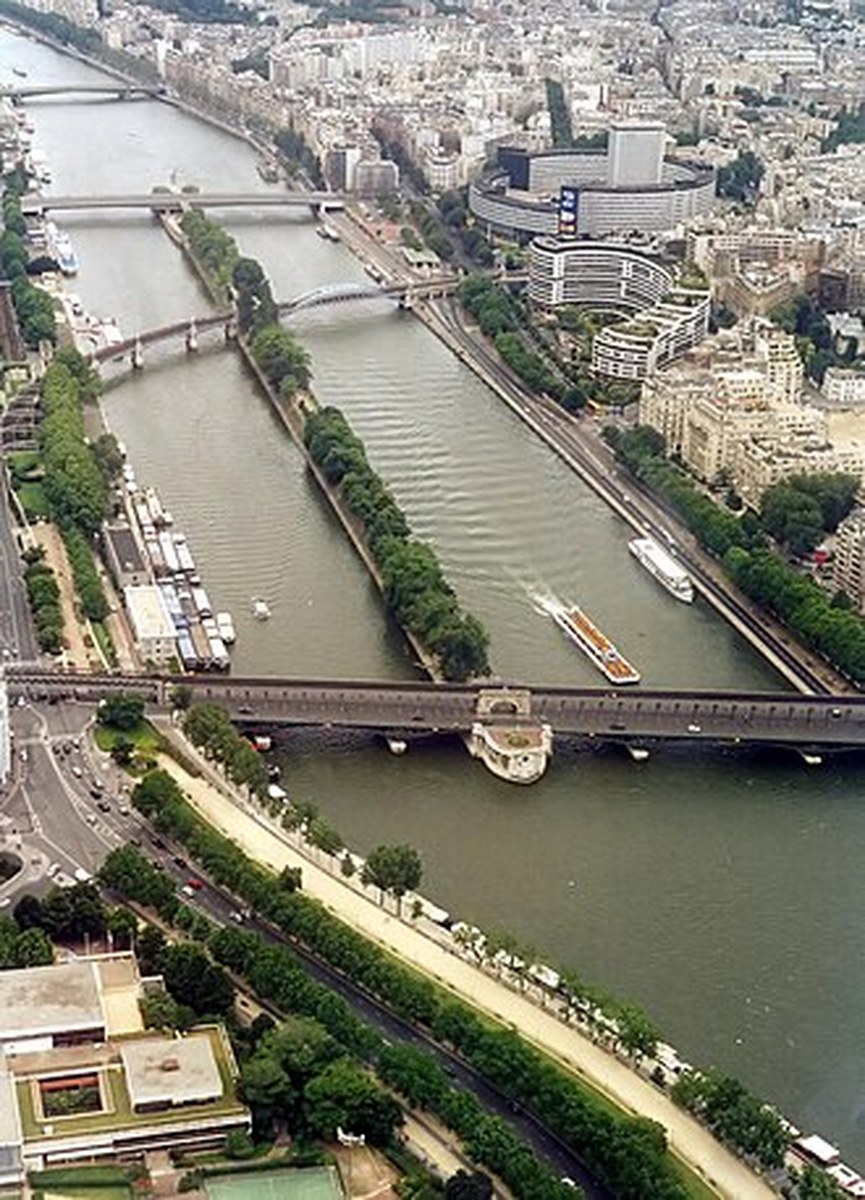
Allee des Cygnes under the Bir-Hakeim Bridge
Allee de la Seine under the Bir-Hakeim Bridge
The first highlight to see at Allee de la Seine under the Bir-Hakeim Bridge is the narrow wooden pathway stretching towards the Statue of Liberty through the middle of the Seine. As an artificial island, the pathway allows for close comparison between the riverside and bridge structures. Rather than just verifying the name, take a look at the overall structure from the entrance, and by examining the intricate decorations and current usage step by step, you can easily understand how the past and present overlap. Walking around the nearby alleys and squares will naturally reveal the role this place plays in the living environment of Paris 15e.
Before your visit, avoid blocking the passage for cyclists and joggers and do not climb the riverside rails. Operating hours, closed days, admission fees, and booking methods can change according to the season and events, so always refer to the latest announcements from the official website or operating authority. If you only rely on coordinates, you might end up at a distant entry among several entrances, so it's good to check the nearest subway station, actual entrance, and the presence of stairs or elevators. During busy hours, keep your belongings in front of you and be considerate of the locals and pedestrians.
For photos, align the end of the trees with the Grenelle Bridge at the vanishing point. Instead of simply replicating a famous shot, take a moment to observe the light and flow of people to choose your unique perspective. In shops, markets, and exhibition spaces, avoid capturing the faces of staff and other visitors closely and adhere to rules regarding photography bans, flash, and tripods. If the weather is bad or certain areas are closed, it's safer and more meaningful to document the connection between surrounding streets and architecture without crossing boundaries.
지역 Paris 15e
장소 유형 섬 산책로
방문 전 확인 자전거와 조깅 통행을 비우고 수변 난간에 올라서지 않는다.
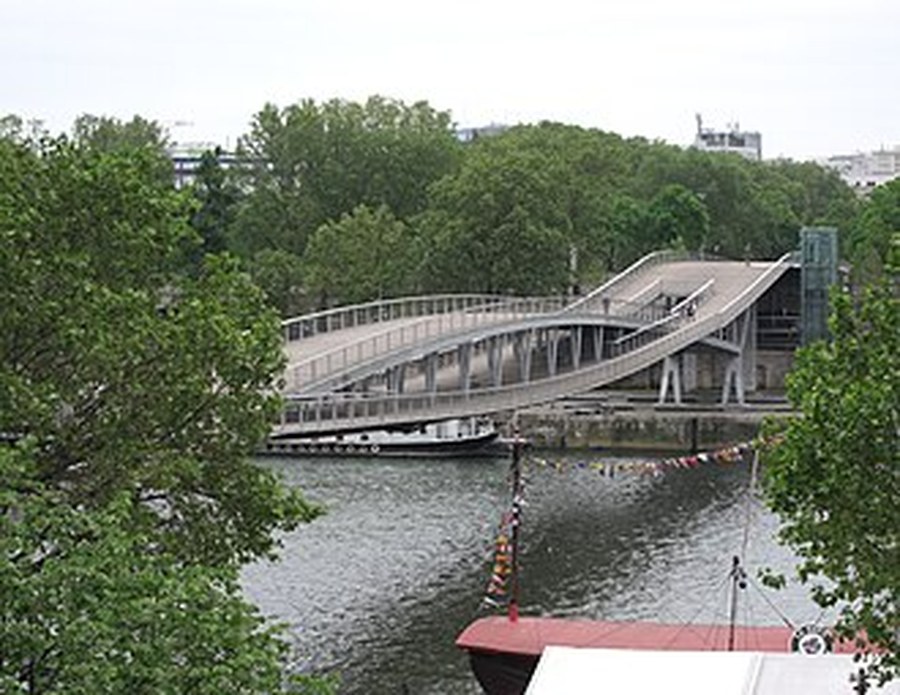
Simone de Beauvoir Footbridge
Simon de Beauvoir Footbridge
The first highlight to see at the Simon de Beauvoir Footbridge is how the undulating wooden deck connects Bercy Park and the National Library in a multi-dimensional way. The pedestrian bridge, free of vehicles, connects the upper and lower flows of modern architecture on the eastern Seine. Rather than just verifying the name, take a look at the overall structure from the entrance, and by examining the intricate decorations and current usage step by step, you can easily understand how the past and present overlap. Walking around the nearby alleys and squares will naturally reveal the role this place plays in the living environment of Paris 12e and 13e.
Before your visit, be cautious that the wood can be slippery when wet or frosty and observe the bicycle flow. Operating hours, closed days, admission fees, and booking methods can change according to the season and events, so always refer to the latest announcements from the official website or operating authority. If you only rely on coordinates, you might end up at a distant entry among several entrances, so it's good to check the nearest subway station, actual entrance, and the presence of stairs or elevators. During busy hours, keep your belongings in front of you and be considerate of the locals and pedestrians.
For photos, frame the curved deck and library tower in one shot. Instead of simply replicating a famous shot, take a moment to observe the light and flow of people to choose your unique perspective. In shops, markets, and exhibition spaces, avoid capturing the faces of staff and other visitors closely and adhere to rules regarding photography bans, flash, and tripods. If the weather is bad or certain areas are closed, it's safer and more meaningful to document the connection between surrounding streets and architecture without crossing boundaries.
지역 Paris 12e·13e
장소 유형 보행교
방문 전 확인 비와 서리에 목재가 미끄러우며 자전거 흐름을 살핀다.
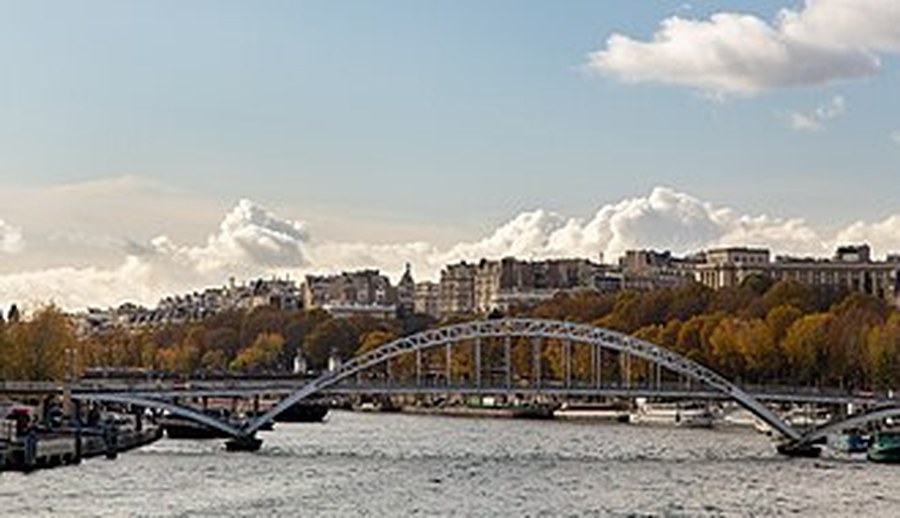
Debilly Footbridge
Duvillier Footbridge
At Duvillier Footbridge, the first highlight is how the light metal arch reveals the Seine and the Eiffel Tower at an angle. This footbridge, created for the 1900 Universal Exposition, quietly connects both banks of the river. Rather than just verifying the name, take a look at the overall structure from the entrance, and by examining the intricate decorations and current usage step by step, you can easily understand how the past and present overlap. Walking around the nearby alleys and squares will naturally reveal the role this place plays in the living environment of Paris 7e and 16e.
Before your visit, do not add locks and avoid blocking the narrow paths. Operating hours, closed days, admission fees, and booking methods can change according to the season and events, so always refer to the latest announcements from the official website or operating authority. If you only rely on coordinates, you might end up at a distant entry among several entrances, so it's good to check the nearest subway station, actual entrance, and the presence of stairs or elevators. During busy hours, keep your belongings in front of you and be considerate of the locals and pedestrians.
For photos, position the curve of the railings and Eiffel Tower slightly off-center in your frame. Instead of simply replicating a famous shot, take a moment to observe the light and flow of people to choose your unique perspective. In shops, markets, and exhibition spaces, avoid capturing the faces of staff and other visitors closely and adhere to rules regarding photography bans, flash, and tripods. If the weather is bad or certain areas are closed, it's safer and more meaningful to document the connection between surrounding streets and architecture without crossing boundaries.
지역 Paris 7e·16e
장소 유형 보행교
방문 전 확인 자물쇠를 추가하지 말고 좁은 통행로를 막지 않는다.
Comparing the old Pont Neuf, the bridges of the World's Fair era, and the car-free Simone de Beauvoir footbridge, you come to see that the Seine's scenery is the result of different urban planning in each era. The islands' quiet residential streets and the tourist-packed bridges also move at different paces.
Île de la Cité and Île Saint-Louis are best walked in the morning, and Pont Alexandre III and the Passerelle Debilly in the late afternoon. Link the eastern footbridge with an itinerary that includes Parc de Bercy and the national library. Reflections on the water are beautiful, but the stone steps and wooden decks get slippery after rain, so make footwear a priority. Respecting each place's rules and the people using it is the mark of good travel.
Île de la Cité and Île Saint-Louis are best walked in the morning, and Pont Alexandre III and the Passerelle Debilly in the late afternoon. Link the eastern footbridge with an itinerary that includes Parc de Bercy and the national library. Reflections on the water are beautiful, but the stone steps and wooden decks get slippery after rain, so make footwear a priority. Respecting each place's rules and the people using it is the mark of good travel.
At a glance
7 items
Locations at a glance
7 places
As part of the Coupang Partners program, this post may earn a commission from qualifying purchases.
Comments 0
Log in to leave a comment.
Be the first to comment.
How about these lists?


You might also like


🎲
Not ready to stop here?
Wondering what to read next is the biggest waste of time.
Let the dice decide — you won't know what pops up until you roll.
If you don't press it… won't you wonder forever? 👀