
Collection
France
2026.09.14
Places of Memory Where Paris's Artists and History Rest
A historical stroll walking respectfully from Père Lachaise to small local cemeteries and the Catacombs
The cemeteries of Paris are more than places to look for famous names; they are open-air archives where you can read the history of sculpture, plant life, revolution, and urban hygiene. This list is designed for respectfully visiting seven places of different character, from the wide paths of Père Lachaise and Montparnasse and the revolutionary-era memory of Picpus to the underground spaces of the Catacombs.
Cemeteries are still places where funerals and memorials take place. Avoid loud noise and staged photo shoots, and don't touch flowers, stones, or epitaphs. Closing times may vary by season, and for the Catacombs you should check timed reservations, the stairs, claustrophobia concerns, and bag restrictions. Rechecking the official information before your visit makes your itinerary more accurate.
Cemeteries are still places where funerals and memorials take place. Avoid loud noise and staged photo shoots, and don't touch flowers, stones, or epitaphs. Closing times may vary by season, and for the Catacombs you should check timed reservations, the stairs, claustrophobia concerns, and bag restrictions. Rechecking the official information before your visit makes your itinerary more accurate.
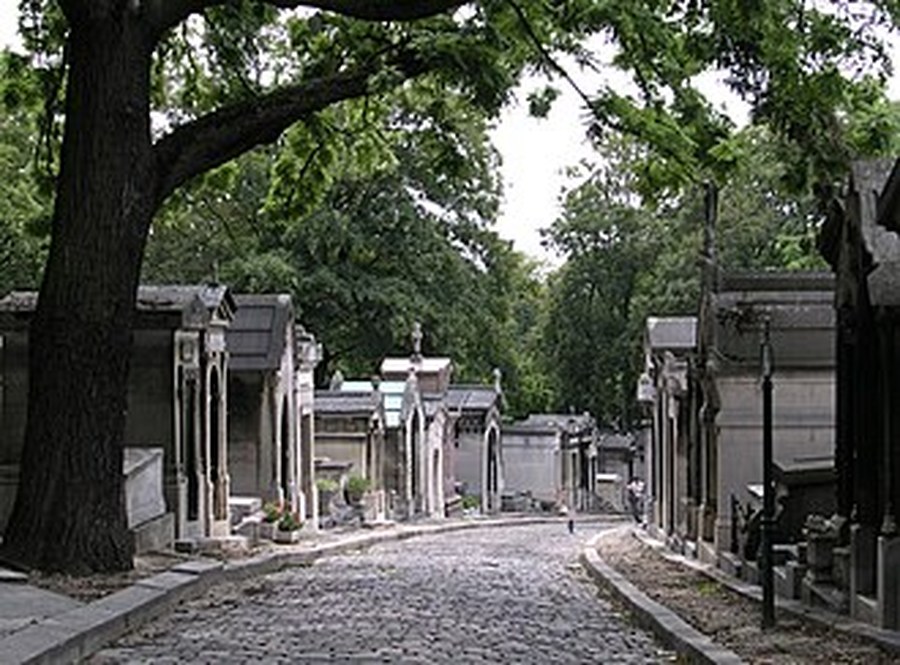
Père Lachaise Cemetery
At Père Lachaise Cemetery, the first core experience is encountering the traces of writers, musicians, and politicians amidst the tree-lined paths and sculpted gravestones. This large cemetery serves as an outdoor archive that combines Paris's funerary sculpture with modern and contemporary figures. Rather than simply verifying the reasons names are known, it's easier to understand how the past and present overlap by surveying the overall layout from the entrance and looking at the detailed decorations and current use methods in turn. A stroll through the surrounding alleys or squares naturally reveals the role this location plays within the living environment of Paris 20e.
Before visiting, check the entrance map, closing times, and any accessibility ramps, avoiding disruption to mourners. Operating hours, closure days, entrance fees, and reservation methods may change with the seasons and events, so always refer to the latest announcements on the official website or from the managing organization. If you rely solely on coordinates, you might arrive at a distant entrance among several, so it's good to verify the nearest metro station, actual entrance, and the presence of stairs or elevators together. During busy hours, keep your belongings in front of you and prioritize the movements of residents and pedestrians.
Photographs should broadly capture the atmosphere of paths, trees, and groups of gravestones rather than focusing solely on famous graves. Instead of simply replicating a well-known shot, take a moment to observe the light and flow of people to choose your unique perspective. In shops, markets, and exhibition spaces, do not capture close-ups of staff or other visitors and follow the no-photography, flash, and tripod rules. If weather conditions are poor or certain areas are closed, it’s safer and more meaningful to document connections in the surroundings, including streets and architecture.
지역 Paris 20e
장소 유형 역사 묘지
방문 전 확인 입구 지도와 폐장, 경사로를 확인하고 추모객을 방해하지 않는다.
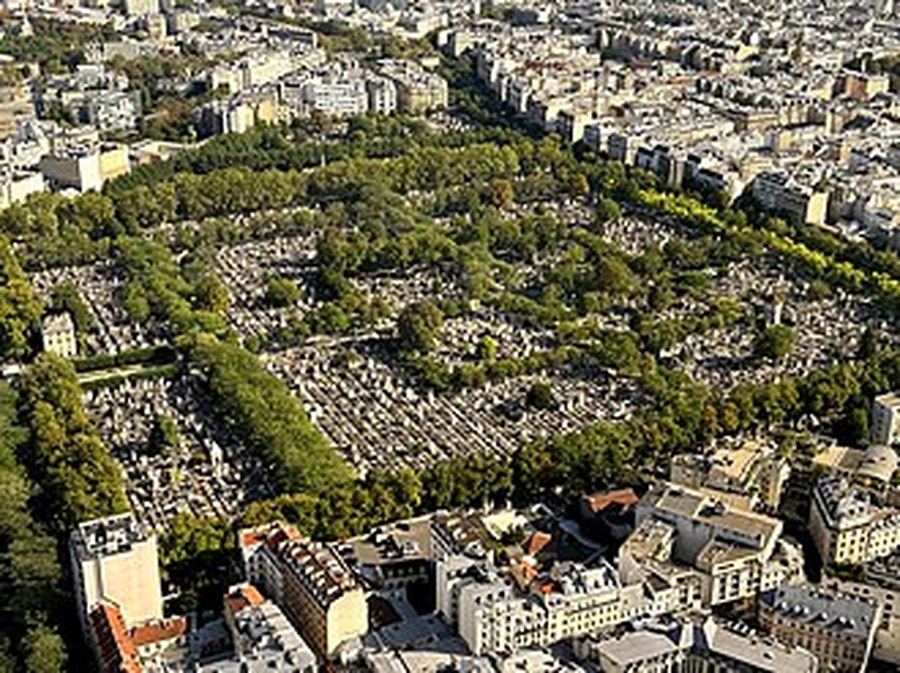
Montparnasse Cemetery
At Montparnasse Cemetery, the first core experience is to seek the traces of intellectuals like Sartre and Beauvoir along the flat paths and modern gravestones. The memories of Montparnasse's artists and writers connect with the local café culture. Rather than just confirming why names are known, observing the overall layout from the entrance and examining the detailed decorations and current usage in turn makes it easier to understand how the past and present intersect. A walk through the surrounding alleys or squares naturally highlights the role this location plays within the living environment of Paris 14e.
Before visiting, check the district number, entrance, and closing times. Operating hours, closure days, entrance fees, and reservation methods can change with the seasons and events, so always refer to the latest announcements on the official website or from the organizing body. If you rely only on coordinates, you may arrive at a distant entrance among several, so it's good to check the nearest metro station, actual entrance, and the presence of stairs or elevators as well. During busy times, carry your bags in front and prioritize the movement of residents and pedestrians.
Photographs should calmly capture the contrast between urban structures and low gravestones. Instead of fixedly copying famous shots, observe the light and flow of people for a moment to choose your personal viewpoint. When in shops, markets, or exhibition spaces, do not capture close-ups of staff or other visitors and comply with photography bans, flash, and tripod regulations. If the weather is bad or certain sections are closed, it's safer and more significant to document the connections between the streets and architecture.
지역 Paris 14e
장소 유형 역사 묘지
방문 전 확인 구역 번호와 출입구, 폐장 시간을 확인한다.
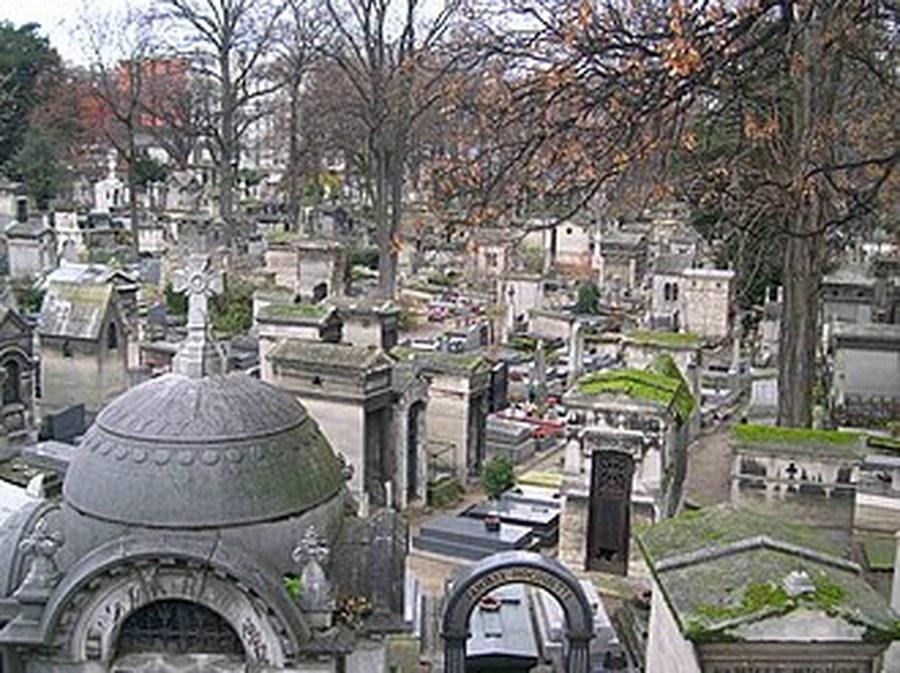
Montmartre Cemetery
At Montmartre Cemetery, the first core experience is the unique urban landscape created by the cemetery leading under the bridge and its hilly terrain. The graves of artists and performers showcase another side of Montmartre's entertainment and art history. Rather than merely confirming the reasons names are known, observing the overall layout from the entrance and examining the detailed decorations and current usage in turn makes it easier to understand how the past and present overlap. A stroll through the surrounding alleys or squares naturally reveals the role this location plays within the living environment of Paris 18e.
Before visiting, pay attention to pedestrian safety in the area beneath the overpass. Operating hours, closure days, entrance fees, and reservation methods may change with the seasons and events, so refer to the latest announcements on the official website or from the managing organization. If you move based solely on coordinates, you might arrive at a distant entrance among several, so it’s advisable to verify nearby metro stations, the actual entrance, and whether there are stairs or elevators. In busy times, keep your luggage in front and prioritize the movement of residents and pedestrians.
Photographs should be captured by dividing the bridge structure, trees, and gravestones into layers. Instead of directly replicating a famous shot, take a moment to observe the light and flow of people, selecting your own viewpoint. In shops, markets, and exhibition spaces, do not approach close-up shots of staff or other visitors and comply with no-photography, flash, and tripod regulations. If weather conditions are poor or some areas are closed, it’s wise to avoid crossing boundaries and instead document the connections between streets and architecture.
지역 Paris 18e
장소 유형 역사 묘지
방문 전 확인 자동차 진입로와 고가도로 아래 구역에서 보행을 주의한다.
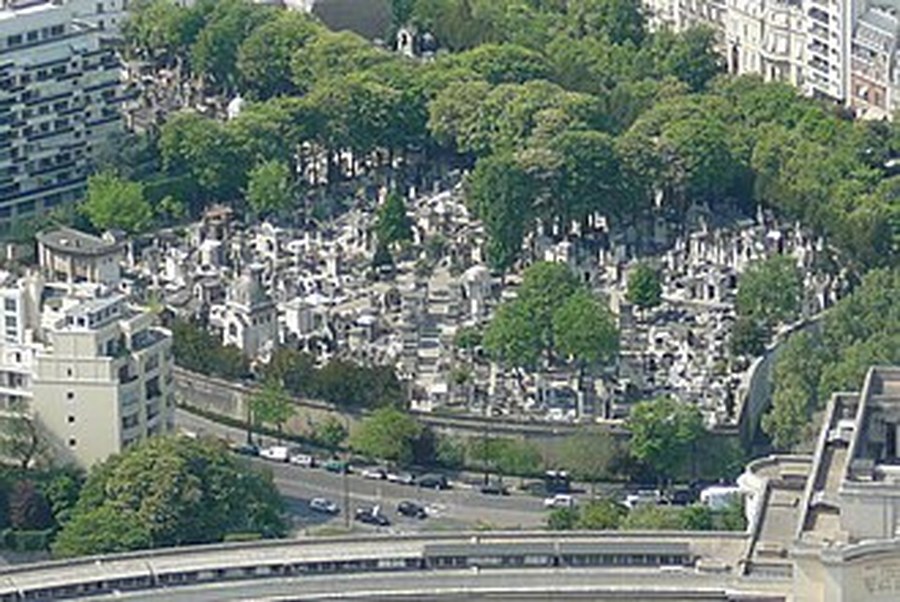
Passy Cemetery
At Passy Cemetery, the first core experience is seeing the small graveyard near Trocadéro, where one can view statues alongside the Eiffel Tower. Although small, the graves of painters, composers, and fashion figures encapsulate the history of western Paris. Rather than simply confirming why names are known, observing the overall layout from the entrance and examining the detailed decorations and current usage in turn makes it easier to grasp how the past and present overlap. A walk around the surrounding alleys or squares naturally reveals the role this location plays within the living environment of Paris 16e.
Before visiting, avoid areas where funerals or memorials are taking place and check the opening hours. Operating hours, closure days, entrance fees, and reservation methods can change with the seasons and events, so always refer to the latest announcements from the official website or the managing organization. If you rely solely on coordinates, you might arrive at a distant entrance among several, so checking the nearest metro station and the actual entrance, as well as the presence of stairs or elevators, is advisable. During busy hours, carry your belongings in front and prioritize the movements of residents and pedestrians.
Photographs should focus on the gravestone sculptures and the distant urban structure without excessive intrusion. Instead of replicating a famous shot, take a moment to observe the light and flow of people to choose your unique perspective. In shops, markets, or exhibition spaces, avoid capturing close-ups of staff or other visitors and adhere to photography bans, flash, and tripod rules. If the weather is poor or certain areas are closed, it's better and more meaningful to document the connections within the surrounding streets and architecture.
지역 Paris 16e
장소 유형 역사 묘지
방문 전 확인 장례나 추모가 진행 중인 구역을 피하고 개방시간을 확인한다.
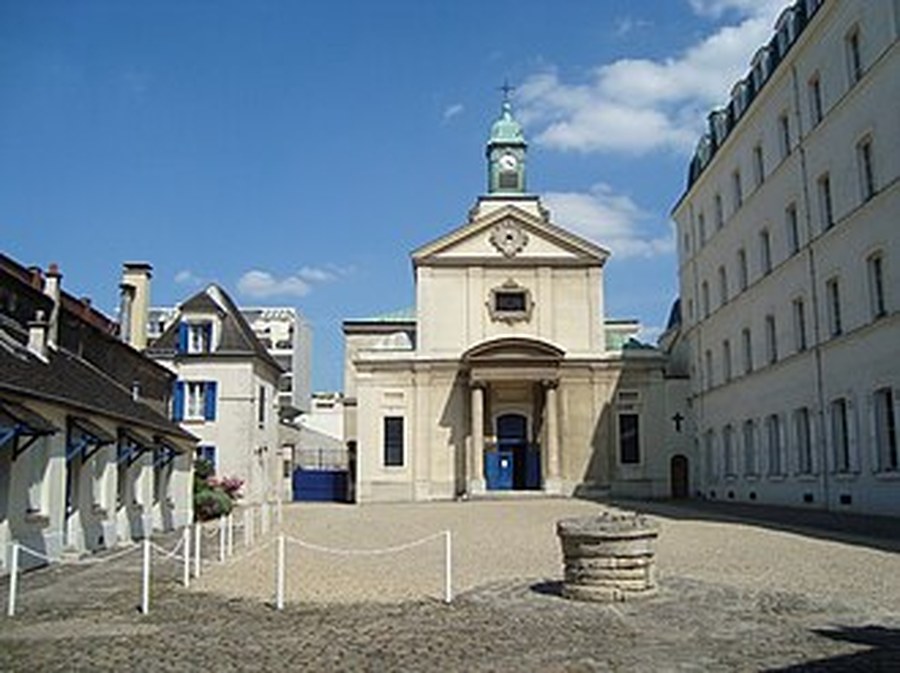
Picpus Cemetery
Père Lachaise Cemetery
At Pères Lachaise Cemetery, the first core experience is the collective graves of victims of the guillotine during the revolution, alongside the grave of Lafayette, creating a quiet space of memory. This private cemetery connects the violence of the French Revolution and figures from the American War of Independence in one location. Rather than simply confirming why names are known, observing the overall layout from the entrance and examining the detailed decorations and current usage in turn makes it easier to understand how the past and present overlap. A stroll through the surrounding alleys or squares naturally reflects the role this location plays within the living environment of Paris 12e.
Before visiting, check the limited opening times, entrance fees, and the tranquility required in religious spaces. Operating hours, closure days, entrance fees, and reservation methods may change with the seasons and events, so always refer to the latest announcements on the official website or from the managing organization. If you move based solely on coordinates, you might arrive at a distant entrance among several, so it’s advisable to check the nearest metro station, actual entrance, and the presence of stairs or elevators as well. During busy hours, keep your luggage in front and prioritize the movement of residents and pedestrians.
Photographs in memorial spaces should be focused on reading the instructions and maintaining respect rather than capturing records. Instead of replicating a famous shot, take a moment to observe the light and flow of people to choose your unique perspective. In shops, markets, and exhibition spaces, do not capture close-ups of staff or other visitors and follow photography bans, flash, and tripod rules. If the weather is poor or some areas are closed, it’s advisable to avoid crossing boundaries and instead document the connections between the streets and architecture.
지역 Paris 12e
장소 유형 사설 역사 묘지
방문 전 확인 제한된 개방시간과 입장료, 종교 공간의 정숙을 확인한다.
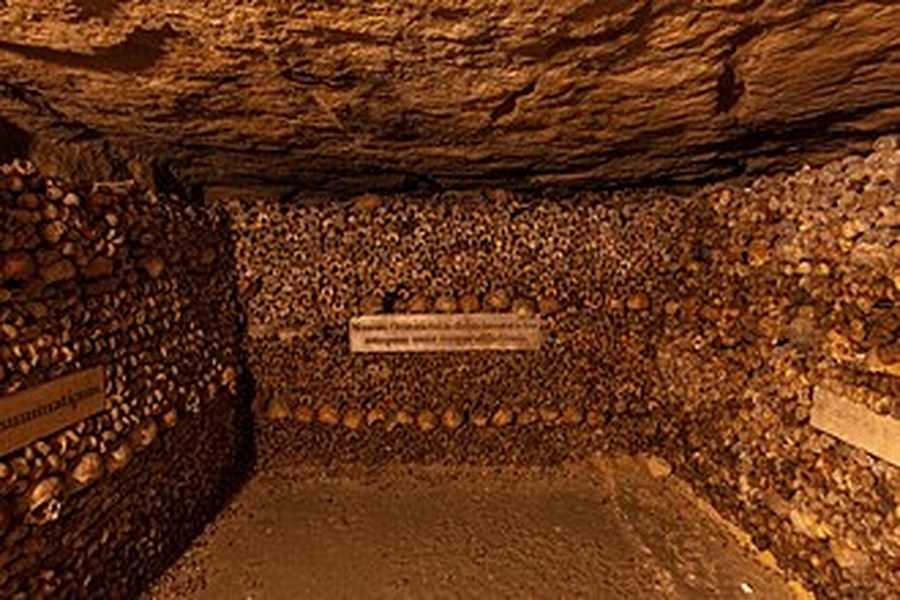
Paris Catacombs
In the Paris Catacombs, the first core experience involves the underground quarry passages and organized skeletal remains that confront the history of urban sanitation and the culture of death. The relocation of remains due to cemetery overcrowding in the late 18th century, along with the structure of the quarries, illustrates the underground history of Paris. Rather than just confirming why names are known, observing the overall layout from the entrance and examining the detailed decorations and current usage in turn helps one understand how the past and present intersect. A stroll through the surrounding alleys or squares naturally reveals the role this location plays within the living environment of Paris 14e.
Before visiting, check for time-specific reservations, long stairs, claustrophobia limits, and temperature or bag restrictions. Operating hours, closure days, entrance fees, and reservation methods can change with the seasons and events, so always refer to the latest announcements on the official website or from the managing organization. If you rely solely on coordinates, you might arrive at a distant entrance among several, so it’s advisable to check the nearest metro station and the actual entrance along with the presence of stairs or elevators. During busy hours, keep your belongings in front and prioritize the movement of residents and pedestrians.
Photographs should strictly follow the regulations for capturing in dark spaces and avoid touching skeletal remains. Instead of simply replicating a famous shot, take a moment to observe the light and flow of people to choose your unique perspective. In shops, markets, and exhibition spaces, do not capture close-ups of staff or other visitors, and comply with photography bans and flash/tripod regulations. If the weather is bad or some areas are closed, it’s better and safer to document the connections with the surrounding streets and architecture.
지역 Paris 14e
장소 유형 지하 납골당·박물관
방문 전 확인 시간 지정 예약, 긴 계단, 폐소공포와 온도·가방 제한을 확인한다.
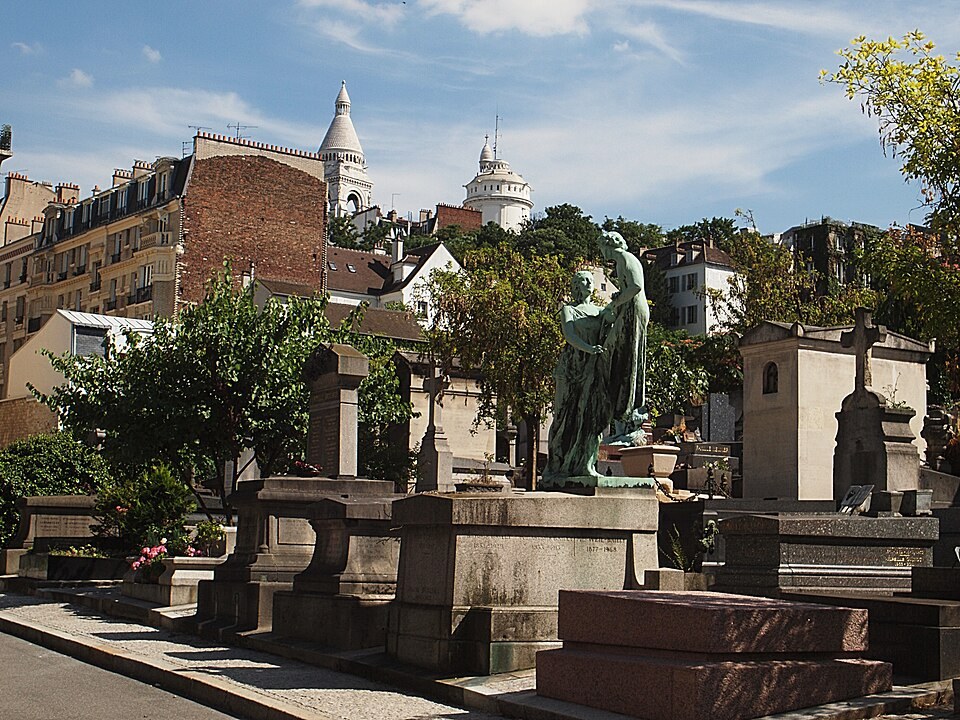
Saint-Vincent Cemetery
Montmartre Cemetery
At Montmartre Cemetery, the first core experience is meeting the memories of local residents and artists in the small cemetery near the Montmartre vineyard. Rather than large tourist cemeteries, it quietly showcases the scale of community and local history of Montmartre. Rather than just confirming why names are known, it becomes easier to understand how the past and present overlap by surveying the overall layout from the entrance and looking at the detailed decorations and current usage in turn. A stroll through surrounding alleys or squares reveals the role this location plays within the living environment of Paris 18e.
Before visiting, check the residential alleys and limited opening hours, prioritizing mourners. Operating hours, closure days, entrance fees, and reservation methods can change with the seasons and events, so always refer to the latest announcements on the official website or from the managing organization. If you move based solely on coordinates, you might arrive at a distant entrance among several, so it's good to verify the nearest metro station, actual entrance, and stair/elevator options too. During busy hours, carry your bags in front and prioritize the movements of residents and pedestrians.
Photographs should quietly capture the stone walls around the vineyard and the small cemetery’s landscape. Rather than replicating a famous shot, take a moment to observe the light and flow of people to select your unique perspective. In shops, markets, and exhibition spaces, avoid capturing close-ups of staff or other visitors, and adhere to photography bans, flash, and tripod rules. If the weather conditions are poor or certain areas are closed, it's wiser and more meaningful to document the connections between the surrounding streets and architecture.
지역 Paris 18e
장소 유형 지역 묘지
방문 전 확인 주거 골목과 제한된 개방시간을 확인하고 추모객을 우선한다.
After walking through these places, the way Paris has placed death and memory within the city becomes clearer than any single famous grave. Large public cemeteries, a private cemetery, and an underground ossuary are each spaces that responded to questions of population, religion, and public hygiene in different eras.
Choose only one or two places in the same area per day, and pick up a map at the entrance. Don't cross lawns or boundaries while looking for a grave, and make way if you come across a funeral procession. Even if you take photos, it's better to record the context of paths, trees, and sculptures with restraint rather than names and faces. Respecting each place's rules and the people using it is the mark of good travel.
Choose only one or two places in the same area per day, and pick up a map at the entrance. Don't cross lawns or boundaries while looking for a grave, and make way if you come across a funeral procession. Even if you take photos, it's better to record the context of paths, trees, and sculptures with restraint rather than names and faces. Respecting each place's rules and the people using it is the mark of good travel.
At a glance
7 items
Locations at a glance
7 places
As part of the Coupang Partners program, this post may earn a commission from qualifying purchases.
Comments 0
Log in to leave a comment.
Be the first to comment.
How about these lists?


You might also like


🎲
Not ready to stop here?
Wondering what to read next is the biggest waste of time.
Let the dice decide — you won't know what pops up until you roll.
If you don't press it… won't you wonder forever? 👀
