
Collection
France
2026.09.14
Paris Art Nouveau Architecture Where Every Curve Deserves a Second Look
Urban ornament found in Guimard’s houses, metro entrances, and ceramic facades
Parisian Art Nouveau comes alive more vividly in the entrances and balconies of houses and at metro entrances than in museum display cases. This list links Hector Guimard's Castel Béranger and his own home, Lavirotte's ceramic facade, and the metro canopies that passengers still pass under today, to compare how curves and materials changed.
Most of them are actual residences or businesses, so don't mistake them for tourist architecture open for interior visits. First take in the whole facade from across the street, then look closely at the ironwork and tiles with a telephoto lens. Don't block doorways or sidewalks, and for the hotel and the collection, check the operator's latest visiting conditions. Rechecking the official information before your visit makes your itinerary more accurate.
Most of them are actual residences or businesses, so don't mistake them for tourist architecture open for interior visits. First take in the whole facade from across the street, then look closely at the ironwork and tiles with a telephoto lens. Don't block doorways or sidewalks, and for the hotel and the collection, check the operator's latest visiting conditions. Rechecking the official information before your visit makes your itinerary more accurate.
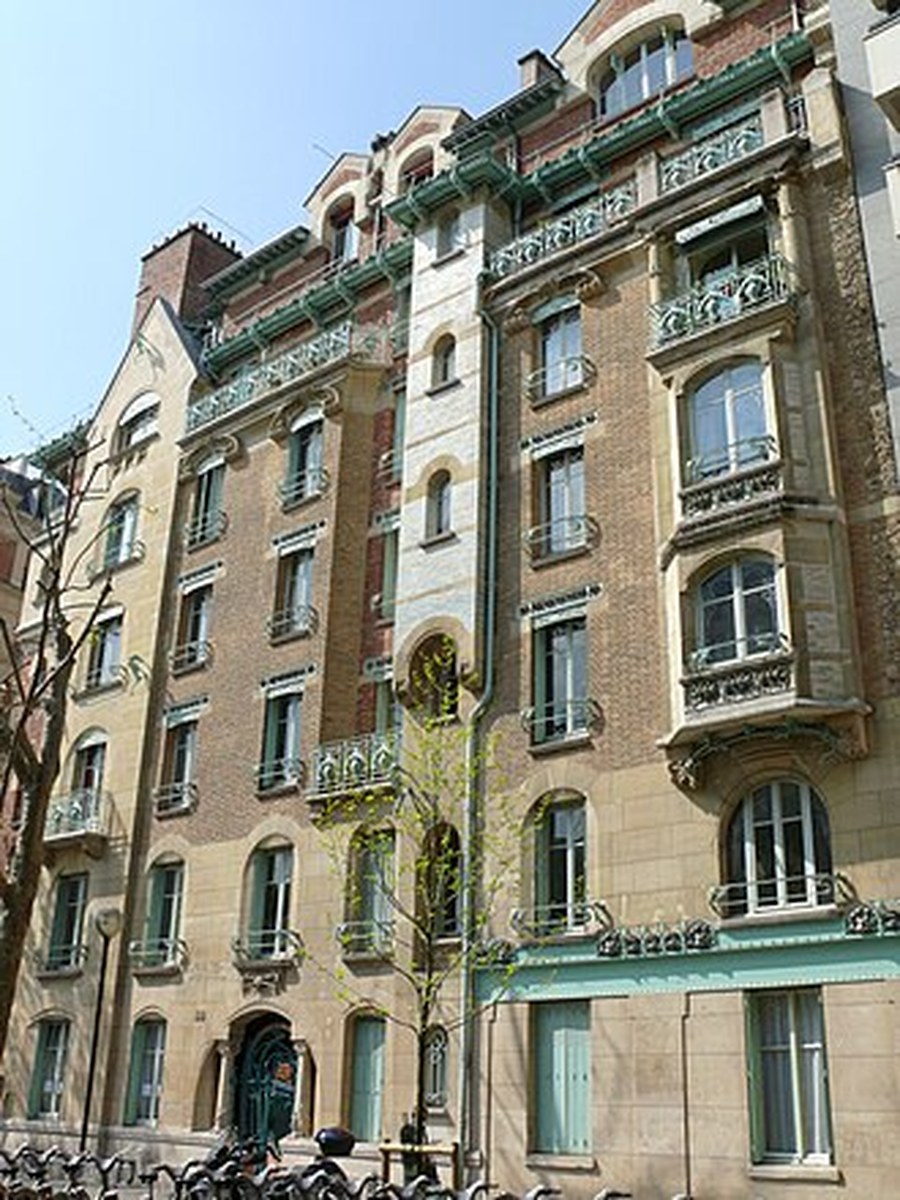
Castel Beranger
Castel Béranger
The first thing to look for at Castel Béranger is how the asymmetrical facade, iron gate, and animal motifs show Guimard's early Art Nouveau. It is Paris's first landmark Art Nouveau apartment building, and the materials and forms change with each piece of exterior ornament. Rather than just confirming why the place is famous and moving on, take in the overall structure from the entrance, then look at the decorative details and how the building is used today, and it becomes easier to see how past and present overlap. Walk a loop through the surrounding side streets or square, and the role this place plays in everyday life in Paris 16e naturally comes into view.
Before you visit, keep in mind: it is a private residence, so admire it quietly from the sidewalk without going inside. Opening hours, closing days, admission fees, and reservation methods can change with the seasons and events, so treat the official website or the operator's latest notices as the final word. If you navigate by coordinates alone, you may end up at a far entrance among several, so it's a good idea to check the nearest metro station, the actual entrance, and whether there are stairs or elevators. At busy times, keep your bag in front of you and give residents and pedestrians the right of way.
For photos, use a telephoto lens to capture the entrance ironwork and the balconies separately. Rather than copying a famous shot exactly, take a moment to watch the light and the flow of people, and choose your own vantage point. In shops, markets, and exhibition rooms, avoid close-ups of staff and other visitors' faces, and follow any rules on no photography, flash, and tripods. If the weather is bad or some areas are closed, don't cross the barriers; recording how the surrounding streets connect with the architecture is both safer and meaningful.
지역 Paris 16e
장소 유형 아르누보 공동주택
방문 전 확인 사유 주택이므로 내부 진입 없이 보도에서 조용히 감상한다.
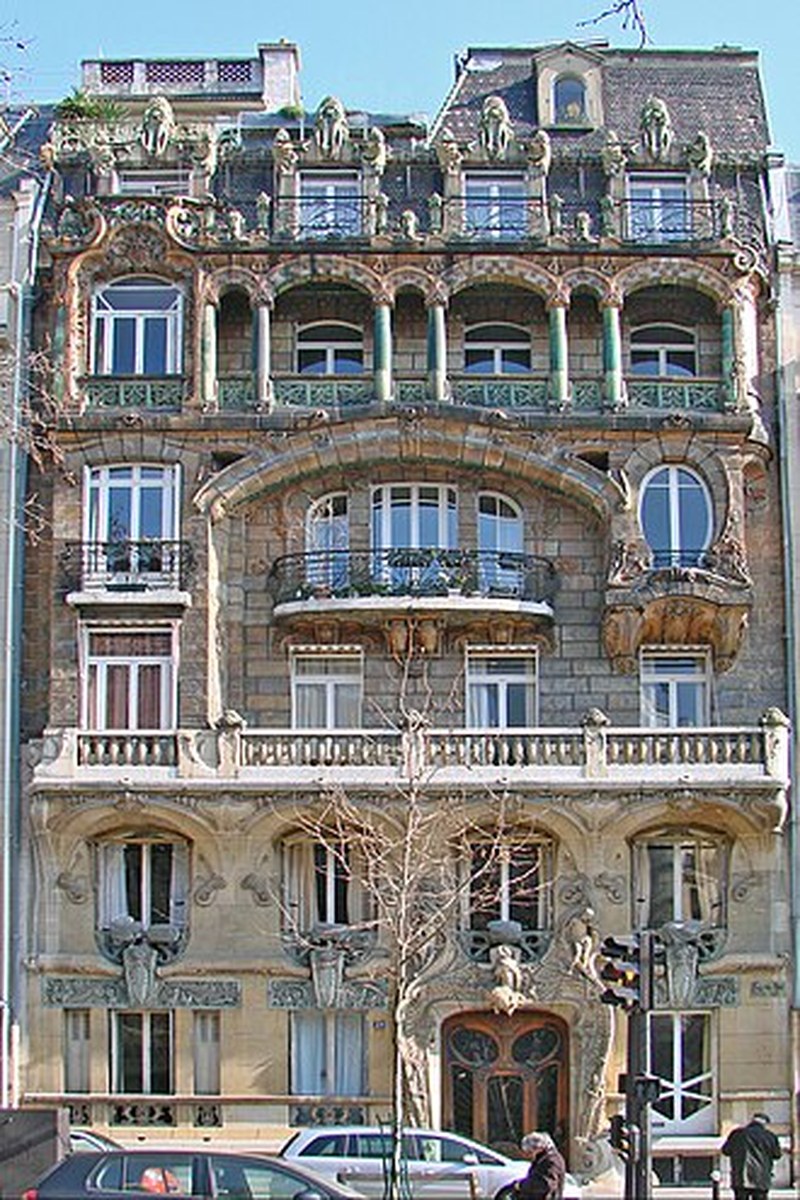
Lavirotte Building
The first thing to look for at the Lavirotte Building is its facade packed with ceramic tiles and sculpture, which creates a striking scene on the street. The collaboration between architect Jules Lavirotte and ceramicist Alexandre Bigot shows on its decorated surfaces. Rather than just confirming why the place is famous and moving on, take in the overall structure from the entrance, then look at the decorative details and how the building is used today, and it becomes easier to see how past and present overlap. Walk a loop through the surrounding side streets or square, and the role this place plays in everyday life in Paris 7e naturally comes into view.
Before you visit, keep in mind: it is a residential building, so don't block the entrance or photograph the interior. Opening hours, closing days, admission fees, and reservation methods can change with the seasons and events, so treat the official website or the operator's latest notices as the final word. If you navigate by coordinates alone, you may end up at a far entrance among several, so it's a good idea to check the nearest metro station, the actual entrance, and whether there are stairs or elevators. At busy times, keep your bag in front of you and give residents and pedestrians the right of way.
For photos, frame the whole building from across the street, then zoom in on the tile details. Rather than copying a famous shot exactly, take a moment to watch the light and the flow of people, and choose your own vantage point. In shops, markets, and exhibition rooms, avoid close-ups of staff and other visitors' faces, and follow any rules on no photography, flash, and tripods. If the weather is bad or some areas are closed, don't cross the barriers; recording how the surrounding streets connect with the architecture is both safer and meaningful.
지역 Paris 7e
장소 유형 아르누보 공동주택
방문 전 확인 주거 건물이므로 현관을 막거나 내부를 촬영하지 않는다.
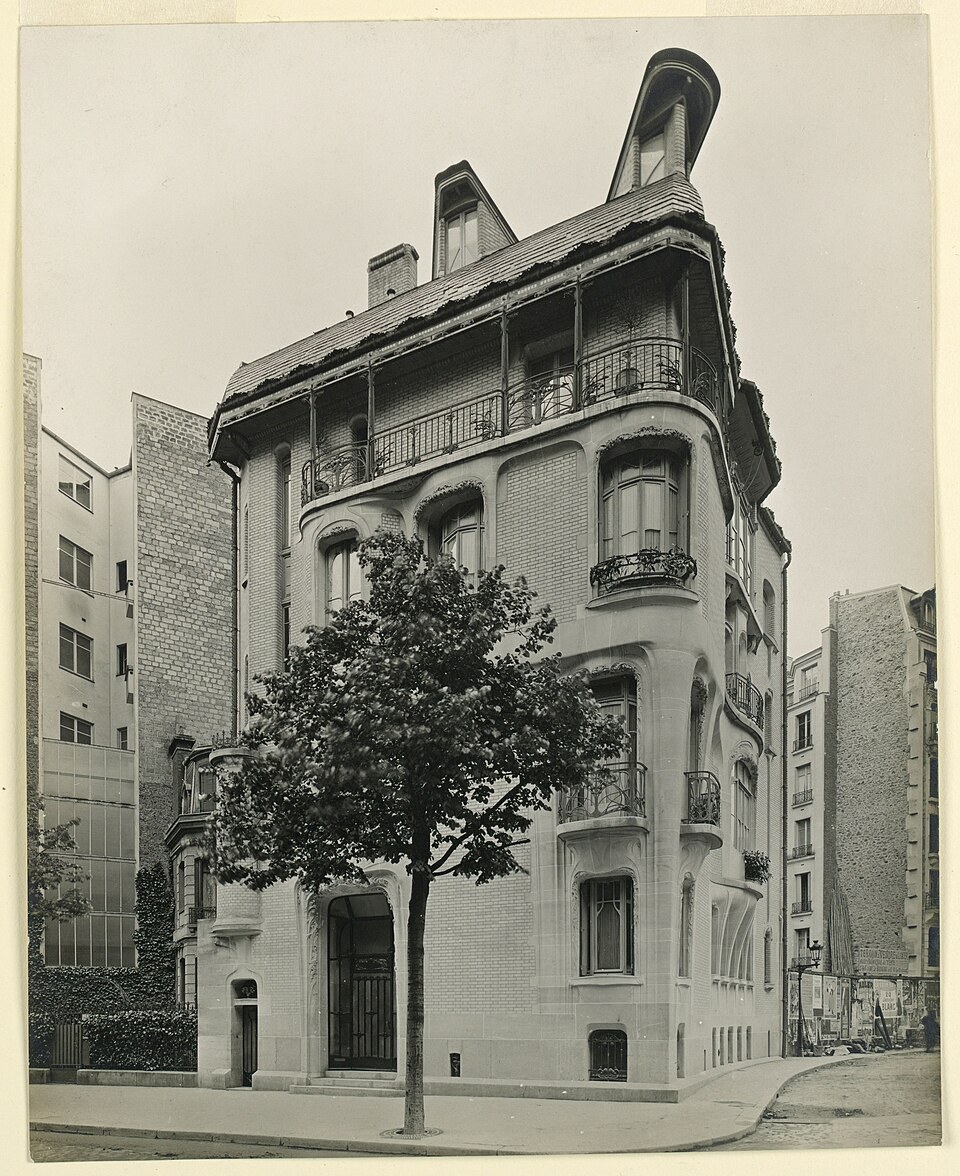
Hôtel Guimard
The first thing to look for at Hôtel Guimard is how the curved windows and asymmetrical walls convey the character of the house Guimard designed for himself. Its exterior, which combined the architect's home and workspace, distills the organic lines of Art Nouveau. Rather than just confirming why the place is famous and moving on, take in the overall structure from the entrance, then look at the decorative details and how the building is used today, and it becomes easier to see how past and present overlap. Walk a loop through the surrounding side streets or square, and the role this place plays in everyday life in Paris 16e naturally comes into view.
Before you visit, keep in mind: respect the private entrances and don't intrude on the daily lives of neighboring residents. Opening hours, closing days, admission fees, and reservation methods can change with the seasons and events, so treat the official website or the operator's latest notices as the final word. If you navigate by coordinates alone, you may end up at a far entrance among several, so it's a good idea to check the nearest metro station, the actual entrance, and whether there are stairs or elevators. At busy times, keep your bag in front of you and give residents and pedestrians the right of way.
For photos, capture both facades and the curved windows together from the corner. Rather than copying a famous shot exactly, take a moment to watch the light and the flow of people, and choose your own vantage point. In shops, markets, and exhibition rooms, avoid close-ups of staff and other visitors' faces, and follow any rules on no photography, flash, and tripods. If the weather is bad or some areas are closed, don't cross the barriers; recording how the surrounding streets connect with the architecture is both safer and meaningful.
지역 Paris 16e
장소 유형 건축가 자택
방문 전 확인 사유 건물의 출입과 이웃 주민의 생활을 침해하지 않는다.
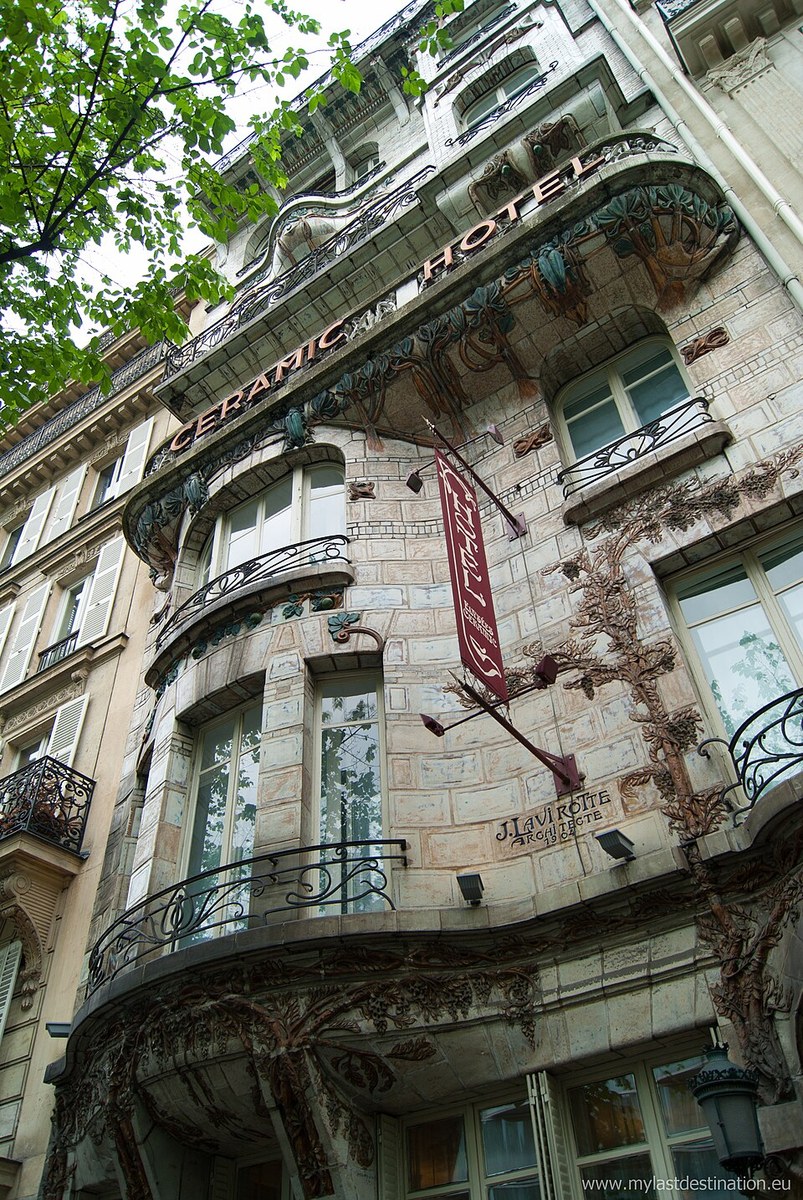
Ceramic Hotel
Céramic Hôtel
The first thing to look for at the Céramic Hôtel is its ceramic ornament with blue plant motifs, which stands out on a stone street near the Arc de Triomphe. This early-1900s building, which made bold use of a ceramic skin, won a Paris facade competition. Rather than just confirming why the place is famous and moving on, take in the overall structure from the entrance, then look at the decorative details and how the building is used today, and it becomes easier to see how past and present overlap. Walk a loop through the surrounding side streets or square, and the role this place plays in everyday life in Paris 8e naturally comes into view.
Before you visit, keep in mind: it is an operating hotel, so don't get in the way of guests or the entrance. Opening hours, closing days, admission fees, and reservation methods can change with the seasons and events, so treat the official website or the operator's latest notices as the final word. If you navigate by coordinates alone, you may end up at a far entrance among several, so it's a good idea to check the nearest metro station, the actual entrance, and whether there are stairs or elevators. At busy times, keep your bag in front of you and give residents and pedestrians the right of way.
For photos, use the afternoon light to bring out the depth of the tiles and capture the building all the way to the top. Rather than copying a famous shot exactly, take a moment to watch the light and the flow of people, and choose your own vantage point. In shops, markets, and exhibition rooms, avoid close-ups of staff and other visitors' faces, and follow any rules on no photography, flash, and tripods. If the weather is bad or some areas are closed, don't cross the barriers; recording how the surrounding streets connect with the architecture is both safer and meaningful.
지역 Paris 8e
장소 유형 아르누보 호텔
방문 전 확인 운영 중인 호텔이므로 투숙객과 출입구를 방해하지 않는다.
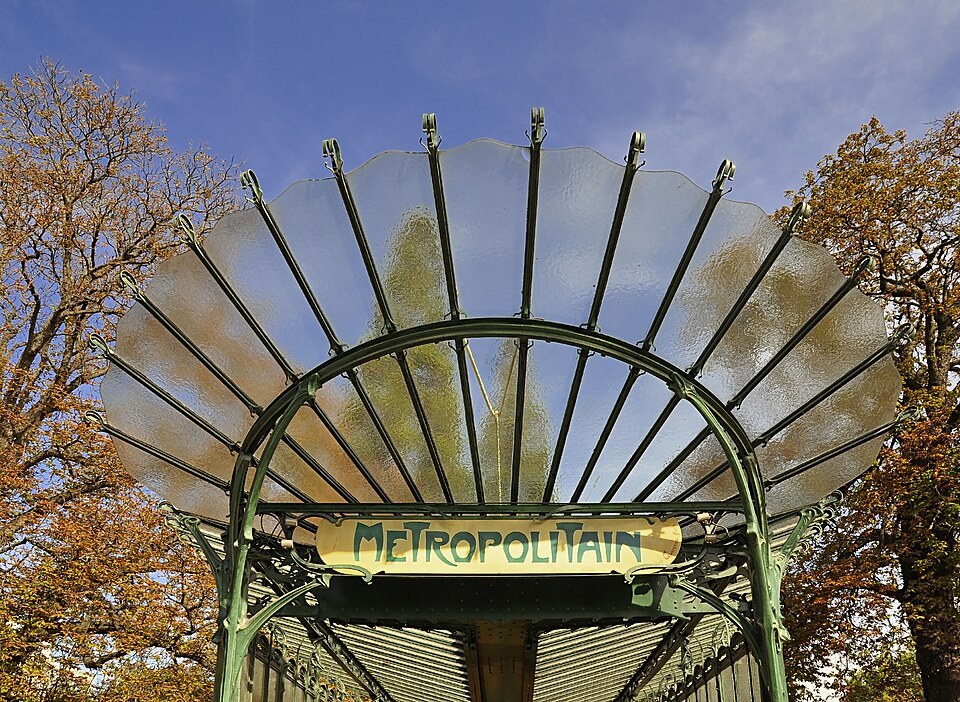
Paris Metro Porte Dauphine Entrance
Paris Métro Porte Dauphine Entrance
The first thing to look for at the Paris Métro Porte Dauphine entrance is its glass canopy and cast-iron curves, which survive intact and show off Guimard's Métro design. It is one of the rare entrances that preserves the édicule style of the early Paris Métro. Rather than just confirming why the place is famous and moving on, take in the overall structure from the entrance, then look at the decorative details and how the building is used today, and it becomes easier to see how past and present overlap. Walk a loop through the surrounding side streets or square, and the role this place plays in everyday life in Paris 16e naturally comes into view.
Before you visit, keep in mind: don't block passenger traffic or the stairs, and keep a safe distance from the road. Opening hours, closing days, admission fees, and reservation methods can change with the seasons and events, so treat the official website or the operator's latest notices as the final word. If you navigate by coordinates alone, you may end up at a far entrance among several, so it's a good idea to check the nearest metro station, the actual entrance, and whether there are stairs or elevators. At busy times, keep your bag in front of you and give residents and pedestrians the right of way.
For photos, shoot the green ironwork, red sign, and glass roof in a vertical frame. Rather than copying a famous shot exactly, take a moment to watch the light and the flow of people, and choose your own vantage point. In shops, markets, and exhibition rooms, avoid close-ups of staff and other visitors' faces, and follow any rules on no photography, flash, and tripods. If the weather is bad or some areas are closed, don't cross the barriers; recording how the surrounding streets connect with the architecture is both safer and meaningful.
지역 Paris 16e
장소 유형 아르누보 교통건축
방문 전 확인 승객 통행과 계단을 막지 않고 도로 쪽 안전거리를 지킨다.
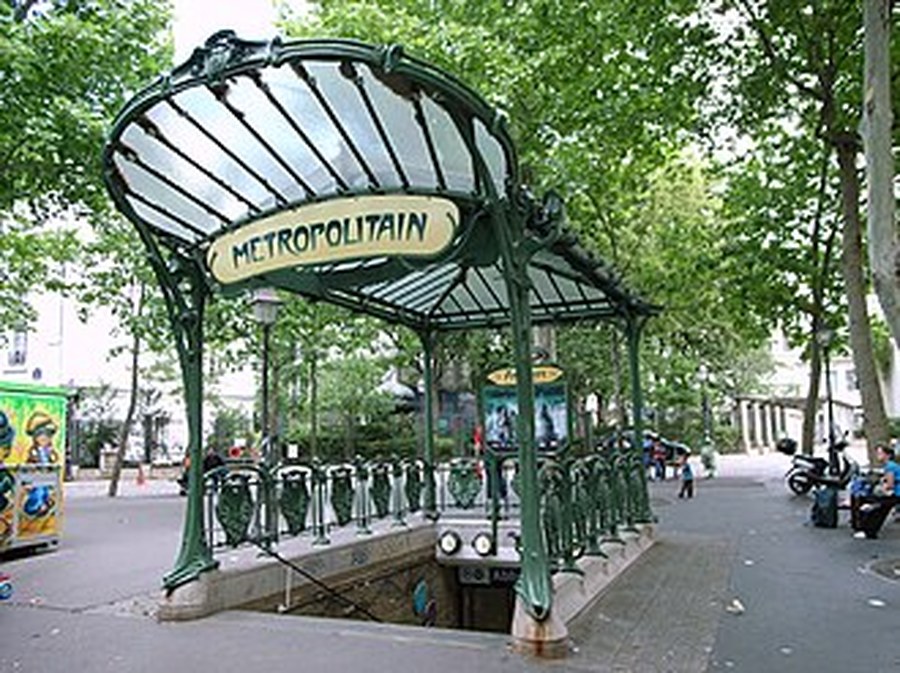
Abbesses Station Guimard Entrance
The first thing to look for at the Abbesses station Guimard entrance is how its curved ironwork and glass roof blend with the atmosphere of the Montmartre square. The current canopy was moved here from another station, but it is an iconic photo spot for the Guimard style. Rather than just confirming why the place is famous and moving on, take in the overall structure from the entrance, then look at the decorative details and how the building is used today, and it becomes easier to see how past and present overlap. Walk a loop through the surrounding side streets or square, and the role this place plays in everyday life in Paris 18e naturally comes into view.
Before you visit, keep in mind: the stairs are deep and the square gets crowded, so keep the entrance path clear. Opening hours, closing days, admission fees, and reservation methods can change with the seasons and events, so treat the official website or the operator's latest notices as the final word. If you navigate by coordinates alone, you may end up at a far entrance among several, so it's a good idea to check the nearest metro station, the actual entrance, and whether there are stairs or elevators. At busy times, keep your bag in front of you and give residents and pedestrians the right of way.
For photos, layer the square's trees and the canopy's curves from a low angle. Rather than copying a famous shot exactly, take a moment to watch the light and the flow of people, and choose your own vantage point. In shops, markets, and exhibition rooms, avoid close-ups of staff and other visitors' faces, and follow any rules on no photography, flash, and tripods. If the weather is bad or some areas are closed, don't cross the barriers; recording how the surrounding streets connect with the architecture is both safer and meaningful.
지역 Paris 18e
장소 유형 아르누보 지하철 입구
방문 전 확인 계단이 깊고 광장이 붐비므로 출입 동선을 비운다.
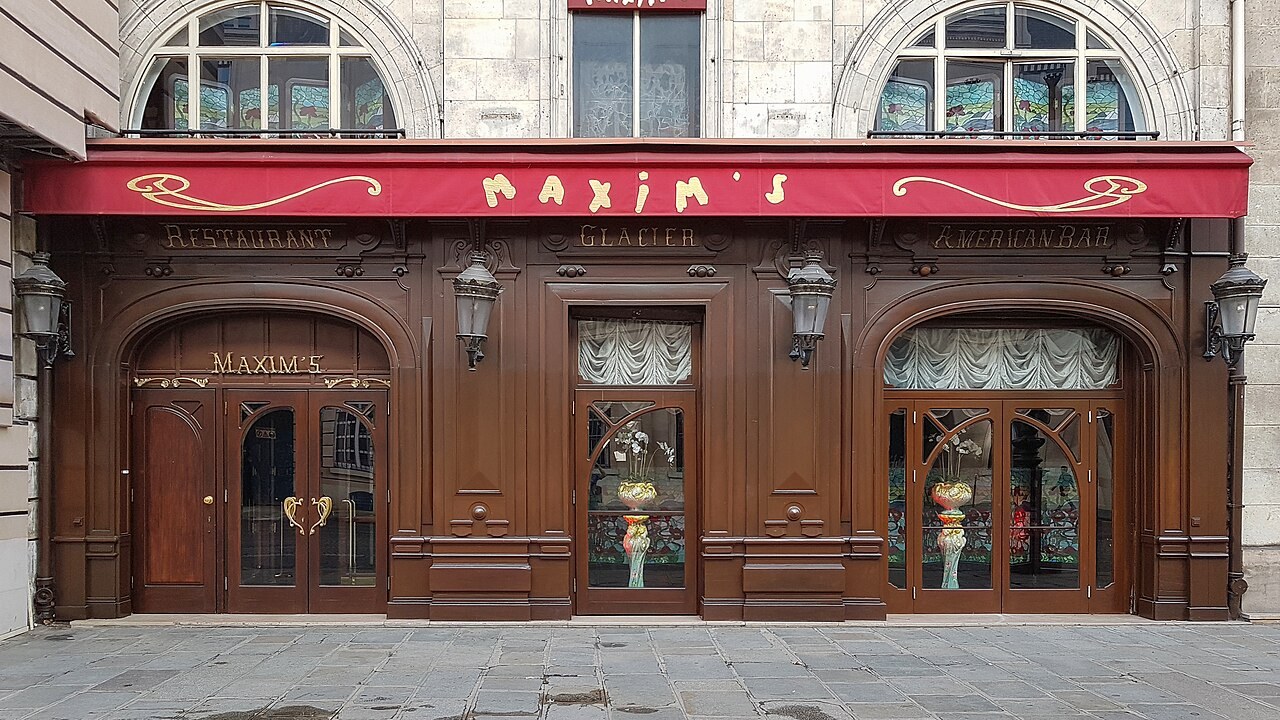
Maxime Art Nouveau Collection
Maxim’s Art Nouveau Collection
The key thing to see first at Maxim’s Art Nouveau Collection is how the furniture, glass, lighting, and everyday ornaments distill the interior aesthetic of an entire era. It’s a collection housed above a famous restaurant building, so you need to book separately for the architectural exterior and for the decorative arts viewing. Rather than just confirming why it’s famous and leaving, take in the overall structure from the entrance, then look at the decorative details and how the space is used today, one after another, and it becomes easier to understand how past and present overlap. Walk a loop around the nearby streets or square, and the role this place plays within the everyday life of Paris 8e naturally comes into view.
Before visiting, check guided tour schedules, languages, and photography rules on the official channels. Opening hours, closing days, admission fees, and booking methods can change with the season and events, so treat the official website or the operator’s latest notices as the final word. If you navigate by coordinates alone, you may end up at a far entrance among several, so it’s best to also check the nearest metro station, the actual entrance, and whether there are stairs or elevators. At busy times, keep your bag in front of you and give way to residents and pedestrians first.
For photos, capture the exterior signage first and shoot indoors only where permitted. Rather than copying a famous shot exactly, take a moment to observe the light and the flow of people and choose your own perspective. In shops, markets, and exhibition rooms, don’t take close-ups of staff or other visitors’ faces, and follow the rules on no-photography areas, flash, and tripods. If the weather is bad or some areas are closed, don’t cross the boundaries; documenting how the surrounding streets connect to the architecture is both safer and more meaningful.
지역 Paris 8e
장소 유형 아르누보 장식미술 공간
방문 전 확인 가이드 투어 운영과 언어·촬영 규정을 공식 채널에서 확인한다.
Looking at the seven sites, you can see that Art Nouveau was not just plant-shaped ornament but a movement that tried to unite buildings, furniture, and even transit signs in a single language. Guimard's organic ironwork and Lavirotte's ceramic surfaces create completely different impressions even though they come from the same era.
Splitting the houses of the 16th arrondissement from the decorative architecture of the 7th and 8th, and adding Abbesses station to a Montmartre itinerary, makes getting around efficient. Admire private buildings only from the outside, and don't go in even if the entrance is open. On cloudy days the colors of the tiles look calm, while side light makes the reliefs stand out sharply. Respecting each place's rules and the people using it is the mark of good travel.
Splitting the houses of the 16th arrondissement from the decorative architecture of the 7th and 8th, and adding Abbesses station to a Montmartre itinerary, makes getting around efficient. Admire private buildings only from the outside, and don't go in even if the entrance is open. On cloudy days the colors of the tiles look calm, while side light makes the reliefs stand out sharply. Respecting each place's rules and the people using it is the mark of good travel.
At a glance
7 items
Locations at a glance
7 places
As part of the Coupang Partners program, this post may earn a commission from qualifying purchases.
Comments 0
Log in to leave a comment.
Be the first to comment.
How about these lists?


You might also like


🎲
Not ready to stop here?
Wondering what to read next is the biggest waste of time.
Let the dice decide — you won't know what pops up until you roll.
If you don't press it… won't you wonder forever? 👀
