
Collection
Performances & Exhibitions
2026.11.18
Clay and Paper in Use: Ceramic Museums and Craft Exhibition Halls
From Icheon, Yeoju and Gwangju in Gyeonggi to Cheongju, Jeonju and Wonju
Even with similar bowls, looking at the rim your lips touch and the foot your hand holds reveals what the maker intended. In Icheon you can explore contemporary ceramic sculpture, in Yeoju ceramics close to everyday life, and in Gwangju, Gyeonggi, the story of Joseon's royal kilns and white porcelain.
If you're curious about materials beyond clay, compare a range of them at the craft exhibitions in Cheongju and Jeonju, and in Wonju see how paper is made and how hanji is used. Choose your outing based on whether you want to see objects from daily life or are curious about how materials are handled and how artists express themselves.
If you're curious about materials beyond clay, compare a range of them at the craft exhibitions in Cheongju and Jeonju, and in Wonju see how paper is made and how hanji is used. Choose your outing based on whether you want to see objects from daily life or are curious about how materials are handled and how artists express themselves.
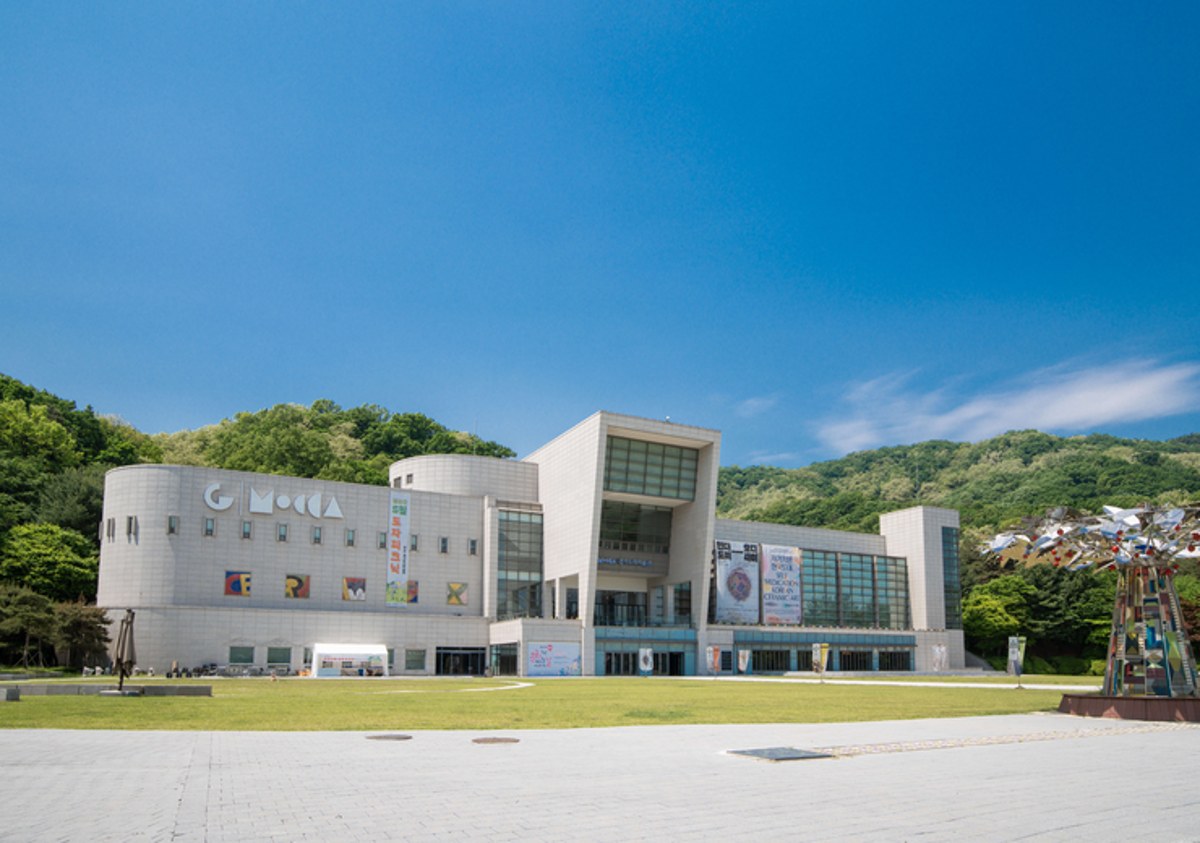
Gyeonggi Museum of Contemporary Ceramic Art
Clay Beyond the Form of a Vessel
In contemporary ceramic works, the very shapes of bent or stacked clay become the subject of appreciation. Alternate between functional vessels and sculptural pieces to see how artists handle surface and scale.
With sculptural works, the outline you see from the front can differ from the thickness you see from the side. Move around as far as the viewing route allows, and look in the descriptions for how forming and firing shaped the piece.
With sculptural works, the outline you see from the front can differ from the thickness you see from the side. Move around as far as the viewing route allows, and look in the descriptions for how forming and firing shaped the piece.
도로명주소 경기 이천시 경충대로2697번길 263
관람시간 화~일 10:00~18:00(17:00 입장 마감) / 월요일·1월 1일·설과 추석 휴관
전화 031-645-0730
사진 경기도자미술관
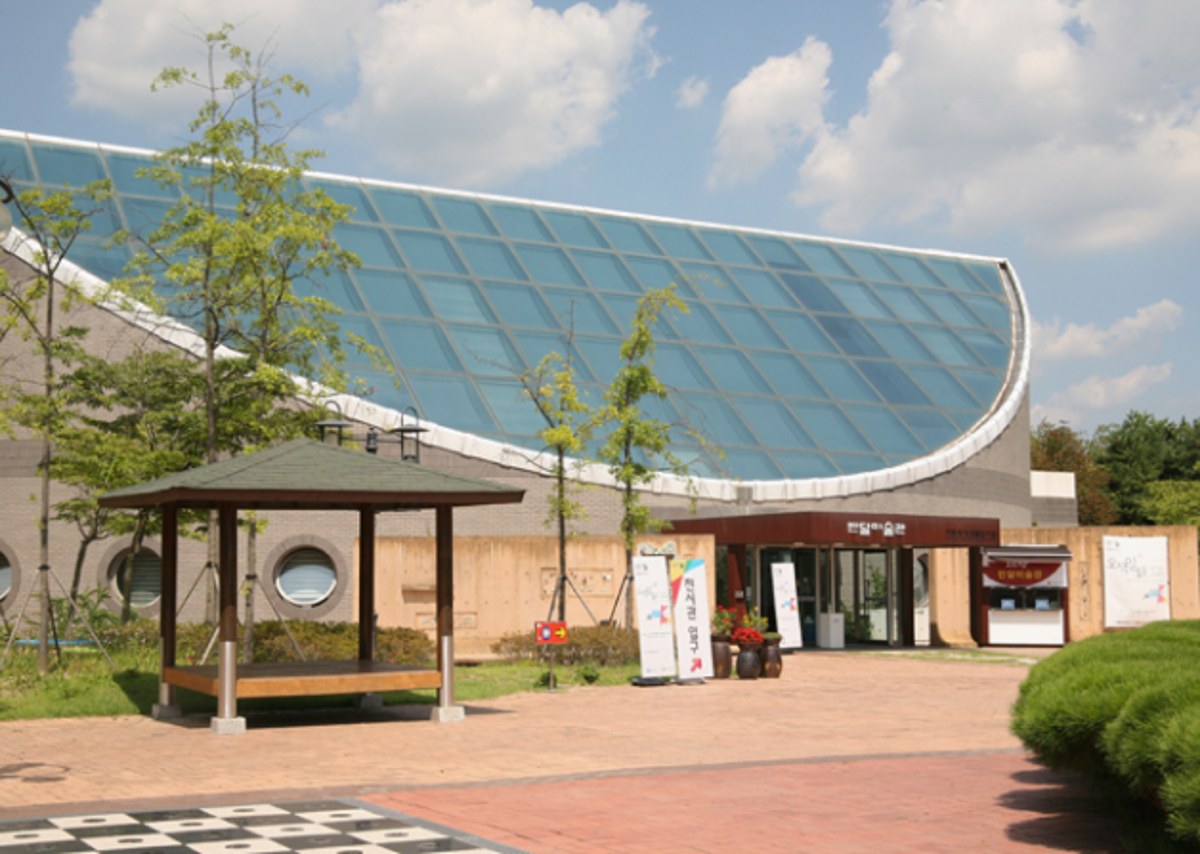
Gyeonggi Museum of Living Ceramics
Design Left Where Your Hands Touch
Pay attention to where hands and lips make contact, like a cup's handle or a bowl's rim. Everyday ceramics are interesting to view while imagining how their form changes the way they feel in use. The craft support facilities and galleries in the same area each serve different purposes.
When several bowls are displayed together, look at each one's height and base width and consider which would hold food most steadily and which shape would be easiest to lift with one hand. Even for similar uses, considering the user's movements makes the differences in design stand out.
When several bowls are displayed together, look at each one's height and base width and consider which would hold food most steadily and which shape would be easiest to lift with one hand. Even for similar uses, considering the user's movements makes the differences in design stand out.
도로명주소 경기 여주시 신륵사길 7
관람시간 화~일 10:00~18:00(17:00 입장 마감) / 월요일·1월 1일·설과 추석 휴관
전화 031-887-8250
사진 경기생활도자미술관
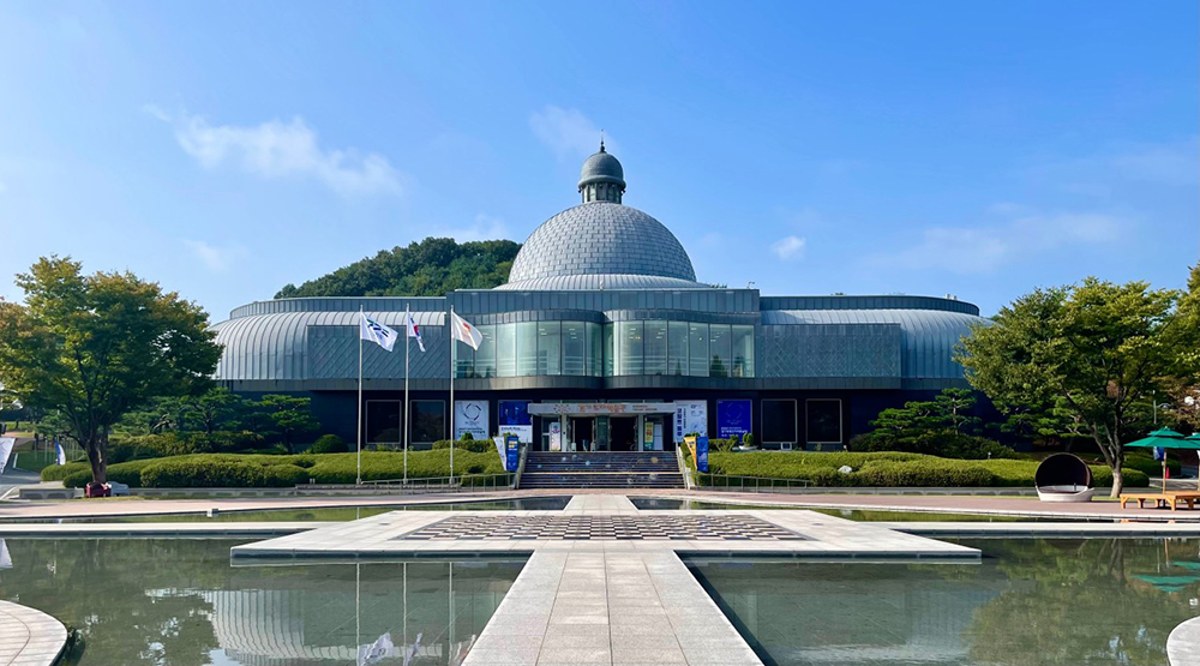
Gyeonggi Ceramic Museum
Where Royal Kilns and White Porcelain Connect
When viewing Joseon white porcelain made in Gwangju, think about the finished pieces together with where they were produced. On days when you also tour the park, visit the galleries first to learn how white porcelain and kilns relate, then head outside — it gives your visit context.
White porcelain differs not only in its whiteness but also in how its surface catches light and in the thickness of its rim. Read about the royal kilns first, then look at the vessels again, and you can consider the roles of raw materials, kilns and makers in creating the finished piece.
White porcelain differs not only in its whiteness but also in how its surface catches light and in the thickness of its rim. Read about the royal kilns first, then look at the vessels again, and you can consider the roles of raw materials, kilns and makers in creating the finished piece.
도로명주소 경기 광주시 곤지암읍 경충대로 727
관람시간 화~일 10:00~18:00(17:00 입장 마감) / 월요일·1월 1일·설과 추석 휴관, 월요일이 공휴일이면 다음 날 휴관
전화 031-799-1500
사진 한국도자재단
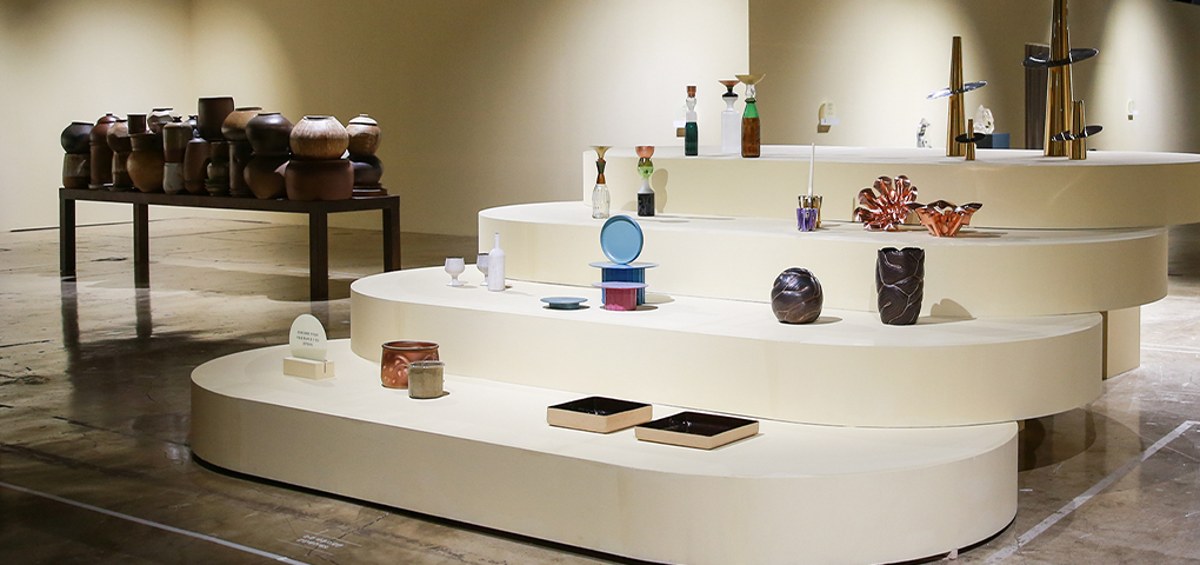
Cheongju Korea Craft Museum
Switching Materials Within One Building
This is a dedicated craft exhibition space where you can see how artists work with materials that behave differently, such as ceramics and textiles. Within the Culture Factory, the galleries and craft studio are on different floors, so find the gallery number of the exhibition you want to see first.
Viewing works in materials with different properties — wood, metal and textiles — one after another brings out how joints and surfaces were finished. If a finished piece's form catches your eye, look in the description for which materials were chosen and follow the artist's process.
Viewing works in materials with different properties — wood, metal and textiles — one after another brings out how joints and surfaces were finished. If a finished piece's form catches your eye, look in the description for which materials were chosen and follow the artist's process.
도로명주소 충북 청주시 청원구 상당로 314 문화제조창 본관
관람시간 전시실 10:00~19:00 / 월요일 휴관
전화 043-219-1800
사진 청주시문화산업진흥재단
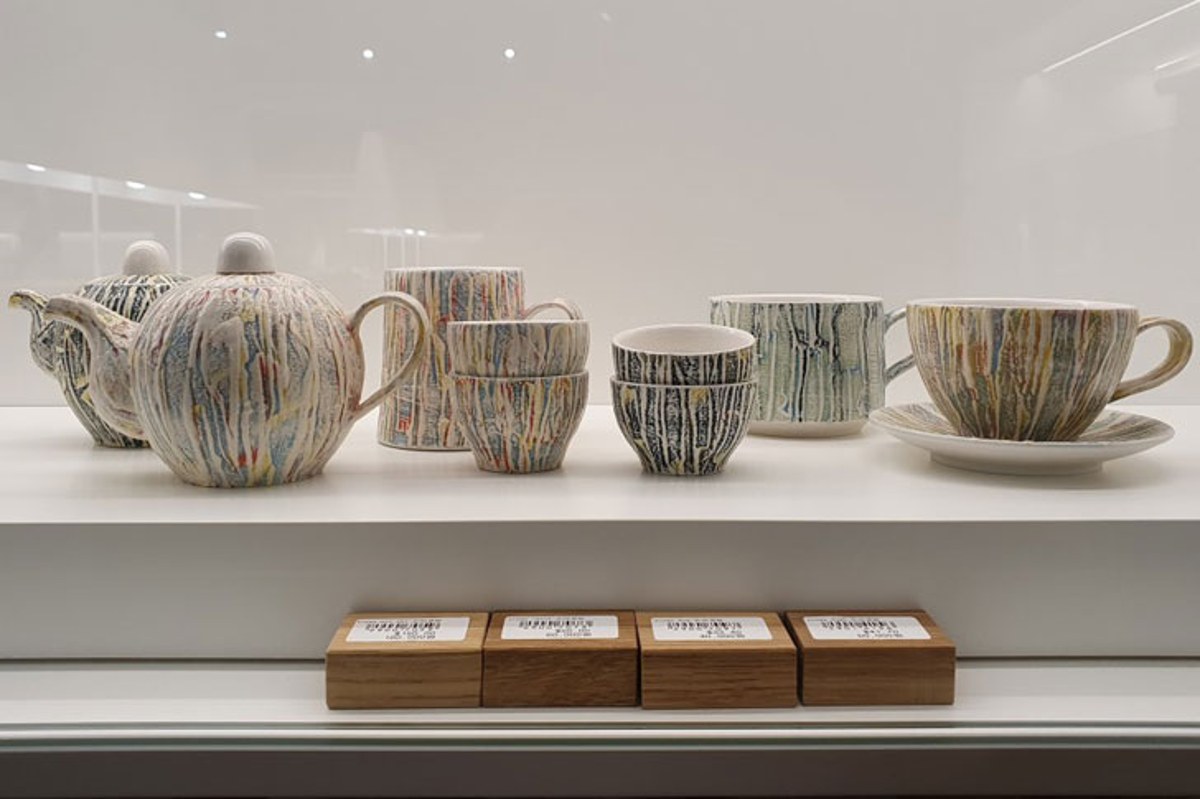
Jeonju Craft Exhibition Hall
Seeing Finished Pieces and Imagining Their Use
While strolling through the Hanok Village, stop by the exhibition hall and picture crafts in everyday settings. If you plan to use both the exhibition hall and the hands-on space, check the materials and duration of the making program you want first.
Pick one object that caught your eye in the exhibition and look for traces of consideration for the user, like a handle or a folding part. If you also try a making program, you'll discover which steps are tricky when building that structure yourself.
Pick one object that caught your eye in the exhibition and look for traces of consideration for the user, like a handle or a folding part. If you also try a making program, you'll discover which steps are tricky when building that structure yourself.
도로명주소 전북특별자치도 전주시 완산구 태조로 15
관람시간 전시 화~일 10:00~18:00 / 월요일 휴관
전화 063-281-1610
사진 비짓전주
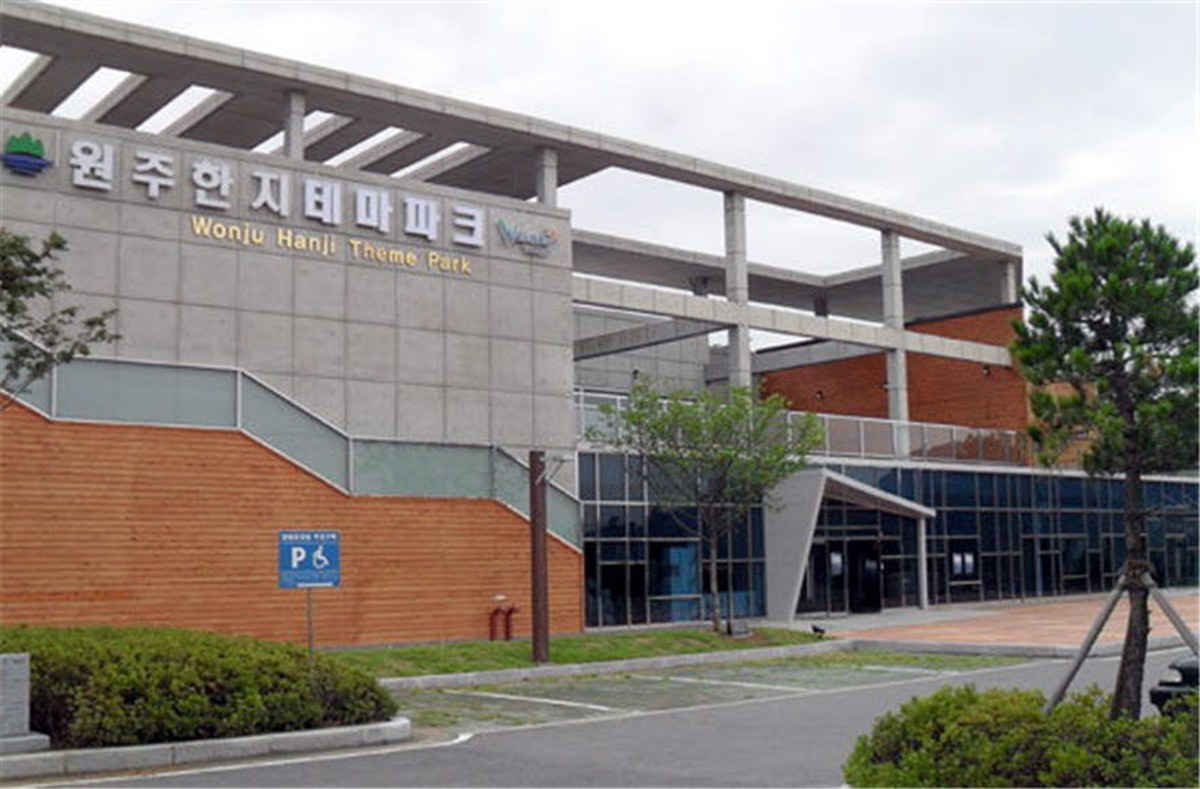
Wonju Hanji Theme Park
How Fiber Becomes Paper
Once you understand hanji's raw materials and production steps, you'll notice the grain of the fibers in paper decorations and everyday crafts. If you add a hands-on activity after viewing, you can connect the materials and processes seen in the galleries with your child.
In front of works using hanji, alternate between the parts where the paper is thin and translucent and the parts layered several times over. The same material looks different depending on thickness and light. Finding the paper-making steps in the exhibition labels makes that difference easier to understand.
In front of works using hanji, alternate between the parts where the paper is thin and translucent and the parts layered several times over. The same material looks different depending on thickness and light. Finding the paper-making steps in the exhibition labels makes that difference easier to understand.
도로명주소 강원특별자치도 원주시 한지공원길 151
관람시간 09:00~18:00 / 월요일·1월 1일·설과 추석 연휴 휴관
전화 033-734-4739
사진 원주시 관광
In the galleries, first guess what an object was used for, then read the label and take another look at its surface or joints. Finding the spots where a material's character remains — like a bowl's glaze or the fibers in hanji — makes viewing crafts even more enjoyable. If your companion picked a different object, talk about what caught each of your eyes.
If you want to add hands-on making to your visit, decide on the workshop location and time first. Even at facilities that combine exhibition spaces, studios and shops, programs may run separately. If a specific artist or special exhibition is your goal, check the exhibition period and which galleries are open that day before setting out.
If you want to add hands-on making to your visit, decide on the workshop location and time first. Even at facilities that combine exhibition spaces, studios and shops, programs may run separately. If a specific artist or special exhibition is your goal, check the exhibition period and which galleries are open that day before setting out.
At a glance
6 items
Gyeonggi Museum of Contemporary Ceramic Art
031-645-0730경기도자미술관
Gyeonggi Museum of Living Ceramics
경기 여주시 신륵사길 7031-887-8250경기생활도자미술관
Gyeonggi Ceramic Museum
031-799-1500한국도자재단
Cheongju Korea Craft Museum
043-219-1800청주시문화산업진흥재단
Jeonju Craft Exhibition Hall
063-281-1610비짓전주
Wonju Hanji Theme Park
033-734-4739원주시 관광
Locations at a glance
6 places
As part of the Coupang Partners program, this post may earn a commission from qualifying purchases.
Comments 0
Log in to leave a comment.
Be the first to comment.
How about these lists?


You might also like


🎲
Not ready to stop here?
Wondering what to read next is the biggest waste of time.
Let the dice decide — you won't know what pops up until you roll.
If you don't press it… won't you wonder forever? 👀
