
Literary Museums in Korea Where Novels and Poems Come to Life
Reading the places behind the works in Chuncheon, Pyeongchang, Wonju, Yangpyeong, Namwon and Okcheon
Kim Yu-jeong's and Lee Hyo-seok's short stories, Park Kyong-ni's and Choi Myeong-hee's epic novels, Hwang Sun-won's fiction and Jeong Ji-yong's poems each read at a different pace. Decide whether you're curious about a writer's life or want to walk the setting of a scene that stayed with you, and choosing your destination and literary museum becomes easier.
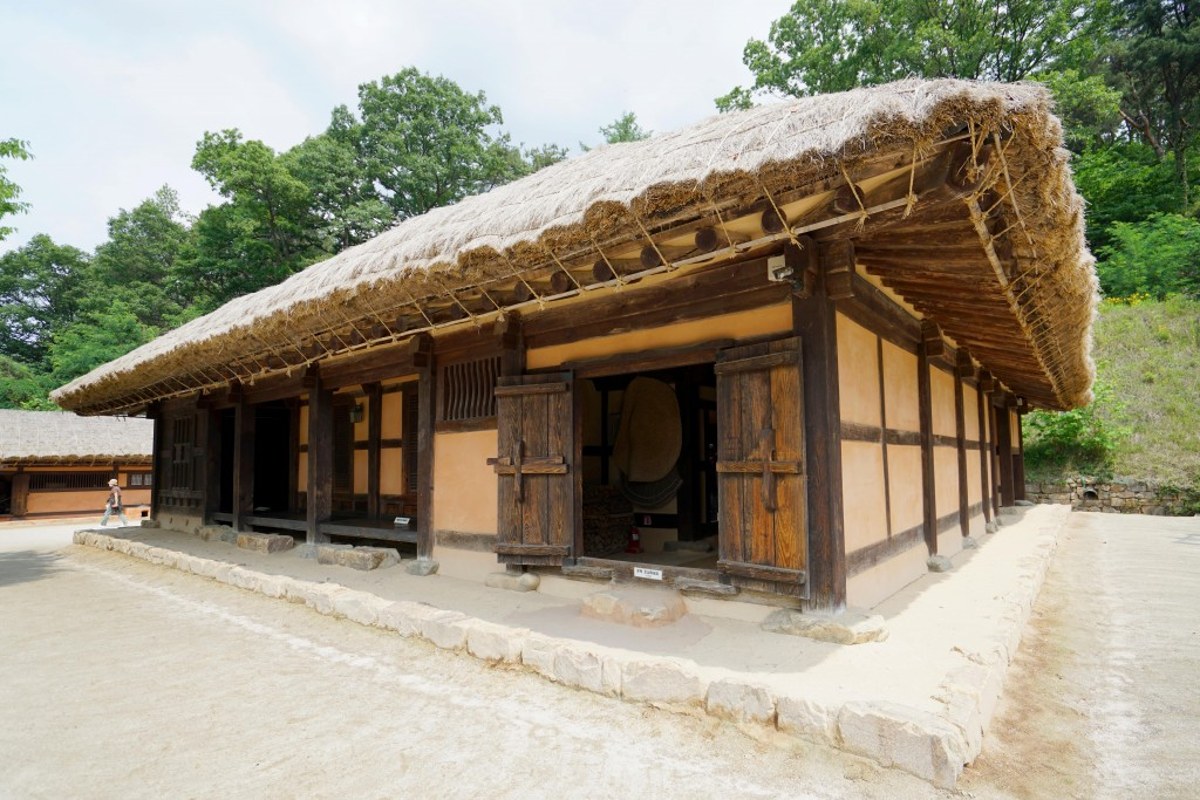
Kim Yu-jeong Literary Village
Short Stories Read Through the Landscape of Sille Village
At the birthplace, notice the distance between the yard and the rooms, and in the exhibition, imagine which paths the characters in the stories might have taken. Reading the explanations of the restored spaces helps you distinguish between the writer's actual life and the landscape his fiction created.
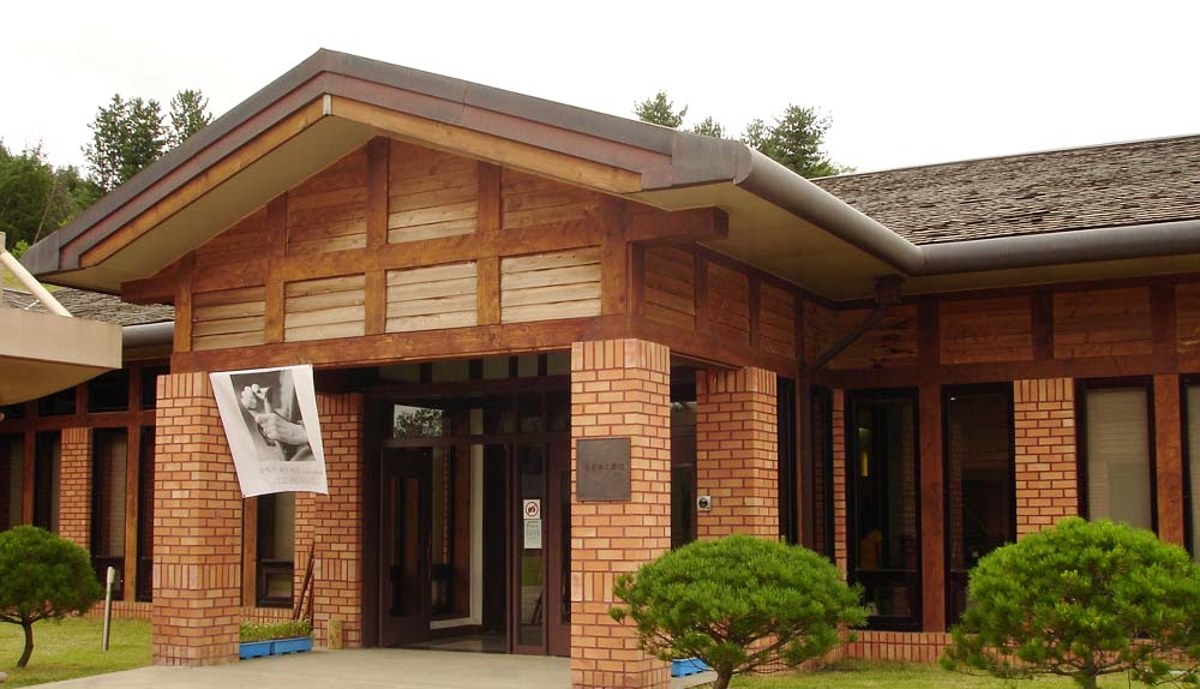
Lee Hyo-seok Literary Museum
The Buckwheat Flower Landscape of Bongpyeong
If you remember the story, start by thinking about the time and distance the characters travel. After exploring the connection between Bongpyeong and the work inside the museum, step outside and the same field path will look like the scenery the characters once saw.
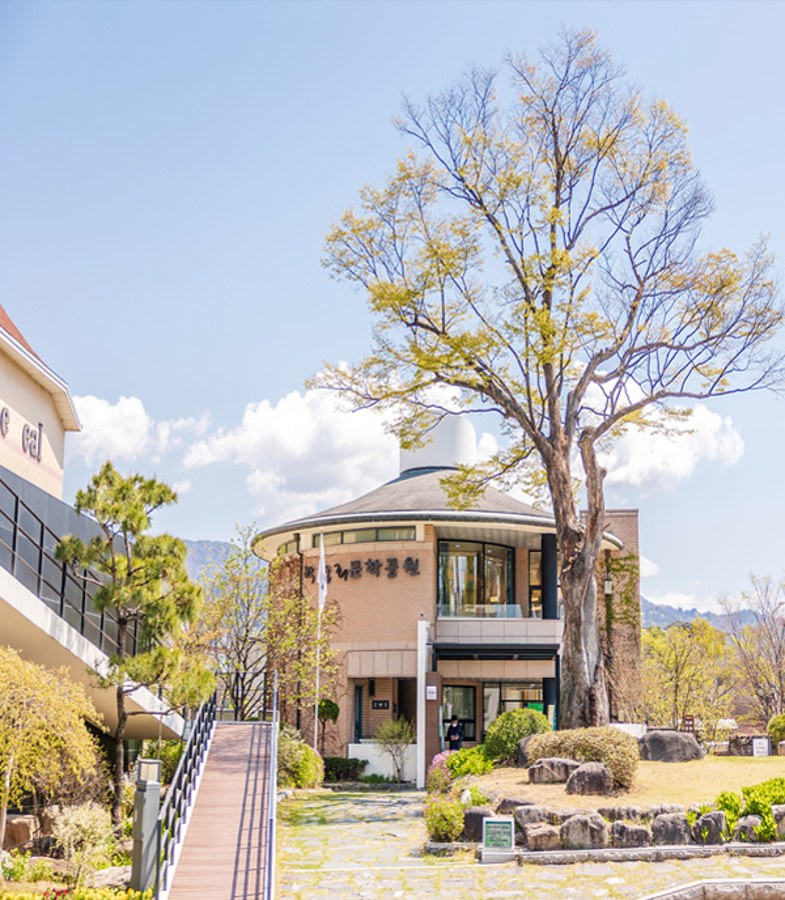
Park Kyong-ni Literary Park
Where the Writer Finished Her Work
In the old house, the size of the spaces she would have used every day and the direction of the windows give a sense of the scale of her home. When viewing the writing records from her Wonju years, consider not only when she finished the epic but also that she kept writing in the same place for a long time.
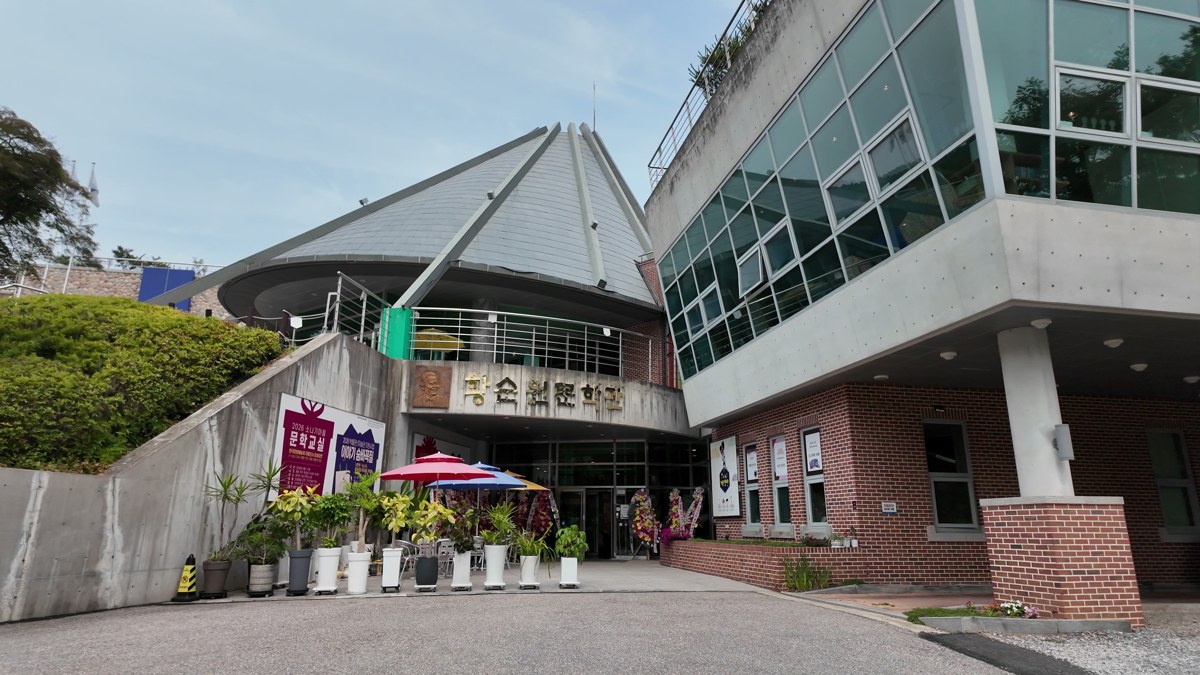
Hwang Sun-won Literary Village Sonagi Village
Read in the Exhibition, Imagine the Scenes Outdoors
Pick one scene that came to mind while viewing the indoor materials and compare it with the layout of the outdoor space. Rather than looking for an exact match with the story, talk with each other about which moments in the work the paths, rest areas and empty spaces bring to mind.
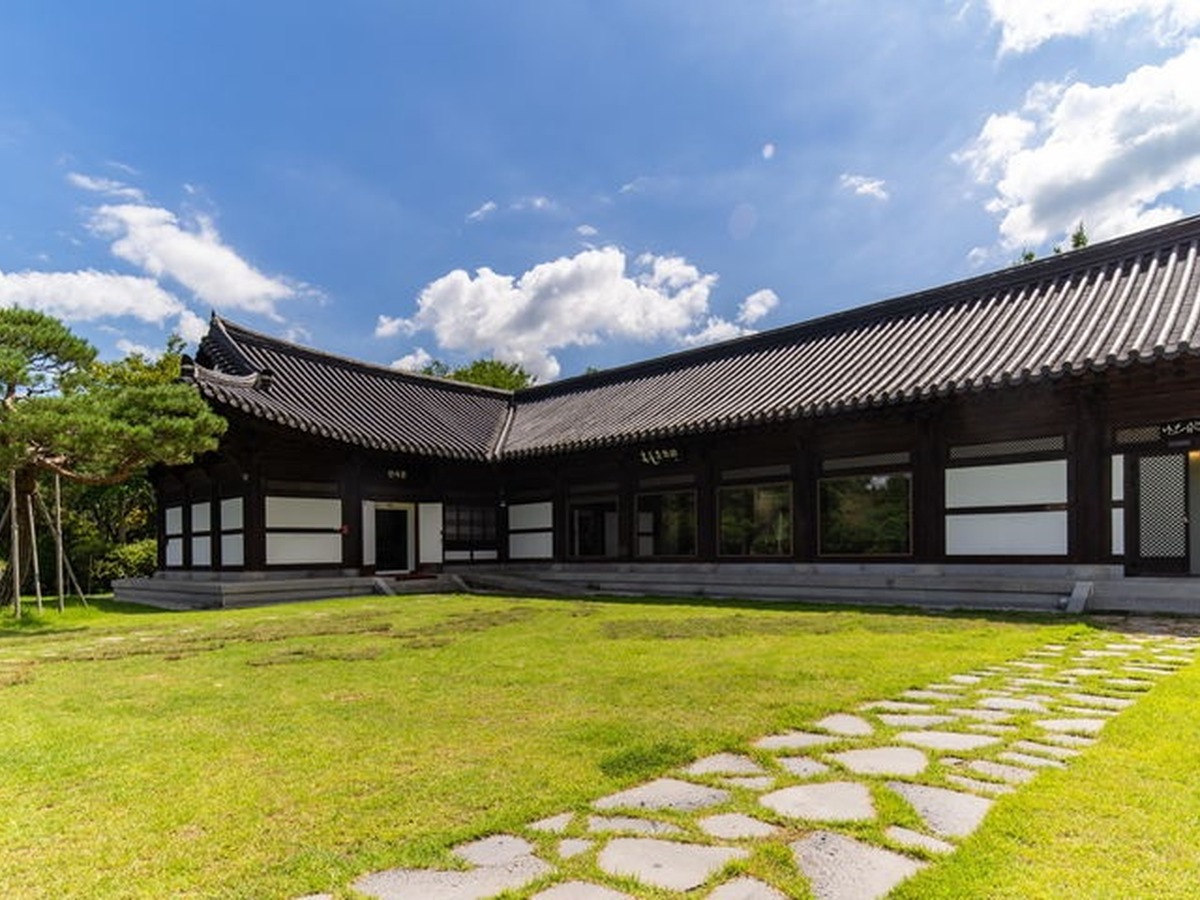
Honbul Literary Museum
Reading Life in the Novel Through Models
Pick one diorama scene and look at the clothing and the objects in the room. Even if the characters' names are unfamiliar, using the table settings or ritual scenes as clues brings you closer to the daily life of the era the exhibition presents.
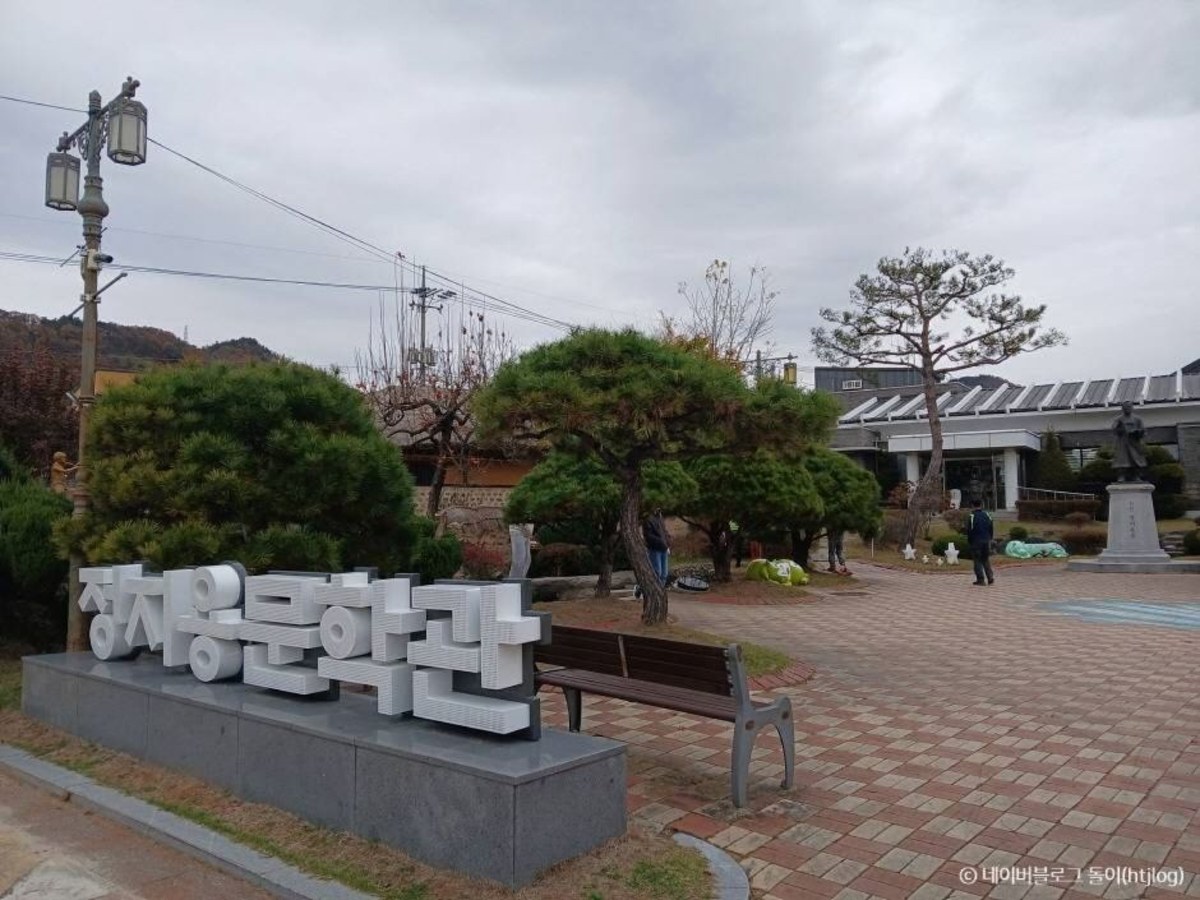
Jeong Ji-yong Literary Museum
Gueup, Evoking the Landscape of ‘Nostalgia’
When reading the poems, pay attention both to the images that reach your eyes and to the rhythm you hear when reading aloud. As you walk around Gueup, finding spots that resemble the scenery you imagined from the work makes it easier to remember a line of the poem even after a short visit.
On days when you're also visiting a birthplace or outdoor area, try touring the indoor exhibition first and spending the remaining time walking outside. Living spaces and spaces that recreate a work are different in nature, so telling them apart as you read the on-site explanations makes them easier to remember after your visit.
As part of the Coupang Partners program, this post may earn a commission from qualifying purchases.
Comments 0
Log in to leave a comment.
Be the first to comment.
How about these lists?


You might also like


Not ready to stop here?
Wondering what to read next is the biggest waste of time.
Let the dice decide — you won't know what pops up until you roll.
If you don't press it… won't you wonder forever? 👀
