Collection
Performances & Exhibitions
2026.11.18
Natural History Museums and an Ecology Center for Fossils and Ecosystems
Dinosaur skeletons, specimens and climate-zone ecosystems, side by side
If you enjoy looking at a dinosaur's bones and picturing how it moved, a natural history museum is a great place to start. Nature exhibits vary: some explain ancient environments through rock layers and fossils, while others show the climates where real plants and animals live. Some displays gather specimens collected from a region's seas and land.
We picked natural history exhibits in Seoul, Mokpo and Jeju, plus the National Institute of Ecology in Seocheon. Choosing gets easier once you ask whether your child loves dinosaurs, wants a close look at birds and insects, or would like to feel hot forests and cold environments firsthand.
We picked natural history exhibits in Seoul, Mokpo and Jeju, plus the National Institute of Ecology in Seocheon. Choosing gets easier once you ask whether your child loves dinosaurs, wants a close look at birds and insects, or would like to feel hot forests and cold environments firsthand.
Seodaemun Museum of Natural History
Start With the Dinosaur Skeletons
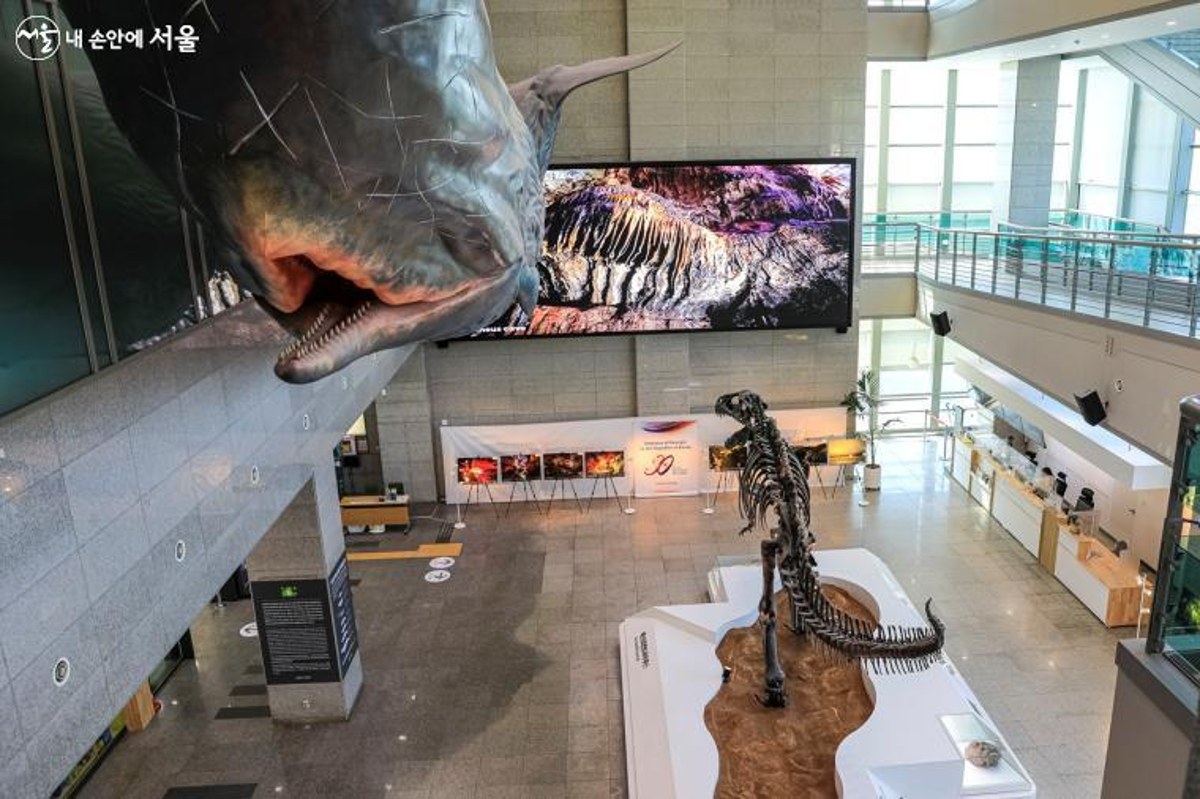
The big skeleton in the central hall is Acrocanthosaurus, a carnivorous dinosaur from the Cretaceous. Look up from below at the size of its jaw and hind legs, then move to the Hall of Life Evolution on the 2nd floor, where the plated Stegosaurus and skull specimens of various dinosaurs catch the eye.
Reading the labels that distinguish reconstructed skeletons from real specimens helps you understand what evidence reveals how ancient creatures looked. If you're with kids, take turns picking a body feature that hints at what the animal ate and talk it over.
Reading the labels that distinguish reconstructed skeletons from real specimens helps you understand what evidence reveals how ancient creatures looked. If you're with kids, take turns picking a body feature that hints at what the animal ate and talk it over.
도로명주소 서울 서대문구 연희로32길 51
관람시간 3~10월 평일 09:00~18:00·주말과 공휴일 09:00~19:00 / 11~2월 평일 09:00~17:00·주말과 공휴일 09:00~18:00 / 1시간 전 입장 마감 / 월요일·1월 1일·설과 추석 당일 휴관, 월요일이 공휴일이면 다음 날 휴관
전화 02-330-8899
사진 서울시 내 손안에 서울
Ewha Womans University Natural History Museum
Specimens and Habitat Scenes Side by Side
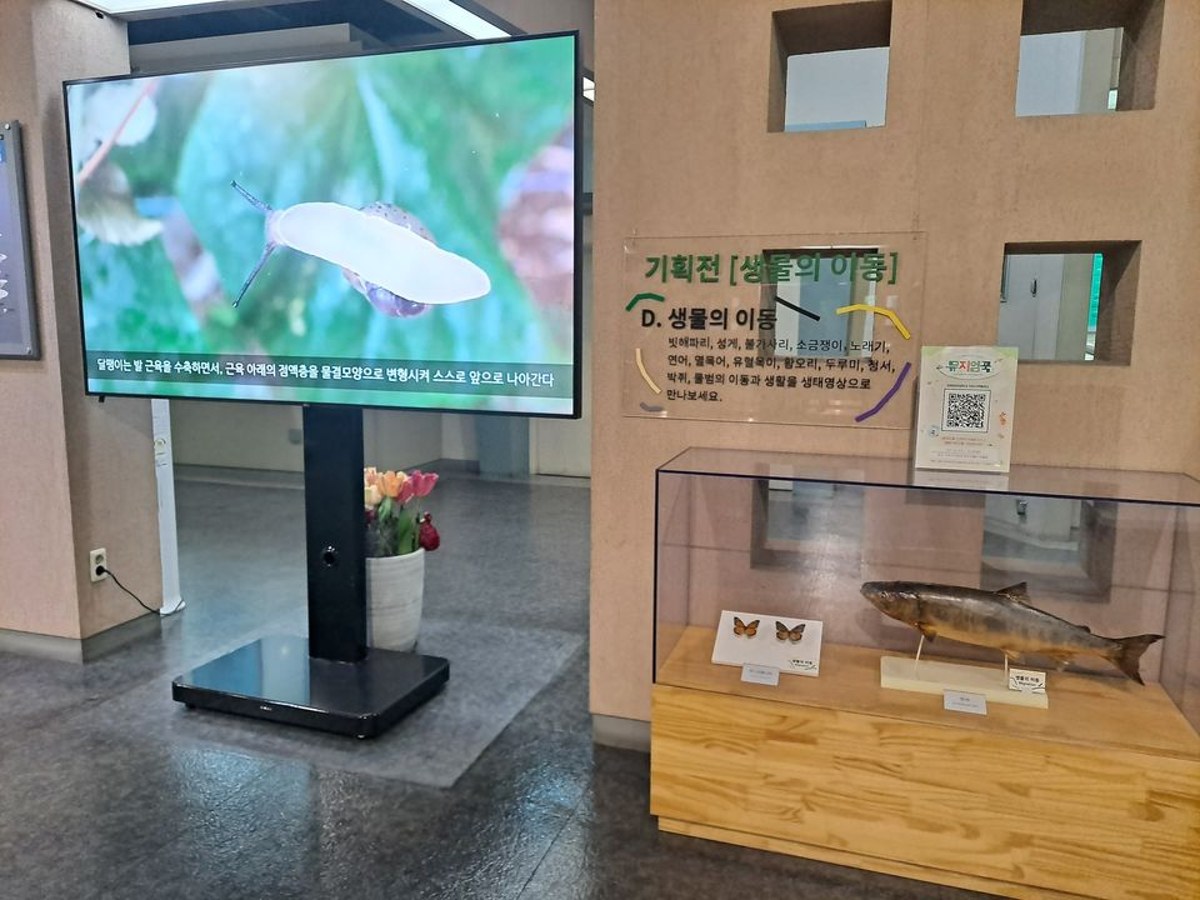
First look at how one creature is shaped, then find which other creatures are placed around it in the diorama. On a short visit, it's fine to spend your time in just one section where you can compare specimens with their habitats.
When viewing specimen displays and dioramas back to back, observe one creature's color and body shape first — it gives you a baseline for comparison in the next exhibit. Then notice what backdrop creatures with similar features are set against, and you'll start to see how the museum uses its displays to explain environments.
When viewing specimen displays and dioramas back to back, observe one creature's color and body shape first — it gives you a baseline for comparison in the next exhibit. Then notice what backdrop creatures with similar features are set against, and you'll start to see how the museum uses its displays to explain environments.
도로명주소 서울 서대문구 이화여대길 52
관람시간 월~금 및 둘째·넷째 토요일 10:00~16:00 / 공휴일·별도 휴관일은 대학 공지
전화 02-3277-4700
사진 이화여자대학교 자연사박물관
National Institute of Ecology
Compare Five Climate Zones in One Day
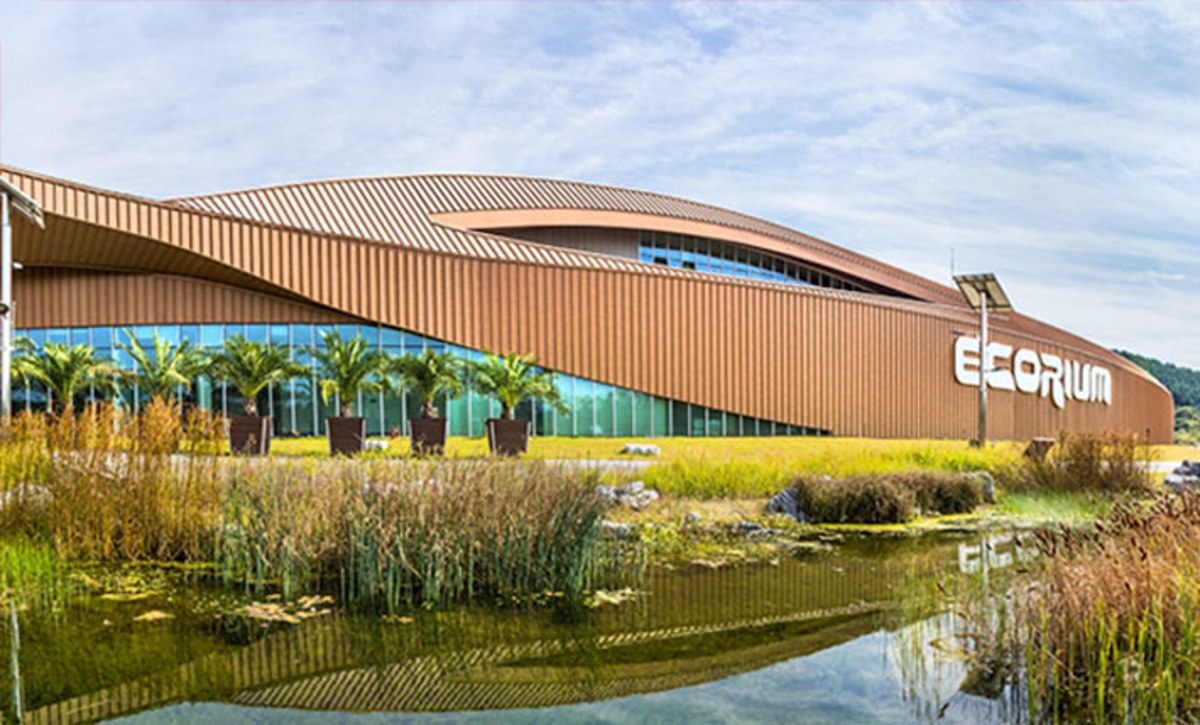
The Ecorium recreates five climate zones, from the tropics to the poles. With kids, watch how plant height and leaf shapes change as you move between zones. The grounds are large, so decide in advance whether to see the indoor exhibits or take a walk first. Special exhibition halls may have limited access due to construction or changeovers, so check the separate notices.
In the Ecorium, you can feel the difference in temperature and humidity every time you pass through an entrance. If your child remembers one plant from an earlier zone and compares it with plants in the next, the differences stick far longer than trying to memorize all five environments at once.
In the Ecorium, you can feel the difference in temperature and humidity every time you pass through an entrance. If your child remembers one plant from an earlier zone and compares it with plants in the next, the differences stick far longer than trying to memorize all five environments at once.
도로명주소 충남 서천군 마서면 금강로 1210
관람시간 11~2월 09:30~17:00(16:00 매표 마감) / 월요일 정기휴관, 공휴일이면 다음 첫 평일
전화 041-950-5300
사진 국립생태원
Mokpo Museum of Natural History
Fossils and Minerals in Mokpo
See the dinosaur skeleton exhibit first, then turn your attention to minerals and biological specimens. Even if you pair it with a look across the water, the Underwater Heritage Museum, also in Gatbawi Culture Town, covers a different theme, so it helps to keep your destinations clear.
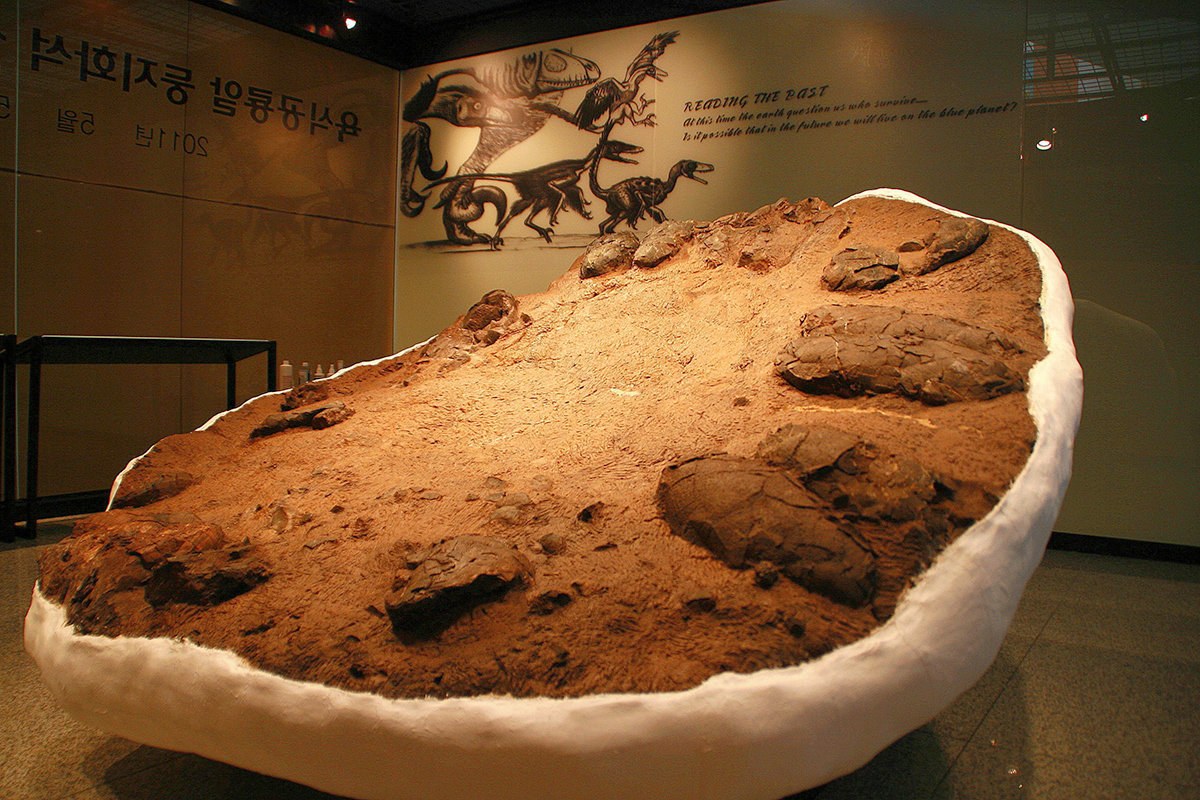
When viewing the fossilized dinosaur egg nest, look first at where the eggs remain and then at the size of the whole nest. Afterward, in front of other fossils, look for the kind of evidence left behind, such as bones or eggs, and you'll pick up the clues the museum uses to infer how ancient creatures lived.
When viewing the fossilized dinosaur egg nest, look first at where the eggs remain and then at the size of the whole nest. Afterward, in front of other fossils, look for the kind of evidence left behind, such as bones or eggs, and you'll pick up the clues the museum uses to infer how ancient creatures lived.
도로명주소 전남광주통합특별시 목포시 남농로 135
관람시간 09:00~18:00 / 월요일 정기휴관, 관람일 공지 확인
전화 061-276-6331
사진 목포문화관광
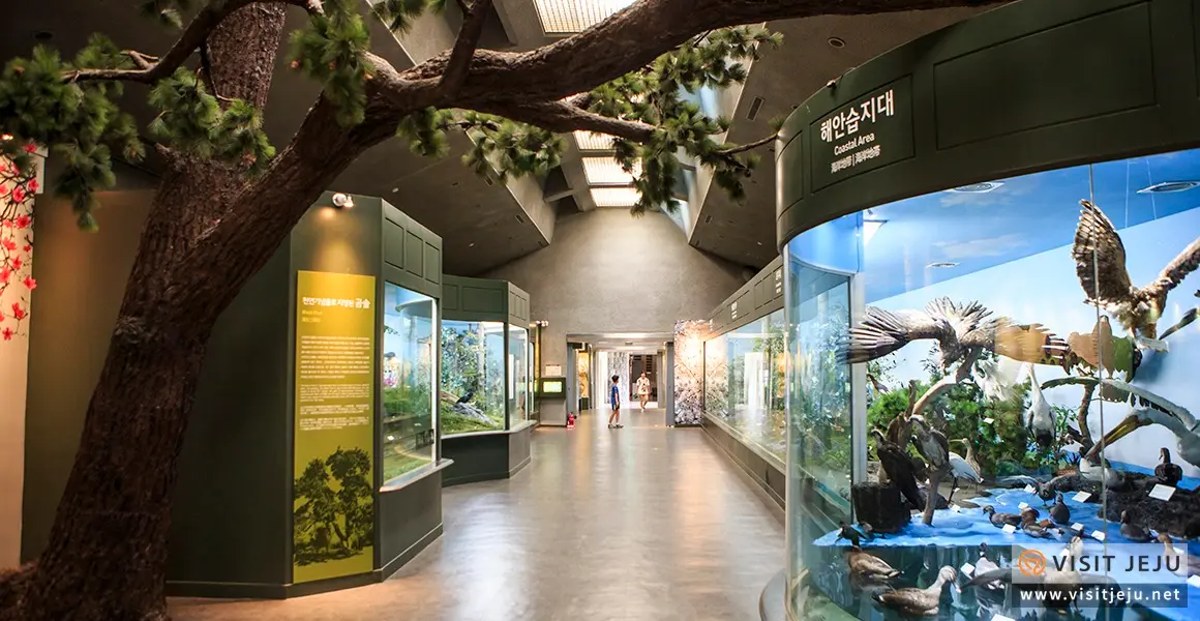
Jeju Folklore & Natural History Museum
A Volcanic Island's Nature and Life in One Place
In the natural history exhibits, look at how Jeju was formed and what lives on the island, then move on to the folk exhibits. Seeing traditional homes and everyday tools gets you thinking about how Jeju people adapted their lives to the natural environment.
After seeing the island's rocks and sea life in the natural history section, look for what materials were used in the tools in the folk section. If your group has already seen Jeju's stone and sea, it's a great chance to connect what you saw in the real landscape with the exhibit's explanations.
After seeing the island's rocks and sea life in the natural history section, look for what materials were used in the tools in the folk section. If your group has already seen Jeju's stone and sea, it's a great chance to connect what you saw in the real landscape with the exhibit's explanations.
도로명주소 제주특별자치도 제주시 삼성로 40
관람시간 09:00~18:00(17:30 매표 마감) / 월요일·1월 1일·설과 추석 당일과 다음 날 휴관, 별도 소독 휴관
전화 064-710-7708
사진 비짓제주
In the galleries, pick two creatures of very different sizes and compare the shapes of their feet or teeth. With fossils, check the label to see whether it's a real specimen or a reconstruction — it makes it easier to understand what evidence the exhibit uses to show how things once looked. Jot down the name of a specimen you liked and look up its habitat at home.
At places with walking routes like the ecology center, set aside time for both the indoor exhibits and getting around. If you want to fit a university museum into a weekend, check its weekday hours and weekend opening days separately, and on cold days, decide first which indoor exhibits you'll spend the most time in rather than heading outside.
At places with walking routes like the ecology center, set aside time for both the indoor exhibits and getting around. If you want to fit a university museum into a weekend, check its weekday hours and weekend opening days separately, and on cold days, decide first which indoor exhibits you'll spend the most time in rather than heading outside.
At a glance
5 items
Seodaemun Museum of Natural History
02-330-8899서울시 내 손안에 서울
Ewha Womans University Natural History Museum
서울 서대문구 이화여대길 5202-3277-4700이화여자대학교 자연사박물관
National Institute of Ecology
041-950-5300국립생태원
Mokpo Museum of Natural History
061-276-6331목포문화관광
Jeju Folklore & Natural History Museum
064-710-7708비짓제주
Locations at a glance
5 places
As part of the Coupang Partners program, this post may earn a commission from qualifying purchases.
Comments 0
Log in to leave a comment.
Be the first to comment.
How about these lists?


You might also like


🎲
Not ready to stop here?
Wondering what to read next is the biggest waste of time.
Let the dice decide — you won't know what pops up until you roll.
If you don't press it… won't you wonder forever? 👀