
Collection
Japan
2026.11.13
Adding some backstreet wandering to Hiroshima? Head to Takehara's old town
Six places linking lattice windows, merchant houses and the history of salt
Takehara is a town where you can slow down your trip along old streets lined with lattice windows, white walls and tiled roofs. Step a little beyond photographing beautiful houses, and you'll find the background of a town that prospered on salt production and the living spaces of its merchants. We've grouped the townscape preservation district with two houses open to the public, a temple with a view, a history museum and a lunch spot.
This is a day trip from Hiroshima that requires a separate journey from the city. Approach from Takehara Station or the arrival point of the express bus from Hiroshima, then decide your order of visits on foot within the preservation district. Even though the streets themselves never close, the houses and museum stop admitting visitors relatively early in the afternoon. Decide first which places you really want to see inside, and it becomes easier to set aside time for lunch and photos.
This is a day trip from Hiroshima that requires a separate journey from the city. Approach from Takehara Station or the arrival point of the express bus from Hiroshima, then decide your order of visits on foot within the preservation district. Even though the streets themselves never close, the houses and museum stop admitting visitors relatively early in the afternoon. Decide first which places you really want to see inside, and it becomes easier to set aside time for lunch and photos.
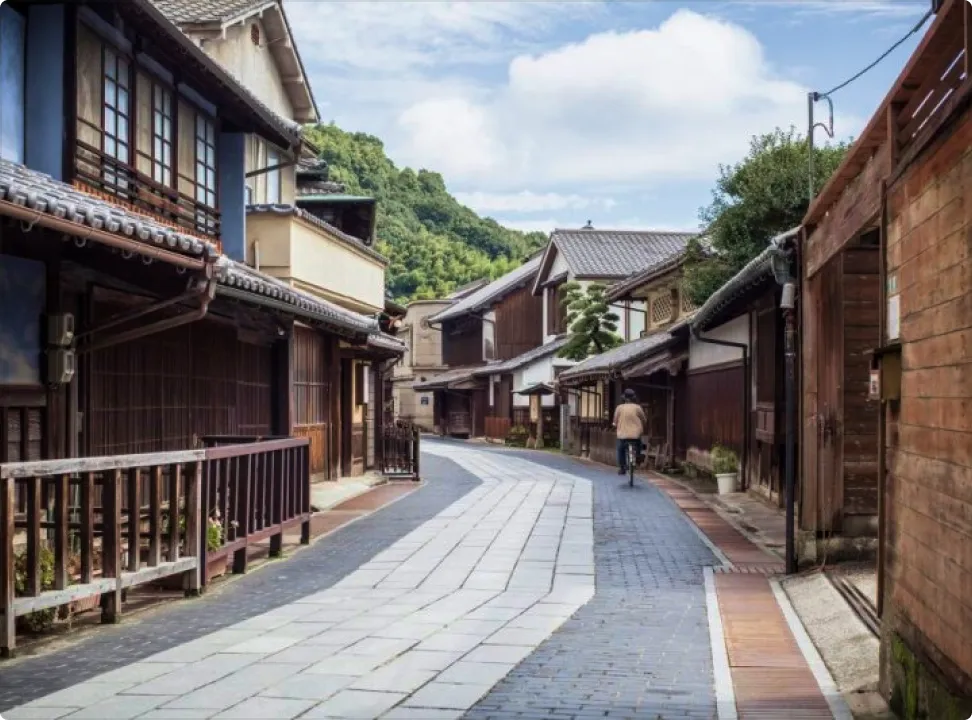
Takehara Townscape Preservation District
In Takehara's old center, the lattice windows of wooden houses, white plaster walls and tiled roofs line the streets. It's a townscape where you can read the traces of a town that prospered on salt production in its buildings and lanes. Rather than seeking out just one famous house, walk slowly through the stretches where the shapes of the lattices and the heights of the eaves change. When you spot a lane you want to photograph, it's fun to step off the main street for a moment.
The preservation district refers to the whole townscape, and not every building's interior is open to the public. For the Former Matsusaka Residence and the History and Folklore Museum, check each one's admission hours and closing days before visiting. Since homes and working shops are mixed together, be considerate and don't block doorways when taking photos. Enter the district from Takehara Station and combine the houses, the temple and lunch, and you can explore the town without adding much travel.
The preservation district refers to the whole townscape, and not every building's interior is open to the public. For the Former Matsusaka Residence and the History and Folklore Museum, check each one's admission hours and closing days before visiting. Since homes and working shops are mixed together, be considerate and don't block doorways when taking photos. Enter the district from Takehara Station and combine the houses, the temple and lunch, and you can explore the town without adding much travel.
현지 이름 たけはら町並み保存地区
주소 竹原市本町3丁目周辺
특징 역사 거리
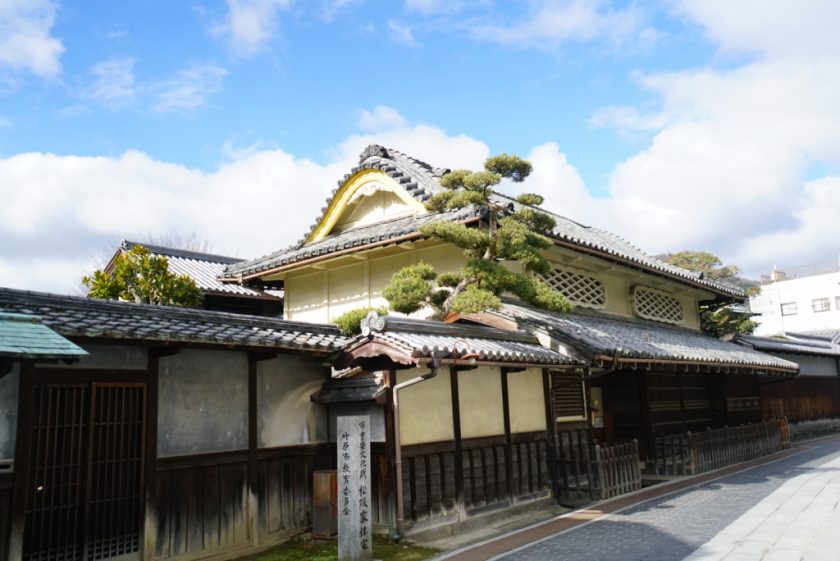
Former Matsusaka Residence
The Former Matsusaka Residence is a house open to the public in the Takehara Townscape Preservation District, ideal for taking in architectural details. Its curving roof and projecting lattice windows define its exterior. Up close, you can see that even houses that looked similar from the street differ in structure and decoration. Walk the lanes first and then go inside, and you'll naturally connect the scenery outside with the interior spaces.
Inside, take your time with how the rooms connect, the light coming through the windows and the wooden structure. Listed hours are 10:00 to 16:00, with last entry at 15:30. It closes on Wednesdays (with exceptions for public holidays) and over the New Year holidays, so plan your date accordingly. It suits days when you want to see one house properly rather than skim the whole townscape. Separating your indoor visit from photographing the exterior helps you remember the building's features better.
Inside, take your time with how the rooms connect, the light coming through the windows and the wooden structure. Listed hours are 10:00 to 16:00, with last entry at 15:30. It closes on Wednesdays (with exceptions for public holidays) and over the New Year holidays, so plan your date accordingly. It suits days when you want to see one house properly rather than skim the whole townscape. Separating your indoor visit from photographing the exterior helps you remember the building's features better.
현지 이름 旧松阪家住宅
주소 竹原市本町3-9-22
특징 전통 가옥
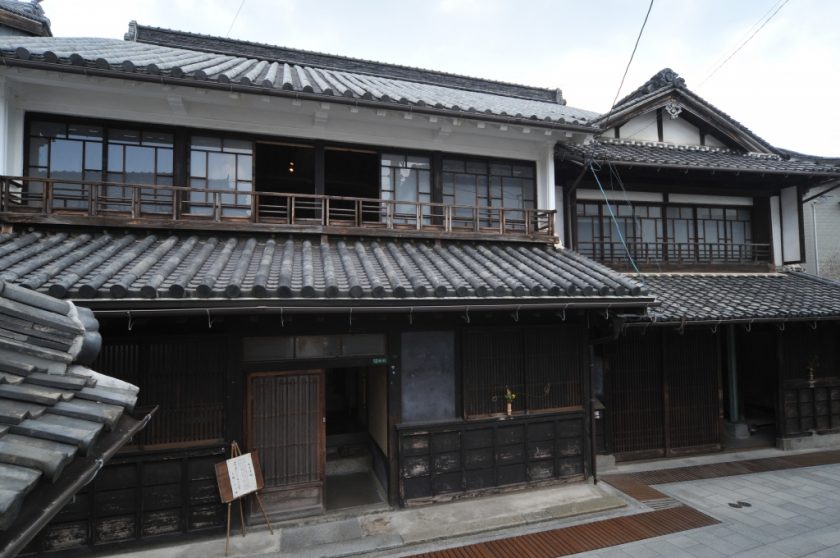
Former Kasai Residence
The Former Kasai Residence is a house built in 1872, in the Meiji era, showing the scale of an old home linked to Takehara's salt industry. If photographing a traditional house only from outside feels like a missed opportunity, it's worth looking at the timber and room layout inside. Pay particular attention to the thick beams and the structure under the roof exposed upstairs, and you'll see how the living space is held up.
It's now also used for local events and exhibitions, so the atmosphere inside may vary depending on when you visit. Rather than assuming that events like a seasonal doll display continue all year, check what's open on the day. Standard hours are 10:00 to 16:00, with irregular closures and closures over the New Year holidays. Stop here first when walking the southern part of the district, then compare it with the other houses to see how each differs in structure and use.
It's now also used for local events and exhibitions, so the atmosphere inside may vary depending on when you visit. Rather than assuming that events like a seasonal doll display continue all year, check what's open on the day. Standard hours are 10:00 to 16:00, with irregular closures and closures over the New Year holidays. Stop here first when walking the southern part of the district, then compare it with the other houses to see how each differs in structure and use.
현지 이름 旧笠井邸
주소 竹原市本町1-9-11
특징 역사 가옥·행사 공간
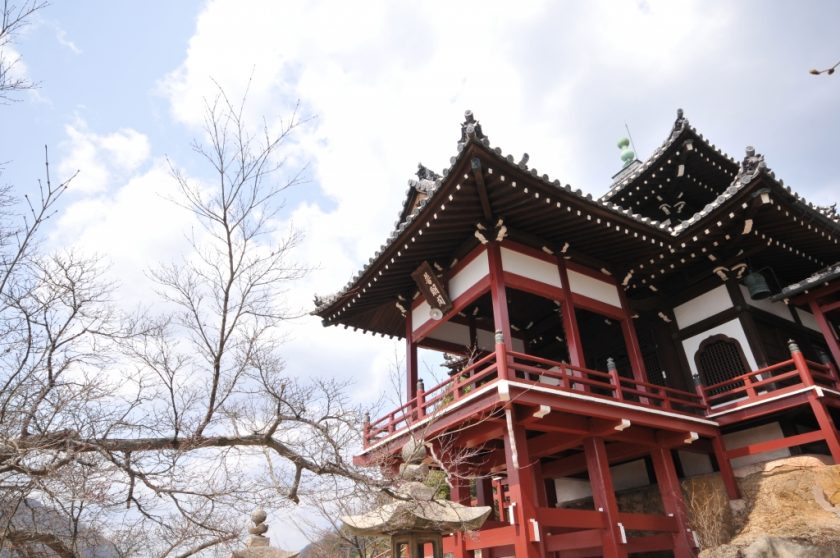
Saihoji Fumeikaku
Fumeikaku, standing on high ground beside the main hall of Saihoji Temple, is a pavilion built in 1758. It follows the same architectural style as Kiyomizu-dera in Kyoto, and its layered roof and fine details catch the eye. Both a religious space enshrining a wooden Eleven-Headed Kannon statue and a viewpoint overlooking Takehara's old streets, it lets you see the lattice windows and tiled roofs you saw up close in the lanes from a higher vantage point.
Climb the stone steps into the grounds, and the temple's stone walls, halls and the town's roofs come into view one after another. The walking conditions differ from a flat stroll through the streets, so adjust how much you see with companions who have difficulty walking. Visiting hours are 8:00 to 18:00. Rather than stopping briefly just for a photo, leave time to take in both the pavilion's structure and the view. Afterward, head back down to the preservation district and continue on to the museum or the old houses.
Climb the stone steps into the grounds, and the temple's stone walls, halls and the town's roofs come into view one after another. The walking conditions differ from a flat stroll through the streets, so adjust how much you see with companions who have difficulty walking. Visiting hours are 8:00 to 18:00. Rather than stopping briefly just for a photo, leave time to take in both the pavilion's structure and the view. Afterward, head back down to the preservation district and continue on to the museum or the old houses.
현지 이름 西方寺・普明閣
주소 竹原市本町3-10-44
특징 사찰·전망
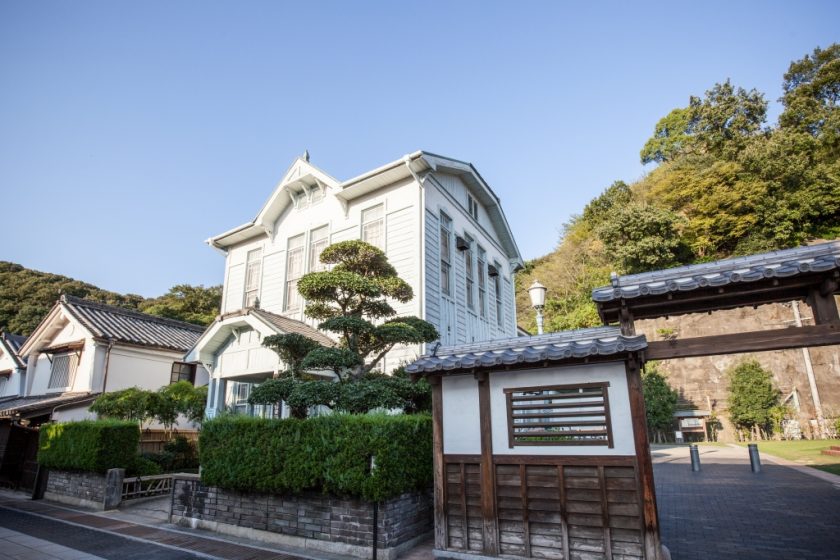
Takehara City History and Folklore Museum
The Takehara City History and Folklore Museum occupies a Western-style building originally built as a library in the early Showa era. In a preservation district lined with traditional wooden houses, the building itself has a different atmosphere. Inside, you'll find the history of the salt production that brought prosperity to Takehara and related materials. It's a good stop when you're curious about the industry and life behind the beautiful lanes.
Seeing the exhibits before walking the district gives you clues to understanding the scale of the merchant houses and streets. Conversely, visiting after the lanes lets you connect the scenery you actually saw with the historical materials. It's open 10:00 to 16:00, with last entry at 15:30. It closes on Tuesdays (with exceptions for public holidays) and from December 27 to January 3. Its character differs from the house visits, so it combines well with them on days when you want to include an indoor exhibit.
Seeing the exhibits before walking the district gives you clues to understanding the scale of the merchant houses and streets. Conversely, visiting after the lanes lets you connect the scenery you actually saw with the historical materials. It's open 10:00 to 16:00, with last entry at 15:30. It closes on Tuesdays (with exceptions for public holidays) and from December 27 to January 3. Its character differs from the house visits, so it combines well with them on days when you want to include an indoor exhibit.
현지 이름 竹原市歴史民俗資料館
주소 竹原市本町3-11-16
특징 지역 역사 박물관
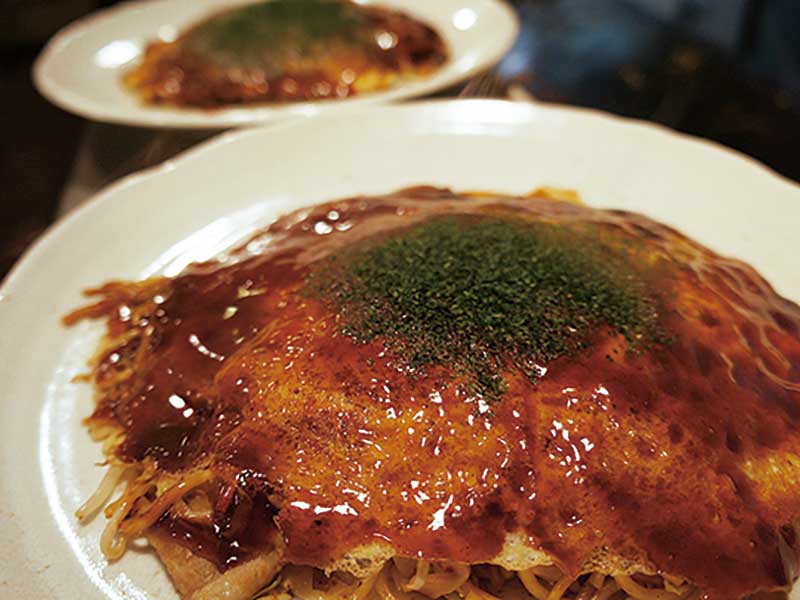
Okonomiyaki Horikawa
Horikawa is an okonomiyaki restaurant in a converted old storehouse in Takehara. It's a nice way to carry the atmosphere of the preservation district through to mealtime. The shop describes its method as seasoning and mixing the ingredients, noodles and vegetables before grilling, an example that shows not all Hiroshima okonomiyaki can be explained by the same layering method. The sauce, based on the shop's own soy sauce, is another thing to look out for.
The Takehara-yaki menu, with local sake lees mixed into the batter, is an option that connects with the town's sake culture. However, if you have restrictions on alcohol or allergies, don't assume cooking makes it fine; ask about the ingredients directly. If you've picked it as your lunch spot while touring the streets, first check whether it's open that day and which dishes are available. Schedule your meal so it doesn't overlap with the last admission times at the houses and museum, and you can continue your backstreet stroll at a relaxed pace.
The Takehara-yaki menu, with local sake lees mixed into the batter, is an option that connects with the town's sake culture. However, if you have restrictions on alcohol or allergies, don't assume cooking makes it fine; ask about the ingredients directly. If you've picked it as your lunch spot while touring the streets, first check whether it's open that day and which dishes are available. Schedule your meal so it doesn't overlap with the last admission times at the houses and museum, and you can continue your backstreet stroll at a relaxed pace.
현지 이름 お好み焼 ほり川
주소 竹原市本町3-8-21
특징 오코노미야키
In Takehara, taking time over the windows and interior of a single house may stay with you longer than passing through many alleys. Read about the history of the salt industry at the museum and return to the streets, or look down on the roofs from Fumeikaku and then walk the same path again. Houses that looked alike at first begin to show slightly different faces.
The regular closing days of the old houses and the museum aren't the same, so rearrange your order around what's open on the day you visit. On rainy days, or if stairs are a challenge, you can cut back to indoor visits and the flat lanes. Time your last meal to Horikawa's opening hours and leave room for your transport back. The preservation district is also a place where residents go about their daily lives, so take your time and be mindful of passersby when taking photos or resting.
The regular closing days of the old houses and the museum aren't the same, so rearrange your order around what's open on the day you visit. On rainy days, or if stairs are a challenge, you can cut back to indoor visits and the flat lanes. Time your last meal to Horikawa's opening hours and leave room for your transport back. The preservation district is also a place where residents go about their daily lives, so take your time and be mindful of passersby when taking photos or resting.
At a glance
6 items
Takehara Townscape Preservation District
たけはら町並み保存地区竹原市本町3丁目周辺역사 거리
Former Matsusaka Residence
旧松阪家住宅竹原市本町3-9-22전통 가옥
Former Kasai Residence
旧笠井邸竹原市本町1-9-11역사 가옥·행사 공간
Saihoji Fumeikaku
西方寺・普明閣竹原市本町3-10-44사찰·전망
Takehara City History and Folklore Museum
竹原市歴史民俗資料館竹原市本町3-11-16지역 역사 박물관
Okonomiyaki Horikawa
お好み焼 ほり川竹原市本町3-8-21오코노미야키
Locations at a glance
6 places
Comments 0
Log in to leave a comment.
Be the first to comment.
How about these lists?


You might also like


🎲
Not ready to stop here?
Wondering what to read next is the biggest waste of time.
Let the dice decide — you won't know what pops up until you roll.
If you don't press it… won't you wonder forever? 👀
