
What Makes Expensive Electric Guitars Different? A Flagship to Keep for a Long Time
Higher models focusing on precision in manufacturing and hardware alongside playability
The price difference in high-end electric guitars cannot be solely explained by rare woods or a logo. It encompasses precision in neck and fret finishing, hardware and electronic components, painting and assembly processes, quality variance management, cases, and after-sales support. However, an expensive model does not necessarily provide better sound for every player, as its value can vary depending on whether one prefers traditional structures or contemporary conveniences.
This list compares six true current flagship models from Fender, Gibson, PRS, Ibanez, Music Man, and Suhr. Each brand has a different direction for their flagship, whether it's noiseless pickups, compound fingerboard curvature, traditional set necks, nitro finishes, 24 frets and versatile switching, or piezo elements. Instead of simply sorting by price, we look at how playability, features, and management methods differ.
With high-priced instruments, it’s crucial to compare multiple samples of the same model and to accurately check current sales specifications. Natural wood varies in weight and grain, and the feel of the neck can differ; pickups and hardware may vary according to custom options or the year of production.
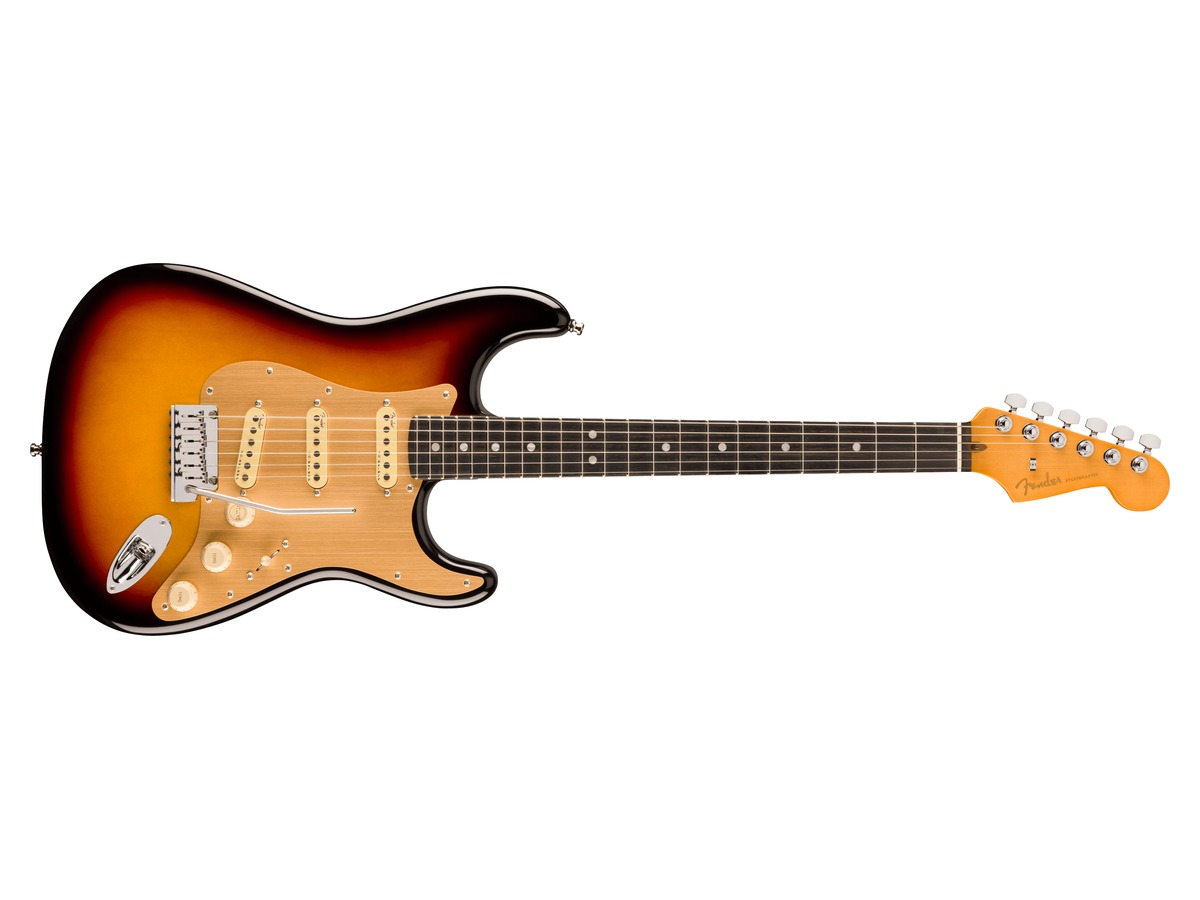
Fender American Ultra II Stratocaster
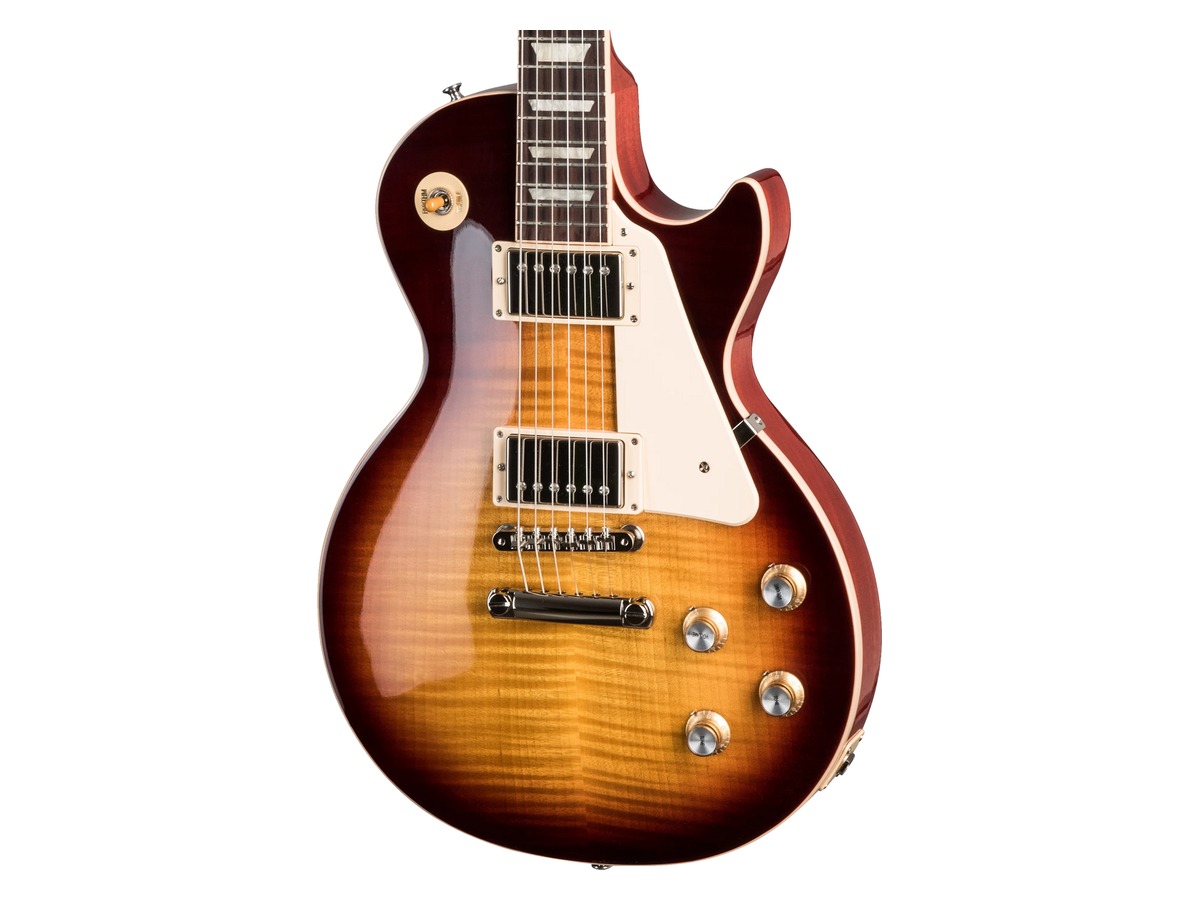
Gibson Les Paul Standard 60s
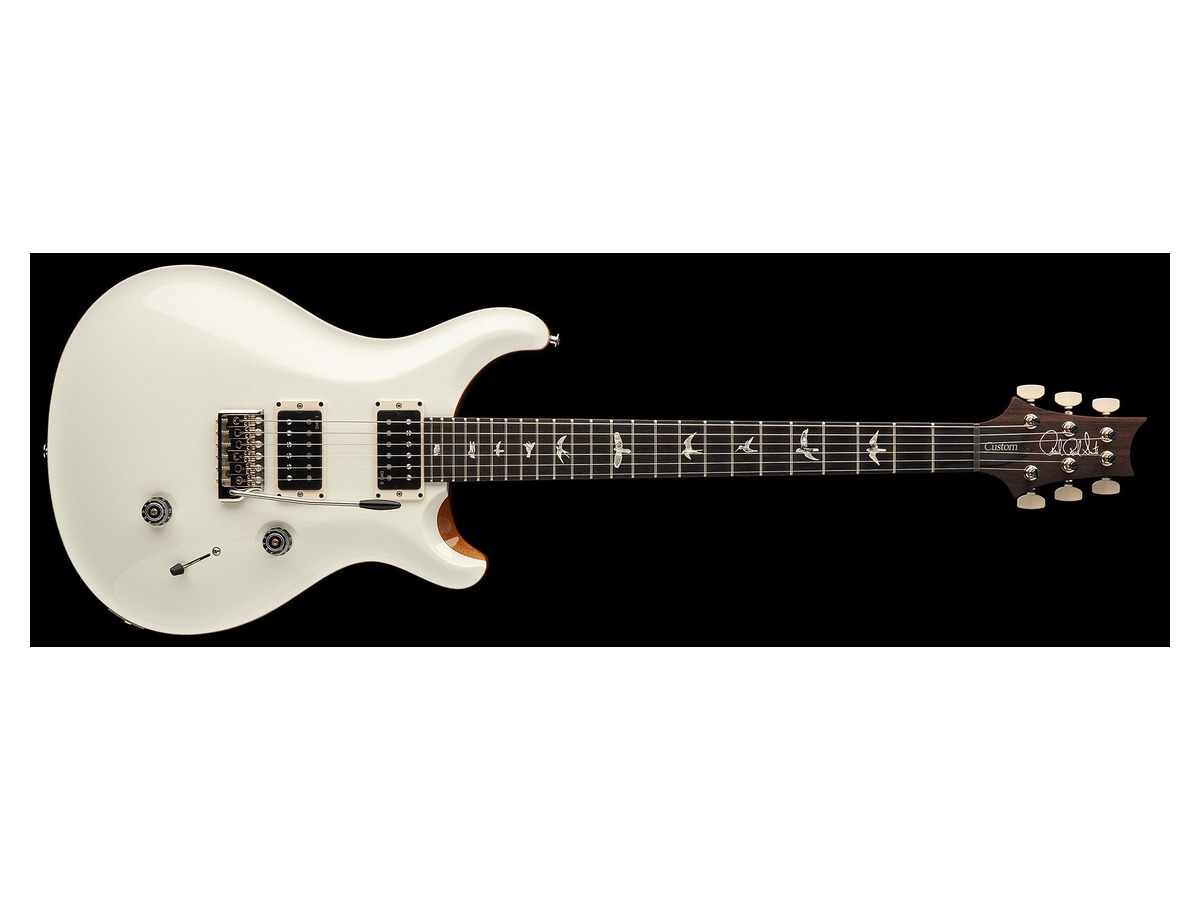
PRS Core Custom 24
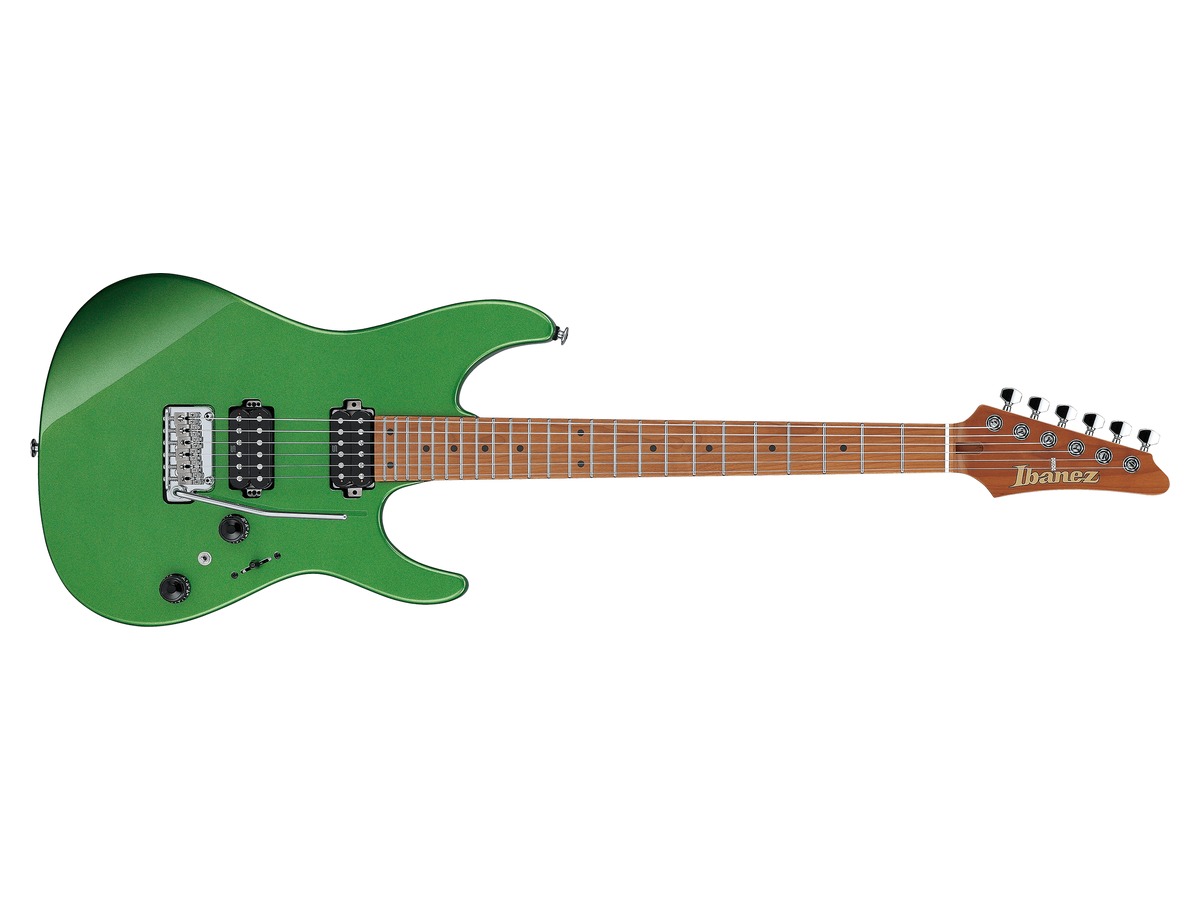
Ibanez Prestige AZ2402
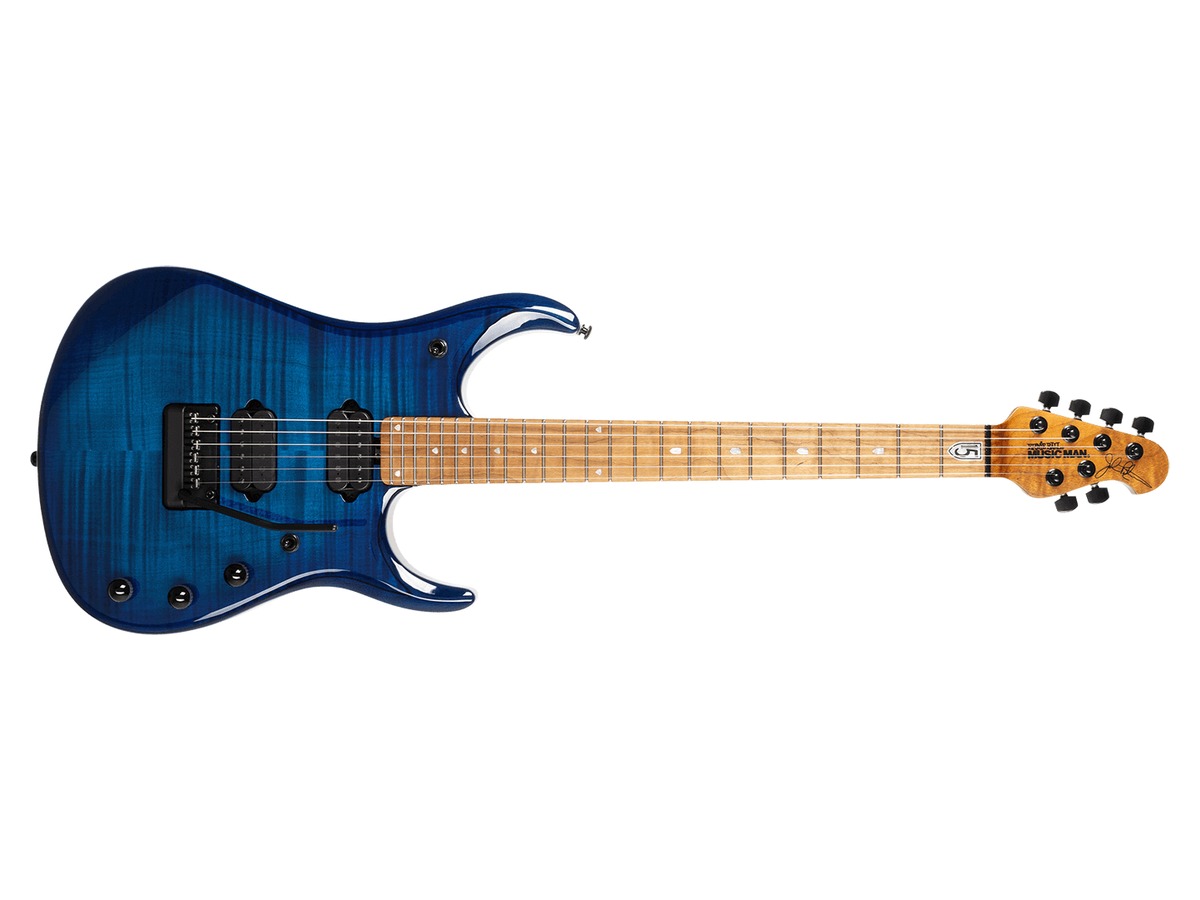
Ernie Ball Music Man JP15
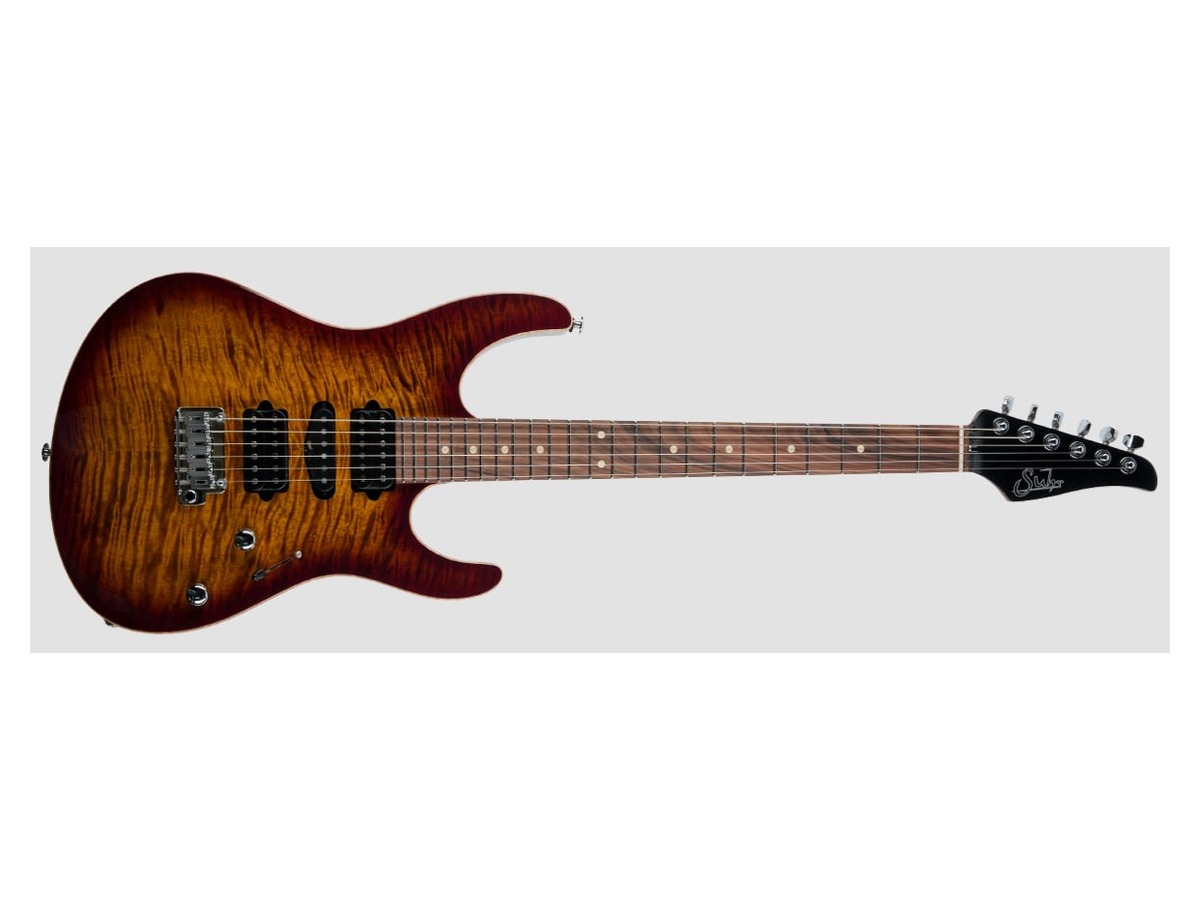
Suhr Modern Plus
When choosing a flagship electric guitar, focus on finding the differences you will feel every day rather than the most flashy items in the specifications. The feel of the neck finish, the tactile sensation of the fret edges, the response when lowering the volume, tuning stability, and access to higher frets will show their importance during long playing sessions. On the other hand, features like special switching and piezo that go unused can only increase costs and management burdens.
During demonstrations, alternate listening to candidates on a clean channel and light drive from the same amp, and check both seated and standing positions with the strap on. Observe the operation of locking tuners and tremolos, the position of control knobs, and any noise generated when turning the guitar. If it's used, inspect for fret wear, neck repairs, replacement of electronic components, and verify the genuine case and documents.
Do not simply conclude that a high-priced guitar is an investment; calculate the total ownership costs, including insurance, humidity control, secure storage, and regular setups. A model that continues to feel comfortable and produce sounds you want to keep hearing after several hours of playing is worth holding onto for a long time, regardless of brand reputation. Before making a final decision, it’s wise to confirm return and warranty conditions and the availability of official repairs in your country to reduce unexpected maintenance costs.
As part of the Coupang Partners program, this post may earn a commission from qualifying purchases.
Comments 0
Log in to leave a comment.
Be the first to comment.
How about these lists?


You might also like


Not ready to stop here?
Wondering what to read next is the biggest waste of time.
Let the dice decide — you won't know what pops up until you roll.
If you don't press it… won't you wonder forever? 👀
