
If You Have Small Hands and Easily Fatigued Shoulders, Which Electric Guitar Would Be Comfortable?
Comparing Real Models with Short Scales, Small Bodies, and Headless Structures
It's difficult to pinpoint why electric guitars can be uncomfortable based solely on hand size. A shorter scale reduces tension and spacing between frets on the same string, but if the neck thickness, nut width, and the position of the body on your lap don't align well, it can still lead to wrist and shoulder fatigue. When playing standing up, not only weight but also the balance of the neck tilting down when the strap is attached is important.
Here, we compare six real models with different approaches, including the 24-inch short-scale Mustang, the slim and small Dinky, and the headless Q and Boden. For products where the manufacturer specifications do not have fixed weights or have natural wood variations, we did not determine a specific weight. While headless structures have advantages in terms of overall length and left-right balance, one must also learn the string replacement method of proprietary bridges and access to components.
A guitar for small hands does not necessarily have to have a small body, and having large hands does not mean only long scales are comfortable. Try playing in a familiar seated and standing position, testing 1st fret chords, wide stretches, and bending above the 12th fret.
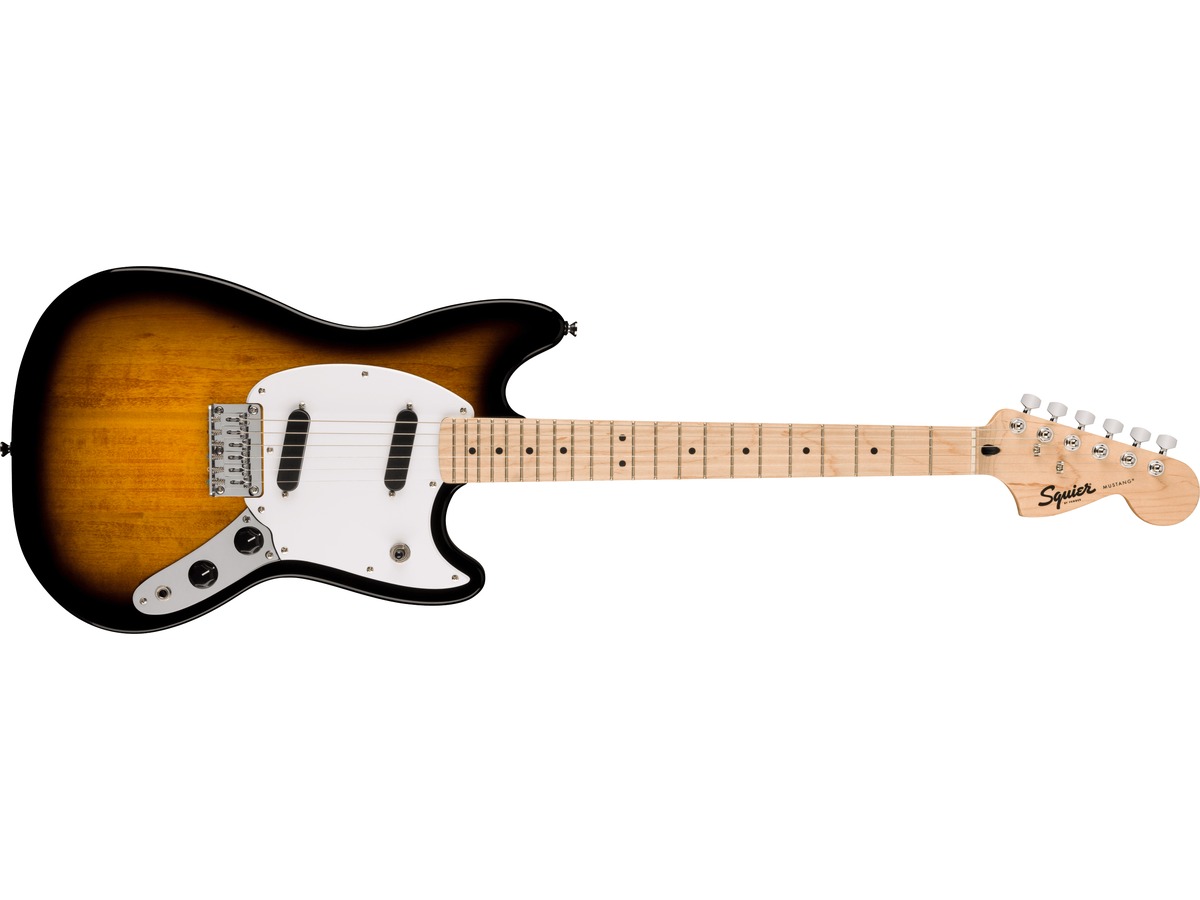
Squier Sonic Mustang
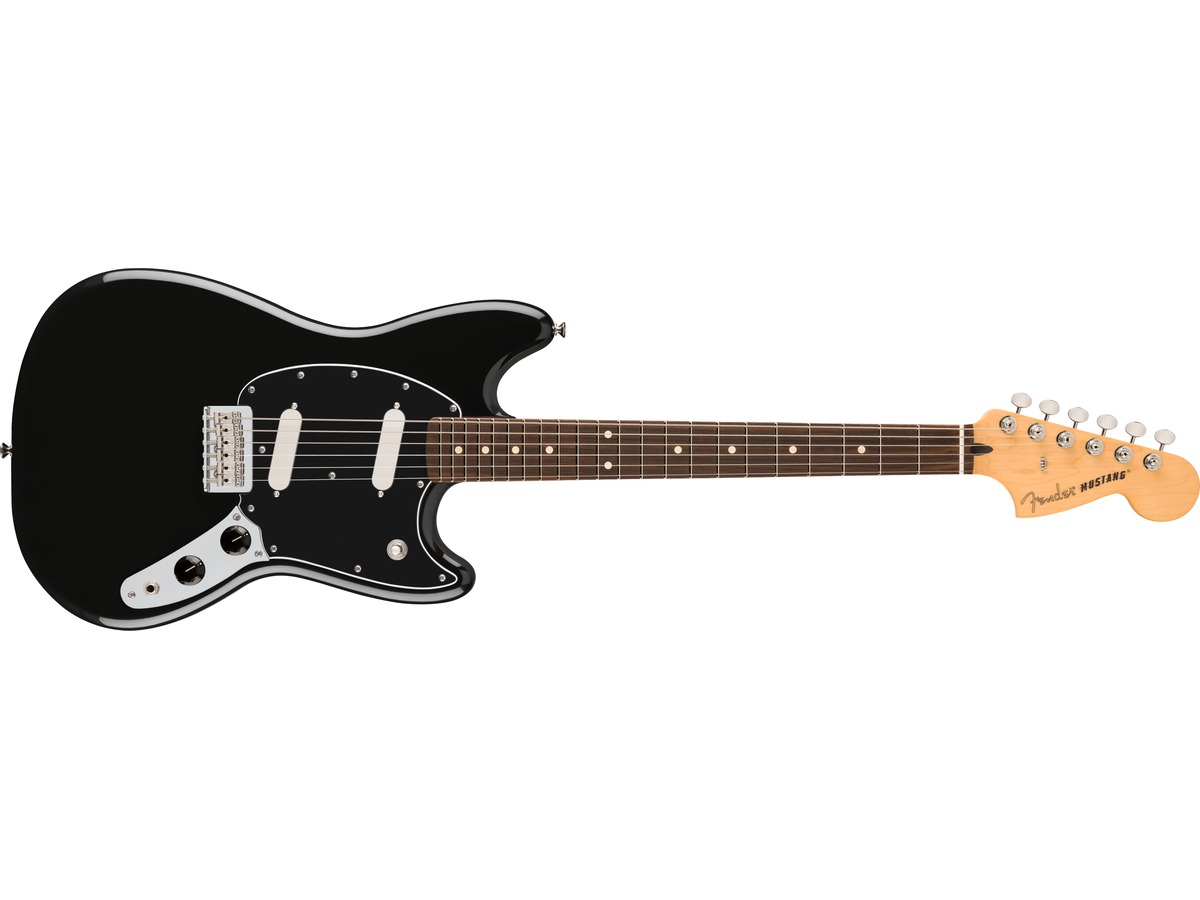
Fender Player II Mustang
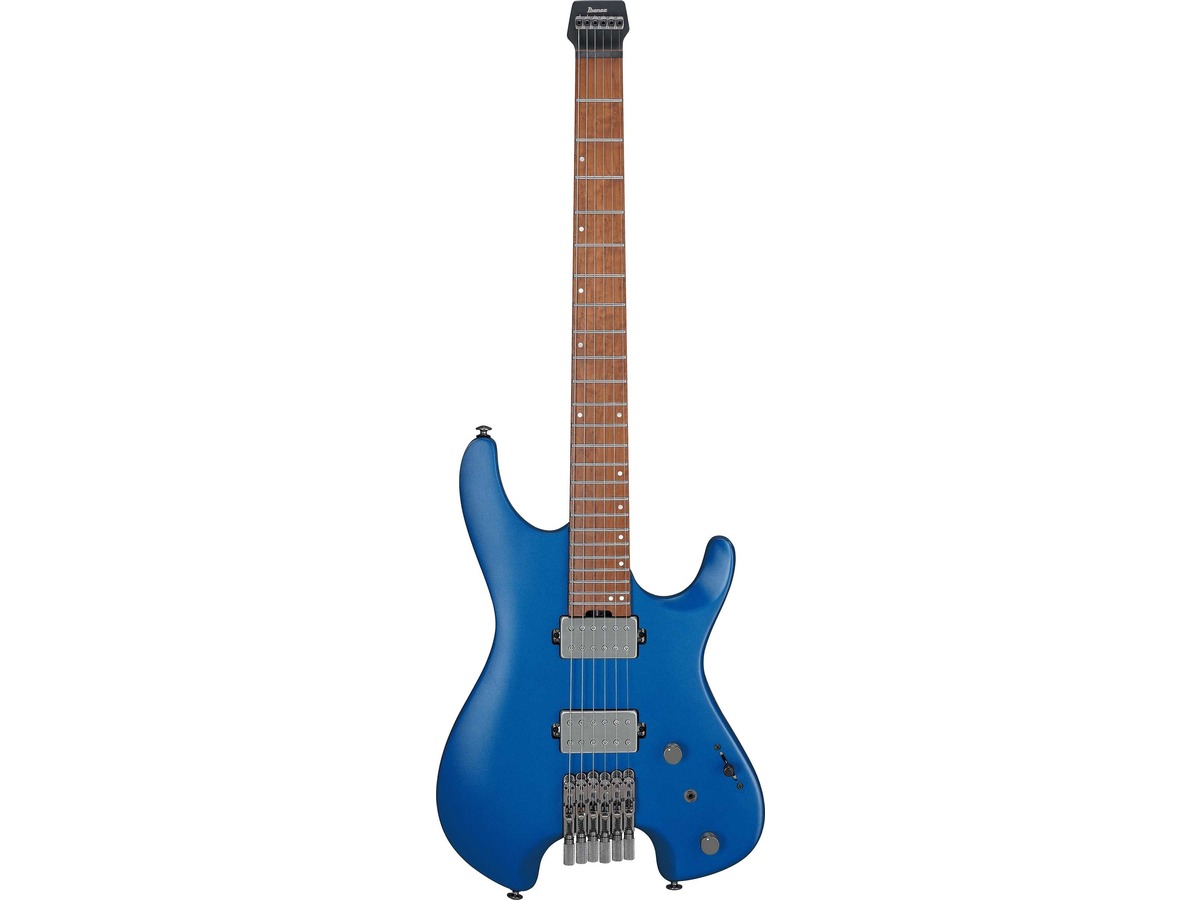
Ibanez Q52
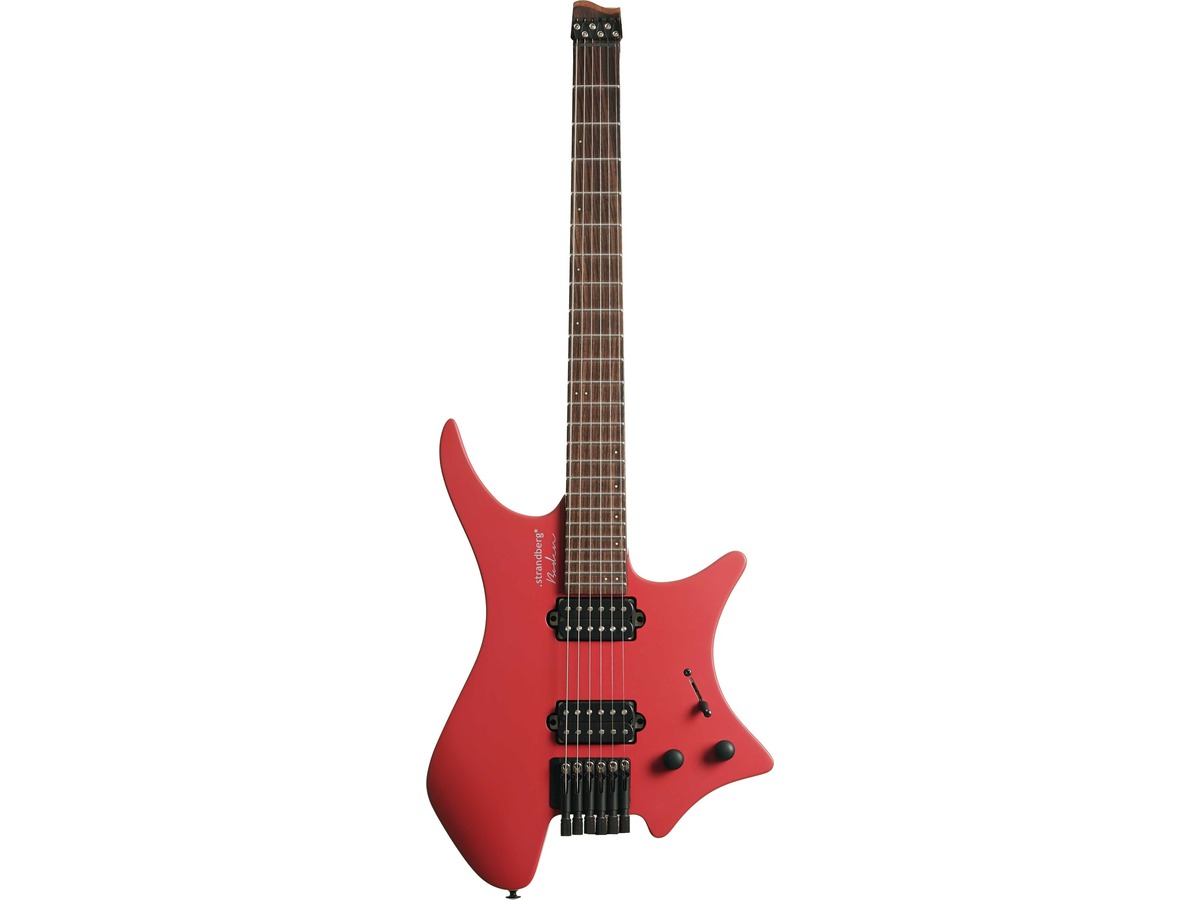
Strandberg Boden Essential 6
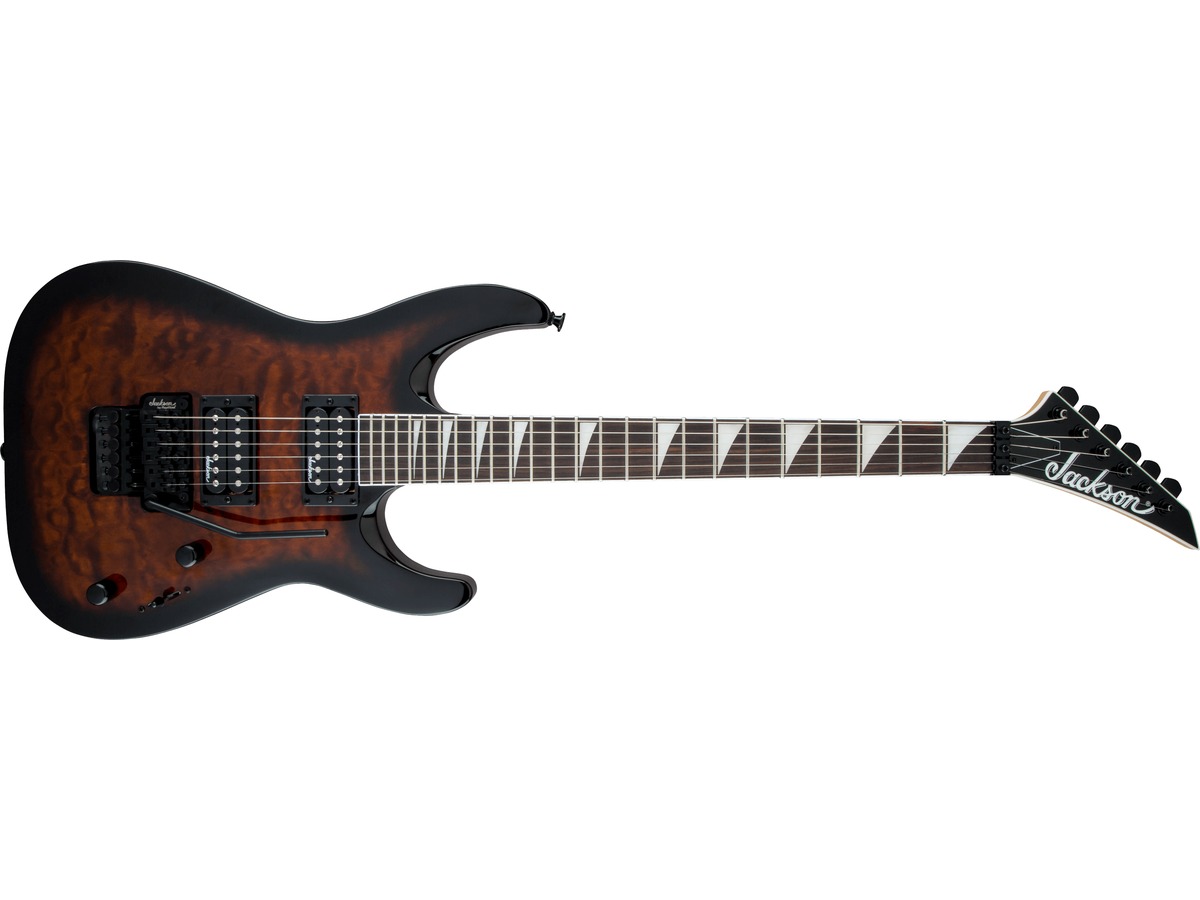
Jackson JS Series Dinky JS32Q DKA
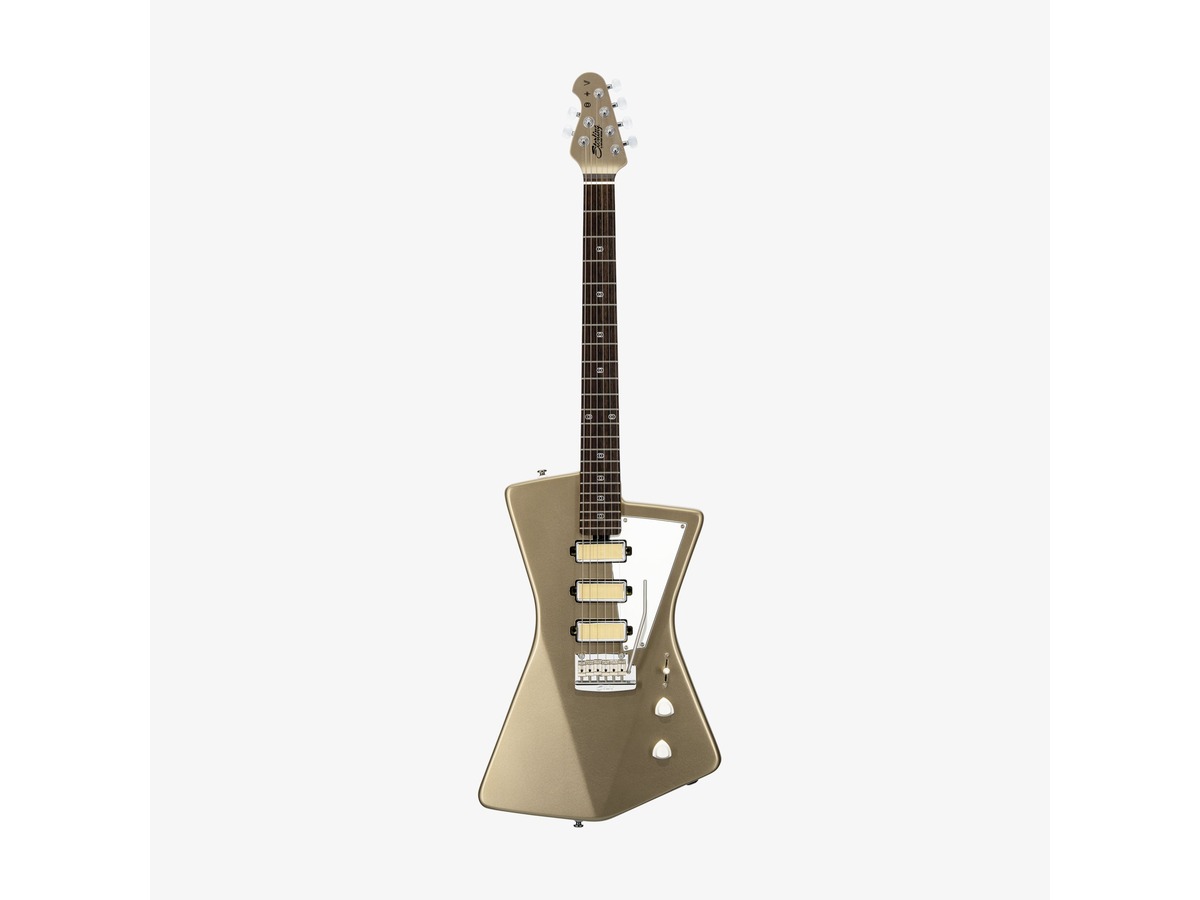
Sterling by Music Man St. Vincent Goldie
When choosing a comfortable electric guitar, you should check the points where your body and the instrument meet sequentially, rather than just focusing on one number. The thickness of the neck and spacing of the frets affect your left hand, while the body edges and bridge height impact your right arm, and weight and strap balance affect your shoulders. Short scales can make bending easier, but at lower tunings, the strings can loosen, so you also need to consider the tunings and string gauges you will use.
Don't end your in-store demonstration by just sitting down briefly; borrow a strap and stand for at least a few minutes at your usual playing height. Check if the guitar slips away from your body or if there is neck dive, and whether your wrist excessively bends at high frets. Headless and asymmetrical necks may feel unfamiliar at first, so it's better to give yourself enough time to assess their pros and cons.
If you already have pain, don’t just rely on instrument selection and also consider your playing posture, breaks, strap width, and professional care. The smallest guitar is not always the answer; a model that allows you to relax and play repetitively is what you should find comfortable. After purchase, adjusting the string height and neck relief to suit your touch can help you balance fatigue and buzzing even with the same guitar.
이 포스팅은 쿠팡 파트너스 활동의 일환으로, 이에 따른 일정액의 수수료를 제공받습니다.
댓글 0
로그인 후 댓글을 작성할 수 있습니다.
첫 댓글을 남겨보세요.
이런 리스트는 어때요?


이런 리스트도 추천해요


여기서 멈추기엔 아쉽잖아?
다음에 뭘 볼지 고민하는 시간이 제일 아까워.
주사위가 대신 골라줄게 — 무슨 리스트가 튀어나올지는 굴려봐야 알지.
안 누르면… 평생 궁금하지 않겠어? 👀
