Collection
Jazz
2026.09.17
The World of Jazz Masters Encountered One Track at a Time
Real Albums Showcasing the Musical Language of Eight Artists
When trying to understand jazz masters, randomly playing famous tracks can obscure the changes across eras and bands. By first listening to albums that encapsulate an artist's core idiom, and examining what stands out in terms of composition, improvisation, and ensemble, you create a basis for moving on to the next record. This approach doesn't rank a vast discography but provides eight different entry points into various musical languages.
From Louis Armstrong's early small group recordings to Duke Ellington's orchestrations, Charlie Parker's bebop, and the compositional worlds of Monk and Mingus, the range widens to include Alice Coltrane and Mary Lou Williams. Selections were made so that they don't overlap with the previously created introductory album lists, focusing on actual albums. The release years are noted based on initial publication, and reissues might have different track listings and configurations.
From Louis Armstrong's early small group recordings to Duke Ellington's orchestrations, Charlie Parker's bebop, and the compositional worlds of Monk and Mingus, the range widens to include Alice Coltrane and Mary Lou Williams. Selections were made so that they don't overlap with the previously created introductory album lists, focusing on actual albums. The release years are noted based on initial publication, and reissues might have different track listings and configurations.
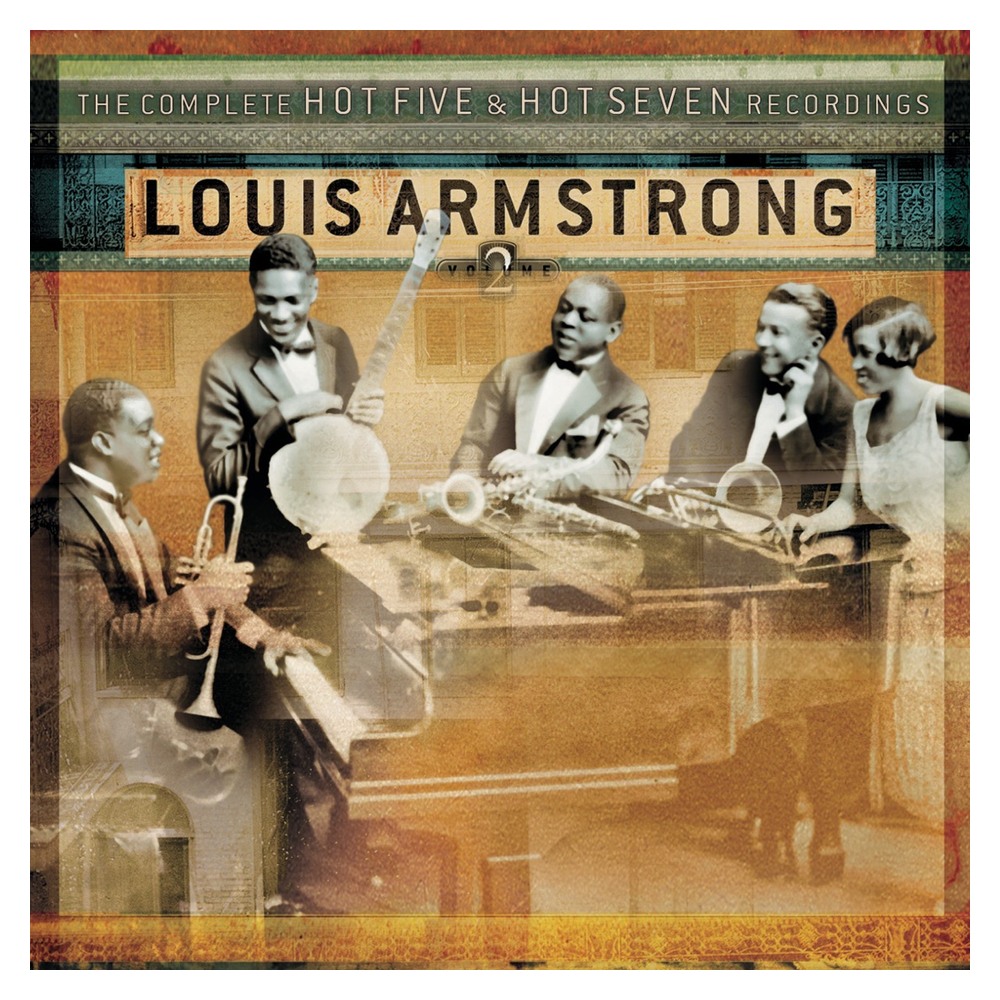
The Complete Hot Five and Hot Seven Recordings
The Hot Five and Hot Seven sessions of Louis Armstrong capture the change where independent solos come to the forefront amidst collective improvisation. Although the sound quality has the limitations of its era due to being early recordings, the influence of rhythm and phrasing is clear.
Compare the introductory trumpet and vocal phrasing in a representative track like West End Blues. You can hear how the inflection, moving slightly before and after the beat, foreshadows the language of future jazz solos.
Compare the introductory trumpet and vocal phrasing in a representative track like West End Blues. You can hear how the inflection, moving slightly before and after the beat, foreshadows the language of future jazz solos.
아티스트 Louis Armstrong
발표 연도 2000
레이블 Columbia/Legacy
핵심 초기 재즈 솔로와 스윙 감각
Ellington at Fargo, 1940 Live
This recording is a document of a concert from 1940 in Fargo, North Dakota, captured using amateur recording equipment and later officially released. The value lies more in observing the band's rhythm and timbre arrangement and how the repertoire was actually performed on stage than in sound quality.
Look for the scene where the saxophone section and brass share the same harmonies with different textures. It reveals that Ellington's music is designed not only based on the score but also on the unique timbres of individual members.
Look for the scene where the saxophone section and brass share the same harmonies with different textures. It reveals that Ellington's music is designed not only based on the score but also on the unique timbres of individual members.
아티스트 Duke Ellington
최초 발매 1978
녹음 1940년 파고 실황
핵심 오케스트레이션과 단원별 음색
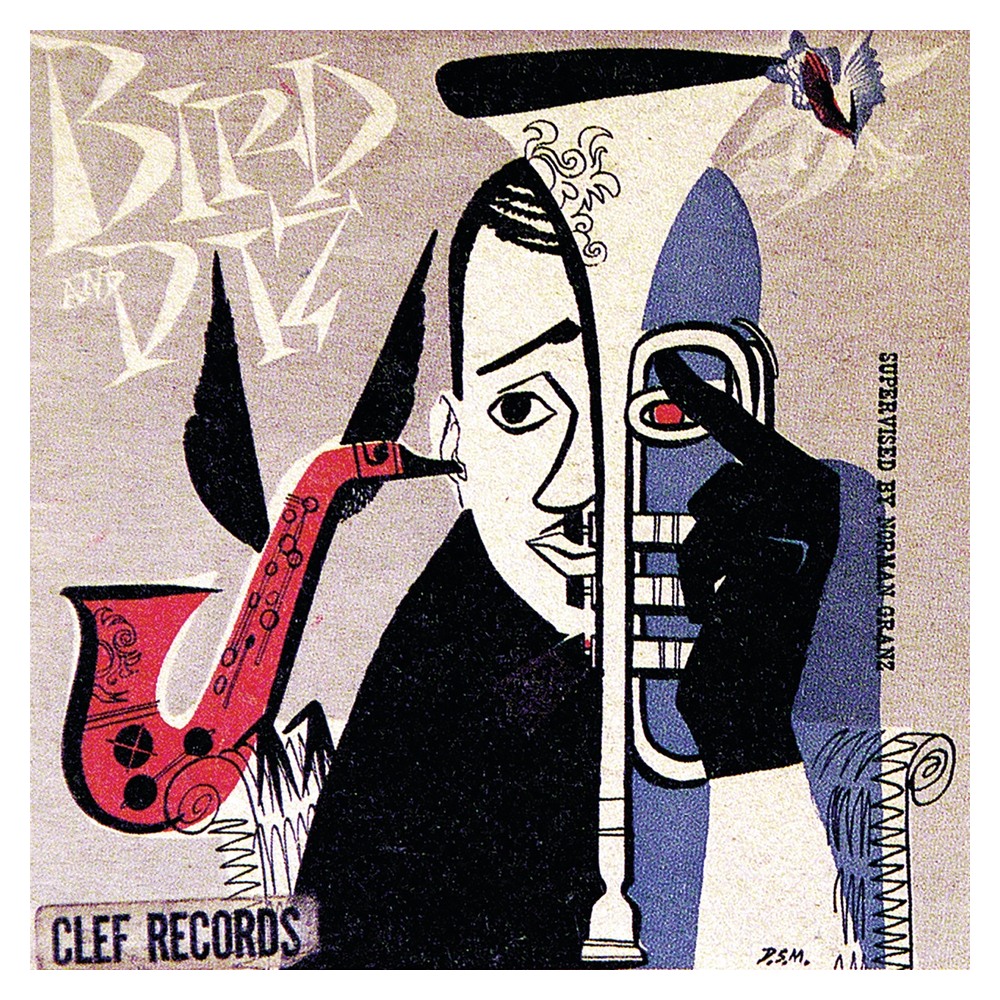
Bird and Diz
《Bird and Diz》 contains a session from 1950, centered around the dialogue between Charlie Parker and Dizzy Gillespie. The participation of Thelonious Monk on piano distinctly marks the contrasts between short themes and the ensuing solos.
Rather than the fast note counts, listen to how the two wind instruments phrase the same chord progressions differently. The accents left by the drums and piano between solos are also key to understanding the tension of bebop.
Rather than the fast note counts, listen to how the two wind instruments phrase the same chord progressions differently. The accents left by the drums and piano between solos are also key to understanding the tension of bebop.
아티스트 Charlie Parker & Dizzy Gillespie
발표 연도 1952
레이블 Verve
핵심 비밥의 선율과 즉흥 대화
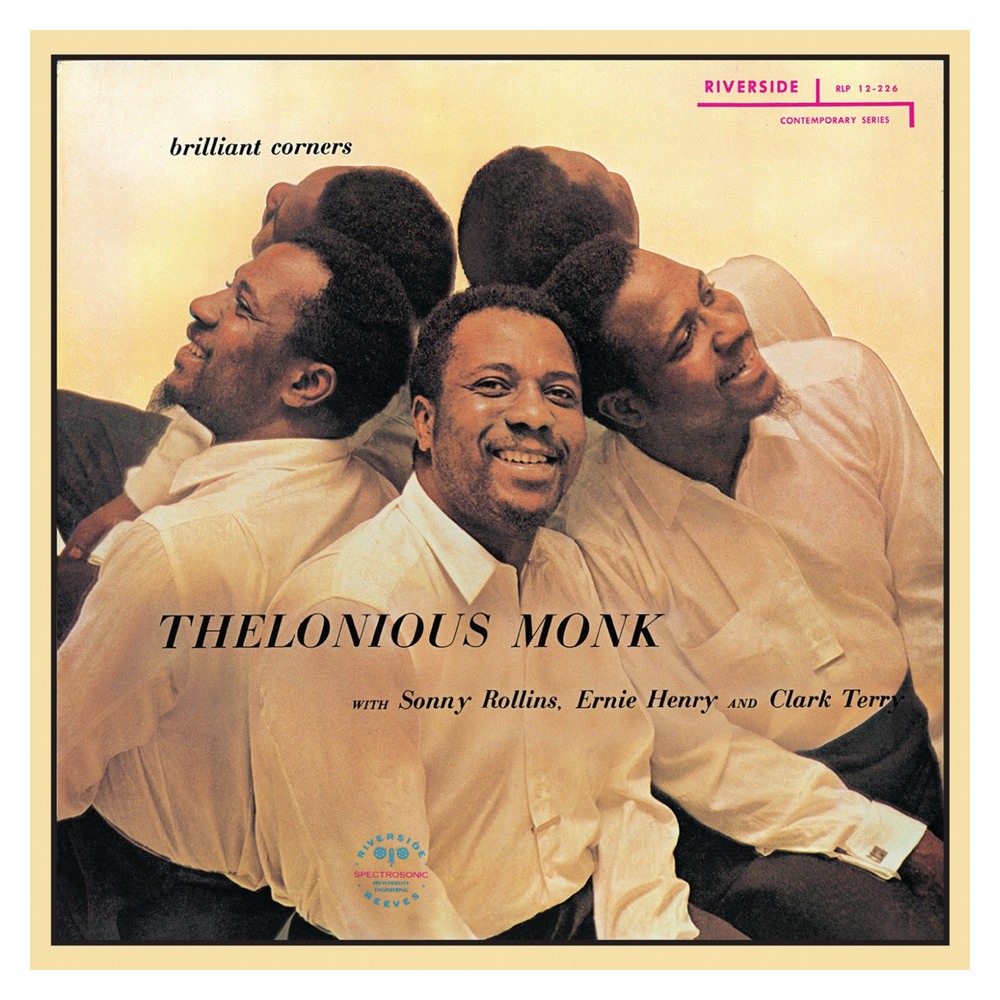
Brilliant Corners
《Brilliant Corners》 is a 1957 Riverside album that prominently showcases Monk's unique compositional personality. The juxtaposition of the complex title track and lyrical ballads illustrates that his music cannot be explained by quirkiness alone.
Mark the points where the melody halts or twists into unexpected notes. It’s beneficial to compare how the soloists reinterpret Monk's angular structure rather than simply repeating his themes.
Mark the points where the melody halts or twists into unexpected notes. It’s beneficial to compare how the soloists reinterpret Monk's angular structure rather than simply repeating his themes.
아티스트 Thelonious Monk
발표 연도 1957
레이블 Riverside
핵심 작곡 구조와 리듬의 여백
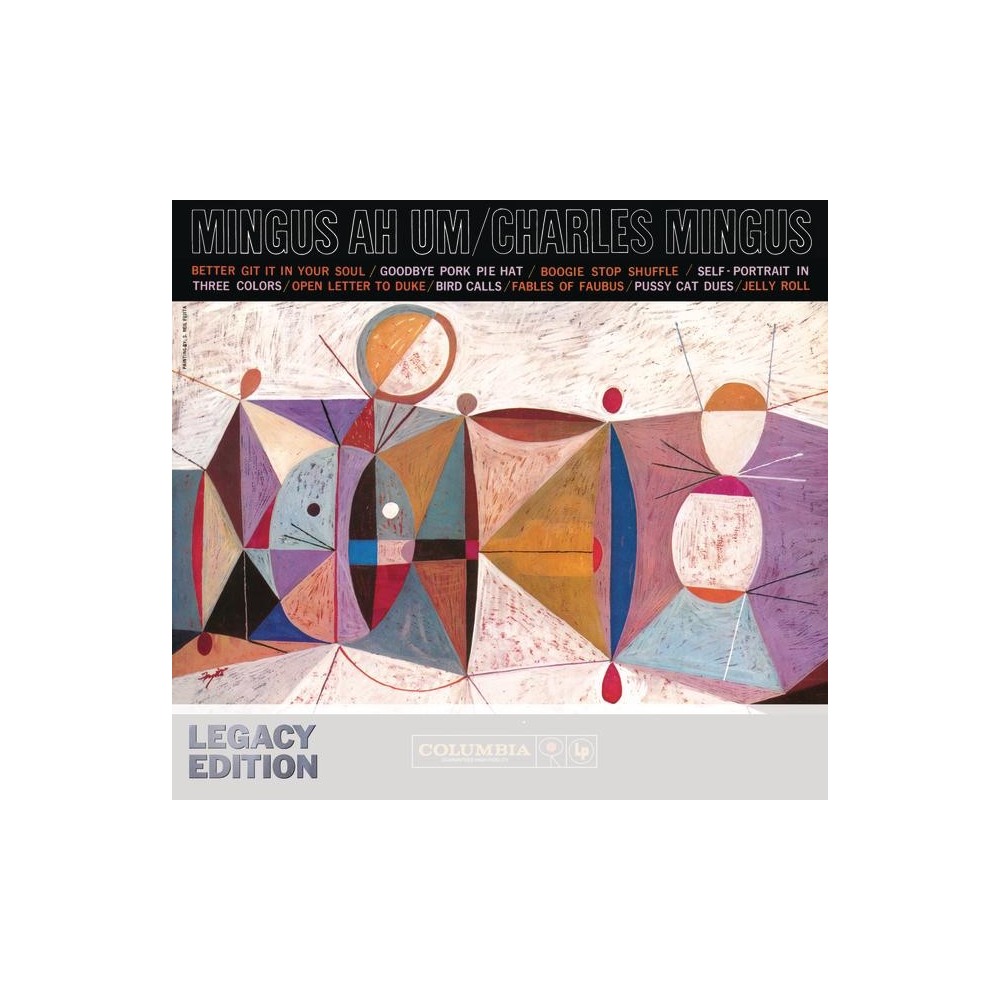
Mingus Ah Um
Released in 1959, 《Mingus Ah Um》 is a work where Charles Mingus's compositions and band leadership find a balance. While quoting traditions, it creates contemporary tension through the cries of the ensemble and abrupt transitions.
Listening to the slow melody of Goodbye Pork Pie Hat followed by the collective energy of Better Git It in Your Soul reveals how Mingus handles both sadness and humor within the same band.
Listening to the slow melody of Goodbye Pork Pie Hat followed by the collective energy of Better Git It in Your Soul reveals how Mingus handles both sadness and humor within the same band.
아티스트 Charles Mingus
발표 연도 1959
레이블 Columbia
핵심 블루스 전통과 집단 작곡
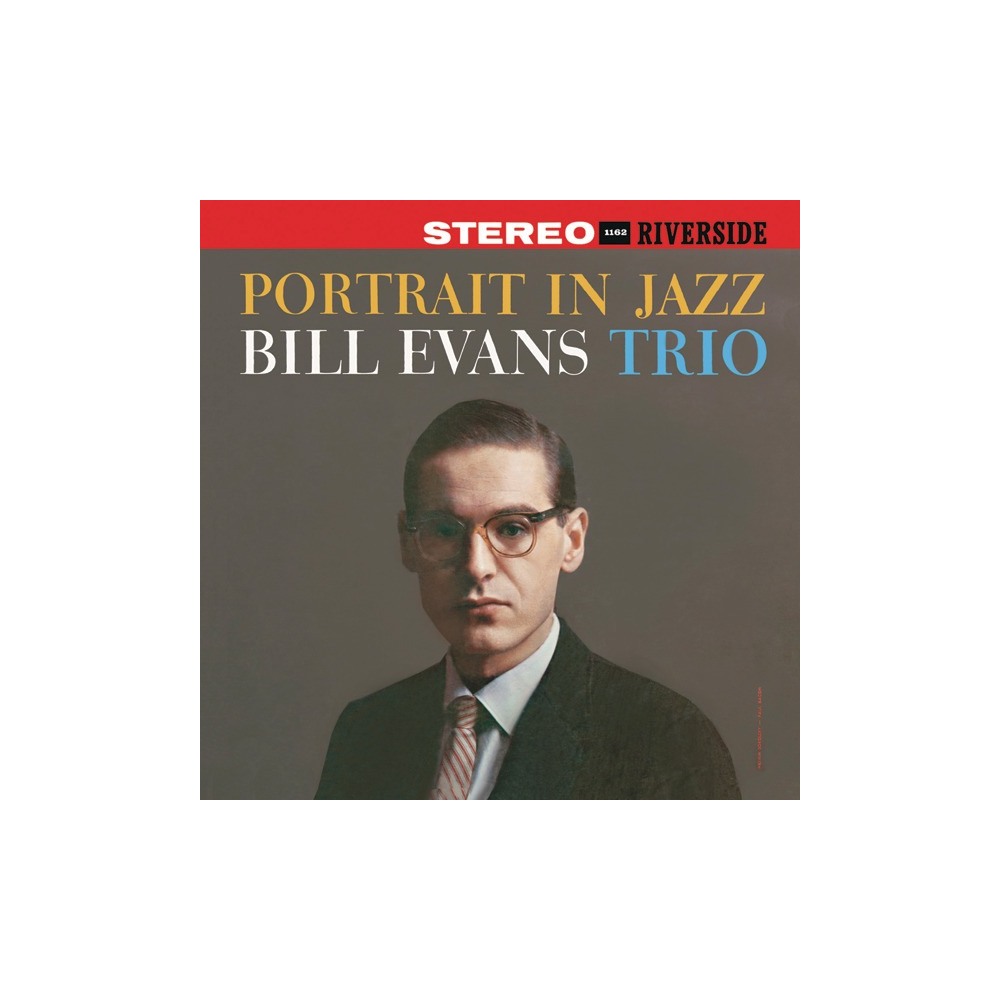
Portrait in Jazz
《Portrait in Jazz》 is a 1960 album where the interactions of Bill Evans, Scott LaFaro, and Paul Motian become prominently evident. Breaking away from the norm where the piano leads and the rhythm section follows, the three instruments simultaneously propose directions.
Listen to how the piano creates space when the bass isn't simply stepping on root notes but crafting separate melodies. The movement of the drums' brushes and cymbals acts more like punctuation in a conversation rather than fixing the rhythm.
Listen to how the piano creates space when the bass isn't simply stepping on root notes but crafting separate melodies. The movement of the drums' brushes and cymbals acts more like punctuation in a conversation rather than fixing the rhythm.
아티스트 Bill Evans Trio
발표 연도 1960
레이블 Riverside
핵심 피아노 트리오의 상호작용
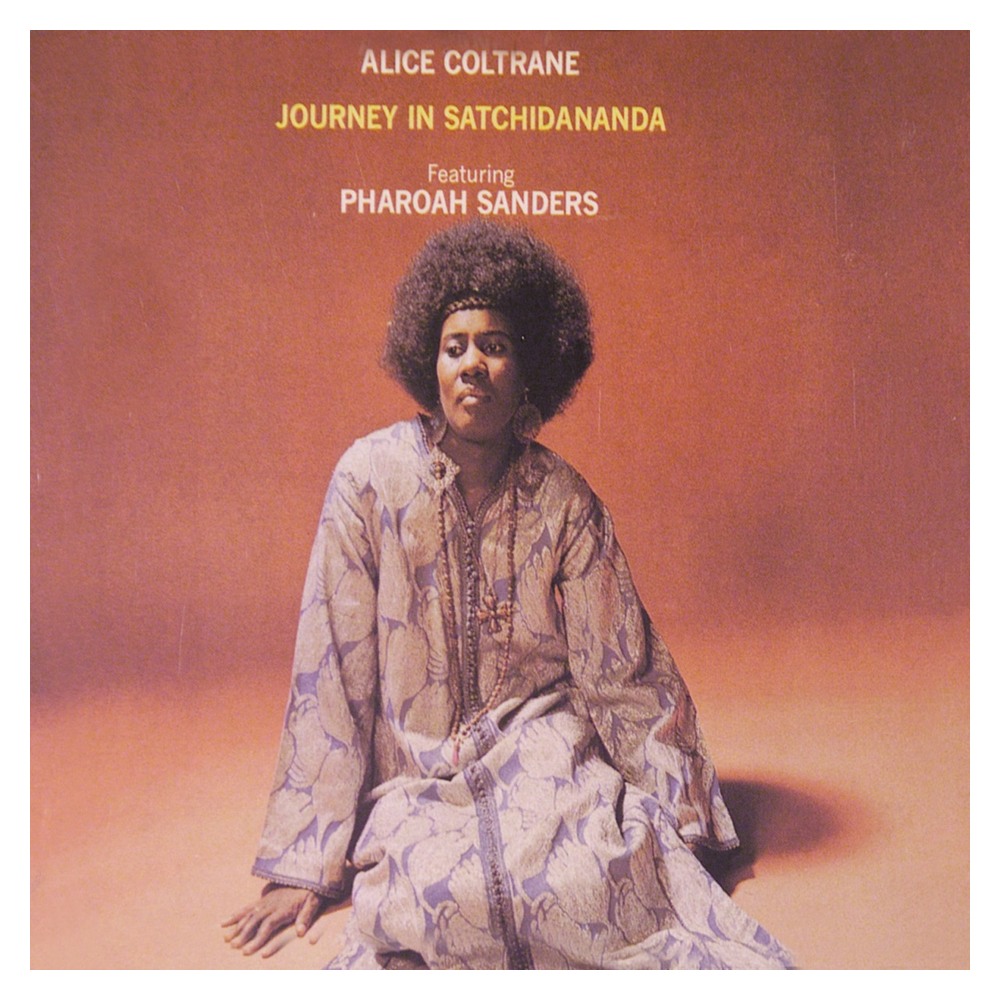
Journey in Satchidananda
Released in 1971, 《Journey in Satchidananda》 creates a unique space where saxophone and rhythm flow over sustained sounds of harp, piano, and tambura. This work directly connects Alice Coltrane’s compositions and spiritual interests to the design of timbres.
Focus first on the foundation created by the repeated low tones and drone, rather than chord changes. The way the short shimmering notes of the harp and Pharaoh Sanders' saxophone create different densities in the same space is key.
Focus first on the foundation created by the repeated low tones and drone, rather than chord changes. The way the short shimmering notes of the harp and Pharaoh Sanders' saxophone create different densities in the same space is key.
아티스트 Alice Coltrane
발표 연도 1971
레이블 Impulse!
핵심 하프·드론과 영적 재즈
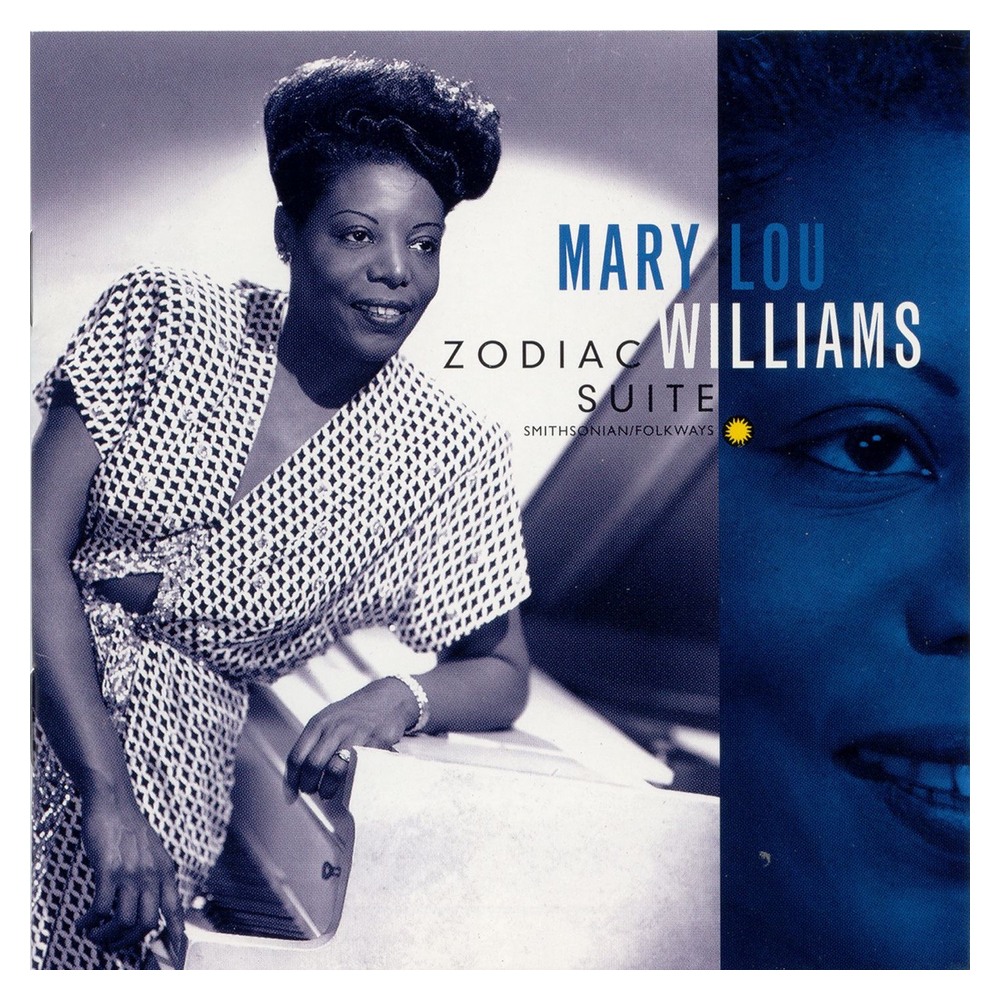
Zodiac Suite
《Zodiac Suite》 is a twelve-movement work composed by Mary Lou Williams in the 1940s, showcasing his broad perspective that bridges swing and modernism. There are multiple recordings available, so it’s important to check orchestration and sessions while listening.
Compare how each movement transforms the personalities of figures and constellations into rhythm and harmony. Following the contrasts between the short pieces makes it clear that Williams was both an arranger and a composer of long-form structures.
Compare how each movement transforms the personalities of figures and constellations into rhythm and harmony. Following the contrasts between the short pieces makes it clear that Williams was both an arranger and a composer of long-form structures.
아티스트 Mary Lou Williams
초연·녹음 시기 1945
형식 12악장 모음곡
핵심 스윙과 모더니즘의 연결
In 《Hot Fives & Sevens》, you can observe the process of soloists moving to the center of the ensemble, while 《Ellington at Fargo, 1940 Live》 allows you to experience the colors of the orchestra. 《Bird and Diz》 and 《Brilliant Corners》 show how melody and structure changed sharply after bebop. Mingus and Bill Evans expand composition and collective breath in different ways, while Alice Coltrane and Mary Lou Williams broaden jazz's spirituality and historical perspective.
Rather than listening to all eight albums at once, try selecting one track from each album and checking the performer credits. Listen to other roles the side musicians took on in different leaders’ albums; this naturally transforms the artist-centric lineage into a network. Since compilations may differ in recording times and release dates, it's also good to check session dates. This map is a starting point for creating your own jazz lineage, rather than a definitive answer list.
Rather than listening to all eight albums at once, try selecting one track from each album and checking the performer credits. Listen to other roles the side musicians took on in different leaders’ albums; this naturally transforms the artist-centric lineage into a network. Since compilations may differ in recording times and release dates, it's also good to check session dates. This map is a starting point for creating your own jazz lineage, rather than a definitive answer list.
한눈에 보기
8개
The Complete Hot Five and Hot Seven Recordings
Louis Armstrong · 2000 · Columbia/Legacy · 초기 재즈 솔로와 스윙 감각
Ellington at Fargo, 1940 Live
Duke Ellington · 1978 · 1940년 파고 실황 · 오케스트레이션과 단원별 음색
Bird and Diz
Charlie Parker & Dizzy Gillespie · 1952 · Verve · 비밥의 선율과 즉흥 대화
Brilliant Corners
Thelonious Monk · 1957 · Riverside · 작곡 구조와 리듬의 여백
Mingus Ah Um
Charles Mingus · 1959 · Columbia · 블루스 전통과 집단 작곡
Portrait in Jazz
Bill Evans Trio · 1960 · Riverside · 피아노 트리오의 상호작용
Journey in Satchidananda
Alice Coltrane · 1971 · Impulse! · 하프·드론과 영적 재즈
Zodiac Suite
Mary Lou Williams · 1945 · 12악장 모음곡 · 스윙과 모더니즘의 연결
이 포스팅은 쿠팡 파트너스 활동의 일환으로, 이에 따른 일정액의 수수료를 제공받습니다.
댓글 0
로그인 후 댓글을 작성할 수 있습니다.
첫 댓글을 남겨보세요.
이런 리스트는 어때요?


이런 리스트도 추천해요


🎲
여기서 멈추기엔 아쉽잖아?
다음에 뭘 볼지 고민하는 시간이 제일 아까워.
주사위가 대신 골라줄게 — 무슨 리스트가 튀어나올지는 굴려봐야 알지.
안 누르면… 평생 궁금하지 않겠어? 👀