Collection
Bossa Nova
2026.09.26
Hidden Original Records Before and After Bossa Nova Got Its Name
Listening to the birth of the genre through songs and arrangements from the 1950s and 60s
If we explain the birth of bossa nova through just one song or one person, we miss the process in which this new rhythm took shape through recordings by various singers, composers, and arrangers. The new guitar that appeared behind the song of Elizeth Cardoso, the restrained singing of Lúcio Alves and Sylvia Telles, and the original compositions by Carlos Lyra and Marcos Valle each recorded the changes before and after the genre acquired its name from different angles.
This list does not repeat well-known masterpieces that have frequently appeared in other introductory lists, and it selects eight actual albums that are useful for understanding the early flow. Alongside the core early LP of João Gilberto, we will look at the works of vocalists, composers, and ensembles to examine how guitar rhythms, pronunciation, harmonies, and arrangements settled into place. It should also be noted that the title and date of digital versions may differ from the physical discs, and this is explained for each item.
This list does not repeat well-known masterpieces that have frequently appeared in other introductory lists, and it selects eight actual albums that are useful for understanding the early flow. Alongside the core early LP of João Gilberto, we will look at the works of vocalists, composers, and ensembles to examine how guitar rhythms, pronunciation, harmonies, and arrangements settled into place. It should also be noted that the title and date of digital versions may differ from the physical discs, and this is explained for each item.

Canção do Amor Demais — Elizeth Cardoso
When listening to 《Canção do Amor Demais》, it’s better to first observe the movements of the arrangement rather than focus on just one representative song. If you listen to the layers of sound, you’ll hear a historical recording where Elizeth Cardoso sings a song by Vinicius and Jobim while João Gilberto’s new guitar rhythm is captured in some tracks. By tuning in as if you're hearing a joke, pay attention to the contrast between the traditional volume of the vocals and the quietly moving guitar behind them. Later, check if the same choices are repeated in other tracks, revealing the order established by Elizeth Cardoso throughout the album.
The linked version can be found on Apple Music/iTunes under Elizeth Cardoso, with a release year of 1958 and the genre is Bossa nova. The original disc and its reissue may have differences in cover, track arrangement, and dates, so I compared the album name and artist together. This list introduces it as a record from the eve of bossa nova where the new guitar rhythm is documented, and the actual credits of contributors can be checked on the linked page.
The linked version can be found on Apple Music/iTunes under Elizeth Cardoso, with a release year of 1958 and the genre is Bossa nova. The original disc and its reissue may have differences in cover, track arrangement, and dates, so I compared the album name and artist together. This list introduces it as a record from the eve of bossa nova where the new guitar rhythm is documented, and the actual credits of contributors can be checked on the linked page.
아티스트 Elizeth Cardoso
표시 발매 연도 1958
형식 음반
표시 장르 Bossa nova
목록 내 맥락 새 기타 리듬이 기록된 보사노바 전야의 음반
감상 포인트 엘리제치 카르도주가 비니시우스와 조빙의 노래를 부르고 주앙 지우베르투의 새로운 기타 리듬이 일부 곡에 기록된 역사적 음반이다.
듣기 팁 전통적인 성량의 보컬과 뒤에서 조용히 움직이는 기타의 대비를 들어보자.
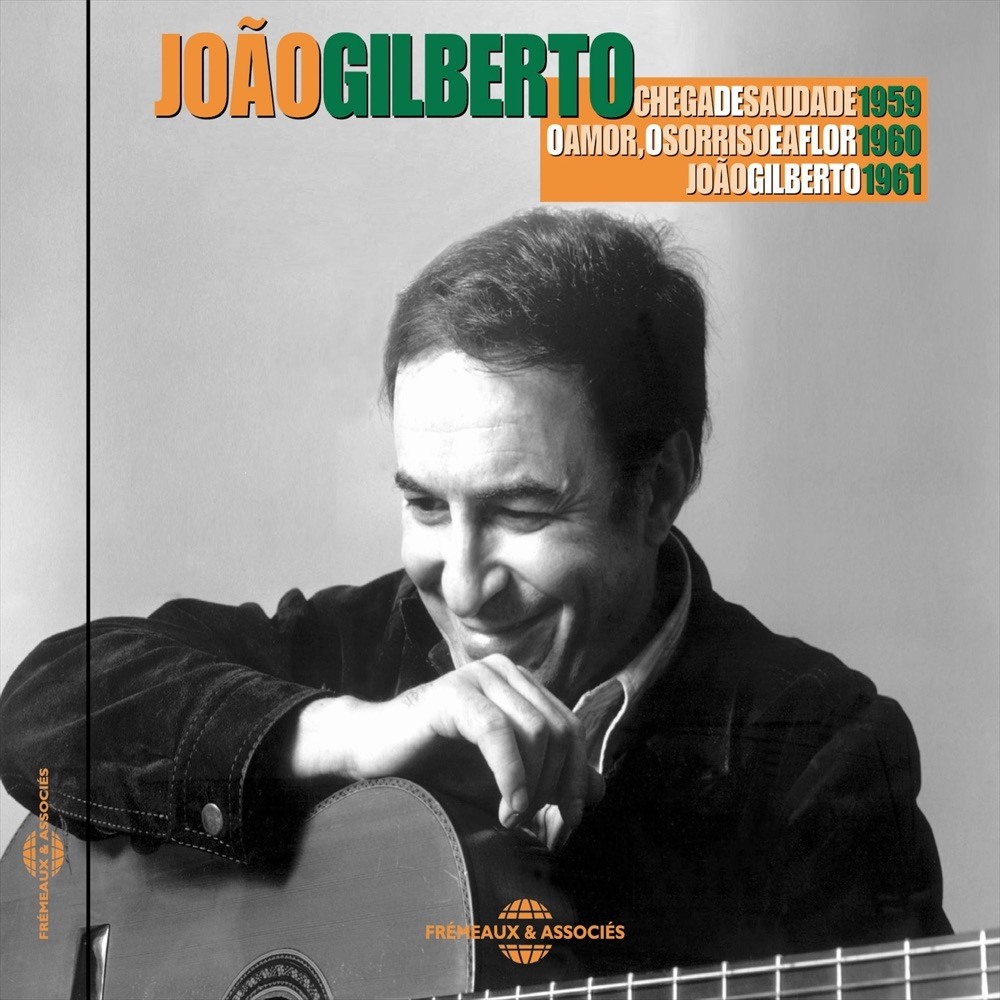
Chega de Saudade / O Amor, o Sorriso e a Flor — João Gilberto
The starting point for appreciating 《Chega de Saudade / O Amor, o Sorriso e a Flor》 lies not in the volume but in how the instruments and voices occupy their spaces. In the flow of the album, we hear a collection of João Gilberto's essential early recordings where low vocals and split guitar rhythms settle into the grammar of the genre. The more you listen, try to follow the patterns where the guitar’s low tones and harmonies suggest different rhythms. Following this process allows you to assess the noted reason for this song being a decisive early record of bossa nova vocals and guitar grammar, without relying solely on the impression of one song.
Data for 《Chega de Saudade / O Amor, o Sorriso e a Flor》 is organized based on the actual album page on Apple Music/iTunes. The artist is João Gilberto, the year is 2012, and the genre listed is Bossa nova. I made clear distinctions to avoid misinterpreting the re-release date as the original recording date, and the list's role as a decisive record of bossa nova vocal and guitar grammar serves as a listening guide rather than an official genre classification by the platform.
Data for 《Chega de Saudade / O Amor, o Sorriso e a Flor》 is organized based on the actual album page on Apple Music/iTunes. The artist is João Gilberto, the year is 2012, and the genre listed is Bossa nova. I made clear distinctions to avoid misinterpreting the re-release date as the original recording date, and the list's role as a decisive record of bossa nova vocal and guitar grammar serves as a listening guide rather than an official genre classification by the platform.
아티스트 João Gilberto
표시 발매 연도 2012
형식 음반
표시 장르 Bossa nova
목록 내 맥락 보사노바 보컬·기타 문법의 결정적 초기 기록
감상 포인트 주앙 지우베르투의 초기 핵심 녹음을 묶은 판본으로 낮은 보컬과 분할된 기타 리듬이 장르의 문법으로 정착하는 과정을 들려준다.
듣기 팁 기타 저음과 화음이 서로 다른 박자를 암시하는 패턴을 따라가 보자.
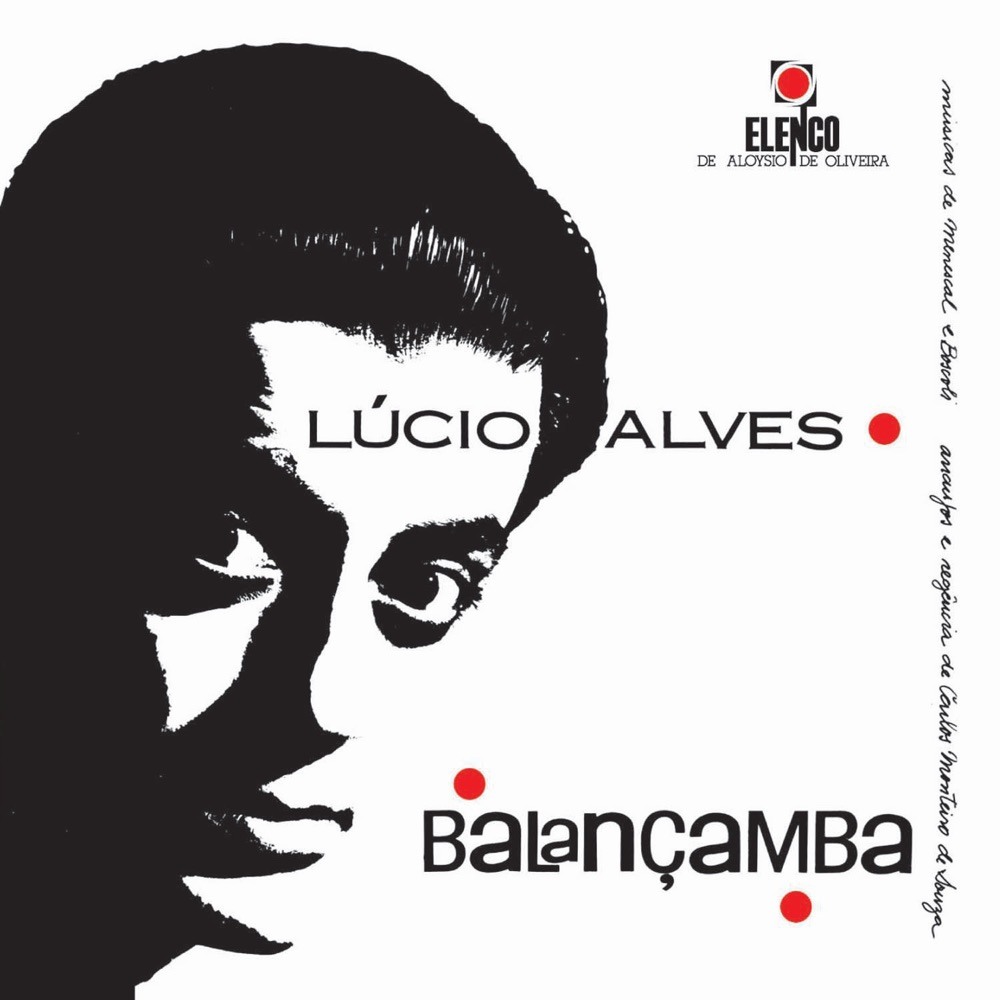
Balancamba — Lúcio Alves
Lúcio Alves's 《Balancamba》 does not maintain the same expression from the first track to the last. By examining the movement of rhythm, Lúcio Alves shows the transition from samba-cancão to bossa nova with his smooth vocals and sophisticated orchestration. When you listen attentively, try to identify the position of the consonants that keep a light rhythm while maintaining a long breath. By picking one fast song and one slow song to compare, the rhythmic design and tonal variations of this work become clearer.
The version linked to Apple Music/iTunes is from 1963 and is credited to Lúcio Alves. The genre assigned by the service is Bossa nova, but this value alone does not define the scope of the music. While checking the differences between the original LP and the digital version, focus on the context of the connection from traditional singing to restrained vocals.
The version linked to Apple Music/iTunes is from 1963 and is credited to Lúcio Alves. The genre assigned by the service is Bossa nova, but this value alone does not define the scope of the music. While checking the differences between the original LP and the digital version, focus on the context of the connection from traditional singing to restrained vocals.
아티스트 Lúcio Alves
표시 발매 연도 1963
형식 음반
표시 장르 Bossa nova
목록 내 맥락 전통 가창에서 절제된 보컬로 향한 연결
감상 포인트 루시우 아우베스가 부드러운 발성과 세련된 오케스트레이션으로 삼바캉상에서 보사노바로 이어지는 변화를 보여준다.
듣기 팁 긴 호흡을 유지하면서도 리듬을 가볍게 만드는 자음의 위치를 확인해보자.
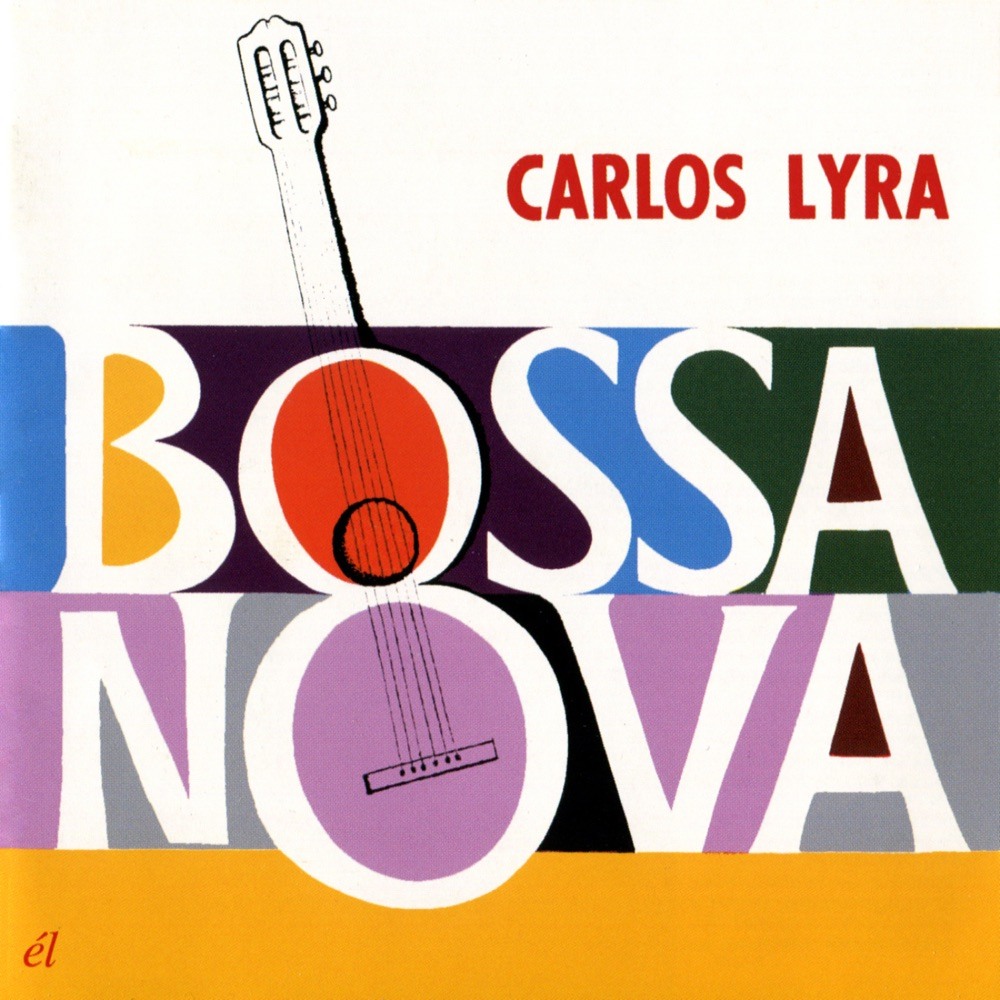
Bossa Nova Carlos Lyra — Carlos Lyra
In 《Bossa Nova Carlos Lyra》, instead of just following the melody, let’s find moments where the accompaniment empties. Listening between the vocals and instruments, Carlos Lyra’s early original songs and guitar and vocals encapsulate urban melodies and the clear composition style of bossa nova. By listening to the back rather than the melody, let’s explore why short melodies are easily remembered even over complex harmonies. Comparing the bass, guitar, and piano around those empty spaces clarifies the role this album plays within the hidden original records before and after bossa nova got its name.
《Bossa Nova Carlos Lyra》 is linked to the 1960 version credited to Carlos Lyra and the genre on Apple Music/iTunes is noted as Música Latina. Old recordings might have different reissue release dates and original release dates, thus the date is noted as 'display year.' By distinguishing the selection criteria of this album as a prototype of early composer-style bossa nova from the actual production credits, you can check both information and appreciation.
《Bossa Nova Carlos Lyra》 is linked to the 1960 version credited to Carlos Lyra and the genre on Apple Music/iTunes is noted as Música Latina. Old recordings might have different reissue release dates and original release dates, thus the date is noted as 'display year.' By distinguishing the selection criteria of this album as a prototype of early composer-style bossa nova from the actual production credits, you can check both information and appreciation.
아티스트 Carlos Lyra
표시 발매 연도 1960
형식 음반
표시 장르 Música Latina
목록 내 맥락 초기 작곡가형 보사노바의 원형
감상 포인트 카를루스 리라의 초기 자작곡과 기타·보컬이 도시적인 선율과 명료한 보사노바 작곡법을 집약한다.
듣기 팁 짧은 멜로디가 복잡한 화성 위에서도 쉽게 기억되는 이유를 들어보자.
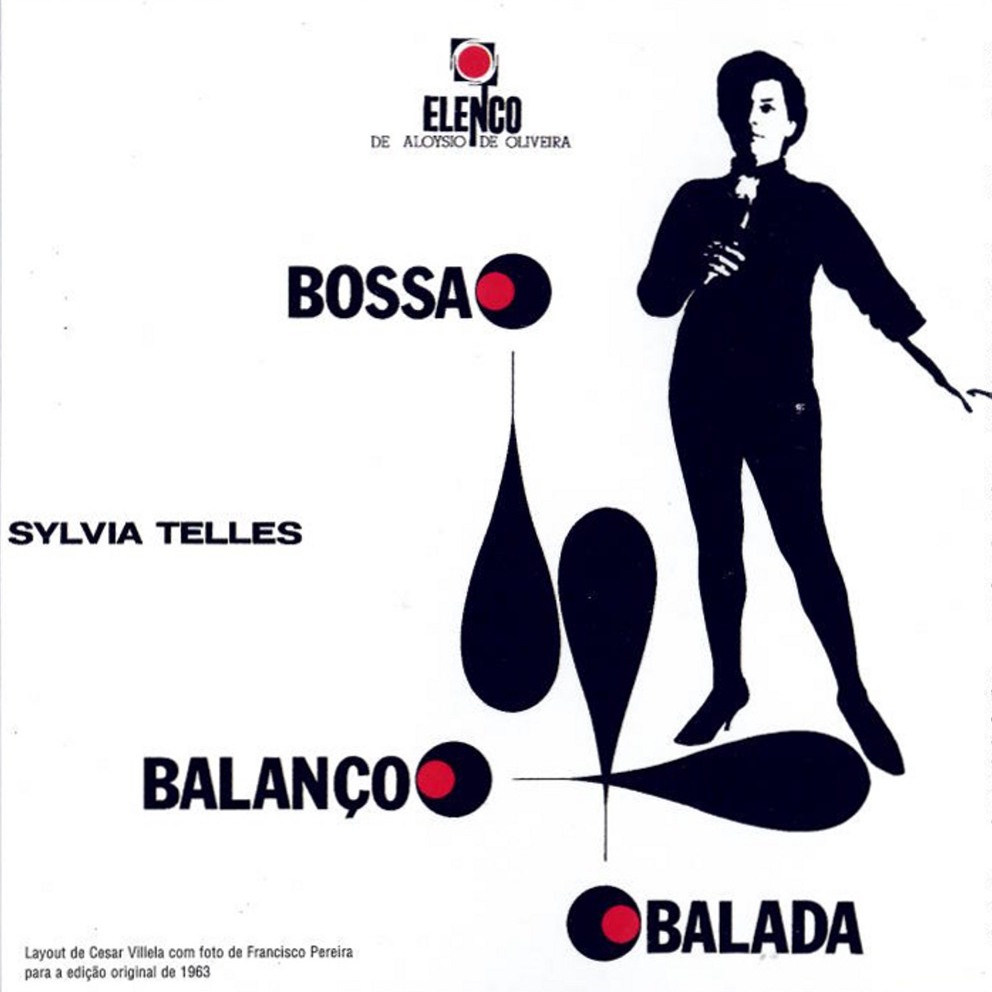
Bossa, Balanço, Balada — Sylvia Telles
The description of 《Bossa, Balanço, Balada》 as a refined sample of early female bossa nova vocals can be verified in its actual sound. Sylvia Telles presents a sophisticated standard for early female bossa nova vocals with her restrained voice and balanced accompaniment. By shifting your focus, observe how she reduces volume at the end of sentences while maintaining pitch and rhythm. If there are different versions of the same song, compare the tempo and phrasing to distinguish Sylvia Telles's unique choices.
The linked version is confirmed on Apple Music/iTunes under Sylvia Telles, with a release year of 1963 and genre Bossa nova. The original disc and its reissue may have differences in cover, track arrangement, and dates, so I compared the album name and artist together. This list introduces it as a refined sample of early female bossa nova vocals, and further participant credits can be verified on the linked page.
The linked version is confirmed on Apple Music/iTunes under Sylvia Telles, with a release year of 1963 and genre Bossa nova. The original disc and its reissue may have differences in cover, track arrangement, and dates, so I compared the album name and artist together. This list introduces it as a refined sample of early female bossa nova vocals, and further participant credits can be verified on the linked page.
아티스트 Sylvia Telles
표시 발매 연도 1963
형식 음반
표시 장르 Bossa nova
목록 내 맥락 초기 여성 보사노바 보컬의 정제된 표본
감상 포인트 실비아 텔리스가 절제된 목소리와 균형 잡힌 반주로 초기 여성 보사노바 보컬의 세련된 기준을 제시한다.
듣기 팁 문장 끝에서 음량을 줄이면서도 음정과 박자를 유지하는 방식을 살펴보자.
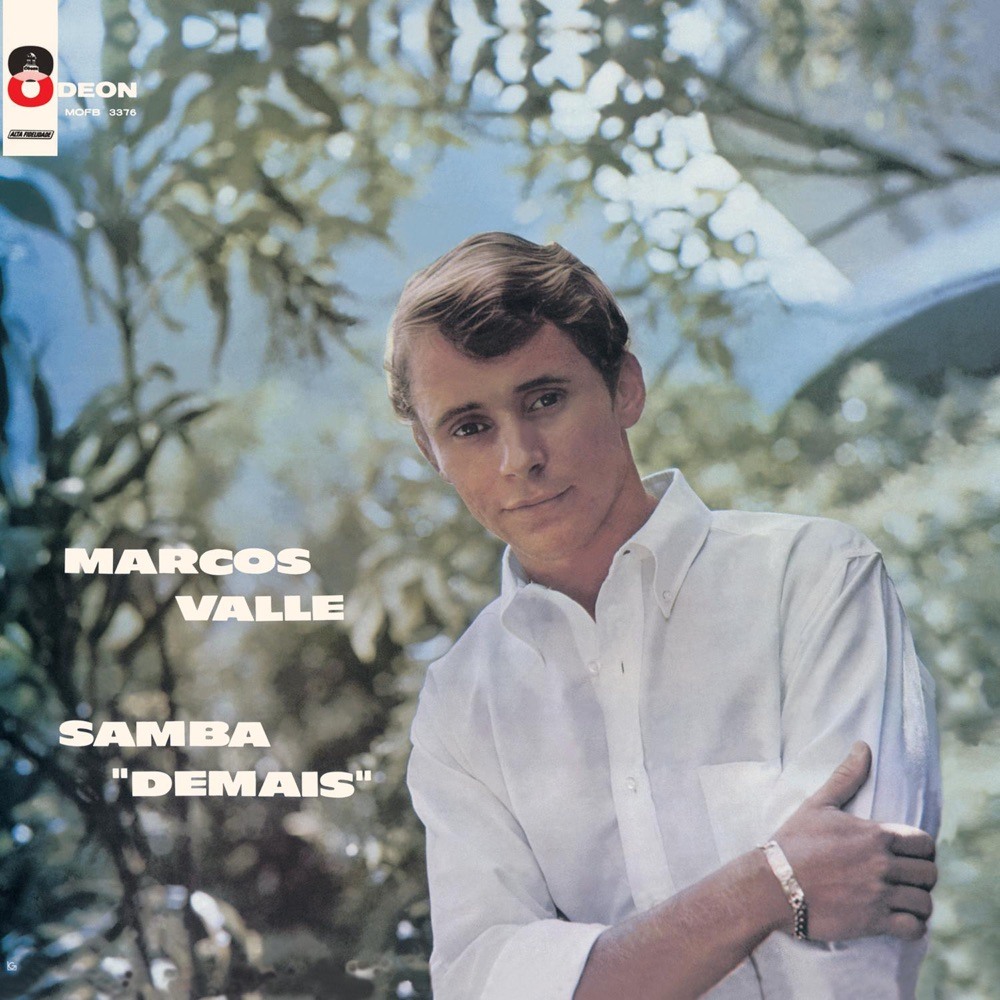
Samba Demais — Marcos Valle
The key to properly listening to 《Samba Demais》 lies in the interaction between the performers rather than the genre name. By slowly following each song, young Marcos Valle’s compositions and vocals carry the early bossa nova dialect into the next generation’s MPB sensibilities. Listen for moments where the familiar guitar rhythm moves unexpectedly with melody and chords. Observing the boundaries where solos begin and end, along with the responses from the rhythm section, clarifies the character of the album.
The data for 《Samba Demais》 is organized based on the actual album page on Apple Music/iTunes. The artist noted is Marcos Valle, with the year being 1963 and the genre listed is MPB. I made distinctions to avoid misinterpreting the re-release date as the original recording date, and the list's role as an album leaning towards the next generation of compositions from early bossa nova serves as a listening guide rather than an official genre classification by the platform.
The data for 《Samba Demais》 is organized based on the actual album page on Apple Music/iTunes. The artist noted is Marcos Valle, with the year being 1963 and the genre listed is MPB. I made distinctions to avoid misinterpreting the re-release date as the original recording date, and the list's role as an album leaning towards the next generation of compositions from early bossa nova serves as a listening guide rather than an official genre classification by the platform.
아티스트 Marcos Valle
표시 발매 연도 1963
형식 음반
표시 장르 MPB
목록 내 맥락 초기 보사노바에서 차세대 작곡으로 향한 음반
감상 포인트 젊은 마르쿠스 발리의 작곡과 보컬이 초기 보사노바의 어법을 다음 세대의 MPB 감각으로 이어간다.
듣기 팁 익숙한 기타 리듬 위에 멜로디와 코드가 예상 밖으로 움직이는 순간을 찾아보자.
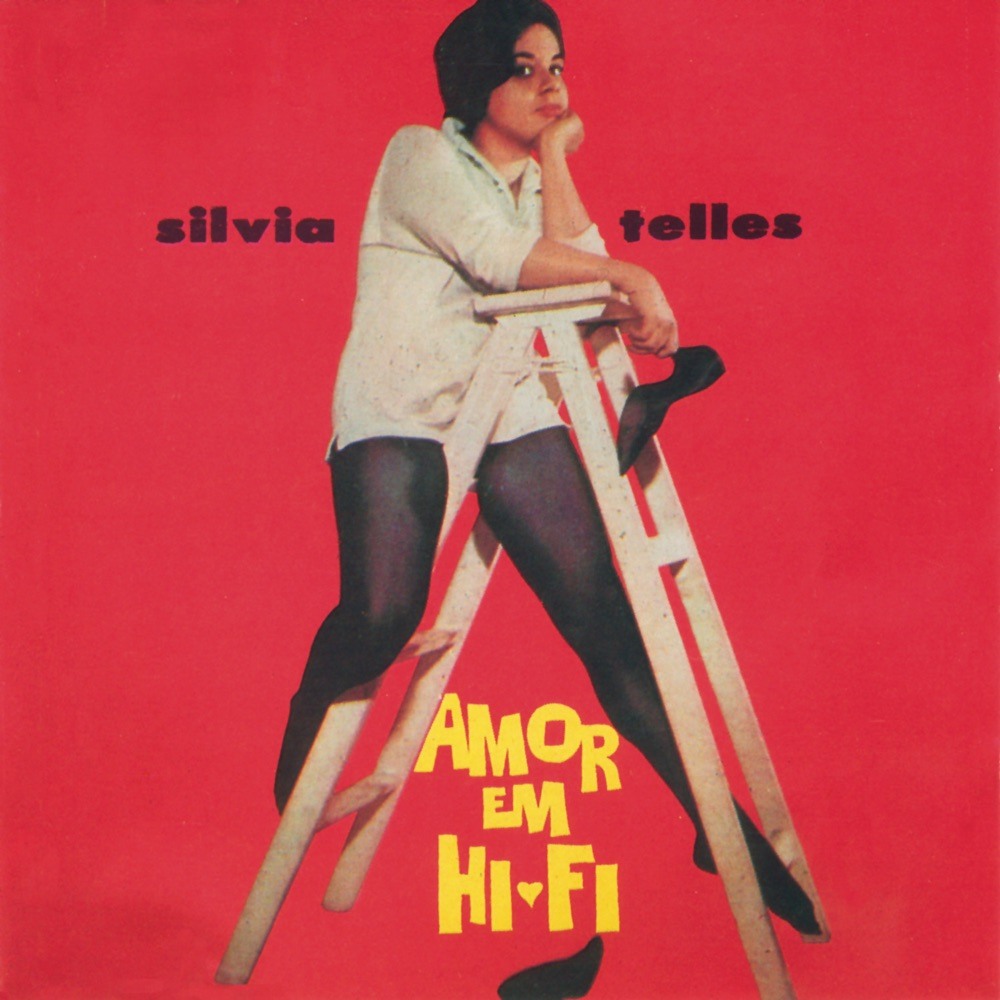
アモール.エン.HI-FI — シルヴィア・テリス
Among the hidden original records before and after bossa nova got its name, 《アモール.エン.HI-FI》 broadens the criteria for comparison. Beyond the first impression, Sylvia Telles distinctly records urban vocals on the eve of bossa nova within the high-quality concept and sophisticated arrangements. When you listen to this album again, check whether the balance between the size of the orchestra and the restraint of the vocals is achieved. By recording the differences in orchestration among the introduction, middle, and final tracks, you can distinguish the elements maintained and changed by シルヴィア・テリス.
The version linked to Apple Music/iTunes is from 1960 and is credited to シルヴィア・テリス. The genre assigned by the service is Pop, but this value alone does not define the scope of the music. By checking the differences between the original LP and the digital version, focus on the context of urban Brazilian vocals in the hi-fi era.
The version linked to Apple Music/iTunes is from 1960 and is credited to シルヴィア・テリス. The genre assigned by the service is Pop, but this value alone does not define the scope of the music. By checking the differences between the original LP and the digital version, focus on the context of urban Brazilian vocals in the hi-fi era.
아티스트 シルヴィア・テリス
표시 발매 연도 1960
형식 음반
표시 장르 Pop
목록 내 맥락 하이파이 시대의 도시적 브라질 보컬
감상 포인트 실비아 텔리스가 고음질 콘셉트와 세련된 편곡 안에서 보사노바 전야의 도시적 보컬을 또렷하게 기록한다.
듣기 팁 관현악의 크기와 보컬의 절제가 균형을 이루는지 들어보자.
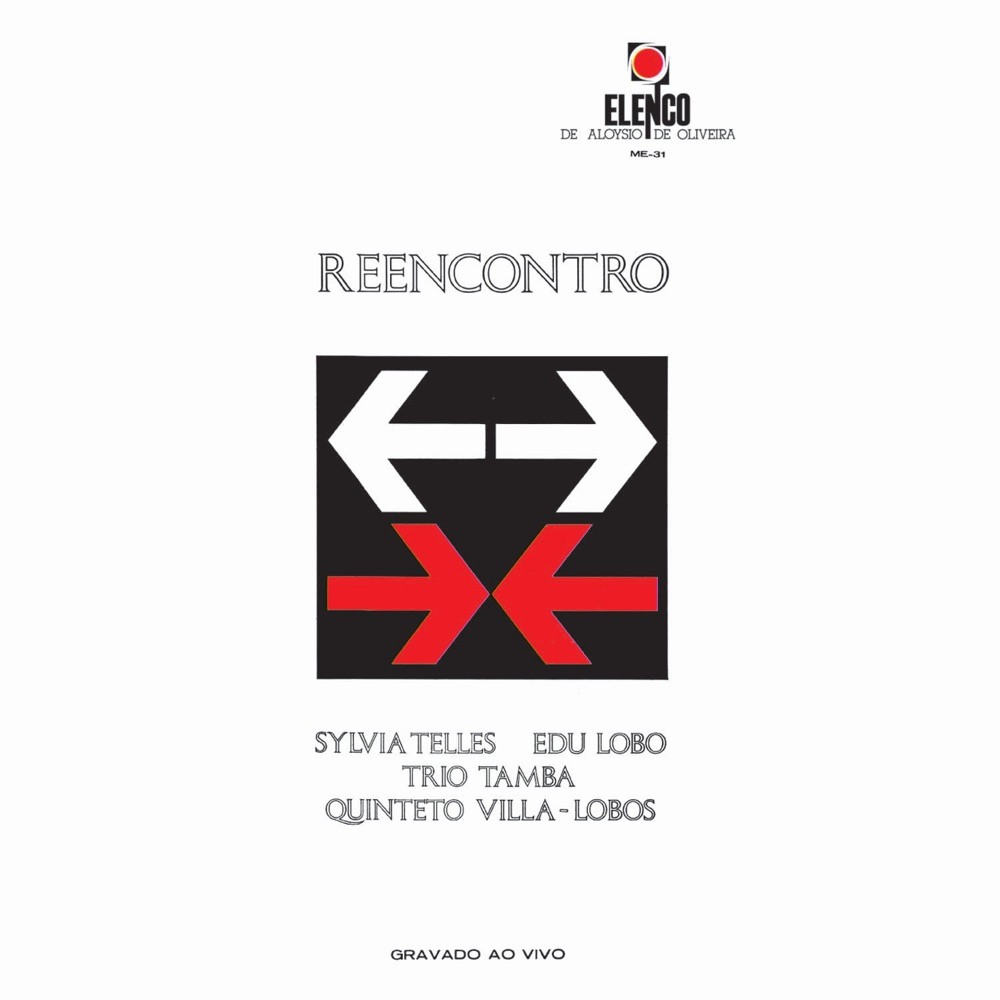
Reencontro — Edu Lobo, Sylvia Telles, Quinteto Villa-Lobos & Tamba Trio
The charm of 《Reencontro》 lies in the inner movement of its rhythm more than its surface softness. Listening as if you’re hearing a joke, Edu Lobo, Sylvia Telles, Tamba Trio, and Quinteto Villa-Lobos together unfold the possibilities of vocals, chamber music, and samba jazz like a stage. By following the flow of the arrangements, check whether the center of the song shifts among voice, piano, and woodwinds as participants change. For repeated listening, it can be helpful to momentarily set the main melody aside and follow the positions of the bass and percussion.
《Reencontro》 is linked to the 1966 version credited to Edu Lobo, Sylvia Telles, Quinteto Villa-Lobos & Tamba Trio, with the genre noted as MPB on Apple Music/iTunes. As you slowly follow one song at a time, note that old recordings may have different reissue release dates and original release dates, and thus the date is noted as 'display year.' By distinguishing the selection criteria as a record of ensemble meeting from early bossa nova connections from actual production credits, you can verify both information and appreciation.
《Reencontro》 is linked to the 1966 version credited to Edu Lobo, Sylvia Telles, Quinteto Villa-Lobos & Tamba Trio, with the genre noted as MPB on Apple Music/iTunes. As you slowly follow one song at a time, note that old recordings may have different reissue release dates and original release dates, and thus the date is noted as 'display year.' By distinguishing the selection criteria as a record of ensemble meeting from early bossa nova connections from actual production credits, you can verify both information and appreciation.
아티스트 Edu Lobo, Sylvia Telles, Quinteto Villa-Lobos & Tamba Trio
표시 발매 연도 1966
형식 음반
표시 장르 MPB
목록 내 맥락 초기 보사노바 인맥이 만난 앙상블 기록
감상 포인트 에두 로부·실비아 텔리스·탐바 트리오·퀸테투 빌라로부스가 만나 보컬, 실내악, 삼바 재즈의 가능성을 한 무대처럼 펼친다.
듣기 팁 참여자가 바뀔 때 곡의 중심이 목소리·피아노·목관 사이에서 이동하는지 확인해보자.
When listening to early records, it’s good to approach them as materials for comparing changes in rhythm and vocalization rather than expecting the clarity and volume of modern recordings. When heard alongside samba and samba-canção from the same period, the moments when the vocals shrink and the guitar’s syncopation comes to the forefront become clearer. Let’s connect an original song with its later covers and note how tempo, intros, and the number of instruments have changed.
'Original' does not mean that one work invented everything; instead, it refers to various records that initially documented a new grammar. Contributions from guitarists and arrangers that might not be prominently noted on the cover are often hidden in the credits, so we should verify participants as much as possible. The indicated years are based on the versions linked to Apple Music and iTunes, and distinguishing between the historical first release year and re-release information can help minimize errors.
'Original' does not mean that one work invented everything; instead, it refers to various records that initially documented a new grammar. Contributions from guitarists and arrangers that might not be prominently noted on the cover are often hidden in the credits, so we should verify participants as much as possible. The indicated years are based on the versions linked to Apple Music and iTunes, and distinguishing between the historical first release year and re-release information can help minimize errors.
한눈에 보기
8개
Canção do Amor Demais — Elizeth Cardoso
Elizeth Cardoso · 1958 · 음반 · Bossa nova · 새 기타 리듬이 기록된 보사노바 전야의 음반 · 엘리제치 카르도주가 비니시우스와 조빙의 노래를 부르고 주앙 지우베르투의 새로운 기타 리듬이 일부 곡에 기록된 역사적 음반이다. · 전통적인 성량의 보컬과 뒤에서 조용히 움직이는 기타의 대비를 들어보자.
Chega de Saudade / O Amor, o Sorriso e a Flor — João Gilberto
João Gilberto · 2012 · 음반 · Bossa nova · 보사노바 보컬·기타 문법의 결정적 초기 기록 · 주앙 지우베르투의 초기 핵심 녹음을 묶은 판본으로 낮은 보컬과 분할된 기타 리듬이 장르의 문법으로 정착하는 과정을 들려준다. · 기타 저음과 화음이 서로 다른 박자를 암시하는 패턴을 따라가 보자.
Balancamba — Lúcio Alves
Lúcio Alves · 1963 · 음반 · Bossa nova · 전통 가창에서 절제된 보컬로 향한 연결 · 루시우 아우베스가 부드러운 발성과 세련된 오케스트레이션으로 삼바캉상에서 보사노바로 이어지는 변화를 보여준다. · 긴 호흡을 유지하면서도 리듬을 가볍게 만드는 자음의 위치를 확인해보자.
Bossa Nova Carlos Lyra — Carlos Lyra
Carlos Lyra · 1960 · 음반 · Música Latina · 초기 작곡가형 보사노바의 원형 · 카를루스 리라의 초기 자작곡과 기타·보컬이 도시적인 선율과 명료한 보사노바 작곡법을 집약한다. · 짧은 멜로디가 복잡한 화성 위에서도 쉽게 기억되는 이유를 들어보자.
Bossa, Balanço, Balada — Sylvia Telles
Sylvia Telles · 1963 · 음반 · Bossa nova · 초기 여성 보사노바 보컬의 정제된 표본 · 실비아 텔리스가 절제된 목소리와 균형 잡힌 반주로 초기 여성 보사노바 보컬의 세련된 기준을 제시한다. · 문장 끝에서 음량을 줄이면서도 음정과 박자를 유지하는 방식을 살펴보자.
Samba Demais — Marcos Valle
Marcos Valle · 1963 · 음반 · MPB · 초기 보사노바에서 차세대 작곡으로 향한 음반 · 젊은 마르쿠스 발리의 작곡과 보컬이 초기 보사노바의 어법을 다음 세대의 MPB 감각으로 이어간다. · 익숙한 기타 리듬 위에 멜로디와 코드가 예상 밖으로 움직이는 순간을 찾아보자.
アモール.エン.HI-FI — シルヴィア・テリス
シルヴィア・テリス · 1960 · 음반 · Pop · 하이파이 시대의 도시적 브라질 보컬 · 실비아 텔리스가 고음질 콘셉트와 세련된 편곡 안에서 보사노바 전야의 도시적 보컬을 또렷하게 기록한다. · 관현악의 크기와 보컬의 절제가 균형을 이루는지 들어보자.
Reencontro — Edu Lobo, Sylvia Telles, Quinteto Villa-Lobos & Tamba Trio
Edu Lobo, Sylvia Telles, Quinteto Villa-Lobos & Tamba Trio · 1966 · 음반 · MPB · 초기 보사노바 인맥이 만난 앙상블 기록 · 에두 로부·실비아 텔리스·탐바 트리오·퀸테투 빌라로부스가 만나 보컬, 실내악, 삼바 재즈의 가능성을 한 무대처럼 펼친다. · 참여자가 바뀔 때 곡의 중심이 목소리·피아노·목관 사이에서 이동하는지 확인해보자.
이 포스팅은 쿠팡 파트너스 활동의 일환으로, 이에 따른 일정액의 수수료를 제공받습니다.
댓글 0
로그인 후 댓글을 작성할 수 있습니다.
첫 댓글을 남겨보세요.
이런 리스트는 어때요?


이런 리스트도 추천해요


🎲
여기서 멈추기엔 아쉽잖아?
다음에 뭘 볼지 고민하는 시간이 제일 아까워.
주사위가 대신 골라줄게 — 무슨 리스트가 튀어나올지는 굴려봐야 알지.
안 누르면… 평생 궁금하지 않겠어? 👀