
Collection
Bossa Nova
2026.09.26
The Definitive Albums Transitioning from Bossa Nova to Soul, Punk, and MPB
A Real Record of 1970s Brazilian Music Expanded by Rhythm and Electric Instruments
After the late 1960s, Brazilian musicians embraced electric pianos, bass, strong drums, and soul vocals while retaining the harmonies and restraint of bossa nova. As a result, quiet guitar rhythms morph into punk's repetitive patterns within the same song, and jazz improvisation connects with the narrative melodies of MPB. If you listen closely to the changes in instruments and rhythms rather than the genre names, the lineage following bossa nova naturally connects.
This list includes eight actual albums ranging from Marcos Valle, Jorge Ben Jor, and João Donato to Arthur Verocai, Azymuth, Banda Black Rio, Edu Lobo, and Copa 7. Although they can't all be categorized strictly as traditional bossa nova albums, they illustrate the path taken as the harmonies, syncopation, and open spaces of the early genre shifted towards soul, punk, samba jazz, and MPB. This list focuses on highlighting the links of change.
This list includes eight actual albums ranging from Marcos Valle, Jorge Ben Jor, and João Donato to Arthur Verocai, Azymuth, Banda Black Rio, Edu Lobo, and Copa 7. Although they can't all be categorized strictly as traditional bossa nova albums, they illustrate the path taken as the harmonies, syncopation, and open spaces of the early genre shifted towards soul, punk, samba jazz, and MPB. This list focuses on highlighting the links of change.
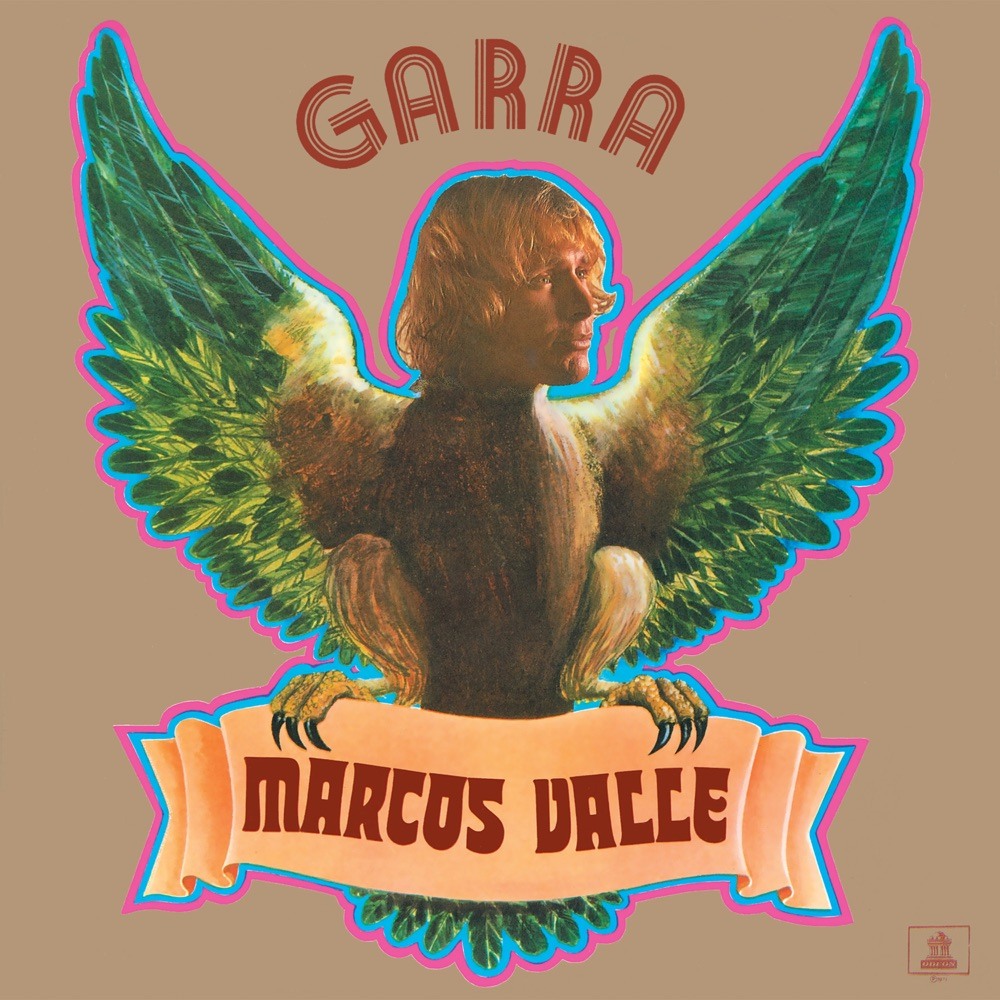
Garra — Marcos Valle
When listening to 《Garra》, it's better to first look at the movements in the arrangements rather than a single standout track. If you listen attentively to the layers of sound, you'll notice that Marcos Valle enriches the bossa nova compositional sensibility with the elasticity of soul vocals and electric instruments, opening the door to MPB in the 1970s. Listen for the temperature difference between the acoustic sections and the strong bass riffs. Afterwards, check if the same choices are repeated in other tracks, revealing the order that Marcos Valle establishes throughout the album.
The connected version is verified on Apple Music/iTunes under Marcos Valle, with a release year of 1971 and a genre of MPB. The original and reissue of 《Garra》 may differ in cover, track arrangement, and dates, so the album name and artist have been contrasted together. This list introduces it based on the transition of a bossa nova composer to soul and MPB, and actual participant credits can be additionally verified on the linked page.
The connected version is verified on Apple Music/iTunes under Marcos Valle, with a release year of 1971 and a genre of MPB. The original and reissue of 《Garra》 may differ in cover, track arrangement, and dates, so the album name and artist have been contrasted together. This list introduces it based on the transition of a bossa nova composer to soul and MPB, and actual participant credits can be additionally verified on the linked page.
아티스트 Marcos Valle
표시 발매 연도 1971
형식 음반
표시 장르 MPB
목록 내 맥락 보사노바 작곡가의 소울·MPB 전환
감상 포인트 마르쿠스 발리가 보사노바 작곡 감각에 소울 보컬과 전기 악기의 탄력을 더해 1970년대 MPB의 문을 연다.
듣기 팁 어쿠스틱한 구간과 강한 베이스 리프가 등장하는 구간의 온도 차이를 들어보자.
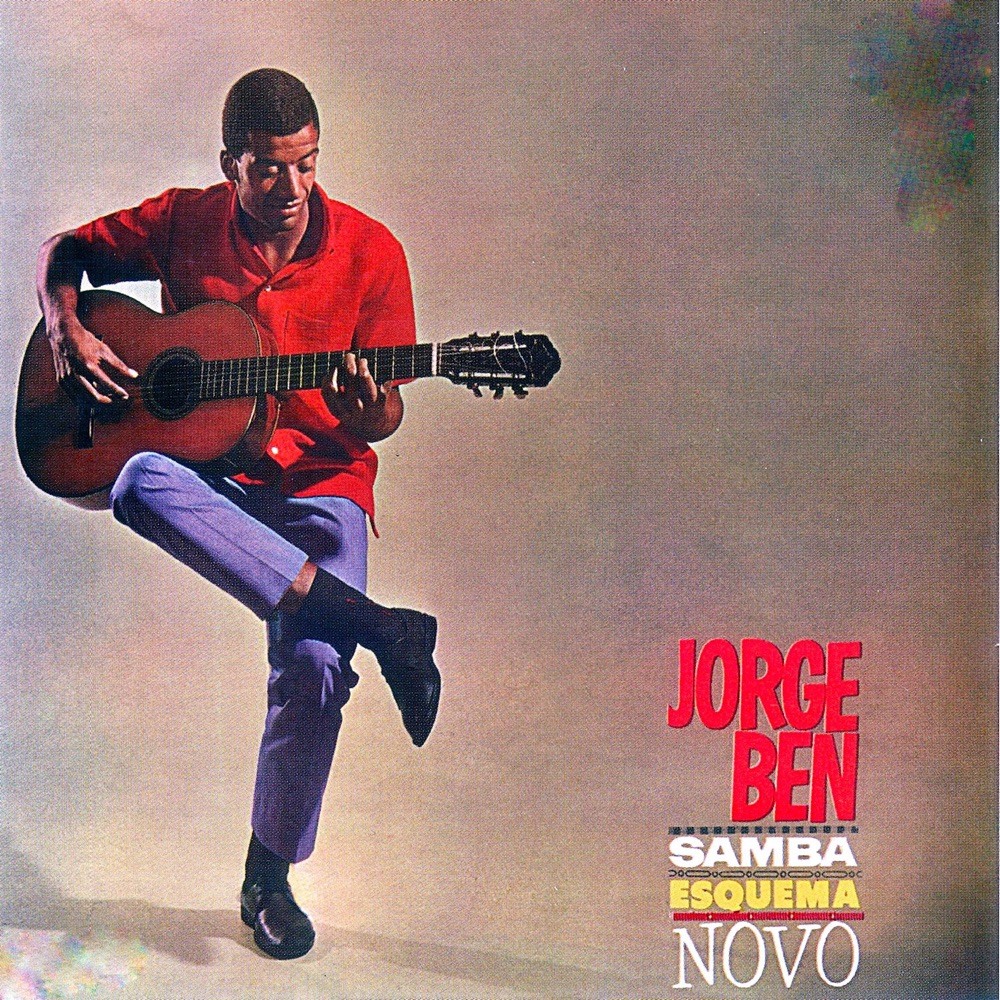
Jorge Ben: Samba Esquema Novo — Jorge Ben Jor
The starting point for enjoying 《Jorge Ben: Samba Esquema Novo》 is not the volume but the way the instruments and voices share space. In the overall flow of the album, Jorge Ben Jor presents a new groove of samba and soul through the unique striking rhythm of the guitar and repetitive singing. The more you listen, try to follow the right-hand pattern of the guitar, which takes on both harmony and percussion roles simultaneously. Following this process allows you to judge the reason for the guitar groove being the starting point of samba soul, without leaning on the impression of a single track.
The data for 《Jorge Ben: Samba Esquema Novo》 is organized based on the actual album page on Apple Music/iTunes. The listed artist is Jorge Ben Jor, the year is 1963, and the service genre designation is Bossa Nova. It has been specified to avoid misunderstanding of the release date as the original recording date, and the list's mention of the guitar groove as the starting point of samba soul serves as appreciation guidance, not as an official genre classification by the platform.
The data for 《Jorge Ben: Samba Esquema Novo》 is organized based on the actual album page on Apple Music/iTunes. The listed artist is Jorge Ben Jor, the year is 1963, and the service genre designation is Bossa Nova. It has been specified to avoid misunderstanding of the release date as the original recording date, and the list's mention of the guitar groove as the starting point of samba soul serves as appreciation guidance, not as an official genre classification by the platform.
아티스트 Jorge Ben Jor
표시 발매 연도 1963
형식 음반
표시 장르 Bossa nova
목록 내 맥락 삼바 소울의 출발점이 된 기타 그루브
감상 포인트 조르지 벤 조르가 기타의 독특한 타격 리듬과 반복적인 노래를 통해 삼바와 소울의 새로운 그루브를 제시한다.
듣기 팁 기타가 화음과 타악기 역할을 동시에 맡는 오른손 패턴을 따라가 보자.
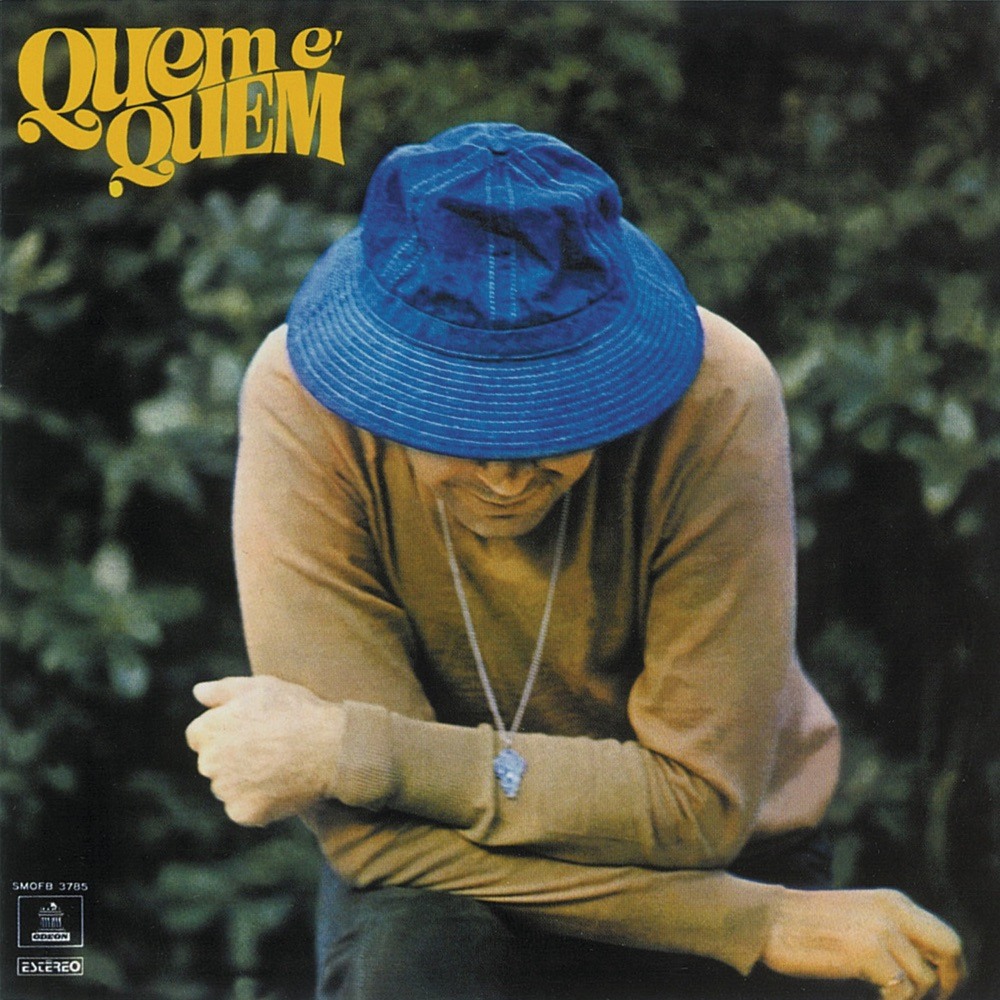
Quem É Quem — João Donato
João Donato's 《Quem É Quem》 doesn't stay in the same expression from the first track to the last. By examining the movement of the rhythms, João Donato transforms the harmonies of bossa nova into funky instrumental music with electric keyboards and a loose rhythm section. When listening consciously to the spaces, check how short keyboard riffs interlock in repetition with the bass and drums. By separating the layers of sound and comparing one fast track with one slow track, the design of rhythm and timbre changes in this work becomes clearer.
The version linked on Apple Music/iTunes indicates that 《Quem É Quem》 is from 1973, credited to João Donato. If you listen closely like you're enjoying a joke, the genre tagged by the service is MPB, but this value alone does not define the music's scope. Focusing on the context of the electrical and funky transformation of bossa nova while checking the differences in the track listings between the original LP and the digital version is key.
The version linked on Apple Music/iTunes indicates that 《Quem É Quem》 is from 1973, credited to João Donato. If you listen closely like you're enjoying a joke, the genre tagged by the service is MPB, but this value alone does not define the music's scope. Focusing on the context of the electrical and funky transformation of bossa nova while checking the differences in the track listings between the original LP and the digital version is key.
아티스트 João Donato
표시 발매 연도 1973
형식 음반
표시 장르 MPB
목록 내 맥락 보사노바 화성의 전기적·펑키한 변형
감상 포인트 주앙 도나투가 전기 건반과 느슨한 리듬 섹션으로 보사노바의 화성을 펑키한 기악 음악으로 바꾼다.
듣기 팁 짧은 건반 리프가 베이스·드럼과 맞물려 반복되는 방식을 확인해보자.
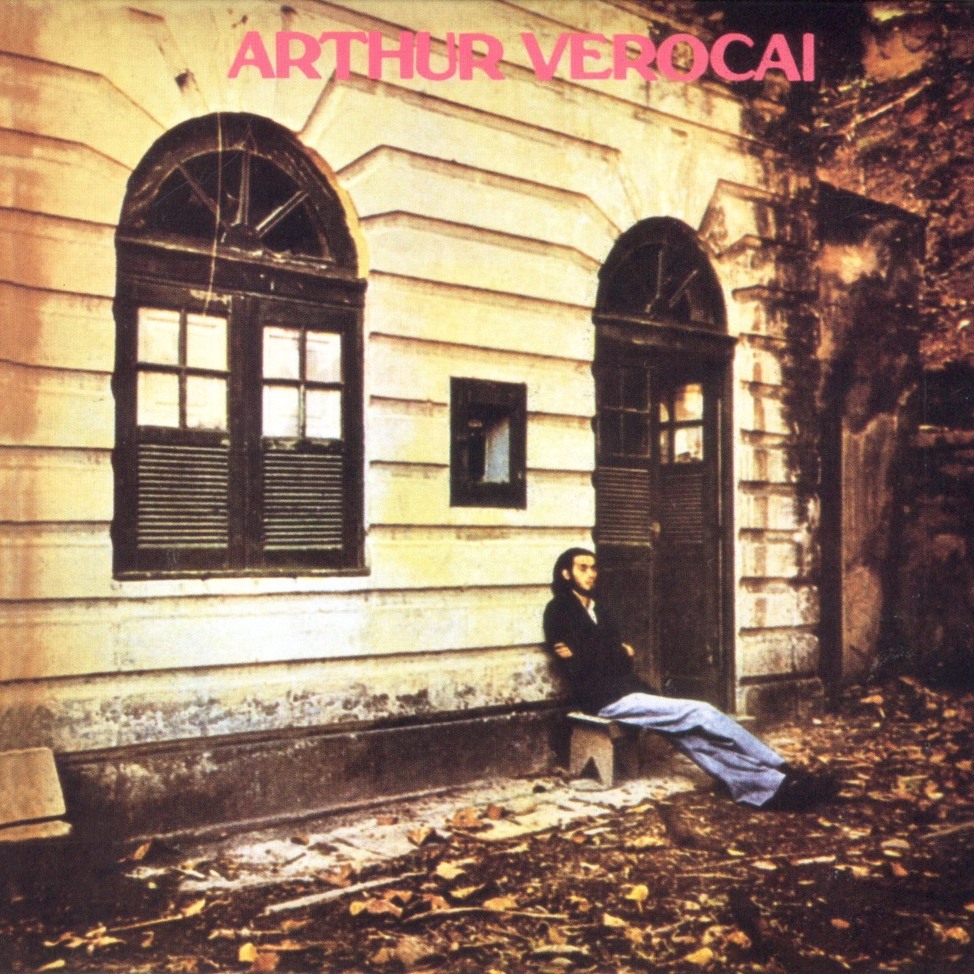
Arthur Verocai — Arthur Verocai
In 《Arthur Verocai》, rather than just following the melody, look for moments when the accompaniment drops out. If you listen between the vocals and instruments, Arthur Verocai boldly overlaps strings, winds, and rhythm sections to create a unique landscape of Brazilian soul and orchestral MPB. If you listen beyond the melody, check if small rhythms from guitars and percussion remain even in the grand orchestration. By comparing the bass, guitar, and piano before and after that space, the role of this album within the crucial transition from bossa nova to soul, punk, and MPB becomes more defined.
《Arthur Verocai》 is attributed to Arthur Verocai from 1972, and the genre listed on Apple Music/iTunes is MPB. In general flow of the album, keep in mind that old recordings may have different remaster release dates and original release dates, so the dates are noted as 'release year'. By distinguishing between the criteria of orchestral arrangement as an expanded Brazilian soul and the actual production credits, both information and appreciation can be verified.
《Arthur Verocai》 is attributed to Arthur Verocai from 1972, and the genre listed on Apple Music/iTunes is MPB. In general flow of the album, keep in mind that old recordings may have different remaster release dates and original release dates, so the dates are noted as 'release year'. By distinguishing between the criteria of orchestral arrangement as an expanded Brazilian soul and the actual production credits, both information and appreciation can be verified.
아티스트 Arthur Verocai
표시 발매 연도 1972
형식 음반
표시 장르 MPB
목록 내 맥락 관현악 편곡으로 확장된 브라질 소울
감상 포인트 아르투르 베로카이가 현악·관악과 리듬 섹션을 대담하게 겹쳐 브라질 소울과 관현악 MPB의 독창적인 풍경을 만든다.
듣기 팁 웅장한 편곡 속에서도 기타와 타악기의 작은 리듬이 남아 있는지 들어보자.
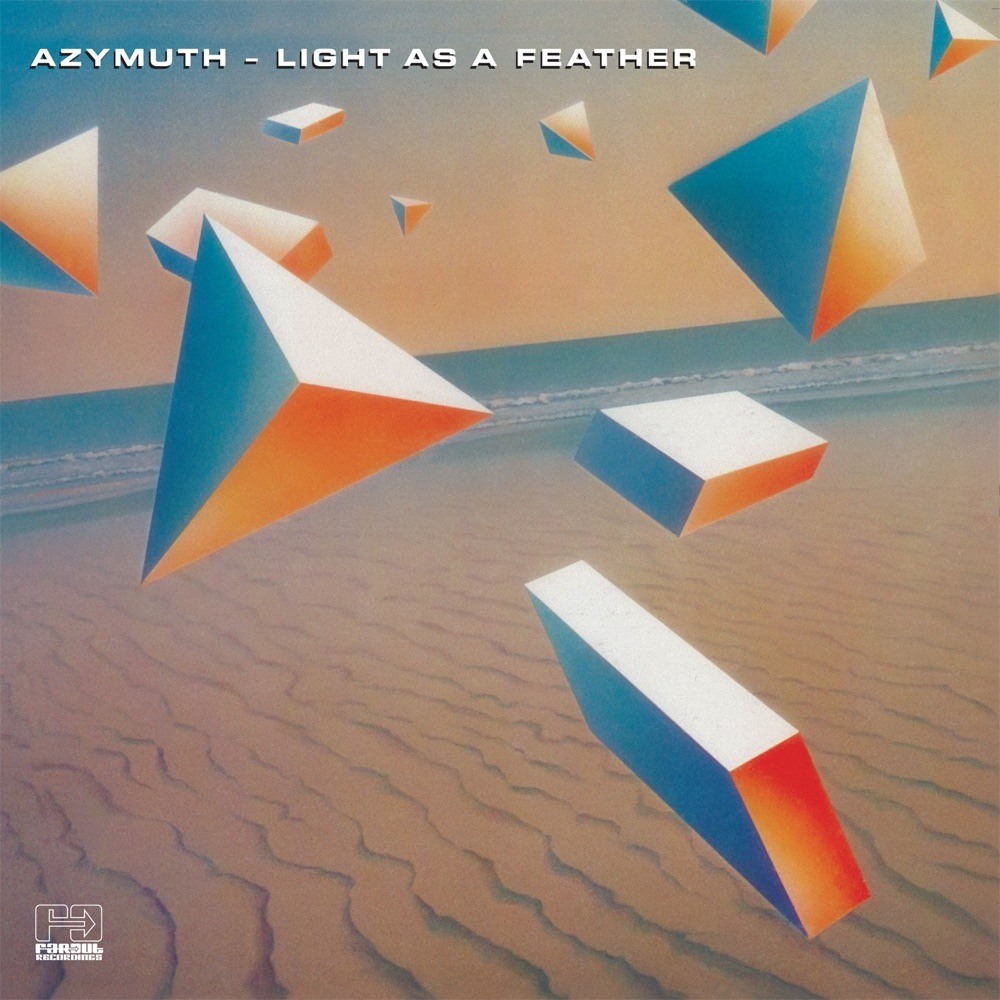
Light as a Feather (Deluxe Edition) — Azymuth
The description of a trio transitioning from samba jazz to fusion can be confirmed in the actual sound of 《Light as a Feather (Deluxe Edition)》. Shifting the focus, Azymuth connects samba jazz with cosmic fusion sounds through electric piano, synthesizers, and bass. Listening from the first track to the last, pay attention to whether the Brazilian accents of the bass and drums are maintained beneath the keyboard solos. If there are other versions of the same track, line up the tempo and phrasing to distinguish Azymuth's unique choices.
The linked version is verified on Apple Music/iTunes under Azymuth, with a release year of 2012 and a genre of Brasileira. If you listen closely, note that the old recordings may have different remaster release and original release dates, so the dates are noted as 'release year'. By distinguishing between the criterion of a combo that connects samba jazz and punk and the actual production credits, both information and appreciation can be verified.
The linked version is verified on Apple Music/iTunes under Azymuth, with a release year of 2012 and a genre of Brasileira. If you listen closely, note that the old recordings may have different remaster release and original release dates, so the dates are noted as 'release year'. By distinguishing between the criterion of a combo that connects samba jazz and punk and the actual production credits, both information and appreciation can be verified.
아티스트 Azymuth
표시 발매 연도 2012
형식 음반
표시 장르 Brasileira
목록 내 맥락 삼바 재즈에서 퓨전으로 향한 트리오
감상 포인트 아지무치가 전기 피아노·신시사이저·베이스로 삼바 재즈를 우주적인 퓨전 사운드에 연결한다.
듣기 팁 키보드 솔로 아래에서 베이스와 드럼의 브라질식 악센트가 유지되는지 살펴보자.
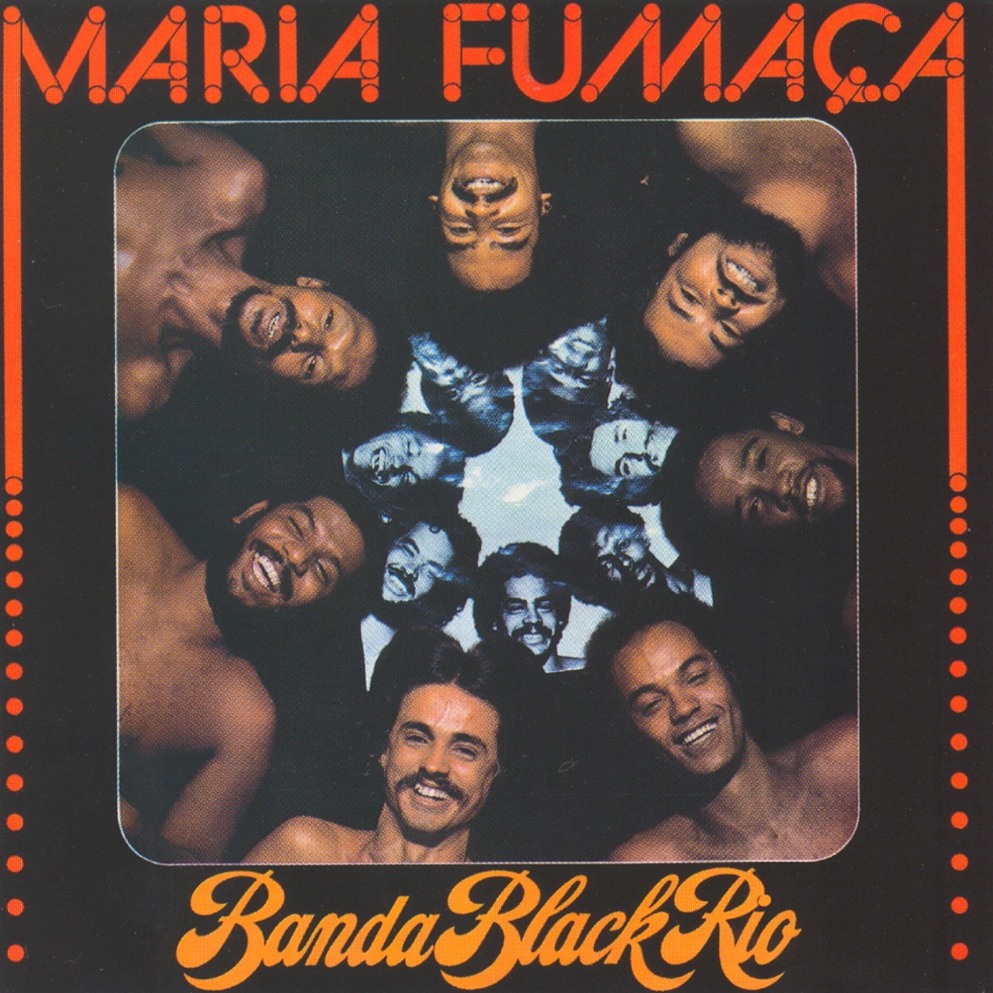
Maria Fumaça — Banda Black Rio
The key to genuinely appreciating 《Maria Fumaça》 lies in the connection among the performers rather than the genre name. Taking each song slowly with Banda, you can see how Black Rio concentrates the collective energy of samba punk by putting wind instruments and a strong rhythm section in the forefront. If you listen closely, check whether the saxophone riffs and bass lines emphasize the same beat differently. Listening between the vocals and instruments, focus on the start and end boundaries of the solos and the rhythm section's response to clarify the character of the album.
The data for 《Maria Fumaça》 is organized based on the actual album page on Apple Music/iTunes. The listed artist is Banda Black Rio, the year is 1977, and the genre designation by the service is MPB. It has been specified to avoid misunderstanding of the release date as the original recording date, and the list's mention of a wind ensemble-centered samba punk serves as appreciation guidance, not as an official genre classification by the platform.
The data for 《Maria Fumaça》 is organized based on the actual album page on Apple Music/iTunes. The listed artist is Banda Black Rio, the year is 1977, and the genre designation by the service is MPB. It has been specified to avoid misunderstanding of the release date as the original recording date, and the list's mention of a wind ensemble-centered samba punk serves as appreciation guidance, not as an official genre classification by the platform.
아티스트 Banda Black Rio
표시 발매 연도 1977
형식 음반
표시 장르 MPB
목록 내 맥락 관악 앙상블 중심의 삼바 펑크
감상 포인트 반다 블랙 히우가 관악기와 강한 리듬 섹션을 앞세워 삼바 펑크의 집단적인 에너지를 집약한다.
듣기 팁 색소폰 리프와 베이스 라인이 같은 박자를 서로 다르게 강조하는지 들어보자.
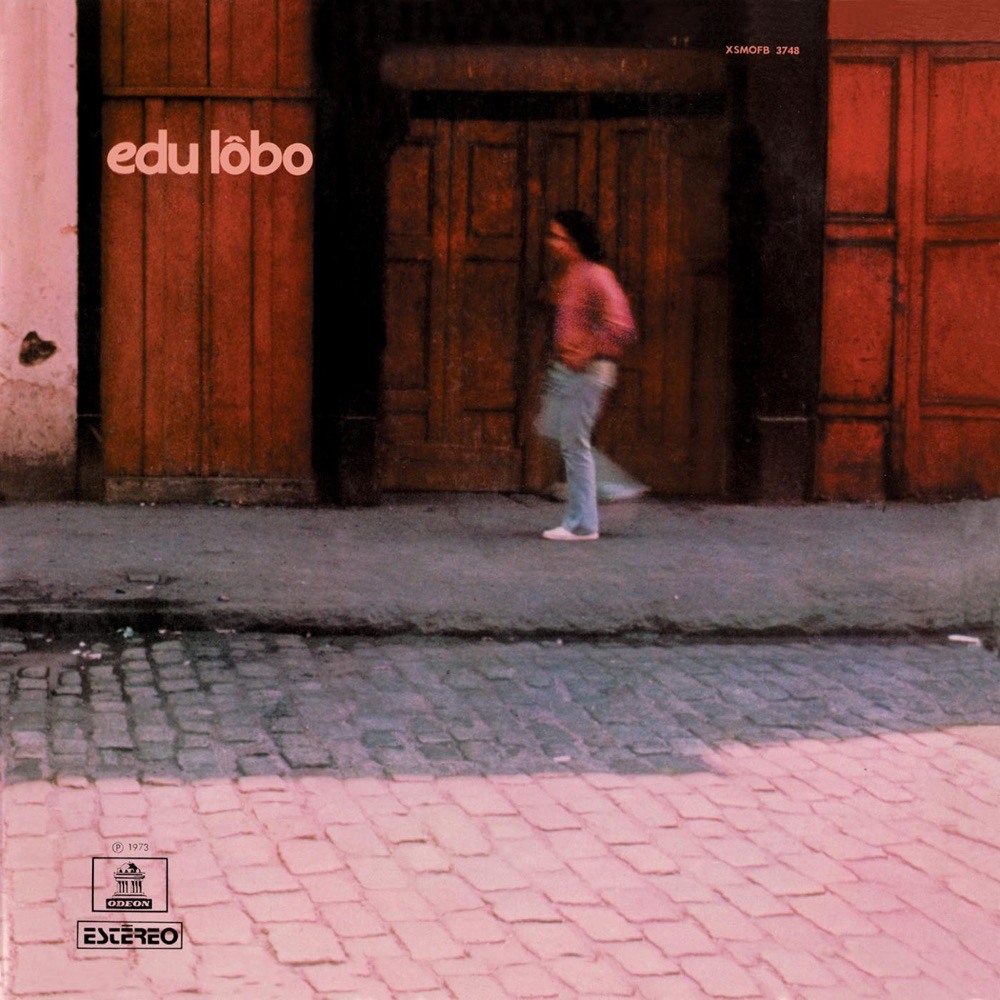
Missa Breve — Edu Lobo
Among the decisive albums transitioning from bossa nova to soul, punk, and MPB, 《Missa Breve》 serves to broaden the context for comparison. Beyond the first impression, Edu Lobo combines chorus, epic composition, and complex Brazilian rhythms to showcase the broad form of MPB after bossa nova. Upon revisiting this album, try to follow the process of melodies repeating and transforming within the short songs and extended structures. By recording the differences in arrangement among the introductory, middle, and final tracks, you will be able to distinguish what Edu Lobo maintained and what he changed.
The version connected to Apple Music/iTunes indicates that 《Missa Breve》 is from 1973, attributed to Edu Lobo. While the genre service assigned is Jazz, this value alone does not decide the music's scope. By checking the differences in the track listings between the original LP and the digital version, you should focus on the context of narrative MPB that has expanded through composition and chorus.
The version connected to Apple Music/iTunes indicates that 《Missa Breve》 is from 1973, attributed to Edu Lobo. While the genre service assigned is Jazz, this value alone does not decide the music's scope. By checking the differences in the track listings between the original LP and the digital version, you should focus on the context of narrative MPB that has expanded through composition and chorus.
아티스트 Edu Lobo
표시 발매 연도 1973
형식 음반
표시 장르 Jazz
목록 내 맥락 작곡과 합창으로 확장된 서사형 MPB
감상 포인트 에두 로부가 합창과 서사적인 작곡, 복합적인 브라질 리듬을 결합해 보사노바 이후 MPB의 넓은 형식을 보여준다.
듣기 팁 짧은 노래와 긴 구성에서 멜로디가 반복·변형되는 과정을 따라가 보자.

O Som do Copa 7, Vol. 1 — Copa 7
The charm of 《O Som do Copa 7, Vol. 1》 lies in the rhythms moving underneath rather than the surface smoothness. If you listen closely like you're enjoying a joke, Copa 7 combines the brass arrangements of samba jazz with the repetitive rhythms of punk to create a club-oriented instrumental sound. Rather than focusing on the solos, follow the flow of the arrangements and listen closely to the sections led by the repetitive riffs. As you slowly follow each song, it’s useful to set aside the main melody temporarily and track the positions of the low-end and percussion during repeated listens.
《O Som do Copa 7, Vol. 1》 is connected as a version attributed to Copa 7 from 1979, and the genre listed on Apple Music/iTunes is Soul. Listening closely, note that old recordings may differ in remaster release dates and original release dates; therefore, the dates are noted as 'release year'. By distinguishing between the criterion of the combo connecting samba jazz and punk and the actual production credits, both information and appreciation can be verified.
《O Som do Copa 7, Vol. 1》 is connected as a version attributed to Copa 7 from 1979, and the genre listed on Apple Music/iTunes is Soul. Listening closely, note that old recordings may differ in remaster release dates and original release dates; therefore, the dates are noted as 'release year'. By distinguishing between the criterion of the combo connecting samba jazz and punk and the actual production credits, both information and appreciation can be verified.
아티스트 Copa 7
표시 발매 연도 1979
형식 음반
표시 장르 Soul
목록 내 맥락 삼바 재즈와 펑크를 잇는 콤보
감상 포인트 코파 7이 삼바 재즈의 관악 편성과 펑크의 반복 리듬을 묶어 클럽 지향적인 기악 사운드를 만든다.
듣기 팁 솔로보다 반복되는 리프가 곡 전체를 이끄는 구간을 집중해서 들어보자.
Listening to these albums in chronological order allows you to feel the process as the split rhythm of the acoustic guitar translates into the repetitive patterns of electric piano and bass. Just because the drums become stronger doesn't mean the traces of bossa nova disappear. By checking the movement of chords, the way vocals keep time, and the spaces left by melodies, you can hear the grammar that connects the new genres.
MPB, samba soul, and Brazilian punk are not entirely separate boxes, and musicians traveled through multiple flows. Therefore, this list aims to show the direction of change rather than pure genre classification. Release years and genres are referenced from Apple Music, and dates for original pressings and reissues may differ. If you find an album you like, follow the credits of participating musicians from the same period to explore other sessions.
MPB, samba soul, and Brazilian punk are not entirely separate boxes, and musicians traveled through multiple flows. Therefore, this list aims to show the direction of change rather than pure genre classification. Release years and genres are referenced from Apple Music, and dates for original pressings and reissues may differ. If you find an album you like, follow the credits of participating musicians from the same period to explore other sessions.
한눈에 보기
8개
Garra — Marcos Valle
Marcos Valle · 1971 · 음반 · MPB · 보사노바 작곡가의 소울·MPB 전환 · 마르쿠스 발리가 보사노바 작곡 감각에 소울 보컬과 전기 악기의 탄력을 더해 1970년대 MPB의 문을 연다. · 어쿠스틱한 구간과 강한 베이스 리프가 등장하는 구간의 온도 차이를 들어보자.
Jorge Ben: Samba Esquema Novo — Jorge Ben Jor
Jorge Ben Jor · 1963 · 음반 · Bossa nova · 삼바 소울의 출발점이 된 기타 그루브 · 조르지 벤 조르가 기타의 독특한 타격 리듬과 반복적인 노래를 통해 삼바와 소울의 새로운 그루브를 제시한다. · 기타가 화음과 타악기 역할을 동시에 맡는 오른손 패턴을 따라가 보자.
Quem É Quem — João Donato
João Donato · 1973 · 음반 · MPB · 보사노바 화성의 전기적·펑키한 변형 · 주앙 도나투가 전기 건반과 느슨한 리듬 섹션으로 보사노바의 화성을 펑키한 기악 음악으로 바꾼다. · 짧은 건반 리프가 베이스·드럼과 맞물려 반복되는 방식을 확인해보자.
Arthur Verocai — Arthur Verocai
Arthur Verocai · 1972 · 음반 · MPB · 관현악 편곡으로 확장된 브라질 소울 · 아르투르 베로카이가 현악·관악과 리듬 섹션을 대담하게 겹쳐 브라질 소울과 관현악 MPB의 독창적인 풍경을 만든다. · 웅장한 편곡 속에서도 기타와 타악기의 작은 리듬이 남아 있는지 들어보자.
Light as a Feather (Deluxe Edition) — Azymuth
Azymuth · 2012 · 음반 · Brasileira · 삼바 재즈에서 퓨전으로 향한 트리오 · 아지무치가 전기 피아노·신시사이저·베이스로 삼바 재즈를 우주적인 퓨전 사운드에 연결한다. · 키보드 솔로 아래에서 베이스와 드럼의 브라질식 악센트가 유지되는지 살펴보자.
Maria Fumaça — Banda Black Rio
Banda Black Rio · 1977 · 음반 · MPB · 관악 앙상블 중심의 삼바 펑크 · 반다 블랙 히우가 관악기와 강한 리듬 섹션을 앞세워 삼바 펑크의 집단적인 에너지를 집약한다. · 색소폰 리프와 베이스 라인이 같은 박자를 서로 다르게 강조하는지 들어보자.
Missa Breve — Edu Lobo
Edu Lobo · 1973 · 음반 · Jazz · 작곡과 합창으로 확장된 서사형 MPB · 에두 로부가 합창과 서사적인 작곡, 복합적인 브라질 리듬을 결합해 보사노바 이후 MPB의 넓은 형식을 보여준다. · 짧은 노래와 긴 구성에서 멜로디가 반복·변형되는 과정을 따라가 보자.
O Som do Copa 7, Vol. 1 — Copa 7
Copa 7 · 1979 · 음반 · Soul · 삼바 재즈와 펑크를 잇는 콤보 · 코파 7이 삼바 재즈의 관악 편성과 펑크의 반복 리듬을 묶어 클럽 지향적인 기악 사운드를 만든다. · 솔로보다 반복되는 리프가 곡 전체를 이끄는 구간을 집중해서 들어보자.
이 포스팅은 쿠팡 파트너스 활동의 일환으로, 이에 따른 일정액의 수수료를 제공받습니다.
댓글 0
로그인 후 댓글을 작성할 수 있습니다.
첫 댓글을 남겨보세요.
이런 리스트는 어때요?


이런 리스트도 추천해요


🎲
여기서 멈추기엔 아쉽잖아?
다음에 뭘 볼지 고민하는 시간이 제일 아까워.
주사위가 대신 골라줄게 — 무슨 리스트가 튀어나올지는 굴려봐야 알지.
안 누르면… 평생 궁금하지 않겠어? 👀
