
Collection
Jazz
2026.09.25
Bossa Nova of the World Made in Each Language Outside Brazil
Actual albums born from the jazz scenes of Japan, Canada, France, the UK, and Europe
After Bossa Nova spread beyond Brazil, musicians from each region didn’t simply copy songs in Portuguese. In Japan, with small acoustic ensembles and intricate recordings, and in North America and Europe, the genre was re-translated through jazz vocals, cool jazz, and pop production styles. The same guitar rhythms can create completely different intimacy and space when the language, accent, and recording culture change.
This list features actual albums from Japanese artists Lisa Ono and Naomi & Goro, Canadian artist Diana Panton, British and American artists Stacey Kent and Karrin Allyson, French group Nouvelle Vague, European jazz artist Dusko Goykovich, and Polish-born British pop vocalist Basia. Instead of just listing nationalities, it explains how each album selected and transformed Bossa Nova's rhythms, harmonies, and singing styles into their own music.
This list features actual albums from Japanese artists Lisa Ono and Naomi & Goro, Canadian artist Diana Panton, British and American artists Stacey Kent and Karrin Allyson, French group Nouvelle Vague, European jazz artist Dusko Goykovich, and Polish-born British pop vocalist Basia. Instead of just listing nationalities, it explains how each album selected and transformed Bossa Nova's rhythms, harmonies, and singing styles into their own music.

To Brazil With Love — Diana Panton
When listening to *To Brazil With Love*, it’s better to first observe the movements of the arrangements rather than focus on a single representative song. Dividing the layers of the Canadian sound reveals that vocalist Diana Panton interprets Brazilian repertoire with a transparent tone and small jazz ensemble. If you listen closely as if eavesdropping on a conversation, pay attention to the distance between words and instruments in this quiet mix where vocals do not dominate. Then, check if the same choice is repeated in other tracks to reveal the order Panton established throughout the album.
The connected version can be confirmed on Apple Music/iTunes, featuring Diana Panton, released in 2011, in the Jazz genre. The original and reissued versions of *To Brazil With Love* may differ in cover, track arrangement, and dates, so I compared the album name and artist. In this list, it is introduced as a Brazilian songbook from Canadian jazz vocals, and the actual participant credits can be further confirmed on the connecting page.
The connected version can be confirmed on Apple Music/iTunes, featuring Diana Panton, released in 2011, in the Jazz genre. The original and reissued versions of *To Brazil With Love* may differ in cover, track arrangement, and dates, so I compared the album name and artist. In this list, it is introduced as a Brazilian songbook from Canadian jazz vocals, and the actual participant credits can be further confirmed on the connecting page.
아티스트 Diana Panton
표시 발매 연도 2011
형식 음반
표시 장르 Jazz
목록 내 맥락 캐나다 재즈 보컬의 브라질 송북
감상 포인트 캐나다 보컬리스트 다이애나 팬턴이 브라질 레퍼토리를 투명한 음색과 작은 재즈 편성으로 해석한 음반이다.
듣기 팁 보컬이 반주보다 앞으로 나오지 않는 조용한 믹스에서 단어와 악기의 거리를 들어보자.
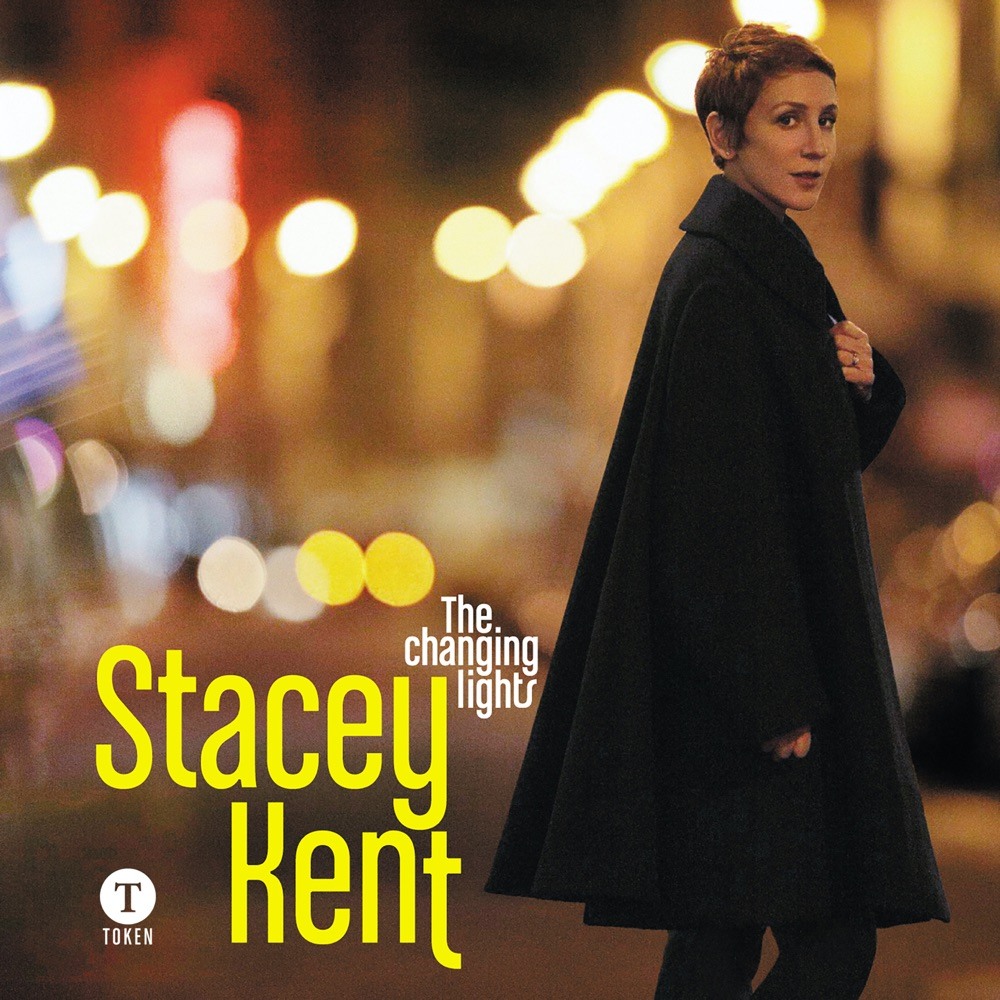
The Changing Lights (Bonus Edition) — Stacey Kent
The entry point to appreciating *The Changing Lights (Bonus Edition)* isn’t volume but rather how instruments and voices share space. Throughout the album, Stacey Kent collaborates with Brazilian composers, connecting English and Portuguese songs in a modern jazz vocal flow. As you listen repeatedly, look for the parts where the saxophone and vocals alternate on the same melody. Following this process allows for a judgement of the blend of British and American jazz vocals with Brazilian composition without relying solely on the impact of a single song.
The data for *The Changing Lights (Bonus Edition)* is organized based on the actual album page on Apple Music/iTunes. The featured artist is Stacey Kent, the year is 2013, and the genre listed is Jazz. I made sure to distinguish the reissue date from the original recording date, and the role of the British and American jazz vocals meeting Brazilian composition is meant as a listening guide and not an official genre classification by the platform.
The data for *The Changing Lights (Bonus Edition)* is organized based on the actual album page on Apple Music/iTunes. The featured artist is Stacey Kent, the year is 2013, and the genre listed is Jazz. I made sure to distinguish the reissue date from the original recording date, and the role of the British and American jazz vocals meeting Brazilian composition is meant as a listening guide and not an official genre classification by the platform.
아티스트 Stacey Kent
표시 발매 연도 2013
형식 음반
표시 장르 Jazz
목록 내 맥락 영미권 재즈 보컬과 브라질 작곡의 만남
감상 포인트 스테이시 켄트가 브라질 작곡가들과 협업하며 영어·포르투갈어 노래를 현대 재즈 보컬의 흐름으로 연결한다.
듣기 팁 색소폰과 보컬이 같은 멜로디를 번갈아 말하는 부분을 찾아보자.
Bossa Nova Songbook 1 — naomi & goro
naomi & goro's *Bossa Nova Songbook 1* doesn’t maintain the same expression from the first to the last track. Observing the movements in rhythm, the Japanese duo has compiled Bossa Nova standards with a minimalist arrangement centered around guitar and low vocals. Listening with awareness of the spaces, pay attention to how a single guitar shares bass and harmony while the vocals lean into the rhythm. In *Bossa Nova Songbook 1*, separating the sound layers and comparing fast and slow songs clearly highlights the rhythm design and tonal changes of this work.
The linked version of *Bossa Nova Songbook 1* on Apple Music/iTunes is listed under naomi & goro, with a release year of 2008. Listening closely as if eavesdropping reveals the genre listed as Música do mundo, but this alone does not definitively sketch the scope of the music. You can check the differences in the track listings between the original LP and digital version while focusing on the context of this Japanese acoustic duo's Bossa Nova songbook.
The linked version of *Bossa Nova Songbook 1* on Apple Music/iTunes is listed under naomi & goro, with a release year of 2008. Listening closely as if eavesdropping reveals the genre listed as Música do mundo, but this alone does not definitively sketch the scope of the music. You can check the differences in the track listings between the original LP and digital version while focusing on the context of this Japanese acoustic duo's Bossa Nova songbook.
아티스트 naomi & goro
표시 발매 연도 2008
형식 음반
표시 장르 Música do mundo
목록 내 맥락 일본 어쿠스틱 듀오의 보사노바 송북
감상 포인트 일본 듀오 나오미 앤 고로가 기타와 낮은 보컬 중심의 미니멀한 편성으로 보사노바 스탠더드를 정리했다.
듣기 팁 기타 한 대가 베이스와 화음을 나누는 동안 보컬이 박자에 어떻게 기대는지 들어보자.
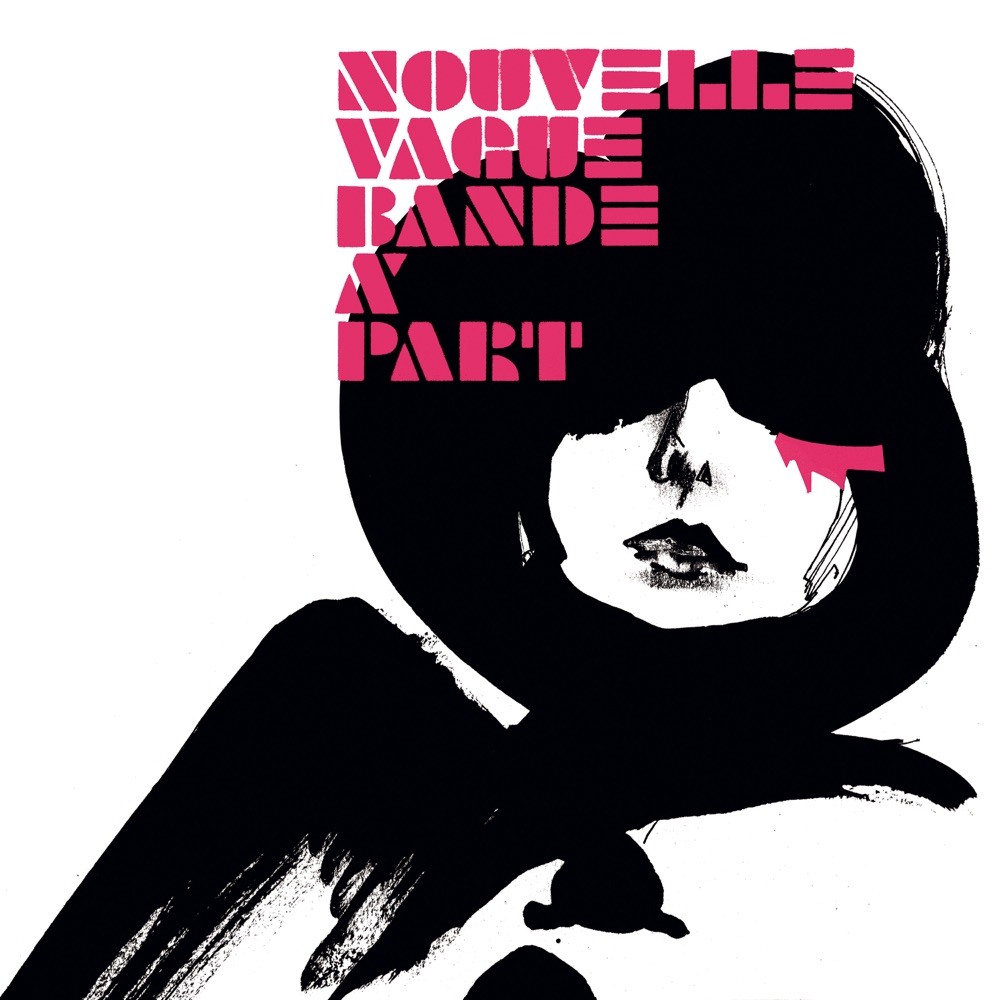
Bande à Part — Nouvelle Vague
*Bande à Part* invites us to seek out moments of emptying within the accompaniment rather than just following the melody. Listening between the vocals and instruments, the French project Nouvelle Vague transforms rock and new wave songs into Bossa Nova-style guitar and vocals, creating genre contrasts. By focusing less on the melody, compare how the rough rhythms of the original piece remain in the gentle arrangements. Comparing the bass, guitar, and piano before and after those breaths helps clarify the role of this album in the world of Bossa Nova created in each musician's own language outside of Brazil.
*Bande à Part* is connected to the 2006 edition by Nouvelle Vague, and the genre on Apple Music/iTunes is Pop. In *Bande à Part*, as the overall flow of the album might differ in release dates between remastered and original recordings, I indicated the ‘display year’ for clarity. Distinguishing the selection criteria of a French Bossa Nova cover project and the actual production credits allows for both information and appreciation to be verified.
*Bande à Part* is connected to the 2006 edition by Nouvelle Vague, and the genre on Apple Music/iTunes is Pop. In *Bande à Part*, as the overall flow of the album might differ in release dates between remastered and original recordings, I indicated the ‘display year’ for clarity. Distinguishing the selection criteria of a French Bossa Nova cover project and the actual production credits allows for both information and appreciation to be verified.
아티스트 Nouvelle Vague
표시 발매 연도 2006
형식 음반
표시 장르 Pop
목록 내 맥락 프랑스식 보사노바 커버 프로젝트
감상 포인트 프랑스 프로젝트 누벨 바그가 록과 뉴웨이브 곡을 보사노바풍 기타·보컬로 바꾸며 장르적 대비를 만든다.
듣기 팁 원곡의 거친 리듬이 부드러운 편곡에서 어떤 멜로디로 남는지 비교해보자.
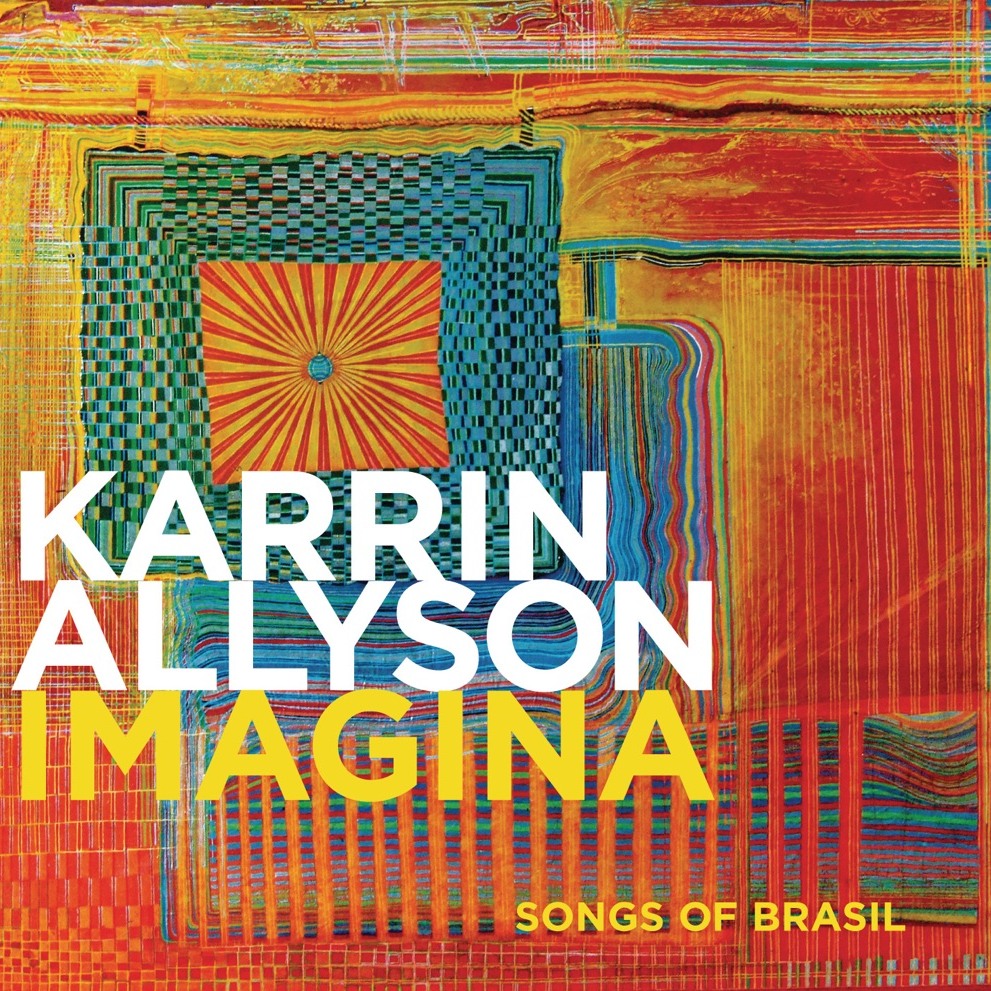
Imagina: Songs of Brasil — Karrin Allyson
The exploration of Brazilian music by American jazz vocals is evident in the rich sound of *Imagina: Songs of Brasil*. Changing focus reveals that American jazz vocalist Karrin Allyson deeply interprets the works of Brazilian composers with different languages and arrangements. As you listen from the first to the last track, observe how the phrasing density changes between the Portuguese vocals and instrumental segments. If there are alternate versions of the same song, juxtapose the tempo and phrasing to differentiate Karrin Allyson’s choices.
The linked version is confirmed on Apple Music/iTunes, featuring Karrin Allyson, with a release year of 2008 in the Jazz Latino genre. The original and reissue versions of *Imagina: Songs of Brasil* may differ in cover, track arrangement, and dates, so I compared the album name and artist. In this list, it is introduced based on the exploration of Brazilian music by American jazz vocals, while actual participant credits can be found on the connecting page.
The linked version is confirmed on Apple Music/iTunes, featuring Karrin Allyson, with a release year of 2008 in the Jazz Latino genre. The original and reissue versions of *Imagina: Songs of Brasil* may differ in cover, track arrangement, and dates, so I compared the album name and artist. In this list, it is introduced based on the exploration of Brazilian music by American jazz vocals, while actual participant credits can be found on the connecting page.
아티스트 Karrin Allyson
표시 발매 연도 2008
형식 음반
표시 장르 Jazz latino
목록 내 맥락 미국 재즈 보컬의 브라질 음악 탐구
감상 포인트 미국 재즈 보컬리스트 카린 앨리슨이 브라질 작곡가들의 곡을 언어와 편성을 달리하며 깊이 있게 해석한다.
듣기 팁 포르투갈어 보컬과 기악 구간에서 프레이징의 밀도가 어떻게 달라지는지 살펴보자.
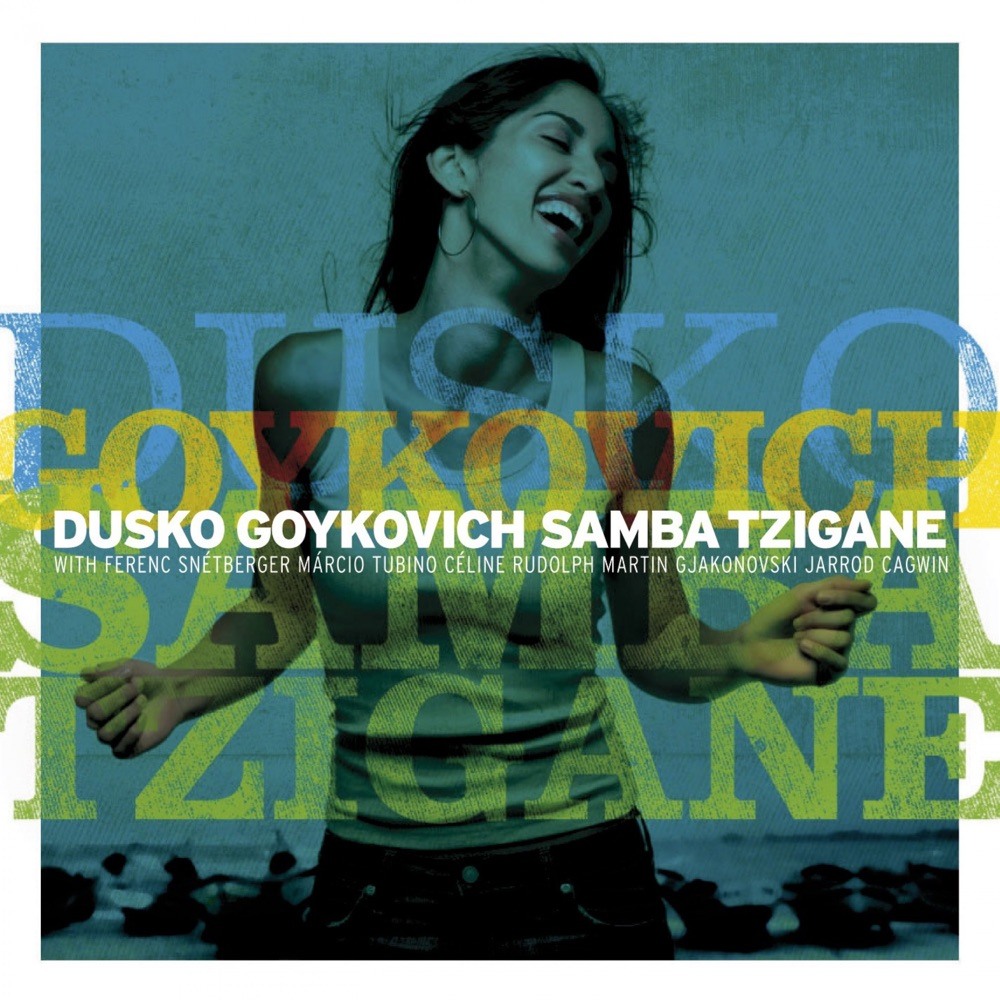
Samba Tzigane — Dusko Goykovich
The key to properly listening to *Samba Tzigane* lies in the interplay between the musicians rather than the genre name itself. Following each track slowly reveals how Serbian trumpeter Dusko Goykovich connects the colors of European jazz with the rhythms of samba and bossa nova. Listening closely, pay attention to how the trumpet's long notes maintain balance over the intricate patterns of percussion. In *Samba Tzigane*, delve into the spaces between vocals and instruments—observing the boundaries where solos start and end and how the rhythm section responds makes the character of the album clearer.
The data for *Samba Tzigane* is organized based on the actual album page on Apple Music/iTunes. The featured artist is Dusko Goykovich, and the year is 2006 with the genre listed as Jazz. I made sure to clarify the release date from the original recording date to avoid misunderstandings, and the role of the combination of European jazz brass with Brazilian rhythms is meant as a listening guide, not an official genre classification by the platform.
The data for *Samba Tzigane* is organized based on the actual album page on Apple Music/iTunes. The featured artist is Dusko Goykovich, and the year is 2006 with the genre listed as Jazz. I made sure to clarify the release date from the original recording date to avoid misunderstandings, and the role of the combination of European jazz brass with Brazilian rhythms is meant as a listening guide, not an official genre classification by the platform.
아티스트 Dusko Goykovich
표시 발매 연도 2006
형식 음반
표시 장르 Jazz
목록 내 맥락 유럽 재즈 브라스와 브라질 리듬의 결합
감상 포인트 세르비아 출신 트럼펫 연주자 두슈코 고이코비치가 유럽 재즈의 음색과 삼바·보사노바 리듬을 연결한다.
듣기 팁 트럼펫의 긴 음이 타악기의 촘촘한 패턴 위에서 어떻게 균형을 잡는지 들어보자.
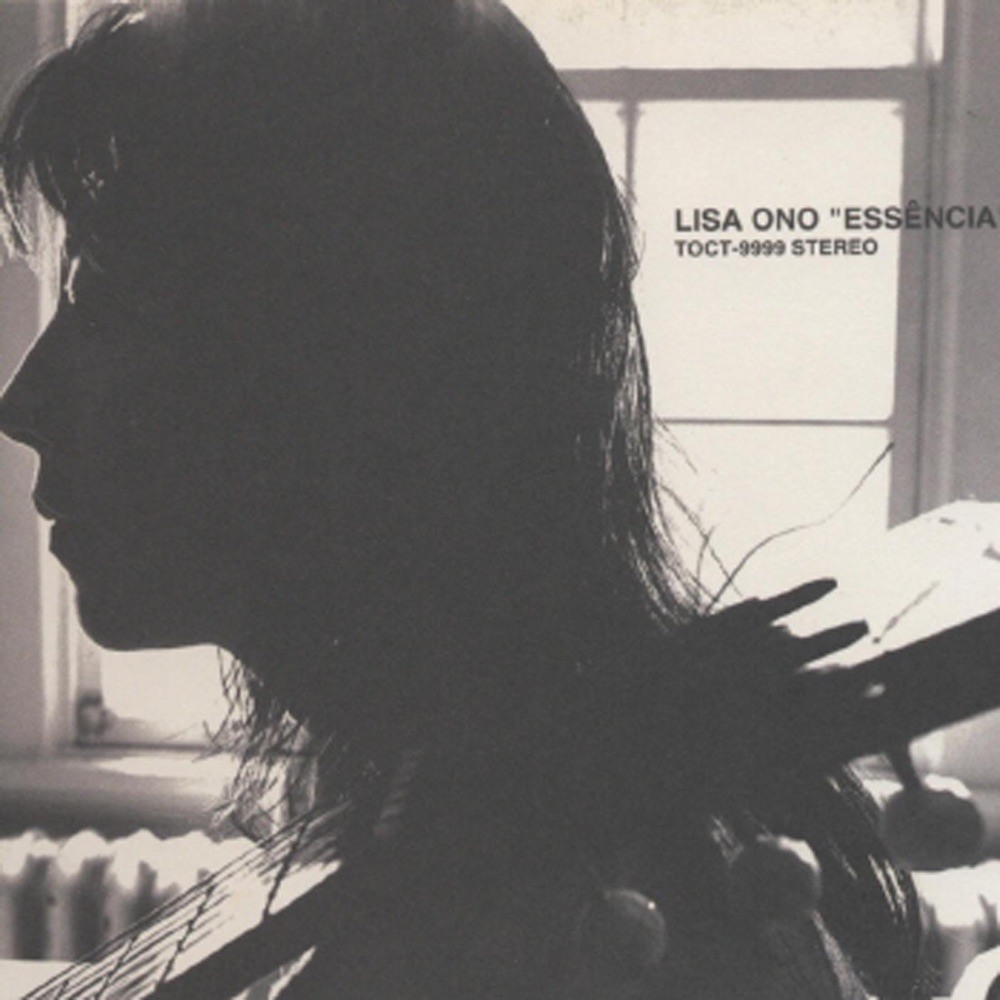
Essencia — Lisa Ono
In the world of Bossa Nova created in each language outside Brazil, *Essencia* widens the comparison criteria. Looking beyond the first impression, Japanese artist Lisa Ono connects Bossa Nova with an international pop sensibility through multilingual vocals and sophisticated acoustic arrangements. When you listen to this album again, check if the vocal emphasis and guitar accompaniment shift when the language changes. By noting the differences in the arrangements of the introductory, middle, and final tracks, you can distinguish between the elements Lisa Ono maintained and those she altered.
The linked version of *Essencia* on Apple Music/iTunes is listed under Lisa Ono with a release year of 1997. While the genre listed is Japão, this does not strictly define the scope of the music. You can validate the differences in track listings between the original LP and digital version while focusing on the context of the global interpretation of Bossa Nova by the Japanese vocalist.
The linked version of *Essencia* on Apple Music/iTunes is listed under Lisa Ono with a release year of 1997. While the genre listed is Japão, this does not strictly define the scope of the music. You can validate the differences in track listings between the original LP and digital version while focusing on the context of the global interpretation of Bossa Nova by the Japanese vocalist.
아티스트 Lisa Ono
표시 발매 연도 1997
형식 음반
표시 장르 Japão
목록 내 맥락 일본 보사노바 보컬의 글로벌 해석
감상 포인트 일본의 오노 리사가 다국어 보컬과 정교한 어쿠스틱 편성으로 보사노바를 국제적인 팝 감각에 연결한 음반이다.
듣기 팁 언어가 바뀔 때 보컬의 강세와 기타 반주의 위치가 달라지는지 비교해보자.
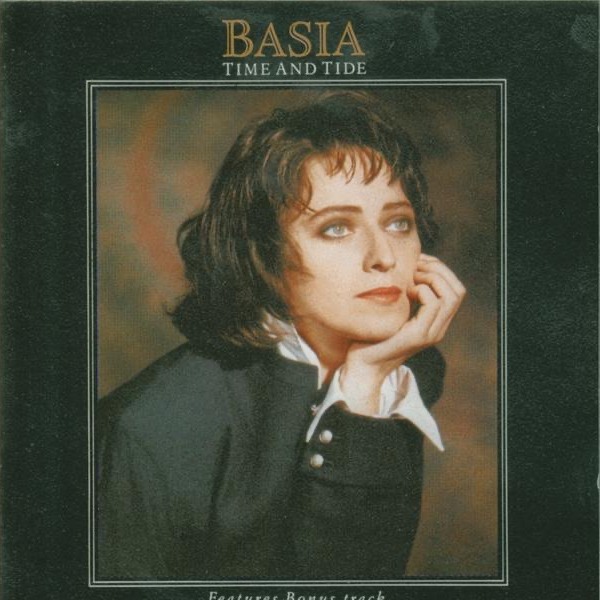
Time and Tide — Basia
The allure of *Time and Tide* lies in the rhythms that move from within rather than mere surface smoothness. Listening closely, Polish-born British singer Basia combines Brazilian rhythms with 1980s pop and jazz production to create a stylish crossover. Following the arrangement flow, check if the samba-style rhythms are maintained behind the synthesizers and percussion. For another point of appreciation for *Time and Tide*, try slowly following each song, and during repeated listens, it's helpful to momentarily set down the main melody and follow the positions of the bass and percussion.
*Time and Tide* is connected to the 1987 edition featuring Basia on Apple Music/iTunes, and the genre listed is Pop. For another point of appreciation, listening closely reveals that old recordings may differ in release dates for remastering, so I noted the dates as ‘display year.’ Distinguishing the selection criteria of Brazilian rhythms reconstructed in the UK pop scene and the actual production credits allows for both information and appreciation to be verified.
*Time and Tide* is connected to the 1987 edition featuring Basia on Apple Music/iTunes, and the genre listed is Pop. For another point of appreciation, listening closely reveals that old recordings may differ in release dates for remastering, so I noted the dates as ‘display year.’ Distinguishing the selection criteria of Brazilian rhythms reconstructed in the UK pop scene and the actual production credits allows for both information and appreciation to be verified.
아티스트 Basia
표시 발매 연도 1987
형식 음반
표시 장르 Pop
목록 내 맥락 영국 팝 신에서 재구성된 브라질 리듬
감상 포인트 폴란드 출신 영국 가수 바시아가 브라질 리듬과 1980년대 팝·재즈 프로덕션을 결합해 세련된 크로스오버를 만든다.
듣기 팁 신시사이저와 퍼커션 뒤에서 삼바 계열의 박자가 유지되는지 확인해보자.
When listening to Bossa Nova from around the world, rather than rating them based on how 'Brazilian' they sound, let’s look at what elements have adapted and which ones have localized. Even if Portuguese disappears, the divided rhythms of the guitar and intricate harmonies can remain, and conversely, singing a representative song can feel more pop or jazz based on vocal emphasis and production style. This difference is the heart of cultural translation.
After listening to each album track by track, returning to the original Brazilian songs can make familiar melodies sound new. Especially in albums with vocals in different languages, it's beneficial to first check how the pronunciation creates the rhythm rather than focusing on lyric translations. This list aims to show the path of how Bossa Nova has expanded as a global music grammar. Release dates and differences in bonus tracks for each version can be verified on the connecting pages.
After listening to each album track by track, returning to the original Brazilian songs can make familiar melodies sound new. Especially in albums with vocals in different languages, it's beneficial to first check how the pronunciation creates the rhythm rather than focusing on lyric translations. This list aims to show the path of how Bossa Nova has expanded as a global music grammar. Release dates and differences in bonus tracks for each version can be verified on the connecting pages.
At a glance
8 items
To Brazil With Love — Diana Panton
Diana Panton2011음반
The Changing Lights (Bonus Edition) — Stacey Kent
Stacey Kent2013음반
Bossa Nova Songbook 1 — naomi & goro
naomi & goro2008음반
Bande à Part — Nouvelle Vague
Nouvelle Vague2006음반
Imagina: Songs of Brasil — Karrin Allyson
Karrin Allyson2008음반
Samba Tzigane — Dusko Goykovich
Dusko Goykovich2006음반
Essencia — Lisa Ono
Lisa Ono1997음반
Time and Tide — Basia
Basia1987음반
As part of the Coupang Partners program, this post may earn a commission from qualifying purchases.
Comments 0
Log in to leave a comment.
Be the first to comment.
How about these lists?


You might also like


🎲
Not ready to stop here?
Wondering what to read next is the biggest waste of time.
Let the dice decide — you won't know what pops up until you roll.
If you don't press it… won't you wonder forever? 👀
