A Collection of Beginner Drones to Reduce the Burden of Your First Flight
From palm takeoff and auto tracking to protective structures and basic piloting practice, a selection of practical models
When choosing your first drone, look first at how it takes off, stops, and returns, rather than at its resolution. Palm takeoff and landing models and controller-based mini drones are both for beginners, but the skills you learn and the way you shoot differ.
This collection picks real products, confirmed on the manufacturers' official pages, by use case. In a beginner list, comparing the control method, protective structure, obstacle sensing range, and official support before top image quality helps you cut the cost of mistakes.
Automatic features don't replace safety. Even a small aircraft can cause harm, and sensors can miss power lines and dark surfaces, so start your first flights short, in a wide open area with light wind. Weight alone doesn't determine every regulation, so check the restrictions that apply to your shooting purpose and flight location as well. Check how the aircraft-only and combo packages differ, and count the controller, batteries, charger, and storage in the real cost. Official maximum flight times and transmission ranges are figures measured under test conditions, so plan your return-to-home battery and line of sight conservatively. Making a habit of checking the firmware, home point, propellers, and battery condition before takeoff reduces equipment loss and accidents.
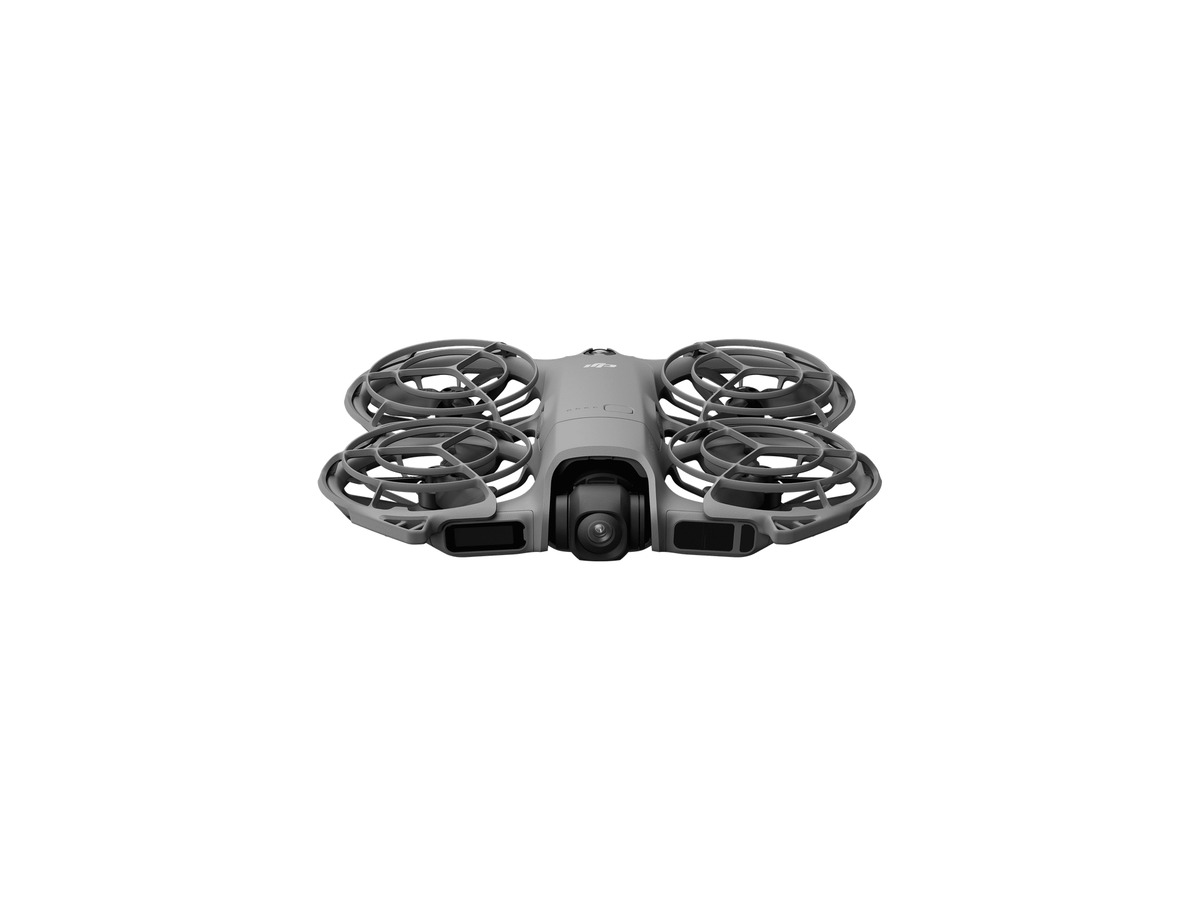
DJI Neo 2
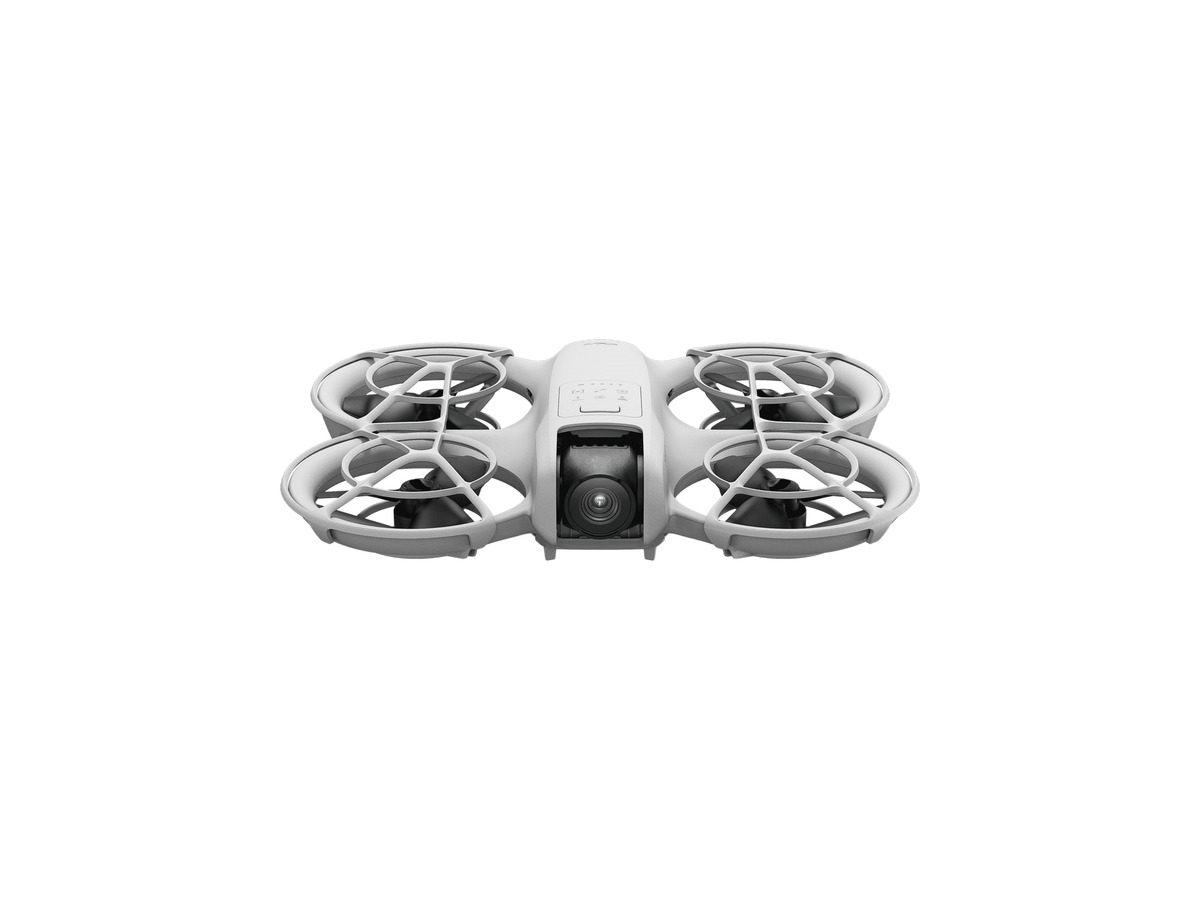
DJI Neo
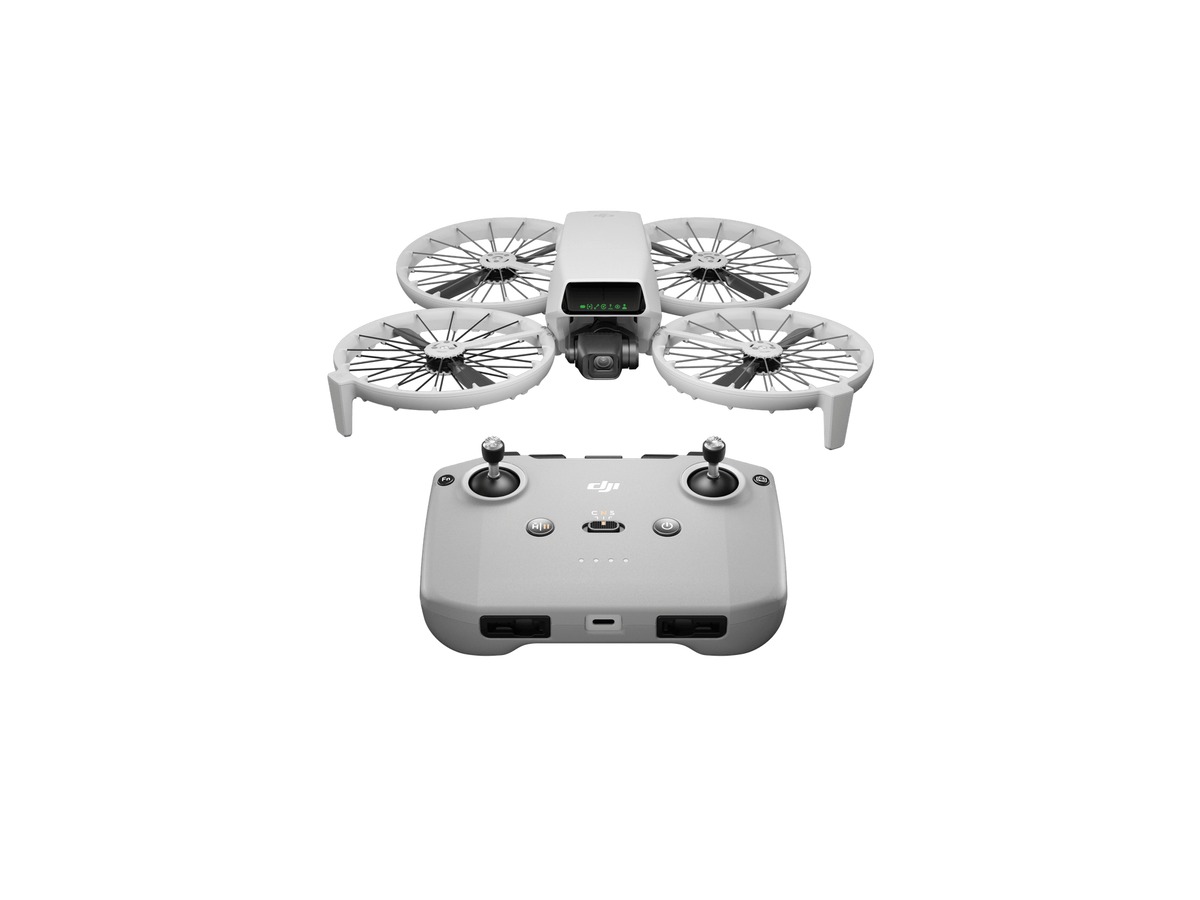
DJI Flip
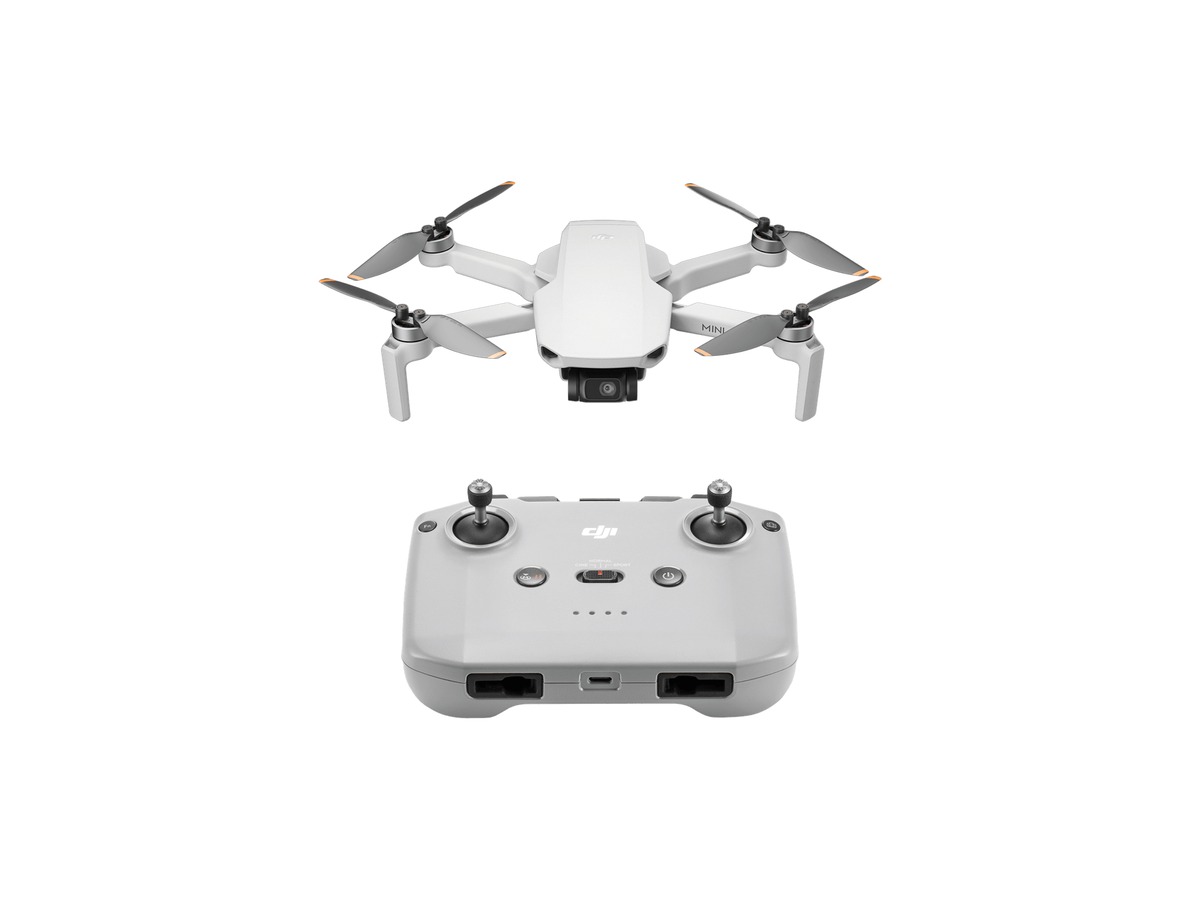
DJI Mini 4K
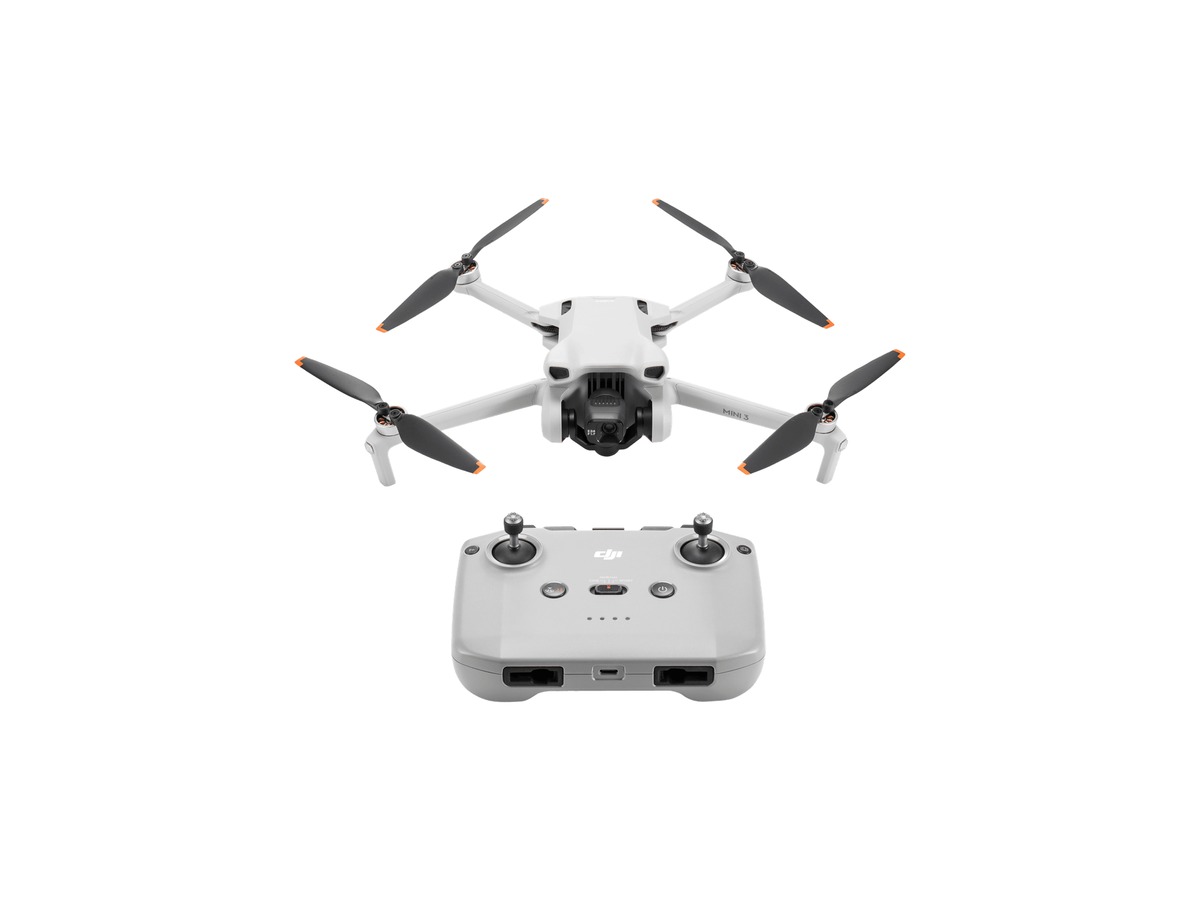
DJI Mini 3
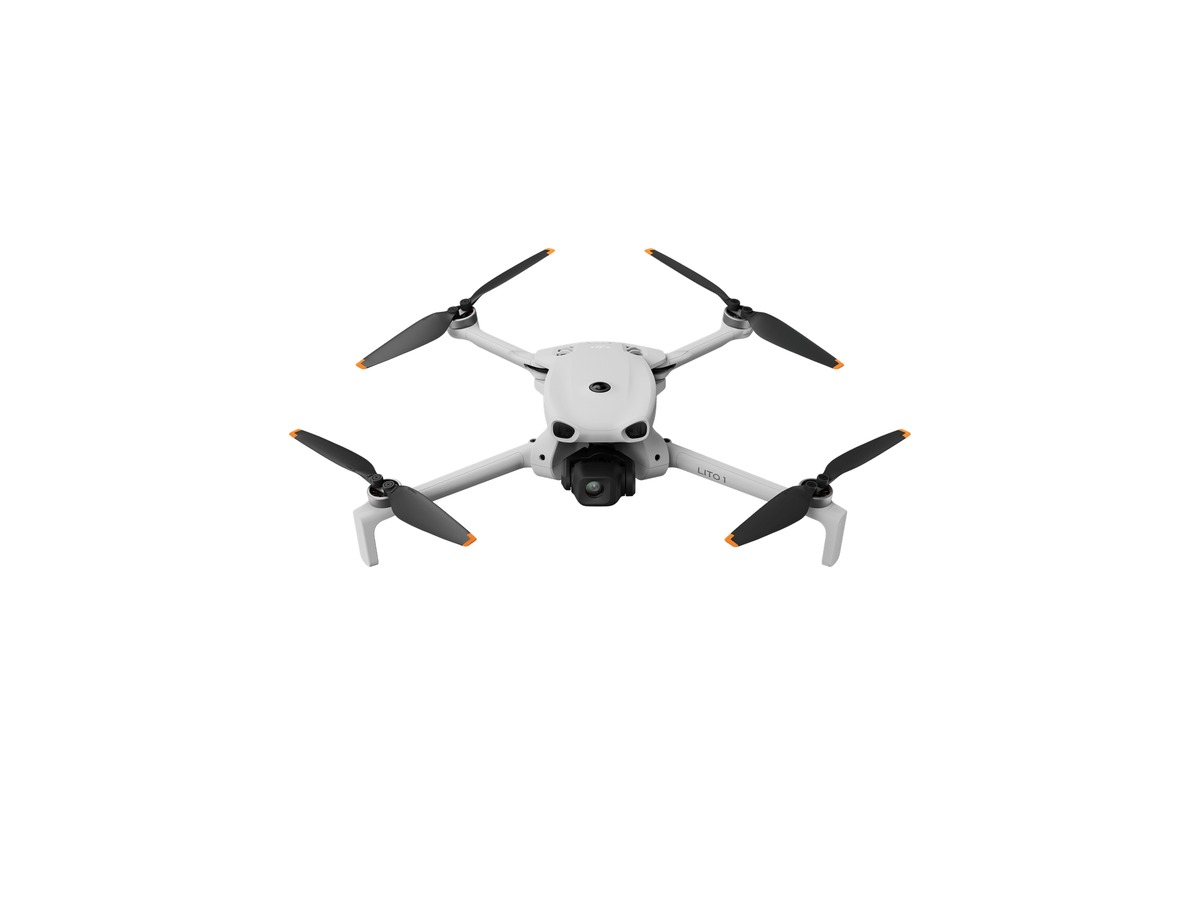
DJI Lito 1
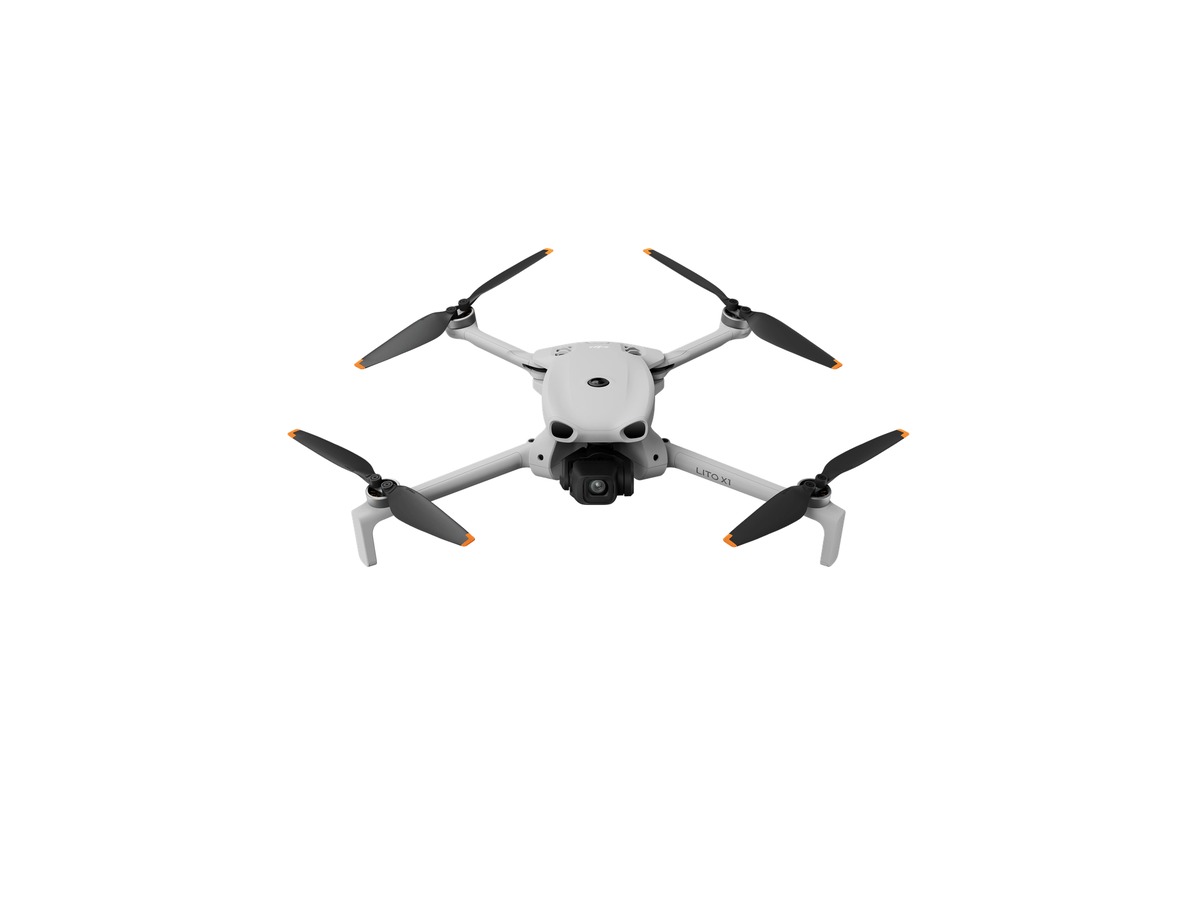
DJI Lito X1
Potensic ATOM SE
A good choice isn't the most expensive or most feature-packed product, but one that fits naturally into how you actually shoot and operate. In a beginner list, comparing the control method, protective structure, obstacle sensing range, and official support before top image quality helps you cut the cost of mistakes.
Before buying, make a list comparing the aircraft-only and combo packages, app and controller compatibility, batteries, and warranty coverage. For overseas models, separately check domestic service availability and radio compliance.
After each flight, inspect the aircraft and propellers, and back up your original footage and flight logs. Respecting people, property, and privacy, and keeping visual line of sight in authorized locations, comes before any feature. Making a habit of checking the firmware, home point, propellers, and battery condition before takeoff reduces equipment loss and accidents. Official maximum flight times and transmission ranges are figures measured under test conditions, so plan your return-to-home battery and line of sight conservatively. Check how the aircraft-only and combo packages differ, and count the controller, batteries, charger, and storage in the real cost. Weight alone doesn't determine every regulation, so check the restrictions that apply to your shooting purpose and flight location as well.
As part of the Coupang Partners program, this post may earn a commission from qualifying purchases.
Comments 0
Log in to leave a comment.
Be the first to comment.
How about these lists?


You might also like


Not ready to stop here?
Wondering what to read next is the biggest waste of time.
Let the dice decide — you won't know what pops up until you roll.
If you don't press it… won't you wonder forever? 👀