
Collection
Themed Travel
2026.06.14
Korean Cultural Complexes and Alley Destinations for Strolling with an Urban Regeneration Vibe
We picked urban regeneration destinations focused on old factories, ports, railways, and alleys that have been transformed into cultural spaces and walking routes.
Traveling to urban regeneration spaces isn't just about hopping between newly decorated cafes. It's a process of looking at what memories places that once supported a city's production and daily life—factories, oil depots, railway officials' housing, and ports—have left behind, and who they serve today. Compare ten very different places, from the workshop alleys of Seongsu-dong to Sanjicheon Stream in Jeju, and you'll see that regeneration takes many forms: preserving buildings, cultural programs, waterfront redevelopment, and reviving alley businesses.
This list brings together real spaces in the Seoul metropolitan area as well as Busan, Jeonju, Gunsan, Daejeon, Cheongju, Mokpo, and Jeju. For each place, we've included the address and coordinates, and separated out its past function, current use, what to look for on site, and what to check before visiting. Residents and workers still go about their daily lives in alleys that have grown busy with tourists, so distinguish public facilities from living spaces, and for exhibition facilities with opening hours, it's best to check the official schedule before you go.
This list brings together real spaces in the Seoul metropolitan area as well as Busan, Jeonju, Gunsan, Daejeon, Cheongju, Mokpo, and Jeju. For each place, we've included the address and coordinates, and separated out its past function, current use, what to look for on site, and what to check before visiting. Residents and workers still go about their daily lives in alleys that have grown busy with tourists, so distinguish public facilities from living spaces, and for exhibition facilities with opening hours, it's best to check the official schedule before you go.
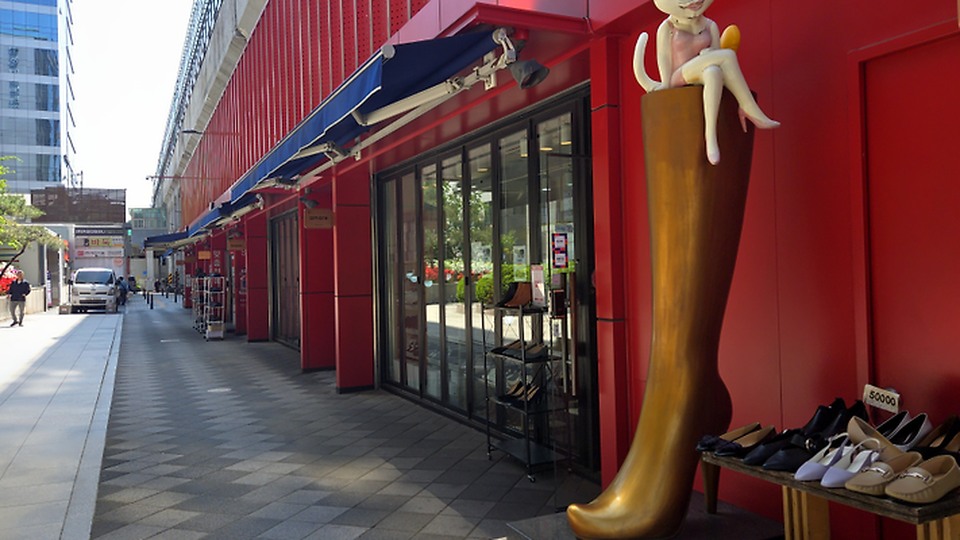
Seongsu-dong Handmade Shoe Street and Seoul Forest Area
Seongsu-dong Handmade Shoe Street and the Seoul Forest Area
Seongsu-dong Handmade Shoe Street and the Seoul Forest area began as a manufacturing district packed with handmade shoe factories and parts workshops, and today it serves as a street where the handmade shoe industry, workshops, shops, and cultural spaces coexist. Rather than putting up entirely new buildings, it links the remaining structures into a street where the handmade shoe industry, workshops, shops, and cultural spaces coexist, passing the memory of the place on to its next users. The first thing to look for on site is the coexistence of red-brick factories and handmade shoe workshops that are still operating. Instead of quickly snapping the exteriors, compare step by step how traces of the manufacturing district packed with shoe factories and parts workshops carry over into today's street of industry, workshops, shops, and cultural spaces, and the changes unique to this place will naturally come into view.
When planning an actual visit, the first thing to take care of is to ‘get permission before photographing workshops and check individual stores' closing days.’ If travel conditions around 289-30 Seongsu-dong 2-ga, Seongdong-gu, Seoul change, the accessible areas of this street of industry, workshops, shops, and cultural spaces may be affected too, so it's safest to confirm workshop photo permission and individual store closing days in the latest notices, separately from the business hours shown on maps. At Seongsu-dong Handmade Shoe Street and the Seoul Forest area, distinguish public viewing areas from the living spaces of residents and tenants, and even when documenting the coexistence of red-brick factories and working shoe workshops, avoid blocking foot traffic or work so your trip respects how the place is used today.
When planning an actual visit, the first thing to take care of is to ‘get permission before photographing workshops and check individual stores' closing days.’ If travel conditions around 289-30 Seongsu-dong 2-ga, Seongdong-gu, Seoul change, the accessible areas of this street of industry, workshops, shops, and cultural spaces may be affected too, so it's safest to confirm workshop photo permission and individual store closing days in the latest notices, separately from the business hours shown on maps. At Seongsu-dong Handmade Shoe Street and the Seoul Forest area, distinguish public viewing areas from the living spaces of residents and tenants, and even when documenting the coexistence of red-brick factories and working shoe workshops, avoid blocking foot traffic or work so your trip respects how the place is used today.
지역 서울 성동구
도로명주소 서울 성동구 성수동2가 289-30
공간 성격 공장지대 기반 골목 상권
지번주소 서울 성동구 성수동2가 289-30
걷기 포인트 카페·쇼룸·서울숲 연결
과거 용도 수제화 공장과 부품 작업장이 밀집한 제조 골목
현재 쓰임 수제화 산업·작업장·상점·문화공간이 공존하는 거리
현장 관찰점 붉은 벽돌 공장과 현재도 운영하는 수제화 작업장의 공존
방문 전 확인 작업장 촬영 허락과 개별 매장 휴무일을 확인한다
공개 전화번호 검색 결과 미표시
공식 관광정보 https://korean.visitkorea.or.kr/search/search_list.do?keyword=%EC%84%B1%EC%88%98%EB%8F%99%20%EC%88%98%EC%A0%9C%ED%99%94%EA%B1%B0%EB%A6%AC%EC%99%80%20%EC%84%9C%EC%9A%B8%EC%88%B2%20%EC%9D%BC%EB%8C%80
이미지 출처 https://img1.kakaocdn.net/cthumb/local/C800x400.q50/?fname=http%3A%2F%2Ft1.kakaocdn.net%2Flocal%2FkakaomapPhoto%2Freview%2F71701e155737ac19635c22a0f791a9261ef27056%3Foriginal
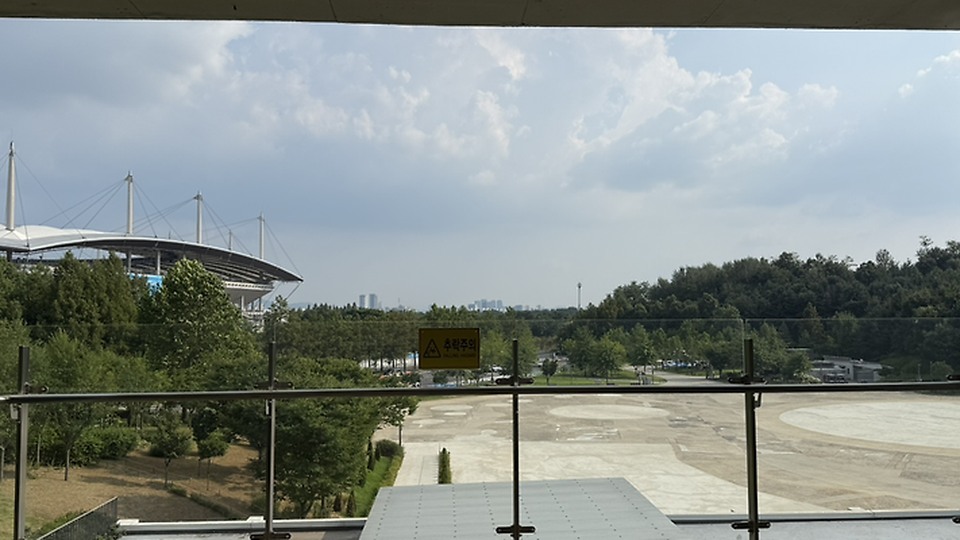
Oil Tank Culture Park
Oil Tank Culture Park began as the Mapo Oil Reserve Base built in the 1970s, and today it serves as a cultural park hosting tank exhibitions, performances, and educational programs. Rather than putting up entirely new buildings, it links the remaining structures into a cultural park for tank exhibitions, performances, and education, passing the memory of the place on to its next users. The first thing to look for on site is the difference in how each tank preserves its steel plates, concrete, and bedrock. Instead of quickly snapping the exteriors, compare step by step how traces of the 1970s Mapo Oil Reserve Base carry over into the cultural park of tank exhibitions, performances, and education, and the changes unique to this place will naturally come into view.
When planning an actual visit, the first thing to take care of is to ‘check whether the tank interiors are open and the exhibition and performance schedules.’ If travel conditions around 87 Jeungsan-ro, Mapo-gu, Seoul change, the accessible areas of the cultural park for tank exhibitions, performances, and education may be affected too, so it's safest to confirm tank interior access and exhibition and performance schedules in the latest notices, separately from the business hours shown on maps. At Oil Tank Culture Park, distinguish public viewing areas from the living spaces of residents and tenants, and even when documenting the differences in how each tank preserves its steel plates, concrete, and bedrock, avoid blocking foot traffic or work so your trip respects how the place is used today.
When planning an actual visit, the first thing to take care of is to ‘check whether the tank interiors are open and the exhibition and performance schedules.’ If travel conditions around 87 Jeungsan-ro, Mapo-gu, Seoul change, the accessible areas of the cultural park for tank exhibitions, performances, and education may be affected too, so it's safest to confirm tank interior access and exhibition and performance schedules in the latest notices, separately from the business hours shown on maps. At Oil Tank Culture Park, distinguish public viewing areas from the living spaces of residents and tenants, and even when documenting the differences in how each tank preserves its steel plates, concrete, and bedrock, avoid blocking foot traffic or work so your trip respects how the place is used today.
도로명주소 서울 마포구 증산로 87
공개 전화번호 02-376-8410
이용시간 야외공원 상시 개방 / 탱크 실내공간 통상 화~일 10:00–18:00(월 휴관) · 전시·행사별 개방 탱크 확인
지역 서울 마포구
공간 성격 산업시설 재생 문화공원
공간 성격 산업유산 재생공원
지역 서울 마포구
걷기 포인트 탱크 전시공간과 공원 산책
핵심 특징 석유비축기지의 탱크와 콘크리트 구조를 문화 공간과 생태 환경으로 전환한 곳
유산 유형 석유시설 재생 공간
과거 용도 1970년대 조성된 마포 석유비축기지
관찰 포인트 탱크마다 남긴 철판·암반과 새로 삽입한 동선의 차이
현재 쓰임 탱크 전시·공연·교육이 열리는 문화공원
홈페이지 https://parks.seoul.go.kr/content.do?key=2604300014
방문 팁 행사가 없는 날 내부 개방 탱크가 달라 프로그램을 확인한다
운영 확인 운영일·입장·전시·교통 정보는 방문 직전 공식 사이트에서 확인
현장 관찰점 탱크별 철판·콘크리트·암반을 보존한 방식의 차이
방문 전 확인 탱크 내부 개방과 전시·공연 일정을 확인한다
공식 관광정보 https://korean.visitkorea.or.kr/search/search_list.do?keyword=%EB%AC%B8%ED%99%94%EB%B9%84%EC%B6%95%EA%B8%B0%EC%A7%80
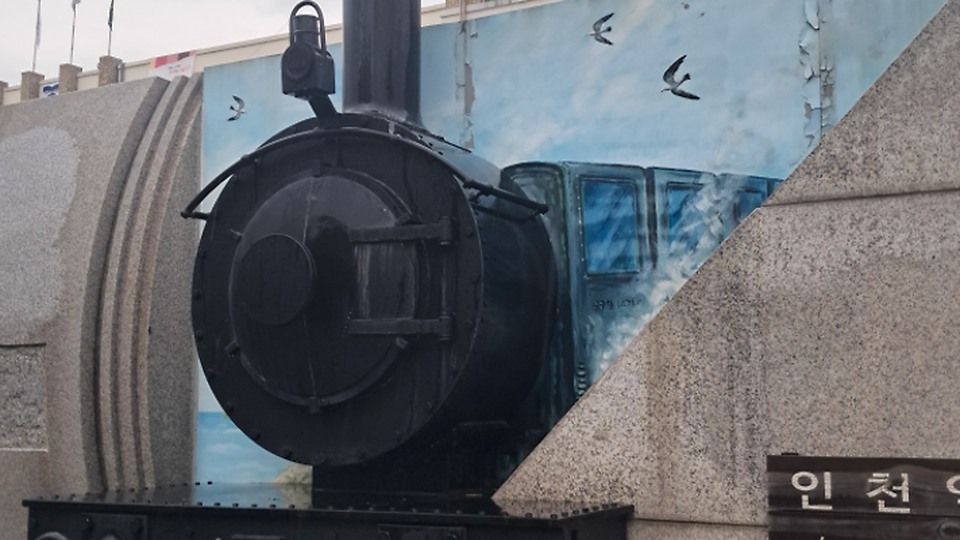
Incheon Open Port Street
Incheon Open Port Street began as a street where foreign concessions and financial and trade facilities gathered after the port opened, and today it serves as a historic and cultural district linking modern-architecture museums and shops. Rather than putting up entirely new buildings, it links the remaining structures into a historic and cultural district of modern-architecture museums and shops, passing the memory of the place on to its next users. The first thing to look for on site is the boundaries of each country's concession and the facades and street layout of the modern buildings. Instead of quickly snapping the exteriors, compare step by step how traces of the post-opening street of foreign concessions and financial and trade facilities carry over into the historic and cultural district of museums and shops, and the changes unique to this place will naturally come into view.
When planning an actual visit, the first thing to take care of is to ‘check each museum's closing days and whether guided walking tours are running.’ If travel conditions around Jungang-dong 1-ga, Jemulpo-gu, Incheon change, the accessible areas of the historic and cultural district of museums and shops may be affected too, so it's safest to confirm museum closing days and walking tour availability in the latest notices, separately from the business hours shown on maps. On Incheon Open Port Street, distinguish public viewing areas from the living spaces of residents and tenants, and even when documenting the concession boundaries and the facades and street layout of the modern buildings, avoid blocking foot traffic or work so your trip respects how the place is used today.
When planning an actual visit, the first thing to take care of is to ‘check each museum's closing days and whether guided walking tours are running.’ If travel conditions around Jungang-dong 1-ga, Jemulpo-gu, Incheon change, the accessible areas of the historic and cultural district of museums and shops may be affected too, so it's safest to confirm museum closing days and walking tour availability in the latest notices, separately from the business hours shown on maps. On Incheon Open Port Street, distinguish public viewing areas from the living spaces of residents and tenants, and even when documenting the concession boundaries and the facades and street layout of the modern buildings, avoid blocking foot traffic or work so your trip respects how the place is used today.
지역 인천 중구
도로명주소 인천 제물포구 중앙동1가
공간 성격 근대문화 골목 여행지
지번주소 인천 제물포구 중앙동1가
걷기 포인트 개항장 건축과 박물관
과거 용도 개항 이후 외국 조계와 금융·무역 시설이 모인 거리
현재 쓰임 근대건축 박물관과 상점이 연결된 역사문화지구
현장 관찰점 국가별 조계 경계와 근대건축의 입면·거리 구조
방문 전 확인 박물관별 휴관일과 도보 해설 운영 여부를 확인한다
공개 전화번호 검색 결과 미표시
공식 관광정보 https://korean.visitkorea.or.kr/search/search_list.do?keyword=%EC%9D%B8%EC%B2%9C%20%EA%B0%9C%ED%95%AD%EC%9E%A5%20%EA%B1%B0%EB%A6%AC
이미지 출처 https://img1.kakaocdn.net/cthumb/local/C800x400.q50/?fname=http%3A%2F%2Ft1.kakaocdn.net%2Flocal%2FkakaomapPhoto%2Freview%2F5f54c688ff62c873ac2fddb9e4c8ee2fad85263e%3Foriginal
F1963 Busan
F1963, Busan
F1963 in Busan began as Kiswire's wire production factory, and today it serves as a multipurpose cultural complex combining exhibitions, performances, a bookstore, and gardens. Rather than putting up entirely new buildings, it links the remaining structures into a cultural complex of exhibitions, performances, a bookstore, and gardens, passing the memory of the place on to its next users. The first thing to look for on site is how the factory framework and traces of wire production have been kept in the new space. Instead of quickly snapping the exteriors, compare step by step how traces of Kiswire's wire factory carry over into the cultural complex of exhibitions, performances, a bookstore, and gardens, and the changes unique to this place will naturally come into view.
When planning an actual visit, the first thing to take care of is to ‘check the differing hours of the exhibition halls, performance venue, and bookstore.’ If travel conditions around 20 Gurak-ro 123beon-gil, Suyeong-gu, Busan change, the accessible areas of the cultural complex may be affected too, so it's safest to confirm the separate hours of the exhibition halls, performance venue, and bookstore in the latest notices, separately from the business hours shown on maps. At F1963, distinguish public viewing areas from the living spaces of residents and tenants, and even when documenting how the factory framework and wire production traces were kept in the new space, avoid blocking foot traffic or work so your trip respects how the place is used today.
When planning an actual visit, the first thing to take care of is to ‘check the differing hours of the exhibition halls, performance venue, and bookstore.’ If travel conditions around 20 Gurak-ro 123beon-gil, Suyeong-gu, Busan change, the accessible areas of the cultural complex may be affected too, so it's safest to confirm the separate hours of the exhibition halls, performance venue, and bookstore in the latest notices, separately from the business hours shown on maps. At F1963, distinguish public viewing areas from the living spaces of residents and tenants, and even when documenting how the factory framework and wire production traces were kept in the new space, avoid blocking foot traffic or work so your trip respects how the place is used today.
도로명주소 부산 수영구 구락로123번길 20
운영시간 전시·공연·도서관·입점 매장별 운영시간 상이 · 해당 공간 일정 확인
전화 051-756-1963
지역 부산 수영구
과거 용도 고려제강의 와이어 생산 공장
현재 쓰임 전시·공연·서점·정원이 결합된 복합문화공간
현장 관찰점 공장 골조와 와이어 생산 흔적을 새 공간에 남긴 방식
방문 전 확인 전시관·공연장·서점의 서로 다른 운영시간을 확인한다
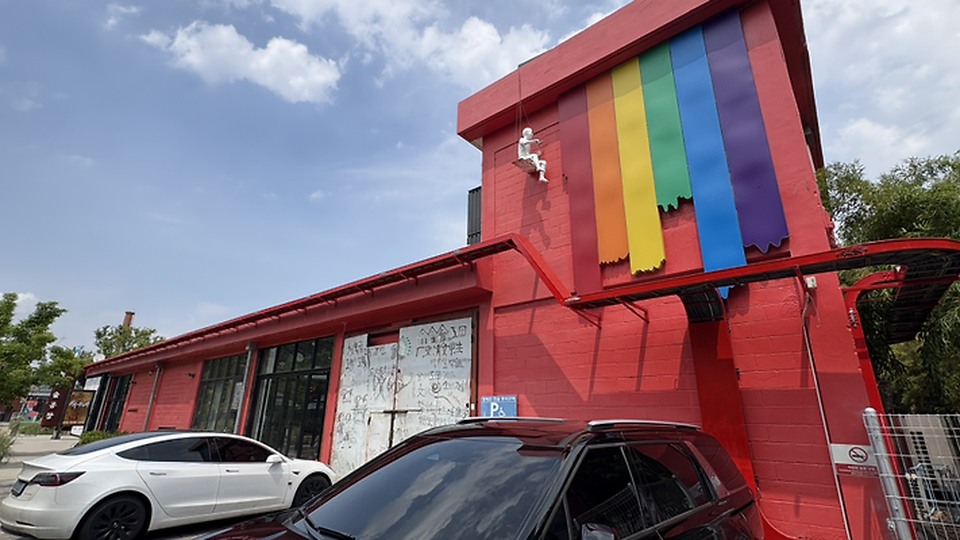
Palbok Art Factory, Jeonju
Palbok Art Factory in Jeonju began as the Sun Electronics factory that produced cassette tapes, and today it serves as an arts and culture space running exhibitions, creative residencies, and art education. Rather than putting up entirely new buildings, it links the remaining structures into an arts space for exhibitions, creative work, and art education, passing the memory of the place on to its next users. The first thing to look for on site is the exhibition route that makes use of the passageways between factory buildings and traces of the production facilities. Instead of quickly snapping the exteriors, compare step by step how traces of the cassette tape factory carry over into the arts space for exhibitions, creative work, and art education, and the changes unique to this place will naturally come into view.
When planning an actual visit, the first thing to take care of is to ‘check exhibition closing days and open programs for the studio spaces.’ If travel conditions around 46 Guretdeul 1-gil, Deokjin-gu, Jeonju, Jeonbuk State change, the accessible areas of the arts space may be affected too, so it's safest to confirm exhibition closing days and open studio programs in the latest notices, separately from the business hours shown on maps. At Palbok Art Factory, distinguish public viewing areas from the living spaces of residents and tenants, and even when documenting the exhibition route through the factory passageways and production traces, avoid blocking foot traffic or work so your trip respects how the place is used today.
When planning an actual visit, the first thing to take care of is to ‘check exhibition closing days and open programs for the studio spaces.’ If travel conditions around 46 Guretdeul 1-gil, Deokjin-gu, Jeonju, Jeonbuk State change, the accessible areas of the arts space may be affected too, so it's safest to confirm exhibition closing days and open studio programs in the latest notices, separately from the business hours shown on maps. At Palbok Art Factory, distinguish public viewing areas from the living spaces of residents and tenants, and even when documenting the exhibition route through the factory passageways and production traces, avoid blocking foot traffic or work so your trip respects how the place is used today.
지역 전북 전주
도로명주소 전북특별자치도 전주시 덕진구 구렛들1길 46
공간 성격 공장 재생 예술공간
지번주소 전북특별자치도 전주시 덕진구 팔복동1가 243-86
걷기 포인트 전시와 창작공간 탐방
과거 용도 카세트테이프를 생산하던 썬전자 공장
현재 쓰임 전시·창작·예술교육을 운영하는 문화예술 공간
현장 관찰점 공장동 연결통로와 생산시설의 흔적을 활용한 전시 동선
방문 전 확인 전시 휴관일과 창작공간 공개 프로그램을 확인한다
공개 전화번호 063-211-0288
공식 관광정보 https://korean.visitkorea.or.kr/search/search_list.do?keyword=%EC%A0%84%EC%A3%BC%20%ED%8C%94%EB%B3%B5%EC%98%88%EC%88%A0%EA%B3%B5%EC%9E%A5
이미지 출처 https://img1.kakaocdn.net/cthumb/local/C800x400.q50/?fname=http%3A%2F%2Ft1.kakaocdn.net%2Flocal%2FkakaomapPhoto%2Freview%2Ffb7bbda15bb020cefc105ce76d4403db1765b8c9%3Foriginal
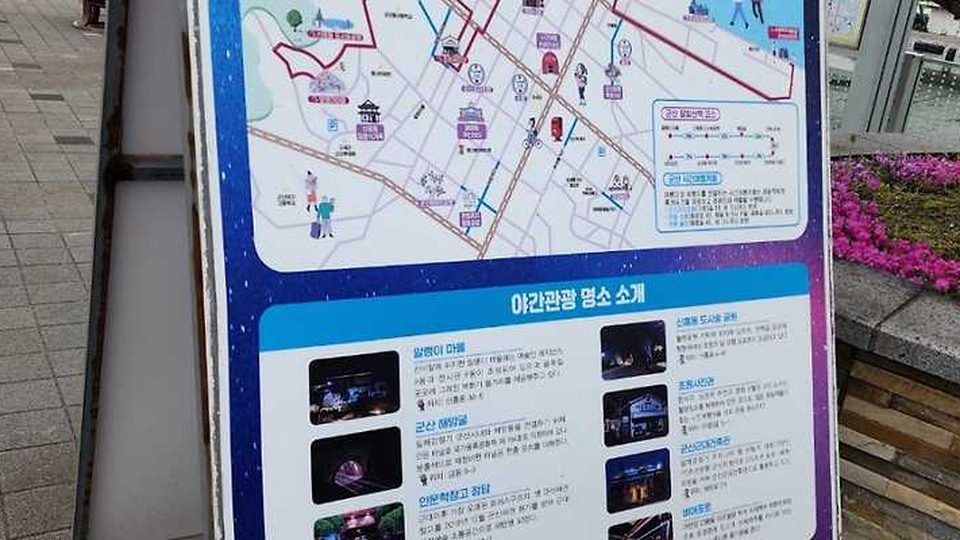
Gunsan Time Travel Village
Gunsan Time Travel Village began as an old port downtown marked by the history of the port's opening and colonial exploitation, and today it serves as a walking history-tour area linking modern buildings, museums, and neighborhood shops. Rather than putting up entirely new buildings, it links the remaining structures into a walking history-tour area of modern buildings, museums, and local shops, passing the memory of the place on to its next users. The first thing to look for on site is not the individual attractions but the urban layout that runs along Haemang-ro and Guyeong-gil. Instead of quickly snapping the exteriors, compare step by step how traces of the old port downtown shaped by the port's opening and colonial exploitation carry over into today's walking history-tour area, and the changes unique to this place will naturally come into view.
When planning an actual visit, the first thing to take care of is to ‘check interior viewing hours at heritage sites and which facilities close on Mondays.’ If travel conditions around Yeonghwa-dong, Gunsan, Jeonbuk State change, the accessible areas of the walking history-tour area may be affected too, so it's safest to confirm heritage site viewing hours and Monday closures in the latest notices, separately from the business hours shown on maps. In Gunsan Time Travel Village, distinguish public viewing areas from the living spaces of residents and tenants, and even when documenting the urban layout along Haemang-ro and Guyeong-gil, avoid blocking foot traffic or work so your trip respects how the place is used today.
When planning an actual visit, the first thing to take care of is to ‘check interior viewing hours at heritage sites and which facilities close on Mondays.’ If travel conditions around Yeonghwa-dong, Gunsan, Jeonbuk State change, the accessible areas of the walking history-tour area may be affected too, so it's safest to confirm heritage site viewing hours and Monday closures in the latest notices, separately from the business hours shown on maps. In Gunsan Time Travel Village, distinguish public viewing areas from the living spaces of residents and tenants, and even when documenting the urban layout along Haemang-ro and Guyeong-gil, avoid blocking foot traffic or work so your trip respects how the place is used today.
지역 전북 군산
도로명주소 전북특별자치도 군산시 영화동
공간 성격 근대문화 거리
지번주소 전북특별자치도 군산시 영화동
걷기 포인트 근대 건축과 골목 산책
과거 용도 개항과 식민지 수탈의 역사가 남은 항구 원도심
현재 쓰임 근대건축·박물관·생활상가를 잇는 도보 역사여행 구역
현장 관찰점 개별 관광지보다 해망로와 구영길에 이어지는 도시 구조
방문 전 확인 문화재 내부 관람시간과 월요일 휴관 시설을 확인한다
공개 전화번호 검색 결과 미표시
공식 관광정보 https://korean.visitkorea.or.kr/search/search_list.do?keyword=%EA%B5%B0%EC%82%B0%20%EC%8B%9C%EA%B0%84%EC%97%AC%ED%96%89%EB%A7%88%EC%9D%84
이미지 출처 https://img1.kakaocdn.net/cthumb/local/C800x400.q50/?fname=https%3A%2F%2Fblog.kakaocdn.net%2Fdn%2FUNfO3%2FbtsG6YGUWyh%2FRK7WxMW4qe9owXxyisFri1%2Fimg.jpg
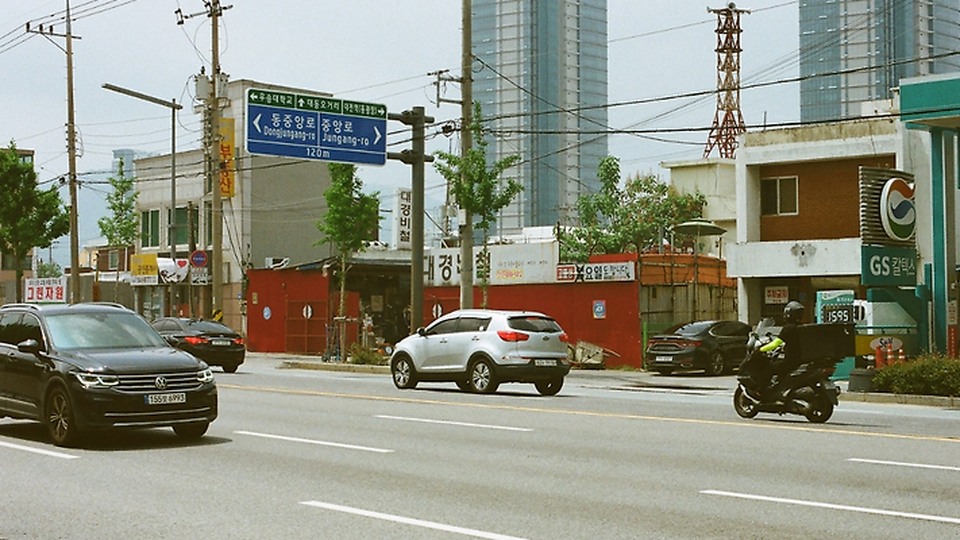
Sojedong Railway Housing Village, Daejeon
Soje-dong Railway Housing Village, Daejeon
Soje-dong Railway Housing Village in Daejeon began as official housing where Daejeon Station railway workers and their families lived, and today it serves as an old-downtown alley mixing traces of the railway houses, homes, and places to eat and drink. Rather than putting up entirely new buildings, it links the remaining structures into an old-downtown alley of railway house traces, homes, and eateries, passing the memory of the place on to its next users. The first thing to look for on site is the changes between the remaining house floor plans, the narrow alleys, and the new commercial spaces. Instead of quickly snapping the exteriors, compare step by step how traces of the railway workers' housing village carry over into today's alley of house traces, homes, and eateries, and the changes unique to this place will naturally come into view.
When planning an actual visit, the first thing to take care of is to ‘avoid entering residences and check for demolition and construction zones.’ If travel conditions around 293-9 Soje-dong, Dong-gu, Daejeon change, the accessible areas of the alley may be affected too, so it's safest to confirm, while staying out of residences, any demolition and construction zones in the latest notices, separately from the business hours shown on maps. In Soje-dong Railway Housing Village, distinguish public viewing areas from the living spaces of residents and tenants, and even when documenting the changes between the remaining house floor plans, narrow alleys, and new commercial spaces, avoid blocking foot traffic or work so your trip respects how the place is used today.
When planning an actual visit, the first thing to take care of is to ‘avoid entering residences and check for demolition and construction zones.’ If travel conditions around 293-9 Soje-dong, Dong-gu, Daejeon change, the accessible areas of the alley may be affected too, so it's safest to confirm, while staying out of residences, any demolition and construction zones in the latest notices, separately from the business hours shown on maps. In Soje-dong Railway Housing Village, distinguish public viewing areas from the living spaces of residents and tenants, and even when documenting the changes between the remaining house floor plans, narrow alleys, and new commercial spaces, avoid blocking foot traffic or work so your trip respects how the place is used today.
지역 대전 동구
도로명주소 대전 동구 소제동 293-9
공간 성격 철도관사촌 골목 재생
지번주소 대전 동구 소제동 293-9
걷기 포인트 대전역 주변 골목 산책
과거 용도 대전역 철도 종사자와 가족이 살던 관사촌
현재 쓰임 관사 흔적·주거·식음 공간이 섞인 원도심 골목
현장 관찰점 남은 관사 평면과 좁은 골목, 새 상업공간 사이의 변화
방문 전 확인 주거지 출입을 피하고 철거·공사 구간을 확인한다
공개 전화번호 042-259-2450
공식 관광정보 https://korean.visitkorea.or.kr/search/search_list.do?keyword=%EB%8C%80%EC%A0%84%20%EC%86%8C%EC%A0%9C%EB%8F%99%20%EC%B2%A0%EB%8F%84%EA%B4%80%EC%82%AC%EC%B4%8C
이미지 출처 https://img1.kakaocdn.net/cthumb/local/C800x400.q50/?fname=http%3A%2F%2Ft1.kakaocdn.net%2Flocal%2FkakaomapPhoto%2Freview%2F83c9ef96997bb850ab3db2677213bc5169470682%3Foriginal
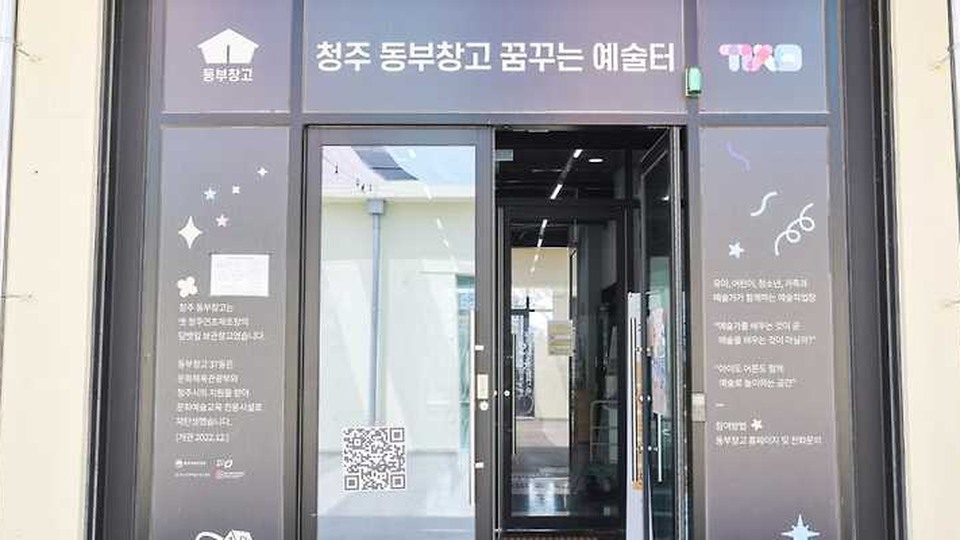
Dongbu Changgo, Cheongju
Dongbu Changgo in Cheongju began as the tobacco leaf storage warehouses of the former Cheongju Tobacco Manufacturing Plant, and today it serves as a civic cultural space running performance, education, and everyday-culture programs. Rather than putting up entirely new buildings, it links the remaining structures into a civic cultural space for performances, education, and everyday-culture programs, passing the memory of the place on to its next users. The first thing to look for on site is the wooden trusses of the long warehouse buildings and how their spacious interiors are used. Instead of quickly snapping the exteriors, compare step by step how traces of the old tobacco leaf warehouses carry over into the civic cultural space for performances, education, and everyday-culture programs, and the changes unique to this place will naturally come into view.
When planning an actual visit, the first thing to take care of is to ‘check what's open on days without events and whether programs require reservations.’ If travel conditions around 30 Deokbeol-ro, Cheongwon-gu, Cheongju, Chungbuk change, the accessible areas of the civic cultural space may be affected too, so it's safest to confirm what's open on non-event days and program reservation requirements in the latest notices, separately from the business hours shown on maps. At Dongbu Changgo, distinguish public viewing areas from the living spaces of residents and tenants, and even when documenting the wooden trusses of the long warehouses and their spacious interiors, avoid blocking foot traffic or work so your trip respects how the place is used today.
When planning an actual visit, the first thing to take care of is to ‘check what's open on days without events and whether programs require reservations.’ If travel conditions around 30 Deokbeol-ro, Cheongwon-gu, Cheongju, Chungbuk change, the accessible areas of the civic cultural space may be affected too, so it's safest to confirm what's open on non-event days and program reservation requirements in the latest notices, separately from the business hours shown on maps. At Dongbu Changgo, distinguish public viewing areas from the living spaces of residents and tenants, and even when documenting the wooden trusses of the long warehouses and their spacious interiors, avoid blocking foot traffic or work so your trip respects how the place is used today.
지역 충북 청주
도로명주소 충북 청주시 청원구 덕벌로 30
공간 성격 창고 재생 문화공간
지번주소 충북 청주시 청원구 내덕동 201-32
걷기 포인트 문화제조창 일대 연계
과거 용도 옛 청주연초제조창의 담뱃잎 보관 창고
현재 쓰임 공연·교육·생활문화 프로그램을 운영하는 시민문화공간
현장 관찰점 긴 창고동의 목조 트러스와 넓은 내부 공간 활용
방문 전 확인 행사 없는 날의 개방 범위와 프로그램 예약 여부를 확인한다
공개 전화번호 043-715-6861
공식 관광정보 https://korean.visitkorea.or.kr/search/search_list.do?keyword=%EC%B2%AD%EC%A3%BC%20%EB%8F%99%EB%B6%80%EC%B0%BD%EA%B3%A0
이미지 출처 https://img1.kakaocdn.net/cthumb/local/C800x400.q50/?fname=https%3A%2F%2Fpostfiles.pstatic.net%2FMjAyNjA5MjRfMzYg%2FMDAxNzkwMjMyMTIyODQz.S2a3N4OchG06Qu_QOB_Pj0UuHjZE56XttltERW9KHk0g.ZOwi8OHoEVEVfUF9nxaVvA7AbTeJHPR1whqs6k1HZcgg.JPEG%2FIMG_2533.jpg%3Ftype%3Dw966
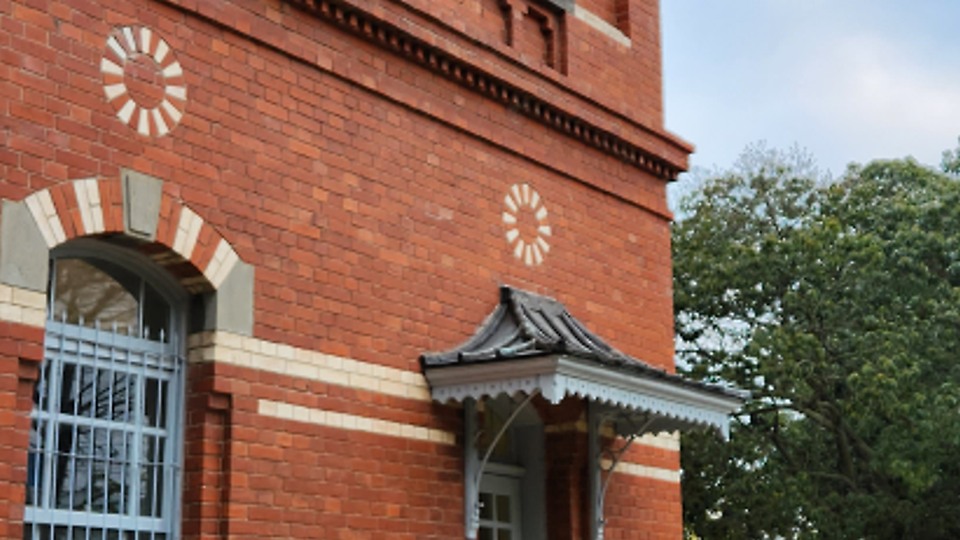
Mokpo Modern History and Culture Space
Mokpo Modern History and Culture Space began as Mokpo's old downtown, where commercial, administrative, and residential functions built up after the port opened, and today it serves as a historic and cultural district that preserves modern architecture together with local commerce. Rather than putting up entirely new buildings, it links the remaining structures into a historic district preserving modern architecture and local commerce, passing the memory of the place on to its next users. The first thing to look for on site is how the buildings spread along Yeongsan-ro, Beonhwa-ro, and Haean-ro connect to the port. Instead of quickly snapping the exteriors, compare step by step how traces of the old downtown, layered with commercial, administrative, and residential functions, carry over into the historic district preserving modern architecture and local commerce, and the changes unique to this place will naturally come into view.
When planning an actual visit, the first thing to take care of is to ‘check the opening hours of individual heritage sites and walking routes through the old downtown.’ If travel conditions around 12 Jungang-dong 2-ga, Mokpo, Jeonnam-Gwangju Integrated Special City change, the accessible areas of the historic district may be affected too, so it's safest to confirm heritage site hours and old-downtown walking routes in the latest notices, separately from the business hours shown on maps. In the Mokpo Modern History and Culture Space, distinguish public viewing areas from the living spaces of residents and tenants, and even when documenting how the buildings along Yeongsan-ro, Beonhwa-ro, and Haean-ro connect to the port, avoid blocking foot traffic or work so your trip respects how the place is used today.
When planning an actual visit, the first thing to take care of is to ‘check the opening hours of individual heritage sites and walking routes through the old downtown.’ If travel conditions around 12 Jungang-dong 2-ga, Mokpo, Jeonnam-Gwangju Integrated Special City change, the accessible areas of the historic district may be affected too, so it's safest to confirm heritage site hours and old-downtown walking routes in the latest notices, separately from the business hours shown on maps. In the Mokpo Modern History and Culture Space, distinguish public viewing areas from the living spaces of residents and tenants, and even when documenting how the buildings along Yeongsan-ro, Beonhwa-ro, and Haean-ro connect to the port, avoid blocking foot traffic or work so your trip respects how the place is used today.
주소 전남 목포시 유달동·번화로·해안로 일대
지역 전남 목포
도로명주소 전남광주통합특별시 목포시 중앙동2가 12
시대·성격 개항 이후~일제강점기 근대 도시 공간
추천 일정 DAY 1 점심 전후
감성 포인트 붉은 벽돌 근대건축과 원도심 산책 감성
공간 성격 항구 원도심 골목
지번주소 전남광주통합특별시 목포시 중앙동2가 12
코스 역할 원도심 도보 답사
사진 포인트 번화로 골목, 붉은 벽돌 건물, 오래된 상가 외관
걷기 포인트 근대 건축과 항구 동선
과거 용도 개항 이후 상업·행정·주거 기능이 쌓인 목포 원도심
동선 팁 점심 전후로 번화로·해안로 일대를 천천히 걷기 좋음
방문 팁 근대역사관 1·2관을 중심으로 도보 산책 추천
현재 쓰임 근대건축과 생활상권을 함께 보존하는 역사문화 구역
현장 관찰점 영산로·번화로·해안로에 분포한 건축과 항구의 연결
방문 전 확인 개별 문화재 개방시간과 원도심 도보 동선을 확인한다
공개 전화번호 검색 결과 미표시
공식 관광정보 https://korean.visitkorea.or.kr/search/search_list.do?keyword=%EB%AA%A9%ED%8F%AC%20%EA%B7%BC%EB%8C%80%EC%97%AD%EC%82%AC%EB%AC%B8%ED%99%94%EA%B3%B5%EA%B0%84
이미지 출처 https://img1.kakaocdn.net/cthumb/local/C800x400.q50/?fname=http%3A%2F%2Ft1.kakaocdn.net%2Flocal%2FkakaomapPhoto%2Freview%2Fa3fa8df5a5656dba4d25cbbe7c71451b7dc354ac%3Foriginal
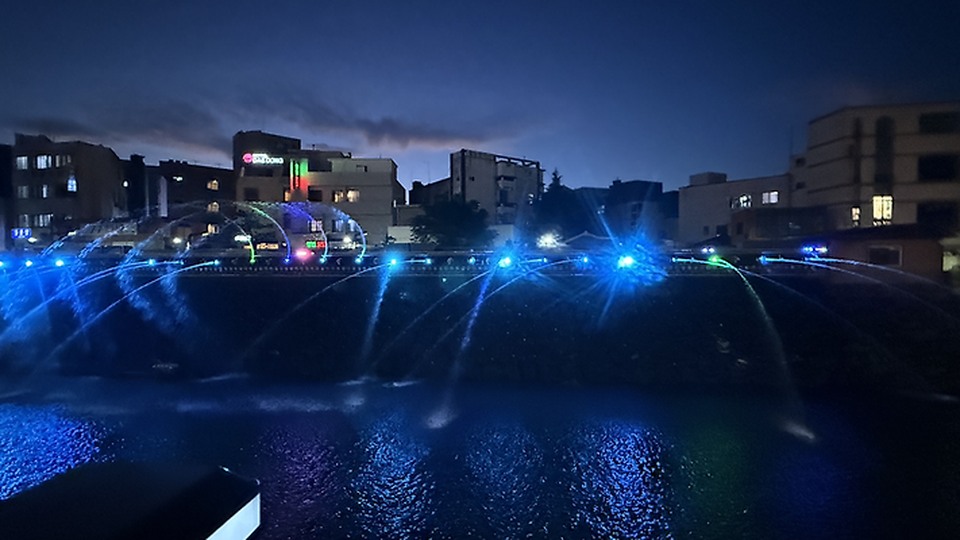
Sanjicheon Stream and Tamna Cultural Plaza, Jeju
Sanjicheon Stream and the Tamra Culture Plaza Area, Jeju
The Sanjicheon Stream and Tamra Culture Plaza area in Jeju began as the Sanjicheon waterway behind Jeju Port and the old downtown shopping district, and today it serves as an old-downtown public space linking a waterside walk, markets, and a plaza. Rather than putting up entirely new buildings, it links the remaining structures into a public space of waterside walks, markets, and a plaza, passing the memory of the place on to its next users. The first thing to look for on site is the pedestrian flow from the restored Sanjicheon Stream to Dongmun Market and Chilseong-ro. Instead of quickly snapping the exteriors, compare step by step how traces of the Sanjicheon waterway and old downtown shopping district carry over into the public space of waterside walks, markets, and a plaza, and the changes unique to this place will naturally come into view.
When planning an actual visit, the first thing to take care of is to ‘check for nighttime events and whether Sanjicheon is closed off in the rain.’ If travel conditions around 1498 Ildo 1-dong, Jeju City, Jeju Special Self-Governing Province change, the accessible areas of the public space may be affected too, so it's safest to confirm nighttime events and rain-related Sanjicheon closures in the latest notices, separately from the business hours shown on maps. In the Sanjicheon Stream and Tamra Culture Plaza area, distinguish public viewing areas from the living spaces of residents and tenants, and even when documenting the pedestrian flow from the restored stream to Dongmun Market and Chilseong-ro, avoid blocking foot traffic or work so your trip respects how the place is used today.
When planning an actual visit, the first thing to take care of is to ‘check for nighttime events and whether Sanjicheon is closed off in the rain.’ If travel conditions around 1498 Ildo 1-dong, Jeju City, Jeju Special Self-Governing Province change, the accessible areas of the public space may be affected too, so it's safest to confirm nighttime events and rain-related Sanjicheon closures in the latest notices, separately from the business hours shown on maps. In the Sanjicheon Stream and Tamra Culture Plaza area, distinguish public viewing areas from the living spaces of residents and tenants, and even when documenting the pedestrian flow from the restored stream to Dongmun Market and Chilseong-ro, avoid blocking foot traffic or work so your trip respects how the place is used today.
지역 제주 제주시
도로명주소 제주특별자치도 제주시 일도일동 1498
공간 성격 원도심 수변·시장권 재생
지번주소 제주특별자치도 제주시 일도일동 1498
걷기 포인트 산지천과 동문시장 연결
과거 용도 제주항 배후의 산지천 물길과 원도심 상권
현재 쓰임 수변 산책·시장·광장이 연결된 원도심 공공공간
현장 관찰점 복원된 산지천과 동문시장·칠성로로 이어지는 보행 흐름
방문 전 확인 야간 행사와 우천 시 산지천 통제 여부를 확인한다
공개 전화번호 검색 결과 미표시
공식 관광정보 https://korean.visitkorea.or.kr/search/search_list.do?keyword=%EC%A0%9C%EC%A3%BC%20%EC%82%B0%EC%A7%80%EC%B2%9C%EA%B3%BC%20%ED%83%90%EB%9D%BC%EB%AC%B8%ED%99%94%EA%B4%91%EC%9E%A5%20%EC%9D%BC%EB%8C%80
이미지 출처 https://img1.kakaocdn.net/cthumb/local/C800x400.q50/?fname=http%3A%2F%2Ft1.kakaocdn.net%2Flocal%2FkakaomapPhoto%2Freview%2F0f5df38072eedddcd6987ba1b04df8e6c67b0195%3Foriginal
Looking at all ten places together shows that you can't judge the success of urban regeneration by old facades or the mood in photos alone. Oil Tank Culture Park and Palbok Art Factory preserved the structures of industrial facilities to house new programs, while the Open Port area, the Time Travel Village, and Mokpo's old downtown connect multiple buildings and alleys so you can read the city's history. In fast-commercializing areas like Seongsu-dong and Soje-dong, you need to look not only at new shops but also at the remaining workshops and traces of housing to see the full picture of change.
When planning your route, rather than consuming one spot and moving on, we recommend walking slowly and linking it with nearby markets, museums, and parks. In the alleys, don't wander onto private property just because a door is open, and ask permission before photographing residents' faces or their workshops. Facility closing days, exhibition schedules, and construction zones can change at any time, so check official channels on the day of your visit. Keeping these basics in mind lets you see regeneration spaces not as backdrops, but as places where the community's daily life and memories carry on.
When planning your route, rather than consuming one spot and moving on, we recommend walking slowly and linking it with nearby markets, museums, and parks. In the alleys, don't wander onto private property just because a door is open, and ask permission before photographing residents' faces or their workshops. Facility closing days, exhibition schedules, and construction zones can change at any time, so check official channels on the day of your visit. Keeping these basics in mind lets you see regeneration spaces not as backdrops, but as places where the community's daily life and memories carry on.
At a glance
10 items
Seongsu-dong Handmade Shoe Street and Seoul Forest Area
서울 성동구공장지대 기반 골목 상권카페·쇼룸·서울숲 연결
Oil Tank Culture Park
서울 마포구 증산로 8702-376-8410서울 마포구
Incheon Open Port Street
인천 중구인천 제물포구 중앙동1가근대문화 골목 여행지
F1963 Busan
051-756-1963부산 수영구고려제강의 와이어 생산 공장
Palbok Art Factory, Jeonju
전북 전주공장 재생 예술공간전시와 창작공간 탐방
Gunsan Time Travel Village
전북 군산전북특별자치도 군산시 영화동근대문화 거리
Sojedong Railway Housing Village, Daejeon
대전 동구대전 동구 소제동 293-9철도관사촌 골목 재생
Dongbu Changgo, Cheongju
충북 청주창고 재생 문화공간문화제조창 일대 연계
Mokpo Modern History and Culture Space
전남 목포DAY 1 점심 전후항구 원도심 골목
Sanjicheon Stream and Tamna Cultural Plaza, Jeju
제주 제주시원도심 수변·시장권 재생산지천과 동문시장 연결
Locations at a glance
10 places
#Domestic Travel#Urban Regeneration#Cultural Complex Space#Alley Travel#Local Travel#Urban Regeneration Travel
As part of the Coupang Partners program, this post may earn a commission from qualifying purchases.
Comments 0
Log in to leave a comment.
Be the first to comment.
How about these lists?


You might also like


🎲
Not ready to stop here?
Wondering what to read next is the biggest waste of time.
Let the dice decide — you won't know what pops up until you roll.
If you don't press it… won't you wonder forever? 👀
