
Collection
Japan
2026.07.01
A Collection of Great Neighborhoods to Navigate in Tokyo for First-Time Visitors
Organized key areas like Shibuya, Shinjuku, Asakusa, and Ginza that serve as good reference points for first-time travelers choosing accommodations and daily itineraries.
Tokyo is more like a vast travel destination with tightly connected neighborhoods that each have their own character rather than a single city. For first-time travelers, it's far more important to decide which area to focus on before picking individual attractions. Shibuya and Shinjuku are strong in shopping and nightlife, Asakusa has a traditional atmosphere, Ueno is known for museums and parks, Ginza is great for shopping and dining, and the area around Tokyo Station excels in transportation and gift shopping. This list organizes representative neighborhoods that are good reference points for choosing accommodation or combining a daily itinerary during your first trip to Tokyo.
Shibuya
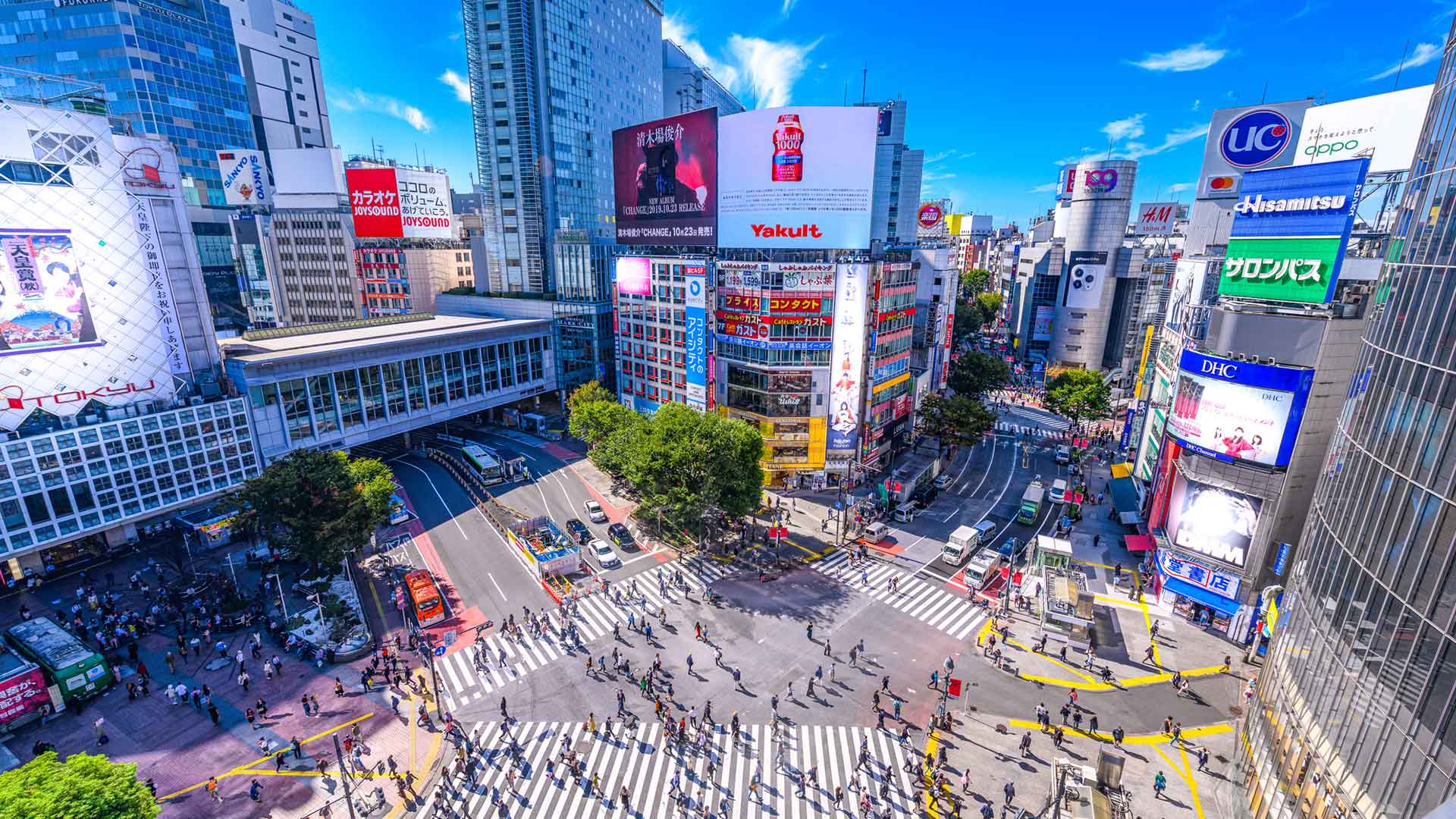
This is the most intuitive place to feel Tokyo’s fast-paced, modern energy. The Scramble Crossing, big shopping complexes, observation decks and restaurants are all packed together, making it ideal for your first or last day. You can walk on to Harajuku and Omotesando, so it’s easy to put together a youthful shopping-and-café course.
Using the Scramble Crossing as your reference point and checking the entrances to Shibuya Sky and the shopping complexes separately makes navigation much easier. Unlike strolling the streets, the observation deck requires a ticket and a time slot. If you plan to go on to Harajuku, pick just a few shops and leave time for walking.
Using the Scramble Crossing as your reference point and checking the entrances to Shibuya Sky and the shopping complexes separately makes navigation much easier. Unlike strolling the streets, the observation deck requires a ticket and a time slot. If you plan to go on to Harajuku, pick just a few shops and leave time for walking.
주소 Shibuya, Tokyo 일대(地図はエリアの代表地点)
대표 역 시부야역
추천 포인트 스크램블 교차로, 쇼핑몰, 시부야 스카이, 카페
Shinjuku
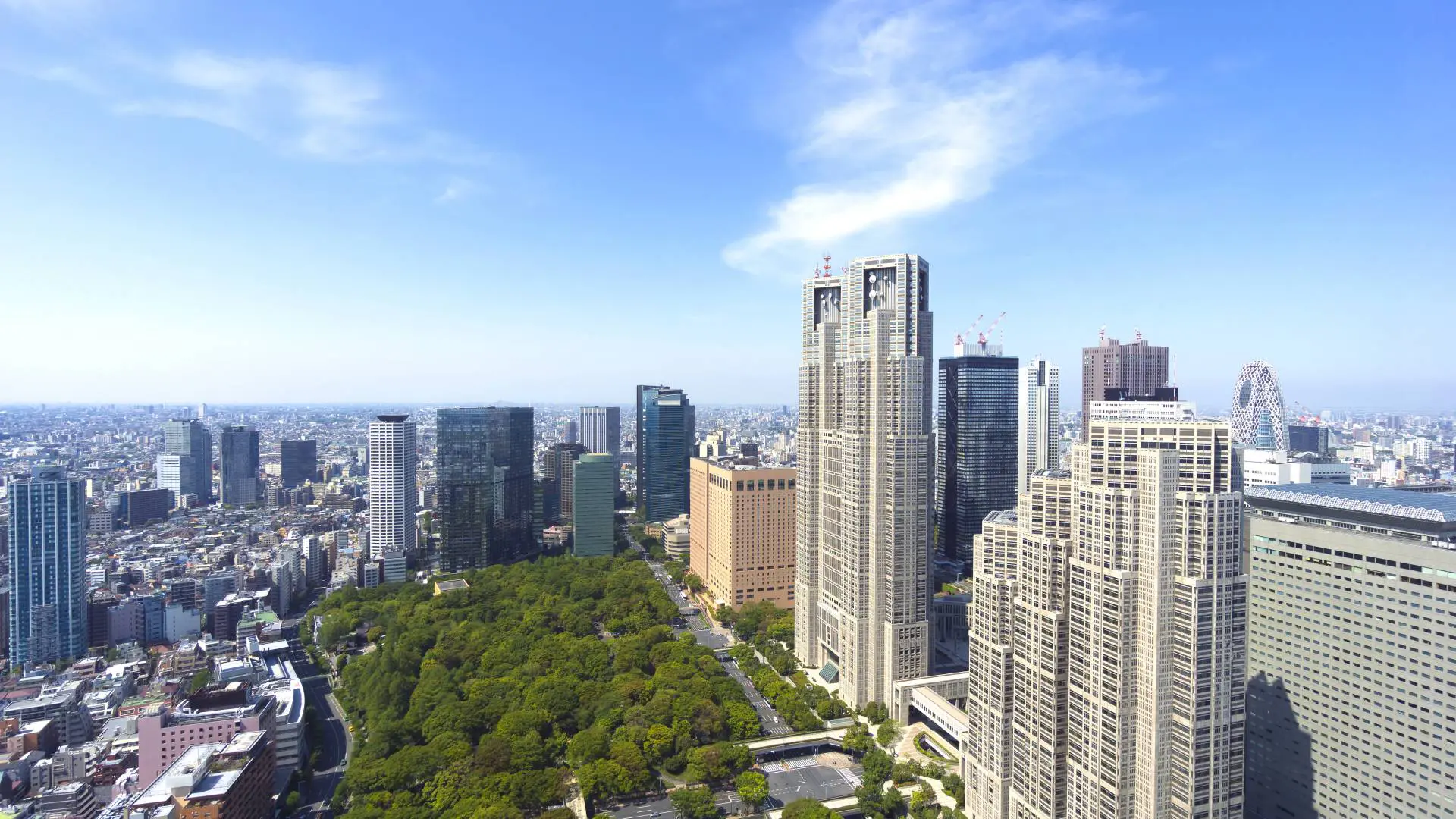
A popular choice for where to stay. With so many train lines, getting around is easy, but the station is huge and complicated, so check your exit carefully at first. There are plenty of shopping and dining options, plus places to relax like the free observation deck at the Tokyo Metropolitan Government Building and Shinjuku Gyoen, so it suits travelers with all kinds of goals.
The shopping streets to the east, the Metropolitan Government Building to the west and the area around the South Exit branch off in different directions from the station. Having Shinjuku in your hotel’s name doesn’t mean it’s close to the platform for the line you need. Decide on dinner and your route home first, then explore around that exit so you don’t have to keep passing through the maze-like station.
The shopping streets to the east, the Metropolitan Government Building to the west and the area around the South Exit branch off in different directions from the station. Having Shinjuku in your hotel’s name doesn’t mean it’s close to the platform for the line you need. Decide on dinner and your route home first, then explore around that exit so you don’t have to keep passing through the maze-like station.
주소 Shinjuku, Tokyo 일대(地図はエリアの代表地点)
대표 역 신주쿠역
추천 포인트 교통 허브, 백화점, 도쿄도청 전망대, 신주쿠교엔
Asakusa
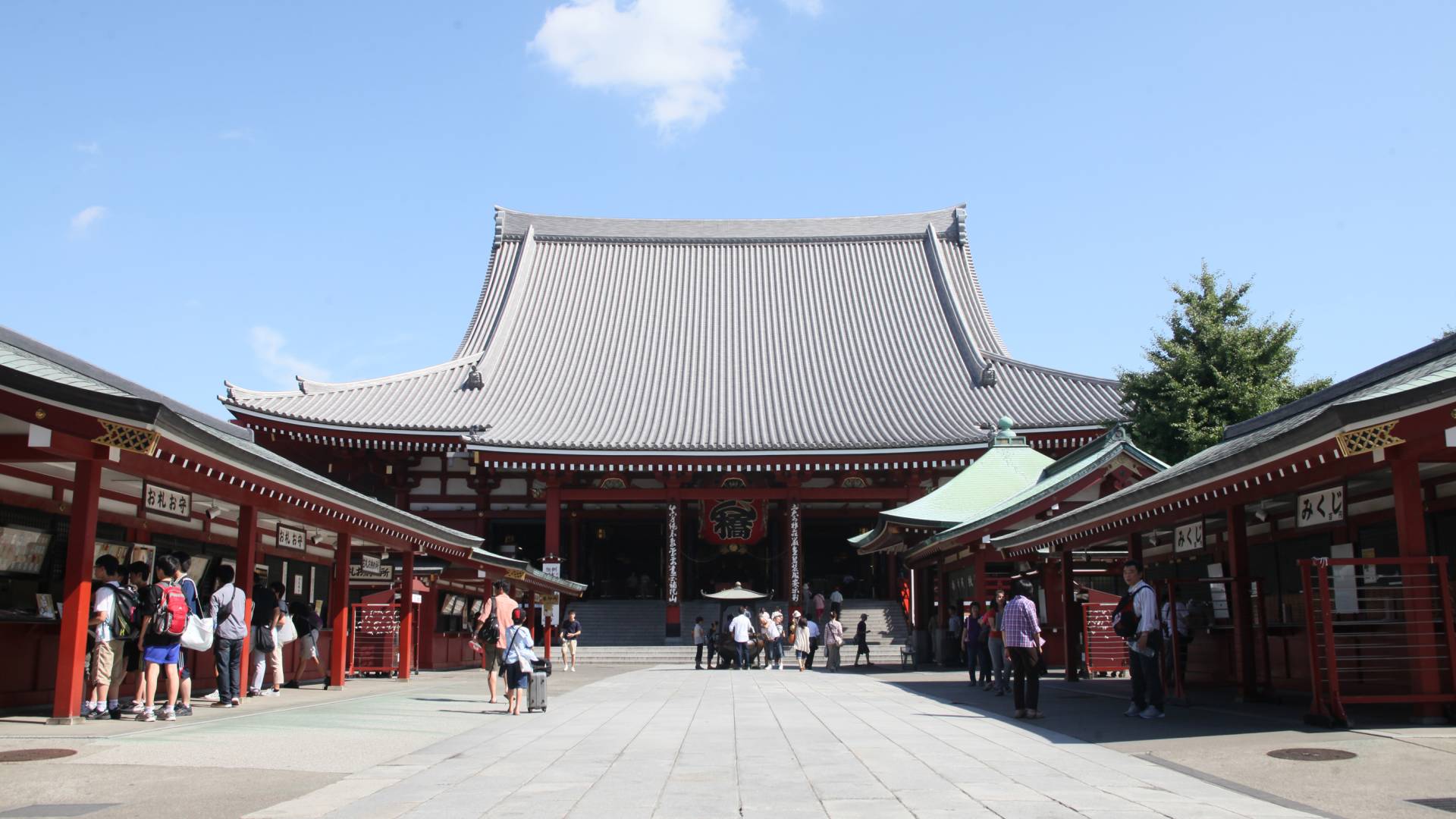
If you want to see traditional Tokyo, this area should be high on your list. Senso-ji, Nakamise-dori, kimono rentals and traditional snacks offer plenty of scenes travelers know and love. It’s easy to head toward the Sumida River and Tokyo Skytree from here, making it a great hub for a day on the east side.
The hours you can walk around the Senso-ji grounds differ from the hours of the main hall and individual Nakamise shops. Go early in the morning for quiet scenery, or plan around shop hours if browsing is your goal. Getting to the Skytree involves crossing the river, so don’t treat it as just around the corner.
The hours you can walk around the Senso-ji grounds differ from the hours of the main hall and individual Nakamise shops. Go early in the morning for quiet scenery, or plan around shop hours if browsing is your goal. Getting to the Skytree involves crossing the river, so don’t treat it as just around the corner.
주소 Asakusa, Taito-ku, Tokyo 일대(地図はエリアの代表地点)
대표 역 아사쿠사역
추천 포인트 센소지, 나카미세도리, 전통 간식, 스카이트리 접근
Ueno
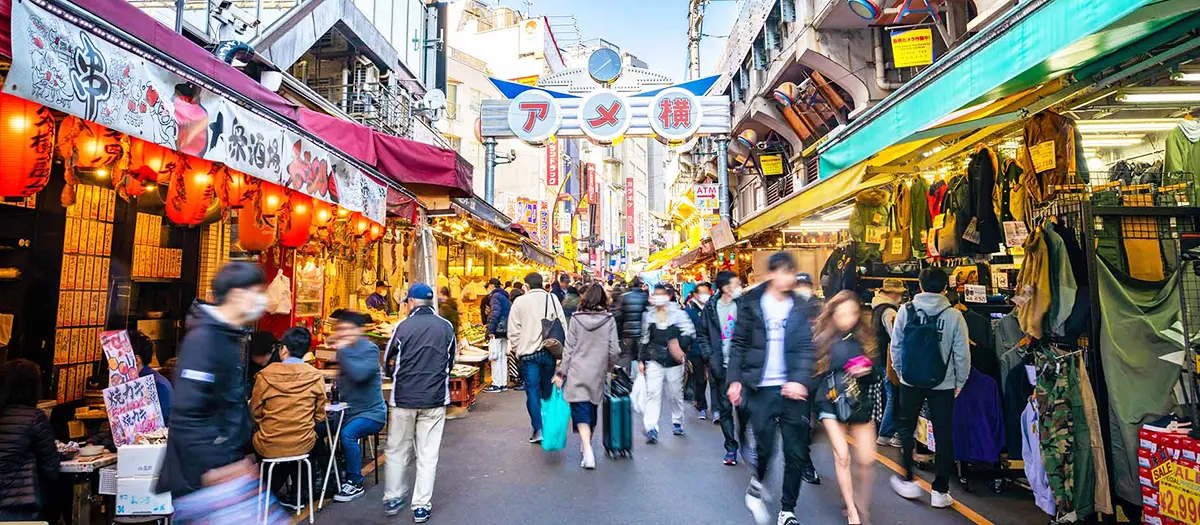
With plenty of museums to choose from, this is a dependable area even on rainy or hot days. Cultural facilities cluster in and around Ueno Park, and Ameyoko is great for snacks and casual shopping. Pair it with Asakusa and you’ll naturally have a traditional-and-cultural course on Tokyo’s east side.
Each museum in Ueno Park has its own admission and closing days. Spend a good while at one, then head down to Ameyoko—choosing a main activity like this keeps things manageable. Even with lots of indoor options for rainy days, the walks between facilities are outdoors, so don’t assume you can get everywhere without an umbrella.
Each museum in Ueno Park has its own admission and closing days. Spend a good while at one, then head down to Ameyoko—choosing a main activity like this keeps things manageable. Even with lots of indoor options for rainy days, the walks between facilities are outdoors, so don’t assume you can get everywhere without an umbrella.
주소 Ueno, Taito-ku, Tokyo 일대(地図はエリアの代表地点)
대표 역 우에노역
추천 포인트 우에노공원, 도쿄국립박물관, 아메요코, 벚꽃
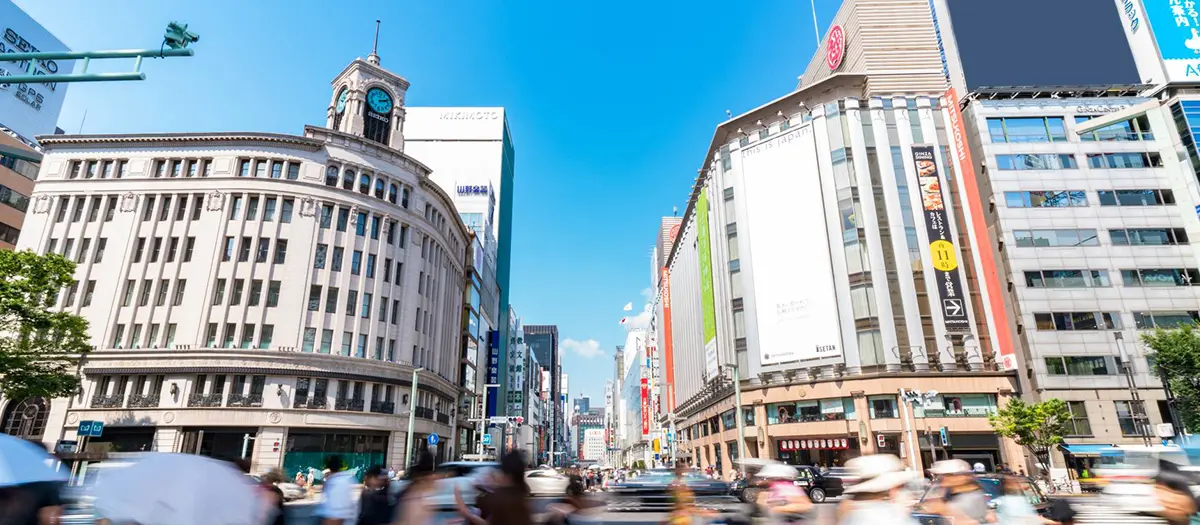
Ginza
If you want refined shopping and dining, Ginza is a great match. It’s full of department stores and brand boutiques, but the backstreets hide long-established cafés and restaurants too, so there are options at many price points. Being close to Tokyo Station, Tsukiji and Hibiya, it’s easy to plan an urban day course here.
Choose your starting point between Ginza Station and Yurakucho Station based on which is more convenient for your next destination. Food halls in department store basements, rooftops and exhibition spaces may keep different hours even within the same building. Mixing the main avenue’s shops with the lanes a block behind lets you see a different side of the neighborhood.
Choose your starting point between Ginza Station and Yurakucho Station based on which is more convenient for your next destination. Food halls in department store basements, rooftops and exhibition spaces may keep different hours even within the same building. Mixing the main avenue’s shops with the lanes a block behind lets you see a different side of the neighborhood.
주소 Ginza, Chuo-ku, Tokyo 일대(地図はエリアの代表地点)
대표 역 긴자역, 유라쿠초역
추천 포인트 백화점, 편집숍, 카페, 가부키자
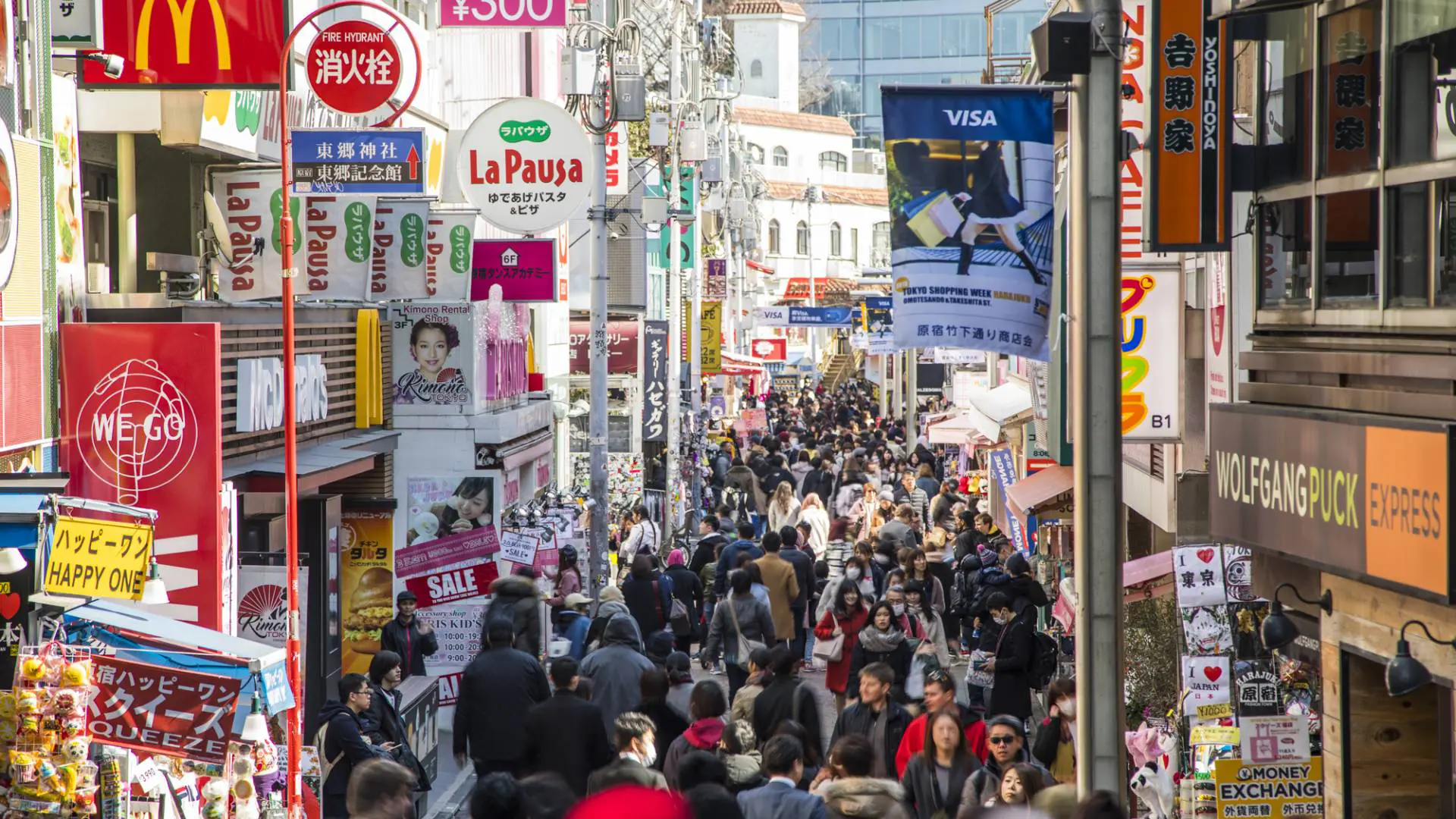
Harajuku & Omotesando
Harajuku and Omotesando
Close to Shibuya, yet the atmosphere changes completely. Harajuku is all about quirky fashion and snacks, while Omotesando shines with polished architecture, cafés and select shops. Add Meiji Jingu and you can enjoy an urban forest and shopping in one go.
The crowds on Takeshita-dori and the backstreets behind Omotesando make for very different walking speeds. Including the forest paths of Meiji Jingu adds a lot of walking, so balance your time between shopping and visiting the shrine. The areas are close together, but not every destination is right outside a station, so it helps to narrow the range to suit your companions’ stamina.
The crowds on Takeshita-dori and the backstreets behind Omotesando make for very different walking speeds. Including the forest paths of Meiji Jingu adds a lot of walking, so balance your time between shopping and visiting the shrine. The areas are close together, but not every destination is right outside a station, so it helps to narrow the range to suit your companions’ stamina.
주소 Harajuku, Jingumae, Omotesando 일대(地図はエリアの代表地点)
대표 역 하라주쿠역, 메이지진구마에역, 오모테산도역
추천 포인트 다케시타도리, 메이지신궁, 디자인 숍, 카페
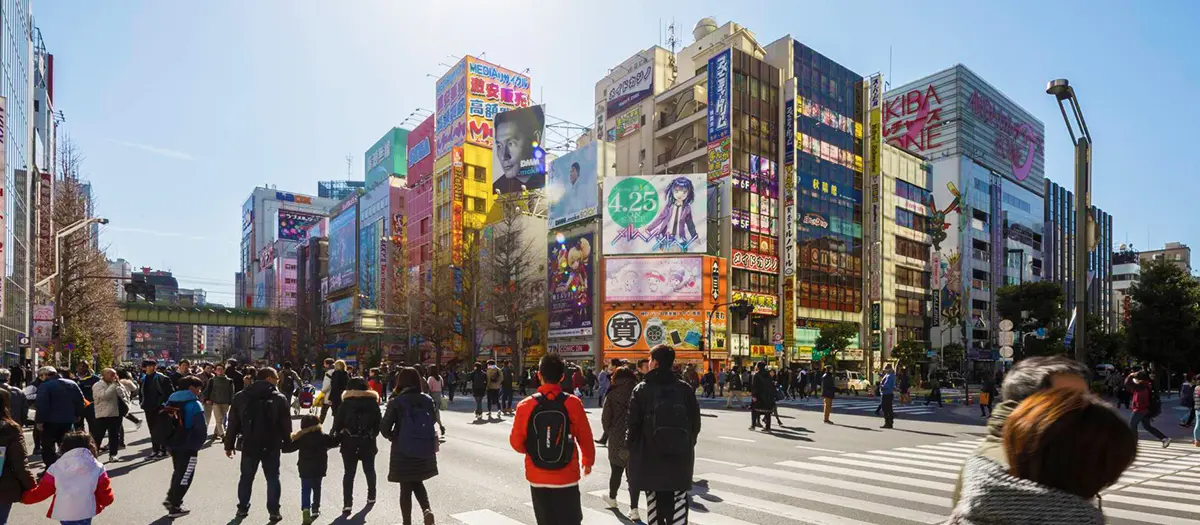
Akihabara
For people with the right interests, this is one of the places in Tokyo where you’ll end up staying the longest. With big stores, secondhand merch shops and game centers everywhere, there’s plenty to do even on rainy days. It’s a niche area, so if your companions don’t share your interests, keep your time here in moderation.
Large electronics stores and secondhand merch shops differ in products, warranties and return policies. If you have a particular series or model in mind, check what each store specializes in before going in to save time. Game centers also vary in machines and hours, so pick a few buildings you’re interested in rather than wandering through them all aimlessly.
Large electronics stores and secondhand merch shops differ in products, warranties and return policies. If you have a particular series or model in mind, check what each store specializes in before going in to save time. Game centers also vary in machines and hours, so pick a few buildings you’re interested in rather than wandering through them all aimlessly.
주소 Akihabara, Chiyoda-ku, Tokyo 일대(地図はエリアの代表地点)
대표 역 아키하바라역
추천 포인트 전자제품, 피규어, 게임센터, 애니 굿즈
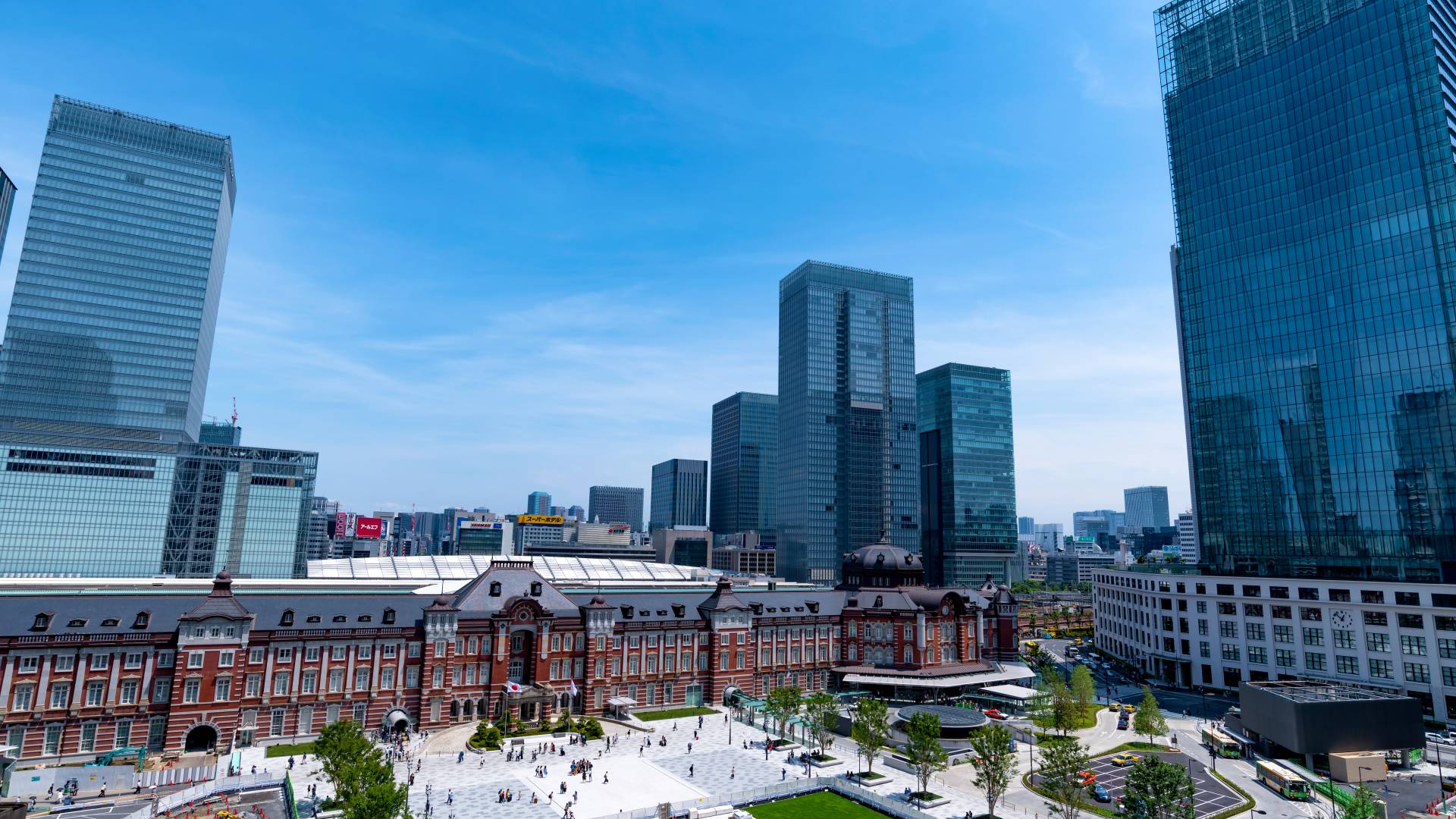
Tokyo Station & Marunouchi
Tokyo Station and Marunouchi
This area fits perfectly with arriving in and departing from Tokyo. Inside and around the station are underground malls, great restaurants and souvenir shops, so it’s a good place to spend time whatever the weather. Link it with the Marunouchi office district and a stroll through the Imperial Palace Outer Garden to feel Tokyo’s orderly downtown atmosphere.
It’s easier to get your bearings if you think of Tokyo Station Ichibangai on the Yaesu side for gift shopping and the Marunouchi side for admiring the red-brick station building. Shops inside and outside the ticket gates have different access rules, so check whether you can go without a train ticket. If you add a walk around the Imperial Palace, budget outdoor walking time separately from indoor shopping.
It’s easier to get your bearings if you think of Tokyo Station Ichibangai on the Yaesu side for gift shopping and the Marunouchi side for admiring the red-brick station building. Shops inside and outside the ticket gates have different access rules, so check whether you can go without a train ticket. If you add a walk around the Imperial Palace, budget outdoor walking time separately from indoor shopping.
주소 Marunouchi, Chiyoda-ku, Tokyo 일대(地図はエリアの代表地点)
대표 역 도쿄역
추천 포인트 도쿄역사, 캐릭터 스트리트, 마루노우치, 황거 외원
Traveling in Tokyo is often more satisfying when you group neighborhoods in the same direction rather than just hitting famous spots. By dividing areas into the west, which includes Shibuya, Harajuku, and Shinjuku, and the east, which includes Asakusa, Ueno, and Skytree, along with the city center's Ginza, Tokyo Station, and Marunouchi, you can significantly reduce travel fatigue. When choosing accommodation, it's better to consider distance to areas you will frequently visit, access to train stations, number of transfers, and safety at night rather than just looking at pretty hotels. For your first trip, rather than including three or more neighborhoods that are far apart, it's recommended to pick combinations that flow naturally through the morning, afternoon, and evening. Understanding the character of the neighborhoods will make your Tokyo trip much less complicated.
At a glance
8 items
Locations at a glance
8 places
As part of the Coupang Partners program, this post may earn a commission from qualifying purchases.
Comments 0
Log in to leave a comment.
Be the first to comment.
How about these lists?


You might also like


🎲
Not ready to stop here?
Wondering what to read next is the biggest waste of time.
Let the dice decide — you won't know what pops up until you roll.
If you don't press it… won't you wonder forever? 👀
