
Collection
Basketball
2026.09.23
Basketball Drills with a Clear Plan Even When You Hit the Court Alone
Fundamentals to Repeat While Tracking Your Dribbling, Passing, Shooting, and Defense
When practicing basketball alone, it's easy to focus solely on shooting a lot. However, the fundamentals needed in a game are divided into different actions such as keeping the ball low while dribbling, maintaining balance after stopping, executing accurate passes, performing layups from both sides, and the first steps in defense. Trying to fix everything at once can blur your posture, so it's more effective to dedicate even 30 minutes to practice with specific goals and success criteria.
This list organizes the fundamental aspects covered by the Jr. NBA in a way that can be repeated alone, including dribbling, shooting, layups, passing, and defense. Each item contains not only the method but also what to lower if you fail, and how many repetitions to record. Wall passes and line movements should be done in an area where you won't collide with other users, and if you experience pain during jumping and landing drills, stop immediately.
This list organizes the fundamental aspects covered by the Jr. NBA in a way that can be repeated alone, including dribbling, shooting, layups, passing, and defense. Each item contains not only the method but also what to lower if you fail, and how many repetitions to record. Wall passes and line movements should be done in an area where you won't collide with other users, and if you experience pain during jumping and landing drills, stop immediately.
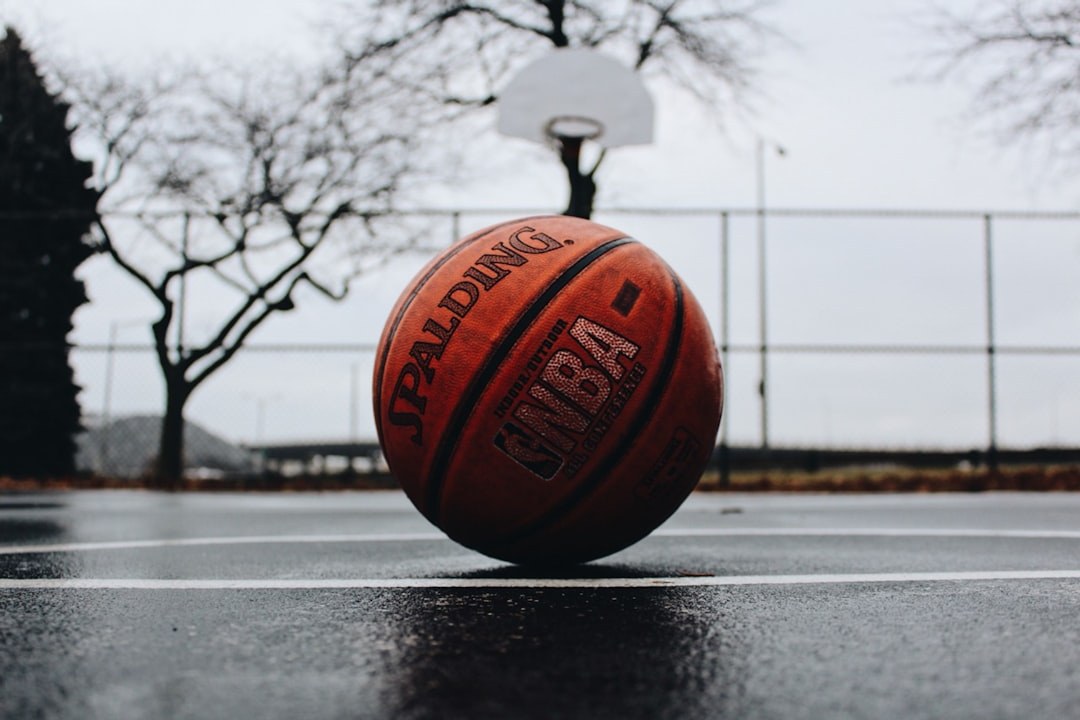
Low-Stance Pound Dribble
The Low-Stance Pound Dribble is a drill in "Solo Basketball Drills with Clear Objectives on the Court" that walks through a sequence you can repeat on your own. With one hand, pound the ball hard below your waist while keeping your eyes forward. The Low-Stance Pound Dribble is a starter drill that builds fingertip feel, not palm contact, and a low center of gravity, and the standard is the range in which you can hold your posture rather than increasing the number of reps.
Do 30 seconds on each side, within a range where your stance doesn't rise. In solo training, it's more important to stop at the point where you can no longer hold the same posture than to rack up reps. Writing down your makes and attempts helps you decide where to pick up on your next visit, and if you feel pain or dizziness, it's safer to scale back that day's goal.
Do 30 seconds on each side, within a range where your stance doesn't rise. In solo training, it's more important to stop at the point where you can no longer hold the same posture than to rack up reps. Writing down your makes and attempts helps you decide where to pick up on your next visit, and if you feel pain or dizziness, it's safer to scale back that day's goal.
핵심 한 손으로 허리 아래에서 강하게 공을 눌러 튀기며 시선은 정면에 둔다
추천 상황 손바닥이 아니라 손가락 끝 감각과 낮은 중심을 만드는 출발 훈련
확인할 점 좌우 각 30초씩 자세가 올라오지 않는 범위에서 진행
공식 근거 제조사·Jr. NBA·FIBA 공식 자료
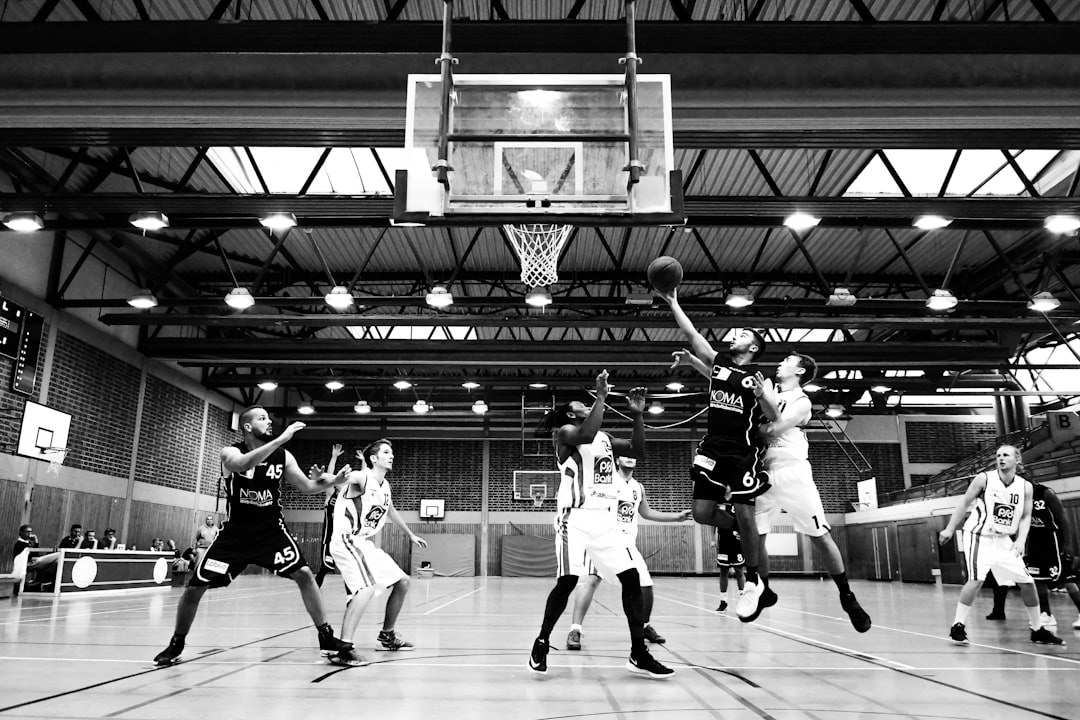
Front-and-Back Control Dribble
The Front and Back Control Dribble is a drill in "Solo Basketball Drills with Clear Objectives on the Court" that walks through a sequence you can repeat on your own. With one hand, move the ball in front of your body and to the side and back, controlling it in place. The Front and Back Control Dribble builds the feel for shifting the ball's position to escape defensive pressure, and the standard is the range in which you can hold your posture rather than increasing the number of reps.
If the ball hits your foot, slow down and shrink the range first. In solo training, it's more important to stop at the point where you can no longer hold the same posture than to rack up reps. Writing down your makes and attempts helps you decide where to pick up on your next visit, and if you feel pain or dizziness, it's safer to scale back that day's goal.
If the ball hits your foot, slow down and shrink the range first. In solo training, it's more important to stop at the point where you can no longer hold the same posture than to rack up reps. Writing down your makes and attempts helps you decide where to pick up on your next visit, and if you feel pain or dizziness, it's safer to scale back that day's goal.
핵심 한 손으로 공을 몸 앞과 옆 뒤쪽으로 이동시키며 같은 자리에서 제어한다
추천 상황 수비 압박을 피할 때 공의 위치를 바꾸는 감각
확인할 점 공이 발에 부딪히면 속도를 낮추고 범위를 먼저 줄인다
공식 근거 제조사·Jr. NBA·FIBA 공식 자료
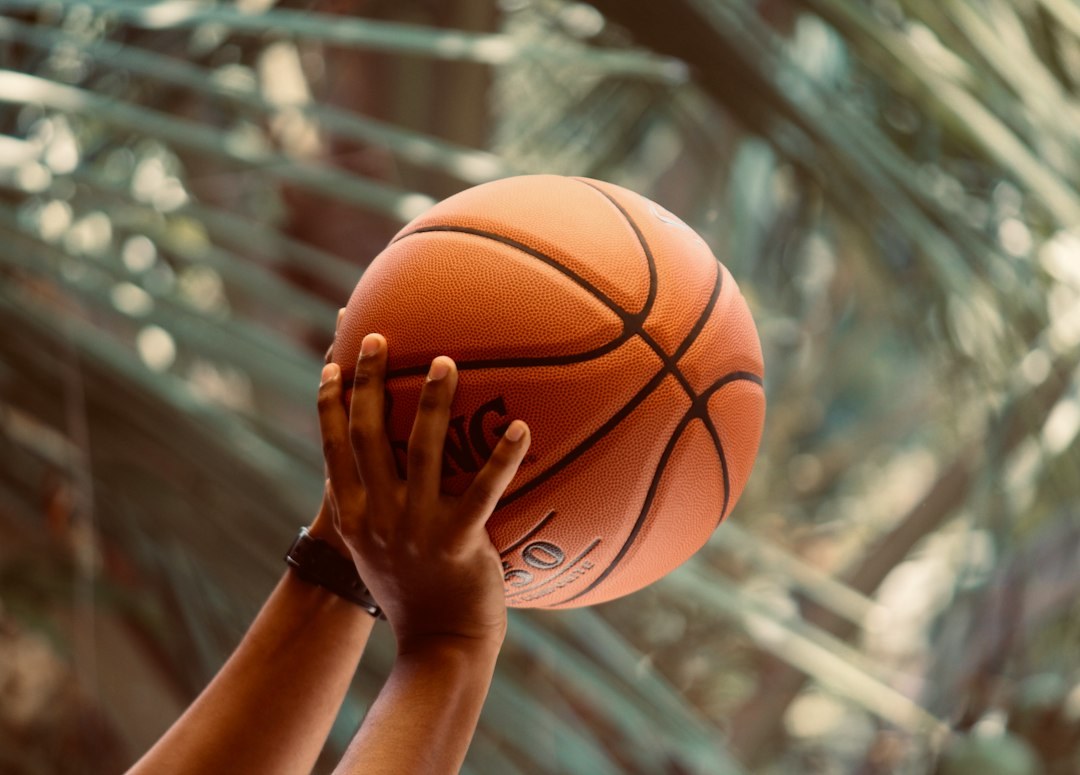
Cone Zigzag Dribble
The Cone Zigzag Dribble is a drill in "Solo Basketball Drills with Clear Objectives on the Court" that walks through a sequence you can repeat on your own. Set up 5 markers in a line and change direction by pushing off your outside foot. The Cone Zigzag Dribble is a fundamental for switching hands on the move and shielding the ball with your body, and the standard is the range in which you can hold your posture rather than increasing the number of reps.
In a safe space with no one around, start at a walk and then pick up speed. In solo training, it's more important to stop at the point where you can no longer hold the same posture than to rack up reps. Writing down your makes and attempts helps you decide where to pick up on your next visit, and if you feel pain or dizziness, it's safer to scale back that day's goal.
In a safe space with no one around, start at a walk and then pick up speed. In solo training, it's more important to stop at the point where you can no longer hold the same posture than to rack up reps. Writing down your makes and attempts helps you decide where to pick up on your next visit, and if you feel pain or dizziness, it's safer to scale back that day's goal.
핵심 5개 표적을 일렬로 두고 바깥발로 밀며 방향을 바꾼다
추천 상황 움직이면서 손을 바꾸고 몸으로 공을 보호하는 기본기
확인할 점 사람이 없는 안전한 공간에서 걷기부터 시작해 속도를 높인다
공식 근거 제조사·Jr. NBA·FIBA 공식 자료
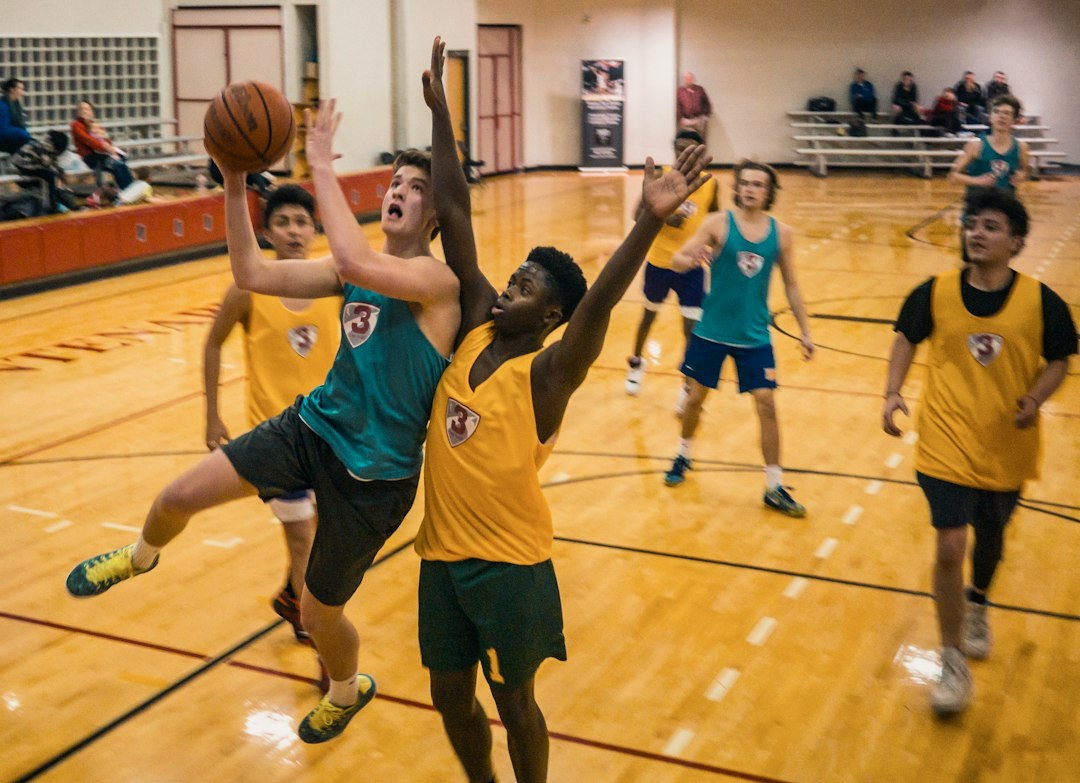
Wall Chest Pass Target Practice
Wall Chest Pass Target Practice is a drill in "Solo Basketball Drills with Clear Objectives on the Court" that walks through a sequence you can repeat on your own. Pick a target at chest height, throw two-handed chest passes at it, and catch the ball as it comes back. Wall Chest Pass Target Practice lets you repeat passing accuracy and your catching hand shape on your own, and the standard is the range in which you can hold your posture rather than increasing the number of reps.
Check that using the wall is allowed, and watch out for rebounds at face height. In solo training, it's more important to stop at the point where you can no longer hold the same posture than to rack up reps. Writing down your makes and attempts helps you decide where to pick up on your next visit, and if you feel pain or dizziness, it's safer to scale back that day's goal.
Check that using the wall is allowed, and watch out for rebounds at face height. In solo training, it's more important to stop at the point where you can no longer hold the same posture than to rack up reps. Writing down your makes and attempts helps you decide where to pick up on your next visit, and if you feel pain or dizziness, it's safer to scale back that day's goal.
핵심 가슴 높이 표적을 정해 양손 체스트패스를 보내고 되돌아오는 공을 받는다
추천 상황 패스 정확도와 받을 때 손 모양을 혼자 반복
확인할 점 벽 사용이 허용된 곳인지 확인하고 얼굴 높이 반사에 주의한다
공식 근거 제조사·Jr. NBA·FIBA 공식 자료
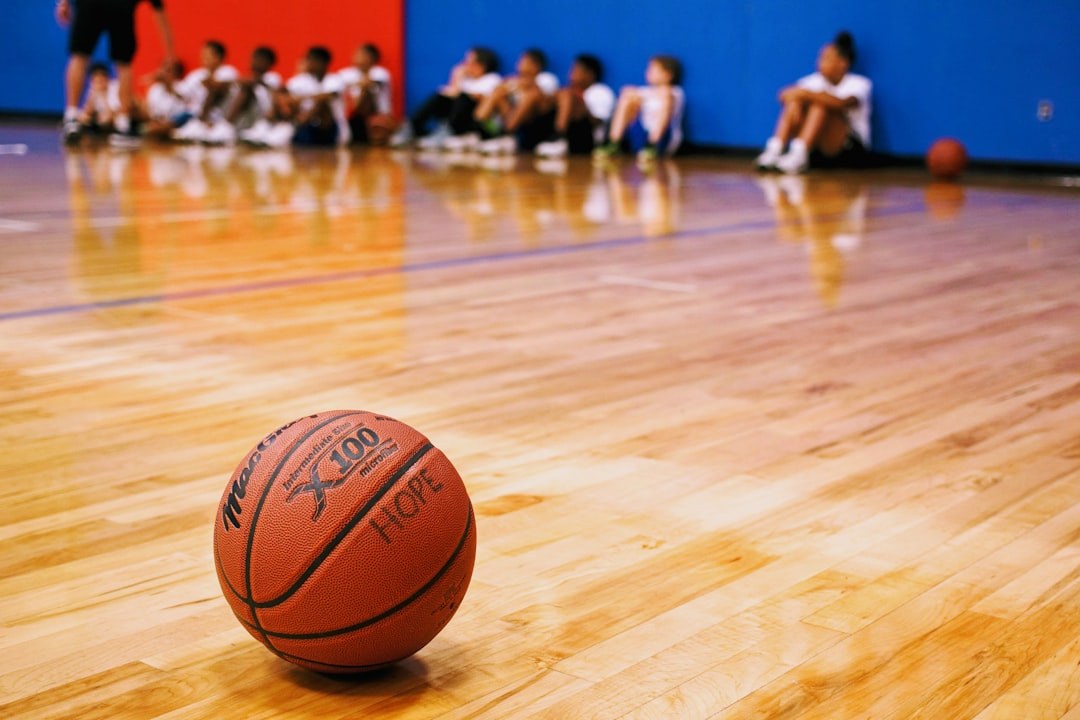
Jump Stop After Dribbling
The Dribble Jump Stop is a drill in "Solo Basketball Drills with Clear Objectives on the Court" that walks through a sequence you can repeat on your own. After two or three dribbles, stop so both feet land almost at the same time, and find your balance. The Dribble Jump Stop builds the habit of reducing traveling and preparing for the next pass or pivot, and the standard is the range in which you can hold your posture rather than increasing the number of reps.
Don't let your knees cave inward when landing, and stop if you feel pain. In solo training, it's more important to stop at the point where you can no longer hold the same posture than to rack up reps. Writing down your makes and attempts helps you decide where to pick up on your next visit, and if you feel pain or dizziness, it's safer to scale back that day's goal.
Don't let your knees cave inward when landing, and stop if you feel pain. In solo training, it's more important to stop at the point where you can no longer hold the same posture than to rack up reps. Writing down your makes and attempts helps you decide where to pick up on your next visit, and if you feel pain or dizziness, it's safer to scale back that day's goal.
핵심 두세 번 드리블한 뒤 양발이 거의 동시에 닿도록 멈추고 균형을 잡는다
추천 상황 트래블링을 줄이고 다음 패스나 피벗을 준비하는 습관
확인할 점 착지 때 무릎이 안쪽으로 모이지 않게 하고 통증이 생기면 중단한다
공식 근거 제조사·Jr. NBA·FIBA 공식 자료
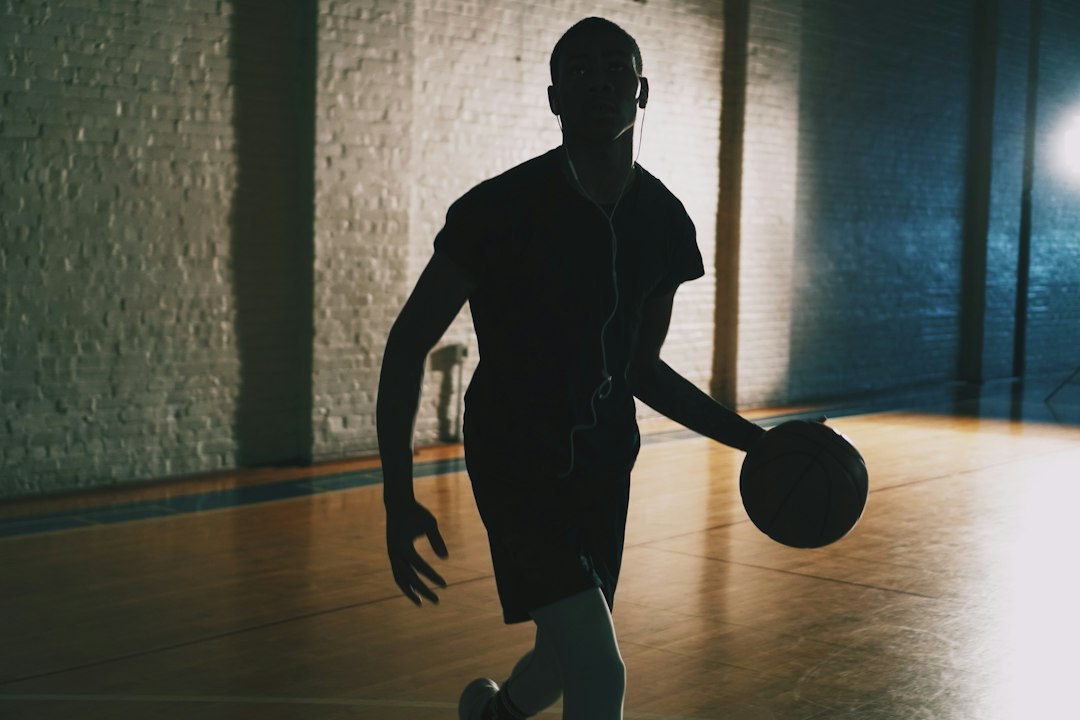
Form Shooting One-Hand Finish
Form Shooting One-Hand Finish is a drill in "Solo Basketball Drills with Clear Objectives on the Court" that walks through a sequence you can repeat on your own. Close to the basket, use only your shooting hand and align the direction of your elbow and wrist. Form Shooting One-Hand Finish is a drill for building a consistent release and rotation rather than distance, and the standard is the range in which you can hold your posture rather than increasing the number of reps.
If the ball drifts left or right, check the alignment of your feet and elbow before adding power. In solo training, it's more important to stop at the point where you can no longer hold the same posture than to rack up reps. Writing down your makes and attempts helps you decide where to pick up on your next visit, and if you feel pain or dizziness, it's safer to scale back that day's goal.
If the ball drifts left or right, check the alignment of your feet and elbow before adding power. In solo training, it's more important to stop at the point where you can no longer hold the same posture than to rack up reps. Writing down your makes and attempts helps you decide where to pick up on your next visit, and if you feel pain or dizziness, it's safer to scale back that day's goal.
핵심 골대 가까이에서 슈팅 손만 사용해 팔꿈치와 손목의 진행 방향을 맞춘다
추천 상황 거리보다 일정한 릴리스와 회전을 만드는 훈련
확인할 점 공이 좌우로 벗어나면 힘을 더하기 전에 발과 팔꿈치 정렬을 본다
공식 근거 제조사·Jr. NBA·FIBA 공식 자료
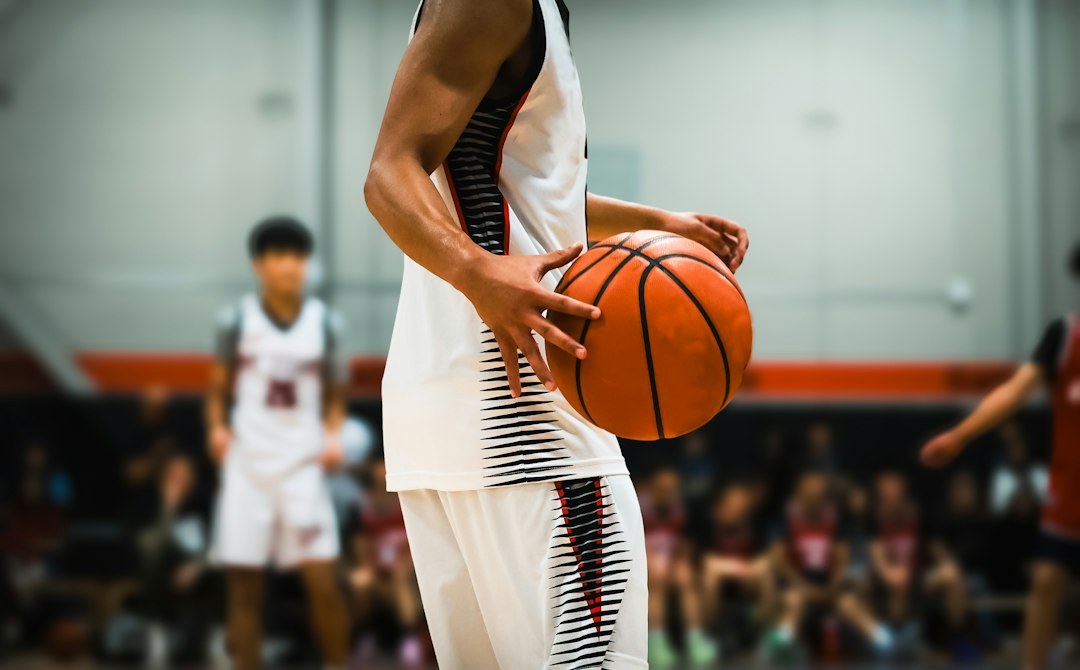
Mid-Range Shooting from Five Spots
Five-Point Mid-Range Shooting is a drill in "Solo Basketball Drills with Clear Objectives on the Court" that walks through a sequence you can repeat on your own. Record the same number of shots from five spots, including the baseline, the wings, and straight on. Five-Point Mid-Range Shooting is about checking the differences in your shooting percentage instead of repeating only your favorite spots, and the standard is the range in which you can hold your posture rather than increasing the number of reps.
Write down your makes and attempts together, and shorten the distance when you get tired. In solo training, it's more important to stop at the point where you can no longer hold the same posture than to rack up reps. Writing down your makes and attempts helps you decide where to pick up on your next visit, and if you feel pain or dizziness, it's safer to scale back that day's goal.
Write down your makes and attempts together, and shorten the distance when you get tired. In solo training, it's more important to stop at the point where you can no longer hold the same posture than to rack up reps. Writing down your makes and attempts helps you decide where to pick up on your next visit, and if you feel pain or dizziness, it's safer to scale back that day's goal.
핵심 베이스라인·윙·정면 등 다섯 지점에서 같은 개수의 슛을 기록한다
추천 상황 좋아하는 위치만 반복하지 않고 성공률 차이를 확인
확인할 점 성공 개수와 시도 수를 함께 적고 피로하면 거리를 줄인다
공식 근거 제조사·Jr. NBA·FIBA 공식 자료
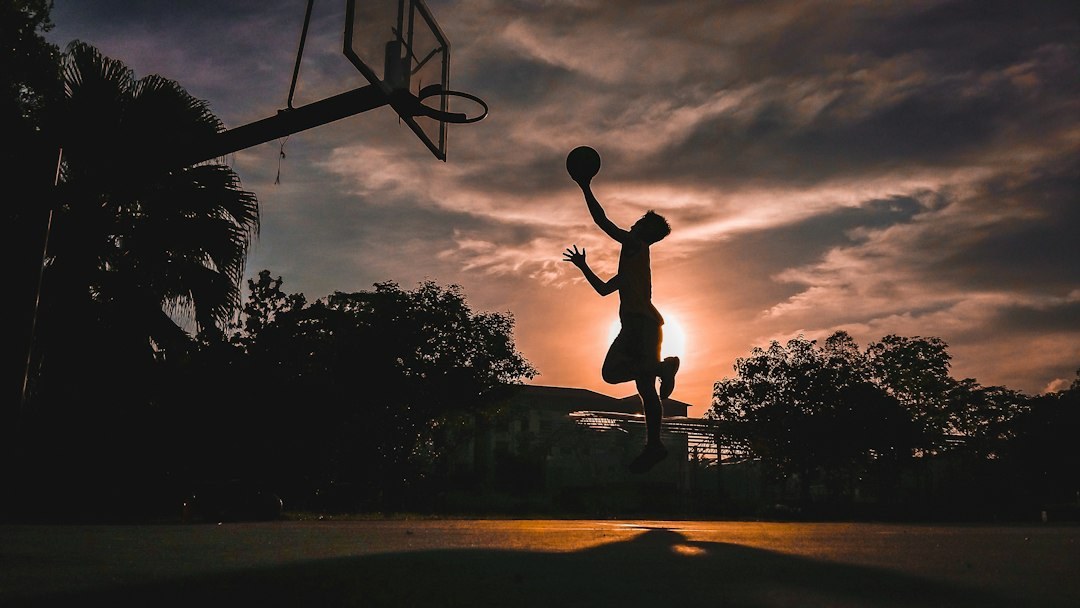
Alternating Right- and Left-Hand Layups
Alternating Right and Left Hand Layups is a drill in "Solo Basketball Drills with Clear Objectives on the Court" that walks through a sequence you can repeat on your own. From both sides of the basket, alternate layups off the backboard, jumping off your outside foot. Alternating Right and Left Hand Layups is a drill for learning weak-hand finishes and footwork order together, and the standard is the range in which you can hold your posture rather than increasing the number of reps.
Go one direction at a time so you don't collide with other people under the basket. In solo training, it's more important to stop at the point where you can no longer hold the same posture than to rack up reps. Writing down your makes and attempts helps you decide where to pick up on your next visit, and if you feel pain or dizziness, it's safer to scale back that day's goal.
Go one direction at a time so you don't collide with other people under the basket. In solo training, it's more important to stop at the point where you can no longer hold the same posture than to rack up reps. Writing down your makes and attempts helps you decide where to pick up on your next visit, and if you feel pain or dizziness, it's safer to scale back that day's goal.
핵심 골대 양쪽에서 바깥발로 도약해 백보드를 이용하는 레이업을 번갈아 한다
추천 상황 약한 손 마무리와 발 순서를 함께 익히는 훈련
확인할 점 골대 아래 다른 이용자와 충돌하지 않도록 한 방향씩 진행한다
공식 근거 제조사·Jr. NBA·FIBA 공식 자료
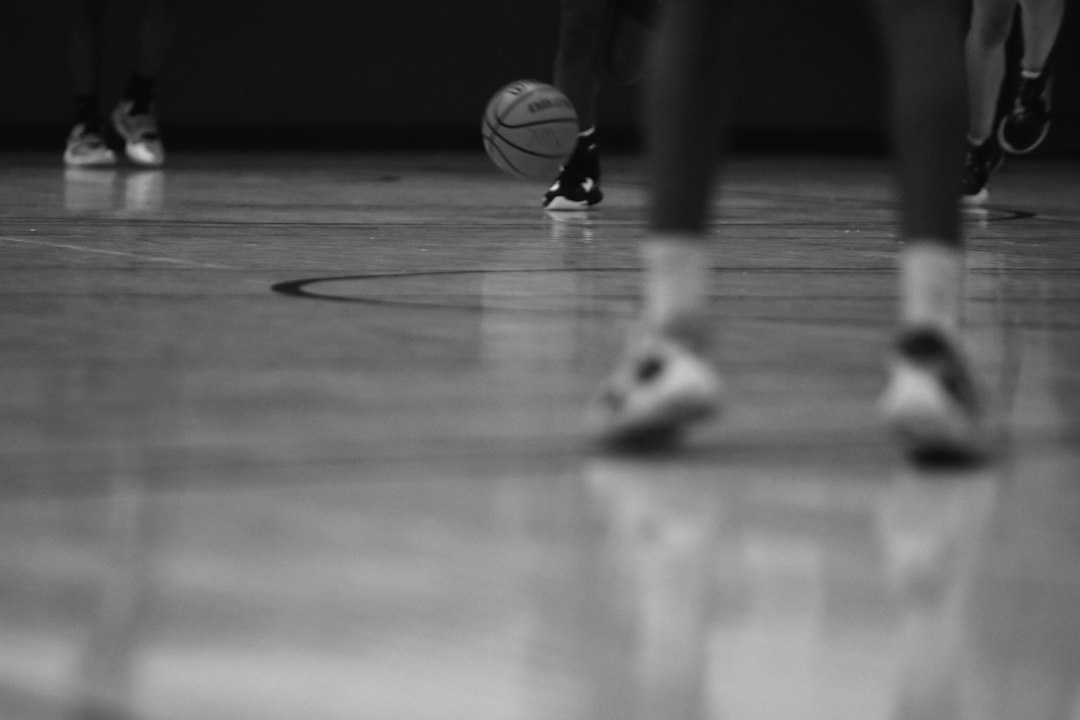
Logging a 20-Shot Free Throw Routine
Recording 20 Free Throw Routines is a drill in "Solo Basketball Drills with Clear Objectives on the Court" that walks through a sequence you can repeat on your own. Fix your breathing, number of dribbles, and eye position, and write down the results of 20 free throws. Recording 20 Free Throw Routines is a way to build a pre-shot routine you can repeat even when nervous during a game, and the standard is the range in which you can hold your posture rather than increasing the number of reps.
Track your percentage in sets of 5 and distinguish short misses from long ones. In solo training, it's more important to stop at the point where you can no longer hold the same posture than to rack up reps. Writing down your makes and attempts helps you decide where to pick up on your next visit, and if you feel pain or dizziness, it's safer to scale back that day's goal.
Track your percentage in sets of 5 and distinguish short misses from long ones. In solo training, it's more important to stop at the point where you can no longer hold the same posture than to rack up reps. Writing down your makes and attempts helps you decide where to pick up on your next visit, and if you feel pain or dizziness, it's safer to scale back that day's goal.
핵심 호흡·드리블 횟수·시선 위치를 고정하고 자유투 20개의 결과를 적는다
추천 상황 경기 중 긴장해도 반복 가능한 준비 동작을 만드는 방법
확인할 점 연속 성공만 세지 말고 5개 단위 성공률과 짧고 긴 실수를 구분한다
공식 근거 제조사·Jr. NBA·FIBA 공식 자료
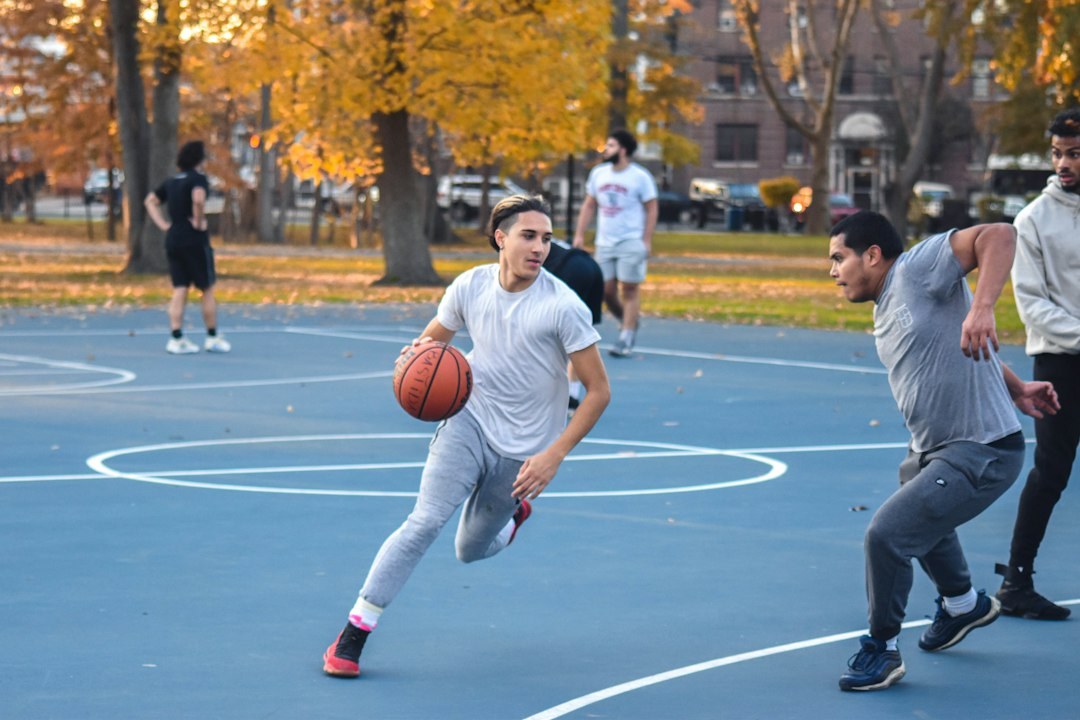
Defensive Slide Line Touch
The Defensive Slide Line Touch is a drill in "Solo Basketball Drills with Clear Objectives on the Court" that walks through a sequence you can repeat on your own. Move between two points in a low stance and touch the lines without crossing your feet. The Defensive Slide Line Touch trains the first step and changes of direction that keep your defensive spacing, and the standard is the range in which you can hold your posture rather than increasing the number of reps.
Don't drag your feet and create friction, and rest well after short sets. In solo training, it's more important to stop at the point where you can no longer hold the same posture than to rack up reps. Writing down your makes and attempts helps you decide where to pick up on your next visit, and if you feel pain or dizziness, it's safer to scale back that day's goal.
Don't drag your feet and create friction, and rest well after short sets. In solo training, it's more important to stop at the point where you can no longer hold the same posture than to rack up reps. Writing down your makes and attempts helps you decide where to pick up on your next visit, and if you feel pain or dizziness, it's safer to scale back that day's goal.
핵심 두 지점 사이를 낮은 자세로 이동하며 발을 교차하지 않고 선을 터치한다
추천 상황 수비 간격을 유지하는 첫발과 방향 전환을 훈련
확인할 점 발을 끌어 마찰시키지 말고 짧은 세트 뒤 충분히 쉰다
공식 근거 제조사·Jr. NBA·FIBA 공식 자료
Starting with low-intensity ball control and then moving to dribbling on the move, passing, close shooting, and long shooting allows you to easily manage your workload. Don't just focus on the number of successes; also record your attempts and the direction of your mistakes. Noting whether your shots were too short or too long, or which foot your dribble hit, will clarify what needs to be corrected in your next practice.
Rather than adding a new action every day, it's beneficial to repeat the same routine for 2-3 weeks and observe changes. If your posture collapses, start by lowering distance and speed, and use video recording solely to check one action without including other people. Even when practicing alone, it is essential to be aware of basic safety and etiquette by not monopolizing the court and ensuring the ball doesn’t roll into other playing areas.
Rather than adding a new action every day, it's beneficial to repeat the same routine for 2-3 weeks and observe changes. If your posture collapses, start by lowering distance and speed, and use video recording solely to check one action without including other people. Even when practicing alone, it is essential to be aware of basic safety and etiquette by not monopolizing the court and ensuring the ball doesn’t roll into other playing areas.
At a glance
10 items
Low-Stance Pound Dribble
Front-and-Back Control Dribble
Cone Zigzag Dribble
Wall Chest Pass Target Practice
Jump Stop After Dribbling
Form Shooting One-Hand Finish
Mid-Range Shooting from Five Spots
Alternating Right- and Left-Hand Layups
Logging a 20-Shot Free Throw Routine
Defensive Slide Line Touch
As part of the Coupang Partners program, this post may earn a commission from qualifying purchases.
Comments 0
Log in to leave a comment.
Be the first to comment.
How about these lists?


You might also like


🎲
Not ready to stop here?
Wondering what to read next is the biggest waste of time.
Let the dice decide — you won't know what pops up until you roll.
If you don't press it… won't you wonder forever? 👀
