
Collection
Small Business
2026.07.03
Pre-Season Store Checklist So You Don't Miss Out on Summer Peak Sales
10 practical checks for cooling, food safety, delivery, staffing, payments, and severe weather to run before you open
The summer peak season brings more customers, and with them, cooling, hygiene, delivery, and staffing problems all surface at once. Issues you'd normally overlook—seats the air conditioning doesn't reach, a fridge door opened again and again during peak hours, small leaks in takeout containers—directly affect how long customers stay and what they write in reviews. Rather than blaming individual staff mistakes after a problem occurs, you need to spot the risks that recur in your business flow ahead of time.
This list gathers items that restaurant, cafe, and retail store operators can test and record themselves before the peak season. Each check covers not only what to look at but also what figures to record and which official guidance to refer to. Rather than changing your whole store in a day, checking one item at a time starting with the biggest risk among cooling, food storage, packaging, staffing, and payments reduces the burden of putting it into practice.
This list gathers items that restaurant, cafe, and retail store operators can test and record themselves before the peak season. Each check covers not only what to look at but also what figures to record and which official guidance to refer to. Rather than changing your whole store in a day, checking one item at a time starting with the biggest risk among cooling, food storage, packaging, staffing, and payments reduces the burden of putting it into practice.
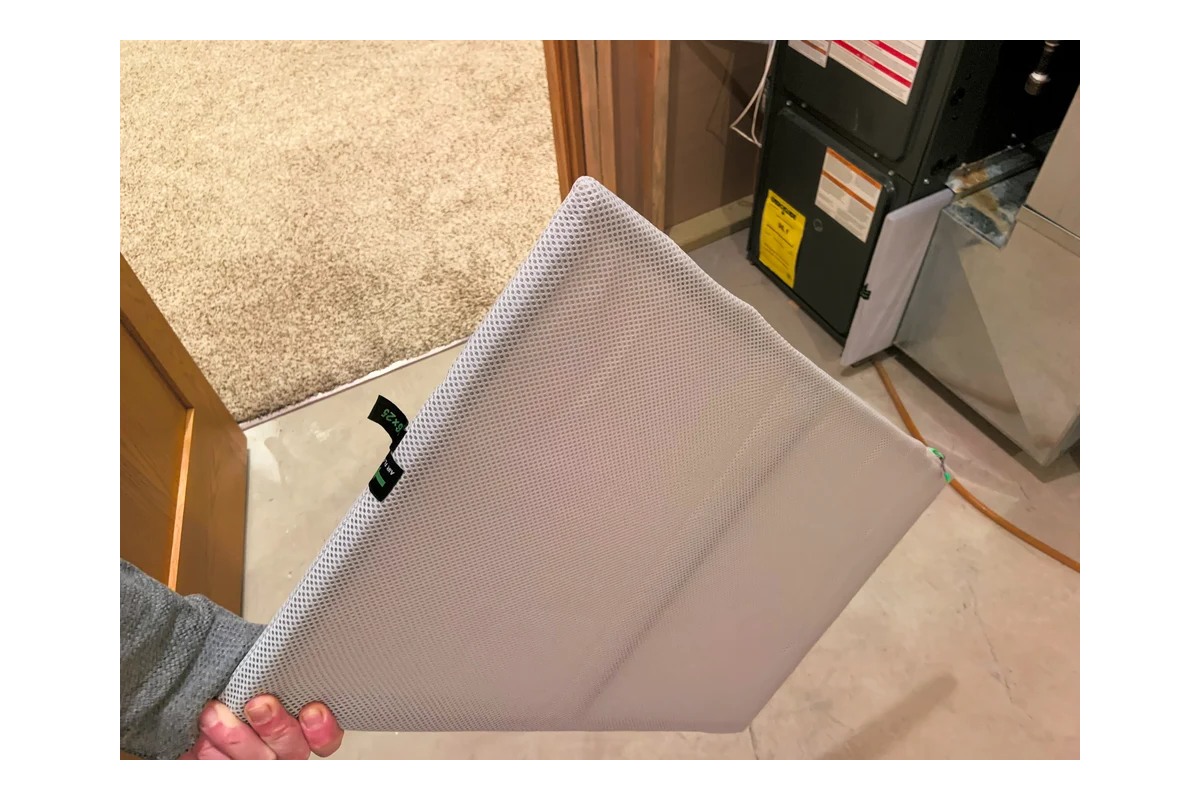
Checking AC Filters and Airflow
This check looks at filter buildup, obstacles around the outdoor unit, and differences in airflow from seat to seat to reduce loss of cooling performance and unnecessary power use. The purpose of this check is to tell whether weak cooling comes from an equipment failure or from a filter or airflow problem. Log the filter cleaning date, check the intake and exhaust clearance around the outdoor unit and how cool each seating area actually feels, and don't assume everything is fine based on a single check—review the same conditions again during peak hours in the busy season.
In your records, note the cleaning date, the indoor set temperature, and complaints of discomfort by seat during busy hours. The reference standard is the U.S. Department of Energy's air conditioner maintenance guidance; for items subject to Korean legal standards or contract terms, the current guidance from the relevant authority and your contract counterparty takes precedence.
In your records, note the cleaning date, the indoor set temperature, and complaints of discomfort by seat during busy hours. The reference standard is the U.S. Department of Energy's air conditioner maintenance guidance; for items subject to Korean legal standards or contract terms, the current guidance from the relevant authority and your contract counterparty takes precedence.
점검 목적 냉방이 약한 원인이 장비 고장인지 필터·공기 흐름 문제인지 구분
실행 방법 필터 청소일을 기록하고 실외기 흡배기 공간과 좌석별 체감 온도를 확인
기록할 항목 청소일, 실내 설정온도, 혼잡 시간대 좌석별 불편 신고
공식 참고 미국 에너지부 에어컨 유지관리 안내
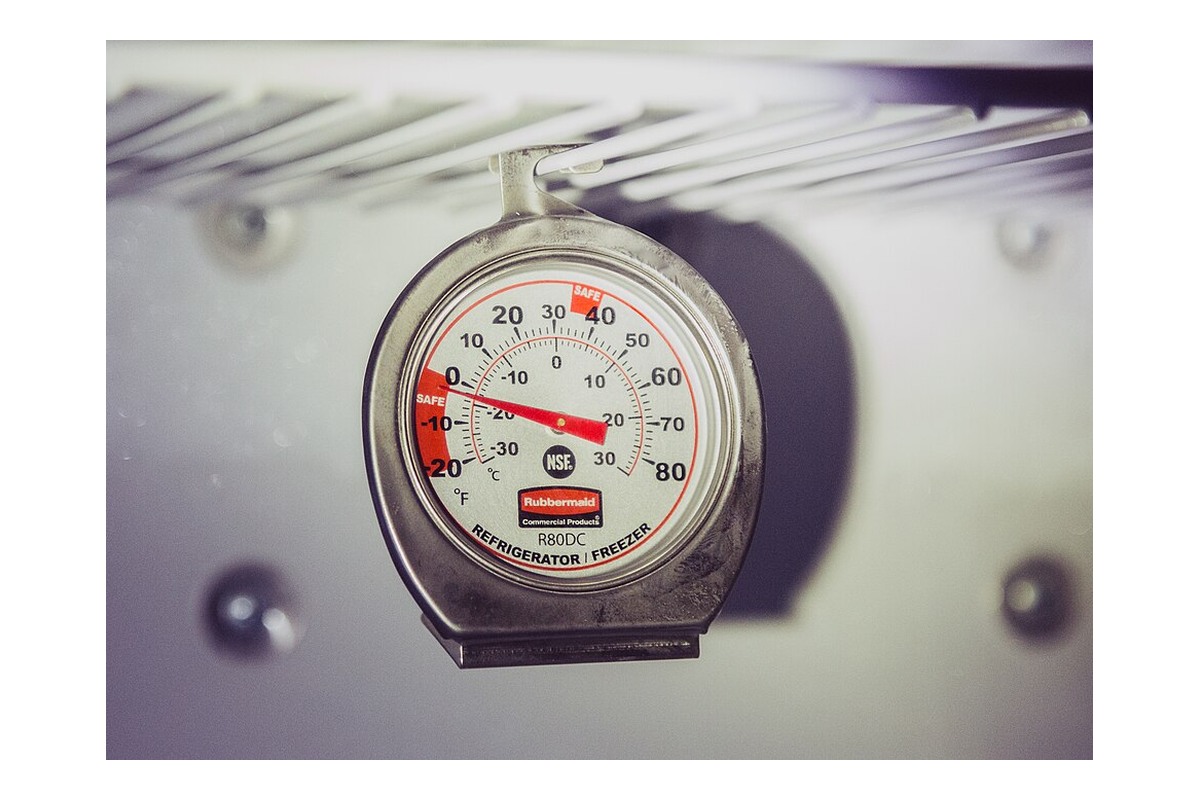
Checking Ingredient Storage Temperatures
This procedure checks the actual temperature changes where ingredients sit, using a separate thermometer and a log sheet rather than trusting the fridge or freezer display alone. The purpose of this check is to catch early the temperature differences inside the fridge caused by door openings and overloading. Place thermometers on the top, middle, and bottom shelves and record readings before and after service and at peak times, and don't assume everything is fine based on a single check—review the same conditions again during peak hours in the busy season.
In your records, note the measurement time, location, temperature, and any disposal, relocation, or repair action taken when readings fall outside the standard. The reference standards are FoodSafety.gov's safe temperature guidance and Korean hygiene standards for your type of business; for items subject to Korean legal standards or contract terms, the current guidance from the relevant authority and your contract counterparty takes precedence.
In your records, note the measurement time, location, temperature, and any disposal, relocation, or repair action taken when readings fall outside the standard. The reference standards are FoodSafety.gov's safe temperature guidance and Korean hygiene standards for your type of business; for items subject to Korean legal standards or contract terms, the current guidance from the relevant authority and your contract counterparty takes precedence.
점검 목적 문 열림과 과적재로 생기는 냉장고 내부 온도 편차를 조기에 발견
실행 방법 상·중·하단에 온도계를 두고 영업 전후와 피크 시간에 값을 기록
기록할 항목 측정 시간, 위치, 온도, 기준 이탈 시 폐기·이동·수리 조치
공식 참고 FoodSafety.gov 안전 온도 안내와 국내 업종별 위생 기준
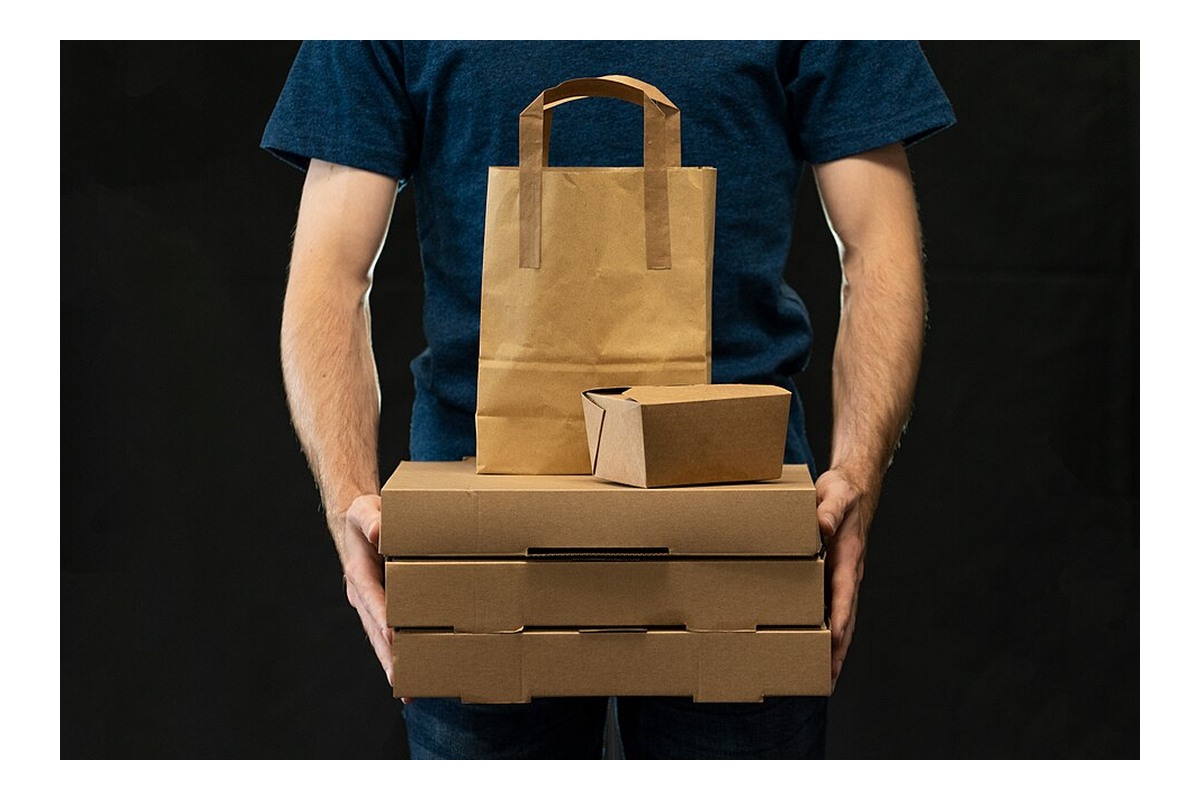
Testing Delivery Packaging for Leaks
Delivery Packaging Leak Test
This test shakes and tilts soups and cold drinks for as long as a real delivery takes to find sealing, condensation, or container deformation problems before orders go out. The purpose of this check is to prevent leaks and temperature loss in transit from turning into customer complaints. Pack your signature menu items, put them in an insulated bag, and recreate the jostling of a 20~30 minute trip, and don't assume everything is fine based on a single check—review the same conditions again during peak hours in the busy season.
In your records, note the container size, sealing method, elapsed time, and where leaks, condensation, or crushing occurred. The reference standards are the FDA Food Code and Korean hygiene and packaging standards for delivered food; for items subject to Korean legal standards or contract terms, the current guidance from the relevant authority and your contract counterparty takes precedence.
In your records, note the container size, sealing method, elapsed time, and where leaks, condensation, or crushing occurred. The reference standards are the FDA Food Code and Korean hygiene and packaging standards for delivered food; for items subject to Korean legal standards or contract terms, the current guidance from the relevant authority and your contract counterparty takes precedence.
점검 목적 이동 중 누수와 온도 저하가 고객 클레임으로 이어지는 상황을 예방
실행 방법 대표 메뉴를 포장해 보온가방에 넣고 20~30분 이동 조건으로 흔들림을 재현
기록할 항목 용기 규격, 밀봉 방식, 경과 시간, 누수·결로·눌림 발생 지점
공식 참고 FDA Food Code와 국내 배달 식품 위생·포장 기준

Costing a Summer Limited Menu
Costing Summer Limited-Time Menu Items
This task calculates the real profit on a single limited-time menu item, including not just ingredients but also ice, cups, lids, delivery fees, and waste rate. The purpose of this check is to identify items that sell well but leave no profit after packaging costs and waste. Convert recipe quantities and packaging into unit costs and separate out the fees for each sales channel, and don't assume everything is fine based on a single check—review the same conditions again during peak hours in the busy season.
In your records, note ingredient cost, packaging cost, channel fees, waste rate, and target contribution margin. The reference standards are the U.S. SBA's guidance on calculating costs and your store's actual purchase invoices; for items subject to Korean legal standards or contract terms, the current guidance from the relevant authority and your contract counterparty takes precedence.
In your records, note ingredient cost, packaging cost, channel fees, waste rate, and target contribution margin. The reference standards are the U.S. SBA's guidance on calculating costs and your store's actual purchase invoices; for items subject to Korean legal standards or contract terms, the current guidance from the relevant authority and your contract counterparty takes precedence.
점검 목적 판매량은 많지만 포장비와 폐기로 이익이 남지 않는 메뉴를 구분
실행 방법 레시피 사용량과 포장재를 단위 원가로 환산하고 판매 채널별 수수료를 분리
기록할 항목 재료비, 포장비, 채널 수수료, 폐기율, 목표 공헌이익
공식 참고 미국 SBA 비용 계산 안내와 매장 실제 매입명세
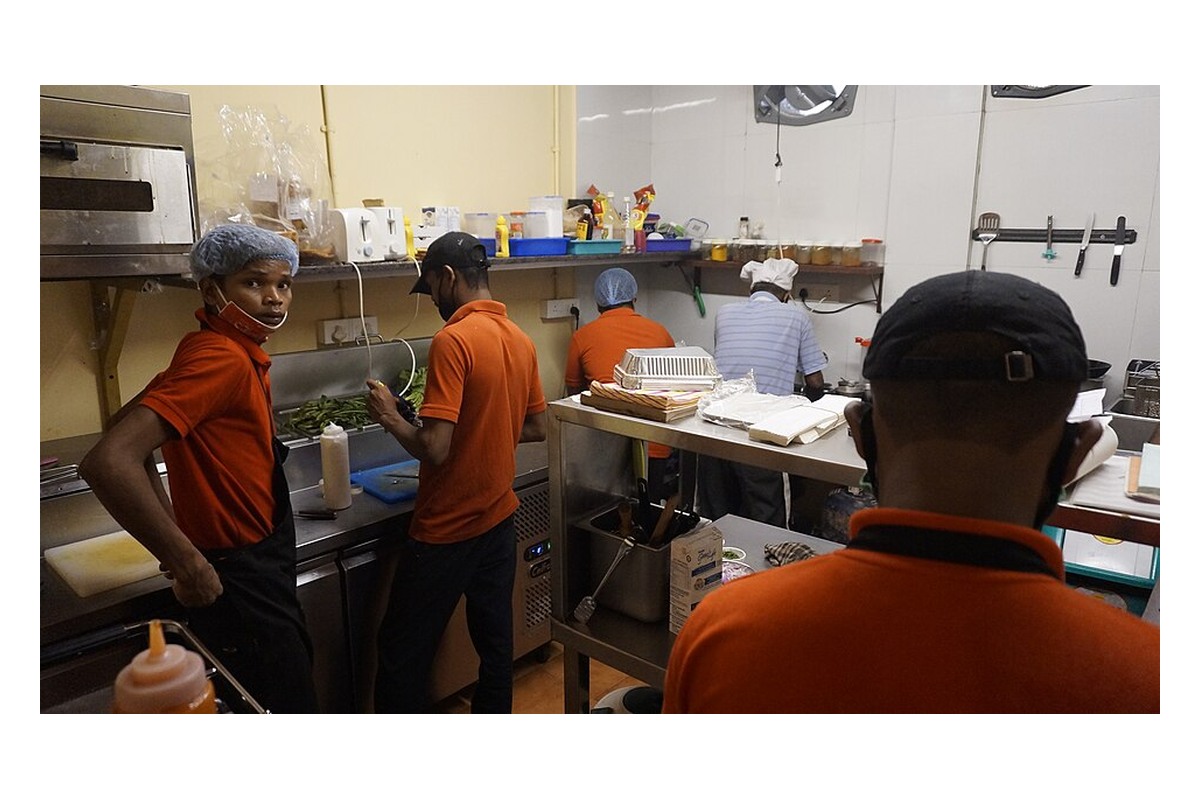
Scheduling Part-Timers for Peak Hours
This staffing check divides cashier, prep, and packing roles based on order volume and task time for each time slot, with break times factored in. The purpose of this check is to ease the bottleneck when a single employee ends up handling both payments and packing during a rush. Look at past order counts in 30-minute blocks and assign the minimum headcount for each role, and don't assume everything is fine based on a single check—review the same conditions again during peak hours in the busy season.
In your records, note order volume by time slot, roles, break times, overtime, and handover notes. The reference standards are the Ministry of Employment and Labor's labor standards guidance and your workplace rules of employment; for items subject to Korean legal standards or contract terms, the current guidance from the relevant authority and your contract counterparty takes precedence.
In your records, note order volume by time slot, roles, break times, overtime, and handover notes. The reference standards are the Ministry of Employment and Labor's labor standards guidance and your workplace rules of employment; for items subject to Korean legal standards or contract terms, the current guidance from the relevant authority and your contract counterparty takes precedence.
점검 목적 주문이 몰릴 때 특정 직원 한 명에게 결제와 포장이 겹치는 병목을 완화
실행 방법 지난 매출의 30분 단위 주문 건수를 보고 역할별 최소 인원을 배치
기록할 항목 시간대별 주문량, 역할, 휴게시간, 초과근무와 인수인계 내용
공식 참고 고용노동부 근로기준 안내와 사업장 취업규칙
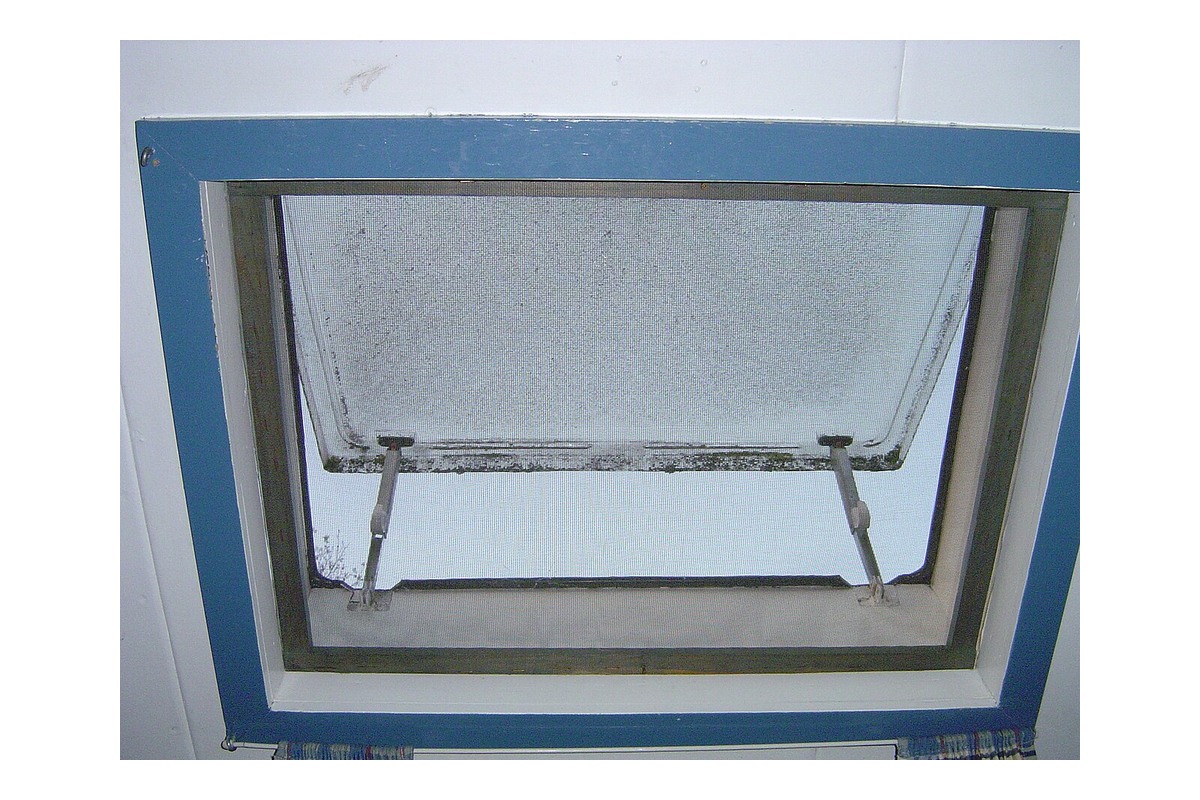
Keeping Bugs Out
This hygiene check blocks the routes pests can use to get in or breed, working along entrances, window screens, drains, and trash storage areas. The purpose of this check is to cut down the things that draw pests in—food, moisture, and gaps—before turning to insecticide. Check door gaps, drain traps, exterior lighting, and whether food waste is sealed, in that order, and don't assume everything is fine based on a single check—review the same conditions again during peak hours in the busy season.
In your records, note where and when pests were found, signs of entry, cleaning and repair actions, and the date you requested professional pest control. The reference standards are the U.S. EPA's integrated pest management principles and Korean food hygiene standards; for items subject to Korean legal standards or contract terms, the current guidance from the relevant authority and your contract counterparty takes precedence.
In your records, note where and when pests were found, signs of entry, cleaning and repair actions, and the date you requested professional pest control. The reference standards are the U.S. EPA's integrated pest management principles and Korean food hygiene standards; for items subject to Korean legal standards or contract terms, the current guidance from the relevant authority and your contract counterparty takes precedence.
점검 목적 살충제 사용보다 먼저 먹이·수분·틈새 같은 유입 원인을 줄임
실행 방법 문틈과 배수 트랩, 외부 조명, 음식물 쓰레기 밀폐 상태를 순서대로 확인
기록할 항목 발견 위치와 시간, 유입 흔적, 청소·보수 조치, 전문 방제 요청일
공식 참고 미국 EPA 통합 해충관리 원칙과 국내 식품위생 기준
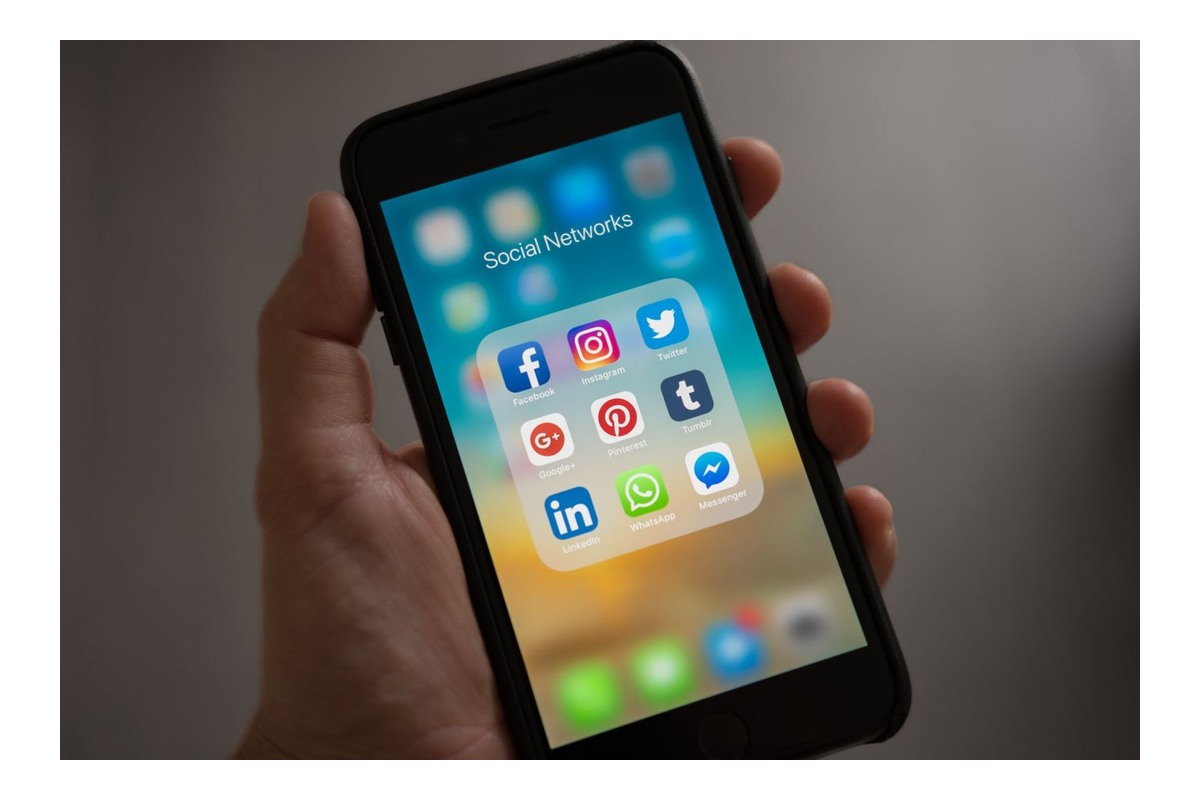
Preparing Review Reply Templates
This task sets up reply principles for recurring review types—praise, wait times, quality, and service complaints—so fact-checking and follow-up never get skipped. The purpose of this check is to avoid replying emotionally during busy hours or copying the same message to every customer. Write a short basic template in this order: thanks, fact check, improvement steps, and a note about individual contact, and don't assume everything is fine based on a single check—review the same conditions again during peak hours in the busy season.
In your records, note the review type, who checked it, the reply time, and whether the promised follow-up was completed. The reference standards are Google Business Profile's help article on replying to reviews and each platform's operating policies; for items subject to Korean legal standards or contract terms, the current guidance from the relevant authority and your contract counterparty takes precedence.
In your records, note the review type, who checked it, the reply time, and whether the promised follow-up was completed. The reference standards are Google Business Profile's help article on replying to reviews and each platform's operating policies; for items subject to Korean legal standards or contract terms, the current guidance from the relevant authority and your contract counterparty takes precedence.
점검 목적 바쁜 시간에 감정적으로 답하거나 모든 고객에게 같은 문구를 복사하는 실수를 예방
실행 방법 감사, 사실 확인, 개선 조치, 개별 연락 안내 순으로 짧은 기본 틀을 작성
기록할 항목 리뷰 유형, 확인 담당자, 답변 시각, 약속한 후속 조치 완료 여부
공식 참고 Google 비즈니스 프로필 리뷰 답변 도움말과 각 플랫폼 운영정책
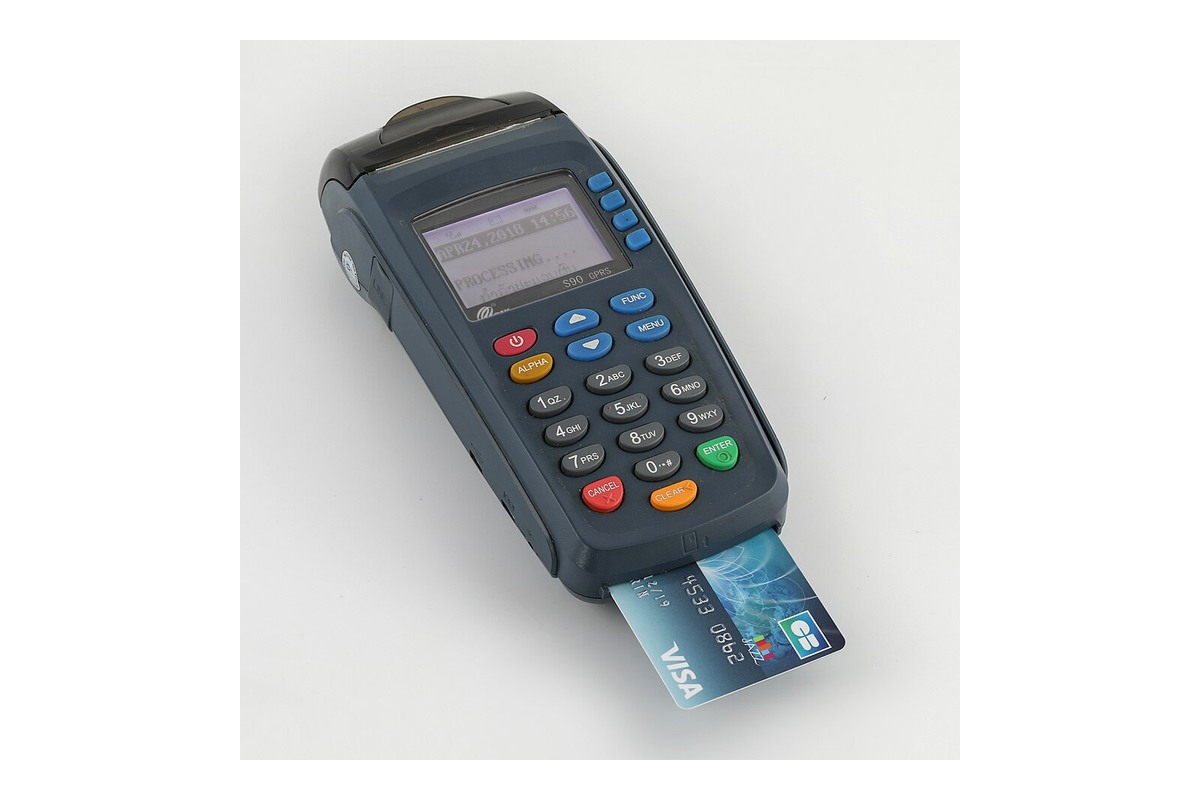
Checking Card Terminals and Mobile Payments
This check tests card terminals, POS, printers, and QR payments all the way through actual cancellations and partial refunds to prevent payment outages at peak times. The purpose of this check is to discover ahead of time when approvals or cancellations get blocked after a network outage or software update. Test a small approval, full and partial cancellations, receipt reprints, and switching to a backup network, and don't assume everything is fine based on a single check—review the same conditions again during peak hours in the busy season.
In your records, note the terminal model, VAN and PG contacts, error codes, test date and time, and the results of actions taken. The reference standards are the PCI SSC's merchant security guidance and the operating guidelines of your contracted VAN and PG; for items subject to Korean legal standards or contract terms, the current guidance from the relevant authority and your contract counterparty takes precedence.
In your records, note the terminal model, VAN and PG contacts, error codes, test date and time, and the results of actions taken. The reference standards are the PCI SSC's merchant security guidance and the operating guidelines of your contracted VAN and PG; for items subject to Korean legal standards or contract terms, the current guidance from the relevant authority and your contract counterparty takes precedence.
점검 목적 통신 장애나 소프트웨어 업데이트 뒤 승인·취소가 막히는 상황을 미리 발견
실행 방법 소액 승인, 전체·부분 취소, 영수증 재출력과 예비 통신망 전환을 시험
기록할 항목 단말기 모델, VAN·PG 연락처, 오류 코드, 시험 일시와 조치 결과
공식 참고 PCI SSC 가맹점 보안 안내와 계약한 VAN·PG 운영 지침

Setting Rules for Operating in Typhoons and Heavy Rain
Setting Business Rules for Typhoons and Heavy Rain
This task creates a decision table in advance for adjusting business hours, delivery range, and staff commutes based on weather warnings and public transit conditions. The purpose of this check is to prevent confusion when the owner and staff judge by different standards once bad weather has started. Set criteria for shortened hours, suspending delivery, and sending staff home at each warning level, and designate channels for customer notices, and don't assume everything is fine based on a single check—review the same conditions again during peak hours in the busy season.
In your records, note the type of warning, the time of decision, staff confirmation, and the status of notices on delivery apps, maps, and social media. The reference standards are the Korea Meteorological Administration's current weather warnings and local government disaster safety guidance; for items subject to Korean legal standards or contract terms, the current guidance from the relevant authority and your contract counterparty takes precedence.
In your records, note the type of warning, the time of decision, staff confirmation, and the status of notices on delivery apps, maps, and social media. The reference standards are the Korea Meteorological Administration's current weather warnings and local government disaster safety guidance; for items subject to Korean legal standards or contract terms, the current guidance from the relevant authority and your contract counterparty takes precedence.
점검 목적 악천후가 시작된 뒤 점주와 직원이 서로 다른 기준으로 판단하는 혼란을 방지
실행 방법 특보 단계별 단축영업·배달중단·귀가 기준과 고객 공지 채널을 지정
기록할 항목 특보 종류, 결정 시각, 직원 확인, 배달앱·지도·SNS 공지 상태
공식 참고 기상청 기상특보 현황과 지자체 재난안전 안내
Checking Small Business Support Programs
This procedure regularly checks programs with different application periods and eligibility—policy loans, training, consulting, and energy support—through the official integrated channel. The purpose of this check is to pick out announcements where the administering agency and eligibility can be verified, rather than promotional posts of unclear origin. Check Sosanggongin24 (the government small business portal) and local government announcements once a month and prepare the required documents before the deadline, and don't assume everything is fine based on a single check—review the same conditions again during peak hours in the busy season.
In your records, note the program name, administering agency, application period, eligibility requirements, documents submitted, and the result. The reference standard is Sosanggongin24's official integrated support-program guidance; for items subject to Korean legal standards or contract terms, the current guidance from the relevant authority and your contract counterparty takes precedence.
In your records, note the program name, administering agency, application period, eligibility requirements, documents submitted, and the result. The reference standard is Sosanggongin24's official integrated support-program guidance; for items subject to Korean legal standards or contract terms, the current guidance from the relevant authority and your contract counterparty takes precedence.
점검 목적 출처가 불분명한 홍보글보다 신청 기관과 자격 조건이 확인되는 공고를 선별
실행 방법 소상공인24와 지자체 공고를 월 1회 확인하고 마감일 전에 제출서류를 준비
기록할 항목 사업명, 주관기관, 신청기간, 자격요건, 제출서류와 결과
공식 참고 소상공인24 공식 지원사업 통합 안내
Don't let a checklist end with a tick mark—record the person in charge, the time checked, the measured values, and any follow-up actions as well. For example, log the temperature at each spot in the fridge instead of just writing “OK,” and for delivery packaging, note whether anything leaked after the actual travel time. For card terminals and severe weather, too, you need to decide who to contact when something goes wrong and which channel you'll use to notify customers before the plan is usable on the floor.
You don't need to inspect all ten items every week. Set different intervals based on risk: filter cleaning and support-program checks monthly, and temperature, packaging, and payments before and after service or whenever the menu changes. Official standards and contract terms can change, so rather than relying on a blog post you saved, recheck the current guidance from the relevant agency, manufacturer, or platform, and it's a good idea to reflect any changed procedures in an operations document the next shift can see too.
You don't need to inspect all ten items every week. Set different intervals based on risk: filter cleaning and support-program checks monthly, and temperature, packaging, and payments before and after service or whenever the menu changes. Official standards and contract terms can change, so rather than relying on a blog post you saved, recheck the current guidance from the relevant agency, manufacturer, or platform, and it's a good idea to reflect any changed procedures in an operations document the next shift can see too.
At a glance
10 items
Checking AC Filters and Airflow
Checking Ingredient Storage Temperatures
Testing Delivery Packaging for Leaks
Costing a Summer Limited Menu
Scheduling Part-Timers for Peak Hours
Keeping Bugs Out
Preparing Review Reply Templates
Checking Card Terminals and Mobile Payments
Setting Rules for Operating in Typhoons and Heavy Rain
Checking Small Business Support Programs
Comments 0
Log in to leave a comment.
Be the first to comment.
How about these lists?


You might also like


🎲
Not ready to stop here?
Wondering what to read next is the biggest waste of time.
Let the dice decide — you won't know what pops up until you roll.
If you don't press it… won't you wonder forever? 👀
