
If you're based in Sapporo and want a day of different city scenery, Otaru is a strong candidate. Warehouses beside the water, an old shopping street and a building full of music boxes, plus an old railway line and a former bank, give the port town a much more varied face. Just because it's close doesn't mean you should rush to fill every sight; a day trip where you pick the scenes that interest you and walk suits it better.
Walk around the canal, Sakaimachi Street and the Music Box Museum main building, then read up on the town's background at the Canal Museum or the Bank of Japan museum. The Stained Glass Museum offers glass to admire rather than shop for, and the Temiya Line walking path shows you a railway landscape distinct from the waterways. If you also want a view from a mountaintop, add the Tenguyama Ropeway as a separate trip.
All eight places are in Otaru, not central Sapporo. Plan the whole day including your return transport, and on days with two or more indoor visits, trim the time you spend on the shopping street. Check each museum's closing days and the ropeway's seasonal suspension separately. Leave some room between food and souvenirs to pause in the side streets, and the day trip will stay with you longer.
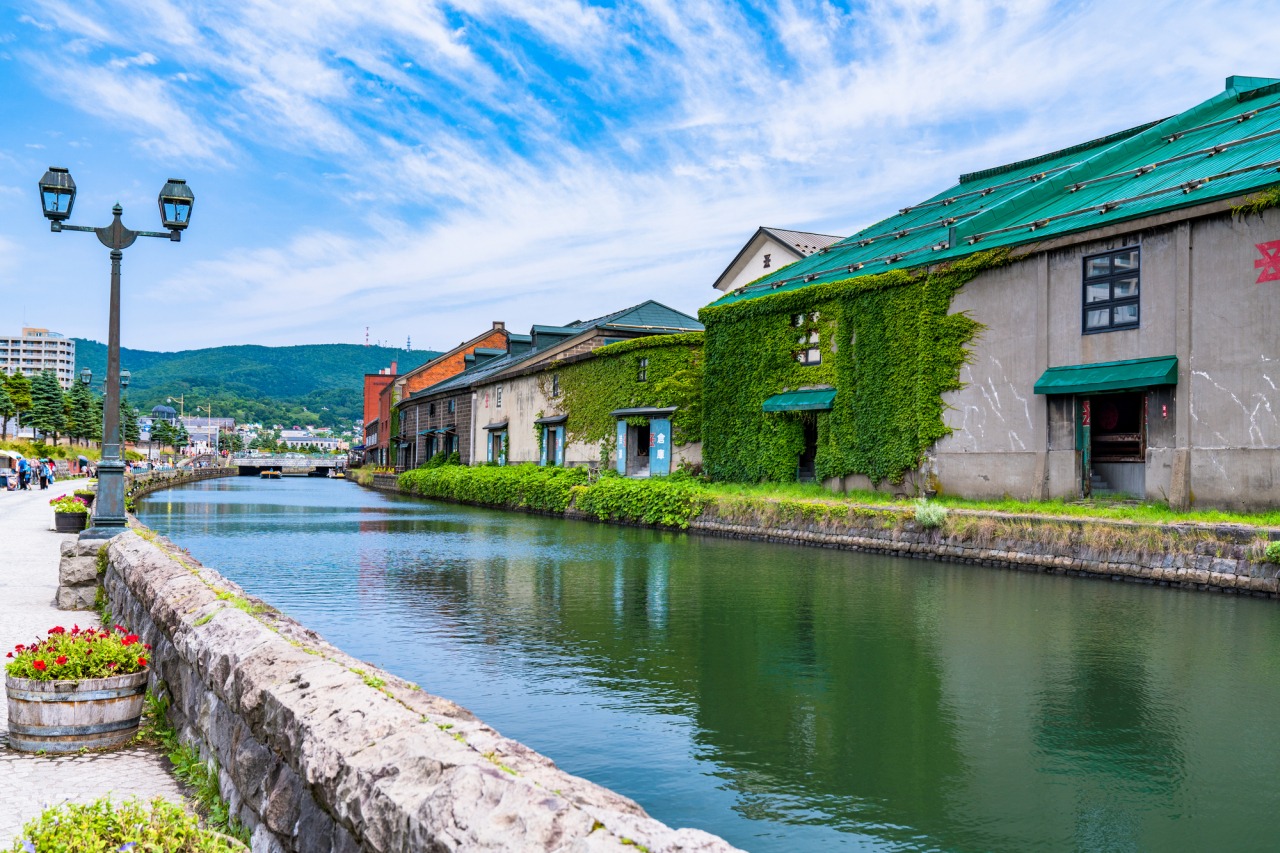
Otaru Canal
A historic canal where stone warehouses and a walking path reveal Otaru's harbor scenery. By day you can look at the stone walls and roofs of the warehouses and the shape of the waterway; in the evening, enjoy the lights reflected on the water in a different mood. It's easy to turn off toward the museums in town or Sakaimachi Street, making it a natural anchor for a walk on your first day in Otaru. Set aside separate time for strolling and taking in the scenery and for the paid canal cruise. Rather than walking the whole length of the canal, it's enough to linger where you can see the warehouses and water you like. If you see the canal first after arriving at Otaru Station and then move on to indoor exhibits or the shopping street, you can also plan to come back to the water around sunset.
현지 이름 小樽運河
주소 北海道小樽市港町(運河散策路の代表地点)
특징 운하 산책로·창고 경관
Otaru Sakaimachi Street Shopping District
A tourist shopping street where old buildings house restaurants and shops selling glass, music boxes and sweets. Rather than shopping inside a single building, the fun is walking the street and dropping into the shops that catch your eye. You can fit in time mid-trip to try sweets after a seafood meal or pick small things to take home. Your walking direction also changes depending on whether you start from the Otaru Station side or from the Music Box Museum near Minami-Otaru Station. Opening hours vary by shop, so schedule the ones you must visit for when they're open. Enjoy browsing and souvenir shopping fully during the day, then move on to the canal's evening scenery, and you'll get a nice balance between indoors and strolling outside.
현지 이름 小樽堺町通り商店街
주소 北海道小樽市堺町(商店街内の代表地点)
특징 역사 건축과 상점이 이어지는 상점가
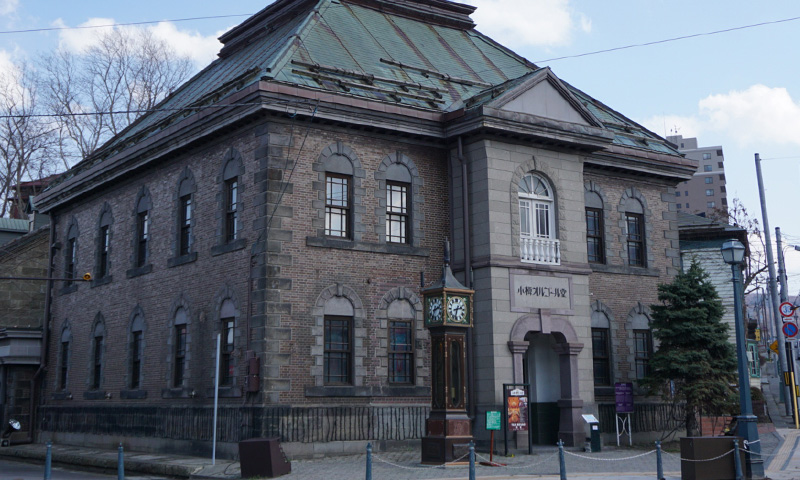
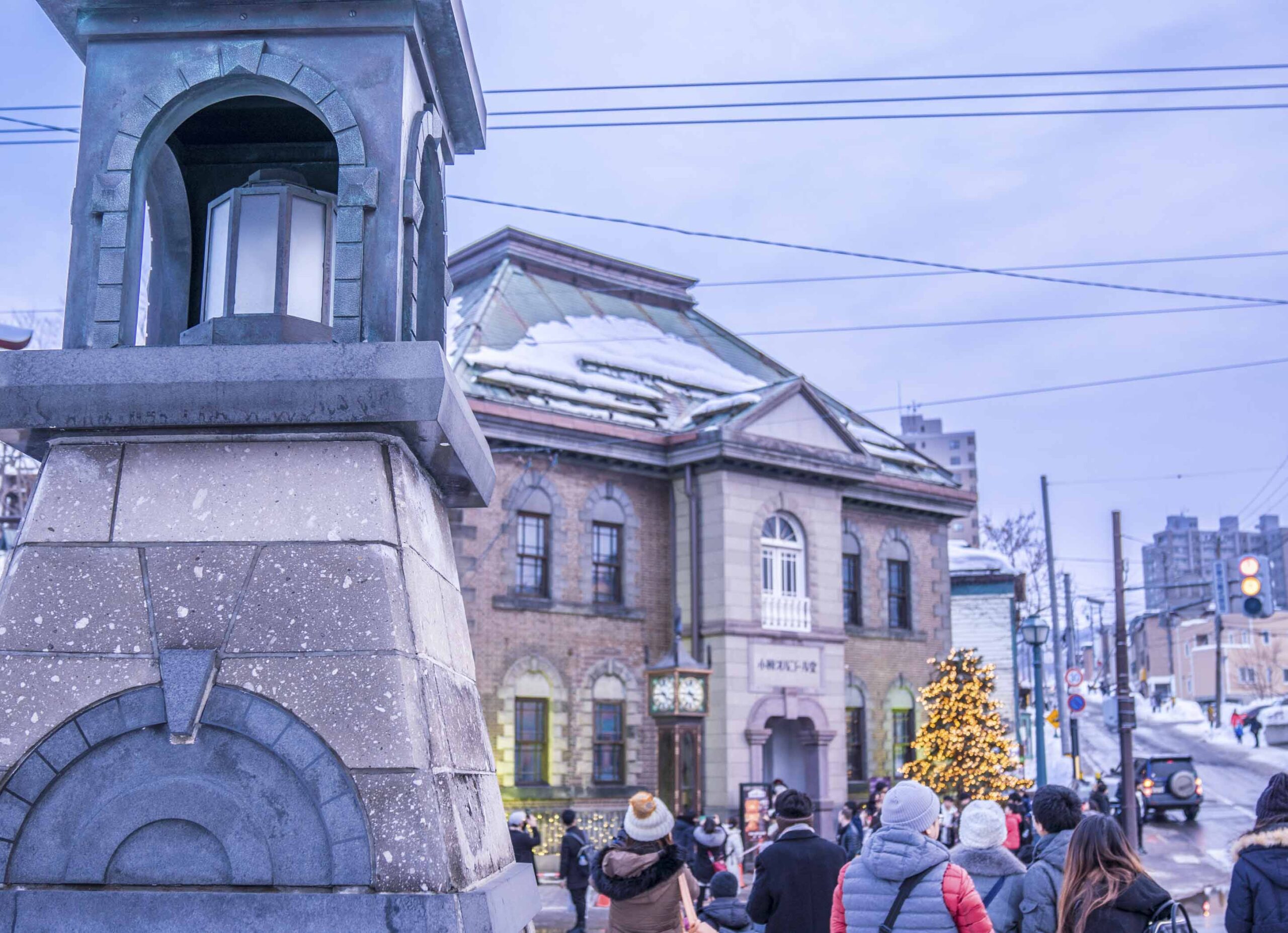
Otaru Music Box Museum Main Building
The main building of the Music Box Museum stands at the Märchen Crossing and uses the 1915 headquarters built by the former Kyosei Co., Ltd. (共成株式会社), once a rice and grain merchant. After taking in the red-brick exterior and the steam clock out front, step inside to find a high-ceilinged hall and music boxes spread over several floors. Beyond comparing tunes, materials and shapes to pick a souvenir, there's also the pleasure of looking at the old staircase and gallery and the pillars and beams under the roof. The main building is a sales floor, and craft workshops are held at a separate shop, Yukobo. Some courses require a reservation, and certain seat-reservation courses accept same-day sign-ups if there are open spots, so settle the conditions for the activity you want first. If your schedule is fixed, booking ahead makes things easier.
현지 이름 小樽オルゴール堂 本館
주소 北海道小樽市住吉町4-1
특징 오르골 판매 본관·옛 교세이 사옥
Otaru Museum Canal Branch
A museum in a former Otaru warehouse, a good fit after walking the canal when you want to know more about how the port town grew. The history exhibits cover maritime trade, herring fishing and changes in the town, while the nature exhibits introduce the wildlife and environment around Otaru. Viewing local materials inside an old warehouse adds a story to a walk that had only taken in buildings from the outside. The museum's main building, which focuses on railways and rolling stock, is in a different location; the Canal Branch in Ironai houses the history and nature exhibits. It charges its own admission, so budget time for it separately from the free stretches of your canal walk, and add it as an indoor option for bad weather.
현지 이름 小樽市総合博物館 運河館
주소 北海道小樽市色内2丁目1-20
특징 옛 오타루 창고의 역사·자연 전시

Otaru Tenguyama Ropeway Sanroku Station
A route where you ride the ropeway up from Sanroku (base) Station in Mogami and look down over Otaru's streets and harbor. After a ride of about 5 minutes you can enjoy the view from the top, which suits a day when you want a different perspective from your street walk. You'll need to travel separately from the canal area to the base station, so adjust the time you spend on the shopping street and indoor visits. Summer operations for 2026 ended on November 3, and winter operations are announced for November 28 through March 28, 2027. Pick a date that avoids the seasonal suspension, and even on operating days check whether it's running given the wind and weather. In winter some walking trails and viewing areas close. If you include the night view, plan your transport back to Sapporo after coming down as well.
현지 이름 小樽天狗山ロープウェイ 山麓駅
주소 北海道小樽市最上2丁目16-15
특징 로프웨이 산로쿠역·계절 운행
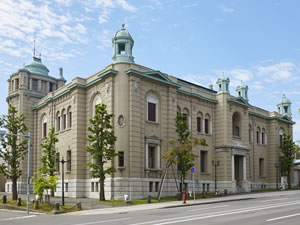
Bank of Japan Otaru Museum (Former Otaru Branch)
Walk a little inland from the canal and you'll find the former Bank of Japan Otaru Branch building, completed in 1912. Now used as a museum of finance, it introduces the history and work of the Bank of Japan and how Otaru grew into a financial hub. Admire the exterior, then see the exhibits inside, and you'll meet a side of the town that warehouses and the harbor alone can't explain. Admission is free, so it's also a candidate on days when you want to add one indoor stop between the canal and the shopping street. It is closed on Wednesdays except public holidays, and over the year-end and New Year. There are also temporary closures for exhibit changes, and November 26, 2026, has been announced as a temporary closure. From December, opening time changes to 10:00, so if you'll arrive early in the morning, do your outdoor walking first.
현지 이름 日本銀行旧小樽支店金融資料館
주소 北海道小樽市色内1丁目11-16
특징 구 일본은행 지점의 무료 금융·역사 전시
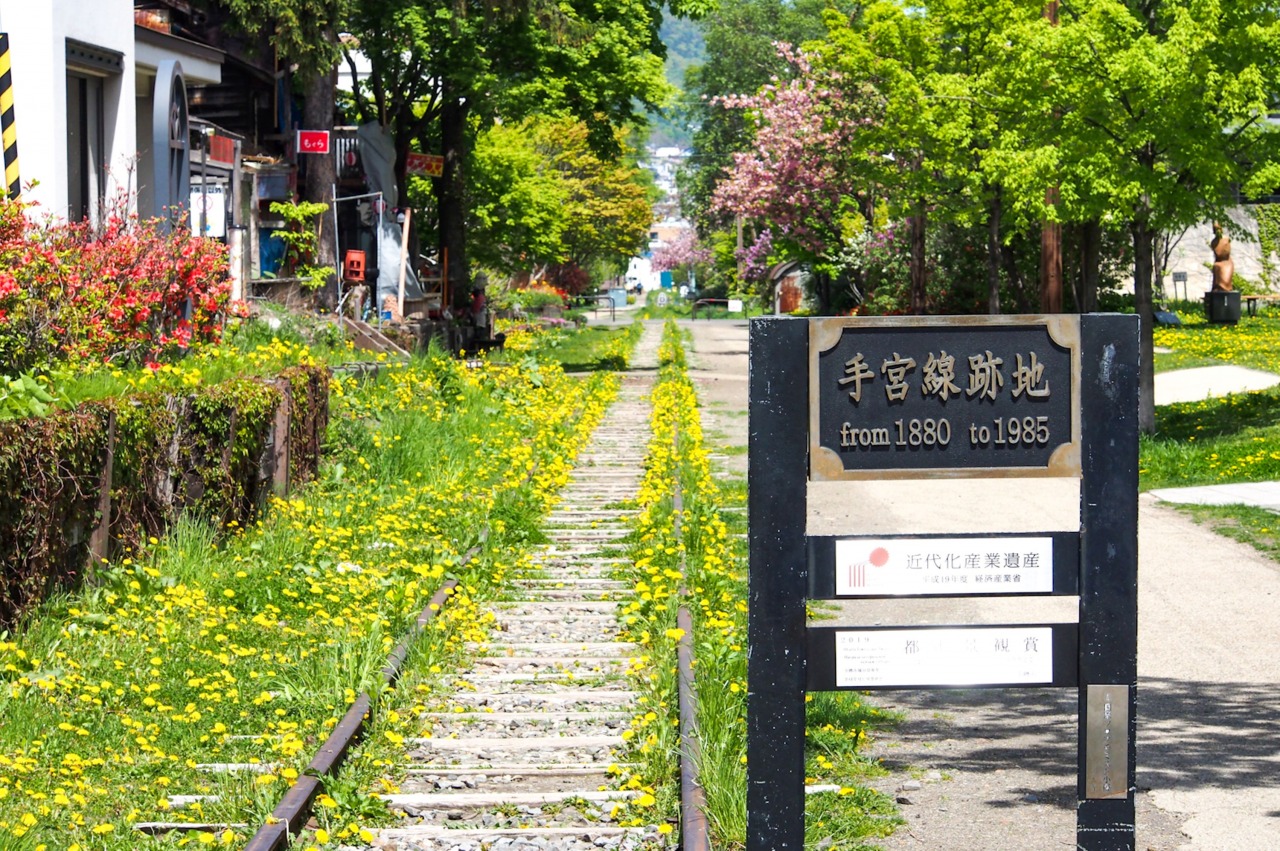
Former Temiya Line Walking Path
A walking space that preserves the traces of a track where trains once ran. If Otaru's canal tells the history of its waterways, the Temiya Line recalls the era of the railway linking the port with the interior. Walking past rails and sleepers and the street scenes crossing the path makes it a good place for fresh air between shops and indoor exhibits. Since it's a long stretch rather than a single sight, just pick the section you want to walk and add it to your canal-area route. Viewing railway cars or riding a train isn't what this path is for. Watch for traffic where it meets roads, and in winter snow may hide the rails or make walking awkward, so don't push to extend your walk just to photograph the tracks.
현지 이름 旧国鉄手宮線跡地
주소 北海道小樽市色内1丁目(旧手宮線散策路の代表地点)
특징 구 국철 데미야선 폐선 부지 산책로
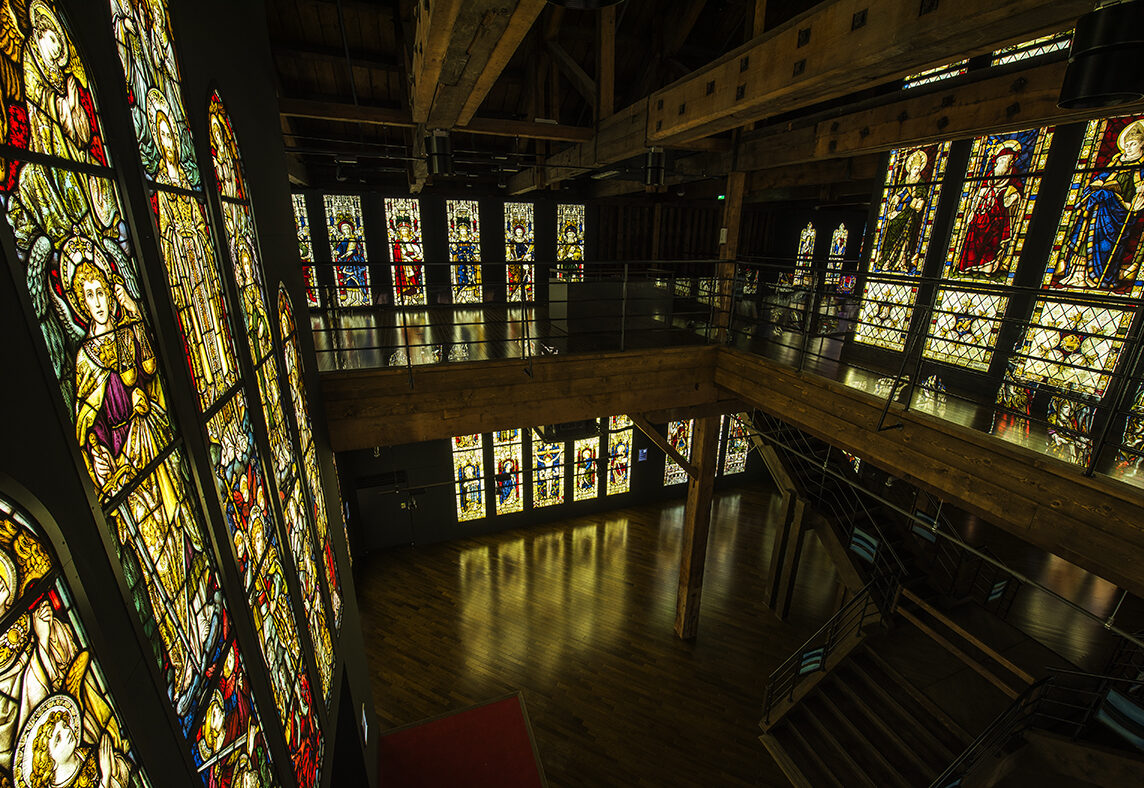
Otaru Art Base Stained Glass Museum
A museum in Otaru Art Base housed in the former Takahashi Warehouse and Arata Shokai buildings. You can see up close stained glass made in England that once decorated real church windows, reading the stories in its colors, light, figures and patterns. Unlike shops where you pick glass trinkets, this is a place to spend time appreciating art, adding a different texture to a day trip focused on side streets and shopping. Take in the warehouses' exterior structure, then turn your eyes to the light inside, and you'll also sense how old buildings are being reused. Admission is paid, and if you won't see all of Art Base, it's worth comparing what the single-museum ticket and the combined ticket cover. From November to April it opens at 10:00 and is closed on Wednesdays, or the following day when Wednesday is a public holiday. To see it along with the Bank of Japan museum, line up both facilities' open days.
현지 이름 小樽芸術村 ステンドグラス美術館
주소 北海道小樽市色内1丁目2-17
특징 오타루 예술촌의 유료 스테인드글라스 전시
Even a short walk around the canal and the shopping street gives you a feel for Otaru. Decide which way your day goes: follow the waterway with the railway path, read the town's story at the Canal Museum and the Bank of Japan museum, or take in the light in front of the stained glass. The Music Box Museum adds the separate pleasure of choosing a musical souvenir.
If you want to see both the Stained Glass Museum and the Bank of Japan museum, line up their open days, including holiday exceptions. On days you add the mountain view, cut back your street-walking time and plan both the trip to the base station and the ride back. During Tenguyama's suspension period, switching to indoor visits in town works well too. Sort out your transport to Sapporo and your bags before the last bit of shopping, and the trip home will be far more relaxed.
If you want to see both the Stained Glass Museum and the Bank of Japan museum, line up their open days, including holiday exceptions. On days you add the mountain view, cut back your street-walking time and plan both the trip to the base station and the ride back. During Tenguyama's suspension period, switching to indoor visits in town works well too. Sort out your transport to Sapporo and your bags before the last bit of shopping, and the trip home will be far more relaxed.
At a glance
8 items
Otaru Canal
小樽運河운하 산책로·창고 경관
Otaru Sakaimachi Street Shopping District
小樽堺町通り商店街
Otaru Music Box Museum Main Building
小樽オルゴール堂 本館北海道小樽市住吉町4-1
Otaru Museum Canal Branch
小樽市総合博物館 運河館北海道小樽市色内2丁目1-20
Otaru Tenguyama Ropeway Sanroku Station
小樽天狗山ロープウェイ 山麓駅北海道小樽市最上2丁目16-15로프웨이 산로쿠역·계절 운행
Bank of Japan Otaru Museum (Former Otaru Branch)
日本銀行旧小樽支店金融資料館北海道小樽市色内1丁目11-16
Former Temiya Line Walking Path
旧国鉄手宮線跡地
Otaru Art Base Stained Glass Museum
小樽芸術村 ステンドグラス美術館北海道小樽市色内1丁目2-17
Locations at a glance
8 places
Comments 0
Log in to leave a comment.
Be the first to comment.
How about these lists?


You might also like


🎲
Not ready to stop here?
Wondering what to read next is the biggest waste of time.
Let the dice decide — you won't know what pops up until you roll.
If you don't press it… won't you wonder forever? 👀
