
Collection
Japan
2026.11.10
From castle to gardens and old houses: walking through Nagoya's history
7 places for castles, shrines, modern architecture and dyeing culture
Nagoya's history doesn't end with a single castle. The Tokugawa family's castle and gardens, a shrine in the woods, modern houses decorated with Western touches, and a dyeing town along an old road each show the face of a different era. Mix time spent reading information boards with time quietly taking in the scenery, and a history trip becomes much lighter to enjoy.
We've picked 7 places: a castle, a shrine, two gardens, modern architecture and a crafts hall. We distinguish restored buildings from surviving originals, and also separate shrine worship from the exhibition facilities and the gardens from the art museum next door. The list includes the Cultural Path to the north of downtown, Atsuta to the south and Arimatsu to the southeast, so rather than bundling them all together, decide first which era and area interest you. On days you plan to go inside, check not only the common Monday closures but also each facility's exceptions.
We've picked 7 places: a castle, a shrine, two gardens, modern architecture and a crafts hall. We distinguish restored buildings from surviving originals, and also separate shrine worship from the exhibition facilities and the gardens from the art museum next door. The list includes the Cultural Path to the north of downtown, Atsuta to the south and Arimatsu to the southeast, so rather than bundling them all together, decide first which era and area interest you. On days you plan to go inside, check not only the common Monday closures but also each facility's exceptions.
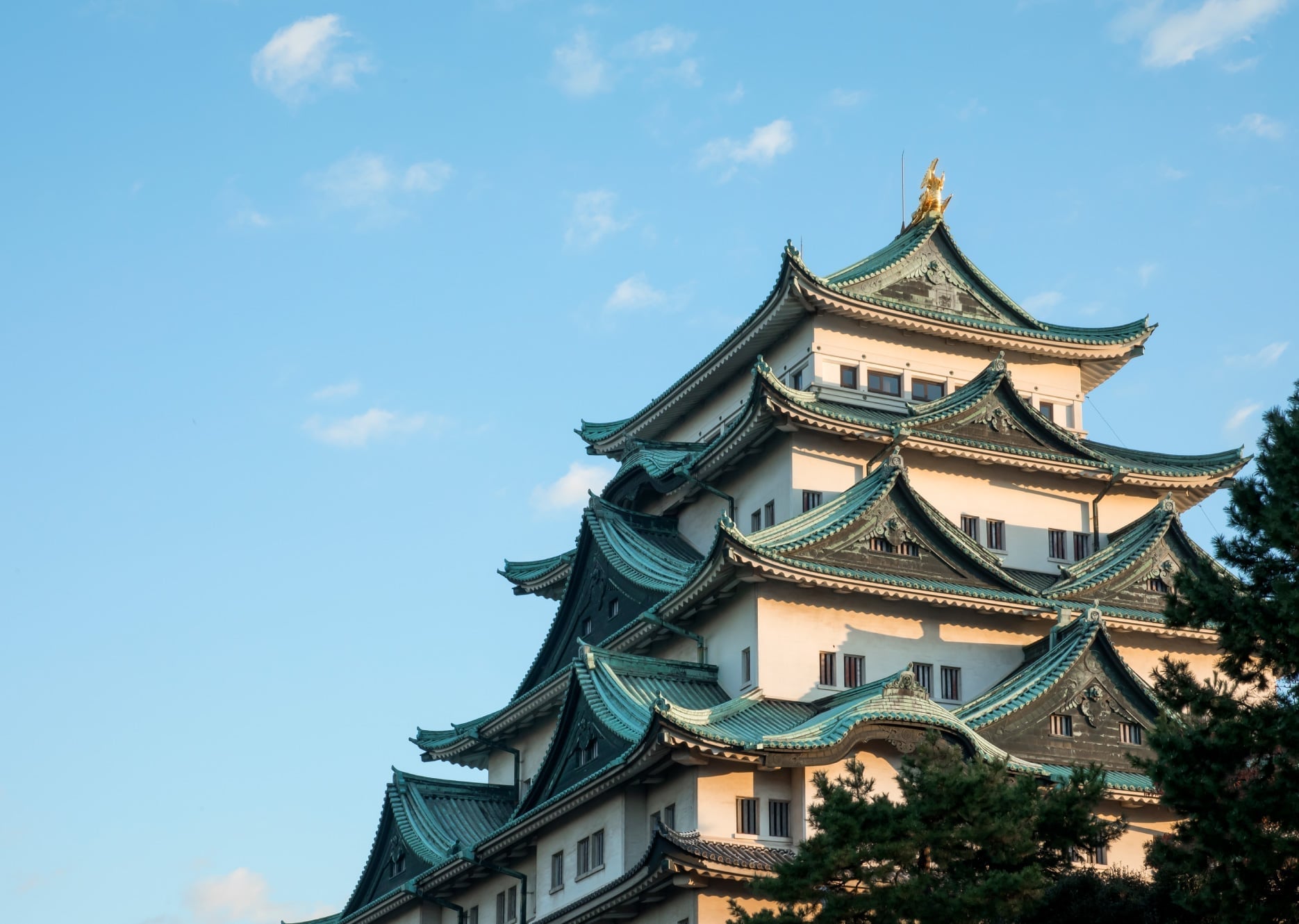
Nagoya Castle
It's familiar from the main keep topped with golden shachihoko (mythical fish-tigers), but when you actually visit, seeing the Hommaru Palace as well is key. Here the Tokugawa family's castle and palace culture meet, and you can feel the scale as you follow the room layout and decoration of the restored palace and the surrounding stone walls. Rather than leaving with a single photo, look at the palace and the castle grounds separately and the sights become much clearer.
The interior of the main keep is currently closed to visitors. Don't assume that entering the castle means you can climb to the top of the keep; distinguish between visiting the Hommaru Palace and admiring the keep from outside. Last entry to the palace is earlier than the closing time for the castle as a whole, and there's also a year-end and New Year closure, so if you want to see inside, avoid arriving late in the afternoon.
The interior of the main keep is currently closed to visitors. Don't assume that entering the castle means you can climb to the top of the keep; distinguish between visiting the Hommaru Palace and admiring the keep from outside. Last entry to the palace is earlier than the closing time for the castle as a whole, and there's also a year-end and New Year closure, so if you want to see inside, avoid arriving late in the afternoon.
현지 이름 名古屋城
주소 愛知県名古屋市中区本丸1-1
특징 역사·정원·공예
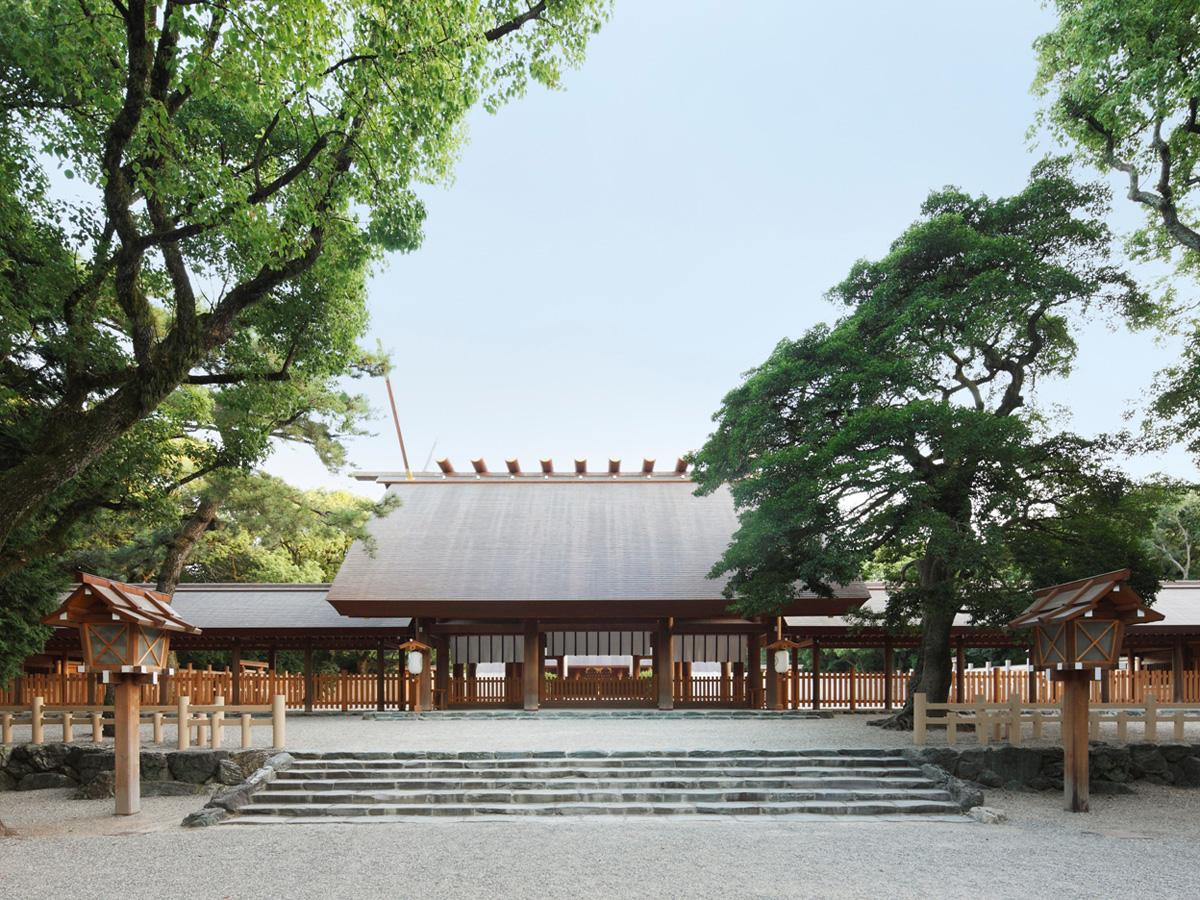
Atsuta Shrine
As you walk the approach lined with large trees, the noise of the city naturally fades away. Atsuta Shrine is the centerpiece of a trip to southern Nagoya, and its character comes through best when you explore the woods and paths together rather than quickly viewing the buildings. You can combine it with eel dishes around the shrine or a meal of kishimen (flat udon noodles) on the grounds, but worship and dining run on different timetables.
Keep walking the grounds separate from the paid exhibition facilities. The treasure hall and the exhibition space devoted to the sword have their own hours and closing days, and you shouldn't take it that the sacred sword enshrined here is always on public display. In areas where rites are held, move as directed and respect the limits on photography. Leave time for a quiet walk, and it balances well with a food-focused itinerary.
Keep walking the grounds separate from the paid exhibition facilities. The treasure hall and the exhibition space devoted to the sword have their own hours and closing days, and you shouldn't take it that the sacred sword enshrined here is always on public display. In areas where rites are held, move as directed and respect the limits on photography. Leave time for a quiet walk, and it balances well with a food-focused itinerary.
현지 이름 熱田神宮
주소 愛知県名古屋市熱田区神宮1-1-1
특징 역사·정원·공예
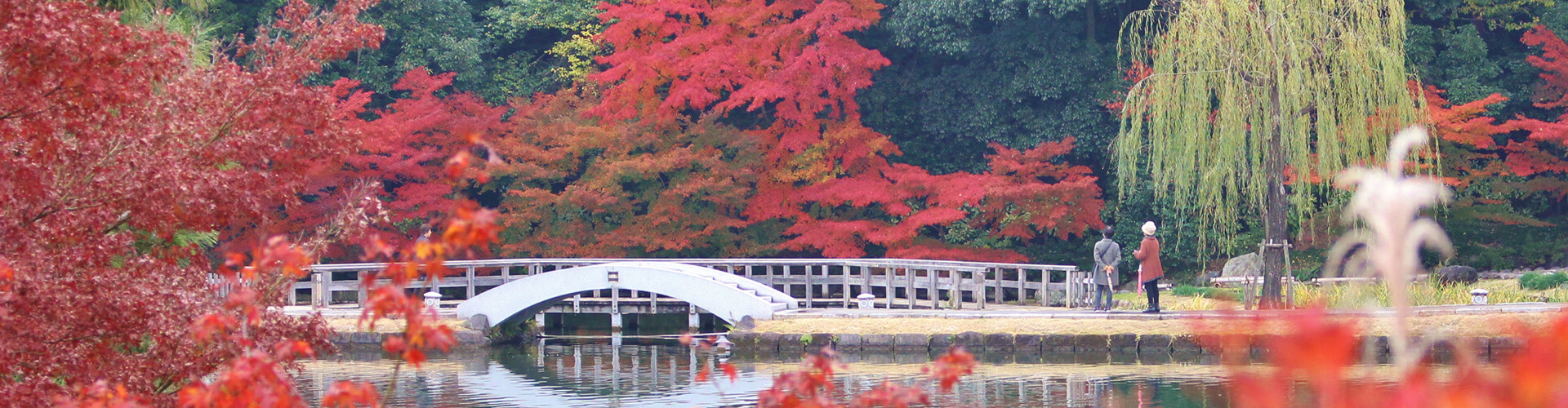
Tokugawa Garden
A Japanese garden where paths wind around a central pond. You look closely at bridges, rocks and waterside plants, then move a little and the view opens up, so the composition keeps shifting within the same garden. It's a good match for a day when you want to walk quietly and rest after reading historical explanations at a castle or museum. Rather than only hunting for the spots with the strongest seasonal color, go slowly around in the order the water flows.
The Tokugawa Art Museum is right next door, but the garden and the museum are separate facilities. Check what each ticket covers, and if you see both, it's best to divide your time between them. It's usually closed on Mondays, with a different schedule on public holidays. The autumn night opening is an event held only on designated dates, so don't head there late in the evening assuming the garden is open into the night every day.
The Tokugawa Art Museum is right next door, but the garden and the museum are separate facilities. Check what each ticket covers, and if you see both, it's best to divide your time between them. It's usually closed on Mondays, with a different schedule on public holidays. The autumn night opening is an event held only on designated dates, so don't head there late in the evening assuming the garden is open into the night every day.
현지 이름 徳川園
주소 愛知県名古屋市東区徳川町1001
특징 역사·정원·공예
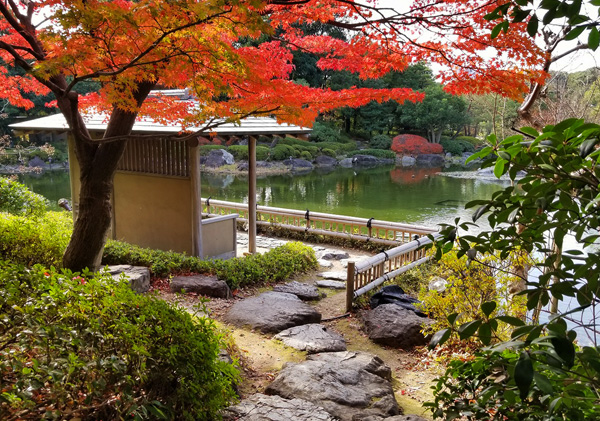
Shirotori Garden
If you want to see more ponds and gardens in the Atsuta area, choose Shirotori Garden. It recreates the landscape of the Chubu region, from mountains through rivers to the sea, and it's fun to walk following the flow of water and the lay of the land. Rather than only gazing at the large pond, look at the small streams, bridges and placement of buildings along the paths, and the intent behind the scenery becomes easier to read.
It's a separate place from Atsuta Shrine, and this garden charges admission. You can make it a course where you move on and walk some more after visiting the shrine, but if you think of the two as the same grounds, it's easy to take a wrong turn. Tea ceremonies in the teahouse and special programs aren't all included in general admission. Choose separately between a day for seeing the garden and a day for joining a tea program, and your expectations will match the actual visit.
It's a separate place from Atsuta Shrine, and this garden charges admission. You can make it a course where you move on and walk some more after visiting the shrine, but if you think of the two as the same grounds, it's easy to take a wrong turn. Tea ceremonies in the teahouse and special programs aren't all included in general admission. Choose separately between a day for seeing the garden and a day for joining a tea program, and your expectations will match the actual visit.
현지 이름 白鳥庭園
주소 愛知県名古屋市熱田区熱田西町2-5
특징 역사·정원·공예
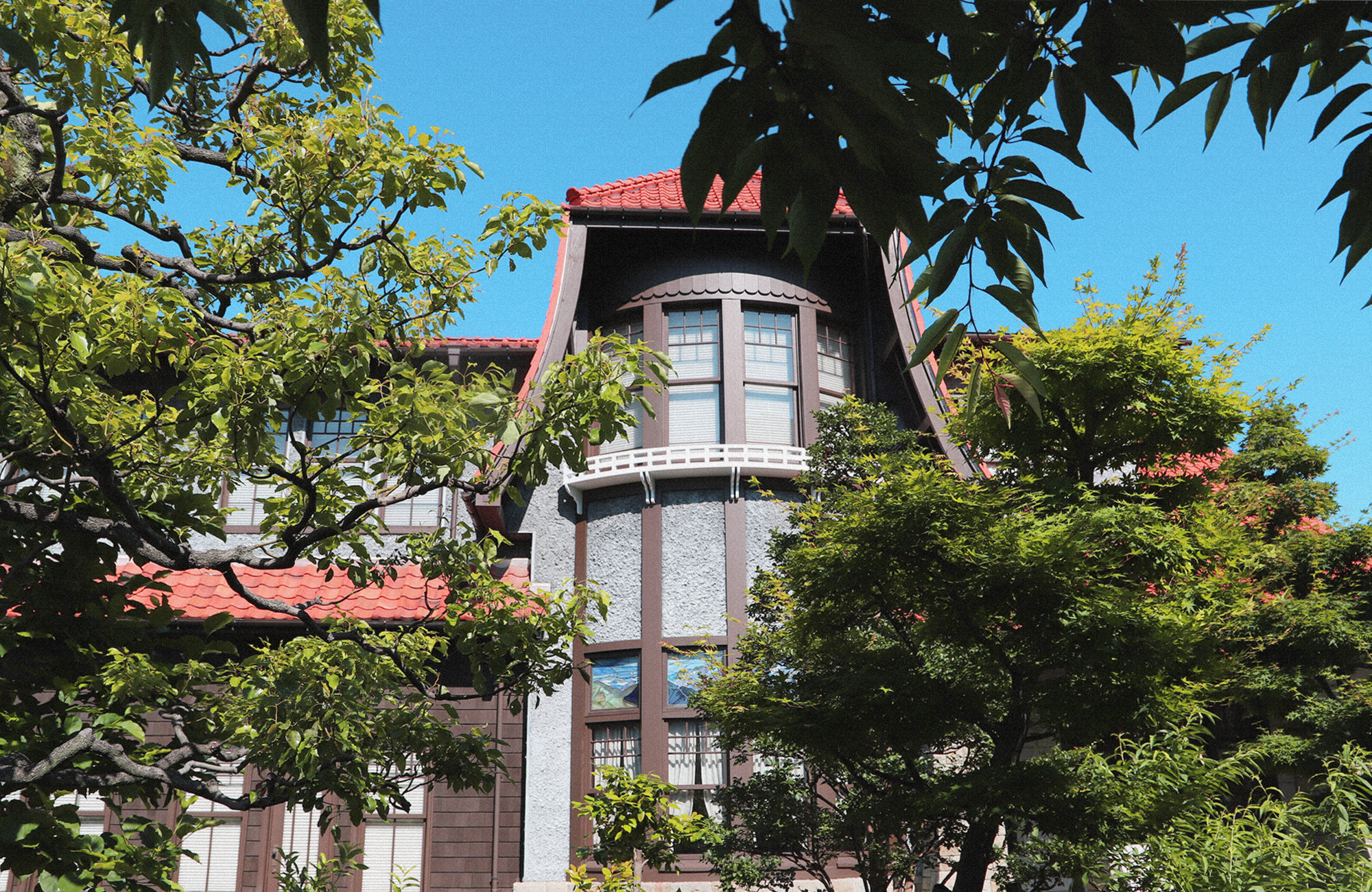
Cultural Path Futaba-kan
Through a house where a Western-style reception space connects to Japanese rooms, you can peek into life in modern Nagoya. The facility is a relocated and restored version of the home where actress Kawakami Sadayakko and businessman Fukuzawa Momosuke lived, so it isn't a house that stood on its current site from the start. Follow eye-catching features like the stained glass and the wooden staircase, and compare the inside and outside of the building.
Alongside the building itself there are exhibits on related people and literature, so it's worth allowing a bit more time than a quick photo stop. It's also a starting point for anyone wanting to see more of the old buildings around the Cultural Path. It's open from 10 a.m. to 5 p.m., generally closed on Mondays, with the closing day shifted when it overlaps a public holiday. There are separate closures over the year-end and New Year.
Alongside the building itself there are exhibits on related people and literature, so it's worth allowing a bit more time than a quick photo stop. It's also a starting point for anyone wanting to see more of the old buildings around the Cultural Path. It's open from 10 a.m. to 5 p.m., generally closed on Mondays, with the closing day shifted when it overlaps a public holiday. There are separate closures over the year-end and New Year.
현지 이름 文化のみち二葉館
주소 愛知県名古屋市東区橦木町3-23
특징 역사·정원·공예
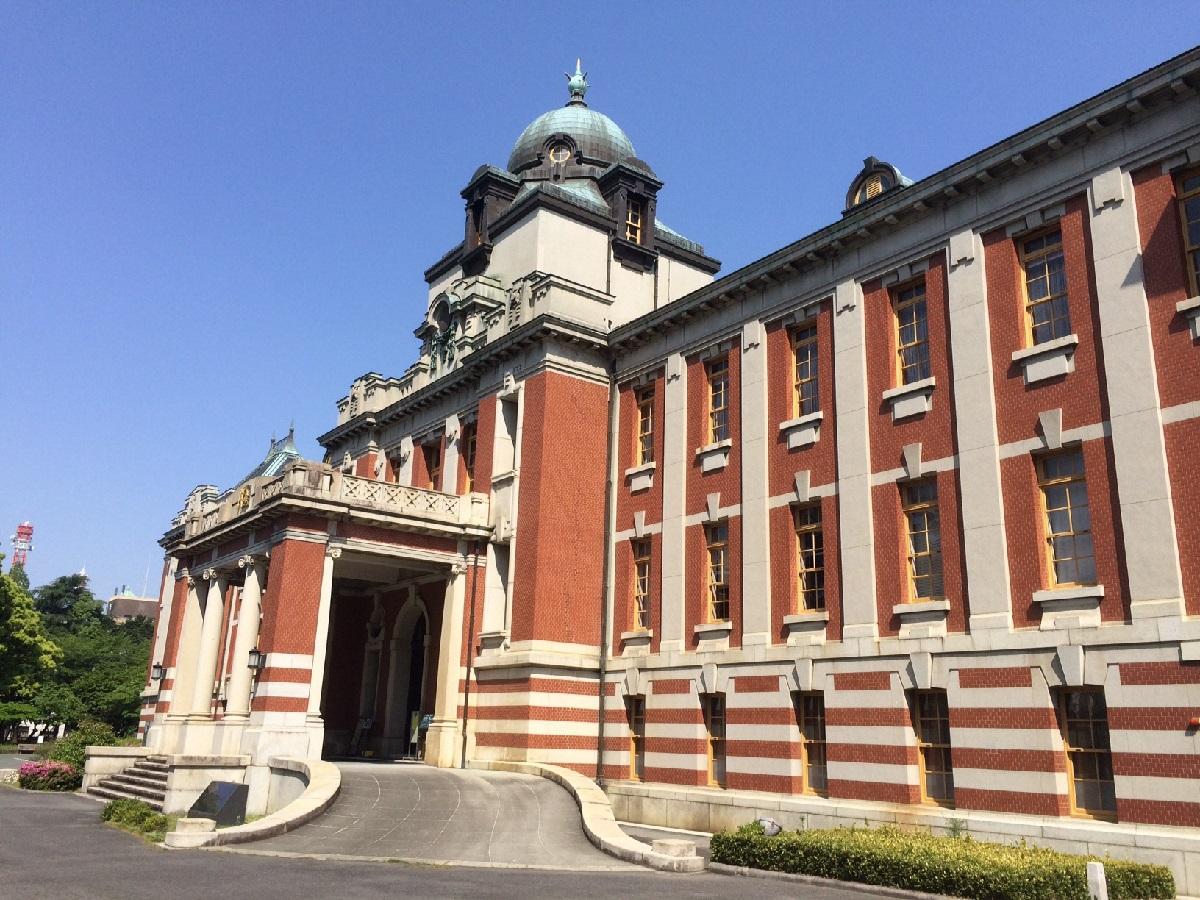
Nagoya City Archives
After the red-brick exterior, step inside and the central staircase and interior decoration leave another impression. It's an archives building in the former courthouse built in 1922, different from a courtroom where trials are held today. You can study the symmetry of modern architecture and the sense of space around the staircase, and also see exhibits on the old judicial spaces and Nagoya's municipal government. Free admission is another reason it's easy to fit into a downtown walk.
If it seems a waste to leave after seeing only the outside, arrive while the interior is open. Standard hours are 9 a.m. to 5 p.m. Besides Mondays, it's also generally closed on the third Thursday, with substitute closure rules when these overlap public holidays. You can pair it with the Futaba-kan on the same day, but the two buildings aren't right next to each other, so plan the actual route between them separately.
If it seems a waste to leave after seeing only the outside, arrive while the interior is open. Standard hours are 9 a.m. to 5 p.m. Besides Mondays, it's also generally closed on the third Thursday, with substitute closure rules when these overlap public holidays. You can pair it with the Futaba-kan on the same day, but the two buildings aren't right next to each other, so plan the actual route between them separately.
현지 이름 名古屋市市政資料館
주소 愛知県名古屋市東区白壁1-3
특징 역사·정원·공예
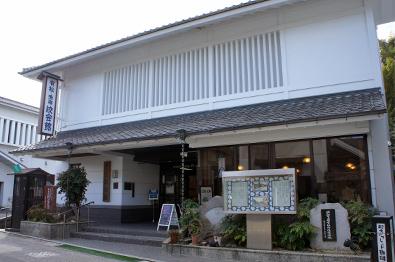
Arimatsu-Narumi Shibori Kaikan
Arimatsu, in southeastern Nagoya, is known for shibori, a dyeing technique where cloth is bound to create patterns. At the hall you can see through dyeing techniques and works how the neighborhood's craft has been passed down. Link it with a walk along the streets surviving on the old Tokaido road, and it really hits home that the patterns on the displayed fabric are tied to local industry and daily life.
Browsing finished pieces and making something yourself are two different things. If you want a shibori workshop, first check whether a reservation is available for the technique and group size you want; general exhibition admission doesn't let you join every workshop. It's some distance from the main commercial areas, so rather than forcing it in between short walks in Sakae, choose it as a half-day theme including the area around Arimatsu Station, and you can see the neighborhood at a calmer pace.
Browsing finished pieces and making something yourself are two different things. If you want a shibori workshop, first check whether a reservation is available for the technique and group size you want; general exhibition admission doesn't let you join every workshop. It's some distance from the main commercial areas, so rather than forcing it in between short walks in Sakae, choose it as a half-day theme including the area around Arimatsu Station, and you can see the neighborhood at a calmer pace.
현지 이름 有松・鳴海絞会館
주소 愛知県名古屋市緑区有松3008
특징 역사·정원·공예
If you want to see palace decoration, give yourself plenty of time at Nagoya Castle; if water and greenery are the goal, pick either Tokugawa Garden or Shirotori Garden and stroll slowly. For modern architecture you can link the Futaba-kan and the Nagoya City Archives to compare them, and Arimatsu makes a good travel theme in itself, combining the hall and the old streets.
It helps to sort out in advance what's hard to judge from a place's name alone, such as a castle's main keep, a shrine's treasure hall or a garden's tea programs. Pair one indoor visit with one outdoor walk, and you can meet Nagoya across different eras without being rushed between places.
It helps to sort out in advance what's hard to judge from a place's name alone, such as a castle's main keep, a shrine's treasure hall or a garden's tea programs. Pair one indoor visit with one outdoor walk, and you can meet Nagoya across different eras without being rushed between places.
At a glance
7 items
Nagoya Castle
名古屋城愛知県名古屋市中区本丸1-1역사·정원·공예
Atsuta Shrine
熱田神宮역사·정원·공예
Tokugawa Garden
徳川園愛知県名古屋市東区徳川町1001역사·정원·공예
Shirotori Garden
白鳥庭園역사·정원·공예
Cultural Path Futaba-kan
文化のみち二葉館愛知県名古屋市東区橦木町3-23역사·정원·공예
Nagoya City Archives
名古屋市市政資料館愛知県名古屋市東区白壁1-3역사·정원·공예
Arimatsu-Narumi Shibori Kaikan
有松・鳴海絞会館愛知県名古屋市緑区有松3008역사·정원·공예
Locations at a glance
7 places
Comments 0
Log in to leave a comment.
Be the first to comment.
How about these lists?


You might also like


🎲
Not ready to stop here?
Wondering what to read next is the biggest waste of time.
Let the dice decide — you won't know what pops up until you roll.
If you don't press it… won't you wonder forever? 👀
