
Collection
Japan
2026.11.09
A Different View North of Sapporo Station: Walking Hokkaido University
8 campus walk spots to choose from: exhibitions, old school buildings, a pond and tree-lined avenues
A short walk north of Sapporo Station opens onto a university campus where lawns and small streams, old school buildings and great trees follow one after another. Instead of moving from one tourist sign to the next, this is a walk that looks at the windows of buildings, pauses before a pond, and turns its gaze to the university's own time.
Decide your starting direction at the information center near the main gate, then take in the Central Lawn, the bust of Dr. Clark and the exterior of Furukawa Memorial Hall. Add the museum's exhibitions, or Ono Pond and the two tree-lined avenues, and it becomes a longer walk. The eight places aren't an order to complete in one go but reference points to combine according to your time and interests.
The campus is still a place where classes and research happen. Use the open paths and respect signs about building access and photography. The museum and information center each have their own hours, and not every interior of the historic buildings is open to visitors. Leafy summer, autumn foliage and snow-covered winter each change the scenery and your walking pace, so there's no need to push the distance to match the season in a photo.
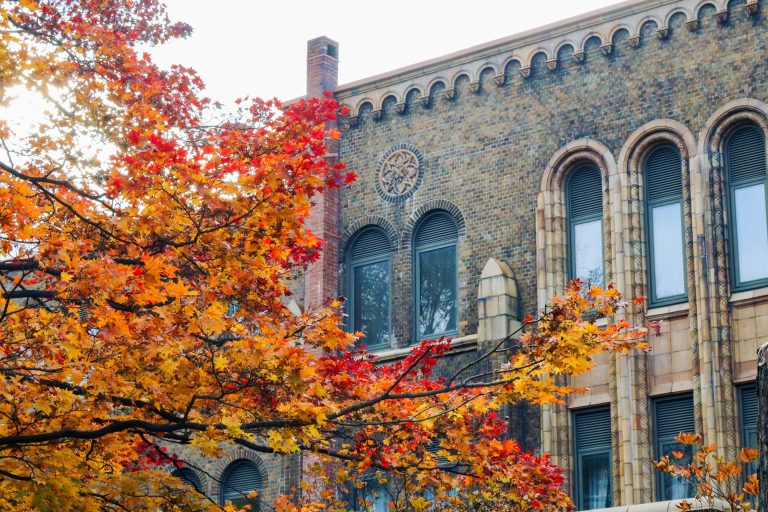
Hokkaido University Museum
A museum presenting the specimens, academic materials and educational and research achievements Hokkaido University has built up over time. Housed in the former main building of the Faculty of Science, it lets you explore the university's history and natural science exhibits, a good way to add an indoor visit to a campus walk. Pick the field that interests you first, whether minerals, living things or research stories, and you can focus on one theme instead of rushing through several floors. Admission is free and hours are 10:00 to 17:00. Monday is the regular closing day, but it opens on holiday Mondays and closes on the first weekday after the holiday period. It's also closed over the year-end holidays from December 28 to January 4, so plan separately for days to see the exhibitions and days to simply walk the campus's open paths.
현지 이름 北海道大学総合博物館
주소 北海道札幌市北区北10条西8丁目 北海道大学構内
특징 대학 종합박물관·무료 전시
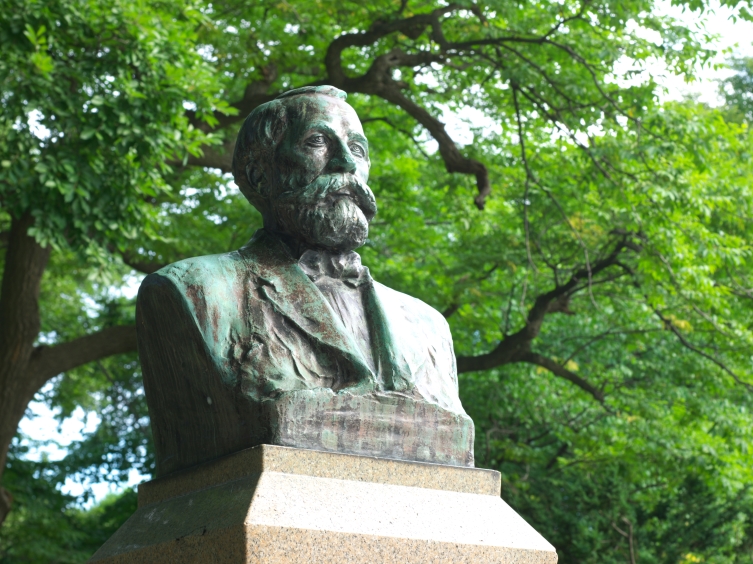
Hokkaido University Bust of Dr. Clark
A bust honoring William S. Clark, who taught at Sapporo Agricultural College, the university's predecessor, standing on the northwest side of the Central Lawn. The first bust was erected in 1926 to mark the university's 50th anniversary, but it disappeared in a wartime metal requisition; the current work was recast in 1948. Look at the inscription on the pedestal together with the figure's expression, and you can reflect on how long the university's symbol has endured. The full-length statue with outstretched arm is a different work, at Hitsujigaoka Observation Hill. From here it flows naturally to walk on to the exterior of nearby Furukawa Memorial Hall and the lawn. On a day you add the museum, the history around the main gate and the university's research exhibits come together in a single stream.
현지 이름 北海道大学 クラーク胸像
주소 北海道札幌市北区北9条西7丁目 北海道大学構内
특징 클라크 박사 흉상·대학의 역사
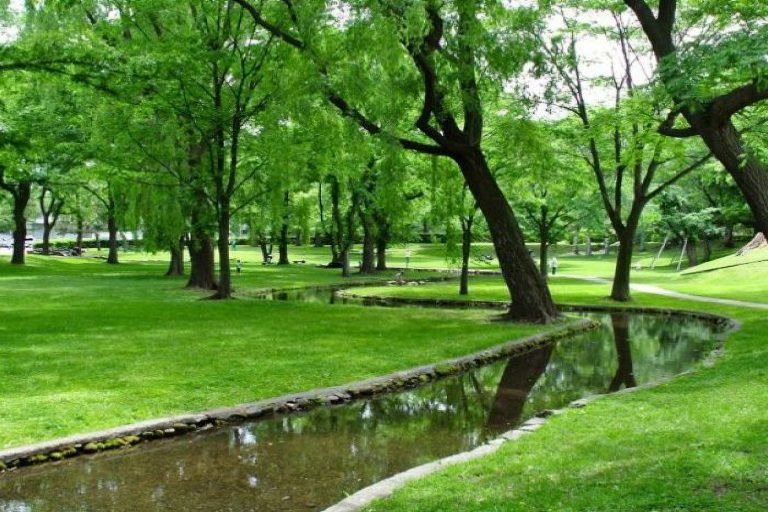
Hokkaido University Central Lawn
A space of trees, grass and a small stream that greets you as you enter through the university's main gate. On a first visit to the broad campus, it's a good place to pause and get your bearings instead of heading straight for somewhere distant. The green lawn and tree shade of summer and the snow-covered season are different scenes, so you can feel the season from the same spot. Placing it at the start, linking the bust of Dr. Clark and the Hokkaido University Museum, also makes it easy to keep the walk short. This is a working university where classes and research take place, so respect the access signs around the lawn and buildings. It's a fitting starting point for travelers who want to take in the campus atmosphere without booking a special program.
현지 이름 北海道大学 中央ローン
주소 北海道札幌市北区北8条西6丁目 北海道大学構内
특징 중앙 론·잔디와 물길
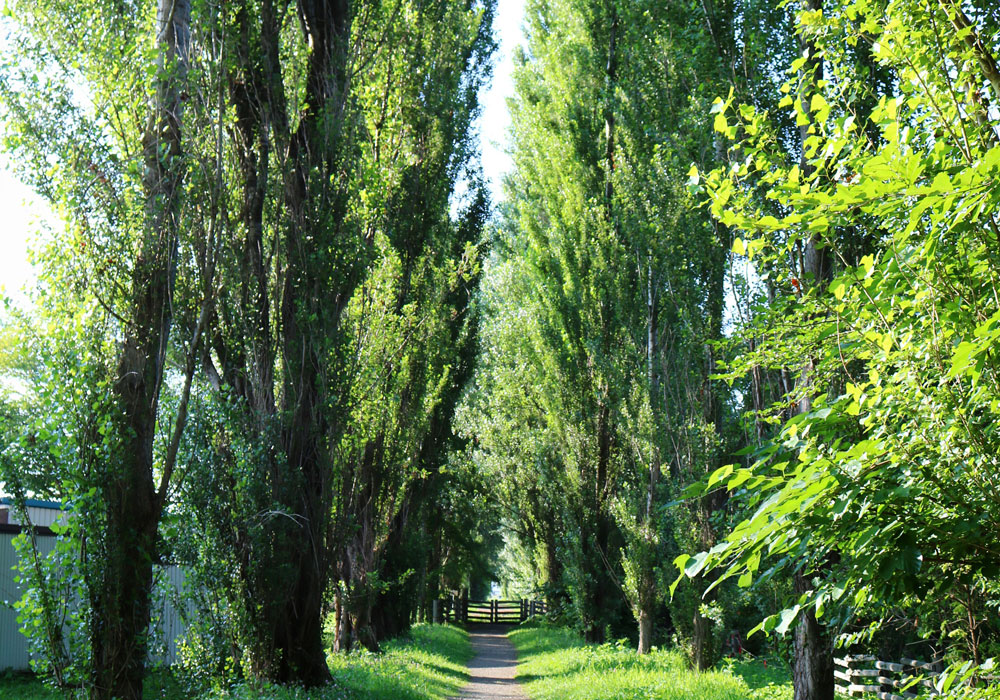
Hokkaido University Poplar Avenue
The poplars lined along the edge of the farm are a long-standing scene that symbolizes Hokkaido University. Forestry students planted the trees in 1912, giving the avenue its form, and the tall, soaring trees and surrounding farmland create a wide view unlike the city center. Gaze at the line of trees from outside, or walk the permitted areas nearby, and take in the landscape left by the university's agricultural education. Access is restricted depending on the condition of the old trees, so don't plan a route that passes all the way between them. The newly planted Heisei Poplar Avenue to the north is a different location. If you want to see the old avenue west of the museum, head toward the farm but turn back within the range the on-site signs allow.
현지 이름 北海道大学 ポプラ並木
주소 北海道札幌市北区北11条西10丁目 北海道大学構内
특징 포플러 가로수 경관·지정 관찰 구역
Hokkaido University Ginkgo Avenue
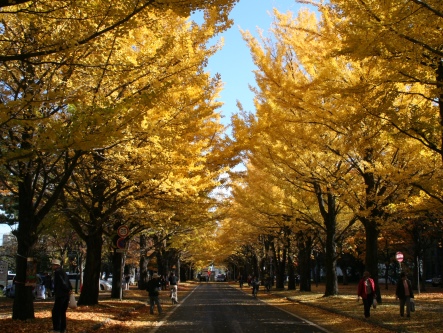
A stretch where ginkgo trees line the Kita 13-jo street through the campus. It's known for its yellow leaves in autumn, but the green of early summer and the bare lines of the trees after the leaves fall make a different impression each season. If you're going for foliage photos, bear in mind that the scenery depends on your travel dates and how far the leaves have actually turned and fallen. It's farther north than the museum or the Central Lawn, so it fits the latter half of a day when you want a long campus walk. Festivals and nighttime illumination aren't always running here. On ordinary days, give way to passersby and cyclists and slowly enjoy the path the trees have made.
현지 이름 北海道大学 イチョウ並木
주소 北海道札幌市北区北13条西5~7丁目 北海道大学構内
특징 기타13조의 은행나무 가로수길
Hokkaido University Furukawa Memorial Hall
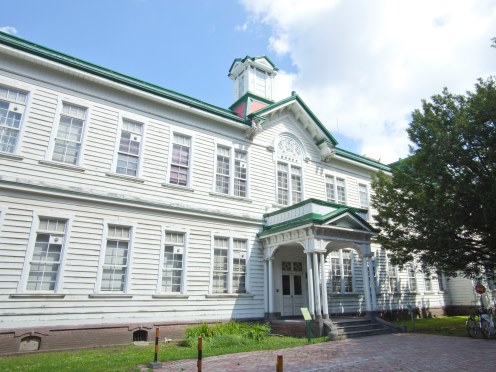
As you walk around the Central Lawn and the bust of Dr. Clark, look for the old school building with white walls and a green roof. Built in 1909 with a donation from the Furukawa family, it holds the university's past as a home for forestry education. Its exterior, in a French Renaissance style, stands out even on a campus full of trees and lawns. It's a good short addition to a walk: an exterior viewing where you slowly take in the arrangement of the windows, the entrance and the shape of the roof. It's best not to think of it as a facility whose interior you can freely explore like an ordinary museum. The university is pursuing repairs and new uses for the building, so view it from the open paths, following the fences and access signs on site. The surroundings on the day you visit may differ from seasonal photos.
현지 이름 北海道大学 古河講堂
주소 北海道札幌市北区北9条西7丁目 北海道大学構内
특징 후루카와 기념강당 외관·역사 건축
Hokkaido University Ono Pond
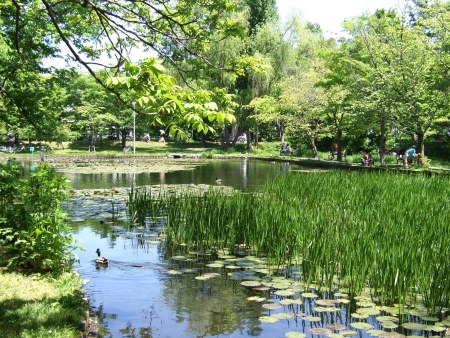
A small pond west of the main central road, between the Faculty of Engineering and the Enreiso faculty house. On a day you walk from the lawn past the museum and farther north, it becomes a pause where you meet water and trees among the buildings. With the pleasure of seeing greenery or autumn leaves reflected in the water, it suits anyone who'd rather deepen a walk within the campus than seek out one more distant sight. It's a small waterside space, so rather than expecting the scale of a large lake park, a brief stop during a stroll comes naturally. Look from the surrounding paths and don't step into the vegetation at the water's edge. In winter, snow and ice change the scene, so don't expect the water surface from a summer photo; follow the safely open paths.
현지 이름 北海道大学 大野池
주소 北海道札幌市北区北12条西8丁目 北海道大学構内
특징 오노 연못·캠퍼스 수변 산책
Hokkaido University Information Center Elm no Mori
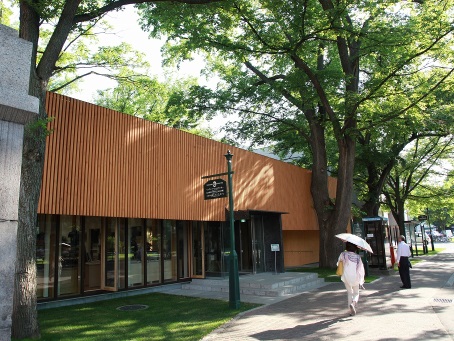
The visitor information center you meet soon after entering the main gate. Inside the bright building of glass and wood you can browse university materials and campus maps, making it a good place for first-time visitors to decide which way to walk. Gauge the distances to the museum or the tree-lined avenues before setting out, and it's easier to decide whether to see only the area around the main gate or go as far north. There's also a shop selling original goods and a cafe, so you can rest a while before starting or after finishing your walk. The information center's current hours are 8:45 to 16:45, and it closes over the year-end holidays. The cafe and shop keep separate hours, so don't assume that because the information desk is open, a meal or shopping is possible too.
현지 이름 北海道大学 インフォメーションセンター エルムの森
주소 北海道札幌市北区北8条西5丁目 北海道大学構内
특징 정문 옆 방문객 안내센터·상점·카페
On your first day, look over the map at the information center beside the main gate, then walk the Central Lawn and around the bust. If architecture interests you, view Furukawa Memorial Hall from outside, and add the Hokkaido University Museum when you want to meet its academic collections. With time to walk farther north, you can head in the direction where Ono Pond and the tree-lined avenues follow.
Note the restricted areas of the old poplar avenue and which buildings are open, and even while resting under the trees, make way for the university's daily life. On snowy paths, a loop of the nearby area is plenty. More than the number of places visited, let this be a walk that takes home the scenes that stayed with you, among the water, the buildings and the trees.
Note the restricted areas of the old poplar avenue and which buildings are open, and even while resting under the trees, make way for the university's daily life. On snowy paths, a loop of the nearby area is plenty. More than the number of places visited, let this be a walk that takes home the scenes that stayed with you, among the water, the buildings and the trees.
At a glance
8 items
Hokkaido University Museum
北海道大学総合博物館대학 종합박물관·무료 전시
Hokkaido University Bust of Dr. Clark
北海道大学 クラーク胸像클라크 박사 흉상·대학의 역사
Hokkaido University Central Lawn
北海道大学 中央ローン중앙 론·잔디와 물길
Hokkaido University Poplar Avenue
北海道大学 ポプラ並木
Hokkaido University Ginkgo Avenue
北海道大学 イチョウ並木기타13조의 은행나무 가로수길
Hokkaido University Furukawa Memorial Hall
北海道大学 古河講堂
Hokkaido University Ono Pond
北海道大学 大野池오노 연못·캠퍼스 수변 산책
Hokkaido University Information Center Elm no Mori
Locations at a glance
8 places
Comments 0
Log in to leave a comment.
Be the first to comment.
How about these lists?


You might also like


🎲
Not ready to stop here?
Wondering what to read next is the biggest waste of time.
Let the dice decide — you won't know what pops up until you roll.
If you don't press it… won't you wonder forever? 👀
